Just plan your days around neighborhoods, use the subway and walking to save time, buy a contactless MetroCard or use OMNY, book timed-entry attractions and restaurant reservations, travel light for busy streets, check weather and dress in layers, keep copies of IDs and cards, use apps for navigation and wait times, and prioritize what you want to see to maximize your New York experience.
Key Takeaways:
- Use the subway and OMNY/contactless payments for fastest, cheapest travel; use transit apps for real-time directions and service alerts.
- Wear comfortable shoes and plan on walking – explore neighborhoods across all boroughs, not just Manhattan.
- Buy tickets and reserve Broadway shows, popular museums, and observation decks in advance to avoid long lines.
- Keep valuables secure, stay in well-lit areas at night, and be aware of your surroundings in crowded spots.
- Tip 15-20% for good service, expect mostly cashless payments, and use ride-share apps when transit isn’t convenient.
Planning Your Trip
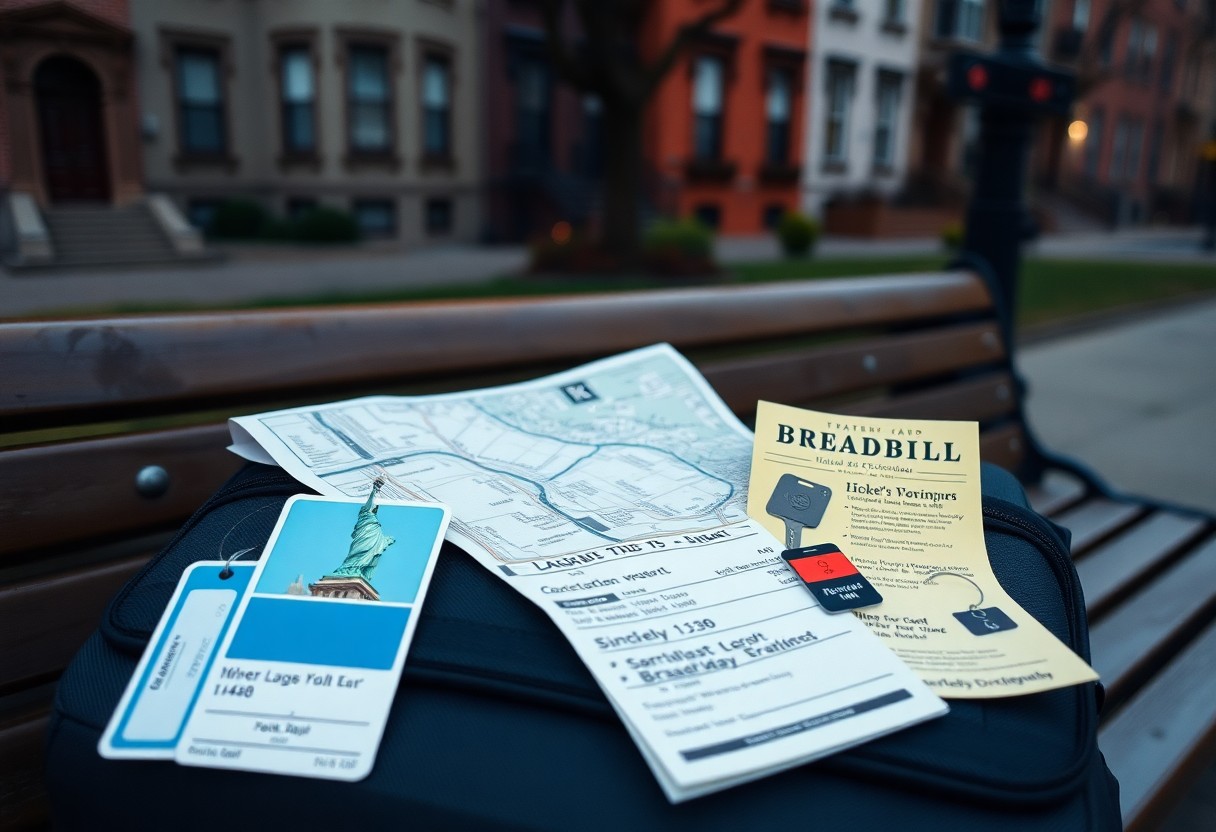
Plan flights 1-3 months ahead for domestic travel and 3-6 months for peak holidays, and lock accommodations early – neighborhoods like Lower East Side or Long Island City often shave $50-100 off Manhattan rates. Reserve popular experiences (Statue of Liberty, Broadway) in advance and bundle attractions with a CityPASS or Explorer Pass to save time and up to 30-40% on entry fees.
Best Times to Visit
Aim for April-June or September-October when temperatures are mild (spring highs around 60-70°F, fall highs 55-70°F) and outdoor events bloom. Expect heat and humidity in July-August with highs near 80-85°F, and sparse crowds plus low hotel rates in January-February when highs dip to the upper 30s. Holiday season late November-December draws big crowds around Rockefeller Center and Macy’s.
Budgeting for Your Stay
Factor in transit at $2.90 per subway ride or a 7‑day unlimited MetroCard around $33, plus hotel averages of $150-$400 per night depending on season and neighborhood. Allocate $6-12 for street food or $20-50 for restaurant meals, and add 8-15% sales tax plus typical 15-20% tips when dining or using services.
To stretch your budget, mix neighborhoods – stay in Brooklyn or Queens for lower nightly rates and use the subway for 20-30 minute commutes into Manhattan. Book refundable rates and check for taxes/resort fees upfront; using attraction bundles and free experiences like the Staten Island Ferry or High Line reduces daily costs while keeping your itinerary full.
Getting Around the City
Public Transportation Options
When you need to cover long distances quickly, the subway is your primary option – 472 stations across 24 lines operate 24/7. You pay $2.90 per ride and can tap with OMNY contactless or use a MetroCard for unlimited options. Buses fill crosstown gaps, the Staten Island Ferry is free with great skyline views, and commuter rails (LIRR, Metro‑North, NJ Transit) connect airports and suburbs.
Walking vs. Biking
Walking is often fastest for short hops-about 20 north-south blocks equals a mile, so 10 blocks takes roughly 10 minutes. Biking speeds you up for 1-5 mile trips; Citi Bike has over 16,000 bikes and 1,300+ stations and protected routes like the 11‑mile Hudson River Greenway cut travel time significantly. Pick walking in heavy pedestrian areas and biking for medium distances or along dedicated lanes.
For example, a 2-3 mile Midtown‑to‑Downtown trip usually takes 40-60 minutes on foot but just 12-20 minutes by bike if you use protected lanes. You should stick to marked bike lanes (1st/2nd Ave, 9th Ave), signal turns, avoid sidewalk riding, lock your bike, and watch for dooring; use bike maps or Google’s bike routes to plan safer, faster rides.
Accommodations
Where to Stay
You’ll choose by priorities: Midtown or the Upper West Side for iconic sightseeing (Central Park, Broadway) with typical rates of $250-$450/night; Chelsea or Greenwich Village for restaurants and galleries; Williamsburg or DUMBO in Brooklyn for nightlife and skyline views at roughly $150-$300/night; Long Island City offers lower rates and a 10-15 minute subway ride to Midtown. Prioritize being within two blocks of a subway line to cut travel time.
Tips for Booking Hotels
Book 30-60 days out to capture better weekday rates; weekends, holidays, and major events push prices 20-50% higher. Favor refundable rates if plans may shift and always compare the total nightly cost including taxes and occupancy fees (often around 15%). Use loyalty programs or travel cards for perks like free breakfast, upgrades, or late checkout.
- Check the final price breakdown for taxes and compulsory fees before confirming.
- Compare direct-booking perks versus third-party discounts to see net value.
- This gives you leverage to request upgrades or match a lower rate after booking.
Set price alerts on metasearch sites and verify rates on hotel sites-chains will sometimes match lower third-party prices. Avoid weeks with major events (UN General Assembly in late September, NYC Marathon in November, Fashion Week in February/September) when rooms can spike; shifting dates by two days can save $50-$200 per night. Consider weekday stays if your schedule allows for better deals.
- Monitor event calendars and neighborhood conventions before locking dates.
- Use flexible-date search windows to reveal cheaper alternatives nearby.
- This strategy often uncovers lower-cost neighborhoods with fast subway access.
Top Attractions
Must-See Landmarks
You should hit the Statue of Liberty and Ellis Island for history and skyline photos, then One World Observatory for panoramic views and the 9/11 Memorial nearby. Central Park’s 843 acres offer bike rentals and boat rentals in summer, while the Met houses over 2 million works spanning 5,000 years. Plan the Empire State Building’s 86th-floor deck at sunset, walk the High Line (1.45 miles) and take the free Staten Island Ferry for a ~25-minute harbor view.
Hidden Gems
You can escape crowds by riding the Roosevelt Island Tram for city-to-island views, exploring The Cloisters’ medieval collection in Fort Tryon Park, or wandering Green-Wood Cemetery’s 478 acres of sculpture and history. Seek out Mmuseumm, a tiny curated museum in Tribeca, and lesser-known waterfronts like Governors Island’s festivals and bike paths. These spots reward slower pacing and offer distinctly local photo ops and stories you won’t find on typical itineraries.
You’ll reach the Tram at 59th Street & 2nd Avenue and save time by booking Cloisters or Governors Island visits midweek; The Cloisters is part of the Met so factor that into museum passes. Green-Wood runs guided tours and sunset vistas over Brooklyn; combine it with nearby Prospect Park. For Mmuseumm and other micro-museums, check weekend hours online and arrive early-many have limited capacity and change exhibits frequently.
Dining in NYC
Iconic Foods to Try
Begin with pizza slices, typically $3-6, at spots like Di Fara (Brooklyn) or Joe’s Pizza (Greenwich Village); add a sesame bagel with lox and schmear ($6-15), Katz’s pastrami sandwich (since 1888) for about $24, Junior’s cheesecake slices ($7-10), and a Gray’s Papaya hot dog (~$3) to cover classic New York flavors across neighborhoods.
Recommended Restaurants
For fine dining, book 2-4 weeks ahead at Eleven Madison Park or Le Bernardin; for delis and comfort food, visit Katz’s Delicatessen or Lombardi’s for pizza; explore Chelsea Market for diverse stalls like Los Tacos No.1, and try The Halal Guys on 53rd & 6th for iconic street fare. Budget $40-120 per person depending on style and neighborhood.
Use Resy, OpenTable, or Tock to secure tables and watch for prix-fixe deals; you’ll often see 18-20% gratuity on larger parties and some places add a 3-5% service fee, so check your bill. Head to the East Village for late-night cheap eats, Williamsburg for inventive bistros, and Midtown for convenient hotel dining, and arrive 10-15 minutes early to avoid strict no-show rules.
Safety and Etiquette
Staying Safe in the City
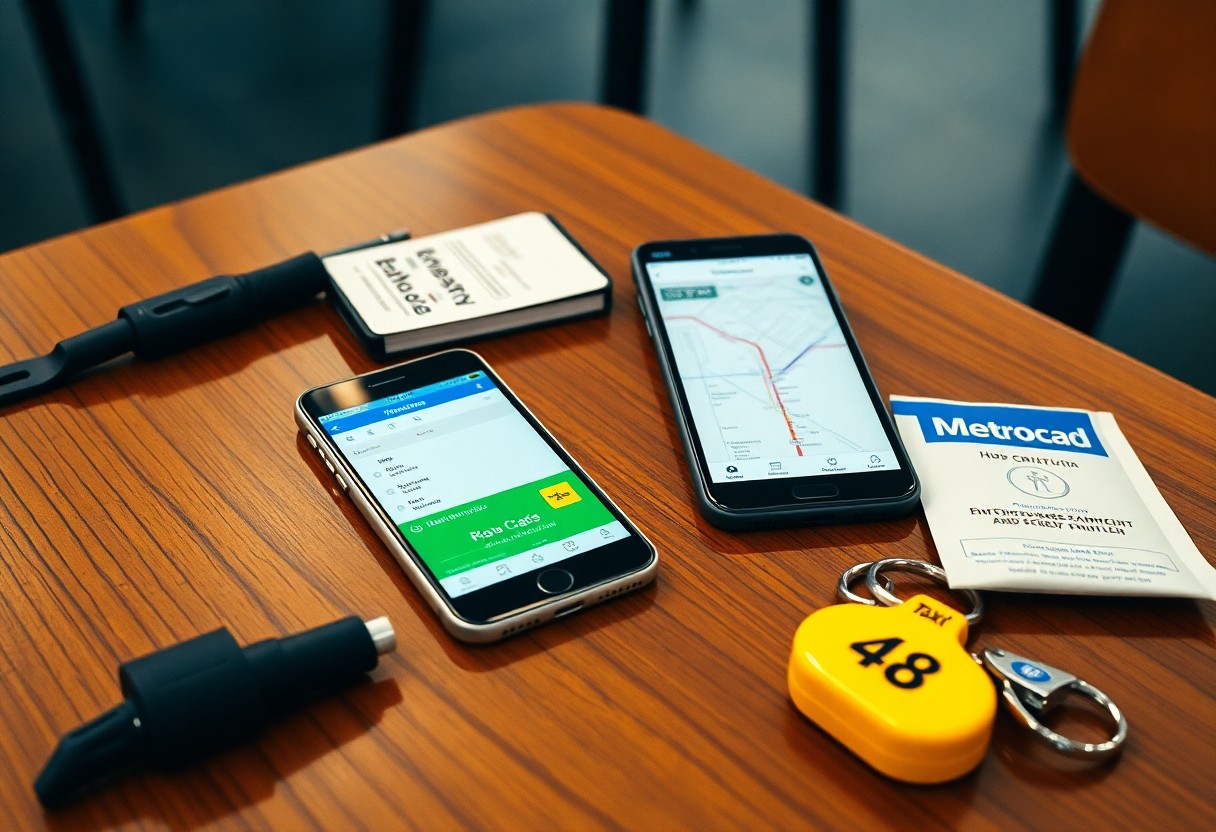
You navigate busy streets by choosing well-lit routes after dark, avoiding nearly-empty subway cars late at night and keeping valuables in front-facing, zippered bags; pickpocketing spikes in Times Square and on rush-hour trains. Use licensed yellow cabs or confirm ride‑hail plates before entering, dial 911 for emergencies and 311 for non-emergency city services, and carry a charged phone or portable battery to check MTA maps or contact someone if plans change.
Social Norms and Behavior
New Yorkers are direct, so you should speak clearly and move with purpose; tip 15-20% in restaurants and 15-20% (or $1-2 per drink) for bars and taxis, stand right and walk left on many escalators, and avoid blocking sidewalks or stopping mid-block for photos-crowds in Midtown and the Financial District become dense during peak hours.
When interacting, you should keep calls quiet on trains, ask before photographing someone up close, and accept brisk, straightforward replies-locals often prioritize efficiency over small talk. During major events like the Thanksgiving Parade or New Year’s in Times Square plan for road closures and heavy police presence; following posted signs and officer directions will save you time and hassle.
Conclusion
As a reminder, you should plan major attractions and book timed tickets, use the subway and walking to save time, carry comfortable shoes and a charged phone, be aware of peak hours and your belongings, follow tipping and safety norms, check weather and transit alerts, and explore neighborhoods beyond Manhattan to maximize your NYC experience.
FAQ
Q: How should I get around the city efficiently?
A: Use the subway and buses for fastest travel-download the MTA or Citymapper apps, tap with OMNY (contactless card or mobile wallet) for fares, and check service changes before you travel. For short trips, Citi Bike and ferries are convenient; taxis and rideshares fill gaps late at night or for heavy luggage. Walk between nearby attractions to save time and discover neighborhoods.
Q: What safety tips should I follow while exploring?
A: Stay aware of your surroundings, keep valuables secured and out of sight, avoid isolated stations or unlit streets late at night, and travel with others when possible. Use official taxi or rideshare apps, know emergency numbers (911), and follow posted directions in transit hubs and parks. If an incident occurs, contact local authorities or transit staff immediately.
Q: What’s the tipping and payment etiquette in New York?
A: Tipping is standard: 15-20% in restaurants, $1-2 per drink at bars or 15-20% for table service, and 10-20% for other services like bellhops or drivers. Many places accept cards and contactless payments; carry small cash for street vendors, tips, and occasional metro vendors. Check menus for automatic gratuity on large parties.
Q: How should I plan sightseeing to avoid long lines and crowds?
A: Group attractions by neighborhood and book timed-entry tickets for popular sites (Statue of Liberty, empire-view decks, major museums) in advance. Visit museums and hotspots early morning or weekday afternoons to reduce waits, use off-peak hours for Broadway discount booths or TKTS, and consider a city attraction pass only after comparing included sites and prices against your itinerary.
Q: What should I pack and prepare for daily life in the city?
A: Bring comfortable walking shoes, layered clothing for variable weather, a portable phone charger, and a reusable water bottle. Carry photo ID for bars and some attractions, download offline maps or save transit routes, and plan for unpredictable weather with a compact umbrella. Pack light to make stairs and crowded transit easier to navigate.