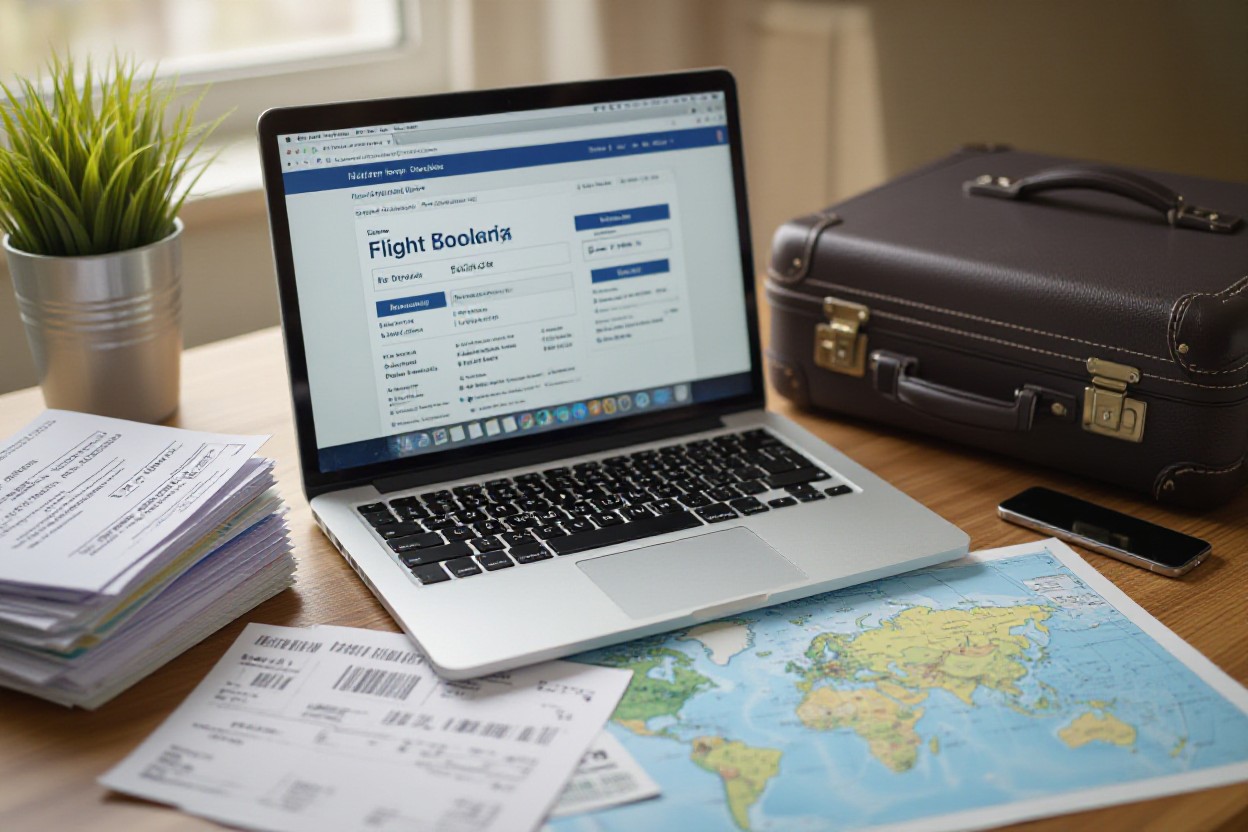
Many travelers, myself included, have lost hundreds to poor planning-I wasted $4,200 on booking blunders, missed refunds, and unnecessary upgrades; in this guide you’ll get practical fixes and checklists to stop overspending, save time, and protect your sanity so your next trip delivers value, not regret.
Key Takeaways:
- I wasted $4,200 on travel mistakes-last‑minute flights, nonrefundable bookings, and costly change fees-so prioritize flexible fares and set price alerts to avoid the same hit.
- Impulse booking cost hundreds; compare dates and carriers and use fare trackers to prevent panic purchases that blow your budget.
- Unnecessary add‑ons (checked bags, paid seats, overpriced tours) inflated the bill-pack light, skip extras you won’t use, and factor fees into the total price.
- No insurance and rigid plans led to major losses-buy trip insurance for expensive trips and choose refundable or cancellable options when possible.
- Failing to research ground transport and local prices produced surprise expenses-prebook airport transfers, learn public transit, and budget realistic daily costs.
Types of Travel Mistakes
You wasted thousands by making common errors: I blew $4,200 across bookings, baggage, and ground transport, and you can avoid the same traps. Misbooked flights, hidden hotel policies, overpacked luggage, rushed itineraries, and taxi scams are the usual suspects. Most of these hit your wallet directly with concrete fees and lost time, so troubleshoot each area with specific checks and fallback plans.
- Misbooked flights and date errors
- Nonrefundable hotel reservations and cancellation fees
- Overweight baggage and surprise airline charges
- Overambitious itineraries that cost you wasted fees and stress
- Assume that small convenience choices-like skipping travel insurance-can add up into hundreds or thousands in losses
| Misbooked flights | $600-$1,200 to rebook or change nonrefundable tickets |
| Hotel cancellation rules | $100-$800 lost per no-show or strict-policy stay |
| Overweight/extra bags | $30-$150 per bag per flight; roundtrip penalties compound |
| Last-minute gear replacements | $40-$500 for chargers, adapters, or camera gear abroad |
| Ground transport mistakes | $20-$200 for taxis, missed trains, or sightseeing detours |
Booking Errors
You often book the cheapest visible fare without checking change and baggage rules; I lost $1,050 fixing a missed connection and paid $250 in hotel penalties the same trip. Compare flexible vs. nonrefundable rates, confirm layover minimums, and set calendar reminders for booking cutoffs. Use price-tracking tools and the airline’s 24-hour policy to reduce risk.
Packing Mistakes
You cram everything into checked bags and then pay: airline overweight fees averaged $120 on two flights I took, plus $75 replacing a lost charger. Prioritize carry-on necessarys, weigh bags at home, and consolidate items to avoid hundreds in unexpected charges.
Weigh your bag at home with a digital scale and stick to the airline’s published limits to prevent surprise fees; one case study: a colleague paid $340 in fees across three flights after adding a 10 lb camera into checked luggage. Use packing cubes to compress clothes, keep valuables and one full outfit in your carry-on, and photograph receipts and serial numbers for high-value items-this saves time and money if you need refunds or replacements abroad.

Factors to Consider Before Traveling
You can avoid repeating my $4,200 mistake by checking core items before you book: passport/visa windows, refundable vs nonrefundable fares, insurance limits, and seasonal surcharges. Prioritize comparing weekday flight savings and accommodation cancellation policies; airfare can swing $40-$200 by date, and hotels often add 10-50% during festivals. Knowing what to lock in early lets you protect your budget and reduce last-minute scramble.
- Passport/visa timelines and fees
- Insurance coverage limits and excesses
- Flight day-of-week price differences ($40-$200)
- Peak-season hotel surcharges (10-50%)
- Cancellation and refund policies
Budget Planning
If you want to avoid repeating that $4,200 blowout, split your trip budget by category: about 35% for flights, 35% for lodging, 15% for food, 10% for activities, and 5% as a buffer. Use a simple spreadsheet or app to log daily limits and prebook big-ticket items when refundable fares save 20-40%. Keep an emergency fund equal to at least one day’s accommodation and one return flight segment.
Destination Research
Check visa processing times (2-30 days) and fees ($20-$200), local holidays that spike prices, and seasonal weather-Kyoto’s cherry blossom week can raise hotel rates 30-50%. Look up entry vaccine requirements and ATM availability; using a no-foreign-transaction card can save ~3% per purchase. Cross-reference official travel advisories and timetable changes before you finalize dates.
Drill down into practical sources: use government travel advisories, IATA Timatic for entry rules, and local transit sites for strike schedules-missing a holiday closure once cost me $200 in private transfers. Also confirm plug types and voltage (110/220V), typical tipping expectations, and whether VAT refunds apply; these small details often create the biggest unexpected expenses when you’re on the ground.
Tips for Avoiding Common Errors
After I wasted $4,200 on last‑minute fees, missed connections and poor bookings, you can avoid the same pain by adopting a few strict habits: verify confirmations within 24 hours, set fare alerts, and build time cushions between legs. Audit bookings 48 hours before travel, keep screenshots of reservations, and prioritize refundable or flexible fares when a trip risks going sideways.
- Confirm itineraries and screenshot reservations within 24 hours.
- Set fare alerts (Google Flights/Hopper) and monitor for 21 days.
- Weigh luggage at home to meet 23 kg/50 lb limits and prepay baggage.
- Allow minimum 3 hours for international, 1.5 hours for domestic connections.
- Keep a $100 emergency fund and digitize passports/visas.
Checklists and Preparations
Use a single, reusable checklist you update after each trip: passport, visa copies, insurance policy number, meds, adaptors, power bank, local currency, and printed addresses. Run a 48‑hour pretrip audit-confirm online check‑in, seat assignments, transport from the airport, and price estimates for taxis-to catch issues that commonly add hundreds to your bill.
Technology and Apps
Rely on specific apps: TripIt to consolidate itineraries, airline apps for mobile check‑in and digital boarding passes, Google Flights or Hopper for 21‑day price tracking, and Maps.me for offline navigation. You can often save $100-$300 by spotting fare drops early and avoiding third‑party booking fees.
Sync travel apps to your calendar, enable push alerts for flight changes, back up confirmations to cloud storage, and download offline boarding passes and maps so a dead phone doesn’t strand you; use a VPN on public Wi‑Fi and link loyalty programs to avoid unnecessary purchases. Share itineraries with one trusted contact and pre‑load transit passes where available. Thou double‑check these systems 48 and 24 hours before departure.
Step-by-Step Guide to Smart Travel
Planning Your Trip
Planning Your TripYou should set fare alerts on 2-3 sites and compare fares across an airline and an OTA; being flexible by +/-3 days often cuts costs up to 30%. Book domestic flights 6-8 weeks out and international 2-6 months ahead, and skip basic economy unless it saves you more than $100-my $4,200 of mistakes included last-minute bookings and upgrade fees that could’ve been avoided with this timing. |
Executing the Travel Day
Executing the Travel DayCheck in 24-48 hours before departure, screenshot boarding passes and confirmations, and arrive 2 hours before domestic or 3 hours before international flights; weigh your carry-on at home to dodge $30-$100 gate fees, pack importants like meds and a pen in your carry-on, and build a 90-120 minute domestic connection buffer-missing one connection once cost me about $600. |
Confirm airport transport with a 30-45 minute buffer for traffic and prebook a ride or parking spot; if there’s a delay, contact the airline within the first hour for rebooking options and standby possibilities, and keep both digital and printed copies of reservations. Use apps (airline app, TripIt) and set alerts at 72, 24, and 1 hour to catch gate changes early-these steps saved me roughly $150 in reroute fees on a recent trip.
Pros and Cons of Popular Travel Practices
Pros and Cons at a Glance
| Hostels | Pros: $10-40/night in many cities, kitchens and social halls help you save on food and meet others. Cons: dorms reduce privacy and increase petty-theft risk; many travelers report losing small electronics when lax about lockers. |
| Hotels | Pros: private rooms, consistent cleanliness, often free toiletries; business hotels can cost $80-200/night. Cons: higher nightly rates and hidden fees (resort fees, parking) that add $10-40/day. |
| Solo Travel | Pros: full flexibility, you can change plans mid-trip and save on missed group-coordination costs. Cons: you bear all costs and safety decisions alone; solo mistakes can cost hundreds without someone to catch you. |
| Group Travel | Pros: cost-sharing lowers per-person spend (rental cars, guide fees), built-in safety and logistics. Cons: less flexibility, personality clashes can waste days and money-I’ve seen groups lose two travel days to planning disputes. |
| Budget Airlines | Pros: fares often under $50-150 on short routes, great for tight itineraries. Cons: strict baggage rules and big change fees; one missed tiny print can turn a $40 fare into $300. |
| Full-Service Airlines | Pros: included baggage, easier rebooking, better support if flights cancel. Cons: higher base fares-often $100-300 more-so only worth it on long or complex itineraries. |
| Airbnb / Vacation Rentals | Pros: local neighborhoods, kitchens save you $10-30/day on food. Cons: cleaning/service fees and variable host reliability; cancellations can force last-minute hotel stays and extra costs. |
| Packaged Tours | Pros: logistics handled, best for tight timeframes-multi-city tours can cover 4-6 highlights in 10 days. Cons: premium price you pay for convenience and less spontaneity. |
Staying in Hostels vs. Hotels
You can shave $20-60 per night by choosing hostels over hotels, and kitchens often cut food costs by another $10-25/day; I skimped once and paid $300 replacing stolen gear in a dorm room. Balance your budget: if you need rest and work time, a $60 hotel that saves you a lost day of productivity can be cheaper in the long run than a $20 hostel that disrupts sleep.
Solo Travel vs. Group Travel
After wasting $4,200 on avoidable planning errors, you learn that solo travel gives you control but doubles your exposure to mistakes, while group travel splits costs-car rentals, guides, even nightly rooms-often saving $15-50 per person per day; choose based on whether you value flexibility or shared accountability.
If you go solo, plan redundancies: keep digital and physical copies of bookings, set daily check-ins, and budget a 15-25% buffer for solo mishaps you’d otherwise share; if you prefer groups, vet personalities, agree on daily budgets up front, and rotate responsibilities so one planning error doesn’t cost everyone-my worst trip lost two days and $600 because no one confirmed reservations in advance.
Learning from Travel Mistakes
After wasting $4,200 on avoidable fees, last-minute rate surges and nonrefundable bookings, you should turn that loss into a focused action plan: log every dollar, categorize errors (flights, lodging, gear), and prioritize fixes that save the most-usually flexibility and timing. Targeting those three pain points-timing, change fees, and misjudged priorities-lets you cut future waste and travel smarter without repeating the same costly habits.
Reflecting on Past Experiences
Start by listing three repeat offenders: you booked nonrefundable fares to save $80 but lost $1,200 when plans changed; you skipped insurance and paid $600 in emergency costs; and you underestimated tight layovers, costing $300 in rebookings. Compare receipts and calendar entries, spot patterns by frequency and dollar impact, then rank which fixes will prevent the largest losses next time.
Implementing Changes for Future Trips
Adopt four concrete habits: set price alerts (Google Flights/Hopper), buy flexible tickets when change risk exceeds ~10% of the fare, allocate a $500 contingency per trip, and always check cancellation and baggage rules before booking to avoid surprise fees.
Before your next booking, run a 30-day price check and set alerts-I tracked a flight that dropped $250 in two weeks-and run the math: if change risk is greater than 10% of ticket cost, pay the ~$100-$200 premium for flexibility to avoid a $600 rebooking. Buy travel insurance covering at least $3,000 medical and $1,000 trip interruption (typically 5-8% of trip cost), build a simple spreadsheet logging confirmations and fees, and use 72- and 24-hour checklists so you dodge last-minute charges like expedited baggage, visa miscues, or costly rebookings.
To wrap up
So after I wasted $4,200 on travel mistakes, you can avoid the same errors by using price alerts and flexible dates, checking baggage and change fees before booking, choosing refundable or flexible fares when plans are uncertain, setting a realistic budget with a small contingency fund, buying targeted travel insurance, and packing smarter to skip extra charges – these steps protect your wallet and keep your trips stress-free.
FAQ
Q: What specific mistakes added up to the $4,200 I wasted on travel?
A: I combined several avoidable errors that totaled $4,200: buying last-minute flights at premium prices, booking nonrefundable hotels and tours I later canceled, paying repeated baggage and change fees, getting hit by daylight ATM and currency exchange fees, and losing money to overpriced airport transfers and tourist traps. I underestimated how small charges multiply and overbooked activities I couldn’t attend, so refundable and flexible options would have saved me hundreds per item.
Q: How can I avoid overpaying for flights and accommodations going forward?
A: I now set price alerts, lock in refundable fares when the price is volatile, and use flexible-date searches to find savings. I compare airlines on multi-city itineraries and check nearby airports. For lodging I prioritize free cancellation or pay-later options, read cancellation policies line-by-line, and book refundable rates when plans are uncertain. Using fare-hold tools, travel credit cards with built-in protections, and spreading bookings across refundable and nonrefundable segments prevents repeating the same losses.
Q: Which packing and planning mistakes cost me the most and how do I prevent them?
A: I once paid repeated oversized luggage fees, bought vitals abroad at tourist prices, and missed cheaper local transit because I didn’t plan. I now pack to airline limits, use a scale at home, pre-purchase necessary gear that’s expensive at the destination, and research transit passes or ride-share deals before arrival. I also build a realistic itinerary with buffer days to avoid paying for rushed same-day rebookings.
Q: What protections should I buy or skip so I don’t waste money on cancellations, hidden fees, or scams?
A: I lost money buying the wrong insurance and skipping the right protections. Buy travel insurance that covers cancellations for the reasons you actually face (illness, airline bankruptcy, supplier defaults) and add “cancel for any reason” only if your trip is expensive and likely to change. Use credit cards that offer trip delay/cancellation and baggage coverage, and always get written confirmations for transfers and activities. Avoid prepaying cash to unvetted vendors; book through reputable platforms that offer dispute resolution.
Q: What mindset and habit changes stopped me from repeating these errors and saved me the most money?
A: I stopped treating bookings as final and started treating them as modifiable investments. I track all travel-related expenses so I can see how small fees add up, create a decision checklist before purchase (refundable option, total cancellation cost, alternatives), and give myself a 24-48 hour window before making nonrefundable purchases. I also use a simple rule: if a single mistake could cost more than I’m comfortable losing, choose the flexible option. Those habits turned the $4,200 lesson into long-term savings.