Over centuries, Rome’s ancient wonders teach you practical ways to plan family visits-timing, child-friendly routes, and interactive learning opportunities-so you can keep kids engaged, avoid queues, and balance discovery with downtime for a smoother, more educational family trip.
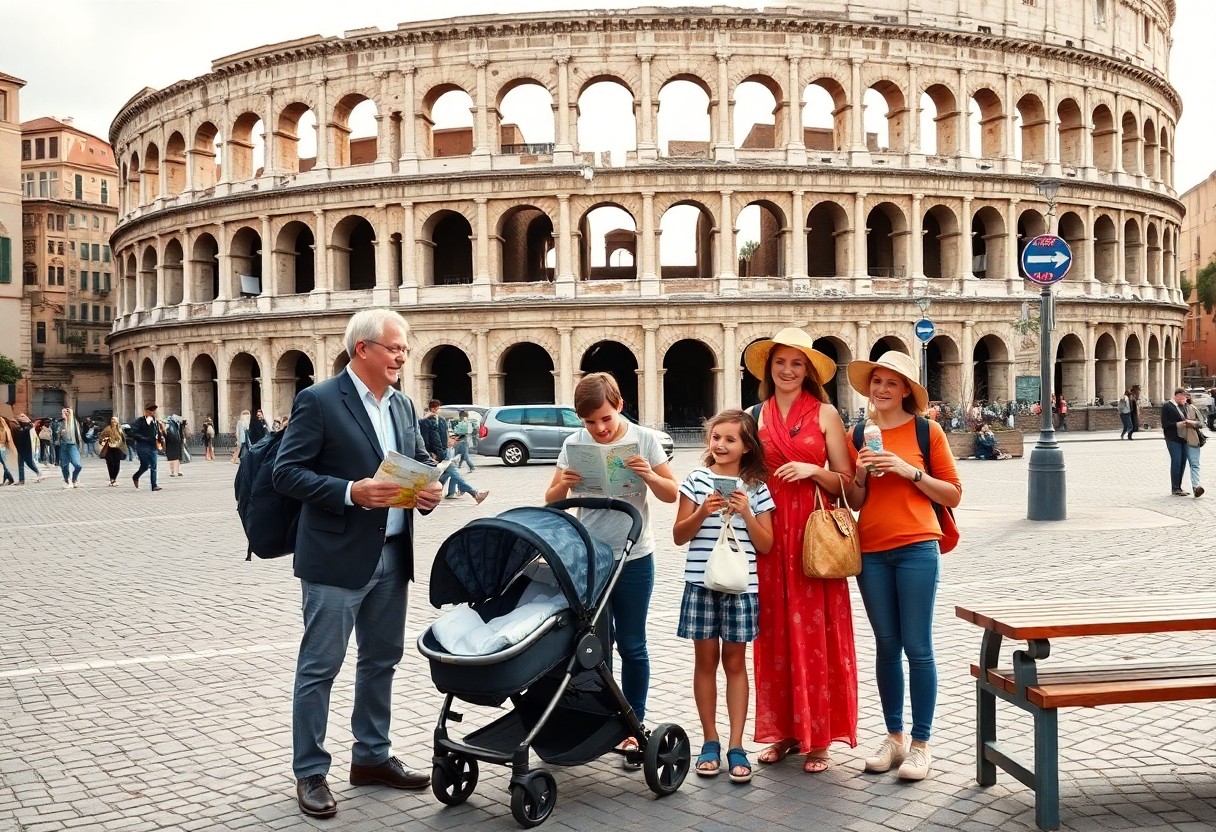
Key Takeaways:
- Rome’s ancient sites turn history into interactive lessons-bring maps, storybooks, and scavenger-hunt prompts to keep kids engaged.
- Short sightseeing blocks with rest, gelato, and playground time match children’s energy and make ruins enjoyable.
- Book timed-entry tickets and family-friendly guided tours to skip lines at the Colosseum and Vatican and reduce waiting-related meltdowns.
- Choose hands-on experiences like gladiator classes, kid-focused audio guides, and touch-friendly museum exhibits to make learning memorable.
- Pack sun protection, comfortable shoes, plenty of water, and a lightweight stroller or carrier for cobbled streets and uneven steps.
Strategic Planning for the Colosseum and Forum
Plan timed tickets and a clear route to split Colosseum and Forum visits, so you minimize walking and keep kids engaged with short activities, water breaks, and snack stops.
Optimal Entry Times for Minimal Crowds
Arrive just before opening or late afternoon for shorter lines; you can use reserved time slots to avoid queues and give children time to acclimate before deeper exploration.
Navigating Ancient Terrain with Small Children
Stroll with a lightweight stroller suitable for cobbles or a secure carrier, choose flatter routes, and schedule regular breaks so you keep energy and morale high.
Bring a sturdy carrier for stairs and a compact stroller for uneven cobbles, pack extra water, sun hats, and spare socks; map restrooms and shaded spots, pick routes with grassy breaks where your children can run, and consider a short guided family tour to turn ruins into stories that hold attention and reduce meltdowns.
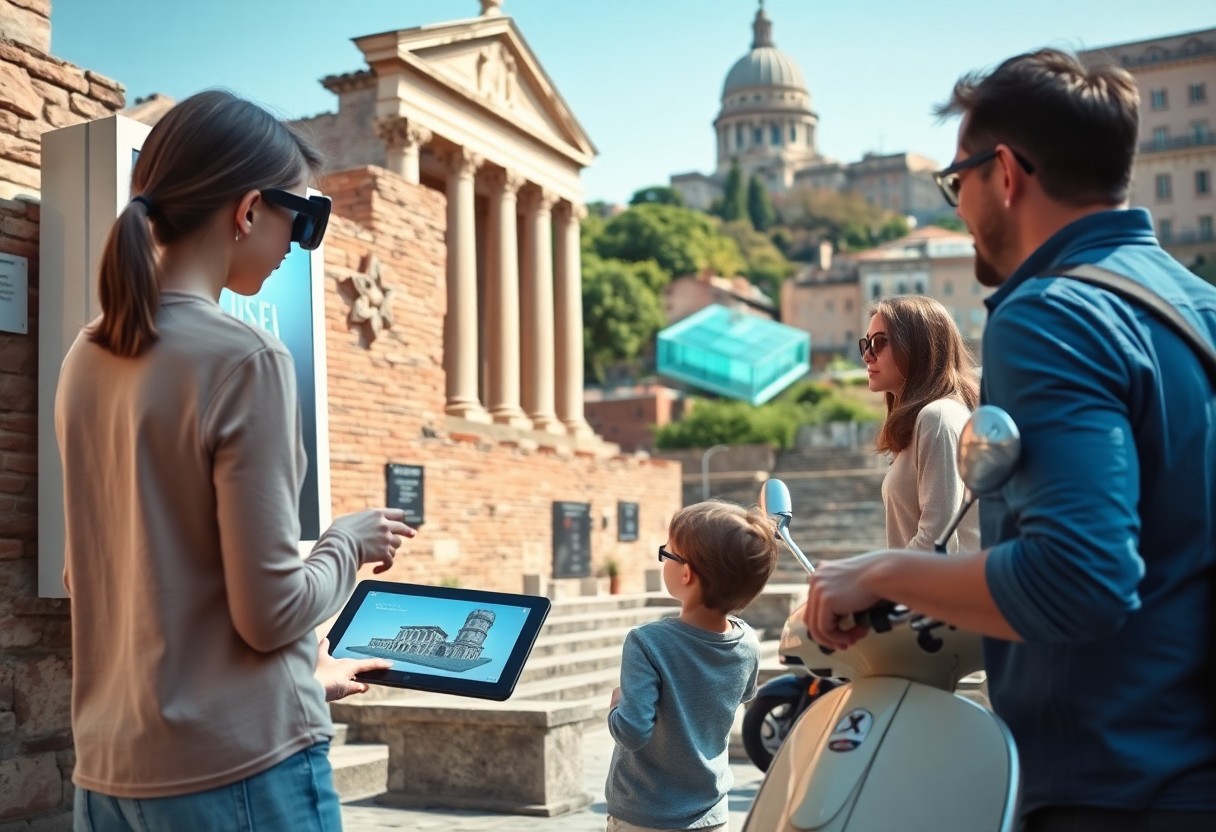
Interactive History: Bringing Ruins to Life
You can turn ancient ruins into a hands-on classroom by choosing guided tours with props, child-focused activities, and short scavenger hunts that keep children curious and calm between highlights.
Utilizing Augmented Reality for Visual Context
Try AR apps that overlay reconstructions so you can show children how structures looked, pausing often for questions and brief comparisons to present-day ruins.
Engaging Kids Through Storytelling and Myths
Invite children to imagine gladiators, gods and everyday Romans; you can assign roles, dramatize myths, and keep stories short to match attention spans.
Connect stories to specific ruins so you can point out details-pause at frescoes or arches, ask kids to act choices, and reward imagination with simple keepsakes or sketch prompts.
Essential Gear for Ancient Site Exploration
Pack a compact daypack with pockets for tickets, snacks, a small first-aid kit, and a lightweight guidebook to keep your family organized while you explore ruins. You should also bring a portable charger and resealable bags for maps or damp clothing.
Footwear Requirements for Cobblestone Paths
Choose sturdy, closed-toe shoes with thick soles and firm tread to protect your feet on uneven cobbles; pack lightweight slip-ons for rests and shoe grips for toddlers to reduce slipping hazards.
Hydration and Sun Protection Strategies
Carry refillable water bottles and lightweight cooling towels; use insulated bottles for children and map refill points before you head out to famous sites to avoid dehydration.
Protect your family by applying broad-spectrum SPF 30+ sunscreen before you leave and reapplying every two hours or after heavy sweating; pack wide-brim hats, UV-blocking sunglasses, and lightweight long sleeves for sensitive skin. Use Rome’s public drinking fountains (nasoni) to refill bottles, bring electrolyte sachets for long walks, and plan shady breaks during midday heat.
Educational Scavenger Hunts Across the City
Plan scavenger hunts that turn monuments into clues, assigning kids simple challenges at the Colosseum, Roman Forum and Pantheon so you keep them engaged while learning.
Identifying Key Architectural Features
Spot architectural details like arches, columns and coffers, and have your children sketch or photograph examples to compare styles across sites.
Tracking the Legacy of Roman Emperors
Trace emperors’ fingerprints by mapping statues, inscriptions and triumphal arches, asking your family to link each site to a ruler and a story.
Map primary sources to the sites: guidebooks, museum plaques and short translations of inscriptions help you connect emperors’ names to monuments, reforms and urban projects. You can build a simple timeline, assign roles for family members and use a points system to turn discoveries into friendly competition.
Balancing Education with Leisure Breaks
You alternate brief history stops with playground time and snack pauses, helping your children stay engaged without fatigue. This mix keeps learning lively and gives everyone a chance to recharge between monuments.
Proximity of Playgrounds to Historic Landmarks
Check maps for playgrounds near ruins so you can swap short lessons for play without long walks; that keeps pace steady and prevents meltdowns during full touring days.
Strategic Gelato Stops for Morale Boosts
Plan gelato breaks after major sites so your kids associate learning with treats and stay motivated; pick spots with seating to rest and regroup before the next monument.
When you schedule gelato after a museum or coliseum visit, aim for local gelaterias away from tourist crowds; artisanal flavors offer a cultural taste while small portions avoid sugar crashes. Balance treats with water and shaded seating so your family can relax briefly and then continue with curiosity and energy.
Safety and Crowd Management for Families
Rome’s ancient sites teach you to time visits for smaller crowds, keep children within sight, and map clear exit routes; carry water, a lightweight stroller, and simple instructions so everyone knows what to do in tight spaces.
Establishing Meeting Points in Large Plazas
Choose a highly visible, permanent landmark as your family rendezvous and show each child how to find it; take a photo of the spot, set a short meeting time, and give kids a code word for reassurance.
Navigating Security Checkpoints with Gear
Pack bags for quick access to electronics and liquids, wear slip-on shoes, and keep tickets and IDs in an outer pocket so you move through checkpoints with less queuing stress.
Prepare by checking site-specific rules before you go, distribute items among adults to avoid one overloaded bag, and use clear pouches for liquids. Practice a simple unpacking routine with children so laptops and bottles are ready at the belt, minimizing delays and reducing the chance of lost patience or misplaced gear.
Summing up
To wrap up, ancient Roman wonders teach you to plan shorter museum visits, pick early hours, mix active and quiet stops, and use storytelling to hold kids’ interest, helping you create engaging, stress-minimized family itineraries that respect history and keep everyone curious.
FAQ
Q: How can visiting the Colosseum and Roman Forum influence family itinerary planning?
A: Plan timed-entry tickets for the Colosseum to avoid long lines and heat exposure for children. Combine the Colosseum with the Roman Forum and Palatine Hill on the same day to reduce back-and-forth travel and give the family a coherent historical storyline. Book a family-friendly guided tour or audio guide aimed at kids to keep attention focused with stories, simple facts, and interactive stops. Schedule frequent breaks and pick picnic-friendly spots near the Forum so younger children can run and rest between ruins. Factor in slower walking speeds, stroller or carrier needs for uneven cobbles, and extra time for restroom and snack stops.
Q: What child-friendly activities make ancient sites engaging rather than overwhelming?
A: Create a simple scavenger hunt with pictures of arches, statues, mosaics, and inscriptions to keep children searching for details. Bring sketchbooks or small cameras and encourage kids to draw or photograph favorite sights to discuss later. Use short storytelling techniques that turn ruins into scenes from daily Roman life or gladiator tales to spark imagination without graphic detail. Choose guided tours built for families that include games, role-play, or treasure maps to break long stretches of walking into fun, goal-oriented segments. Pack small rewards or themed souvenirs to celebrate discoveries and keep motivation high.
Q: How should families handle transport and access challenges around Rome’s ancient wonders?
A: Use public transport like metro and buses where possible to avoid limited parking and traffic; plan routes ahead with printed maps or offline maps on your phone. Expect cobblestones and uneven steps at many sites and opt for a lightweight carrier instead of a full-size stroller in areas with lots of stairs. Check accessibility pages on official site websites for elevators, ramps, and reserved entrances if you need wheelchair access; book assistance in advance when available. Allow extra time for transfers, and pick drop-off points close to entrances when traveling by taxi to minimize long walks on hot days.
Q: When are the best times of day and seasons to visit Rome’s ancient wonders with children?
A: Visit early morning when sites first open to enjoy cooler temperatures and thinner crowds, which helps keep young children comfortable and focused. Choose late afternoon or early evening for shorter visits that avoid midday heat, especially in summer. Travel in spring (April-June) or autumn (September-October) for milder weather and more predictable daylight hours. Avoid planning long outdoor museum-free days in August when high temperatures and many closures can disrupt routines for small children.
Q: What safety and comfort measures should families take while exploring ancient sites?
A: Pack water bottles, sun hats, sunscreen, and easy snacks to prevent dehydration and energy drops during long visits. Use secure, zippered bags and keep wallets and devices close to reduce pickpocket risk in crowded areas. Place ID and emergency contact details in a child’s pocket or on a wristband, and agree on a clear meeting point in case anyone gets separated. Carry a small first-aid kit with plasters and antihistamine wipes, and note nearby pharmacies and hospital locations before you head out. Check restroom locations and schedules so breaks can be planned into each stop.