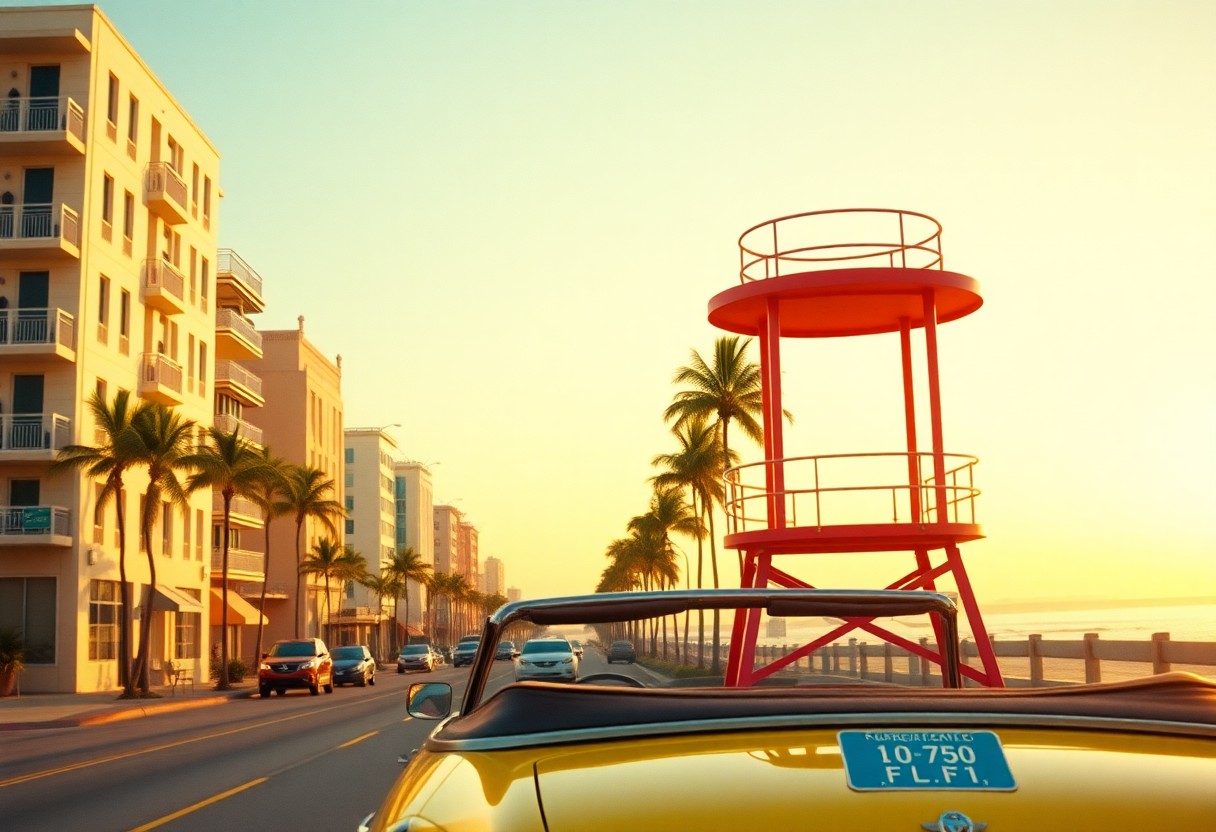
Miami offers sun-drenched beaches, vibrant neighborhoods, and culinary diversity you can maximize by planning smartly; use off-peak hours for attractions, book beachfront and Wynwood experiences in advance, prioritize efficient transport options like rideshares and Metrorail, and pack versatile clothing for humidity and evening events. With strategic budgeting and awareness of local etiquette and safety zones, you can turn your Miami getaway into a seamless, unforgettable vacation that matches your travel style.
Key Takeaways:
- Time your trip for shoulder seasons (spring or late fall) to enjoy better rates, milder weather, and fewer crowds.
- Choose neighborhoods to match your vibe: South Beach for beaches and nightlife, Wynwood for art, Little Havana for culture, Coconut Grove for a relaxed pace.
- Book hotels, popular restaurants, and tours in advance and plan beach visits for early morning or late afternoon to avoid peak sun and crowds.
- Use rideshares and Miami-Dade transit to avoid parking headaches; rent a car only if you’ll explore beyond the city.
- Pack sun protection, light clothing, and a reusable water bottle; follow local safety tips and tipping norms (around 15-20% for service).
Planning Your Miami Trip
Best Times to Visit
You’ll get the sunniest conditions from mid-December through April when average highs hover around 75-80°F and humidity is lower, but expect peak hotel rates and events like Art Basel in December or spring break surges in March. May and November are smart shoulder months for lower prices and warm beach days. If you travel between June 1 and Nov 30, plan for frequent afternoon storms and the Atlantic hurricane season – consider refundable bookings or travel insurance.
Essential Packing Tips
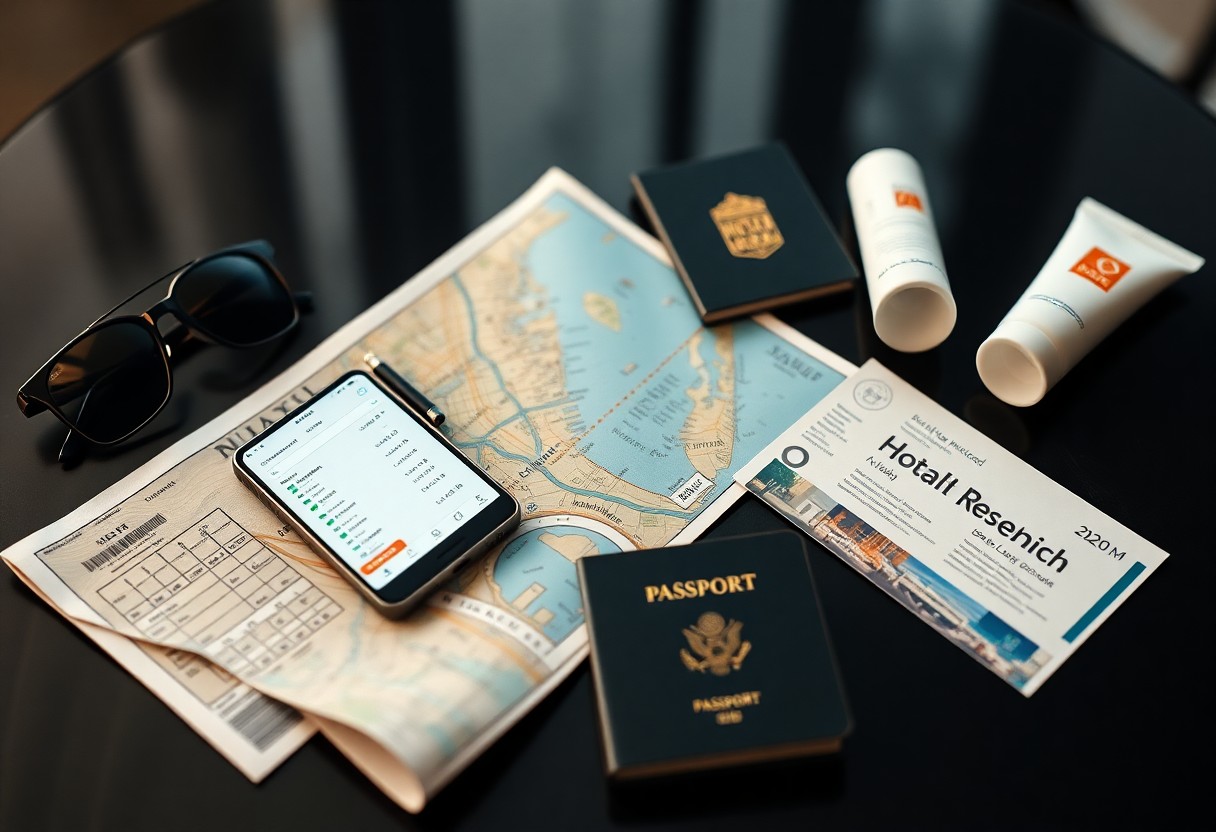
Pack breathable, quick-dry clothing, reef-safe SPF 30+ sunscreen, a wide-brim hat, and waterproof sandals; include one smart-casual outfit for South Beach nightlife and a compact rain jacket for summer storms. Bring a 10,000 mAh power bank, reusable water bottle, and minimize checked luggage-many airlines charge $30-$35 per checked bag to save time and fees at the airport.
- Reef-safe broad-spectrum sunscreen and SPF lip balm to protect against strong UV rays.
- Quick-dry swimwear, moisture-wicking shirts, and a light sweater for cooler evenings.
- Waterproof phone pouch, portable charger, and zip-lock bags for electronics.
- This also covers reef shoes, a compact umbrella, and printed copies of IDs and reservations.
When you refine your suitcase, focus on weather resilience: reapply reef-safe sunscreen every two hours or after swimming, choose fabrics that wick sweat to prevent chafing, and pack zip-locks to keep sand out of cameras and phones. Many upscale restaurants and clubs enforce dress codes-bring one collared shirt or a simple dress-and a microfibre towel plus travel laundry soap sheets will let you extend a single packing list for week-long stays.
- Reapply sunscreen every two hours; water-resistant formulas last 40-80 minutes while swimming.
- Carry a compact first-aid kit, insect repellent, and any prescription meds in original bottles.
- Microfibre towel and travel laundry sheets save space on longer trips.
- This should include a smart-casual outfit for nightlife and a breathable rain layer for sudden storms.
Navigating Miami
Transportation Options
Getting around Miami mixes public transit and rideshares: the free Metromover loops Downtown and Brickell, Metrorail one-way fares run about $2.25 and connects you to the airport via the MIA Mover, and Metrobus covers broader routes. Brightline trains link Miami with Fort Lauderdale, West Palm Beach and Orlando. Rideshare apps are ubiquitous; expect I-95 and the causeways to slow you during weekday rush hours (7-10am, 4-7pm). For short hops, use Citi Bike docks and e-scooters from Lime/Bird; parking downtown typically runs $3-7/hour.
Local Etiquette and Customs
Miami’s cultural mix means Spanish is widely spoken-about 70% of Miami-Dade identifies as Hispanic or Latino-so greeting people in Spanish (hola, gracias) goes far. You should tip 15-20% in restaurants and $1-2 per drink at bars; many venues add a service charge for groups of six or more. Dress smart for upscale restaurants and nightclubs-no flip-flops or tank tops-and keep interactions friendly but not intrusive, especially in neighborhoods like Little Havana and Wynwood.
When you’re there for business, be punctual-meetings typically start on time-while social gatherings often run 15-30 minutes late. Ask permission before photographing people or cultural events, especially during Calle Ocho and festival parades. Valet service is common at restaurants and hotels; tip $2-5 when your car is returned. If you try to use Spanish, aim for basic phrases and polite forms-locals appreciate the effort and it often opens doors to insider recommendations.
Top Attractions in Miami
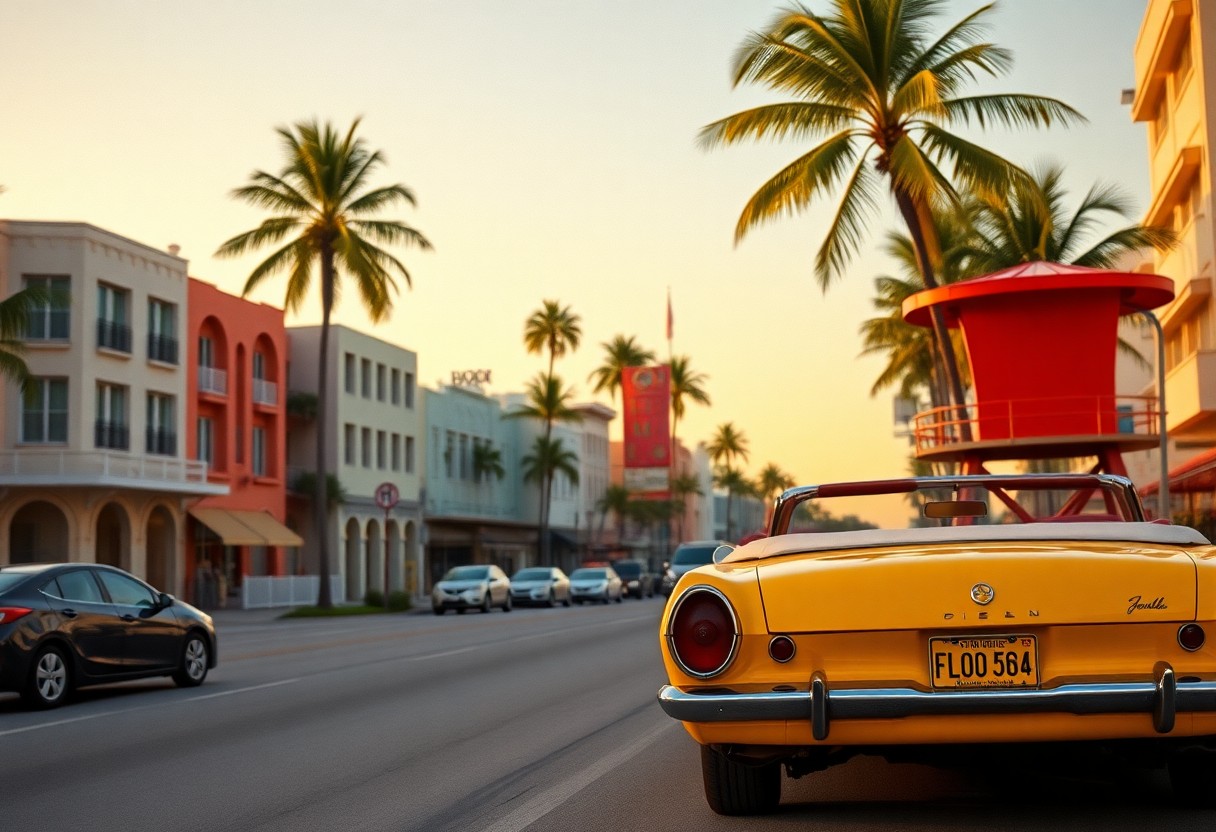
From sun-soaked beaches to vibrant art districts, Miami compresses world-class experiences into a walkable cityscape; you can stroll South Beach’s iconic shoreline, wander the Art Deco Historic District with over 800 preserved buildings, explore Pérez Art Museum Miami (PAMM) for contemporary collections, and catch neon-lit dining on Ocean Drive all within a couple of miles.
Must-See Landmarks
Prioritize Vizcaya Museum & Gardens-an Italian Renaissance estate completed in 1916-for architecture and landscaped grounds, then head to Wynwood Walls’ dozens of large-scale murals, Little Havana’s Calle Ocho for Cuban coffee and hand-rolled cigars, and the Miami Design District for flagship galleries and public art installations; finish with a sunset at South Pointe Park Pier.
Hidden Gems to Explore
Venture beyond the headline spots to find the Venetian Pool in Coral Gables, carved from a 1923 coral rock quarry, The Barnacle Historic State Park (home to an 1890s waterfront house), Deering Estate’s archaeology and coastal hammocks, and Fruit & Spice Park, which showcases more than 500 tropical varieties-each offers quieter, authentic Miami moments.
Plan half-day visits for these gems: arrive early at Venetian Pool to enjoy cooler, less-crowded swims; rent a kayak at Oleta River State Park to paddle mangrove channels; book a guided tour at Deering Estate to see fossil and Tequesta sites; and combine Fruit & Spice Park with a Coral Gables walking tour to maximize dining and shopping options in one outing.
Culinary Experiences in Miami
You’ll find Miami’s culinary scene fuses Cuban, Caribbean, Latin American and global flavors; try Cuban classics at Versailles in Little Havana, Peruvian ceviche at La Mar in Brickell, and century-old stone crab at Joe’s Stone Crab – stone crab season runs Oct 15-May 15 in Florida. Street food in Wynwood and fresh Gulf seafood along the waterfront round out options.
Local Cuisine and Dining Spots
You can hop neighborhoods: Little Havana’s Versailles has Cuban coffee and croquetas, Wynwood serves creative tacos at Coyo Taco and pastries at Zak the Baker, and Brickell’s La Mar showcases Nikkei ceviche. During Miami Spice every August-September hundreds of restaurants offer $23 lunch and $39 dinner prix-fixe menus, a smart way to sample high-end kitchens without the usual price tag.
Food Festivals and Events
Plan around South Beach Wine & Food Festival (SOBEWFF), which draws roughly 65,000 attendees annually and features grand tastings and celebrity chef demos, and Carnaval Miami’s Calle Ocho, a March street festival that attracts over 1 million visitors and dozens of food vendors serving Cuban sandwiches, empanadas and plantain snacks.
Buy SOBEWFF tickets early-flagship events like the Grand Tasting (multi-day tents on South Beach) and chef dinners often sell out weeks ahead-so prioritize 2-3 must-attend events. For Calle Ocho arrive before noon or use Metrorail/Metrobus to avoid closures, carry small bills for vendors, and pace yourself by sampling small plates to try more chefs and cuisines across the festival footprint.
Beaches and Outdoor Activities
Popular Beaches
You can split time between South Beach, famed for its Art Deco Historic District (1920s-1940s) and lively Ocean Drive, and quieter North Beach for relaxed, local vibes and easier parking. Crandon Park on Key Biscayne offers picnic areas, dunes and family facilities, while Haulover Beach Park is known for its dog park and a clothing-optional section. Lifeguards typically patrol main beaches 9 AM-5 PM in high season, and parking near SoBe ranges from $5-$25.
Water Sports and Adventures
You can rent jet skis for about $60-$120 per hour or book parasailing over Biscayne Bay for roughly $70-$130, and small-group snorkeling trips to nearby reefs often cost $50-$90. Paddleboard and kayak rentals are widely available around Key Biscayne and the Venetian Islands, where calm bay waters make sunset and wildlife tours especially popular. Many operators include basic safety gear and a short orientation.
For beginners, expect 2-3 hour lessons for activities like kiteboarding or wakeboarding priced in the $100-$200 range, with rentals requiring a valid ID/credit card and a brief safety briefing; lifejackets are provided. Winter months (November-March) bring steadier onshore winds ideal for kiteboarding and windsurfing, while summer afternoons produce gentler bay conditions better for paddleboarding and family snorkeling. Guided boat trips to Biscayne’s reefs leave daily and report visibility typically between 20-60 feet depending on weather.
Nightlife and Entertainment
After dinner you can hop neighborhoods-South Beach for iconic clubs, Wynwood for craft-cocktail bars and street art vibes, Brickell for upscale lounges, and Little Havana for live Latin music. Expect cover charges typically between $20-$100 on peak nights, with bottle service often starting around $200. Many venues ramp up between 11 PM and 2 AM; if you want a seamless night, reserve tables in advance and use ride-share to move between hotspots safely and quickly.
Best Nightclubs and Bars
For headline DJs and celebrity sightings head to LIV at Fontainebleau or the 24/7 energy of E11EVEN; both draw international crowds and special-event pricing. Mango’s Tropical Cafe on Ocean Drive offers live Latin shows nightly, while Brickell’s Blackbird Ordinary serves craft cocktails and DJ nights. In Wynwood, Wood Tavern and Gramps host rotating local acts and cheaper cover fees, making late-night bar-hopping easy and varied.
Cultural Events and Performances
Miami’s cultural calendar mixes big-ticket festivals and intimate performances: Art Basel (early December) attracts 80,000+ visitors and 250+ galleries, the Adrienne Arsht Center programs Broadway, opera, and ballet, and the New World Symphony stages innovative chamber and film-concert events. You’ll also find monthly gallery walks in Wynwood and frequent Latin-music showcases in Little Havana, so plan around seasonal highlights to match your interests.
For more practical planning, buy tickets weeks ahead for Art Basel, Adrienne Arsht Center shows, and March festivals; weekday performances often have lower prices. You can score last-minute deals via venue box offices or apps like TodayTix, and free options-outdoor wallcasts or neighborhood festivals-appear on Miami-Dade’s events calendar. Arrive early for general-admission sets and confirm parking or ride-share zones to avoid delays on busy nights.
Summing up
Taking this into account, by timing your visit, booking ahead, using reliable transport, embracing local neighborhoods and cuisine, and following smart safety and packing practices, you turn a Miami getaway into a seamless, memorable escape; you’ll maximize sun, culture, and nightlife while minimizing stress and cost, leaving you free to enjoy Miami’s vibrant energy like a pro.
FAQ
Q: When is the best time to visit Miami to balance good weather, lower prices, and fewer crowds?
A: Winter (December-February) offers pleasant temperatures and minimal rain but higher prices and more tourists; spring (March-May) is warm with occasional spring-break crowds; summer (June-August) is hot, humid, and inside the Atlantic hurricane season (June-November) so expect afternoon storms and discounted rates; fall (September-November) can be cheaper with fewer visitors but greater storm risk. Book flights and hotels early for winter travel, monitor seasonal weather forecasts, and consider travel insurance for stays during hurricane season.
Q: Which Miami neighborhoods should I consider depending on my travel style?
A: South Beach gives nightlife, beaches, and Art Deco architecture; Mid-Beach and North Beach suit quieter seaside stays; Brickell and Downtown are ideal for business travelers and foodies with convenient public transit; Wynwood appeals to art and gallery lovers; Coconut Grove and Coral Gables offer greener, family-friendly neighborhoods with upscale dining. Choose a base near the activities you prioritize to minimize transit time and parking costs.
Q: How should I get around Miami efficiently and affordably?
A: Use Metrorail and Metromover for downtown and Brickell areas (Metromover is free), and buses for broader coverage; rideshares are convenient for door-to-door trips but watch for surge pricing; rent a car if you plan day trips to the Keys or Everglades, factoring in tolls and parking fees; use transit apps for schedules, and consider bike or scooter rentals for short distances along Miami Beach and local neighborhoods.
Q: What should I pack and what safety tips help me enjoy Miami without hassles?
A: Pack lightweight, breathable clothing, a rain jacket for sudden showers, reef-safe sunscreen, a wide-brimmed hat, comfortable walking shoes, and a reusable water bottle; bring a portable charger and digital backups of important documents. For safety, keep valuables out of sight on beaches, follow posted beach flag warnings and lifeguard instructions, avoid poorly lit areas at night, and secure your accommodation with basic precautions like locking doors and using hotel safes.
Q: How can I turn my Miami getaway into a dream vacation without overspending?
A: Combine free or low-cost activities-beaches, Wynwood murals, Little Havana cultural walks-with one or two must-do paid experiences like a boat tour or Everglades airboat. Use lunch specials and happy hours for dining value, book attractions and tours in advance for discounts, stay in neighborhoods a little outside prime tourist zones to save on lodging, and travel during shoulder seasons for better rates. Prioritize a short list of signature experiences so your days feel memorable rather than rushed.