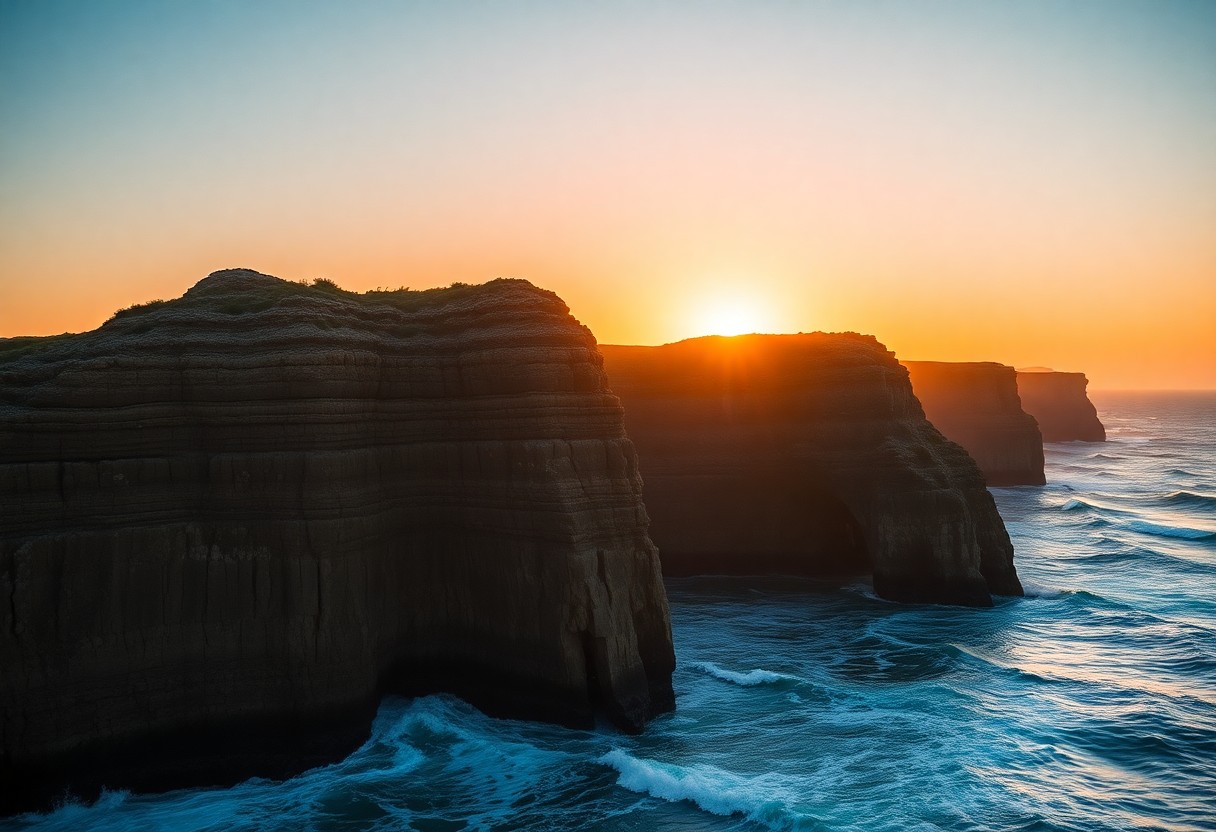
Looking to Capture Australia – The Top Photography Spots as Highlighted by Rough Guide. There’s a wealth of breathtaking landscapes and vibrant cultures waiting for you in Australia, making it a photographer’s paradise. In this guide, you will discover the top photography spots across the country as highlighted by Rough Guide, ensuring that your camera captures the essence of Australia. Whether you’re an experienced photographer or just starting, these locations will offer you stunning vistas and unique experiences that will elevate your photography portfolio. Get ready to explore and photograph the natural beauty and diverse wildlife that Australia has to offer!
Key Takeaways:
- Australia offers a diverse range of stunning photography locations, from iconic landmarks to natural wonders.
- The Great Barrier Reef is a must-visit spot, showcasing vibrant underwater life and breathtaking marine landscapes.
- Uluru, also known as Ayers Rock, provides a unique opportunity for capturing stunning sunsets and the rich cultural heritage of Indigenous Australia.
- National parks such as Kakadu and Blue Mountains feature dramatic landscapes, wildlife, and natural phenomena perfect for adventure photography.
- Cities like Sydney and Melbourne add urban charm, with their distinctive architecture, waterfront views, and lively street scenes for diverse photographic expression.
Top Photography Spots in Australia by Rough Guide
| Spot/Region | Type/Description | Key Features & Photo Tips | Best Time to Visit | Equipment Recommendations |
|---|---|---|---|---|
| Great Barrier Reef | Natural/Coastal | Underwater coral, vibrant marine life, pristine waters. Take boat trips to reefs; sunrise for water shimmer. | Dry season (May–October)1 | Underwater camera, wide-angle lens |
| Uluru (Ayers Rock) | Outback/Natural Landmark | Iconic red monolith, dramatic color shifts at sunrise/sunset; highlights Indigenous culture. | Sunrise & sunset year-round1 | Tripod, wide-angle lens |
| Kakadu NP | National Park | Diverse landscapes, dramatic cliffs, wetlands, and cultural heritage. Adventure and wildlife shots. | May–September (dry season)1 | Telephoto lens, all-weather camera |
| Blue Mountains | National Park | Cliffs, waterfalls, eucalyptus forests. Soft light at dawn for atmospheric shots. | Spring/autumn (mild temperatures)1 | Wide-angle lens, tripod |
| Sydney | Urban | Sydney Opera House, Harbour Bridge, vibrant skyscrapers, waterfront. Best from Pyrmont Bridge, Taronga Zoo. | Year-round; sunrise/sunset best1 | Standard zoom, tripod, fast lens |
| Melbourne | Urban/Street & Culture | Famous for street art (Hosier Lane), eclectic cityscapes, laneways. Festivals offer dynamic backdrops. | Year-round; golden hour for murals1 | Standard zoom, fast prime lens |
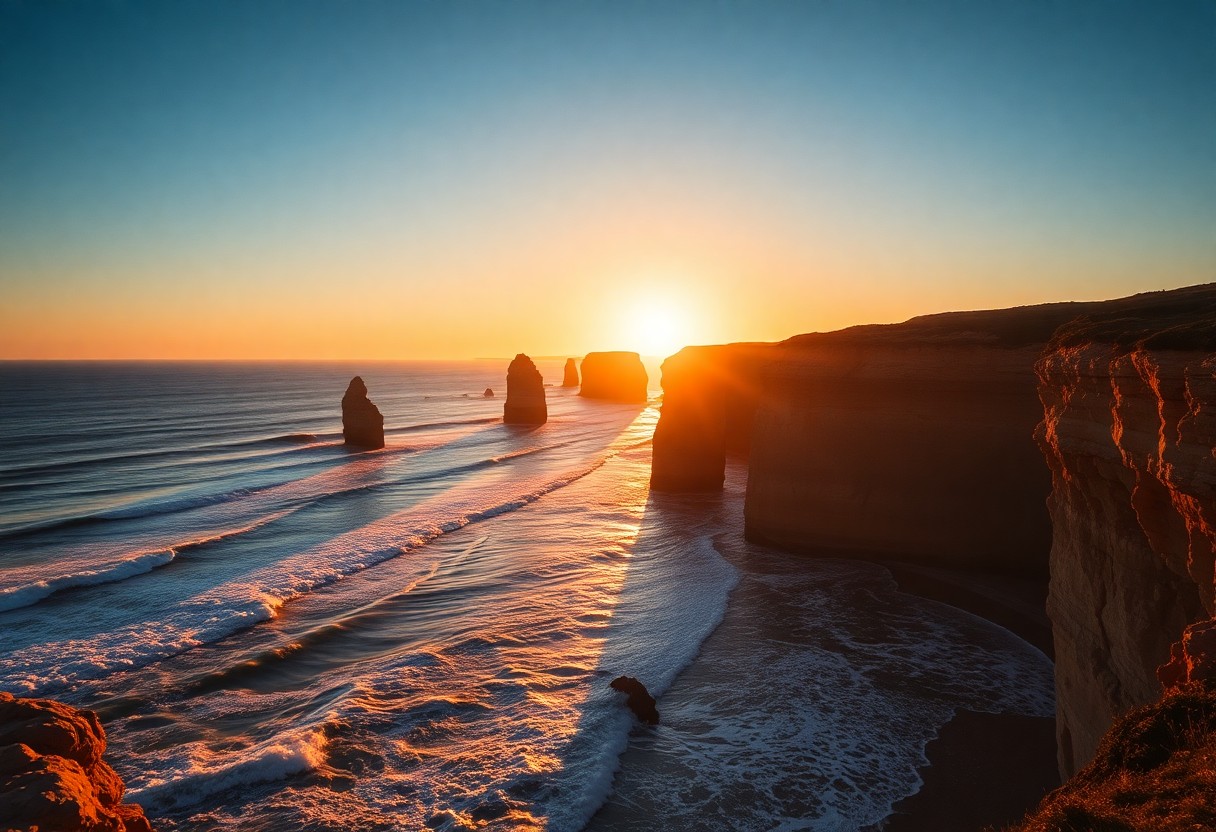
| Great Ocean Road | Coastal Scenic Drive | Rugged coastline, lighthouses (Cape Otway), Twelve Apostles, sunrise/sunset for dramatic light. | Oct–Feb for best sunsets1 | Wide-angle lens, tripod |
| Daintree Rainforest | Tropical Rainforest | Lush greenery, unique wildlife, vibrant flora. Misty mornings for mystical shots. | Dry season (May–October)1 | Macro lens, weather-sealed camera |
| Kangaroo Island | Wildlife/Nature | Rich in native wildlife (kangaroos, koalas), varied landscapes. Wildlife most active at dawn/dusk. | Spring/autumn (mild, fewer crowds)1 | Telephoto, lightweight gear |
| Indigenous Heritage Sites | Cultural | Sacred lands, ceremonies, art. Respectful shooting; highlights ancient culture and connection to landscape. | Check local calendars | Standard zoom, fast lens, discretion |
Additional Photography Tips
-
Golden Hour: Shoot at sunrise and sunset for warm, dramatic lighting and enhanced colors. Arrive early, use a tripod, and adjust ISO for low light scenes. Add foreground elements for depth1.
-
Weather Planning: Use forecasts and picture apps; cloudy and foggy conditions can create mood or drama in landscapes1.
-
Wildlife: Early mornings and late afternoons are most productive; use a telephoto lens and maintain distance; patience is essential1.
-
Gear: Bring a DSLR or mirrorless with interchangeable lenses, wide-angle and telephoto lenses, a sturdy tripod, macro for flora, and lightweight bags. Consider all-weather and travel-friendly gear for mobility and protection1.
-
Travel Light: Prioritize multipurpose equipment, use compact tripods, battery packs, and smartphone editing apps when possible1.
How to Discover Lesser-Known Spots
-
Join local photography tours and research online communities or social networks for up-to-date tips from local photographers1.
Capture Australia – The Top Photography Spots as Highlighted by Rough Guide
Capturing Nature’s Masterpieces: Australia’s Iconic Landscapes
Australia boasts an extraordinary array of landscapes that are a photographer’s dream. From the vast red deserts of the Outback to the vibrant colors of the Great Barrier Reef, each location tells a unique story that begs to be captured. Your camera can encapsulate the beauty of these natural masterpieces, offering breathtaking perspectives on the diverse ecosystems that call Australia home.
The Breathtaking Beauty of the Outback
The Outback is nothing short of extraordinary, with its vast, open spaces and iconic red sands. Here, you can explore stunning formations such as Uluru and Kata Tjuta, where the sunlight creates a striking palette of colors at dawn and dusk. Capture the essence of this rugged landscape, where every rock and shadow speaks to the ancient stories of the land.
Coastal Wonders: Great Barrier Reef Delights
The Great Barrier Reef unfolds like a kaleidoscope below the ocean’s surface. As the world’s largest coral reef system, it mesmerizes with its vibrant marine life, crystal-clear waters, and exquisite coral formations. The interplay of sunlight filtering through the water creates mesmerizing patterns that you can capture both above and below the waves, revealing a surreal underwater world.
The Great Barrier Reef is not just an underwater paradise; its marine biodiversity includes over 1,500 species of fish and numerous coral types that vibrantly paint the sea floor. You might want to consider taking a boat trip to locations like the Agincourt Reef or the outer islands, where you can photograph stunning coral gardens and even spot marine life like turtles and manta rays. The combination of pristine waters and colorful reefs offers endless photographic opportunities that encapsulate the natural beauty of Australia’s coastal wonders.
Urban Vistas: Photography in Australia’s Metropolises
Your camera should always be ready in Australia’s bustling urban environments, where each city brims with excitement and unique photographic opportunities. From soaring skyscrapers to eclectic street scenes, the metropolises serve as a canvas for modern architecture and cultural expression. The vibrant interplay of light and shadow creates dynamic compositions, ideal for capturing the essence of urban life. Uncover hidden gems and iconic landmarks that tell the story of Australia’s diverse urban landscapes.
Sydney’s Architectural Marvels
Sydney’s skyline offers a stunning mix of modern and historic architecture, showcasing landmarks like the Sydney Opera House and Sydney Harbour Bridge. You can’t miss the opportunity to photograph the Opera House at sunrise, when the soft light accentuates its sail-like design. The juxtaposition of the bridge against the cityscape in the backdrop provides an ideal setting for capturing the vibrancy of urban life, especially from vantage points like the Pyrmont Bridge or from Taronga Zoo.
Melbourne’s Street Art Scene
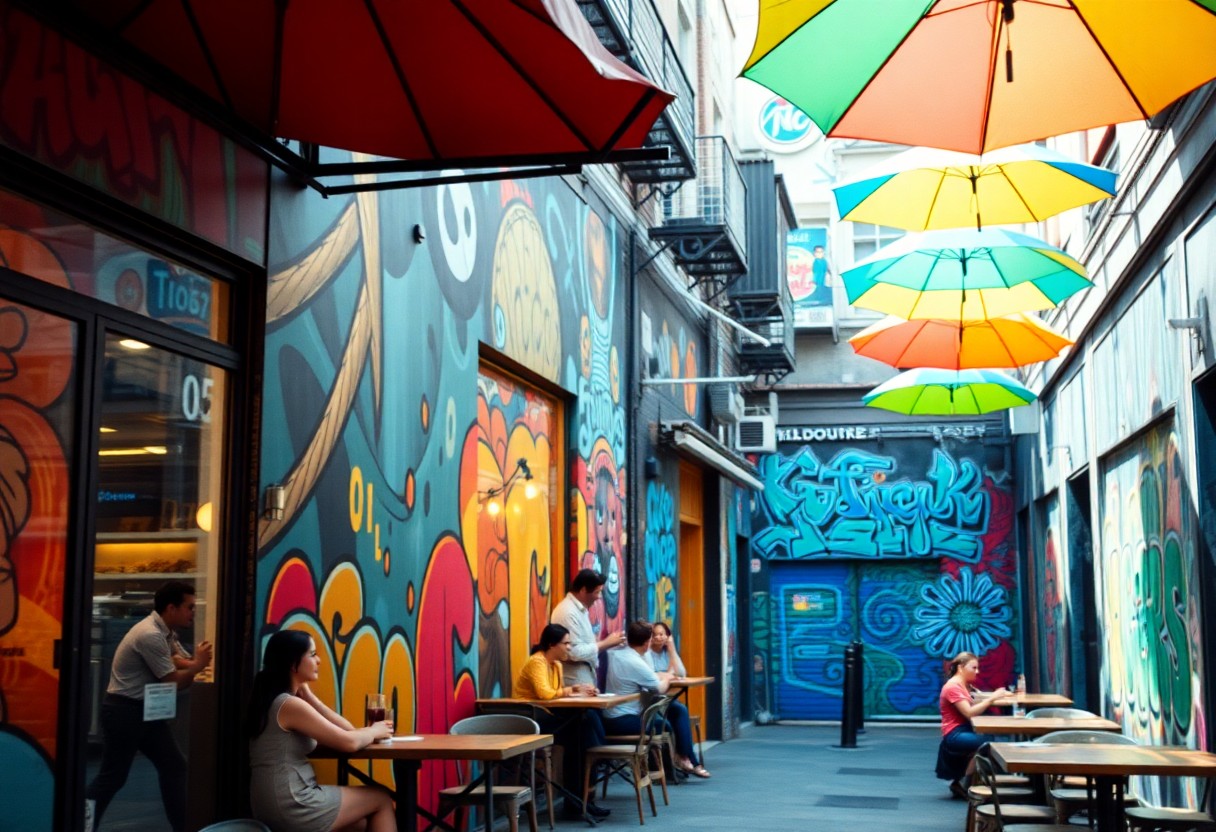
Melbourne is renowned for its captivating street art, which adorns laneways, buildings, and public spaces. With events like the Melbourne International Street Art Festival, you can witness both local and international artists transform urban walls into incredible murals. Vibrant colors and intricate designs create breathtaking images, perfect for those who appreciate urban creativity and spontaneity.
The graffiti-covered laneways of Melbourne, especially Hosier Lane, draw street artists from around the globe, resulting in a constantly evolving gallery of urban art. Each visit offers new opportunities to capture the dynamic nature of this scene. Embrace the raw energy of the artworks, and experiment with angles to highlight the contrasting textures of brick, paint, and urban scenery. As the city shifts, your photographs will chronicle the ever-changing creative pulse of Melbourne, making it a vital stop for any photography enthusiast.
Cultural Chronicles: Documenting Australia’s Heritage
As you explore into Australia’s vivid tapestry of history, photography becomes a powerful tool for capturing the essence of its rich heritage. From the ancient tales of Indigenous cultures to the stories embedded in the architecture of contemporary cities, each shot can convey a narrative that highlights the intersection of time, place, and cultural evolution. Exploring these themes allows you to reveal the stories that shape Australia’s identity, providing a profound connection to its past.
Indigenous Perspectives Through a Lens
Through your lens, embrace the rich narratives of Australia’s Indigenous peoples, whose art and cultural practices are deeply tied to the land. Photographs can capture traditional ceremonies, artworks, and landscapes sacred to Indigenous communities, offering a unique glimpse into their relationship with the environment. Such images foster respect and understanding, reminding you of the vibrant heritage that exists alongside modern Australia.
Urban Evolution: The Story Told Through Photography
Urban photography reveals the dynamic shifts within Australian cities, showcasing a blend of historical architecture and modern innovations. Capturing the contrast between old and new serves not only as a visual narrative but also as a commentary on societal growth and change. Each city presents a distinct story waiting to be unveiled through your creative eye.
Consider Melbourne, where you can photograph Federation Square’s modern lines juxtaposed against the Victorian architecture of the nearby Flinders Street Station. Sydney’s skyline, featuring the iconic Opera House beside rapidly evolving waterfront developments, tells a tale of innovation. Each photo illustrates how urban landscapes morph over time, reflecting shifting lifestyles, cultures, and economic conditions. Capturing these transformations not only enriches your portfolio but also contributes to a greater understanding of how communities adapt and thrive in an ever-evolving environment.
The Golden Hours: Optimizing Lighting for Stunning Shots
Golden Hour can transform an ordinary scene into a captivating masterpiece. This magical period, occurring shortly after dawn and before dusk, bathes your surroundings in warm, soft light, enhancing textures and colors. For the most dynamic results, aim to capture your images just as the sun dips below the horizon or rises above it, allowing natural light to create dramatic contrasts. With patience and careful timing, you’ll harness the essence of these fleeting moments to elevate your photography to new heights.
Techniques for Capturing Sunrises and Sunsets
Planning is key for photographing sunrises and sunsets. Find a vantage point with an unobstructed view of the horizon and arrive early to set up. Utilize a tripod to maintain stability for long exposures, and adjust the ISO for optimal sensitivity in low light. Experiment with different compositions, framing silhouettes against the colorful sky for impactful shots. Incorporating foreground elements will add depth, making your photographs all the more engaging.
Weather Patterns: Planning for the Perfect Shot
Weather conditions can significantly influence your photography experience during the Golden Hours. Clear skies provide stunning direct light, while a mix of clouds can create dramatic scenes with vibrant hues. Rainy days are often overlooked but can lead to breathtaking reflections and moody atmospheres. Pay attention to daily forecasts and consider using apps that provide real-time updates on weather patterns to be better prepared for those perfect golden moments.
Utilizing weather patterns can be the key to capturing unique moments in your photography. For example, early morning fog can lend a mystical quality to sunrises, while the shifting clouds during sunset can produce striking color blends. Engaging with local climate patterns will also help you choose the best times of the year to photograph specific landscapes, enhancing your portfolio’s diversity. Observe natural weather trends and adapt your plans accordingly to increase your chances of those stunning captures that evoke emotion and wonder.
Equipment Essentials: Gear Up for Success
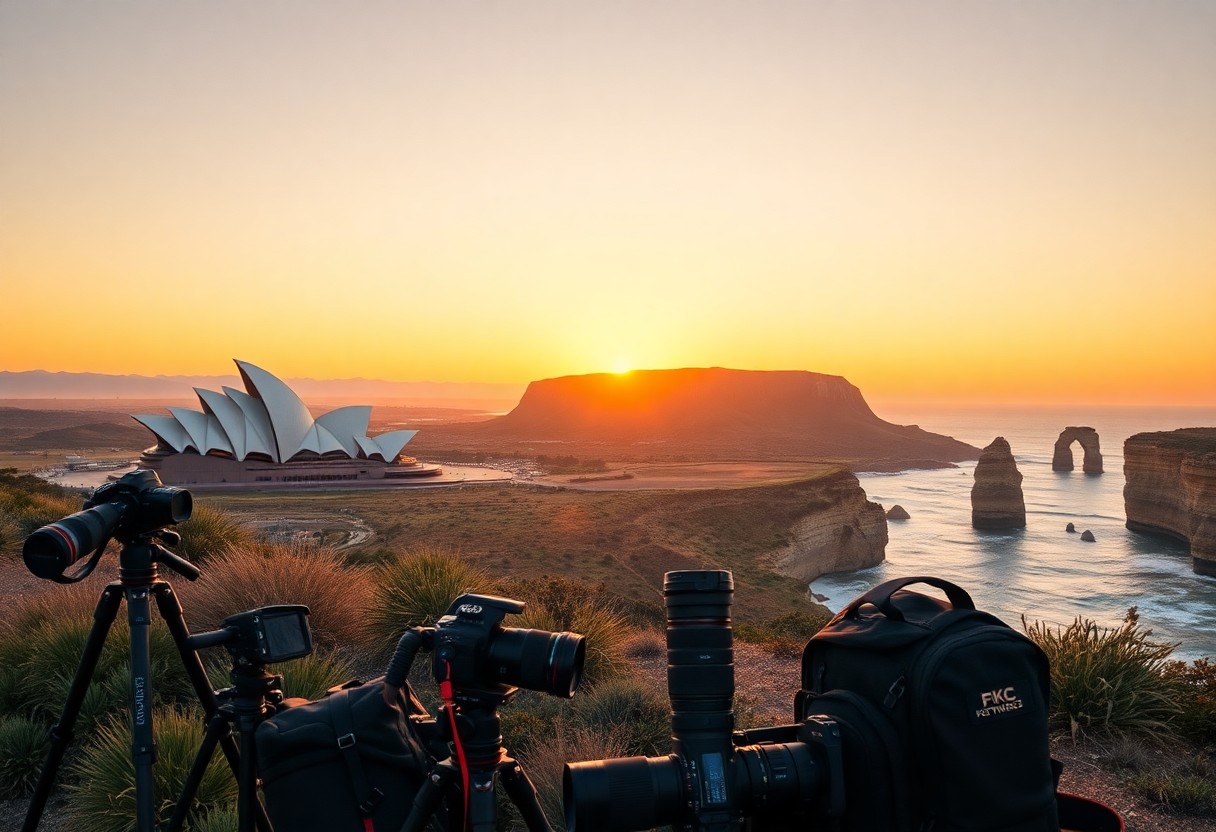
Your photography adventure in Australia will greatly benefit from careful selection of equipment that enhances your skills and complements the stunning vistas. Equip yourself with a camera that meets your needs, whether it’s a DSLR or a high-quality smartphone. Good lenses are crucial for capturing diverse landscapes, while sturdy tripods will ensure stability for those breathtaking sunset shots along the coast.
Recommended Photography Gear for Diverse Environments
Selecting the right gear can make all the difference in diverse Australian environments. An all-weather camera body will serve you well through unexpected weather changes, while a wide-angle lens is perfect for capturing expansive outback scenes. Don’t forget a macro lens to showcase the rich details of flora and fauna that thrive in the nation’s unique ecosystems.
Tips for Traveling Light Without Compromising Quality
Streamlining your gear helps you stay mobile while ensuring you have everything necessary for stunning shots. Prioritize lightweight and multipurpose equipment. Consider travel-size tripods or lightweight drone options that can swiftly elevate your perspective without burdening you. Bringing versatile lenses, such as a 24-70mm, allows for flexibility in various shooting scenarios.
- Pack only crucials to minimize weight.
- Choose equipment that can handle multiple tasks.
- Consider renting gear on-location for convenience.
- Utilize compact battery packs for efficiency.
Maintaining quality while traveling light hinges on selecting multi-functional tools and high-performance gear. Look for digital cameras with interchangeable lenses that cover multiple focal lengths, which saves space and weight. Additionally, invest in durable camera bags that offer protection and comfort. Assume that with careful consideration and some creative packing strategies, you can easily navigate Australia’s beautiful terrains without feeling overwhelmed by your gear.
- Evaluate your gear needs before departure.
- Opt for a lightweight, water-resistant camera bag.
- Utilize spare lens pouches for protection and access.
- Leverage smartphone apps for quick editing on-the-go.
To wrap up
Upon reflecting on “Capture Australia – The Top Photography Spots as Highlighted by Rough Guide,” you now have a valuable resource to enhance your photographic journey. By exploring these breathtaking locations, you can capture stunning images that convey the essence of Australia’s diverse landscapes and vibrant culture. Make sure to take your time at each spot, embrace the natural beauty, and allow your creativity to flourish. Whether you are an experienced photographer or a novice, these recommendations will undoubtedly elevate your photography experience in Australia.
FAQ
Q: What are the top photography spots in Australia according to Rough Guide?
A: Rough Guide highlights a variety of breathtaking locations for photography in Australia. Some of the top spots include the iconic Sydney Opera House, the stunning Great Barrier Reef, the dramatic landscapes of Uluru, the rugged coastlines of the Great Ocean Road, and the vibrant colors of the Daintree Rainforest. Each location offers unique opportunities to capture both natural beauty and cultural significance.
Q: When is the best time to visit these spots for photography?
A: The best time for photography in Australia depends on the specific location. For instance, visiting the Great Barrier Reef is ideal during the dry season from May to October when the weather is clearer. The golden light of early morning and late afternoon is especially flattering for photography at places like the Great Ocean Road. Additionally, visiting Uluru at sunrise or sunset provides stunning color contrasts against the rock formations.
Q: Are there any tips for photographing wildlife in Australia?
A: Yes, photographing wildlife in Australia can be incredibly rewarding. It’s advisable to go during early morning or late afternoon when animals are most active. Locations such as Kangaroo Island and the Daintree Rainforest offer rich opportunities for wildlife photography. Using a telephoto lens can help capture animals from a distance without disturbing them. Patience is key, as well as being respectful of wildlife and their habitats.
Q: How can one find lesser-known photography spots in Australia?
A: Exploring lesser-known photography spots can provide unique perspectives of Australia’s beauty. Local photography tours can be a great resource, as they often take participants to hidden gems. Additionally, researching online photography communities or social media platforms like Instagram may uncover less traveled areas recommended by locals and fellow photographers. Always consider checking travel blogs and forums for recommendations and reviews.
Q: What equipment is recommended for photographing these spots?
A: The equipment needed will largely depend on the type of photography you plan to pursue. A DSLR or mirrorless camera with interchangeable lenses is typically favored for landscape photography. A wide-angle lens can be particularly useful for capturing expansive scenes. For those interested in wildlife, a long lens (200mm or more) is recommended. Don’t forget to bring a sturdy tripod for stability and to allow for long exposure shots, especially during low-light conditions.
- https://travellersguides.com/top-photography-spots-in-australia-by-rough-guide/
- https://www.naturettl.com/australian-landscape-photography/
- https://www.steveparish-natureconnect.com.au/photographing-australia-the-ultimate-travellers-guide/
- https://chrisandwrensworld.com/instagrammable-photo-spots-australia/
- https://wanderlustphotosblog.com/2019/08/16/australia-photo-prep-part-4-photography-planning-for-the-great-ocean-road-australia/
- https://www.canon.com.au/get-inspired/5-top-photography-locations-queensland-australia
- https://mitchgreenphotos.com/articles/australias-top-8-seascape-locations-photography-tips-image-gallery
- https://www.camerahouse.com.au
- https://www.steveparish-natureconnect.com.au/photographing-australia-the-red-centre/
- https://www.australia.com/en-ca/facts-and-planning/when-to-go/best-time-to-visit.html
- https://www.digitalcamerawarehouse.com.au
- https://shop.roughguides.com/book/the-rough-guide-to-australia/9781839059117
- https://benable.com/declanofficer/the-best-photography-locations-in-australia
- https://www.camera-warehouse.com.au
- https://www.australianphotography.com/photo-tips/photographer-s-guide-south-australia-s-fleurieu-peninsula
- https://www.timeout.com/australia/travel/travel-photographers-share-their-favourite-places-in-australia
- https://www.jbhifi.com.au/collections/cameras
- https://jamiechancetravels.com/blog/photo-spots-in-melbourne/
- https://www.tripadvisor.in/ShowTopic-g255060-i122-k5114663-Photo_Buffs_Suggestions_on_best_timing_for_pictures-Sydney_New_South_Wales.html
- https://www.steveparish-natureconnect.com.au/photographing-australia-choosing-a-camera/
- https://mel365.com/best-photography-locations-sydney/