
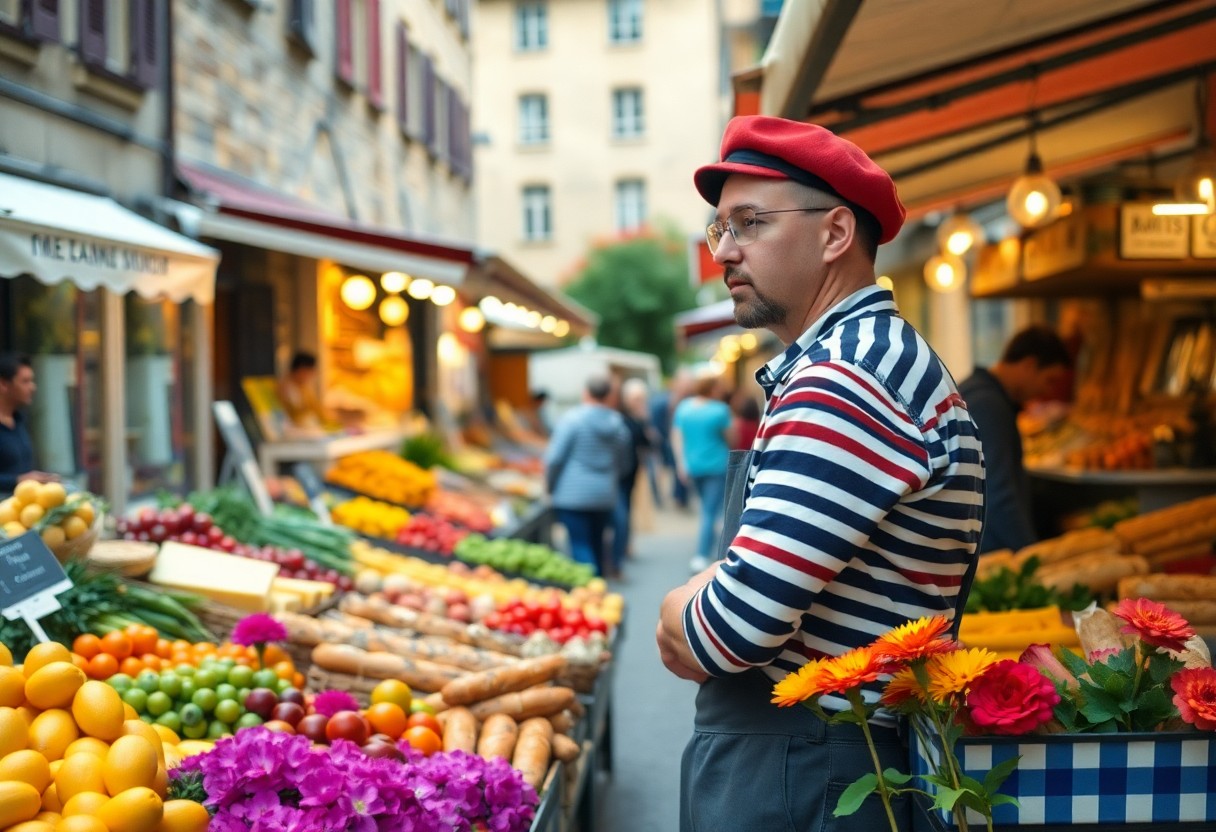
Over your journey through France, understanding local etiquette can enrich your experience and foster meaningful interactions. This guide offers important tips on social customs, dining manners, and communication styles that will help you navigate the nuances of French culture with confidence. By embracing these practices, you’ll not only show respect to the locals but also enhance your enjoyment as you immerse yourself in the beauty and charm of this remarkable country.
Key Takeaways:
- Understanding French greetings is important; a simple “Bonjour” can set a positive tone for interactions.
- Politeness is valued; using “s’il vous plaît” (please) and “merci” (thank you) in conversations is imperative.
- Dining etiquette includes waiting for the host to begin the meal and keeping hands on the table, but not elbows.
- Dress codes in France are generally more formal, so travelers should aim for a polished appearance when going out.
- Being aware of cultural norms, such as not discussing personal income or making assumptions about someone’s background, enhances social interactions.
French etiquette guide
| Topic | Key Points |
|---|---|
| Greetings | Say “Bonjour” to start conversations politely; use “Monsieur” and “Madame” formally until invited to use first names. Use “Merci” and “S’il vous plaît” regularly. |
| Personal Space & Physical Contact | Handshake is common on first meeting; acquaintances often greet with light kisses on both cheeks starting from the left. Maintain about an arm’s length distance to avoid discomfort. Avoid exuberant hugs or back patting. Urban areas have closer personal space. |
| Dining Etiquette | Wait for the host to begin before eating. Keep hands visible on the table but avoid elbows. Hold knife in right hand, fork in left; don’t switch hands. Use utensils for most foods, even pizza or sandwiches. Conversation is important: share stories, discuss culture, but avoid overly personal topics. Leaving a few bites signals enjoyment. |
| Dress Code | French dress is generally formal and elegant. Women: classic trench coat, well-fitted jeans, simple blouse. Men: tailored slacks, button-down shirt, versatile blazer. Muted colors, quality materials, and polished appearance are valued. Avoid overly casual or gym clothes in social settings. |
| Tipping & Service | Service charge (~15%) included in bills; tipping not mandatory but appreciated as a gesture of thanks. Round up small bills in casual places; 5-10% tip for exceptional service in mid to high-end dining. Leave small change in cafés; a couple of euros for hotel staff. |
| Cultural Nuances | Regional variations exist: south is warmer and more informal; north more reserved. Non-verbal cues are significant: raised eyebrows can indicate skepticism, gentle arm touch sympathy. Observe body language to adjust. Avoid discussing personal income or sensitive topics. |
| Public Behavior | Be polite and respectful in shops and public transport. Greet shopkeepers with “Bonjour, Madame/Monsieur.” Keep noise low on public transport; offer seats to those in need. Eating or loud phone calls are frowned upon in metros. |
Main etiquette areas for travelers to France, highlighting crucial cultural norms to respect, from greetings to dress and dining, ensuring smooth and respectful interactions with locals1.
The Unwritten Rules: Decoding Social Interactions
Fluent communication in French culture often hinges on unwritten rules that govern social interactions. From greetings to physical boundaries, understanding these nuances can significantly enhance your engagement with locals. As you navigate through social settings, being attuned to these subtleties will not only ease potential misunderstandings but also demonstrate your respect for their culture. A keen awareness of unspoken conventions enriches your travel experience, making it easier to connect with the people you meet along the way.
The Significance of ‘Bonjour’ and ‘Merci’
Starting conversations with “Bonjour” sets a polite tone and acknowledges the local culture. This simple hello shows respect and signals that you value the interaction. Similarly, using “Merci” when receiving services or favors is non-negotiable; it reflects your appreciation and helps build rapport with those you encounter. Neglecting these basic courtesies can be seen as disrespectful, requiring you to adopt a friendly demeanor to foster positive exchanges.
Navigating Personal Space and Physical Contact
Personal space in France might feel more compact compared to other cultures. A handshake is common for first meetings, while acquaintances and friends often greet each other with a light kiss on both cheeks, starting from the left. Invading personal space during conversations may be met with discomfort, so maintaining an arm’s length distance is advisable. Additionally, gestures like back patting or exuberant hugs, though common in some cultures, may be viewed as overly familiar.
French personal space norms vary significantly based on the context, with urban environments leaning towards closer proximities. When socializing in a more intimate setting, such as at a café or during family gatherings, you’ll observe a more relaxed approach to personal boundaries. However, maintaining a respectful distance with new acquaintances and during formal interactions can help you avoid awkward moments. Tuning into body language and the reactions of those around you will give you cues on how to adjust your physical presence accordingly.
Dining Like a Local: Mastering the French Table
To truly experience France, you must embrace the dining culture, where every meal becomes a ritual. Enjoying local cuisine is not just about the food; it’s a celebration of community, flavor, and tradition. Each dining occasion offers a chance to engage with locals, appreciate gastronomic artistry, and deepen your understanding of the French way of life. From bistros to grand restaurants, mastering these dining practices will ensure you blend in seamlessly with the locals and enhance your culinary adventures.
Essential Table Manners and Cutlery Skills
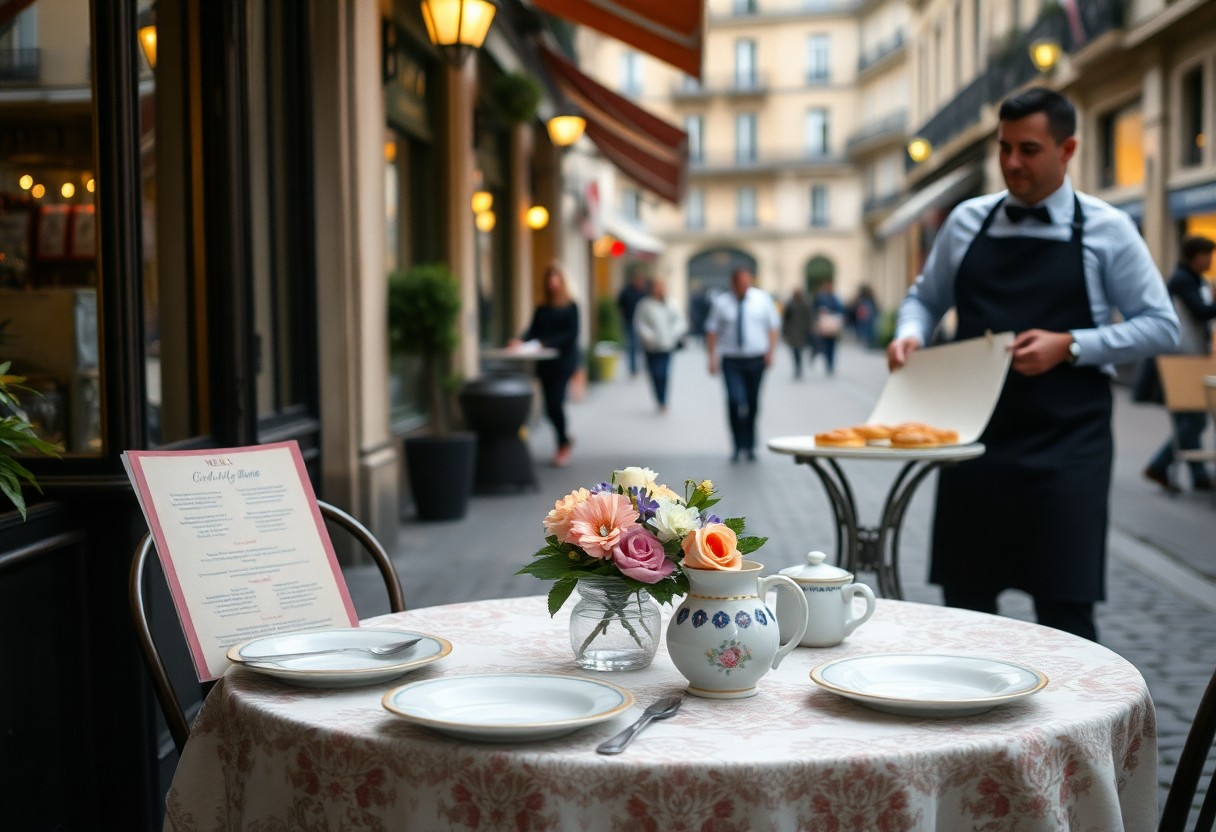
French dining etiquette emphasizes refinement and awareness of your surroundings. Place your napkin on your lap as soon as you sit down, and avoid starting your meal until everyone has been served. As for cutlery, hold your knife in your right hand and fork in your left while eating; switching hands is a common faux pas. Remember to keep your hands visible but not resting on the table—this conveys both attentiveness and respect.
The Art of Conversation Over a Meal
Dining in France is just as much about conversation as it is about the food. Engaging in meaningful dialogue enhances your meal and fosters connections with those around you. French people cherish deep discussions and storytelling, valuing a good balance of humor and seriousness. Share your culinary experiences and ask open-ended questions about regional dishes or traditions. Embrace the pauses in conversation, as they allow for contemplation and enjoyment of flavors, helping the meal unfold as an experience rather than just a routine.
As you navigate the mealtime conversations, steer clear of overly personal topics and focus on shared interests or cultural observations. Discussing art, history, and your impressions of the local area can spark lively exchanges that deepen your connections. In France, conversations during meals are often leisurely and meandering, allowing everyone a chance to contribute. When you’re invited to a meal, your input and engagement can truly enhance the experience, making it memorable not just for you, but also for your hosts and fellow diners.
Dress to Impress: The French Philosophy on Attire
Unpacking the Importance of Style and Presentation
In France, presenting yourself with flair isn’t just encouraged—it’s practically a way of life. Effortlessly chic ensembles reflect a deep-seated appreciation for aesthetics, making it crucial for you to dress thoughtfully wherever you go. From bustling Parisian streets to quaint provincial towns, your choice of attire communicates respect for the occasion, the people around you, and the cultural fabric of this stylish nation. Simply put, in France, how you dress can be just as important as what you say.
Essential Wardrobe Pieces for Both Men and Women
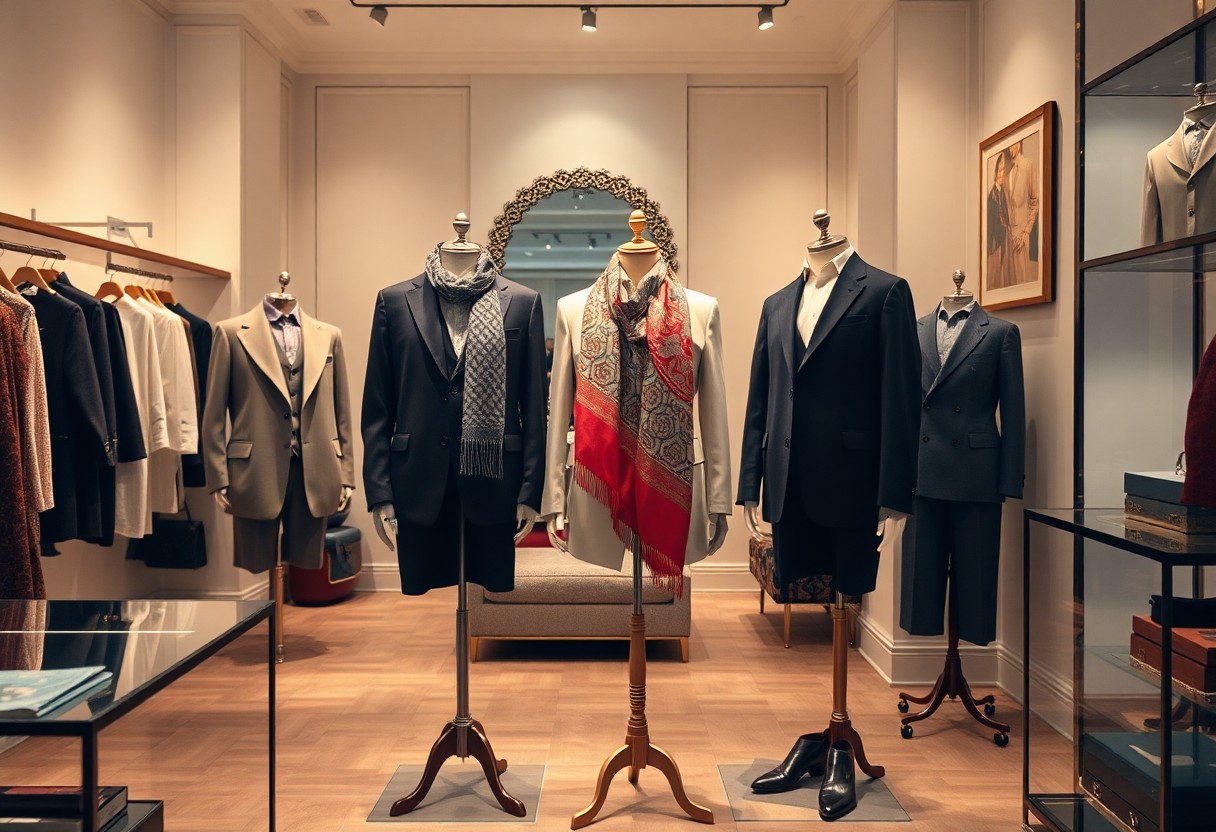
To blend seamlessly into the French sartorial landscape, cultivate a wardrobe that’s elegantly curated. Wardrobe crucials for women include a classic trench coat, well-fitted jeans, and a simple yet sophisticated blouse, while men should consider tailored slacks, a crisp button-down shirt, and a versatile blazer. Footwear matters—opt for chic ankle boots or loafers, which convey an effortless sense of style. The color palette leans towards muted tones, allowing for various combinations that maintain a polished, refined appearance.
This foundation of timeless pieces becomes your palette for showcasing personal style without veering into flamboyance. A tailored blazer is ideal for casual lunches or cultural events, while classic jeans can be dressed up or down depending on accessories. Incorporate quality materials; think of a silk scarf or leather handbag that adds sophistication. For men, a well-cut suit serves you in both business meetings and evening outings, ensuring you impress in any setting. Choose your pieces wisely, and you’ll embody that effortlessly chic vibe synonymous with French culture.
Tipping and Service: Demystifying the Gratuity Game
Understanding the nuances of tipping in France can significantly enhance your experience. Service is typically included in your bill, yet acknowledging exceptional service with a small gratuity demonstrates appreciation. Knowing when and how much to tip is vital for smooth interactions across various settings, from bustling bistros to high-end restaurants.
Understanding Service Charges and Their Implications
In France, restaurant bills usually include a service charge (service compris), meaning tipping isn’t obligatory but appreciated. This charge is generally around 15%, ensuring that staff receive fair compensation. However, if you receive exceptional service, rounding off the bill or leaving some coins is customary, showcasing your gratitude while adhering to local practices.
When and How Much to Tip in Various Settings
Tipping varies depending on your environment. In casual eateries, rounding up to the nearest euro or leaving a couple of euros is sufficient. For mid-range dining, adding 5-10% for outstanding service is common. In upscale restaurants, a 10% tip aligns with the expectation of higher service standards. In cafés, leaving spare change is customary, while hotel staff appreciate a couple of euros for bellhops and housekeepers.
Cultural Nuances: More Than Just Manners
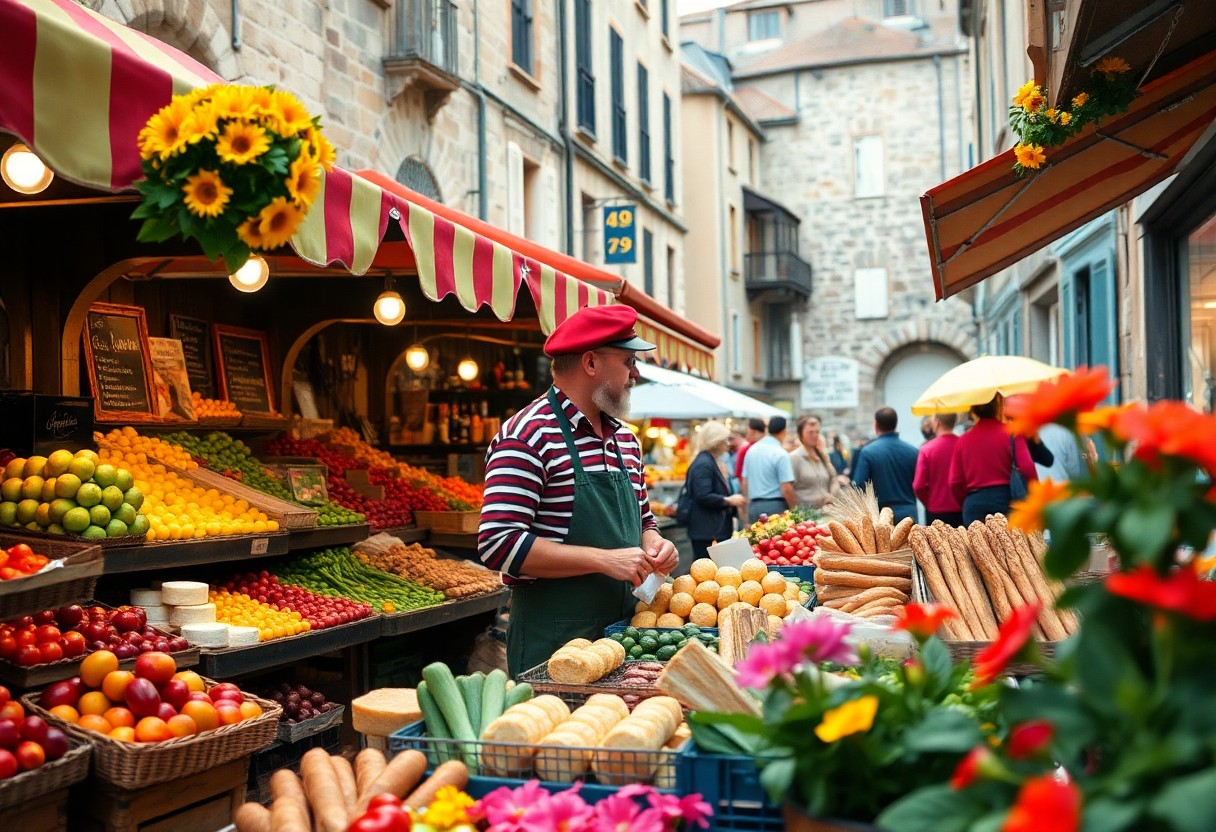
Your experience in France extends beyond basic etiquette; it encompasses a rich tapestry of cultural nuances that influence social interactions. Understanding these subtle layers enhances your appreciation of local customs and fosters deeper connections with the people you encounter. From greetings to dining etiquette, every interaction is steeped in tradition and sentiment, making your observations and adaptability vital. Recognizing these nuances could mean the difference between an average experience and a truly immersive one.
Regional Differences in Etiquette Across France
France’s regional diversity means that etiquette can vary significantly from one area to another. For instance, in the south, a warm, yet informal greeting with a kiss on both cheeks is common, whereas in the northern regions, you might find a more reserved handshake prevalent. Additionally, dining customs can shift, with the use of local specialties heavily influencing mealtime interactions. Being attuned to these regional variations allows you to navigate social situations thoughtfully and shows respect for local traditions.
Interpreting Non-Verbal Cues and Gestures
A deep understanding of non-verbal communication enhances your interactions in France, where gestures carry significant weight. For example, a simple raised eyebrow can suggest skepticism, while a gentle touch on the arm may express sympathy. Observing posture, eye contact, and facial expressions provides insight into how you are received and understood. This knowledge is invaluable, as a friendly demeanor and an open body language can bridge language gaps and deepen mutual respect.
French communication is rich with non-verbal cues; the subtleties of gesture can often speak louder than words. A nod can convey agreement, while a hand wave may denote dismissal. In bustling environments like cafes, the way one leans into a conversation can signify interest, while crossed arms might suggest discomfort. Learning to interpret these signals can help you adapt your responses accordingly, fostering smoother exchanges. Engaging in this dance of non-verbal interaction enriches your experience and helps you navigate social waters with greater confidence and ease.
Summing up
On the whole, understanding French etiquette enhances your travel experience in France. By embracing local customs and social norms, you show respect for the culture, making your interactions more enjoyable and authentic. From greeting properly to dining etiquette, applying these practices will demonstrate your appreciation for the French way of life. With the insights from the Bradt Travel Guides, you’re well-equipped to navigate social situations and create meaningful connections during your travels. Embrace the nuances of French etiquette, and your journey will be all the more enriching.
FAQ
Q: What is the significance of greetings in French culture?
A: Greetings hold a special place in French culture. It’s customary to greet people with a polite “Bonjour” during the day and “Bonsoir” in the evening. Failing to greet someone may be considered rude, especially in social settings or small shops. Even if you’re just passing by, a nod or a friendly greeting can go a long way in creating a positive interaction.
Q: Is it necessary to tip in restaurants in France?
A: Tipping in French restaurants is not obligatory since service charges are typically included in the bill. However, it is customary to leave small change or round up the bill as a gesture of appreciation for good service. In more formal establishments, patrons often choose to leave 5-10% of the total bill if the service was exceptional.
Q: What should I know about dining etiquette in France?
A: Dining etiquette in France involves several nuances. It is polite to wait for the host to start eating before you begin. Keep your hands on the table, but avoid resting your elbows on it. Additionally, using utensils for most foods, including pizza and sandwiches, is considered proper. Finally, finishing your meal and leaving a few bites on the plate can signal that you enjoyed the meal.
Q: How should I behave when using public transportation in France?
A: When using public transportation, it’s best to be respectful and courteous. This includes speaking in low tones, giving up your seat to those in need, and offering assistance to those with heavy luggage. Additionally, it’s advisable to keep your belongings close and be aware of your surroundings, as petty theft can occur in crowded areas.
Q: What is the best way to address people in French social situations?
A: Addressing people appropriately in French is important. Use “Monsieur” for men and “Madame” for women until you are invited to use first names. If you are unsure of someone’s marital status, “Madame” is a safe option. Using formal titles, especially in professional or unfamiliar settings, shows respect and is greatly appreciated by the French.
- https://travellersguides.com/french-etiquette-a-traveler-s-guide/
- https://www.viator.com/blog/Paris-Dos-and-Donts-Parisian-Etiquette-for-Beginners/l94414
- https://traveldudes.com/a-quick-introduction-to-french-etiquette-for-travelers/
- https://paristeachersclub.com/french-etiquette-guide/
- https://lifewithdee.com/french-manners-and-etiquette-a-brief-guide/
- https://tandem.net/blog/french-etiquette
- https://www.viator.com/de-CH/blog/Paris-Dos-and-Donts-Parisian-Etiquette-for-Beginners/l94414
- https://www.frenchpod101.com/blog/2020/01/06/french-etiquette/
- https://www.polyglottistlanguageacademy.com/language-culture-travelling-blog/2025/5/11/how-to-navigate-french-etiquette-without-embarrassing-yourself
- https://thegoodlifeabroad.com/culture-cuisine/how-to-communicate-with-french-people-travel-etiquette-tips-for-seniors
- https://www.rians.us/french-customs-and-traditions/



One thought on “French Etiquette – Traveler’s Guide with Bradt Travel Guides”
Comments are closed.