
This guide aims to equip you with imperative sustainable travel tips for exploring the stunning landscapes and rich biodiversity of Costa Rica. As an eco-conscious traveler, you can make choices that support local communities and protect the environment while enjoying memorable experiences. From sustainable accommodations to eco-friendly activities, you’ll discover ways to minimize your impact and immerse yourself in the natural beauty of this incredible destination. Prepare to travel mindfully and leave a positive footprint on Costa Rica’s vibrant ecosystems.
Key Takeaways:
- Opt for eco-friendly accommodations that prioritize sustainability, such as those with renewable energy sources and water conservation practices.
- Support local economies by choosing tours and activities led by local guides, which helps preserve cultural and environmental integrity.
- Minimize plastic use by carrying a reusable water bottle and opting for bulk purchasing of food and goods.
- Engage in responsible wildlife viewing by keeping a safe distance and avoiding any activities that exploit animals.
- Practice Leave No Trace principles, ensuring to leave the natural environment as you found it by taking all waste with you when you leave.
Navigating Eco-Friendly Accommodations
Costa Rica boasts a wealth of eco-friendly accommodation options that not only provide a comfortable stay but also align with your values as a responsible traveler. From charming eco-lodges nestled in the rainforest to luxurious resorts committed to sustainability, it’s imperative to research and choose accommodations that contribute positively to the environment. These lodgings often implement practices such as rainwater harvesting, solar energy use, and organic gardens that enhance your experience while supporting local ecosystems and communities.
Choosing Sustainable Lodging Options
Look for hotels and lodges that incorporate sustainable practices into their operations. Options like eco-lodges in Manuel Antonio or treehouse-style accommodations in the cloud forests of Monteverde allow you to fully immerse yourself in nature while minimizing your ecological footprint. Seek out establishments that utilize locally sourced materials, support community initiatives, and offer options for reducing waste during your stay.
Certifications to Look For
Identifying accredited eco-friendly accommodations can be simplified by searching for certifications such as the Costa Rican Certification for Sustainable Tourism (CST), Green Globe, or EarthCheck. These certifications denote a commitment to sustainability, ensuring the property meets high environmental and social standards, from conservation efforts to community engagement.
Properties with recognized certifications should feature clear evidence of their eco-friendly practices, such as waste reduction programs, energy efficiency, and support for local cultures. For instance, the CST scale rates businesses from one to five leaves, helping you quickly assess their commitment to sustainability. Staying in certified locations not only enhances your travel experience but also encourages the tourism industry to prioritize eco-friendly practices, ultimately benefiting the planet and local communities. Choose accommodations that proudly display such certifications to ensure your stay aligns with your eco-conscious values.
Traveling Responsibly: Transport Choices that Matter
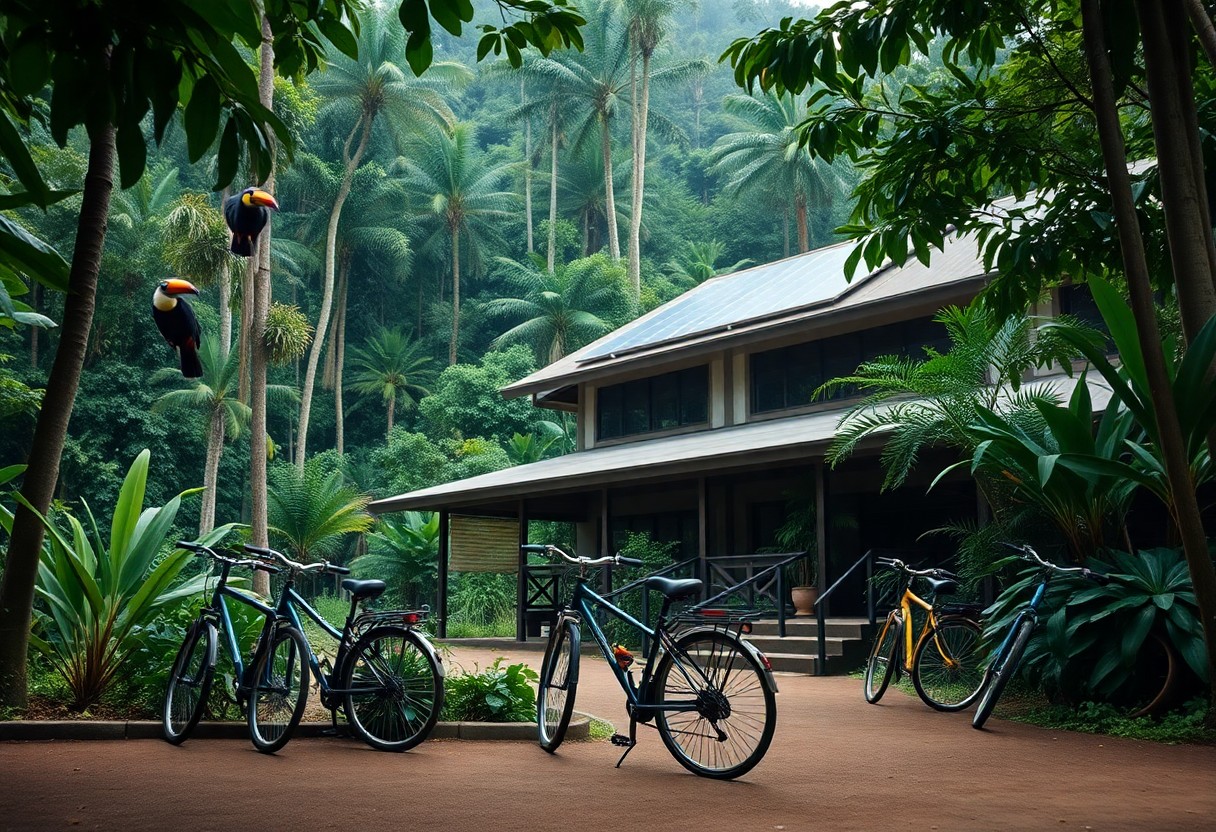
Your transportation choices significantly impact your carbon footprint while traveling. By prioritizing sustainable transport options, you contribute to preserving Costa Rica’s stunning natural landscapes. From public buses traversing the country’s lush scenery to eco-friendly vehicle rentals, there are plenty of ways to get around without causing harm to the environment.
Embracing Public Transportation and Shared Rides
Add an adventurous touch to your journey by utilizing Costa Rica’s extensive public transportation system. The colorful buses not only offer an authentic local experience, but they also reduce the number of vehicles on the road, minimizing pollution. Additionally, consider opting for shared rides, such as ride-sharing apps or group shuttles, which further lowers your environmental impact while allowing you to connect with fellow travelers.
Eco-Conscious Vehicle Rentals
Selecting a rental car doesn’t have to mean sacrificing your commitment to sustainability. Look for companies that offer hybrid or electric vehicles, which significantly reduce emissions compared to standard gas-powered cars. When renting, review the company’s sustainability practices, as many now focus on offsetting carbon footprints by contributing to reforestation projects or utilizing renewable materials in their operations. Choosing these eco-conscious options helps you enjoy the freedom of driving while still respecting Costa Rica’s incredible ecosystems.
Diving Deeper: Engaging with Local Conservation Efforts
Immersing yourself in Costa Rica’s natural wonders goes beyond exploration; it’s about engaging with local conservation efforts that protect the environment. Participating actively not only enriches your travel experience but also contributes to the sustainability of the ecosystems you cherish. Seek out projects that resonate with your values, from protecting endangered species to restoring native habitats. By connecting with these initiatives, you can make a tangible impact while experiencing the profound beauty that Costa Rica has to offer.
Volunteer Opportunities that Make a Difference
Volunteer positions range from turtle conservation programs on the Pacific coast to reforestation efforts in the tropical rainforests. Organizations like Asociación Análisis y Acción en Conservación de la Naturaleza offer programs that allow you to work alongside researchers and community members, ensuring your efforts pay off in meaningful ways. You can gain hands-on experience while fostering a deeper connection to the natural world.
Participating in Community-led Tours
Community-led tours foster a richer understanding of local ecosystems and cultural heritage, setting them apart from more commercialized options. Engaging in these tours allows you to explore hidden gems like family-owned coffee farms or indigenous-guided rainforest hikes. You’ll gain insights directly from local experts, which often enhances your appreciation for resource management and the challenges faced by these communities. Participating in such experiences helps uplift local economies while ensuring your journey aligns with sustainability goals.

Mindful Consumption: Eating and Shopping Sustainably
Your choices in dining and shopping can enhance your travel experience while supporting local communities. Opting for local produce and artisan goods not only showcases the vibrant culture of Costa Rica but also assures a lower environmental impact. By making thoughtful selections, you engage in a sustainable practice that promotes economic growth within the region and encourages ethical consumption.
Supporting Local Artisans and Farmers
Sustainable Dining Practices
Dining sustainably in Costa Rica involves choosing restaurants that prioritize local ingredients and eco-friendly practices. Businesses that source food from nearby farms not only serve fresher meals but also reduce the carbon footprint associated with transportation. Look for eateries that embrace farm-to-table concepts, and make it a point to enjoy dishes featuring seasonal produce, promoting sustainable agriculture while tantalizing your taste buds.
Focusing on local gastronomy allows you to experience the authentic flavors of Costa Rica while being mindful of sustainability. Many restaurants have adopted practices such as composting food waste and using biodegradable packaging. Opt for establishments that highlight native ingredients, such as gallo pinto or ceviche, made with fish sourced from responsible fisheries. By choosing these dining options, you enjoy a delicious meal while contributing to the preservation of the environment and the welfare of local communities.

Leaving No Trace: Best Practices for Eco-Conscious Exploration
Embracing the ethos of “leave no trace” is vital for preserving Costa Rica’s stunning landscapes. Being intentional in your exploration ensures that the delicate ecosystems remain intact for future travelers and generations to come. Adhering to guidelines such as staying on marked trails, packing out what you pack in, and avoiding the collection of souvenirs from nature contributes significantly to minimizing your impact on these precious environments.
Minimizing Your Footprint in Natural Settings
Select sustainable practices that seamlessly align with your outdoor adventures. Use reusable water bottles, biodegradable toiletries, and eco-friendly snacks to cut down on waste. Choosing eco-tourism operators who prioritize minimal impact through thoughtful planning and guided tours further enhances your experience while ensuring the ecosystems thrive.
Understanding and Respecting Local Ecosystems
Engaging with Costa Rica’s vibrant local ecosystems enriches your travel experience. You’re not just a visitor; you’re part of a larger story. Familiarizing yourself with the flora and fauna allows you to appreciate the balance of these ecosystems. For instance, learning about the significance of pollinators, such as hummingbirds and butterflies, highlights their critical role in maintaining biodiversity.
Gaining insight into local ecosystems opens a world of fascinating connections. Consider the fact that many tree species, like the iconic Guanacaste, rely on specific insects for proper pollination, meaning their decline can disrupt the entire ecosystem. By understanding these interdependencies, you can appreciate your role as a steward of nature, leading you to be more mindful of where you walk, what you touch, and how you interact with the breathtaking environment. Engage with local guides to deepen your knowledge, enhancing your journey as you actively protect and contribute to the preservation of Costa Rica’s remarkable natural spaces.
Summing up
From above, embracing eco-conscious travel in Costa Rica is not just about exploring its stunning landscapes but also about respecting and preserving its rich biodiversity. By implementing sustainable practices such as choosing eco-friendly accommodations, supporting local communities, and minimizing waste, you can significantly reduce your environmental impact. Your choices contribute to the preservation of this beautiful destination for future generations while enhancing your travel experience. With these tips, you are well-equipped to commence on an unforgettable journey that honors the environment and celebrates the natural beauty of Costa Rica.
FAQ
Q: What are some sustainable travel tips for exploring Costa Rica?
A: To travel sustainably in Costa Rica, consider staying at eco-friendly accommodations that use renewable energy and support local conservation efforts. Opt for guided tours that emphasize environmental awareness, such as those led by local naturalists. Whenever possible, use public transportation or bicycle rentals to minimize carbon emissions. Additionally, support local businesses by purchasing handmade crafts and eating at local eateries that source ingredients sustainably.
Q: How can I reduce my environmental impact while visiting national parks in Costa Rica?
A: When visiting national parks, stick to marked trails to avoid damaging local flora and fauna. Carry out any trash you bring in and follow Leave No Trace principles to ensure the parks remain pristine. Engage in educational programs offered by park rangers to learn more about local ecosystems. Use refillable water bottles to minimize plastic waste, and consider using biodegradable products during your stay.
Q: What type of wildlife conservation initiatives can travelers participate in while in Costa Rica?
A: Travelers can actively participate in various wildlife conservation initiatives, such as volunteering with organizations focused on rehabilitating injured animals or protecting endangered species. Many reserves and parks offer programs where visitors can help with reforestation efforts or assist in data collection for wildlife research. Participating in these activities not only supports conservation but also enriches your travel experience with hands-on learning.
Q: How do I choose eco-friendly transportation options while traveling in Costa Rica?
A: To choose eco-friendly transportation options in Costa Rica, consider utilizing public buses, which are a cost-effective and lower-emission way to get around. Additionally, you can rent hybrid or electric vehicles from local companies. For shorter distances, biking or walking can be great ways to explore, allowing you to connect more intimately with the local environment and culture. Always check for transportation options that prioritize sustainability.
Q: What are the benefits of supporting local communities while traveling in Costa Rica?
A: Supporting local communities while traveling in Costa Rica helps boost the economy and promotes sustainable development. By selecting locally-owned accommodations, dining establishments, and tour guides, travelers contribute directly to the livelihoods of families and communities. This fosters a sense of pride and encourages the preservation of cultural heritage and natural resources, ultimately enhancing the overall travel experience by providing authentic interactions with locals.