There’s a combination of timing, transit savvy, and must-see priorities that helps you maximize time, reduce costs, and enjoy Chicago’s architecture, neighborhoods, and food. Use off-peak museum hours, buy a Chicago CityPASS when it saves you money, rely on transit apps, prioritize the Loop and Wicker Park, and layer weather-ready clothing so your itinerary stays flexible and efficient.
Key Takeaways:
- Use public transit (CTA trains/buses) and walking to save time, avoid downtown traffic, and experience neighborhoods up close.
- Buy attraction tickets and restaurant reservations in advance to skip lines and secure popular time slots.
- Pack for Chicago’s variable weather-layered clothing and comfortable shoes maximize comfort for outdoor and waterfront activities.
- Explore beyond the Loop-Lincoln Park, Wicker Park, Pilsen, and Hyde Park offer diverse dining, arts, and local culture.
- Plan evenings with safe, reliable transport options (blue line, rideshare, or marked cabs) and be mindful of peak-event schedules.
Planning Your Chicago Itinerary
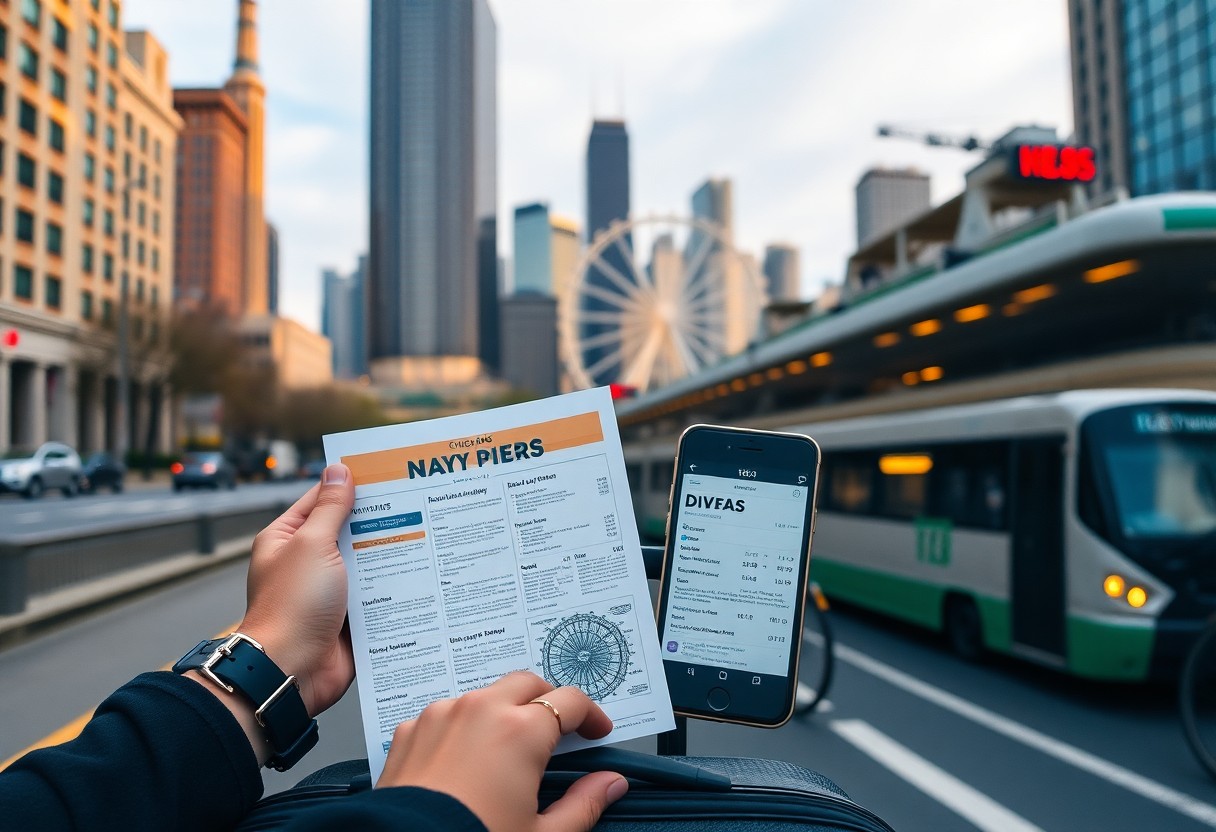
Map out 2-4 days to balance downtown icons and neighborhood exploration: dedicate a morning to Millennium Park and the Art Institute, an afternoon for a lakefront walk or architecture cruise, and a full day for neighborhoods like Pilsen or Lincoln Square. Use the CTA ‘L’ and Divvy bikes to save time, check museum hours (Art Institute opens at 10:30 most days), and book timed-entry tickets for popular spots in summer to avoid long lines.
Must-See Attractions
You should prioritize Millennium Park’s Cloud Gate, the Art Institute (one of the nation’s largest art museums with over 300,000 works), a river architecture cruise, and the Willis Tower Skydeck for skyline views. Allow 2-3 hours at the Art Institute, buy cruise tickets in advance, and visit the Skydeck early morning or after 6pm for shorter waits and softer light for photos.
Hidden Gems to Discover
Explore the 2.7-mile 606 elevated trail for neighborhood art and green space, the Garfield Park Conservatory (one of the largest indoor plant collections in the U.S.), and Pilsen’s National Museum of Mexican Art, which offers free admission. These spots deliver local flavor, quieter crowds, and photo ops that contrast the busy Loop attractions.
For deeper dives, plan a morning at Garfield Park Conservatory-its indoor gardens span several climate-controlled rooms and often host free community events-then bike the 606 to catch murals across Bucktown and Humboldt Park. Stop in Pilsen for street art and affordable eateries; the museum there runs rotating exhibits and cultural programs. End evenings at a neighborhood jazz club like the historic Green Mill for authentic local nightlife that’s been drawing crowds since the early 1900s.
Transportation Tips
- Use the Ventra app and contactless payment to speed entry; the CTA operates eight ‘L’ lines that reach most attractions and the Blue Line links O’Hare to the Loop in about 45 minutes.
- Reserve parking through SpotHero or ParkWhiz to lock rates-downtown garages commonly run $30-50 per day, so factor that into your budget.
- This makes alternatives like Metra (11 lines, 241 stations) or Divvy bike-share better choices when you want faster commutes and lower overall costs.
Navigating Public Transit
Tap Ventra or use the app for fares and two-hour transfers, since the CTA’s eight ‘L’ lines and hundreds of bus routes cover the city; the Blue Line gets you from O’Hare to the Loop in roughly 45 minutes while the Orange Line reaches Midway in about 25. Check live arrivals in the app, avoid peak windows (7-9 AM, 4-6 PM) when trains are busiest, and ride Metra’s 11 lines for faster trips to the suburbs.
Best Car Rental Practices
Choose a compact or economy car for easier parking and lower rates, and compare off-airport locations to avoid airport surcharges; factor downtown garage fees of $30-50/day into total cost. Confirm whether your credit card offers collision coverage, photograph the vehicle before departure to document condition, and ask about toll processing-rental companies often add administrative fees unless you use your own I-PASS or prepay tolls.
When inspecting your rental, take timestamped photos of all sides, the interior, and the odometer, then note any scratches on the rental agreement to prevent disputes. Verify the fuel policy-return with the same level to avoid refuel charges-and add only named additional drivers to the contract, since undesignated drivers can trigger high penalties; agencies frequently tack on $8-15 per transaction for toll-management services in addition to actual tolls.
Accommodation Recommendations
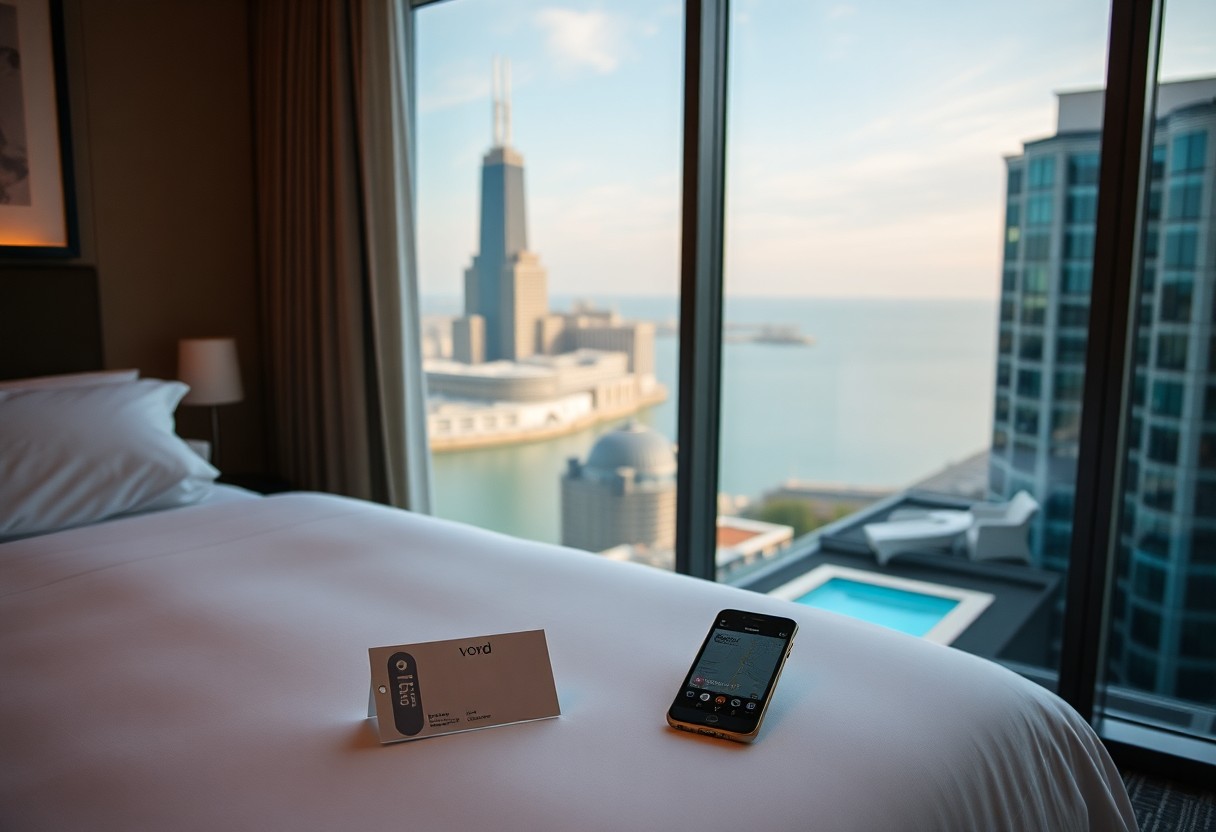
You’ll want a base that balances transit access, budget, and what you plan to do: downtown hotels put you within a 10-20 minute walk of Millennium Park and museums, while staying near a Blue or Red Line station gets you to O’Hare or Midway in roughly 35-45 and 25 minutes respectively; expect weekday midrange rates of $150-300, budget options from $60, and luxury properties above $350 per night, with prices spiking for festivals and major conventions.
Top Neighborhoods to Stay
Choose the Loop for walkable access to Willis Tower, the Art Institute, and theater, River North for galleries and nightlife within a 5-15 minute walk to the Magnificent Mile, Lincoln Park for a quieter family vibe near the zoo and lakefront, Wicker Park for indie shops and a younger scene, and West Loop if you prioritize dining-each neighborhood pairs distinct attractions with CTA access that keeps you moving.
Budget vs Luxury Options
If you’re watching costs, consider hostels and budget hotels or properties near the Brown/Blue Lines to save 20-50% versus downtown; midrange hotels in River North or the Loop often run $150-300. For splurges, hotels like The Langham, Four Seasons, or The Peninsula deliver concierge service, riverside views, and on-site dining, with nightly rates commonly starting around $350 and rising above $700 on peak dates.
Weigh trade-offs: staying farther out saves roughly 30% on nightly rates but adds 15-30 minutes on transit, while central luxury hotels can waive certain fees and include parking or breakfast-downtown self-parking runs $40-70/day. Booking 30-60 days ahead typically nets best midseason rates, and during events like Lollapalooza or the Marathon you should expect rates to double.
Dining in Chicago
Iconic Dishes to Try
Sample deep-dish pizza at Lou Malnati’s, Giordano’s or Pequod’s-expect a 30-45 minute bake and a caramelized crust at Pequod’s. Try a Chicago-style hot dog (no ketchup) from Portillo’s or Superdawg and an Italian beef sandwich dipped in jus at Al’s or Mr. Beef. Grab Garrett Popcorn’s Chicago Mix (est. 1949) for a sweet-salty snack that locals swear by.
Local Restaurants to Visit
Reserve ahead for Alinea (3-Michelin-star) or secure a table at Girl & The Goat in the West Loop for shared plates; explore Fulton Market’s modern spots and Pilsen’s taquerias for authentic Mexican flavors. For casual classics, head to Portillo’s or Pequod’s for quick, iconic meals.
Plan reservations 2-8 weeks out for Michelin and popular West Loop spots, arrive 15-20 minutes early for communal seating, and target weekday lunches to sample high-end chefs at lower prices-many restaurants offer prix fixe or lunch menus that cut costs by 30-50% compared to dinner.
Safety and Health Tips
You’ll want to balance practical precautions with enjoyment: use well-lit routes, avoid empty CTA cars late at night, and keep copies of prescriptions and insurance on your phone. City stats show most tourist incidents are petty thefts around Navy Pier and Magnificent Mile, so zip your bag and use inside ATMs; in an emergency dial 911, for non-emergencies call 311.
- Use Ventra cards and verified rideshare drivers; confirm the vehicle before you enter.
- Keep valuables in front pockets or a money belt; avoid displaying cameras and maps in crowds.
- Choose downtown hotels with 24-hour desk service and local neighborhood advice.
- Note transit hours: most CTA trains run 24/7 but night service is less frequent-plan accordingly.
Staying Safe in the City
You’ll find Loop, River North, and the Museum Campus busy and generally safe in daylight, but adjust after dark: stick to main streets, travel with a companion past 11 p.m., and use rideshares or a taxi from designated stands. Watch for pickpockets at Millennium Park and Navy Pier; use hotel safes for passports and excess cash, and program 911 and 311 into your phone before you head out.
Health Guidelines for Travelers
You should hydrate in summer-daily highs often hit 80-90°F-and layer up in winter when wind chill can drop below 0°F; carry any prescription meds in original containers and a written list of dosages. Major hospitals include Northwestern Memorial and Rush University Medical Center, both with 24/7 ERs, and many urgent care centers operate evenings and weekends. Check your insurance coverage for out-of-network care before you go.
When you need non-emergency care, urgent care centers often have shorter waits and can fill prescriptions; use hospital websites or the Chicago Department of Public Health to locate services by ZIP code, and pharmacies like Walgreens and CVS commonly offer 24-hour locations near downtown. Tho u – you should keep a digital photo of your insurance card and prescriptions to speed registration if you need care.
Cultural Etiquette
Understanding Local Customs
You should tip 18-20% in restaurants and $1-2 per drink, and avoid blocking sidewalks during rush hours or festivals; the CTA ‘L’ is color-coded (Red, Blue, Brown, Green, Orange, Purple, Pink, Yellow), so learn lines ahead; expect larger crowds at Navy Pier and Grant Park during summer events.
Tips for Interacting with Locals
Be direct but polite when you ask for directions or restaurant suggestions; Chicagoans value efficiency, so request cross-streets rather than vague neighborhood names; keep sports banter light-fans of the Cubs, White Sox, Bears, Bulls, and Blackhawks are passionate-and call ahead for reservations at hotspots like Girl & the Goat or Alinea.
- Use “excuse me” when navigating crowded sidewalks or boarding the ‘L’ during peak hours.
- If someone offers a shortcut, verify it on your maps app before following.
- After asking for a local coffee shop, thank them and try to visit within 24 hours.
If a local warns about a specific block, ask follow-up questions so you know whether it’s about nightlife, parking, or safety; when you accept recommendations, note transit options-West Loop and Wicker Park are lively at night, while some South Side areas vary by block-and opt for CTA, Lyft, or a well-lit route after dark.
- Introduce yourself briefly when requesting recommendations so you give context about your interests.
- Carry small bills for street vendors and tip musicians or valet attendants when appropriate.
- After following a local tip, leave a positive review or tell the person you enjoyed their suggestion.
To wrap up
Following this, you can navigate Chicago confidently by using transit passes, timing visits to avoid crowds, choosing neighborhoods that match your interests, planning for weather, and prioritizing must-see attractions and local dining; these top tips simplify logistics, safeguard your budget, and amplify the authenticity and enjoyment of your trip.
FAQ
Q: What should I pack and expect from Chicago’s weather?
A: Chicago has wide seasonal swings: bitter, windy winters with heavy coats, insulated boots and layers; hot, humid summers where breathable fabrics, sunscreen and a refillable water bottle help; and unpredictable spring/fall so pack a light jacket and layers. Always bring a compact umbrella and comfortable walking shoes for cobblestone or wet sidewalks along the lakefront. Check the forecast before departure and plan one flexible indoor activity if the lake-effect wind or rain affects outdoor plans.
Q: How can I get around the city quickly and cheaply?
A: Use the CTA ‘L’ trains and buses for the fastest, most affordable travel; buy a Ventra card or use the Ventra app for single rides or unlimited-day passes. For short hops, use Divvy bike-share or walk dense areas like River North and the Loop. Rideshare services fill gaps late at night or where transit is sparse. Download Transit or Google Maps for real-time arrivals and service alerts, and allow extra time for airport transfers and peak-hour congestion.
Q: What are smart ways to save money on Chicago attractions and food?
A: Buy a Chicago CityPASS or Go Chicago Card for bundled attraction discounts and skip-the-line options. Many top sites are free or low-cost-Millennium Park, Lincoln Park Zoo, and certain museum free days-and walking neighborhood tours cost less than guided excursions. Eat where locals do: ethnic neighborhoods (Pilsen, Chinatown, Little Italy) and lunch specials offer high quality for lower prices. Use grocery stores or markets for snacks and picnic supplies to cut dining costs.
Q: Which neighborhoods should I prioritize to get a mix of culture, food, and nightlife?
A: The Loop for architecture and major museums; River North for galleries and dining; Lincoln Park for parks, zoo and family activities; Wicker Park/Bucktown for indie shopping, cafes and nightlife; Pilsen for murals and Mexican cuisine; Hyde Park for the University of Chicago and museums. Plan activities in one neighborhood per day to minimize transit time and soak up local atmosphere on foot.
Q: What safety and health tips will make my trip smoother?
A: Keep valuables secured and use a hotel safe for passports and extra cards. Stay in well-lit, populated areas at night and prefer rideshare or marked taxis if public transit is limited. Watch for bike lanes and buses when crossing streets. Hydrate in summer and layer up in winter; carry basic first-aid items and copies of ID and insurance info. In an emergency call 911; for non-emergency police matters use the local precinct number or the city’s online resources.