It’s crucial that you follow local etiquette to avoid embarrassment, fines, or disrespect; this guide shows 15 things you should never do in another country, from assuming everyone speaks English or ignoring dress codes to photographing people without permission, giving money to children, touching religious objects, complaining loudly, and haggling aggressively, plus eight more key rules to keep your travel respectful and trouble-free.
Key Takeaways:
- Learn basic local phrases and ask before taking photos of people.
- Follow dress codes and avoid touching religious objects or sitting where prohibited.
- Keep public behavior low-key; avoid loud complaints or displays that may offend.
- Don’t give money to children; haggle politely and know when bargaining is inappropriate.
- Research local laws and customs ahead of time to avoid fines, embarrassment, or disrespect.
Understanding Cultural Differences
You’ll avoid embarrassment, fines and disrespect by adapting to local norms: dress modestly at religious sites (cover shoulders and knees at St. Peter’s Basilica), don’t eat publicly during Ramadan in many Muslim countries, and avoid tipping in Japan where it can offend. You should also use the right hand for exchanges in parts of South Asia and the Middle East, never touch someone’s head in Thailand, and ask before photographing people to prevent conflict or legal trouble.
Importance of Cultural Awareness
You prevent awkward or costly situations when you learn specific local rules: over a billion people observe Ramadan so public eating can be offensive, and some Gulf countries enforce public decency laws that can lead to fines or deportation. You’ll gain access to places and goodwill by following dress codes at temples, mosques and churches, and by matching local forms of greeting and conflict avoidance to show respect.
Researching Local Customs
You should check government travel advisories, embassy pages and destination-specific guidebooks for laws on alcohol, public behavior and photography; learn 10-20 basic phrases for greetings and apologies; and ask hosts or local guides about tipping, personal space and dress. Applying these steps reduces the risk of fines, arrest or social ostracism and helps you blend in more smoothly.
Consult practical sources: official embassy travel pages for legal restrictions, Lonely Planet or Rough Guides for etiquette notes, Reddit city subs or expat Facebook groups for up-to-date tips, and airline or tour operator emails for seasonal rules (e.g., Ramadan closures). Also verify photography rules-many countries prohibit photos of military sites or police-and check drone regulations to avoid seizure or fines.

Communication Etiquette
When you interact abroad, match formality, volume and mediums to local norms: speak quietly in Japan, use honorifics in Korea, and be more animated in Italy or Brazil. Learn 10-20 key phrases, carry an offline translation app, and always ask before recording or photographing someone-privacy breaches can lead to confrontation or fines in some places. Adjust your complaint style and greeting rituals to avoid embarrassment, disrespect or unnecessary conflict.
Language Considerations
Learn formal vs informal forms: using “Sie” instead of “du” in Germany or “usted” versus “tú” in Spanish-speaking countries signals respect. You should master about 10 vital phrases-greetings, apologies, thank you, numbers 1-10-and practice local honorifics like “-san” in Japan. Use written addresses for taxis, offline apps for emergencies, and avoid assuming English will be understood to reduce confusion and potential fines.
Non-Verbal Communication
Be aware gestures vary: a thumbs-up can be rude in parts of the Middle East, while the “OK” sign offends in Brazil and Turkey. You should avoid pointing with an index finger in many Asian countries-use the thumb in Malaysia-and never show the soles of your feet in Thailand. Match greetings to the culture-bow in Japan, two-cheek kisses in France or Argentina, firm handshakes in Germany-to prevent social faux pas.
Watch eye contact and personal space: in Western Europe and North America direct eye contact and about 1.2-1.8 m distance signal confidence, whereas many Latin American and Middle Eastern cultures stand closer (often 0.5-1 m) and expect warmer touch. In parts of East and South Asia, prolonged eye contact can be disrespectful. Observe locals, mirror their distance and eye contact, and ask a local or follow service staff’s lead when you’re unsure.
Dress Code Norms
When you plan outfits, prioritize avoiding embarrassment, fines or disrespect: many places expect covered shoulders and knees, the Vatican bars shorts and sleeveless tops, and some Southeast Asian temples will turn you away or lend a sarong if you arrive underdressed. Pack a lightweight scarf and a pair of trousers or long skirt to meet most rules; checking official site guidelines beforehand prevents surprises and keeps you from offending locals or facing entry refusal.
Appropriate Attire
You should bring versatile layers-breathable fabrics for heat and a modest layer for conservative settings-so one suitcase can serve multiple contexts. For example, in Spain and Italy smart-casual is expected in many restaurants, while UAE shopping malls and some public spaces prefer covered arms and knees; men generally avoid tank tops, and women benefit from a lightweight scarf to cover shoulders when needed.
Dressing for Religious Sites
You must follow specific site rules: cover shoulders and knees, women often need a headscarf in mosques or certain shrines, and shoes are removed before entering many temples. Photographs may be restricted, and attendants can deny entry or ask you to use provided cover-ups, so arrive prepared to comply with posted regulations.
Always carry a compact sarong or scarf, wear slip-on shoes for quick removal, and choose non-transparent, loose-fitting garments; if a site posts a dress code or local attendants instruct you, follow their guidance. Checking temple or mosque websites and observing local worshippers on arrival helps you adapt-compliance avoids fines, public embarrassment, or being barred from important cultural sites.
Photography Etiquette
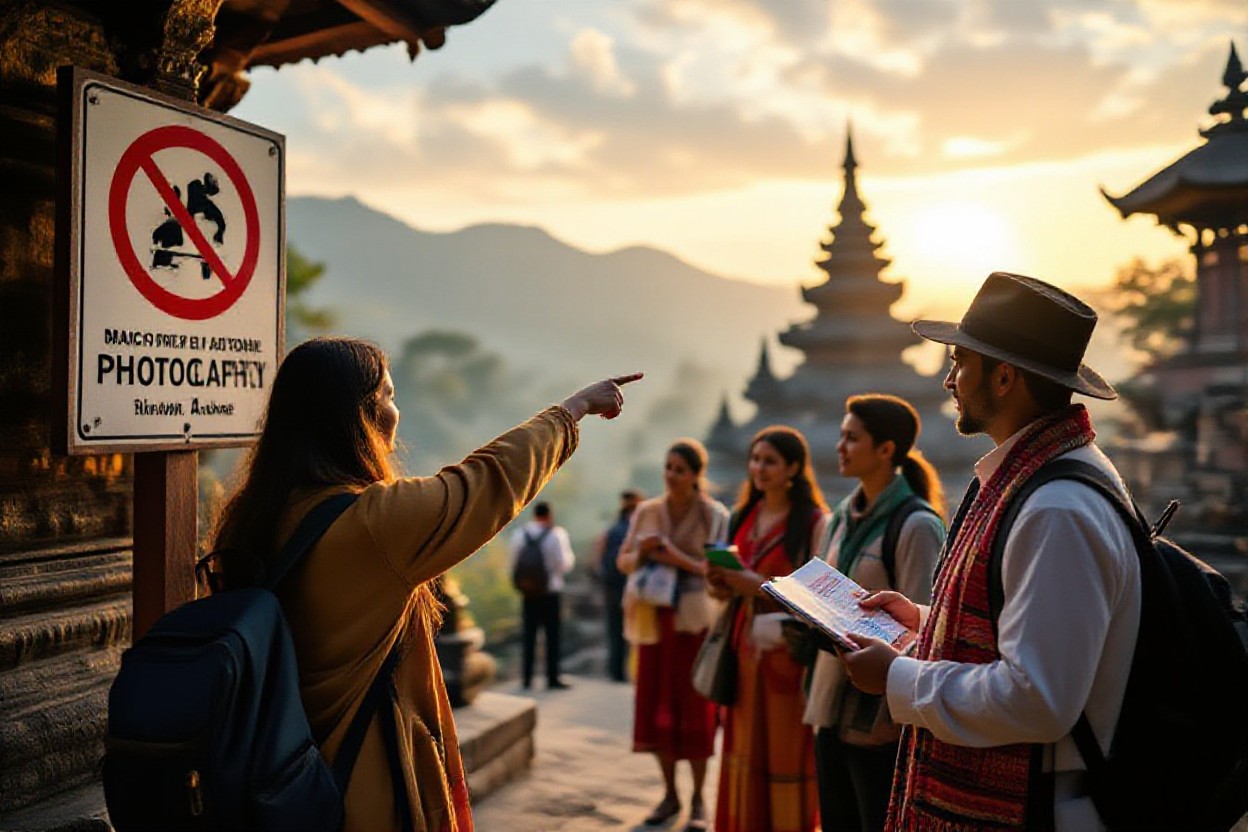
When you frame shots abroad, prioritize consent and context: asking first averts embarrassment, fines or disrespect. In marketplaces like Marrakech or Varanasi, vendors often expect a quick request or a small fee for posed photos; in many Western cities you’ll still face ethical limits-avoid snapping people during worship, police interactions, or private moments. Use simple local phrases and polite gestures to signal intent.
Asking for Permission
Approach subjects with a smile, make eye contact, and use a short local phrase-‘permiso’ in Spanish or ‘sumimasen’ in Japan-or gesture toward your camera. Offer to show the photo on your screen, accept refusals without protest, and know that in parts of Morocco and rural India vendors frequently expect a token payment for posed portraits.
Respecting Privacy
You must not photograph people in private or sensitive situations-hospital rooms, changing areas, funerals, or religious rites-without explicit consent. Children always need parental permission, and even in public you should avoid capturing people who are grieving, intoxicated, or clearly uncomfortable to prevent social backlash or complaints.
In many European countries and throughout Latin America, using identifiable images for commercial purposes typically requires written consent, and platforms may remove photos flagged by subjects. When possible, ask for a signed note, blur faces before posting, or take non-identifiable candid shots; these simple steps protect you from fines, legal issues, and accusations of disrespect.
Social Norms and Behavior
Greetings and Gestures
When you greet people, match local habits: bow 15-30° in Japan, exchange 1-3 cheek kisses in France or Argentina, or offer a 2-3 pump firm handshake in the U.S. Use your right hand in India and much of the Middle East, since the left can be offensive. Avoid a thumbs-up in parts of Iran and showing the sole of your foot in Arab and South Asian cultures. Watch eye contact-too much can be seen as confrontational in some Asian countries.
Dining Etiquette
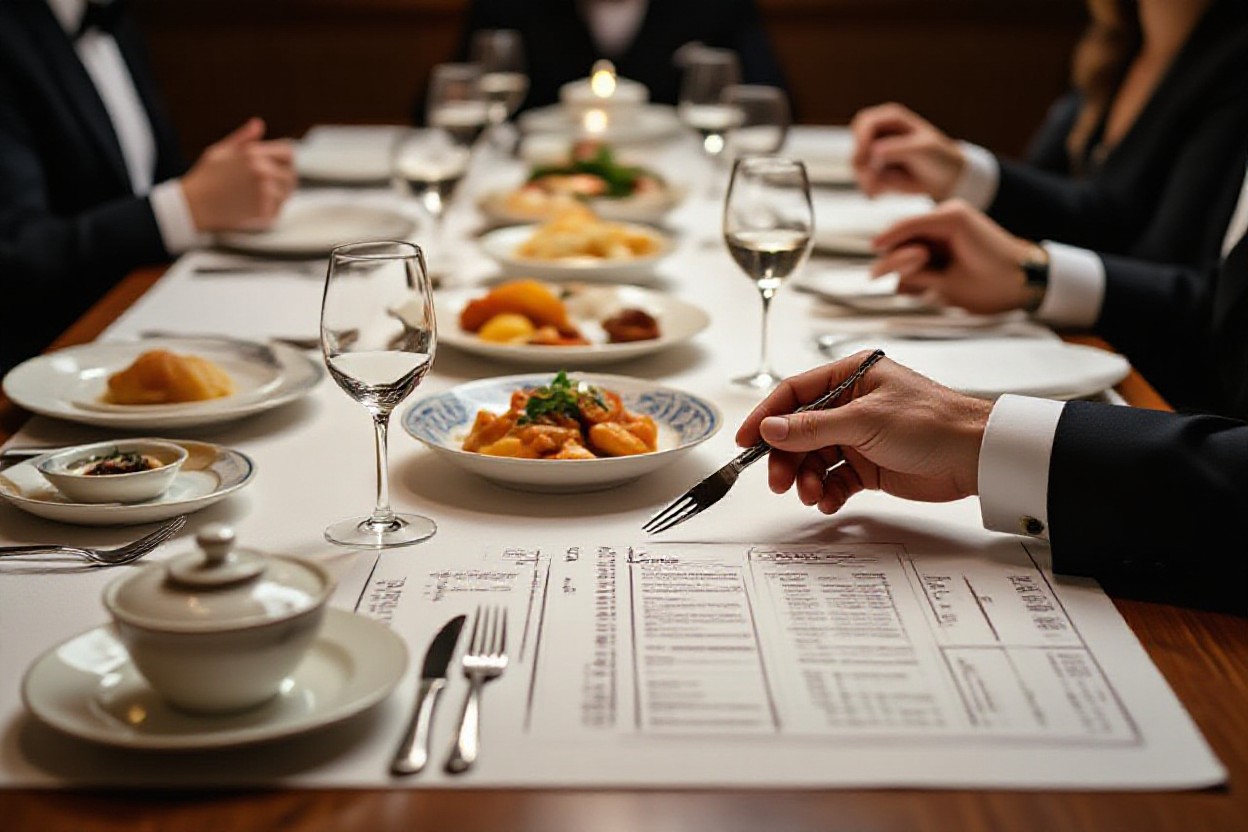
At meals, follow local rules: use your right hand in India and Morocco, never leave chopsticks stuck vertically in rice in Japan, and keep your hands visible on the table in France. Tip 15-20% in the U.S.; in Japan tipping may confuse or offend. Wait for the host to invite you to sit or begin, and remove shoes where customary to avoid embarrassment or fines in private settings.
During communal meals like Moroccan tagines or Ethiopian injera feasts, eat from shared platters with your right hand and avoid double-dipping; elders often begin first. Note portion signals: leaving a little food in China can signal satisfaction, while finishing everything in Japan shows appreciation. If invited to a home, bring modest gifts such as sweets or flowers, and avoid alcohol in conservative countries where public drinking can lead to fines or arrest.
Economic Sensitivity
Financial norms differ dramatically across countries, and mishandling them can cause embarrassment, fines or disrespect. You should know whether prices are fixed or flexible, if service charges are added, and how charitable gestures are viewed; for example, giving money to children in some places creates dependency and is discouraged, so learn local expectations before spending or donating.
Tipping Practices
In the United States you’ll typically tip 15-20% at restaurants, whereas in Japan tipping can be offensive and in much of Europe service is often included (look for “service compris” or “servizio incluso” on the bill); in India 5-10% or a small round-up is common. You should check menus, ask hotel staff, and avoid over-tipping street vendors where tipping isn’t customary.
Negotiating Prices
Haggling is expected in markets like Marrakech, Istanbul and many Indian bazaars but viewed as rude in Japan, boutique stores and most supermarkets; you should start low-around 30-50% of the initial asking price-aim to settle at roughly 60-70%, use cash, keep bargaining friendly, and never press so hard that you offend the seller.
For example, in a Moroccan souk a vendor might quote 200 MAD for a scarf; offering 80-100 MAD is common and a final price near 120-140 MAD is realistic. In Bangkok markets start near half the asking price and work toward 60-70% while smiling and using brief local phrases; when in doubt, ask a local for typical rates or check multiple stalls to establish market value.
Summing up
Considering all points, you should approach every destination with humility and curiosity: learn basic language, follow dress and religious rules, ask before photographing or touching, avoid loud complaints, haggle courteously, and resist giving money to children; doing so protects you from embarrassment, fines, and causing disrespect, and keeps your travels smooth and safe.
FAQ
Q: What should I do about language barriers, local customs, and taking photos of people?
A: Learn a few basic phrases in the local language and carry a translation app or phrasebook; speak slowly and use gestures rather than assuming everyone speaks English. Research dress codes, greeting protocols, and public conduct before arrival and follow local signage and cues so you don’t offend or break rules. Always ask permission before photographing people or private property, offer to show the image, respect refusals, and avoid taking photos in areas where photography is restricted (religious sites, military zones, markets where vendors prohibit it).
Q: Why shouldn’t I give money to children, touch religious objects, or complain loudly in public?
A: Giving money directly to children can encourage dependency or distract from structured aid; if you want to help, donate to reputable local charities or buy food and supplies through community programs. Do not handle religious artifacts, altar items, or sit in marked sacred spaces unless invited; follow rules about gender-segregated areas and modest dress, such as head coverings or covered arms and legs. Avoid loud arguments or public complaints-use a calm tone, speak privately to staff or authorities, and escalate politely to avoid embarrassment or losing face in cultures that value harmony.
Q: How should I approach bargaining, gestures, and pointing?
A: Haggle politely where appropriate: know typical price ranges, smile, make a reasonable counteroffer, and stop if the vendor refuses; aggressive bargaining can be seen as insulting. Avoid culturally offensive hand gestures (certain thumbs-up, “OK” signs, or the V-sign can be rude in some places); learn a few local nonverbal cues. Don’t point with your index finger in countries where that’s impolite-use an open hand, nod, or indicate with your chin instead.
Q: Are there rules about eating, public displays of affection, and footwear?
A: Respect rules around eating and drinking, especially during religious observances like Ramadan or in locations that ban eating in public transit or temples; follow local smoking regulations. Refrain from public displays of affection in conservative societies-holding hands may be fine, but kissing or embracing can provoke complaints or worse. Remove shoes when entering private homes, temples, or mosques if expected; carry socks and a small bag to store footwear to avoid awkward moments.
Q: What should I know about tipping, local laws, and keeping public spaces clean?
A: Learn tipping norms so you don’t overtip where it’s insulting or under-tip where staff rely on it; when in doubt, check local guides or ask hotel staff. Obey local laws strictly-penalties for drugs, alcohol use, photography of restricted sites, or other offenses can be severe and include fines or jail. Don’t litter or disrespect monuments and public property; use bins, follow recycling rules if present, and avoid actions that could result in fines or community backlash.