Travel smart as you plan your family holiday escape: this guide pinpoints the best travel destinations for 2026 and gives you clear, practical advice on when to go, what to book, child-friendly highlights, and budget-friendly options so you can design a safe, memorable trip that fits your family’s interests and pace.
Key Takeaways:
- Balance outdoor adventure with cultural stops to keep kids engaged – combine national parks (Acadia, Ikara-Flinders) with towns and markets (Portland, Jaffna, Cádiz).
- Plan transport and pacing around family needs: rent a car for coastal drives, choose short ferries or flights for island hops, and allow buffer days between long transfers.
- Choose family-friendly lodging and itineraries – homestays, cabins and lodges offer local flavor and slower rhythms suited to children.
- Time trips for the activity you want: summer for New England coast and island beaches, winter for Lapland auroras and snow activities, dry season for SE Asian sightseeing.
- Use travel tech and advance booking: eSIMs for reliable data, prebook popular national-park permits, tours and seasonal experiences to avoid sold-out days.
Understanding Travel Trends for 2026
Travel in 2026 favors family-friendly mixes of outdoor adventure and culture, longer regional itineraries (think 10-15 days), and a tilt toward secondary cities and islands-Maine, Réunion, Jaffna and Jeju-do feature heavily. You’ll find more remote-work-friendly stays, homestays and small-group experiences that let you stretch a single trip into slow travel. Expect trip planning to hinge on reliable local connections (hour‑long ferries to Delft, direct regional flights to Quy Nhon) and flexible bookings as you balance activity-packed days with downtime for kids.
Emerging Destinations
Editors are spotlighting places you might not have on your radar: Jeju‑do, Quy Nhon, Jaffna, Utrecht and the Solomon Islands all show up across our 2026 picks. You’ll notice easier access-new regional routes and ferry links-and grassroots tourism models such as Jaffna’s Malabar Home Stay or Delft’s Village Stay, which make authentic, family-suited trips possible while supporting local communities and keeping crowds off the beaten path.
Changes in Traveler Preferences
Families are shifting from single‑site resorts to curated, multi-stop itineraries that combine parks, towns and cultural stops so everyone stays engaged; you’ll plan 10‑day Acadia loops, 15‑day Sri Lanka odysseys or mixed city‑and‑nature trips in Finland. You’ll prefer immersive, low‑impact experiences-homestays, guided hikes and local food markets-over passive sightseeing, and prioritize accommodations with kitchens, laundry and dependable Wi‑Fi for flexible family routines.
To act on those preferences, you’ll choose itineraries that account for varied needs and microclimates: pack for Réunion’s 400 microclimates, schedule shorter transfer days for younger travelers, and book lodgings with workspace so remote‑working parents can overlap work and play. Use concrete trip templates-10 days/9 nights for Maine, 15 days/14 nights for Sri Lanka-to balance activity and rest, and lean on local operators for child‑friendly guided options.
Impact of Global Events
Local and global events continue to reshape demand: post‑conflict recovery in places like Jaffna (civil war ended 2009) has driven cultural tourism and homestay growth, while active natural features-Piton de la Fournaise in Réunion-drive both interest and seasonality. You’ll see travelers favoring less crowded national parks and secondary towns when international hotspots face instability, and adjusting travel windows around predictable environmental patterns and festival calendars.
Operationally, that means you should expect more dynamic flight schedules, conditional entry rules and higher uptake of flexible tickets and insurance. Check local advisories before you book: ferry timings (Delft is an hour from Jaffna), volcanic activity notices for Réunion, and seasonal peak dates in Finland and Sardinia. Planning flexibility protects your family itinerary and supports local recovery when you visit responsibly.
Types of Family Holidays
| Adventure Travel | High-energy trips: rafting (grade III-IV), multi-day treks (2-5 days), ziplining; best for kids 8+ with guided options. |
| Cultural Immersion | Homestays, cooking classes, local festivals and UNESCO sites; ideal 5-10 day stays with a local guide ($20-60/day). |
| Beach & Relaxation | Calm, shallow bays for snorkeling, family resorts with kids’ clubs, 7-10 day itineraries and lifeguarded beaches. |
| Wildlife & Nature | Safaris, national parks and marine reserves with guided walks; book permits and morning drives for best sightings. |
| Road Trips & Self-drive | Flexible itineraries, short daily drives (2-3 hours), picnic stops and scenic routes – rent family-size vehicles with child-seat options. |
- Pack a basic first-aid kit, spare chargers and activity-specific gear (snorkel masks, hiking boots).
- Prioritise one big activity per day to avoid burnout and keep younger kids engaged.
- Book local guides and transfers at least 2-4 weeks ahead during peak seasons.
Adventure Travel
You can plan adrenaline-packed family trips that still accommodate younger travellers: for example, Costa Rica offers canopy zipline circuits and easy river rafting for kids 10+, while New Zealand has family-friendly multi-day hikes where you can tackle 3-4 hour legs and stay in staffed huts; opt for certified guides and stagger activities so you do one major outing every 2-3 days to allow recovery.
Cultural Immersion
You should look for homestays and hands-on experiences that connect your family to daily life – in Jaffna a family-run homestay and a market tour give kids a taste of local cuisine, and in Kyoto a one-hour tea-ceremony workshop introduces traditions in a kid-accessible format; aim for 3-4 local-led activities across a 5-10 day trip to balance depth with downtime.
Choose community-based programmes with clear child-safety policies and short sessions: language classes of 45-60 minutes, half-day cooking classes where children can help prepare one dish, and guided museum trails tailored for ages 6-12. Expect local-guide fees of roughly $20-60 per day and homestay rates from $25-80 per room; book experiences through trusted platforms or the national tourism board to vet hosts and ensure cultural sensitivity.
Beach and Relaxation
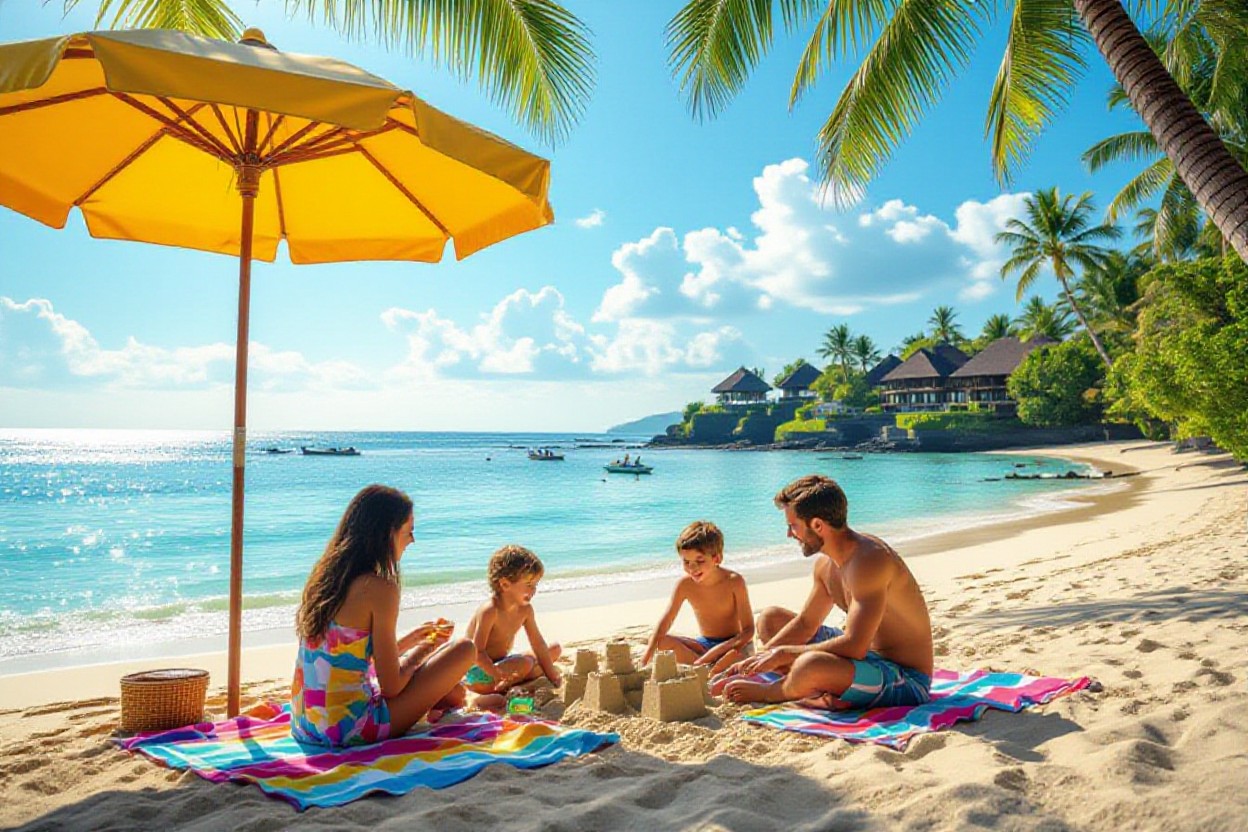
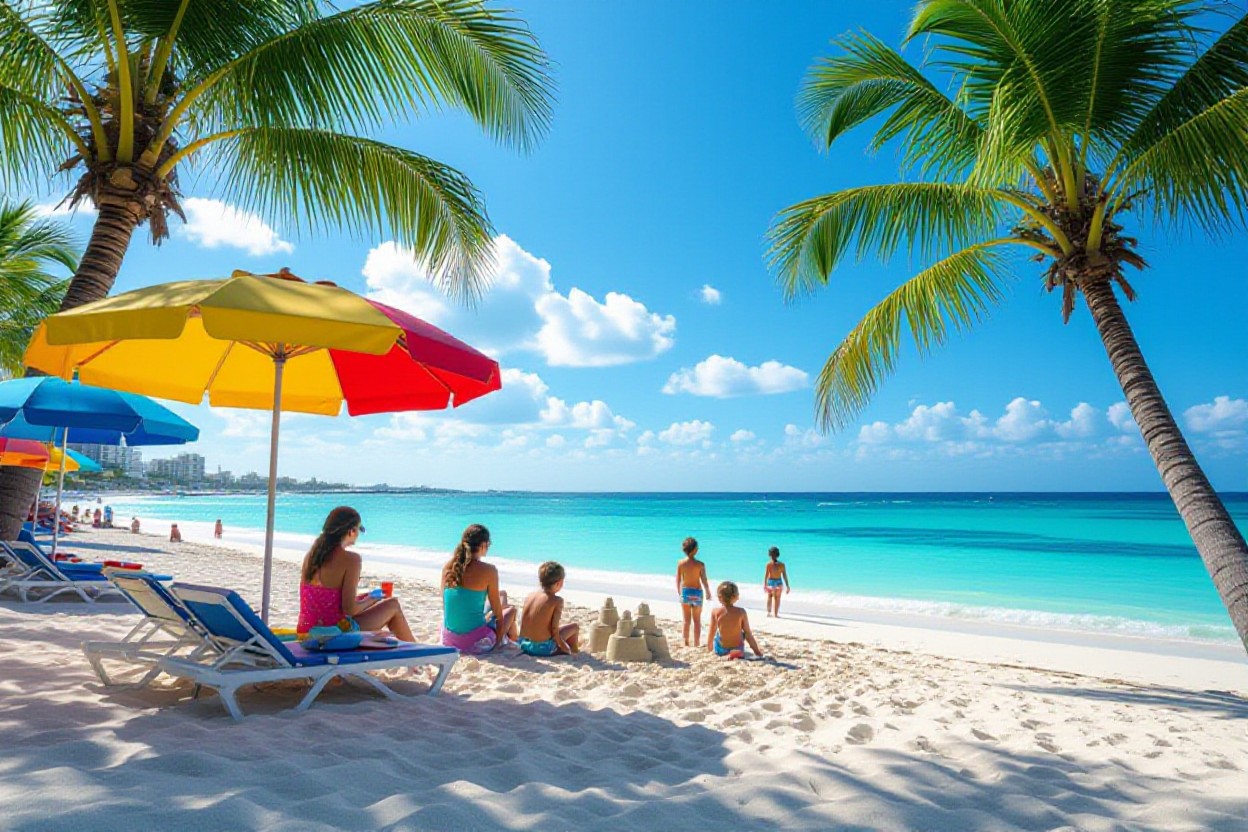
You can base a family holiday around sheltered beaches with calm surf and easy snorkeling – destinations like Sardinia, Barbados and Bali’s Nusa Dua offer shallow lagoons, lifeguarded stretches and resorts with kids‘ clubs; plan 7-10 day stays so you can mix activity days (half-day boat trip, reef snorkel) with full rest days.
Prioritise beaches with reef flats that are snorkel-safe at low tide and check tide charts before booking boat trips; rent basic snorkel gear locally ($5-20/day) and choose family rooms within 500m of the shore to minimise transit. Look for resorts offering baby-sitting or supervised kids’ programs and confirm sun-smart facilities – shade, umbrellas and on-site medical help – before finalising reservations.
After you compare family-friendly insurance policies, confirm age limits for activities, and lock in guides and accommodation with flexible cancellation.
Factors to Consider When Choosing a Destination
You should weigh family interests, seasonality and logistics early: season affects crowds and prices, kids’ ages shape activity choices, and local infrastructure determines ease of travel. Consider visa requirements, health advisories and connectivity when comparing options.
- Season and weather – school holidays vs low season
- Kid-friendly attractions and pacing
- Transport options and internal transfer times
- Cost ranges for lodging, food and activities
- Safety, health and entry requirements
The right mix will depend on your children’s ages, travel stamina and budget.
Budget Considerations
You’ll want realistic daily and upfront estimates: families of four commonly budget $150-$600 per day depending on destination and comfort level. Expect higher summer rates in Maine ($200-$400/night for cottages) and lower homestay costs in Jaffna ($25-$60/night). Factor flights (book 3-6 months ahead to save 20-40%), car hire, park fees and a 10-20% contingency for unforeseen costs.
Travel Time and Accessibility
You should map total door-to-door time, not just flight duration: a London-Helsinki flight is ~2.5 hours, but multi-leg trips to places like Jeju-do or the Solomon Islands can add 6-12+ hours of connections. Note local links – Jaffna’s one-hour ferry to Delft and Réunion’s Mafate, accessible only by foot or helicopter, dramatically change itinerary pacing and gear needs.
Prioritize routes with fewer transfers for younger kids and factor overnight layovers or same-day connections into nap and activity plans; where possible, choose direct flights, daytime arrivals, or rail options – for example, driving in Maine shortens last-mile access to Acadia versus multiple bus transfers.
Safety and Health Advisory
You must check up-to-date advisories from CDC, WHO and your government’s travel site (US State Dept, FCDO, etc.) for vaccinations, entry rules and risk levels. Buy travel insurance that covers medical evacuation and COVID-related changes, carry prescription copies, and pack a basic kit: thermometer, rehydration salts, antiseptic and child-appropriate meds.
Account for region-specific risks: arrange yellow fever certificates where required, plan malaria prophylaxis when recommended, and monitor local alerts (volcanic activity on Réunion or storm seasons in the Caribbean). Register with your embassy if available and note nearest hospitals before you depart.
Top Family Friendly Destinations for 2026
You’ll find options that balance easy logistics with big thrills: national parks for active kids, islands with shallow beaches for toddlers, and cities with hands-on museums for curious teens. Prioritise destinations that offer short transfers-under two hours from major airports-and a mix of structured activities and downtime; for example, combine a 7-10 day beach stay with a 3-4 day cultural city break to keep everyone engaged without travel fatigue.
North America: Exploring USA and Canada
You can design road-trip classics and short-hop escapes across two countries with 63 US national parks and 48 Canadian parks, from whale-watching in Maine to wildlife safaris in British Columbia. Plan 7-14 day itineraries mixing easy hikes, coastal drives and city stops-think Acadia’s carriage roads, family-friendly whale tours out of Bar Harbor, or Vancouver’s science centre and nearby ski-resort kids’ programs for winter visitors.
Europe: Culture and Adventure Await
You’ll get compact travel: efficient trains, plentiful UNESCO sites and short internal flights that let you fit castles, beaches and nature into one trip. Pick family-friendly bases like Helsinki (Suomenlinna visits), Cádiz (gentle Atlantic beaches) or Sardinia (child-friendly resorts and the Su Nuraxi nuragic complex), then layer day trips so kids have variety without long transfers.
Build a 7-10 day family plan by splitting time: 2-3 days in a city with interactive museums (science centres, aquariums), followed by 4-5 days in nature or on the coast. For example, spend 3 days in Helsinki visiting kid-oriented museums and Suomenlinna, then take a short flight or ferry to Lapland for a 3-4 day aurora/snow adventure in winter or lakeside canoeing in summer. Southern options like Sardinia offer shallow bays, boat trips and agritourism stays with cooking classes that suit children aged 5+.
Asia: Diversity and Excitement
You’ll encounter dramatic contrasts-UNESCO-listed Jeju’s volcanic landscapes, Cambodia’s Angkor temples, Vietnam’s emerging beach towns and Thailand’s family resorts-often all within a single two-week window. Opt for destinations with proven family infrastructure: resorts with kids’ clubs, short domestic flights (most under three hours), and guided day tours that accommodate strollers and young walkers.
Structure a 10-14 day Asia itinerary by pairing a cultural hub with beach downtime: 3-4 days exploring Angkor Wat’s temples at dawn with a private guide, then fly to Phu Quoc or Quy Nhon for 5-7 days of snorkeling and calm waters. In Korea, use Jeju as a base for easy hikes, lava-tube cave visits and the Teddy Bear Museum; many attractions provide family-friendly facilities and English-language tour options, making transitions smoother for multigenerational groups.
Travel Tips for Families
Balance activity and rest by planning 1-2 main experiences per day, slotting naps or quiet time, and prebooking timed-entry tickets to avoid long queues. Keep duplicates of imperatives and store passports, insurance and prescriptions in a waterproof pouch you can grab in seconds. Use TripIt or Google Maps offline to coordinate transfers and attractions, and pack snacks to bridge unpredictable waits. Perceiving your trip from your child’s perspective lets you reshape plans in real time and keeps everyone happier.
- Prebook tickets and transfers where possible
- Pack a daily snack kit and small first-aid items
- Choose accommodations with laundry or kitchenette
- Build 1-2 hour buffers between activities
Packing Essentials for Kids
Prioritise items that save time: 1-2 comfort toys, SPF 50 sunscreen, a compact first-aid kit with paracetamol and antihistamine (label dosages), spare clothes (2-3 per child for multi-day trips), swim nappies if needed, wet wipes, and a portable charger. Carry printed copies of passports and vaccination records plus digital scans in cloud storage. Consider a lightweight travel stroller and noise-cancelling headphones for flights; these small choices cut stress and keep routines intact.
Booking Family-Friendly Accommodations
Filter for suites or aparthotels with kitchenettes, free cots or rollaway beds, and laundromat access-Booking.com and Airbnb both offer family filters. Seek properties with on-site pools or kids’ clubs if you want supervised playtime, and request connecting rooms or ground-floor units when travelling with toddlers. Compare cancellation policies and refundable rates; a flexible booking often costs more but saves you from costly last-minute changes.
Verify location and services before you commit: aim to be within 1 km of public transit or main attractions to cut taxi costs and travel time. Ask hosts about stair access, blackout curtains, and in-room safes; read family reviews for noise and cleanliness clues. Note that kitchenette-equipped units can reduce food spending by 20-30% for families, and many hotels waive extra-bed fees for children under 12-confirm age policies and any resort credits upfront.
Managing Travel Itineraries
Limit each day to 1-2 headline activities, scheduling museums or attractions in the morning when kids are freshest and leaving afternoons for parks or play. Build 30-120 minute buffers for transit, meals and naps; time-zone changes often mean slower mornings for 2-3 days. Use shared calendars or TripIt to centralise bookings and set notifications for departures and check-ins so you avoid last-minute scrambles.
Try a simple 5-day template: day 1 arrive and settle; day 2 morning museum (prebook timed slot), afternoon park; day 3 short day trip within 90 minutes; day 4 beach or pool with early dinner; day 5 flexible morning and depart-aim to be at the airport 2.5-3 hours before international flights with kids. Share printed itineraries with caregivers and include emergency contacts and medical info for everyone’s peace of mind.
Pros and Cons of Popular Destinations
You’ll weigh trade-offs fast: dramatic scenery and hands-on culture often mean longer transfers or seasonal limits, while easy-access hotspots trade authenticity for crowds; for example, Réunion packs 400 microclimates into 2,500 sq km and offers volcano hikes, but Mafate is accessible only by foot or helicopter, and Jaffna’s hour‑long ferry to Delft rewards slow travel yet has limited services.
| Pros | Cons |
|---|---|
| Stunning natural sites (Acadia’s carriage roads, Lapland aurora viewing) | Remote trails and long transfers; some hikes require vehicles or guides |
| Rich cultural experiences (Jaffna’s restored library, Tipperary history) | Limited tourist infrastructure and English may be sparse in smaller towns |
| Family-friendly wildlife and parks (Finnish Lakeland, Ikara-Flinders) | Seasonal access-snow or heat can close activities for months |
| Beach and island relaxation (Barbados, Sardinia, Jeju‑do) | Peak-season overcrowding and weather risks (hurricane/monsoon windows) |
| Outstanding local food scenes (Maine’s restaurants, Sri Lanka’s homecooked feasts) | Dietary constraints or food-safety variability in rural areas |
| Affordable homestays and local guides (Delft homestays, Jaffna) | Price spikes for flights and accommodation during school holidays |
| Well-connected urban hubs for onward travel (Helsinki, Mexico City) | Last‑mile logistics-ferries, winding roads (Cilaos) and small-air transfers add time |
| High safety/health standards in developed destinations | Remote spots may lack emergency medical facilities or pediatric care |
Advantages of Top Family Destinations
You’ll find destinations that balance toddler‑friendly facilities with big‑kid thrills: think Acadia’s gentle carriage roads and playground‑style shoreline walks, Réunion’s varied climates offering both beaches and volcano treks, and Jaffna’s homestays where a family meal costs a fraction of a restaurant in a capital-these options give you diverse activities, educational culture, and value for multi‑gen travel.
Potential Drawbacks to Consider
You should plan around crowds, seasonality and medical access: many top spots see visitor surges in summer or school breaks, services thin out in off‑season, and remote highlights like Mafate or certain Outback treks lack nearby hospitals.
Dig deeper: quantify risks for your family-flight times over 8 hours multiply fatigue and expense, accommodation fills six to nine months ahead at popular beaches, and insurers often exclude high‑risk activities; for example, heli‑accessed Mafate cabins have strict cancellation policies and limited evacuation options, so factor contingency days and transport buffers into your itinerary.
Risk Management in Travel Planning
You should adopt a layered approach: buy family travel insurance that covers medical evacuation, prebook key services, and build flexible days-aim for one buffer day after long flights and verify local pediatric care locations before departure.
Practical steps include scanning embassy advisories for destination‑specific alerts, registering your trip with your government if available, and keeping digital and printed copies of prescriptions and emergency contacts; additionally, reserve accommodations with free cancellation when possible and research vaccines or seasonal hazards (monsoon windows, wildfire seasons) at least 90 days before travel.
Step-by-Step Guide to Planning Your Family Holiday
| Step | What to do |
| Choose dates | Match school breaks (e.g., Jun-Aug, Dec 20-Jan 5) and aim for shoulder seasons to save 15-30%. |
| Set budget | Divide into travel, lodging, activities and a 10% emergency buffer; target $100-300 per person/day depending on destination. |
| Book travel & stay | Reserve flights 3-9 months ahead for peak seasons; consider self-catering family apartments to cut costs 20-40%. |
| Plan activities | Mix pre-booked highlights with free days; book high-demand tickets 30-90 days ahead. |
| Prepare documents | Scan passports, check visas and vaccinations, and register with your embassy if advised. |
| Contingency | Buy travel insurance, pack a medicine kit, and set aside $300-500 in emergency funds. |
Establishing a Budget
Split your budget into four buckets: transportation, accommodation, activities, and contingency, then assign percentages – for example 40% transport, 30% lodging, 20% activities, 10% emergency. You can estimate daily costs by destination: $150-250 per person/day in Western Europe, $80-150 in Southeast Asia. Use a spreadsheet or apps like Trail Wallet to track spending, and lock major fixed costs (flights, rental car, one big attraction) early to avoid surprise price jumps.
Selecting and Booking Activities
Prioritize three “must-do” experiences per family member and stagger bookings so you don’t overschedule; reserve time-sensitive activities (national-park permits, guided safaris, museum time-slots) 30-90 days ahead. Use age filters, height/weight rules for adventure tours, and check cancellation policies – choose refundable options when deposits are small but nonrefundable on peak dates.
Book directly with operators when possible to save fees and get clearer cancellation terms; for example, Machu Picchu tickets often sell out months in advance so reserve 2-3 months ahead, while theme-park fast-pass windows commonly require reservations 1-4 weeks out. Factor in logistics – timed-entry tickets mean you’ll need transport scheduled around them – and look for family or group discounts (10-25%) on combined tours or multi-day passes.
Preparing for the Unexpected
Buy comprehensive travel insurance that includes at least $100,000 medical cover and trip-cancellation benefits, store digital and paper copies of passports and prescriptions, and pack a basic medical kit plus duplicate chargers. You should also set aside an emergency cash buffer ($300-500), note local emergency numbers, and plan one unscheduled day in the itinerary to absorb delays without stress.
Create a simple contingency plan your family can follow: list three emergency contacts, register with your embassy, and store backups of important documents in cloud storage. Carry a local eSIM or prepaid SIM for reliable data, keep a card with medication generic names and dosages, and map nearest hospitals in each stop – for instance, know the nearest 24/7 clinic when visiting remote islands or national parks where evacuation can take 6+ hours.
Tips for Traveling with Children
You can split long travel days into 2-4 hour legs, book family rooms or adjoining suites, and prebook airport play spaces; pack a clear toiletry kit plus digital and printed copies of documents. Choose places with laundry and kitchenette facilities-kids often need 3-5 outfit changes on activity-heavy days-and schedule a quiet afternoon every 24 hours. This keeps stress low and moods steadier.
- Pack a small medical kit: bandaids, antihistamine, child‑dose pain relief.
- Download 2-3 offline games or audiobooks per child and bring headphones.
- Use child ID bracelets with your contact and the hotel address for outings.
- Bring an FAA‑approved car seat if you’ll rent cars or take taxis in countries that don’t provide them.
Engaging Activities for All Ages
You can design days around 30-90 minute activities to match attention spans: family trails in museums, 45‑minute guided bike tours, or a half‑day cooking class for ages 6+. Add a simple scavenger hunt-collect three local plants or photograph five colorful doors-to turn walking into play. For beaches, pick protected bays with lifeguards and supervised snorkeling (best for 6+). In Lisbon, for example, a tram ride plus a tile‑painting workshop keeps kids engaged for an afternoon.
Keeping Kids Safe and Healthy
You should pack a dedicated health kit: pediatric doses of ibuprofen/acetaminophen, antihistamines, oral rehydration salts, and prescriptions with generic names. Check routine vaccines and destination‑specific shots 6-8 weeks before travel, and buy travel insurance that covers medical evacuation. Learn local emergency numbers (112 in the EU, 000 in Australia, 911 in North America) and add allergy details to hotel profiles. Plan to reapply SPF50 every two hours in strong sun.
For food and water safety, use bottled or filtered water for drinking and teeth‑brushing where tap water is unsafe; prefer cooked foods over raw salads. Use certified car seats or boosters-many countries require them-so bring an FAA‑approved seat for flights and car hires. On planes, help kids equalize ear pressure by offering a bottle, pacifier or gum during descent. If you’ll visit high altitude (e.g., Mexico City or Andean towns), allow 24-48 hours to acclimatize and limit strenuous activity for children.
Making Travel Enjoyable for Everyone
You can involve kids in planning by letting each choose one activity-museum, beach or market-and balance one adult‑only outing for every 3-4 family activities. Keep daily travel under 4-6 hours including transfers, build in a 60-90 minute quiet/rest window, and preserve bedtime routines to maintain sleep. Use tech as a tool: download two family‑friendly apps and allow scheduled screen slots to prevent negotiation meltdowns. This creates fairness and keeps everyone invested in the trip.
Use simple incentives like a sticker chart with three daily tasks (try a new food, learn a local word, walk 1 km) that earns a small reward such as ice‑cream or a museum pass. Schedule one hands‑on cultural experience per destination-pottery in Oaxaca, a junior chef class in Lisbon, or a seal‑spotting boat in British Columbia-to build shared memories. Rotate caregiving duties so each adult gets a 3-4 hour break for a solo walk or café visit.

Cultural Etiquette for Travelers
When you move between destinations, small gestures change how locals respond: bowing is common in Japan, removing shoes is expected in many Asian homes and temples, and showing the soles of your feet is insulting in parts of the Middle East and South Asia. Check tipping norms-15-20% in the US versus service charges common in Europe, and no tipping in Japan-and match your behavior to local cues to keep family days running smoothly.
Understanding Local Customs
Check local calendars and observances so you don’t plan meals or visits during Ramadan or national holidays when shops and transport alter hours. Covering shoulders and knees is standard at many Thai and Indian temples, and you’ll often be asked to remove hats or shoes at religious sites. Learn one or two greeting forms-“hola,” “bonjour,” “salaam”-and use them to show respect.
Respecting Cultural Differences
Accept that gestures, eye contact and personal space vary: what’s warm at home can be intrusive abroad. In some conservative countries men and women avoid physical contact with strangers; in parts of Europe a cheek kiss (one to three kisses) is normal; in others, public displays of affection are frowned upon or illegal. Tailor your behavior to local norms to avoid misunderstandings.
Observe first, then ask: confirm whether it’s appropriate to photograph people or enter certain areas, and follow local dress codes or gender-segregated spaces when required. If you accidentally offend, offer a simple apology in the local language and mirror locals’ body language-that quick recalibration usually defuses tension and teaches your children a practical lesson in humility.
Communicating Effectively
Learn 10-15 core phrases-hello, please, thank you, excuse me, where is-and download an offline phrasebook so you can manage basics when connectivity fails. Carry your hotel address written in the local script for taxis, speak slowly, avoid idioms, and let your tone and body language reinforce politeness; small efforts in language dramatically improve service and interactions for your whole family.
Combine low-tech and tech: print directions and key phrases, pre-download translation packs, and practice pronunciation before arrival. Use visual aids-maps, photos of landmarks, or a finger-pointed menu-to bridge gaps, and confirm understanding by asking people to repeat back a detail; that habit halves confusion on transfers, restaurant orders and guided tours.
Sustainable Travel Practices for Families
Your family can cut waste and boost positive impacts on every trip by swapping disposable items for reusables, choosing low-impact transport and prioritising locally run experiences; bring refillable bottles and reef‑safe sunscreen, book homestays or family rooms, and plan longer stays to reduce flight frequency. Simple choices-packing collapsible containers, using an eSIM instead of single‑use SIM cards, and favouring public transport-add up: travel smarter and keep more money and benefits in the places you visit.
Eco-Friendly Travel Choices
Opt for rail where possible – trains emit up to 90% less CO2 than short‑haul flights – and pick carriers with newer, fuel‑efficient fleets for necessary flights. Carry reusable water bottles, silicone snack bags and reef‑safe sunscreen (avoid oxybenzone and octinoxate). Book accommodations with Green Key, EarthCheck or similar certifications, and use eSIMs to cut plastic waste; these small swaps reduce single‑use trash and lower your family’s footprint while keeping travel practical and comfortable.
Supporting Local Economies
Book family-run homestays, market meals and neighbourhood guides so your spend circulates locally-family-run options like Jaffna’s Malabar Home Stay have helped revive communities since 2009. Choose tours operated by local cooperatives, buy crafts directly from makers, and eat at markets where a meal often costs $2-$15; those dollars support wages and small businesses rather than multinational profits, amplifying the social benefits of your holiday.
When you dig deeper, prioritise businesses with transparent distribution: ask hosts what percentage of tour fees stays in the community or book through recognised community‑based tourism networks. Reserve cooking classes with local families, hire local guides for a day instead of multinational operators, and consider micro‑donations to vetted conservation or education projects tied to your destination to multiply the impact of your holiday spending.
Minimizing Your Carbon Footprint
Combine destinations into one trip to avoid multiple short flights, favour direct routes (takeoffs and landings account for a large share of flight emissions) and pick ground transfer options like trains or hybrids. Use verified carbon calculators before booking and offset through Gold Standard or Verra projects when flights are unavoidable. Slower itineraries-weeklong stays instead of two quick hops-cut per‑day emissions and let your family experience places more meaningfully.
Further reduce emissions by choosing airlines with A320neo/Boeing 787‑class aircraft, which are ~15-25% more fuel‑efficient than older models, packing light to lower fuel use, and relying on local public transit or electric car hires for day trips. Track your trip’s footprint with a reputable app, then offset residual emissions via local reforestation or community energy projects that deliver measurable social and environmental co‑benefits.
Utilizing Technology for Travel Planning
Travel Apps and Resources
You should stack a toolkit: Skyscanner or Google Flights for fare hunting, Hopper for price predictions, Rome2rio for multi‑modal routing, and TripIt to consolidate itineraries. Download Google Maps or Maps.me for offline navigation, AllTrails for hike details, PackPoint for packing lists, and XE for live exchange rates. For families, use airline apps to pre‑select seats and request bassinets, and Airbnb/family filters to find kid-friendly stays – syncing bookings to a shared calendar keeps everyone on the same page.
Virtual Tours and Pre-Planning
Use Google Street View, museum 360° tours (Louvre, British Museum), and Airbnb Online Experiences to preview neighborhoods and attractions; they reveal crowd patterns and accessibility. For outdoor plans, Komoot and AllTrails offer elevation profiles and estimated times so you can judge whether a trail suits kids or strollers. Book timed‑entry sites like Machu Picchu or the Vatican weeks ahead once the virtual walkthrough confirms it’s on your family’s must‑do list.
Download high‑resolution offline maps and 360° videos to rehearse transit legs, and save screenshots of platform numbers or ferry docks. Combine Rome2rio with local transit apps (TFL, DB Navigator, MTA) to simulate connections; families benefit from hotel room walkthroughs and seating maps so you can reserve adjoining rooms or child seats before arrival, reducing surprises and wasted time.
Staying Connected Abroad
Buy an eSIM (Holafly, Airalo) or a local SIM on arrival so you have data on touchdown; portable hotspots like Skyroam work for multiple devices. Enable Wi‑Fi calling, install WhatsApp or Signal for messaging, and set parental data limits to prevent overages. Having live maps, digital tickets, and emergency contacts accessible keeps logistics smooth and helps you coordinate meetups without hunting for cafés.
Compare prices: carrier roaming often charges roughly $5-$15/day per device, while regional eSIM bundles commonly start around $10-$30 for several GB – unlimited plans suit heavy-streaming families. Test eSIM/APN settings before travel, pack a secondary physical SIM and a USB power bank, and enable two‑factor authentication for accounts so you don’t get locked out mid‑trip.
Special Considerations for Unique Family Structures
Traveling with Seniors
You can reduce stress by prioritizing comfort: choose nonstop flights when possible, book ground-floor or elevator-accessible rooms, and limit sightseeing to about three activities per day. Schedule mornings for outings and afternoons for rest, allow 30-60 minute breaks between plans, carry a medical summary and copies of prescriptions, and look for hotels with roll-in showers or grab bars. Consider travel insurance that includes medical evacuation for travelers over 65.
Multi-Generational Family Trips
When you plan for ages 3-80, pick accommodation with multiple bedrooms and shared living space-villas or family suites work well-and aim for 7-10 day itineraries to make travel time worthwhile. Choose destinations with varied offerings: calm beaches for toddlers, cultural towns with easy walking for adults, and resorts with kids’ clubs and quiet lounges for grandparents.
Structure days so everyone wins: reserve mornings for active excursions (snorkeling, short hikes, guided city walks), afternoons for naps or pool time, and evenings for group dinners. Rotate caregiving duties among adults, use apps like Splitwise to manage shared expenses, and book private transfers or larger vehicles when you’re five-plus people to accommodate strollers and mobility aids.
Traveling with Special Needs
You should confirm accessibility well before departure: request airline assistance 48-72 hours in advance, notify hotels of specific needs (roll-in showers, lowered counters), and bring documentation for medications and medical devices. Reserve aisle or bulkhead seats for extra space, arrange gate-to-ground help, and check attraction accessibility-many national parks and museums publish accessible route maps and facility details online.
Create a concise medical summary in the local language, pack a 3-7 day extra supply of medications with letters for controlled substances, and verify service-animal and equipment policies with carriers. Use disability travel specialists or local NGOs for adaptive tours-examples include wheelchair-accessible safaris and adaptive snorkeling programs-and keep emergency and embassy contacts handy.
Building Lasting Family Memories
Plan at least one shared highlight each day-whether it’s a 90-minute cooking class, a sunset hike or a museum scavenger hunt-to anchor your trip. Leave two unstructured hours daily for spontaneous discoveries, and pick trips of 7-10 days when possible so you can fit 3-5 big moments without rushing. Rotate responsibilities so every family member gets to choose an activity, and cap keepsakes at three per person to avoid baggage and focus on experiences that become stories you’ll tell for decades.
Interactive Activities and Workshops
Book hands-on sessions that suit different ages: 60-90 minute pottery or cooking workshops, ranger-led tidepool walks, half-day surfing lessons or local craft classes that let kids make takeaways. Use community centers and tourism bureaus-many offer family-friendly programs with group sizes under 12 for better supervision. Balance one structured workshop every two days with outdoor play; that mix keeps energy high and creates teachable moments like learning local recipes or identifying three native species on a guided nature walk.
Documenting Your Journey
Rotate a daily “storyteller” who shoots a 60‑second video and selects 10 photos, then uploads them to a shared Google Photos album or private Instagram. Carry an instant camera for one tangible keepsake and back up raw files nightly to cloud storage or an external SSD. This simple routine yields a usable archive for a 30-50 page photobook and a 3-5 minute highlight reel you can watch at home.
Adopt a two-step workflow: capture in-camera, curate in 15-30 minutes each evening (pick top 5 photos and one clip), then tag by location and date so you can search later. Use filename conventions like “2026-07-14_Acadia_Beach” and a folder-per-day structure; after the trip, create a timeline narrative-10 captions, 20 images, one chapter per day-and order a printed book within six weeks while details are fresh.
Creating Family Traditions
Start small rituals you can repeat: pinning each destination on a world map, a single-song “road-trip playlist,” or a nightly two-minute gratitude round where each person names one highlight. Limit souvenir rules (three items per person) and institutionalize an annual photo-same spot or pose each year-to track growth. These compact customs slot easily into itineraries and turn one-off trips into lineage-building episodes your kids will ask to repeat.
Formalize traditions by writing them down before you travel and setting reminders-assign roles like “playlist curator” or “map pin placer.” Keep a family travel journal where everyone adds one sentence per day; after three trips you’ll have a 72‑entry timeline that doubles as a legacy piece. Rotate who plans the tradition for the next trip to keep rituals fresh while ensuring continuity.
Summing up
Following this roundup of the best travel destinations for 2026, you can plan your family holiday escape by selecting places that match your family’s pace-beaches, cultural cities, wilderness or island retreats-checking seasons, travel times, kid-friendly amenities and budget so your itinerary balances adventure, relaxation and smooth logistics for a memorable trip.
FAQ
Q: What are the top family-friendly destinations to consider for a 2026 holiday?
A: Top picks include Maine (USA) for seaside towns, Acadia National Park and easy coastal hikes; Réunion for dramatic volcanic landscapes, cirques and multicultural markets; Jaffna (Sri Lanka) for gentle island ferries, cultural sites and homestay hospitality; Finland for lakeside cabins, Sámi culture and kid-friendly outdoor adventures in Lapland; Cádiz (Spain) for safe beaches, family-friendly tapas culture and walkable old towns; Jeju-do (South Korea) for nature trails, beaches and family attractions; Barbados for calm Caribbean beaches and resort options geared to families; British Columbia (Canada) for wildlife, national parks and outdoor activities; Cartagena (Colombia) for colourful, stroller-friendly old town and short beach excursions; and New Zealand’s North Island for beaches, geothermal parks and easy road-trip segments.
Q: When is the best time of year to travel with kids to these destinations?
A: Time your trip to each location’s gentle season: Maine is best late spring to early fall for warm coastal weather; Réunion is pleasant April-June and September-November to avoid peak rains and extreme heat; Jaffna is driest from December to March; Finland’s summer (June-August) is ideal for lakes and midnight sun while December-March suits Lapland winter experiences; Cádiz and most of Spain are great in late spring or early autumn to avoid high summer crowds; Jeju-do is best in spring and autumn for mild weather; Barbados runs dry season from December to April; British Columbia’s outdoor season is late spring-early autumn; Cartagena is good December-April; New Zealand’s shoulder seasons (spring and autumn) offer mild weather and fewer tourists. Align travel with school holidays if needed, but consider shoulder seasons to reduce crowds and cost.
Q: How should I plan an itinerary that keeps all age groups happy?
A: Build a balanced schedule: alternate active half-days (hikes, snorkeling, cultural visits) with low-key afternoons for naps or beach time; limit major travel legs to one every two to three days; choose accommodations with family amenities (kitchenette, laundry, interconnecting rooms); include one “big” experience per destination (volcano hike in Réunion, whale-watching or lighthouse visit in Maine, a ferry to Delft from Jaffna) and several easy wins (park, playground, short boat trip). Use child-friendly transport where possible – ferries, short domestic flights, or rental cars for flexibility – and factor in buffer time for transitions.
Q: What practical logistics should I sort before departure (visas, connectivity, money, bookings)?
A: Check visa requirements and entry rules for every family member well in advance; secure travel insurance that covers medical evacuation and activity-specific risks; prebook key accommodations and major excursions to lock in family rooms and preferred times; consider an eSIM for unlimited or reliable data – services like Holafly offer easy global plans (use code LONELYPLANET for a discount in some cases) – and carry a backup local SIM or portable hotspot; notify your bank of travel dates, carry a mix of card and local currency, and download offline maps and copies of important documents.
Q: What health, safety and packing tips work best for family trips in 2026?
A: Pack a compact family first-aid kit (plasters, fever reducer, antihistamine, oral rehydration salts, insect repellent with DEET or picaridin if needed), sun protection (broad-spectrum sunscreen and hats), basic prescription medications with copies of prescriptions, and motion-sickness remedies if needed. Follow destination vaccination and health advice, secure travel insurance, and use child harnesses or life jackets for active trips. For luggage, bring versatile layers to handle varied climates (coastal breezes, tropical humidity, alpine chill), a lightweight travel stroller or sling for younger kids, reusable snacks and water bottles, and a small entertainment kit for transit. Budget-wise, mix self-catering days with occasional special meals and book family passes for attractions to reduce per-person costs.