
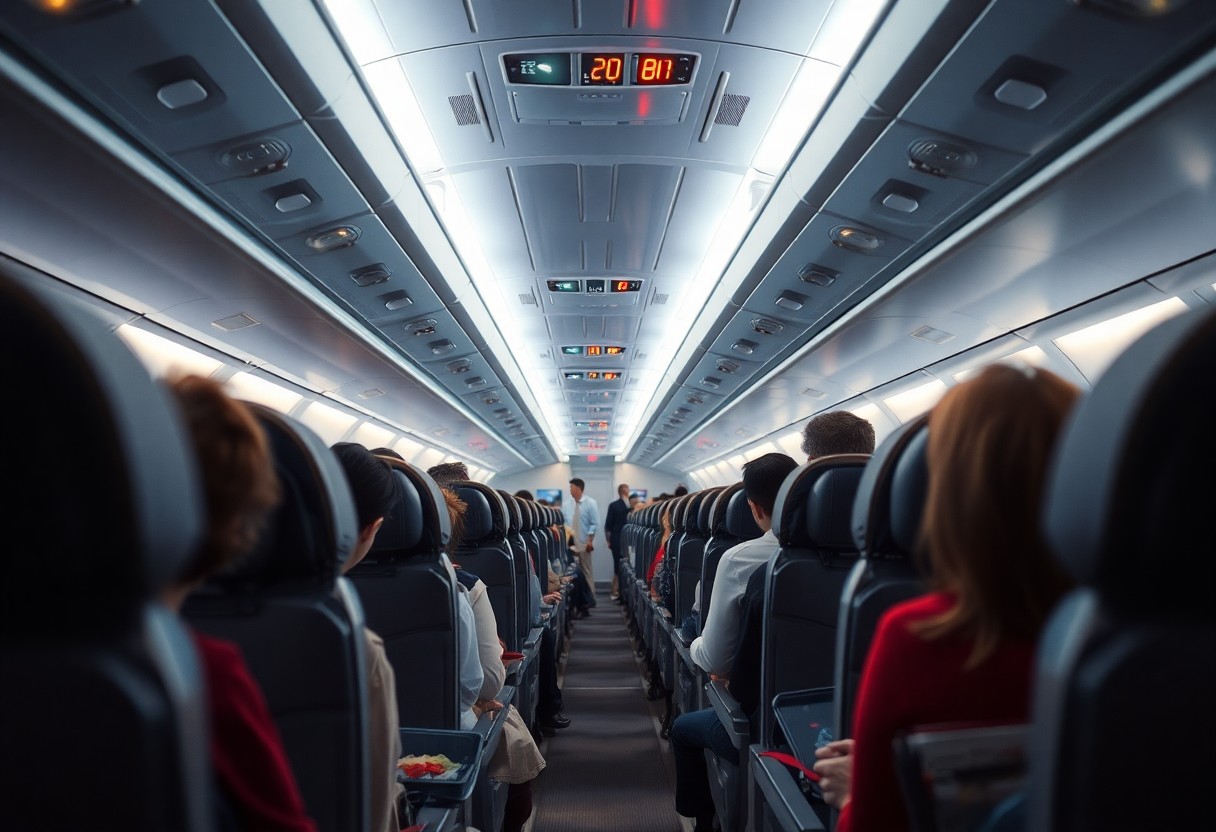
Over the course of history, air travel has evolved dramatically, leading to the unprecedented achievement of non-stop flights lasting up to 20 hours. In this analysis, you will explore the various aspects of the world’s longest flight, including the flight routes, passenger experience, and the technological advancements that make such lengthy journeys possible. You’ll gain insights into the airlines that operate these flights and learn how they ensure passenger comfort and safety during such extreme durations. Understanding these elements will enhance your knowledge of modern air travel and its future direction.
Key Takeaways:
- The flight duration of 20 hours significantly tests the endurance and comfort levels of passengers and crew.
- Innovative in-flight services and amenities are important to enhance passenger experience on ultra-long-haul flights.
- Fuel efficiency and aircraft technology play a vital role in the sustainability of long-distance air travel.
- Health considerations, including deep vein thrombosis and cabin pressure, are critical for long-duration journeys.
- Operational challenges, such as crew management and scheduling, need to be meticulously planned for successful long flights.
The Record-Breaking Flight: An Overview
This remarkable flight, spanning over 20 hours, connects two distant continents and showcases advancements in aviation technology. It sets new benchmarks in endurance and efficiency while accommodating an increasing number of passengers eager for long-haul travel. The culmination of innovative design and meticulous planning, this flight reflects both the airline’s dedication to customer service and the evolving landscape of global connectivity.
Flight Details and Itinerary
Your journey begins in a bustling metropolis and ends in an exotic destination, covering approximately 10,000 miles. Departing in the evening, you’ll be treated to an itinerary that includes multiple meal services, in-flight entertainment, and opportunities for rest, with the flight strategically timed to minimize jet lag. A layover at a mid-point location allows for refueling and crew changes, ensuring smooth travel throughout.
Airline and Aircraft Specifications
The airline operating this record-breaking route is renowned for its commitment to passenger comfort and safety. The aircraft, a state-of-the-art model, is specifically designed for long-haul flights, boasting advanced aerodynamics and fuel efficiency. It features spacious seating configurations and cutting-edge entertainment systems, providing you with an enjoyable travel experience from start to finish. You can expect cabin amenities that cater to your needs, enhancing your overall flying experience.
This airline leverages the latest technology with its Boeing 787-9 Dreamliner, equipped with advanced noise-reducing engines and an optimized wing design that improves fuel efficiency. With a capacity for over 300 passengers, the aircraft offers various seating classes, including a luxurious business section. Enhanced cabin pressure and humidity levels significantly reduce fatigue, allowing you to arrive at your destination refreshed. Additionally, the efficient flight management systems paired with skilled crews ensure a seamless journey, enhancing safety and comfort throughout the long voyage.
The Science of Endurance: Human Factors in Long-Distance Travel
Understanding the human body’s response to prolonged travel across time zones reveals key challenges and adaptations. With flights extending beyond 20 hours, factors such as circadian rhythms, hydration levels, and physical comfort play substantial roles in your overall well-being.
- Adaptation to time zone changes
- Hydration management
- Impact of cabin pressure on body
- Physical activity and movement during flight
Any improvements in these areas can enhance passenger experience and safety.
Physiology of Long Flights
The human body undergoes significant stress during long flights, primarily due to reduced oxygen levels and cabin pressure. Your blood circulation can suffer, leading to discomfort or even more severe conditions like deep vein thrombosis. Maintaining hydration becomes crucial, as the dry cabin air can accelerate dehydration. You might also experience fatigue from prolonged sitting, underscoring the need for stretching and movement during the journey.
Psychological Impacts of Extended Air Travel
Prolonged air travel can affect your mental state, with effects including anxiety, boredom, and disorientation. The lack of social interactions and physical space can lead to feelings of claustrophobia or restlessness. Additionally, adjusting to new time zones can cause jet lag, contributing to irritability and fatigue. Recognizing these psychological factors can help in preparing for a more comfortable journey.
The psychological effects of extended air travel often manifest as increased anxiety or irritability. You might find that confinement and limited mobility lead to a heightened sense of restlessness, which can be exacerbated by a lack of social interaction. Travelers often experience a disconnect from their usual routines, making adaptation difficult. Engaging in activities, such as reading or listening to music, and maintaining a regular sleep schedule can mitigate these negative impacts, promoting better mental health during your journey.
Navigating the Skies: Operational Challenges
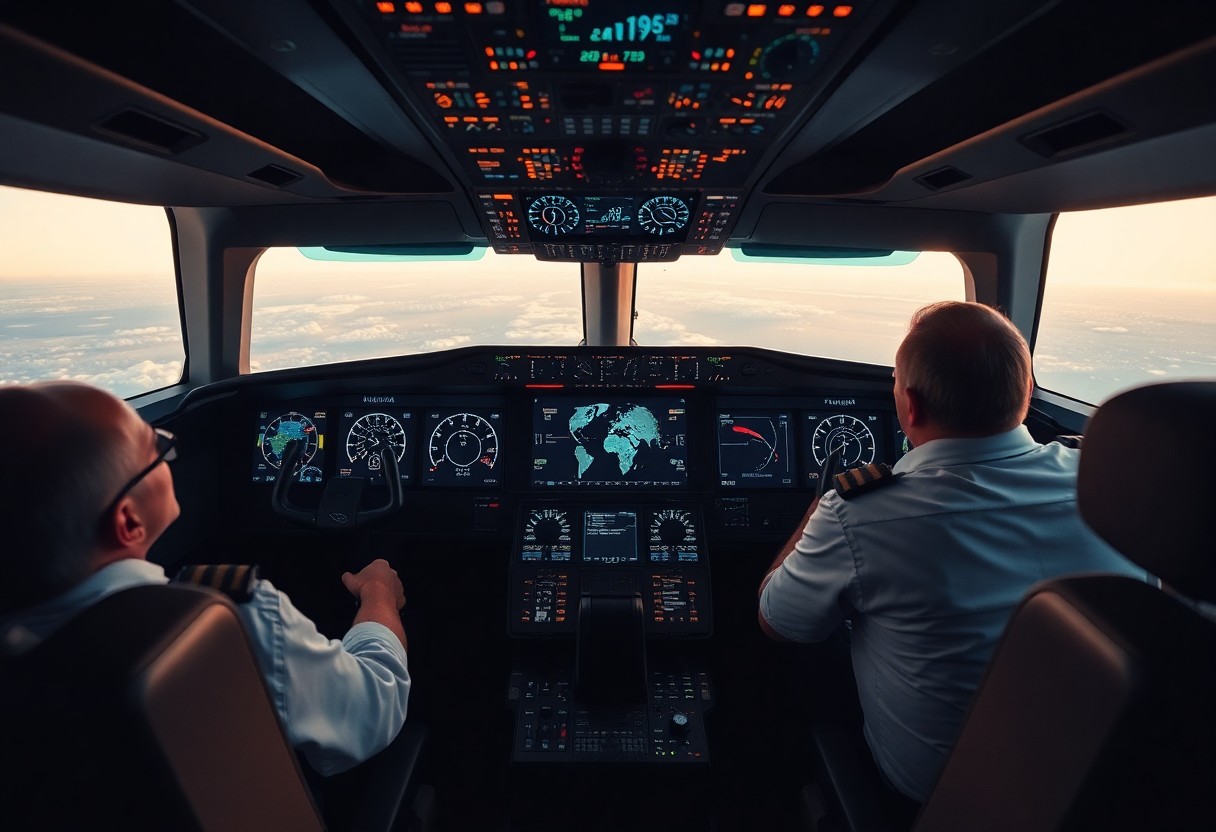
Operational challenges during ultra-long-haul flights are multifaceted, requiring meticulous attention to detail. Factors such as weather conditions, airspace restrictions, and technical malfunctions can significantly impact flight safety and efficiency. Ensuring a smooth operation involves constant communication with air traffic control and real-time adjustments to your flight path in response to changing scenarios.
Flight Planning and Air Traffic Considerations
Effective flight planning for a journey exceeding 20 hours involves analyzing numerous variables, including fuel requirements, route optimization, and weather forecasts. You must also account for air traffic control regulations in various jurisdictions, which can influence your flight path and necessitate tactical adjustments to ensure compliance and safety throughout the journey.
In-Flight Crew Management and Support
Managing the in-flight crew during an extended journey involves strategic scheduling and support mechanisms. You face unique challenges in ensuring crew members remain alert and capable of performing their duties across multiple time zones, which requires shifting schedules and periodic rest breaks to maintain operational efficiency.
To optimize in-flight crew management on a lengthy flight, airlines often implement a buddy system, pairing crew members to maintain vigilance and provide mutual support. You’ll see crews rotating between primary duties and rest periods, ensuring at least 10 hours of uninterrupted rest for those on break. Additionally, enhancements in crew facilities, such as designated sleeping quarters, provide a restorative atmosphere, enabling crews to recover effectively. Continuous monitoring of fatigue levels is also necessary; this is often supplemented by technology that tracks rest patterns, ensuring that you stay within regulatory limits while maintaining passenger safety and service quality.
Passenger Experience Redefined: What to Expect on a 20-Hour Journey
Traveling for 20 hours transforms your perception of air travel, blending your environment with innovative features designed for passenger comfort. Expect spacious seating arrangements, enhanced cabin pressure, and advanced air filtration systems that collectively minimize fatigue. Airlines have invested in ergonomic designs and personal space, allowing you to stretch out during the journey. Additionally, expect to encounter skilled cabin crew who prioritize your needs, ensuring an experience that transcends traditional flying.
Amenities and Entertainment Options
On a marathon flight, amenities play a vital role in easing the long hours. You can anticipate individual entertainment systems boasting an extensive selection of movies, TV shows, and music playlists. Many airlines equip you with noise-canceling headphones and mood lighting to create a relaxing atmosphere. In-flight Wi-Fi connectivity might be available, enabling you to stay connected or work throughout the journey, while gourmet meal options cater to various dietary preferences.
Strategies for Comfort and Well-Being During Extended Travel
To sustain your well-being during such a lengthy flight, consider packing vital comfort items like a travel pillow, blanket, and noise-canceling headphones. Staying hydrated is vital, so drink water regularly and avoid excessive caffeine and alcohol. Engage in light stretching or walk around the cabin to promote blood circulation. Adapting your sleep schedule before departure helps your body acclimate, making it easier to rest throughout the flight.
Using these strategies effectively can transform your travel experience. Incorporate scheduled breaks to walk and stretch every few hours, which reduces stiffness and increases circulation. Packing your own snacks can maintain energy levels while avoiding the pitfalls of airplane food options. Additionally, using a sleep mask and earplugs can help you establish your personal space for downtime, enhancing your ability to rest and arrive at your destination feeling refreshed.
Beyond the Horizon: Implications for the Future of Air Travel
Exploring the dimensions of the world’s longest flight opens a window into the future of air travel. As airlines push the boundaries of endurance, you’ll find opportunities for more direct routes, reducing travel time between continents. Imagine being on the world’s longest flight! 🤯 Singapore Airlines has set a benchmark, prompting innovations in aircraft technology, passenger comfort, and operational efficiency. For further insights, check out this discussion.
The Evolution of Long-Haul Flights
Your experience of long-haul flights has transformed significantly over recent decades. Innovations in aircraft design, such as the development of the Boeing 787 and Airbus A350, have drastically improved fuel efficiency and passenger comfort. Routes that once took multiple layovers are now direct, reducing travel time substantially. With advancements in inflight services and seat technology, you can enjoy a more pleasant journey even on the longest flights.
Sustainability Considerations for Ultra-Long Flights
Sustainability initiatives are increasingly vital for ultra-long flights, as airlines face scrutiny over their carbon footprints. By implementing newer, more efficient planes and optimizing flight paths, you can contribute to reduced emissions. Airlines are also exploring biofuels and hybrid technologies to lessen their environmental impact, making future long-haul travel more sustainable while balancing convenience with eco-responsibility.
To address sustainability in ultra-long flights, airlines are investing in research and development of sustainable aviation fuels (SAFs) that can significantly lower greenhouse gas emissions. For example, the use of SAFs could reduce lifecycle carbon emissions by up to 80%. By 2030, several airlines aim to power more than 10% of their total fuel with SAFs, offering you a greener choice when flying around the globe. Additionally, innovations in engine efficiency and aerodynamic designs further aid in reducing fuel consumption, making long-haul travel more sustainable without sacrificing comfort or convenience.
Conclusion
Following this analysis of the world’s longest flight, you can appreciate the complexity and endurance involved in a 20-hour journey. Your understanding of flight logistics, passenger experience, and the advancements in aviation technology enhances your perspective on long-haul travel. This journey not only showcases human innovation but also challenges traditional notions of distance and comfort, impacting your future travel choices and expectations.
FAQ
Q: What is the duration of the world’s longest flight?
A: The world’s longest flight currently lasts approximately 20 hours, covering a distance of about 10,000 miles. This flight connects major international destinations, offering a unique travel experience.
Q: Which airlines operate the longest flights?
A: Several airlines operate flights recognized as the longest, including Singapore Airlines, Qantas, and Emirates. These carriers utilize specially designed aircraft to accommodate the long durations.
Q: What aircraft are used for ultra-long-haul flights?
A: Aircraft such as the Airbus A350 and Boeing 787 Dreamliner are commonly used for ultra-long-haul flights due to their advanced fuel efficiency and passenger comfort features.
Q: What amenities are typically available on the world’s longest flights?
A: Long-haul flights usually provide a variety of amenities, including lie-flat seats, personal entertainment systems, gourmet meals, and access to Wi-Fi, ensuring passenger comfort during the extended journey.
Q: How do airlines address passenger comfort on long flights?
A: Airlines implement various measures to enhance passenger comfort, including cabin pressure management, enhanced lighting, in-flight exercise routines, and regular service of food and beverages to keep passengers refreshed.



2 thoughts on “World’s Longest Flight – 20-Hour Journey Analysis”
Comments are closed.