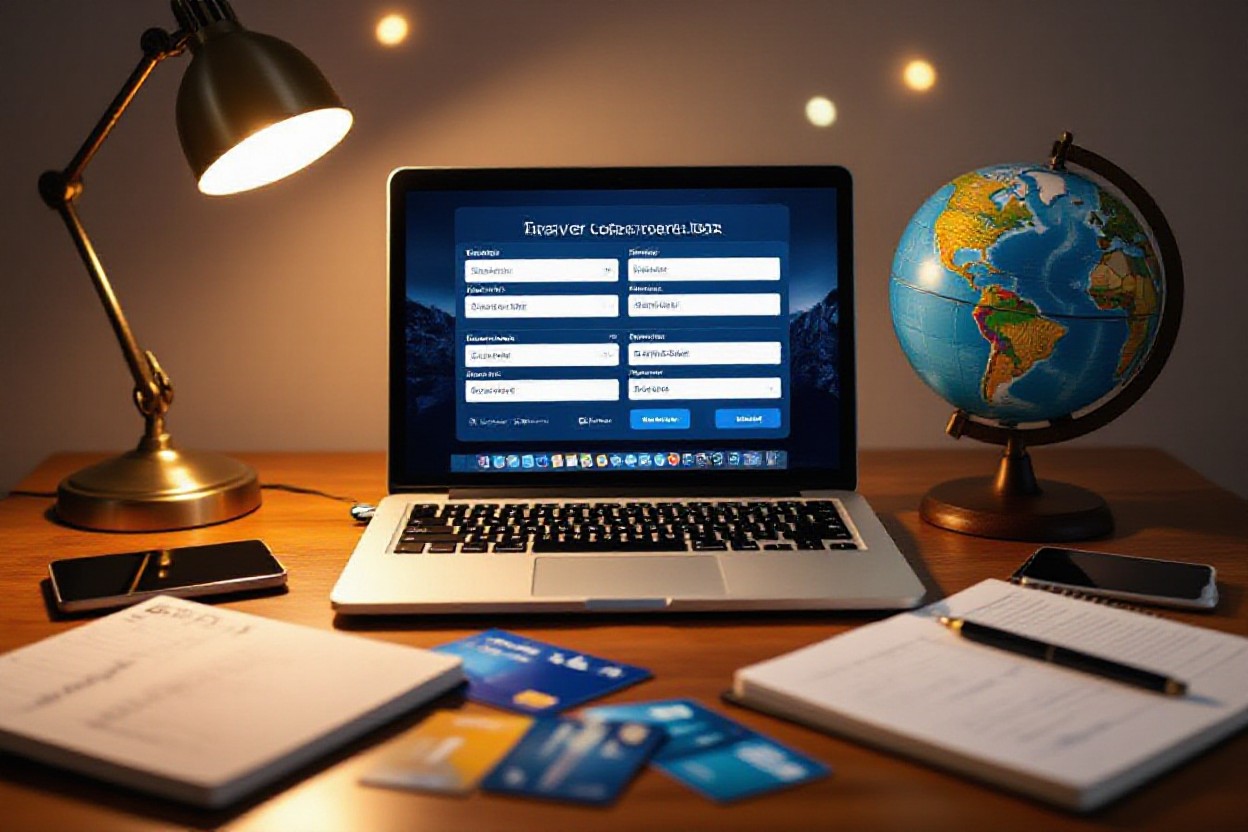
Business travel doesn’t have to cost a fortune; with structured loyalty strategies you can turn everyday spending into business-class seats. You’ll learn how to join every relevant frequent‑flyer programme, maximize reward cards and partner malls, spot mileage sweet spots like ANA or Qatar routes, exploit transfer bonuses and mixed-cabin tactics, and hunt mistake fares to upgrade without paying full fare. Follow the checklist and methods to fly premium for economy prices.
Key Takeaways:
- Travel hacking turns everyday spending into points and miles to book business-class travel for a fraction of cash prices.
- Join multiple loyalty programs (Qatar Privilege Club, Emirates Skywards, Singapore KrisFlyer, United MileagePlus, Qantas Frequent Flyer) – enrollment is free.
- Earn points efficiently with reward credit cards, airline partner shopping malls, booking hotels through airline portals, and sign‑up bonuses.
- Target mileage “sweet spots” for maximum value (examples: Japan→Europe on ANA, Middle East→Asia on Qatar, SE Asia→Oceania on Singapore).
- Use advanced tactics-origin-hopping to cheaper departure cities, mixed-cabin routings, monitoring mistake fares, and transfer-bonus campaigns-to cut costs (case study: Auckland→Europe business for ~$850-$1,200 vs $7,000+); keep a checklist of best programs, tools, and upgrade steps.
Understanding Travel Hacking
Join loyalty programmes like Qatar Privilege Club, Emirates Skywards, Singapore KrisFlyer, United MileagePlus and Qantas – it’s free and foundational. Use reward credit cards, airline shopping portals and hotel bookings to stack points, then hunt sweet spots (Japan→Europe on ANA, SE Asia→Oceania on Singapore). Tactics such as starting itineraries from cheaper cities, flying mixed cabins, and transferring during 30% bonus campaigns turn ordinary spend into business-class seats; Auckland→Europe went from $7,000+ to $850-$1,200 in a real case study.
What is Travel Hacking?
It’s the practice of converting everyday spending into points, miles and transferable currencies to secure cheap or free flights, hotels and upgrades. Sign-up bonuses of 50,000-100,000 points often cover a long-haul business award, and tools like airline portals, partner malls and bank transfer partners (Amex, Chase, etc.) let you move currency to programmes such as ANA, Qatar or Singapore for high-value redemptions.
Benefits of Travel Hacking
You can fly business-class for a fraction of the cash fare, saving thousands – a common example is turning a $7,000+ paid fare into an $850-$1,200 award trip. Beyond price, you gain lounge access, extra baggage, complimentary upgrades and the ability to add stopovers or book one-way awards for flexible routing, all while keeping everyday finances largely unchanged.
Redeeming 60k-80k miles one-way to Europe on certain partners, using mixed-cabin awards to cut costs by 30-50%, and exploiting origin-city pricing (eg. Jakarta departures) are concrete ways you stretch points. Transfer-bonus campaigns (25-40%) and targeted sign-up bonuses effectively increase your earning power, letting you hit premium redemptions faster and more reliably.
Loyalty Programs
You should be signed up to every major frequent‑flyer scheme because each program unlocks different award space, partner redemptions and transfer routes; combining them lets you chase cheap business seats, exploit 30% transfer bonuses and target sweet spots like Japan→Europe or SE Asia→Oceania. Use your joined accounts to compare award availability, move transferable points when bonuses hit, and stack credit card sign‑up offers – that’s how the $7,000 Auckland→Europe business fare fell to $850-$1,200 in the case study.
Major Airline Loyalty Programs
Qatar Privilege Club, Emirates Skywards, Singapore KrisFlyer, United MileagePlus and Qantas Frequent Flyer each offer free membership and distinct advantages: KrisFlyer is strong for Singapore/JAL partner awards, United gives wide Star Alliance access and often low surcharges, Qantas covers Oneworld sweet spots, Qatar is best for Qsuite availability, and Emirates can be valuable for direct carrier redemptions – check partner charts and award calendars for exact pricing and availability.
Joining Multiple Programs
Join every program you fly or can transfer to because you increase your booking options and leverage partner awards; you’ll want accounts ready to receive 50k-100k sign‑up bonuses and to take advantage of temporary transfer promotions. Search the same route across programs before transferring points, since award prices and fuel surcharges can vary dramatically between airlines even within the same alliance.
Practically, keep a simple spreadsheet of program logins, expiry rules (many programs expire points after 18-36 months of inactivity) and common redemption rates; set alerts for transfer bonuses and award space, and when a 30% transfer bonus appears, run numbers – moving 50k transferable points can vault you into a premium‑cabin sweet spot that otherwise costs thousands.
Earning Points and Miles
Stack sign‑up bonuses, everyday card rewards and transfer partners: welcome offers commonly range 40,000-100,000 points (enough for many one‑way business awards), transfer bonuses often add 20-40%, and airline shopping portals can pay 2-8 miles per $1. You should route hotel and rental bookings through airline portals, move flexible currencies (Amex, Chase, Citi) to frequent‑flyer partners during bonus campaigns, and prioritize redemptions on known “sweet‑spot” routes to maximize value.
Credit Card Strategies
Choose cards with large sign‑up bonuses (50,000-100,000 points) and category multipliers like 3x dining or 2x travel; meet minimum spends (commonly $3,000 in 3 months) via planned bills and purchases. You can add authorized users for combined spend, pool points across household accounts, transfer bank currencies (Chase UR, Amex MR) to airlines, and call for retention or upgrade offers before canceling to protect your credit history.
Everyday Spending Techniques
Use airline shopping portals and dining programs for routine purchases – portals often pay 2-8 miles per $1 and stack with card multipliers. Put recurring subscriptions, utilities and insurance on reward cards, buy supermarket gift cards to hit sign‑up minimums, and route big buys through partner sites so ordinary expenses convert into premium cabin tickets.
For concrete math, combine portal and card earnings: a portal at 6 miles/$ plus a card that gives 3 points/$ on purchases yields ~9 reward units per $1, so a $1,000 spend nets ~9,000 points. Pair a 60,000-70,000 welcome bonus with a 30% transfer bonus (60k→78k) to bridge gaps to long‑haul business awards – the same approach that turned a $7,000 Auckland→Europe fare into an $850-$1,200 points redemption in our case study.

Finding Value in Awards
Scan award charts and partner routes to spot outsized value: off‑peak pricing, low carrier surcharges and 30% transfer bonuses can shrink a luxury fare dramatically – the Auckland→Europe example shows full price north of $7,000 versus $850-$1,200 using points. You should compare airline and alliance options, prioritize long‑haul lie‑flat cabins, and avoid routes where fuel surcharges wipe out your savings.
Sweet Spots in Award Flights
ANA’s Japan→Europe, Qatar’s Middle East→Asia and Singapore’s SE Asia→Oceania routes consistently deliver strong value; you’ll often find business seats for fewer miles than comparable transatlantic awards. Try starting from cheaper gateways (example: Jakarta→Europe) or booking one‑ways on different partners to exploit lower award pricing and better availability.
Best Practices for Searching Flights
Search one‑way segments, use calendar views and check partner sites since availability varies by program; many airlines open award space about 330 days out and release extra seats 2-3 weeks before departure. Set alerts, try mixed‑carrier routings, and transfer points only during bonuses to stretch your balance.
When you dig deeper, start with the airline that publishes the most generous chart for your route, then mirror searches on alliance partners and use award aggregators to cross‑check. Be ready to call the carrier to ticket complex routings, split itineraries into separate one‑ways to bypass high pricing, and monitor inventory daily – seats appear and disappear, so persistence often wins the best redemptions.
Advanced Techniques
Take advantage of transfer bonuses, partner-booking arbitrage, and strategic positioning to squeeze maximum value: a 30% transfer bonus can turn 50,000 points into 65,000 miles – often enough for a one-way transatlantic or transpacific business award. Combine that with booking through lower‑surcharge partners and mixing cabins to cut cash and miles costs; you can routinely reduce typical $6,000-$8,000 business fares to under $1,500 using these methods.
- Time transfers to match confirmed award space; never move points until seats are visible.
- Position from cheaper origin cities (example: Jakarta → Europe) to unlock lower award rates.
- Exploit transfer‑bonus windows (20-40%) to meet award thresholds with fewer base points.
- Use partner redemptions to avoid heavy fuel surcharges when booking premium cabins.
- Book mixed‑cabin or open‑jaw itineraries to cut miles by 20-40% on some routings.
Advanced Techniques vs Impact
| Transfer Bonuses | Convert 50,000 → 65,000 miles at +30%, enabling many business awards without extra spend |
| Positioning Flights | Save $500-$1,500 or tens of thousands of miles by starting from low‑cost award origins |
| Partner Arbitrage | Book through partners to bypass fuel surcharges or access better award charts |
| Mixed‑Cabin/Open‑Jaw | Reduce mileage cost by combining cabins or routing creatively |
Hidden Gems in Booking
You should scan partner award inventories, error fares, and alternative hubs to find outsized value: routes like Jakarta→Europe or Kuala Lumpur→North America often show business award space at lower mile levels, and airlines sometimes release saver seats through partners that aren’t shown on their own sites. Use tools like ITA Matrix, award alerts, and flexible-date searches to spot openings that save you hundreds or thousands versus booking from your home airport.
Maximizing Points Transfers
Always verify award availability before moving points and time transfers to coincide with transfer‑bonus promos; a 30% bonus means you need only ~60k base points to net 78k miles (78k / 1.3 ≈ 60k) for many premium awards. Split transfers across programs if one partner has limited availability, and prioritize instant transfers when inventory is scarce.
Dig deeper into transfer mechanics: check typical transfer times (instant to 48+ hours), partner conversion ratios, and blackout rules for each bank‑to‑airline path. Use the simple formula needed_base = required_miles / (1 + bonus%) to calculate exactly how many base points to move during a promo, and always hold award space open (or book immediately) because inventory can vanish while transfers process. When possible, transfer in chunks to avoid overshooting and to allow re-routing if award space changes.
Case Studies
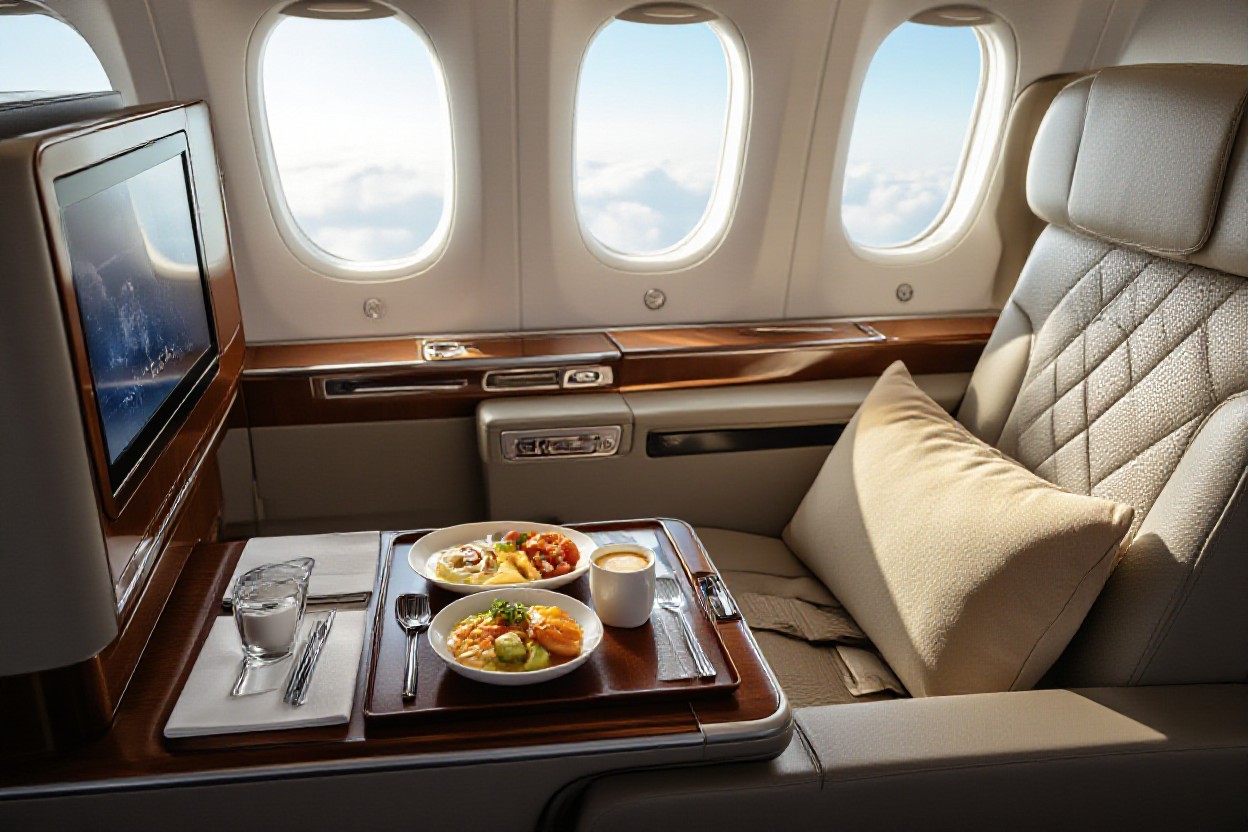
These case studies show how you can convert everyday spending into headline-grabbing savings: typical examples below compare full cash fares to award bookings, C-card sign-up bonuses, transfer bonuses and out-of-pocket taxes so you see the exact mechanics and real savings percentages.
- AKL → LHR (roundtrip Business): Full fare $7,200; award booked using 160,000 KrisFlyer-equivalent miles (transferred from 110,000 card points + 30% transfer bonus) + $980 taxes; final cash = $980 – 86% savings.
- HND → CDG (roundtrip Business on ANA): Full fare $5,800; paid 90,000 ANA miles + $140 fees after using a 100,000 sign-up bonus and 1:1 transfer; out-of-pocket = $140 + $220 positioning = $360.
- JED → BKK (one-way Business on Qatar): Full fare $4,200; award 45,000 Qmiles after targeted spending + $60 taxes; saved ~$3,980 (95% relative cash saving).
- CGK → NYC (mixed-cabin hack): Full business $6,500; booked mixed cabin (long-haul biz + short-haul econ) using 70,000 Avios-equivalent + $420 taxes; final cash = $420 – ~94% cheaper than cash fare.
- SIN → SYD (return Business on Singapore Airlines): Full fare $2,200; redeemed 72,000 KrisFlyer miles from a pooled household transfer + $120 taxes; effective cash = $120 and one paid one-night hotel for connection $60.
Real-Life Travel Hacking Examples
You can replicate these wins by stacking a single 100k+ sign-up bonus, converting flexible points during a 30% transfer promotion, and booking award space 6-11 months out; for example, one reader turned a 120,000-point Amex bonus into a 160,000-mile KrisFlyer award and flew business to Europe for $1,050 total.
Detailed Breakdown of Costs
Taxes, carrier surcharges and positioning flights typically make up the cash you still pay: expect $60-$1,200 depending on route, carrier and origin city; use award charts to compare miles required versus cash and always add positioning flight and overnight costs into your total.
As an example, the AKL→LHR case: 160,000 miles saved ~$6,220 in fare, you paid $980 taxes, plus $120 for a domestic positioning flight and $60 hotel, so total real cost = $1,160; factor in card annual fees and statement credits to see net cost of the play.
To wrap up
Taking this into account, you can leverage loyalty programmes, reward cards, transfer bonuses and fare quirks to fly business class for a fraction of the cost; join programmes, earn points strategically, hunt sweet spots and exploit transfer campaigns, then use the checklist and tools to turn your everyday spending into luxury travel.
FAQ
Q: What is travel hacking and is it legal?
A: Travel hacking is the strategic use of points, miles and rewards programs to book cheap or free premium travel. It combines loyalty programmes, transferable points, credit-card sign-up bonuses, shopping/booking portals and award-chart knowledge to secure business-class seats for a fraction of the cash price. It is legal when you follow airline and card terms of service; do not fabricate identity, manufacture spend, or break rules set by issuers and carriers.
Q: Which loyalty programmes should I join first?
A: Join the major airline programmes listed in the guide: Qatar Privilege Club, Emirates Skywards, Singapore KrisFlyer, United MileagePlus and Qantas Frequent Flyer. Add the frequent-shopper/hotel partners tied to those airlines and any major transferable points currencies (e.g., American Express Membership Rewards, Chase Ultimate Rewards, Citi ThankYou, Capital One). Signing up is free and gives you award search access, route availability alerts and the ability to collect partner earnings for later transfers or redemptions.
Q: What are the fastest, safest ways to earn reward points?
A: Use a mix of these methods: sign-up bonuses on reward credit cards (time new accounts to meet minimum spends), everyday spend on category bonuses, shopping via airline partner malls, booking hotels through airline portals, collecting points from dining/ride-share partners, and using refer-a-friend offers. Track spending to meet minimums without overspending, consolidate points in transferable currencies, and monitor targeted promos or limited-time transfer bonuses that can boost value by 20-50%.
Q: How do I find and book the best business-class redemptions (sweet spots and tricks)?
A: Search award charts and partner availability rather than just one airline. Target known sweet spots (examples: ANA for Japan→Europe, Qatar for Middle East→Asia, Singapore Airlines for SE Asia→Oceania) and check partner availability across alliances. Use tactics like originating travel from cheaper nearby cities (examples: Jakarta or Kuala Lumpur as launch points), mixing cabins on long itineraries, hunting mistake fares, and waiting for transfer-bonus campaigns (often +20-40%). Account for fuel surcharges and taxes-sometimes a slightly different carrier or routing eliminates big fees. Be flexible with dates, use award search tools (Point.me, AwardHacker, carrier search pages) and secure bookings promptly once availability shows-award seats disappear quickly.
Q: What practical steps, tools and pitfalls should I be aware of (plus a quick case study)?
A: Practical steps: 1) Join the loyalty programmes and transfer-friendly credit cards. 2) Plan which award chart/sweet spot you’ll target for desired routes. 3) Accumulate required points via sign-up bonuses + everyday spend + shopping portals. 4) Monitor award space daily, set alerts, then transfer points only when availability is confirmed. Tools: Google Flights/ITA Matrix for price trends, AwardHacker/Point.me for sweet spots, ExpertFlyer or airline alerts for award space, AwardWallet for balances. Pitfalls: transfer points prematurely, ignore fuel surcharges, chase perfect dates (flexibility pays), miss minimum-spend windows, or violate card/airline rules. Case study (Auckland → Europe): cash business fares can exceed $7,000; using a mix of welcome bonuses + transferable points and booking via an airline partner or sweet-spot award route, you’ll often secure a business-class seat for ~$850-$1,200 in taxes/fees plus transferred points. Steps for that case: pick the partner award chart that covers the route, confirm partner availability, calculate exact points needed, earn/transfers to that programme during a transfer-bonus window if possible, and book immediately to lock the fare.