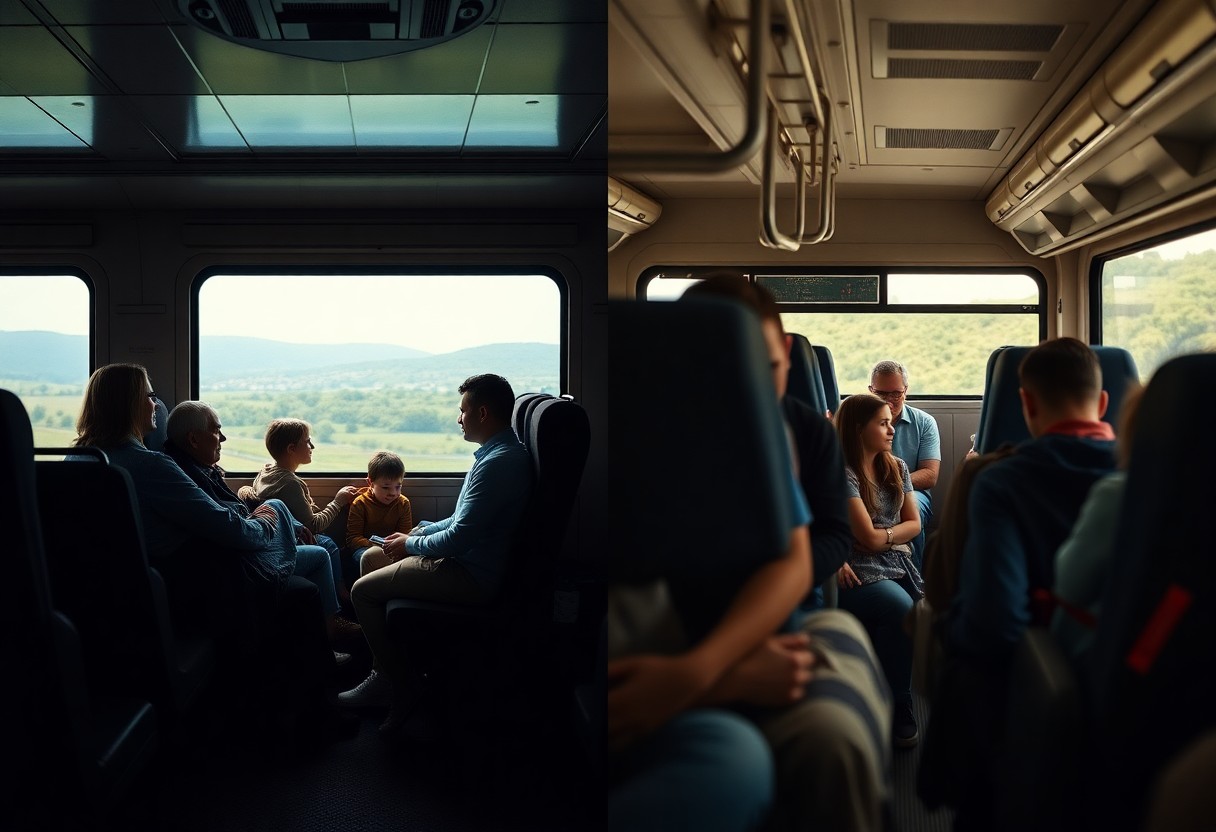
It’s important to weigh the differences between train travel and bus travel when planning family trips. Each mode of transportation offers unique benefits that can enhance your family’s comfort and convenience. By understanding the key factors such as space, amenities, travel time, and overall experience, you can make an informed decision that best suits your family’s needs, ensuring a more enjoyable journey together.
Key Takeaways:
- Trains generally offer more space to move around and larger seating areas compared to buses.
- On trains, families can access dining cars and snack services, enhancing convenience during longer journeys.
- Bus travel typically has lower ticket prices and may offer direct routes with fewer stops.
- Train stations often provide easier access to restrooms and waiting areas, making them more family-friendly.
- Traveling by train can reduce motion sickness for sensitive passengers compared to buses that experience more jolting movements.
Comfort Levels: The Battle of Space and Amenities
Traveling with family requires comfort, and the distinctions between trains and buses become clear in this regard. Trains often boast more spacious seating and wider aisles, allowing families to move about more freely, whereas buses can feel cramped over long distances. Dining cars and lounge areas on trains further enhance the experience, offering places to relax and enjoy meals together, without the confinement typical of bus travel.
Seat Size and Configuration
Seat size and configuration significantly impact your travel experience. Train seats tend to be larger and more comfortable, often reclining further, allowing for a more restful journey. In comparison, bus seats can be narrower and less adjustable, making long trips less enjoyable for families, especially with children who might need extra space to stretch out.
Access to Facilities and Family-Friendly Services
Both train and bus travel offer distinct facilities tailored for families. On trains, amenities like restrooms, dining areas, and sometimes even play areas cater to family needs. In contrast, buses may have restrooms but lack dining options, limiting your family’s comfort during long rides. Train journeys often allow you to get up and walk around, whereas bus rides can confine your family to their seats for extended periods, impacting overall comfort.
Convenience Factors: Time and Accessibility
Bus and train travel each come with distinct convenience factors that impact your family’s experience. Trains often have a more extensive network of stations, providing easier access to city centers. Buses may reach remote areas more effectively. Consider these factors when planning your trip:
- Travel time variations
- Access to multiple destinations
- Frequency of departures
This can greatly influence your itinerary and overall comfort.
Route Flexibility and Schedule Reliability
Trains typically offer set schedules that do not deviate, creating predictability for your travel plans. In contrast, buses may provide more flexible routes but can be subject to last-minute changes. If you’re traveling on popular routes, trains may seem more reliable, especially during peak travel times. This reliability in timings can help reduce stress and enhance your family’s travel experience.
Boarding Process and Travel Times
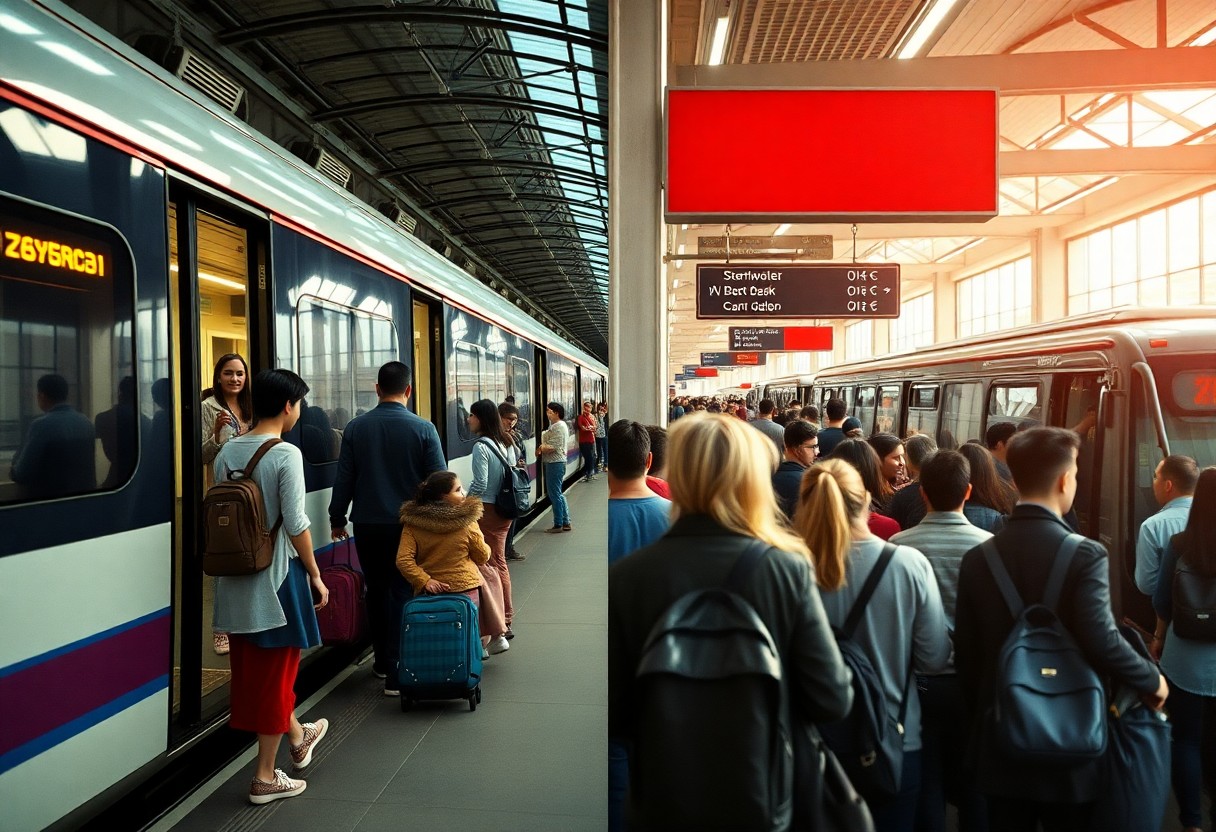
The boarding process for trains is generally more streamlined, allowing families to board at their leisure and settle in before departure. Buses often require boarding at specific times, which can be less accommodating, especially if you have young children. Travel times can vary, but trains frequently complete trips faster due to fewer stops and delays.
For families, the boarding process can significantly affect overall convenience. Trains allow you to take your time while boarding, which is beneficial, especially when managing children, luggage, and other necessities. Conversely, with buses, late arrivals can lead to issues such as rushed boarding, increased stress, and potential missed departures. Efficient and comfortable boarding sets the tone for your journey, making train travel a favorable option for families seeking a more relaxed start to their adventure.
Cost Analysis: Unpacking the Price Tag
Ticket Prices and Additional Fees
Ticket prices vary significantly between trains and buses, often influenced by routes, time of booking, and class of service. While bus tickets are generally less expensive, train fares can fluctuate based on demand and amenities. You may encounter additional fees with both options, such as baggage fees for buses or seat reservations on trains, which can impact the overall cost of your travel plans.
Value for Money: Comfort vs. Cost
Evaluating value for money involves balancing comfort and cost for your family. Train travel typically offers more spacious seating and onboard facilities that enhance the overall experience, reflecting a higher ticket price. Conversely, buses may save you money but often compromise on legroom and amenities. Weighing these factors can help you decide which travel method provides the best experience for your family.
When opting for train travel, consider the convenience of onboard services like dining cars, power outlets, and restroom facilities. While bus travel presents a cost-effective option, the comfort and efficiency of trains can justify the price difference. For longer journeys, investing in train tickets may yield a more pleasant experience, allowing you and your family to arrive refreshed. Scenarios, such as dealing with children’s needs or long delays, often highlight the added value of train travel, making it a worthwhile consideration for family outings.
Travel Experience: Scenic Views and Family Engagement
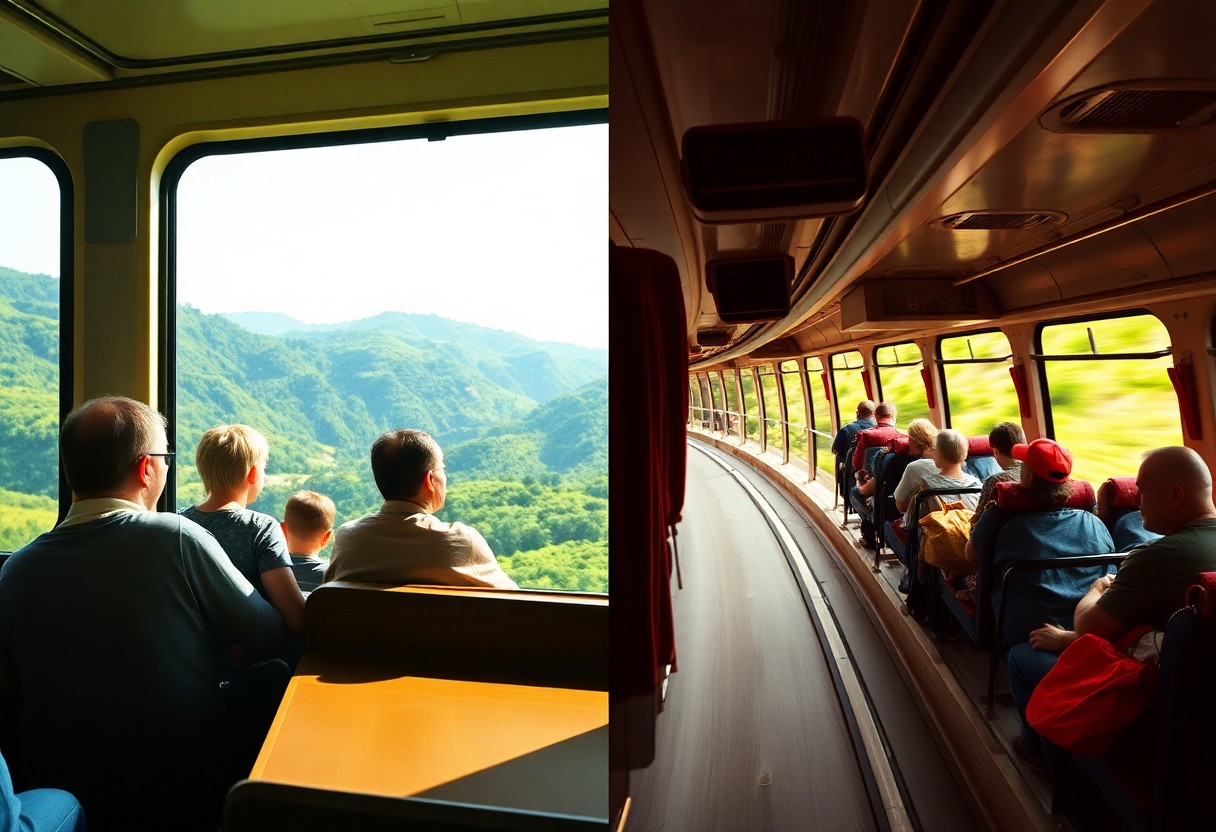
Traveling by train often provides a more immersive experience, where you and your family can engage with the landscape as it unfolds outside your window. The gentle rocking motion, combined with panoramic views, creates an atmosphere conducive to conversation and bonding. Kids can marvel at rolling hills, expansive forests, and bustling towns, transforming the journey from mere transit into an adventure in its own right.
Opportunities for Scenic Routes and Sightseeing
Trains often traverse scenic routes not accessible by road, offering breathtaking views that enhance the travel experience. Consider railways like the Glacier Express in Switzerland or the Rocky Mountaineer in Canada, where stunning landscapes become part of the journey. These routes provide unique opportunities for spontaneous sightseeing and can be an integral part of your family’s adventure.
Onboard Activities and Entertainment Options
While both buses and trains have onboard services, trains generally provide a wider array of activities for families. From observation cars with sweeping views to family-friendly entertainment options, passengers can find ways to stay engaged during the journey. Many trains now offer Wi-Fi, movies, and even game stations to keep children entertained, allowing families to focus on enjoying the ride together.
Engaging children during long train rides can significantly enhance the travel experience. Many trains feature dedicated playrooms or family coaches designed with children in mind, often including toys, games, and even themed decor. Additionally, onboard dining cars serve meals, creating opportunities for family mealtime discussions in a relaxed setting. Some trains also offer curated educational programs that highlight the regions you’re passing through, making learning fun for younger travelers. With various entertainment options available, you can personalize your journey, ensuring that the entirety of the travel experience feels like a shared adventure.
Parental Perspective: Stress Management and Safety
Traveling with children often introduces unique stressors, making it crucial for parents to consider the stress management strategies of each mode. Train travel typically allows for more freedom of movement, reducing anxiety about children feeling confined. Additionally, train stations often have amenities designed for families, like play areas or family lounges, enhancing convenience and comfort during layovers.
Kid-Friendly Policies and Family Packages
Many train services offer kid-friendly policies, such as discounted fares for children and family packages that bundle tickets, meals, and accommodations. This can alleviate financial stress while ensuring your family can enjoy an engaging travel experience. Special seating arrangements allow families to sit together, enhancing the overall enjoyment of the trip and creating shared memories.
Safety Measures and Child Supervision
Safety on public transportation is a primary concern for families. Both trains and buses implement specific safety measures, but trains often provide advantages with designated family cars and dedicated staff ready to assist. Children can be supervised more easily due to the spacious layout, allowing you to keep an eye on them while they explore or play.
Trains usually implement rigorous safety protocols, such as secure boarding procedures and designated family-friendly zones. Conductors and onboard staff are trained to prioritize family safety, often conducting regular checks to ensure a secure environment. In contrast, bus travel may lack such specialized oversight, potentially leading to safety concerns during stops or when boarding. With ample opportunities for child supervision and access to assistance from staff, train travel generally offers a more reassuring atmosphere for parents managing their children’s safety during the journey.
Summing up
Taking this into account, when choosing between train travel and bus travel for family comfort and convenience, trains generally offer more space, ease of movement, and amenities that enhance your journey. You benefit from scenic views, onboard facilities, and fewer delays, making train rides an appealing option for families. On the other hand, buses provide a more budget-friendly alternative, though they may come with limited comfort. Ultimately, your choice will depend on prioritizing space and convenience versus cost-efficiency.
FAQ
Q: What are the main advantages of train travel for families?
A: Train travel offers spacious seating, the ability to move around, and dining options that make it convenient for families. There are also family-friendly amenities like play areas and the opportunity to enjoy scenic views without the stress of traffic.
Q: How does bus travel compare in terms of family affordability?
A: Bus travel is often more budget-friendly than train travel, with lower ticket prices and discounts for children. This makes it a viable option for families looking to minimize travel expenses while still reaching their destination.
Q: What is the impact of travel time on family comfort for trains versus buses?
A: Trains usually have faster travel times than buses due to fewer stops and more direct routes. This can enhance family comfort by reducing overall travel duration, leading to less fatigue for both parents and children during long trips.
Q: Are there amenities specifically for young children on trains versus buses?
A: Trains often provide more amenities for young children, such as designated play areas and the ability to walk around freely. While some buses offer rest stops, they generally lack the same level of child-specific amenities found on trains.
Q: How does luggage handling differ between train and bus travel for families?
A: Trains usually allow families to keep larger pieces of luggage close in their seating area, making it easier to access items. Buses may have strict luggage limits and can require families to stow bags in a compartment, which can be less convenient for managing kids’ needs during the journey.