You can elevate your Honolulu experience by applying targeted travel strategies that save time, cut costs, and deepen cultural connection. Prioritize early reservations, use TheBus and rideshares to avoid parking headaches, pack reef-safe sunscreen and reef-friendly gear, learn basic Hawaiian greetings, scout quieter beaches and dining spots, and follow ocean-safety guidelines. These practical steps ensure smoother logistics, richer local interactions, and more memorable island adventures.
Key Takeaways:
- Plan timing and transport: visit popular sites early to avoid crowds, rent a car for island flexibility or use TheBus and rideshares to skip parking stress.
- Protect reefs and stay safe: use reef-safe sunscreen, avoid touching coral or marine life, and follow local snorkel and surf safety guidelines.
- Explore beyond Waikiki: add North Shore surfing spots, Diamond Head hike at sunrise, and inland trails like Manoa Falls for a fuller island view.
- Embrace local culture: learn simple Hawaiian phrases (aloha, mahalo), attend a luau or cultural tour, and respect sacred sites and signage.
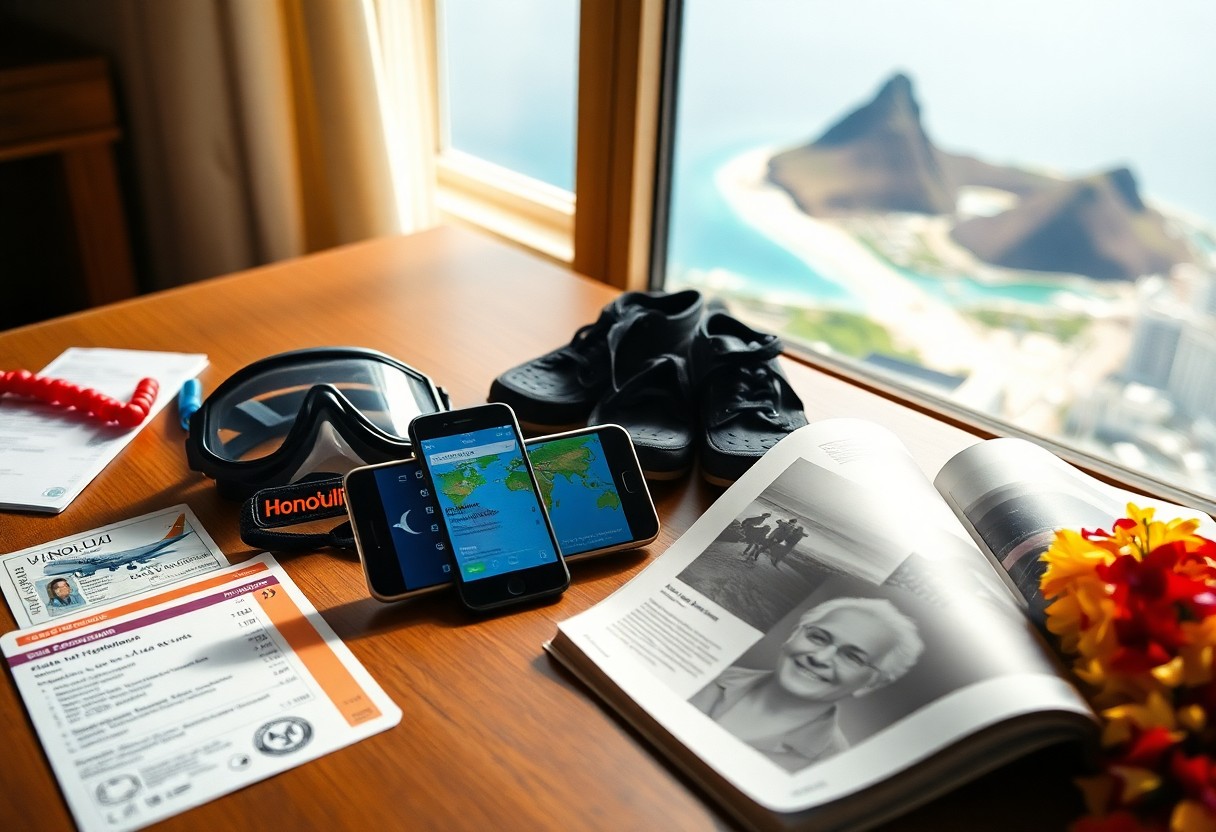
- Book and pack smart: reserve popular activities in advance, carry a government photo ID for flights, bring reef shoes, a reusable water bottle, and lightweight rain gear.
Understanding Honolulu’s Unique Culture
Honolulu’s cultural fabric blends Native Hawaiian traditions with immigrant influences from Japan, the Philippines, China and Portugal; Oʻahu hosts roughly 1 million residents while Honolulu’s urban core is about 350,000. You’ll notice Hawaiian and English are both official languages, local plate lunches and poi coexist with Japanese izakaya and Filipino saimin, and community events like neighborhood hula nights keep traditions living.
Embracing Hawaiian Traditions
You can join free hula performances at venues such as the Kuhio Beach Hula Mound in Waikiki or attend cultural programs at ʻIolani Palace to see oli (chants) and mele (songs). When you accept a lei, take it with both hands and avoid removing it in front of the giver; sampling poi, attending a small local luau, or learning basic Hawaiian words like mahalo and aloha deepens your experience.
Local Etiquette and Customs
You should remove your shoes when entering many private homes and follow hosts’ cues at community events. Ask permission before photographing people, leave beach vegetation and coral untouched, and observe posted signs at wahi pāna (sacred places). Keep noise low after 10 p.m. in residential neighborhoods, since parking and noise fines are enforced in Waikiki and nearby districts.
You’ll do well to give at least 10 feet (3 meters) to resting sea turtles and never approach a monk seal; wildlife disturbance can trigger fines and harm protected species. When visiting a heiau or burial site, stay on trails, don’t climb structures, and ask a cultural practitioner for permission before filming ceremonies. If invited to a home, bringing a small fruit or pastry is appreciated and sets a respectful tone.
Essential Travel Tips for Navigating Honolulu
- Use TheBus for affordable island travel-routes cover Waikiki, Ala Moana, and many beaches with an adult cash fare around $2.75; mobile apps show live arrivals.
- Plan peak-hour travel: morning and late-afternoon commutes on H‑1 and H‑2 can add 30-60 minutes, so schedule interisland flights and tours with buffers.
- Protect beach days by timing sunrise swims before crowds and checking surf advisories-lifeguard flags and NOAA forecasts change daily.
- This means packing reef-safe sunscreen, a waterproof phone pouch, and a small dry bag so your valuables stay secure while you enjoy the water.
Transportation Options
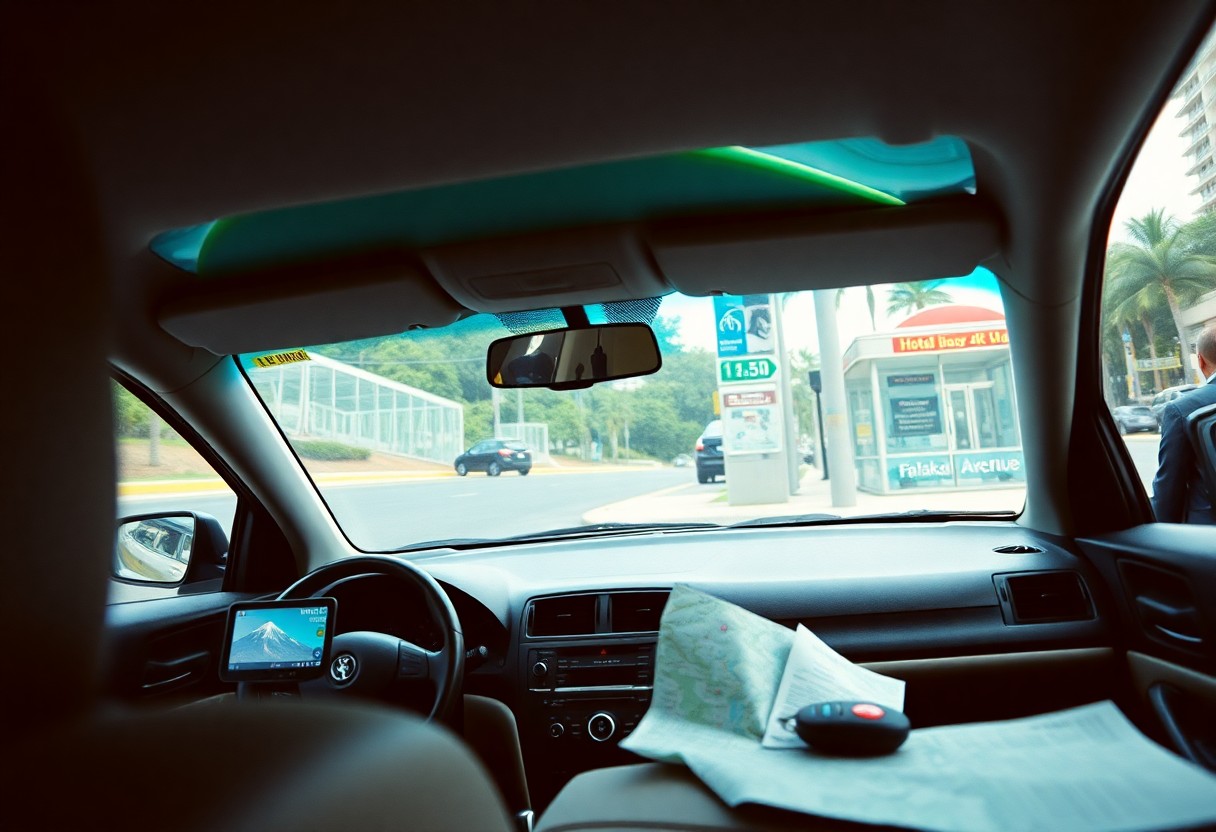
You can rely on TheBus for most trips-about $2.75 cash per ride-or opt for ride‑share/taxi from Daniel K. Inouye Airport to Waikiki, typically $35-$50 depending on traffic; rental cars cost $40-$80/day and parking in Waikiki often runs $30+/day, so weigh convenience against expense and use bike or scooter rentals for short hops.
Safeguarding Your Belongings
You should store passports and extra cash in your hotel safe and carry only imperatives when you go out; thefts at popular sites and parked cars happen, so keep electronics in a locked bag or dry pouch, use RFID‑blocking wallets, and never leave items visible in vehicles.
Also photograph serial numbers and receipts for high‑value gear, enable Find My iPhone/Android and two‑factor authentication, and consider travel insurance with electronics coverage; if an item is stolen, file a police report promptly and notify your insurer and card issuer to speed claims and protect accounts.
Best Time to Visit Honolulu
Choose April-May or September-November to avoid peak crowds and score lower fares while still enjoying 75-85°F temperatures and mostly sunny skies. Expect higher hotel rates and packed beaches in December for the Honolulu Marathon and holiday travel; winter months bring bigger North Shore swells (Nov-Feb) while summer (Jun-Aug) is drier and warmer. If you want fewer showers, target late spring or early fall for the best balance of weather, crowds, and prices.
Seasonal Highlights
During winter (Nov-Mar) you’ll see bigger surf on the North Shore and moderate rains, but Waikiki stays relatively calm for swimming. Summer gives you sunny, lower-wind days ideal for snorkeling and evening rooftop dining. Shoulder seasons deliver milder hotel rates and pleasant ocean temps around 78-80°F. If whale-watching is on your list, plan for January-March to spot humpbacks offshore.
Events and Festivals
You can time your trip to coincide with major events: the Honolulu Marathon in December draws roughly 25,000-30,000 runners, the Honolulu Festival in March brings cultural parades and performances, and Waikiki Spam Jam in April offers street food and live music. These events energize Waikiki but also mean road closures and higher occupancy, so book hotels and transport early if you want to attend without hassle.
For more detail, plan accommodations at least 2-3 months ahead of the Marathon and expect limited street parking on race weekend; staying near Ala Moana or Kakaʻako gives easier transit access. If you attend the Honolulu Festival, arrive early for the parade along Kalakaua Avenue to secure viewing; cultural stages at Ala Moana Park host taiko, hula, and international acts. Spam Jam is a one-night event-bring cashless payment options and be prepared for crowds along Kalakaua Avenue.
Must-See Attractions
You’ll want to prioritize Waikiki for surf lessons, Diamond Head for the 761-foot summit hike with panoramic views, Pearl Harbor National Memorial for the Dec. 7, 1941 sites, and Iolani Palace-the only royal palace on U.S. soil. Add Hanauma Bay for snorkeling and Bishop Museum for Hawaiian cultural context; plan multi-attraction days to maximize your time on Oʻahu.
Natural Wonders
Start early to hike Diamond Head’s 0.8-mile trail to the 761-foot rim, snorkel Hanauma Bay to see reef fish and green sea turtles, and trek Manoa Falls to a roughly 150-foot cascade through rainforest. You can kayak from Kailua to the Mokulua islets for sunrise, and Lanikai’s powder sand makes an effortless morning swim or picnic stop.
Historical Sites
Visit Pearl Harbor to see the USS Arizona Memorial, USS Bowfin submarine, and Pacific Aviation Museum tied to the Dec. 7, 1941 attack, then explore Iolani Palace’s throne room and royal artifacts. Bishop Museum offers deep dives into Hawaiian genealogy and material culture, so you can connect battlefield history with the islands’ royal and indigenous narratives.
Reserve your USS Arizona Memorial program through the National Park Service to secure the boat shuttle and film presentation, and set aside 2-3 hours for the full Pearl Harbor experience; guided tours of USS Missouri and USS Bowfin typically run 60-90 minutes. For Iolani Palace, book a guided tour to view ceremonial rooms and heirlooms, and aim for a morning visit to Bishop Museum to see Hawaiian Hall before crowds grow.
Culinary Delights in Honolulu
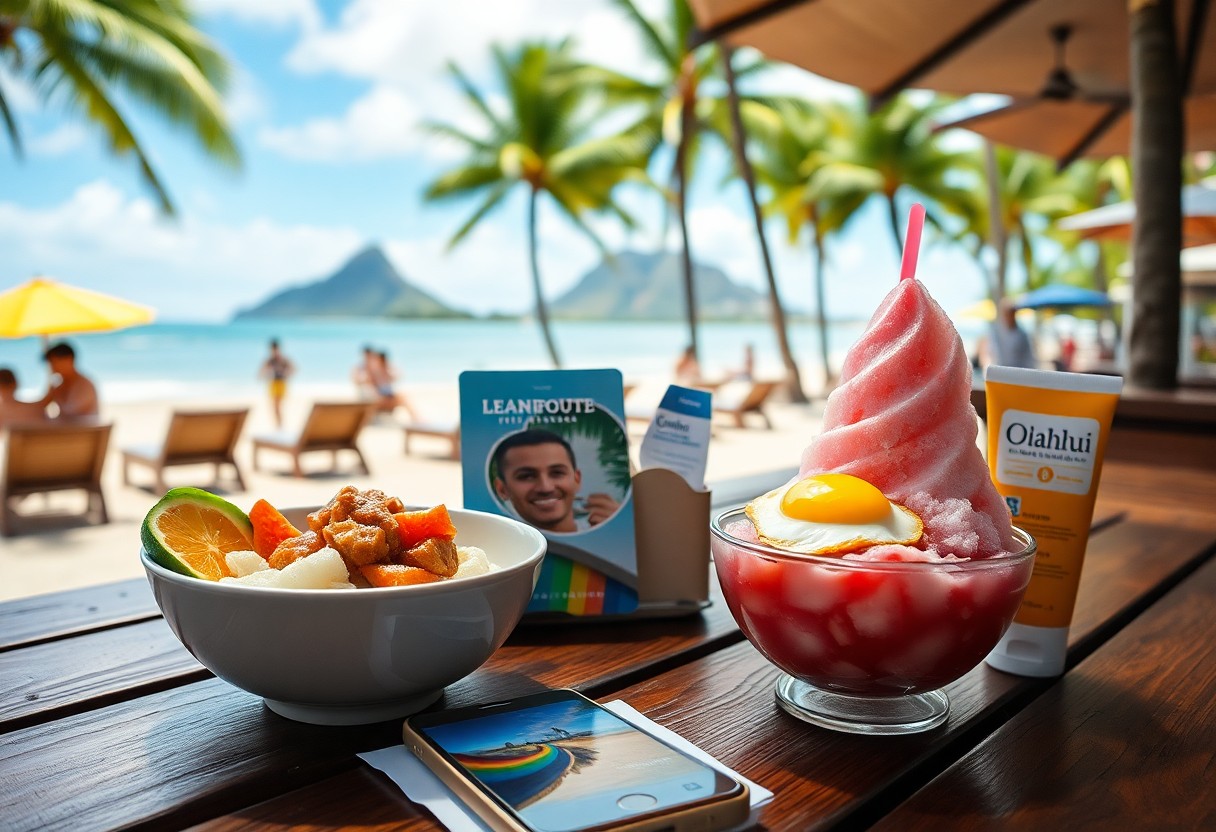
You’ll find Honolulu’s food scene mixes island tradition with international flair, so plan to sample a range from roadside plate lunches to upscale tasting menus. Head to neighborhoods like Kakaʻako for innovative fusion, Chinatown for late-night eats, and Kapahulu for iconic snacks; expect strong Japanese, Filipino, and Portuguese influences alongside native Hawaiian preparations such as kalua pig and laulau.
Local Cuisine to Try
You should try at least five local staples: poke (fresh ahi marinated with soy and limu), loco moco (rice, hamburger patty, fried egg, brown gravy), shave ice topped with azuki beans, malasadas from Leonard’s Bakery, and a classic plate lunch with two scoops of rice and macaroni salad. Each dish reflects multicultural history and is available at markets, food trucks, and family-run eateries across the island.
Top Dining Spots
You can hit both high-end and beloved casual joints: Alan Wong’s for Hawaiian regional fine dining, Chef Mavro for chef-driven tasting menus, The Pig and the Lady for Vietnamese-fusion creativity, Ono Seafood for standout poke, Marukame Udon for fresh, affordable udon and tempura, and Leonard’s Bakery for malasadas since 1952. Each offers a distinct taste of Oʻahu’s culinary diversity.
You’ll want to book reservations for Alan Wong’s and Chef Mavro-fine-dining tasting menus typically run $80-$150 per person-while Marukame, Ono Seafood, and Leonard’s are largely walk-in and popular at lunch; expect 10-30 minute waits at peak times. Try Ono’s spicy shoyu ahi, order the loco moco at local diners, and split a malasada for dessert. Neighborhoods matter: Waikīkī is convenient, Chinatown is lively after-hours, and Kakaʻako showcases chefs pushing boundaries.
Outdoor Activities and Adventures
You’ll find a mix of ocean and ridge experiences that define Honolulu: surf lessons at Waikiki for beginners, snorkeling at Hanauma Bay where you can see over 400 marine species, and paddleboarding in Ala Moana Harbor. Take a 90-minute sunset sail that often passes spinner dolphin pods, or rent a bike to tour Kakaʻako’s murals before catching a shoreline sunset.
Beaches and Water Sports
You can start at Waikiki for beginner-friendly surf breaks and lessons costing $60-$120, then head east to Lanikai for calm kayaking to the Mokulua Islands (roughly a 20-30 minute paddle). Also, plan a morning at Hanauma Bay for top snorkeling-arrive early, since visitor counts are limited and the bay closes on Tuesdays to give reefs recovery time.
Hiking Trails and Scenic Views
Choose Diamond Head’s 1.6-mile round-trip trail for panoramic Honolulu and Waikiki views, or tackle Koko Crater’s 1,048 railroad-tie steps if you want a steep workout. Makapuʻu Lighthouse Trail is ~2 miles round-trip with reliable whale sightings in winter, while Manoa Falls is an easy 1.6-mile walk through rainforest to a 150-foot waterfall.
Start hikes early-before 7:30 a.m.-so you avoid heat and parking shortages; bring at least 1 liter of water per hour, reef-safe sunscreen, and sturdy shoes. Expect uneven terrain on Koko and muddy sections on Manoa after rain; check DLNR or park websites for temporary closures and parking rules, and consider guided hikes for sunrise photography spots and local route tips.
Conclusion
Conclusively, applying top travel tips-planning inter-island flights, timing beach visits for optimal conditions, using sunscreen and reef-safe products, renting a car early, and respecting local culture and protected areas-will optimize your time, reduce stress, and let you savor Honolulu’s beaches, cuisine, and outdoor adventures with greater ease and authenticity.
FAQ
Q: What should I pack to make the most of Honolulu’s beaches, sun and island activities?
A: Pack reef-safe sunscreen, a wide-brim hat, UV-protective rash guard, quick-dry swimwear and water shoes for rocky shorelines. Bring a reusable water bottle, lightweight rain jacket, and a small dry bag for electronics. Include comfortable walking shoes for hikes, a daypack, a portable charger, and basic first-aid items (blister care, motion-sickness remedies if you plan boat trips). Check airline baggage rules and pack any prescription medications in carry-on with labels.
Q: What’s the best way to get around Honolulu without wasting time in traffic?
A: Use a mix of options: TheBus system is reliable and cost-effective for many routes; ride-hailing services are convenient for short trips; consider renting a car if you plan to explore West Oahu or the North Shore but plan for limited parking and peak-hour congestion. Bike or walk around compact areas like Waikiki. Start long drives early to avoid rush-hour delays, and download offline maps and transit apps before you go.
Q: How can I be respectful and engage with Hawaiian culture during my stay?
A: Learn a few local words such as aloha and mahalo, observe signage at cultural and sacred sites, and follow any posted access rules. Support locally owned businesses and farmers’ markets, join guided tours led by Native Hawaiian or local guides, and decline taking sand, coral, or artifacts. When attending events or a luau, choose operators who emphasize cultural authenticity and sustainable practices.
Q: When and how should I plan activities to avoid crowds and get better experiences?
A: Book popular activities (Pearl Harbor, Diamond Head, boat tours, snorkeling trips) in advance and go early in the morning to beat crowds and heat. Visit popular beaches and attractions on weekdays if possible, and explore lesser-known spots like Lanikai or quieter North Shore coves for a more relaxed experience. Check seasonal surf and weather patterns before planning ocean activities; off-peak travel dates typically offer lower prices and fewer visitors.
Q: What safety and practical tips will keep my trip smooth and enjoyable?
A: Follow lifeguard warnings and posted ocean conditions-rips and strong surf are common in certain areas. Stay hydrated, apply sunscreen frequently, and avoid prolonged midday sun exposure. Carry a valid government ID for flights and vehicle rental, download emergency contact info and clinic locations, and consider travel insurance that covers medical and trip cancellations. Keep valuables secure and be aware of your surroundings in crowded tourist zones.