It’s easy to turn a Seattle trip into an effortless adventure when you plan your itinerary smartly: pack layers, buy an ORCA card for transit, time sightseeing for off-peak hours, prioritize neighborhoods like Capitol Hill and Fremont, reserve popular attractions in advance, use ride-share for late nights, embrace rainy-day options like museums and coffeehouses, and savor local seafood and craft breweries.
Key Takeaways:
- Pack layers and a waterproof shell-Seattle weather shifts quickly, even in summer.
- Use the ORCA card and public transit (light rail, buses, ferries) to avoid downtown parking hassles.
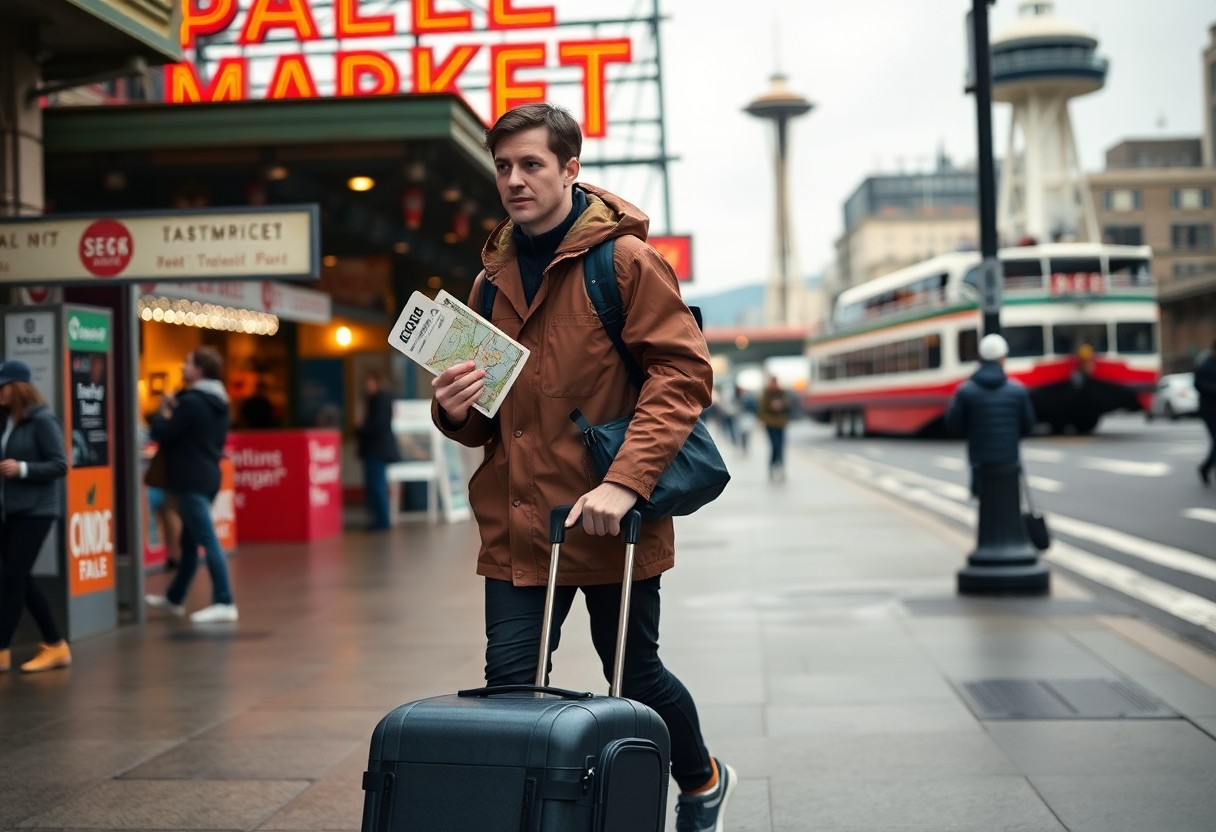
- Time visits to major attractions (Pike Place, Space Needle) early or late to skip peak crowds.
- Explore neighborhoods by foot or bike-Capitol Hill, Ballard, and Fremont each offer unique food and culture.
- Bring an umbrella and plan indoor alternatives like museums, coffee shops, and markets for rainy afternoons.
Getting to Seattle
Sea-Tac (SEA) serves as your primary gateway-about 14 miles south of downtown with regular domestic and international flights and direct Link Light Rail to the city center. Alternatives include Paine Field (PAE) in Everett for some low-cost and regional routes, and Boeing Field (BFI) for charters or private aviation if you need proximity to industrial south Seattle. Choose based on schedule, fares, and whether you want to land closer to the city.
Choosing the Right Airport
Pick SEA when you want nonstop national or international options and the fastest public-transit link into downtown; the Link Light Rail is a reliable choice. Use PAE if you find better fares or are heading to northern suburbs and Snohomish County. Turn to BFI for corporate or private-charter flights and to shave off ground-transfer time if your destinations are in south Seattle or the industrial corridor.
Transportation Options
You can take Link Light Rail from SEA to downtown in about 35-40 minutes for under $5, use rideshares (Uber/Lyft) or taxis at designated pickup curbs, or rent a car from the consolidated rental center. Ferries dock at Colman Dock-Bainbridge runs roughly a 35-minute crossing-while Amtrak Cascades connects you to Portland (~3.5 hours) and Vancouver, BC for longer regional travel.
Use an ORCA card to tap onto Link, King County Metro buses, and ferries-Link trains run every 6-15 minutes depending on the time of day. Expect rideshare pickups at marked arrivals curbs and a consolidated rental-car center reachable by short shuttle; booking a rental ahead of festivals or Seahawks games avoids shortages and high rates. Driving to downtown usually takes 20-45 minutes without heavy traffic, so compare parking costs with transit convenience. Ferries from Colman Dock run roughly hourly off-peak and are more frequent during commute windows; King Street/Amtrak Cascades puts Portland about 3.5 hours away by rail.
Best Times to Visit Seattle
Plan late spring through early fall for the best balance of weather and crowds: May-June and September offer mild temps (55-70°F / 13-21°C), fewer tourists and better rates, while July-August brings consistent sunshine, festivals and peak prices; April delivers nearby Skagit tulips, and winter gives lower costs but frequent rain and shorter daylight.
Seasonal Highlights
April showcases the Skagit tulips and 45-60°F days; May-June has long daylight (about 15-16 hours in June) and excellent hiking weather; July-August is driest with average highs around 75-80°F and events like Seafair; September keeps warm mornings and thinner crowds; November-February is wet and cool, with sporadic snow in the city.
Weather Considerations
Seattle’s rainy season runs roughly October-April, producing about 37 inches (940 mm) annually, so you should pack a breathable waterproof jacket and quick-dry layers; umbrellas help but can fail in gusts, and late‑summer wildfire smoke can raise AQI-check air quality before booking strenuous outdoor plans.
Microclimates mean sun downtown and fog nearby, with marine layers often clearing by mid-morning, so schedule Mount Rainier or skyline views for early clear windows; snow is rare in the city but common in the Cascades-monitor WSDOT and ferry advisories when traveling to mountain trails or islands during winter storms.
Must-See Attractions
Seattle’s must-sees pack variety: the Space Needle soars 605 feet for skyline views, Pike Place Market (est. 1907) offers fresh seafood and the original Starbucks, and the Seattle Great Wheel rises 175 feet over Elliott Bay for dusk panoramas. You can explore MoPOP’s Gehry-designed galleries and Chihuly Garden and Glass’s 40-foot Glasshouse, then catch a 35-minute ferry to Bainbridge Island for waterfront dining and quiet trails.
Iconic Landmarks
Space Needle’s observation deck gives 360-degree perspectives, while Pike Place Market still dazzles with fish-throwing stalls, neon signage, and artisanal vendors. You should visit the original Starbucks stall, take the Great Wheel at Pier 57 for city-and-water views, and walk Pioneer Square to join underground tours that reveal Seattle’s 19th-century foundations and brickwork architecture.
Hidden Gems
Kubota Garden’s 20-acre Japanese-inspired landscape in Rainier Beach offers tranquil ponds and stone lanterns, while the Ballard Locks (Hiram M. Chittenden) feature a working canal, a fish ladder for salmon viewing, and botanical displays. You can wander Gas Works Park’s industrial ruins on Lake Union, spot the Fremont Troll under Aurora Bridge, and hike Discovery Park’s 534 acres to reach West Point Lighthouse.
Visit early for quieter trails and better photo light; for salmon viewing go in July-October when runs peak and Locks signage is most informative. Parking fills fast on weekends, so use Metro buses or a 15-25 minute rideshare from downtown; Kubota Garden is free year-round, Gas Works hosts kite flyers on windy afternoons, and Fremont’s Sunday Market adds local crafts to your itinerary.
Food and Dining Recommendations
Local Cuisine
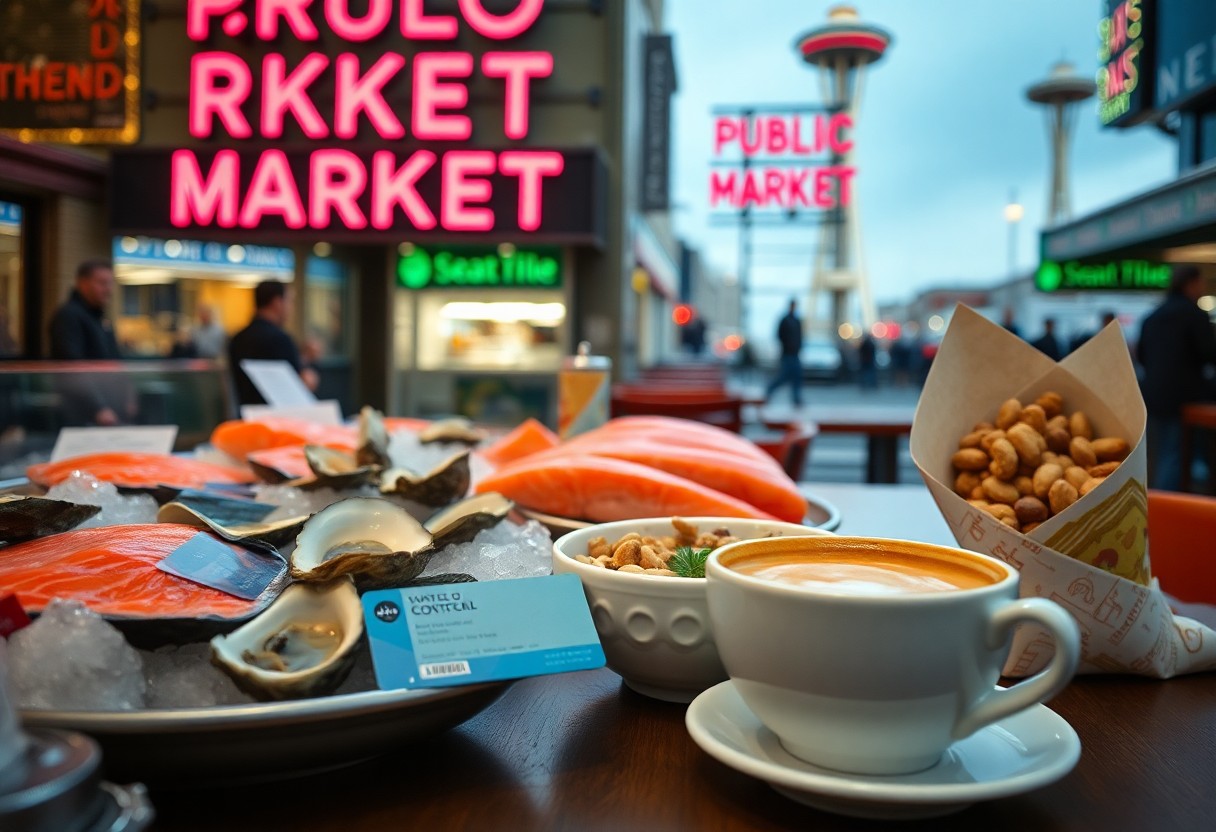
You’ll find Pacific Northwest flavors everywhere: cedar-plank salmon, Dungeness crab, and briny oysters alongside foraged chanterelles and wild berries. Pike Place Market (est. 1907) supplies many vendors, and the original Starbucks opened there in 1971 – great for a quick caffeine stop before tasting menus change with Puget Sound seasons.
Popular Restaurants
You can hit Pike Place Chowder for hearty bowls, the Walrus and the Carpenter in Ballard for oysters and small plates, and Canlis for elevated fine dining. Weeknight reservations are easier, while lunch and summer weekends often have long lines, so plan timing around peak hours.
Expect price ranges roughly $10-$25 at market stalls, $30-$60 at popular neighborhood restaurants, and $100+ per person at top-tier tasting menus. You should book 2-4 weeks ahead for weekend fine dining, use OpenTable or Resy for reservations, and arrive early for counter-service spots to avoid 30-60 minute waits.
Outdoor Activities and Parks
You’ll find an outdoors playground from the waterfront to forested ridges: over 6,200 acres of parkland across roughly 485 sites, with options from urban strolls to backcountry-style hikes. Bring layers for microclimates, rent a kayak on Lake Union, or hop the Burke-Gilman Trail’s 27-mile corridor for cycling. Pack a tide chart for Puget Sound beach walks and plan around seasonal ferries when accessing nearby islands.
Exploring Nature
You can tackle Discovery Park’s 534-acre loop for bluff overlooks and forest trails, or drive 30-45 minutes to Cascade foothills for day hikes like Rattlesnake Ledge (about 4 miles round-trip with ~1,160 feet elevation gain). Rent a kayak on Lake Union to see houseboats up close and possible seal sightings. Check trail conditions on the Washington Trails Association before you head out.
City Parks and Recreational Areas
You should use Green Lake’s 2.8-mile loop for jogging and rollerblading, Gas Works Park for skyline photos over Lake Union, and Volunteer Park for the conservatory and the Asian Art Museum. Bike the Burke-Gilman Trail for long riverside rides, or take kids to playgrounds and spray parks; many parks offer reservable picnic shelters for larger groups.
You’ll find practical amenities across city parks: Magnuson Park has a large off-leash dog area and sandy waterfront, Green Lake and Lake Union host boat rental kiosks and kayak launches, and picnic shelters generally require a permit for groups over 25. Use King County Metro or bike-share to avoid limited weekend parking, and consult Seattle Parks’ online calendar for concerts, community events, and field reservations before you go.
Tips for Navigating Seattle
You’ll get around fastest by combining Link light rail, buses, ferries and short rideshares-downtown streets are a grid but neighborhoods like Fremont and Ballard are hillier and more spread out. Bring layers for sudden rain and shoes with good traction for wet sidewalks; scooter and bike shares fill in short gaps, while ferries to Bainbridge add scenic transit options. Recognizing that weather and weekend schedules shift transit options will help you time rides and walks.
- Pack a waterproof shell, check transit apps for real-time arrivals, and prefer trams or ferries for harbor views.
Public Transportation
You should get an ORCA-compatible pass to transfer seamlessly between King County Metro buses, Sound Transit’s Link light rail (Sea‑Tac to Northgate), and Seattle Streetcar; trains often run every 6-10 minutes during peak times. Ferries to Bainbridge take about 35 minutes and are a reliable scenic option, while buses cover gaps in neighborhoods-avoid commute windows (roughly 7-9 AM and 4-6 PM) if you want empty seats and on-time trips.
Safety Tips and Local Etiquette
Stay aware of your surroundings on rainy nights, keep valuables out of sight in parked cars, and yield to cyclists in marked lanes-you’ll find many intersections with high pedestrian traffic near Pike Place and South Lake Union. Use crosswalks and let buses unload before boarding; learning a few polite phrases like “thanks” goes far. Any time you carry valuables, keep them concealed and use hotel safes.
- Avoid isolated areas after dark, lock bikes to secure racks, and keep a charged phone for emergency apps.
You should tip 15-20% at sit-down restaurants since servers rely on gratuities, and avoid walking in bicycle lanes or jaywalking-local drivers expect pedestrians at marked crossings. When interacting with people asking for help, a brief polite decline is common; public transit etiquette favors giving up priority seats to seniors and those with strollers. Any small local custom, like tipping or queuing politely for ferries, influences how smoothly your visit proceeds.
- Carry small bills for tips, stand right on escalators to let faster movers pass on the left, and respect personal space on crowded transit.
Final Words
Taking this into account, you can make Seattle effortless by packing layered, waterproof clothing and comfortable shoes, using ORCA and Link Light Rail to avoid traffic, booking attractions and ferries in advance, and exploring neighborhoods by foot or transit. Plan for variable weather, carry a compact umbrella, buy a Seattle CityPASS to save time, and favor early mornings for popular sights. With practical prep and flexible timing, you’ll move through the city smoothly and enjoy your visit.
FAQ
Q: What’s the easiest way to get between Sea‑Tac Airport and downtown Seattle, and how should I get around once I’m there?
A: Take the Link light rail from Sea‑Tac to downtown – fast, frequent, and avoids traffic. For local transit, use an ORCA card or the ORCA app for buses, Link, streetcar and regional ferries; single‑ride payment options exist but ORCA saves time if you’ll ride multiple times. Rideshares and car‑share services are plentiful for late‑night trips or neighborhoods with limited transit. Driving downtown is often slow and parking is expensive, so use transit or Park & Ride lots and walk or bike inside central neighborhoods when possible.
Q: How should I pack for Seattle’s weather to stay comfortable on day trips and city walks?
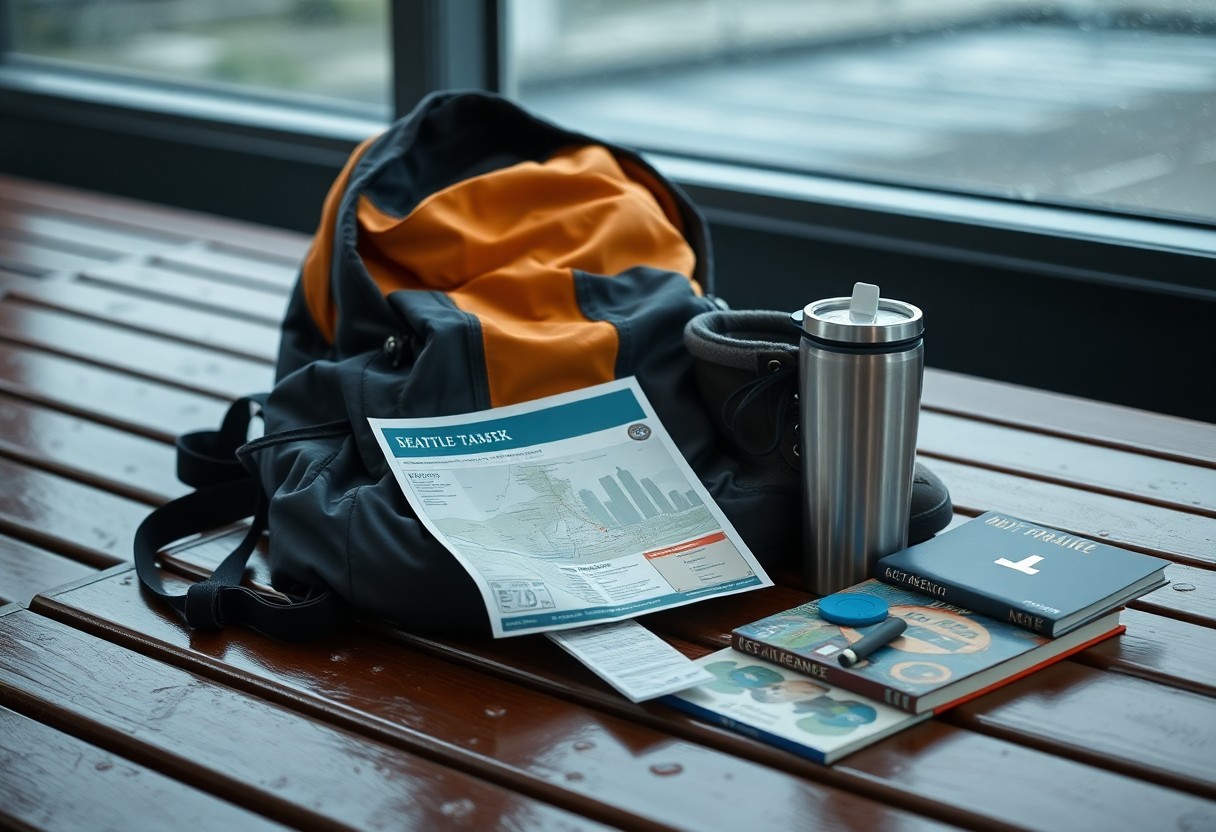
A: Pack layers: a light insulating layer plus a waterproof shell is ideal because conditions change quickly. Bring waterproof shoes or quick‑dry sneakers and a compact umbrella or rain jacket with a hood. In summer include sunscreen and a light hat – sunny spells can be strong – and in shoulder seasons add a warm midlayer for cool evenings. A small daypack with a reusable water bottle and portable phone charger makes long days easier.
Q: How can I avoid long lines and make the most of short time in Seattle’s top attractions?
A: Buy timed or skip‑the‑line tickets for Space Needle, Chihuly Garden & Glass, and museum exhibits in advance. Visit Pike Place Market early morning or later in the afternoon to avoid mid‑day crowds. Use a city attraction pass if you plan multiple paid sites; check opening hours and weekday options to dodge weekend peaks. For popular viewpoints (Kerry Park, Gas Works), go at sunrise or sunset for fewer people and better light.
Q: What should I know about payments, tipping, and local charges while visiting Seattle?
A: Most places accept credit/debit cards and contactless mobile pay; keep a small amount of cash for occasional vendors. Washington has sales tax added at checkout, so expect higher final prices than listed. Tipping norms are similar to other U.S. cities: about 15-20% for sit‑down restaurants, 10-15% for takeout if you’d like, $1-2 per drink at bars, and check receipts for automatic service charges on larger groups or tours.
Q: What easy day trips and low‑effort outdoor options show Seattle’s best without heavy planning?
A: Ride the ferry to Bainbridge Island for waterfront dining and short walks from the ferry terminal. Take a guided half‑day trip to Snoqualmie Falls or the Snoqualmie Valley for short hikes and scenic views. Explore Discovery Park or Alki Beach for coastal trails and skyline views without leaving the city. For fuller day trips, book a guided tour to Mount Rainier or the Olympic Peninsula to avoid driving logistics and maximize sightseeing time.