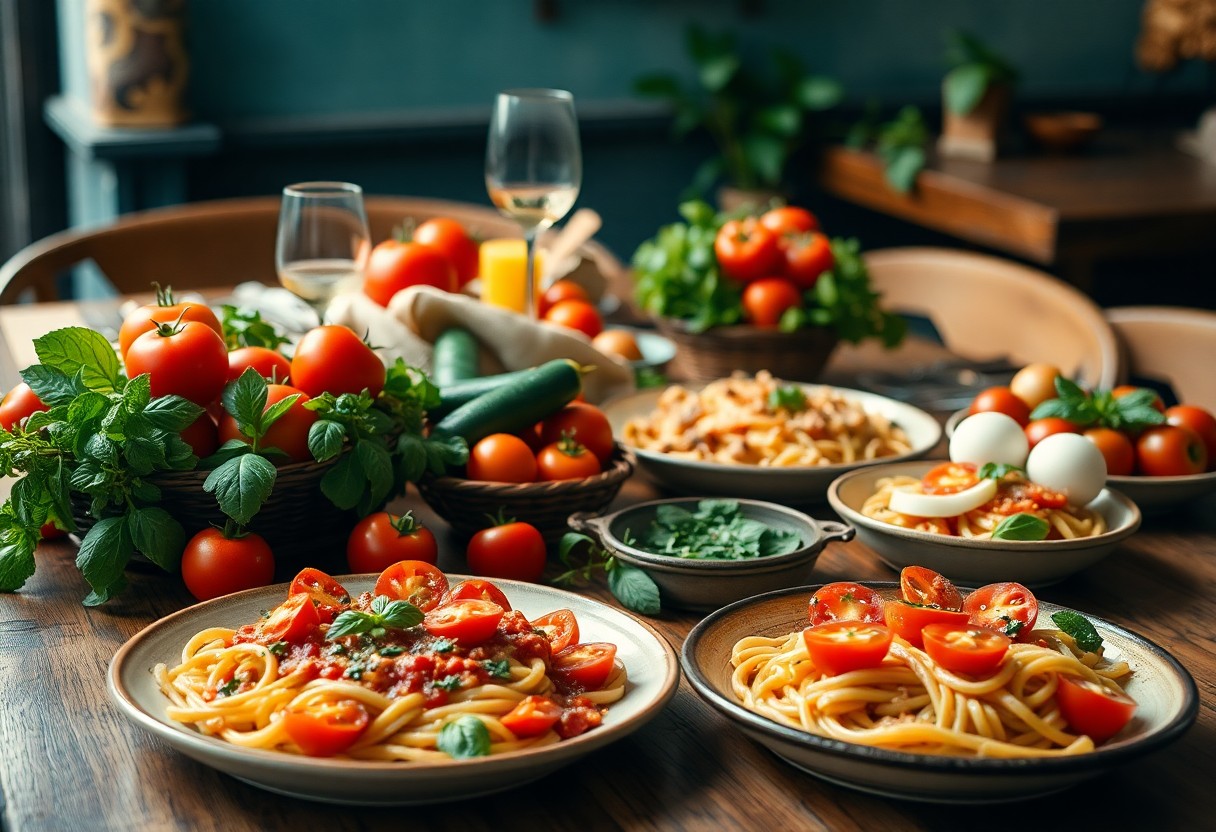
Check out the Top Italian Dishes in Rome Michelin Guide for Italian cuisine is a tapestry of flavors and traditions, and nowhere is this more evident than in Rome. In this guide, you will uncover the Michelin Guide’s top Italian dishes that celebrate the rich culinary heritage of the Eternal City. From the savory delights of pasta alla carbonara to the sweet indulgence of tiramisu, each dish holds a story waiting to be savored. Prepare your taste buds for a journey through local cuisines that will elevate your dining experience in Rome.
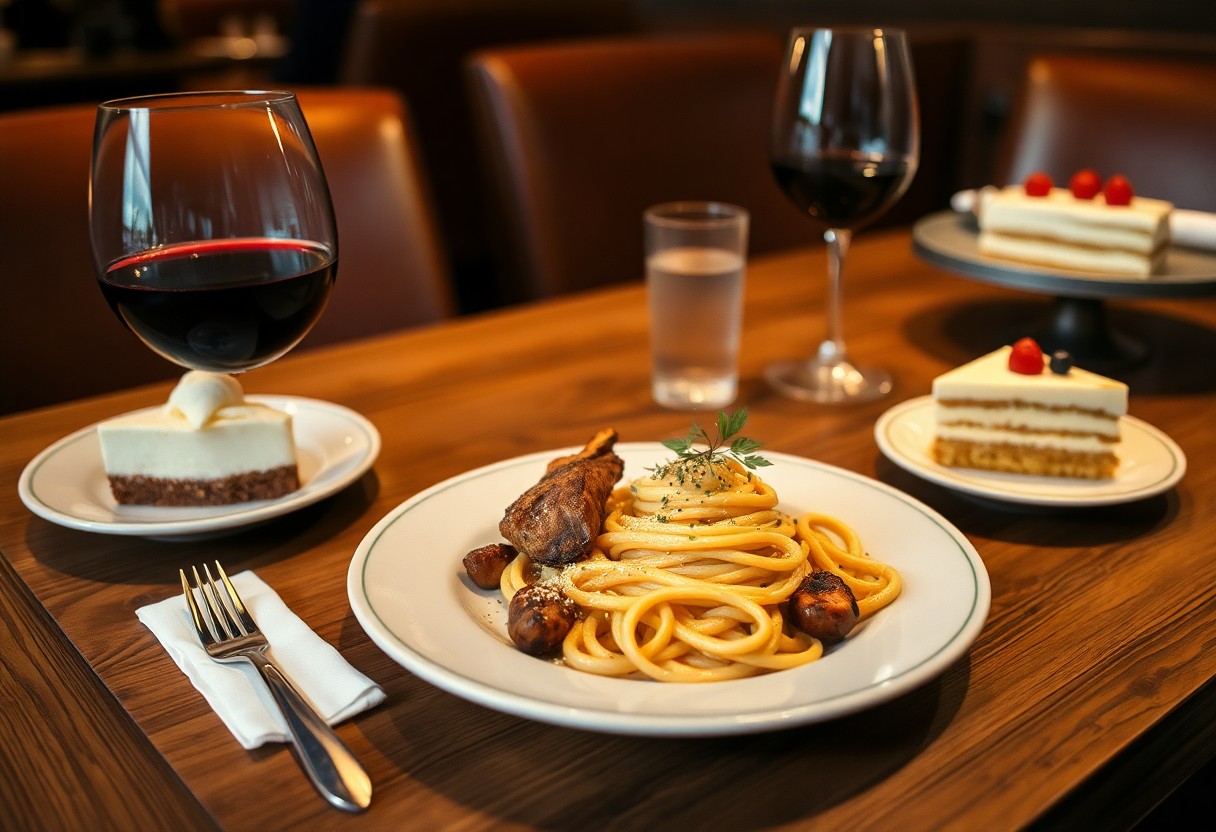
Key Takeaways:
- Rome offers a rich tapestry of traditional dishes, each with a unique history and regional influence.
- Classic Roman dishes highlight simple ingredients, including pasta, vegetables, and local meats.
- Signature pasta varieties, such as Carbonara and Cacio e Pepe, showcase the city’s culinary heritage.
- Street food plays a significant role in Roman cuisine, with options like Supplì (fried rice balls) being a favorite.
- The Michelin Guide emphasizes the importance of quality and authenticity in the preparation of local dishes.
Tempting Traditional Pastas that Define Roman Cuisine
Roman cuisine is intrinsically tied to its pastas, each dish reflecting the city’s rich history and flavors. You’ll find that these delectable creations are not only delicious but also embody simplicity and authenticity. Among them, three stand out as iconic staples: Carbonara, Amatriciana, and Cacio e Pepe, each offering a unique taste of the capital’s culinary heritage.
Carbonara: Decoding the Creamy Classic
Carbonara is a creamy dish that tantalizes your taste buds with its perfect blend of guanciale, eggs, Pecorino Romano cheese, and black pepper. Originating in the mid-20th century, its appeal lies in its rich flavor and contrasting textures that create a memorable experience with every forkful.
Amatriciana: The Perfect Balance of Flavors
This dish stands out for its harmonious combination of guanciale, tomatoes, and Pecorino Romano. Amatriciana infuses a subtle smokiness from the meat and a punch of acidity from the tomatoes, making it not only delicious but also a reflection of the countryside surrounding Rome.
Amatriciana’s roots trace back to the town of Amatrice, where it was traditionally crafted with simple ingredients. You’ll relish the robust flavor profile as the guanciale crisps up in the pan, releasing its delectable fat that coats the pasta beautifully. Often served with bucatini or spaghetti, the sauce’s balance between the sweetness of ripe tomatoes and the saltiness of cheese creates an irresistible allure. Each bite delivers a comforting warmth, echoing the culinary traditions that keep this dish beloved across generations.
Cacio e Pepe: Simplicity at its Finest
Cacio e Pepe embraces the essence of Roman cooking, showcasing just three ingredients: Pecorino Romano cheese, black pepper, and pasta. This dish is a testament to how traditional recipes can shine without the need for elaborate preparations.
This dish exemplifies the philosophy of “less is more,” enhancing the creamy texture of melted cheese mixed with perfectly cooked pasta. Your palate will appreciate the punch of black pepper, which adds warmth and depth without overshadowing the cheese’s richness. Served simply with a sprinkle of extra cheese and pepper on top, Cacio e Pepe captures the spirit of Roman cuisine—delicious, straightforward, and satisfying. Each bite transports you back to the heart of Rome, where hearty meals are crafted with love and tradition.
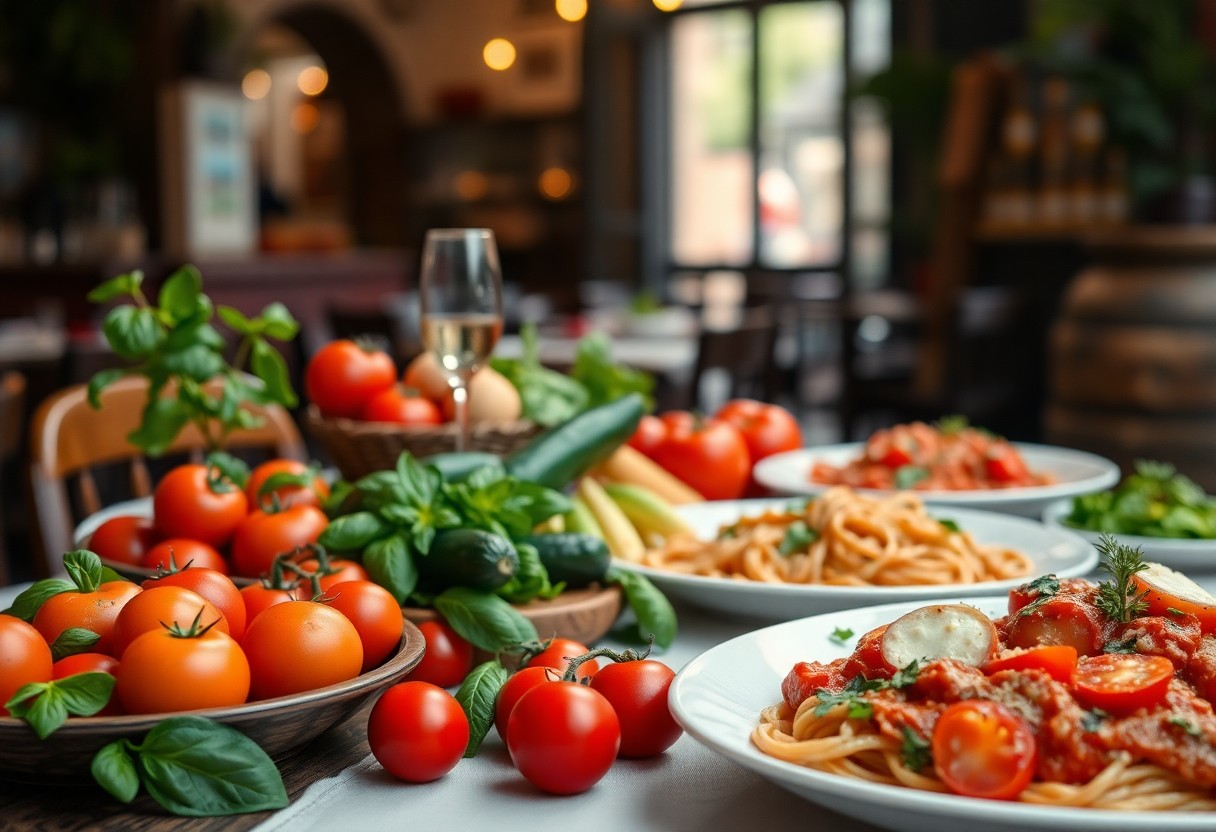
Vibrant Seasonal Vegetables and Herbs in Local Dishes
Your exploration of Roman cuisine reveals a colorful tapestry of seasonal vegetables and aromatic herbs that play a pivotal role in authentic dishes. Whether it’s the enticing greens from local markets or fragrant herbs picked fresh from garden beds, these elements infuse each plate with flavor, tradition, and the essence of Roman culture. You’ll find that local chefs expertly highlight the distinct characteristics of these ingredients, ensuring that every meal is a celebration of the region’s rich agricultural heritage.
Carciofi alla Romana: The Art of Roman-Style Artichokes
Carciofi alla Romana is a shining example of Roman culinary tradition, showcasing a method of preparing artichokes that captivates your palate. Stuffed with a mix of breadcrumbs, garlic, and fresh herbs, these tender artichokes are gently braised in olive oil and wine, allowing the flavors to meld beautifully while maintaining the artichoke’s delicate integrity. Enjoying this dish when artichokes are in season offers an authentic taste of Rome’s farming bounty.
Puntarelle: The Chicory Staple of Roman Tables
Puntarelle, the star of many Roman tables, is a type of chicory beloved for its crisp texture and slightly bitter flavor. Typically served raw in a salad with a zesty anchovy dressing, this vegetable adds a refreshing contrast to richer dishes. You may find it garnishing plates or enhancing the profile of traditional pastas—its unique taste perfectly balances the meal, making it a quintvital part of Roman cuisine.
Originating from the Lazio region, Puntarelle’s distinct taste comes from the chicory plant’s various varieties, which thrive in the cooler months. The key to a perfect Puntarelle salad lies in its preparation; the inner shoots must be soaked in cold water for a few hours to enhance their crunchy texture. Many local restaurants take pride in this preparation, adding their own twists with ingredients like pecorino cheese or fresh herbs, ensuring you experience the delightful complexity of this local staple during your culinary journey through Rome.
Discovering the Heart of Roman Street Food
Your culinary adventure in Rome wouldn’t be complete without indulging in its vibrant street food scene. Street vendors are abundant, serving delicious and easily portable options that highlight local flavors. The atmosphere is lively, filled with the aroma of sizzling treats and the chatter of locals enjoying their favorite snacks. Each bite embodies the spirit of Roman culture and culinary tradition, making it important to experience street food on your journey.
Supplì: A Cheese Lover’s Delight
Supplì are golden, deep-fried rice balls filled with gooey mozzarella cheese, providing a delightful bite-sized snack. Often seasoned with ragù and coated in breadcrumbs, these crispy morsels create an irresistible combination of textures and flavors. You’ll encounter them in pizzerias and eateries throughout the city, often served with a side of marinara sauce for added richness.
Trapizzino: The Modern Taste of Tradition
Trapizzino offers a contemporary twist on classic Roman flavors, presenting fillings such as braised meats and seasonal vegetables nestled within a triangular piece of pizza bianca. This unique street food creation, which emerged in the early 2000s, allows you to enjoy traditional Roman fillings in a convenient form. Each bite reveals layers of flavor and is perfect for on-the-go dining, embodying the innovative spirit of modern Roman cuisine.
The concept of trapizzino captures the essence of both innovation and tradition. Imagine plump pieces of chicken cacciatore or savory eggplant parmigiana tucked into warm, fluffy pizza bianca; it’s a beautiful fusion of rustic roots and a modern approach to food presentation. Found in trendy eateries and food trucks alike, trapizzino caters to both locals and tourists, making it a must-try if you’re seeking a unique and satisfying snack. Its popularity grows year by year, solidifying its place in the Roman street food landscape and ensuring that you won’t miss this delectable offering during your visit.

Diving into Decadent Roman Desserts
As your journey through Roman cuisine unfolds, the city’s dessert offerings beckon you to indulge in delightful sweetness. Ranging from creamy confections to intricate pastries, Roman desserts carry rich histories that reflect the culture and traditions of the region. Each dessert not only tantalizes your taste buds but also weaves narratives of artistry and culinary craftsmanship that are best experienced in their local context. Embracing these flavors will be a rewarding aspect of your gastronomic exploration in Rome.
Maritozzo: The Sweet History of the Cream Bun
Originating from the Lazio region, the maritozzo is a soft, sweet bun filled with whipped cream, often enjoyed as a treat during breakfast or as an afternoon snack. Traditionally, its name is derived from the Italian word “marito,” meaning husband, symbolizing its role as a romantic gesture between couples. The delightful combination of fresh cream and fluffy pastry provides a taste of Rome’s bakery heritage that you simply cannot miss while wandering through the city.
Zuppa Inglese: A Divine Trifle Worth Discovering
Unveiling the layers of zuppa inglese presents you with a classic Italian dessert that marries flavors and textures in a captivating manner. This trifle-like treat features alternating layers of sponge cake soaked in liqueur and rich pastry cream, decorated with a smooth chocolate layer on top. Its origins trace back to the 19th century but are steeped in a charming blend of Italian and British culinary influences, reflecting Rome’s unique ability to adapt and innovate with dessert. Each bite offers a harmonious balance of sweetness, making it a satisfying indulgence after a hearty Roman meal.
Michelin’s Influence: Recognition of Rome’s Local Gems
With Michelin’s attention on Rome, the city’s unique culinary landscape gains international recognition, showcasing local gems that may have otherwise gone unnoticed. This prestigious guide not only highlights the rich tradition embedded in Roman cuisine but also encourages chefs to elevate their craft, thus enriching the dining experience for both locals and tourists. You might find dishes that blend the traditional and contemporary, emphasizing the importance of seasonal ingredients and local sourcing, all contributing to Rome’s title as a gastronomic capital while celebrating its authentic flavors.
Awards and Accolades: Celebrating the Best Local Restaurants
The Michelin Guide’s awards shine a spotlight on top local restaurants, elevating their stature within the culinary world. Establishments that earn stars often see a surge in popularity, attracting gourmands eager to experience their culinary artistry. You may find intimate trattorias nestled among bustling piazzas, each with its own unique flair, skillfully prepared dishes, and devoted clientele. Such recognition not only honors the chefs but also places a mark of distinction on the local produce and traditions that inspire their menus.
The Future of Italian Cuisine: Michelin Stars as a Benchmark
As the future of Italian cuisine unfolds, Michelin stars have become a benchmark for quality and innovation. Chefs are inspired to push boundaries while honoring the rich heritage of their culinary practices. The pursuit of these prestigious accolades drives many to experiment with flavors, techniques, and presentations that reflect modern influences while keeping the essence of Italian tradition intact.
This shift also expands your culinary horizons, introducing you to new interpretations of beloved classics, such as a deconstructed carbonara or a fusion dish that marries Roman and Asian elements. The increased competition among chefs encourages a collective effort to elevate the overall dining experience in Rome. Consequently, you can expect continual evolution in menus, with each plate served telling a story that threads together the old and the new, ensuring that the rich culinary heritage of Rome remains vibrant and relevant in an ever-changing gastronomic landscape.
Conclusion
Summing up, exploring the Michelin Guide’s top Italian dishes in the local cuisines of Rome offers you a delightful journey through the city’s rich culinary heritage. By savoring traditional meals like Cacio e Pepe and Saltimbocca alla Romana, you not only indulge in exquisite flavors but also connect with the authentic culture of Rome. Each dish tells a story, and as you taste them, you deepen your appreciation for the Italian gastronomic tradition. Enjoy your culinary adventure in the Eternal City!
FAQ
Q: What are some of the top Italian dishes featured in the Michelin Guide for Rome?
A: The Michelin Guide highlights a variety of traditional Italian dishes that reflect the rich local cuisine of Rome. Some of the top dishes include Pasta alla Carbonara, which features eggs, cheese, and pancetta; Cacio e Pepe, a simple yet flavorful combination of pasta, cheese, and pepper; and Saltimbocca alla Romana, which consists of veal layered with prosciutto and sage. Additionally, the guide often recommends Roman-style pizza, particularly the thin-crust version known as “alla Romana.”
Q: How does the Michelin Guide evaluate the traditional dishes of Rome?
A: The Michelin Guide evaluates local dishes based on their quality, preparation, and authenticity. This includes factors such as the freshness of ingredients, the skill of the chef, the presentation of the dish, and the overall dining experience. The Guide recognizes restaurants that not only serve traditional recipes but also bring innovation and excellence to their execution, thus showcasing the diverse culinary landscape of Rome.
Q: Are there special regional ingredients used in Roman cuisine that are highlighted in the Michelin Guide?
A: Yes, Roman cuisine is characterized by its use of local ingredients that are highlighted in the Michelin Guide. Common ingredients include guanciale (cured pork cheek), pecorino Romano cheese, artichokes, and various seasonal vegetables. These ingredients are often showcased in Michelin-rated restaurants, emphasizing the importance of locality and seasonality in traditional Roman dishes.
Q: Can tourists easily find Michelin-recommended restaurants that serve authentic Roman dishes?
A: Tourists in Rome can easily locate Michelin-recommended restaurants that serve authentic Roman dishes, as the Michelin Guide provides a comprehensive list of these establishments. Many of them are conveniently located throughout the city, making it accessible for visitors to experience genuine Roman cuisine. This includes casual trattorias as well as high-end dining options, catering to a range of preferences and budgets.
Q: How can one learn more about the cultural significance of Roman cuisine as presented in the Michelin Guide?
A: To probe deeper into the cultural significance of Roman cuisine as featured in the Michelin Guide, one can explore culinary tours, workshops, or cooking classes available in Rome. Many local food experts and chefs offer insights into the history and traditions behind the dishes. Additionally, food documentaries, blogs, and books focusing on Roman cuisine can provide a richer understanding of how these dishes have evolved and their importance in the modern culinary landscape.
- Color Pop and Palm Trees: The Most Aesthetic Places to Photograph in Miami
- Travel the World After 60: Essential Tips for Safe & Stress-Free Adventures
- Yosemite National Park: Capture America’s Most Iconic Natural Masterpieces
- Blog
- Sedona, Arizona: Explore the Most Photogenic Red Rock Landscapes in the USA
- Is It Safe to Travel to Medellín Right Now? A 2025 Safety Guide for Digital Nomads
- San Francisco, California: Iconic and Photogenic Spots Beyond the Golden Gate
- Top 10 Travel Mistakes to Avoid (And What to Do Instead)