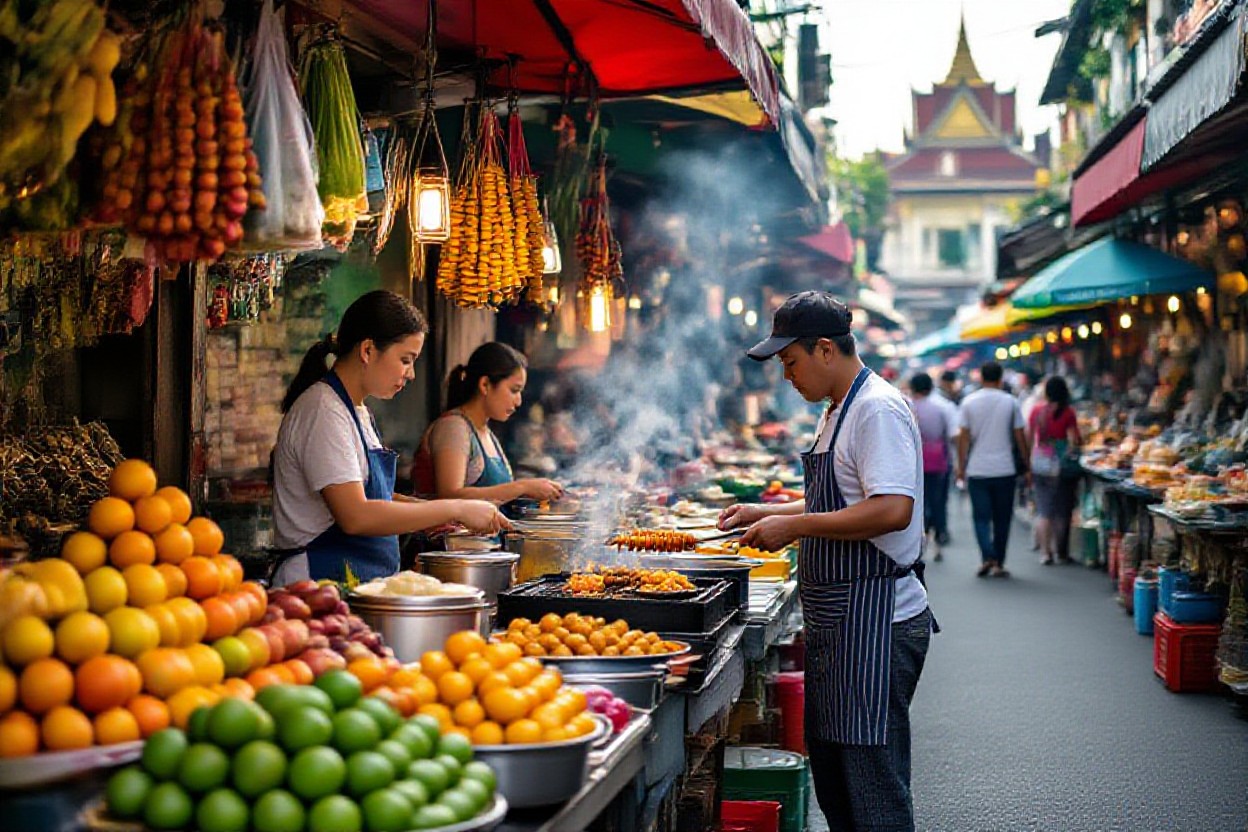
Travel to sample signature dishes-sushi in Tokyo, Pad Thai in Bangkok, fresh pastries in Paris, cacio e pepe in Rome, tacos al pastor in Mexico City, Korean BBQ in Seoul, New York pizza, Taipei night-market dumplings, Istanbul doner and Melbourne coffee-while you follow basic safety and hygiene practices and respect local dining customs. Use reputable vendors, watch food handling, ask about spice levels, and learn simple etiquette so your tastes stay memorable and safe across cultures.
Key Takeaways:
- Chase each city’s signature bites – sushi in Tokyo, pad thai in Bangkok, pastries in Paris, cacio e pepe in Rome, tacos al pastor in Mexico City – to experience local food identity.
- Choose busy, long-standing vendors and market stalls for safer, fresher street food; high turnover is a good hygiene signal.
- Adapt to local dining customs: slurping is fine in Japan, Korean BBQ is communal, tipping and service expectations vary by country.
- Sample casual staples (pizza slices in New York, coffee in Melbourne, doner in Istanbul) to get quick, authentic flavor snapshots between sit-down meals.
- Plan for health and dietary needs – carry meds, use bottled/treated water where advised, check hygiene ratings, and ask about ingredients for allergies.
Tokyo: The Art of Sushi
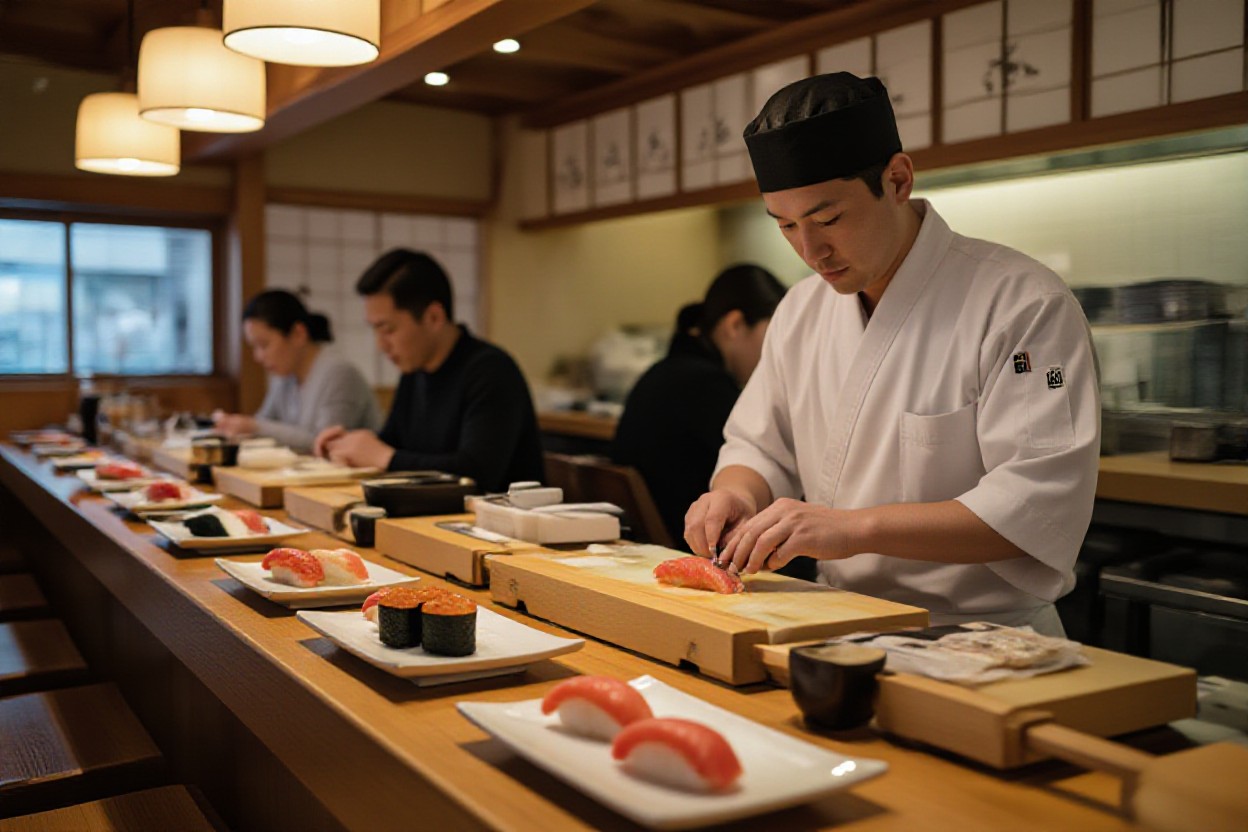
You move from street stalls to lacquered counters, encountering Edomae tradition alongside experimental bites; omakase menus range from roughly ¥3,000 for a quick set to ¥30,000+ at top counters. Expect pristine nigiri-toro, uni, anago-served with precision, and learn to eat each piece in one bite, pace your ginger, and avoid over-salting with soy sauce to appreciate the chef’s seasoning.
Sushi at Tsukiji Market
You’ll find the Outer Market’s ~400 shops and stalls bustling before dawn, despite the tuna auction having moved to Toyosu. Popular counters like Sushi Dai and Daiwa often draw 1-3 hour queues; arrive before 6:00 a.m. for shorter waits. Order a morning nigiri set to taste ultra-fresh toro and uni, and follow local hygiene cues-wash hands, use provided oshibori, and keep elbows off the counter.
Regional Innovations
You’ll notice Tokyo chefs importing Hokkaido uni and Oma tuna, then reinterpreting them with aburi (seared) finishes, nikiri glaze, or Kyoto-style pickling. Conveyor-kaiten chains such as Sushiro, Kura and Kappa offer affordable tasting paths (plates from about ¥100-¥500), while high-end sushi bars push seasonal, hyper-local shun ingredients in tailored omakase.
Digging deeper, you can compare experiences directly: at a kaiten joint you sample many varieties cheaply-100-200 yen plates for basics, 300-500 yen for premium cuts-whereas a 12-piece omakase at a respected Edomae bar focuses on timing, rice temperature and personalized fish cures, often including aged akami or hand-cut scallops from Hokkaido. Chefs in Tokyo balance tradition and tech-tablet ordering at casual spots, precision torching and aging techniques at elite counters-so plan at least one splurge and one budget stop to map the city’s full sushi spectrum.
Bangkok: Street Food Paradise
You’ll find thousands of street stalls across Yaowarat, Silom and around Victory Monument, where bold flavors and aromas define your day. Expect lively night markets, handheld snacks and meals that cost from 20-200 THB. Choose busy vendors, watch food cooked over high heat, and sip bottled water to avoid issues. Local customs like queuing and using a single spoon for shared dishes keep service smooth while you sample everything from skewers to coconut desserts.
Pad Thai from Thip Samai
At Thip Samai near Pratu Phi you can queue 30-60 minutes for what many call Bangkok’s benchmark Pad Thai, a recipe dating back to the 1960s. Order the “Pad Thai Super” with jumbo prawns and the signature orange egg wrapper; prices run roughly 80-200 THB. You’ll see noodles flash-fried on a flaming wok, soy-sweet tamarind balance, and crowds that signal consistent hygiene and quality.
Curry and Soups
Street-side curries and soups range from fiery tom yum goong to creamy massaman; you should try boat noodles at Victory Monument where small bowls start at about 15 THB. Vendors cook to order, so ask for your preferred spice level. Pay attention to steam and turnover-busy stalls serve fresher broths, and vendors often display whole prawns, herbs and coconut milk to show ingredients.
Massaman reflects Muslim and Persian influences with potatoes and peanuts, while gaeng keow wan (green curry) uses fresh green chilies and Thai basil for a vegetal heat. Tom kha blends galangal and coconut for a gentler, aromatic option if you want less chili. Learn “mai pet” to request milder spice, and pair soups with jasmine rice or small bowls so you can taste multiple regional styles in one night.
Paris: A Pastry Lover’s Dream
You can map your morning around pastry stops – from classic salons to tiny neighborhood boulangeries – sampling flaky croissants, crisp baguettes, glossy macarons and filled éclairs; try Pierre Hermé for inventive macarons, Ladurée for the classics and Du Pain et des Idées for buttery viennoiserie, and expect lines at the best addresses during breakfast hours.
Croissants and Baguettes
You’ll notice the difference between a croissant au beurre and a factory version: artisanal croissants use layered laminated dough – three turns produce about 27 layers – yielding a hollow, buttery interior. Baguettes of tradition run roughly 60-65 cm and 250-300 g, with a blistered crust and open crumb; hunt down a neighborhood boulangerie to watch bakers score and bake on wooden peels.
Macarons and Eclairs
You’ll find macarons made from almond flour and meringue, typically 3-5 cm across, sandwiched with ganache or buttercream; iconic flavors include rose, pistachio and salted caramel at Pierre Hermé and Ladurée. Éclairs are choux pastry tubes, generally 10-12 cm long, filled with flavored crème pâtissière and glazed – contemporary patissiers like Christophe Adam elevate them with inventive fillings and finishes.
For best results, eat macarons the day they’re made or within 48 hours refrigerated, and enjoy éclairs the same day to preserve the crisp choux shell; pair macarons with a light tea and éclairs with espresso. Seek ateliers that fill éclairs to order and avoid mass-produced cases near heavy tourist routes – the freshest spots often have a small queue and a visible pastry kitchen.
Rome: Traditional Italian Cuisine
You’ll find Roman food focused on simple, high-quality ingredients turned into bold flavors: sheep’s milk cheeses, house-made pasta, and olive oil from nearby Lazio farms. Street habits matter too – grab quick bites at bakeries or stand at a counter for pizza al taglio. Popular spots like Forno Campo de’ Fiori and the Testaccio market give clear examples of how local produce and centuries-old recipes shape daily menus.
Cacio e Pepe
You must try cacio e pepe made with Pecorino Romano and freshly cracked black pepper tossed into tonnarelli or spaghetti. Technique is everything: use starchy pasta water to emulsify the grated cheese into a glossy sauce that clings to each strand. Sample Felice a Testaccio or Da Enzo for classic versions where timing and pepper toastiness are dialed in perfectly.
Roman Pizza
You’ll encounter two signatures: pizza al taglio – rectangular, sold by weight, often €2-€4 a slice – and pizza tonda Romana, an ultra-thin, cracker-like round served in restaurants for about €6-€12. Pizzarium near the Vatican showcases creative toppings on airy yet crisp bases, while Forno Campo de’ Fiori represents the old-school, simpler toppings that highlight dough quality.
Compared with Neapolitan pizza, Roman dough often ferments 24-72 hours for that distinct snap; it’s baked on sheet pans for al taglio or directly on stone for the tonda. You’ll usually eat al taglio standing or to-go, cutting by weight, and should avoid piling heavy sauces that mask the dough’s texture. Watch local queues – they’re a reliable guide to freshness and hygiene.
Taipei: Night Market Delights
Raohe, Shilin and Ningxia bustle with hundreds of stalls from about 6 PM to 1 AM, so you can sample a full dinner for NT$100-400 while hopping between specialties. You’ll follow queues, try pepper buns at Raohe’s entrance, and spot vendors steaming bamboo baskets or grilling skewers; pick stalls with steady turnover for freshness, carry cash for small purchases, and avoid eating from visibly unclean grills.
Dumplings and Bao
Xiao long bao, pan-fried potstickers and gua bao shine here: expect NT$50-150 per item depending on venue, from street carts to sit-down shops like the original Din Tai Fung outposts. You should watch steamers to confirm turnover and break a small hole in a soup dumpling to sip the broth first; ordering a mixed-plate lets you compare textures – soft steamed buns, crisp-skinned potstickers, and juicy soup dumplings.
Sweet Snacks
Mango shaved ice, peanut ice-cream rolls and pineapple cakes make for perfect night-market desserts, typically NT$60-250. You’ll find traditional treats in Ningxia and modern twists in Ximending; bubble tea – with chewy tapioca pearls invented in Taiwan in the 1980s – is everywhere, so try a milk tea with pearls after a salty snack to balance flavors and cool down.
For deeper exploration, seek out specific stalls: a long queue often signals the best peanut ice-cream roll or taro ball shop, while ice parlors offer seasonal mango plates from May to September. You can buy pineapple cakes at bakery counters for gifts, and hygiene-wise pick places where fruit is freshly cut and ice is handled with tongs rather than bare hands.
Istanbul: A Culinary Crossroads
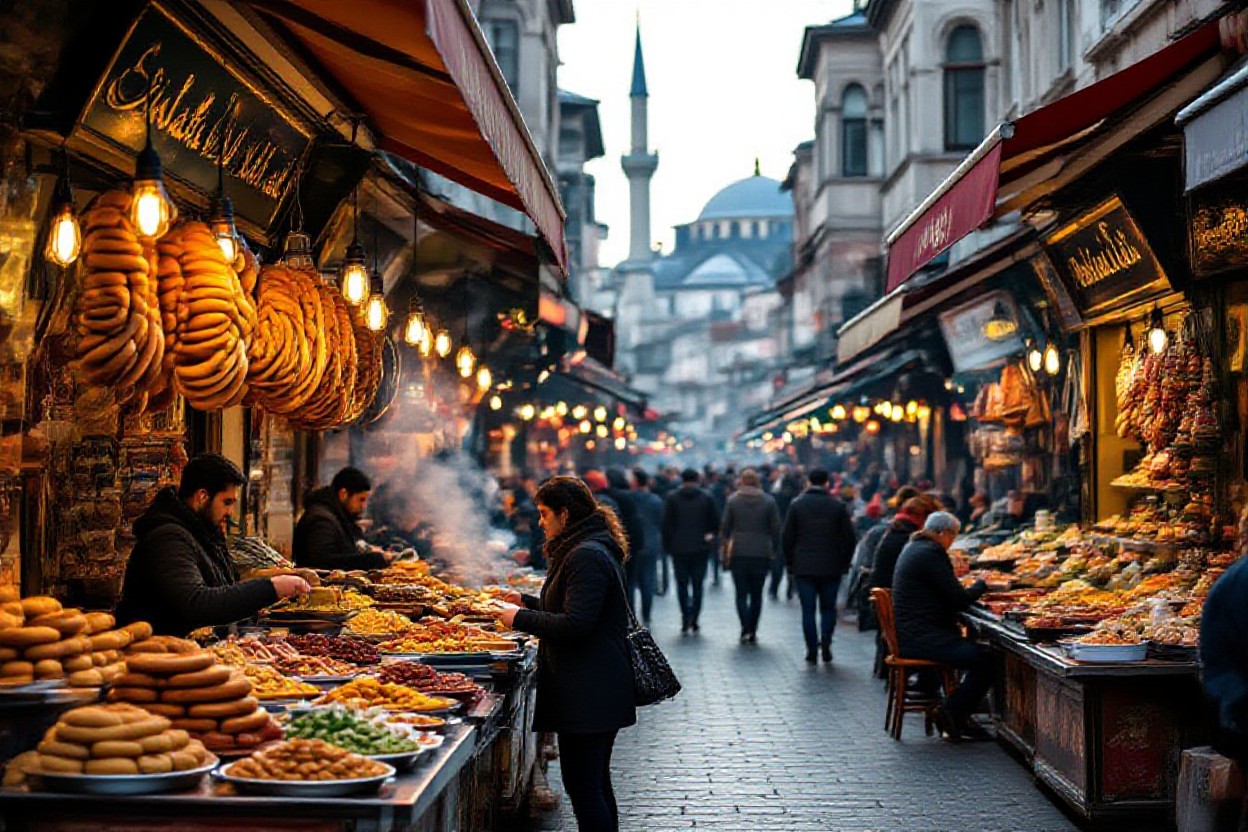
Bridging continents, Istanbul channels Ottoman, Mediterranean and street flavors into a single mealscape where you’ll hop from fish sandwiches at Eminönü to late-night kebab joints in Beyoğlu. You’ll find vibrant spice stalls around the Grand Bazaar, dozens of bakeries selling simit, and tea gardens serving çay; local custom favors sharing small plates, so order slowly, sample broadly, and keep hand sanitizer after market browsing.
Doner Kebab
Spinning on a vertical rotisserie, doner is thinly sliced lamb, beef or chicken served in pide, dürüm or on a plate with rice; you’ll spot busy carts near Taksim and Eminönü where turnover guarantees freshness. Try it with pickled cabbage, sumac onions and a cold ayran; street vendors often charge 30-80 TRY depending on location, and choosing crowded stalls reduces hygiene risk.
Meze and Baklava
Small plates known as meze let you sample dozens of flavors-ezme, haydari, stuffed vine leaves and grilled octopus-often ordered cold first, then hot. You should pair them with rakı at tavernas for the full effect, then finish with flaky baklava layered with pistachios from Gaziantep; Karaköy Güllüoğlu is a popular choice for authentic syrup-baked versions.
When ordering, start with 3-5 meze to share-cold plates like muhammara and cacık precede warm dishes such as grilled calamari-so you can pace tasting and avoid waste. Seek pistachio baklava made with Gaziantep nuts and many filo layers; Karaköy and Gaziantep shops often bake morning batches. Choose busy lokantas for hygiene, and ask for tea or ayran to balance rich sweets.
Final Words
Presently you can make your travels unforgettable by seeking iconic bites-from sushi at Tsukiji and pad thai in Bangkok to cacio e pepe in Rome and tacos al pastor in Mexico City-while honoring local customs, observing hygiene and safety, and trying street stalls and cafes with confidence. Use basic precautions, ask locals for recommendations, and let your palate guide authentic, responsible culinary adventures.
FAQ
Q: What are the unmissable signature dishes to try in the top 20 cities featured?
A: Tokyo – Edomae sushi at Tsukiji-style stalls or high-quality sushi bars; Bangkok – Pad Thai from Thip Samai and boat‑noodle stalls; Paris – flaky croissants, pain au chocolat and tarte tatin from neighborhood boulangeries; Rome – cacio e pepe at a traditional trattoria; Taipei – assorted dumplings and xiao long bao at night markets; Istanbul – doner kebab and layered mezes; Melbourne – specialty coffee and brunch dishes; New York – classic pizza slice, bagels and deli pastrami; Seoul – Korean BBQ and banchan-centered meals; Mexico City – tacos al pastor and regional antojitos; Singapore – chili crab and hawker-center laksa; Kuala Lumpur – nasi lemak and street satays; Buenos Aires – grilled beef (asado) and empanadas; Mumbai – vada pav, street chaat and regional thalis; Lisbon – pastéis de nata and fresh cod dishes; Athens – souvlaki, salads and mezze; plus other highlights in cities like Hong Kong (char siu), Barcelona (tapas), and San Sebastián (pintxos). Each city has both iconic street options and sit‑down versions-seek places with high turnover and local lines for the freshest experience.
Q: How can I find the best street-food stalls and small eateries without risking hygiene or safety?
A: Favor vendors with visible queues and constant turnover, which indicates fresh ingredients. Watch preparation practices: clean surfaces, single-use gloves or frequent handwashing, and separate handling of raw and cooked items. Avoid stalls where items sit exposed for long periods or where water/ice sources look questionable. Use local guidebooks, recent online reviews and social media geo-tags to verify reputation. Carry a small hand sanitizer, drink bottled or filtered water where tap water is unsafe, and eat cooked or thoroughly heated foods when you’re unsure. Keep belongings secure in crowded markets and use daylight hours for exploring unfamiliar neighborhoods; for late-night stalls pick busy, well‑lit areas and follow local advice on safe streets.
Q: How do I manage dietary restrictions (vegetarian, vegan, gluten-free, allergies) across these diverse food scenes?
A: Do research before you travel to learn which regional dishes naturally fit your needs: Mumbai and many Indian menus offer abundant vegetarian options; Istanbul and Athens have wide mezze selections; Melbourne and New York have extensive vegan/vegetarian scenes; Taipei and Seoul have tofu- and vegetable-based dishes but watch for fish-based broths and sauces. Carry translated allergy cards that state your condition in the local language and name specific ingredients to avoid (e.g., shellfish, peanuts, soy, gluten). Use apps and local vegan/halal/gluten-free guides, ask vendors about cooking oils and cross-contact, and choose restaurants with clear ingredient lists when possible. When in doubt, order simple grilled or steamed items and explain restrictions using the translation card.
Q: What local dining etiquette and customs should I follow to show respect and enhance the experience?
A: Japan – avoid tipping, speak softly in intimate sushi bars, and don’t stick chopsticks upright in rice; Italy and France – appreciate the pace of a sit‑down meal, avoid demanding recipe changes for classic dishes, and tip modestly where customary; Korea – pour drinks for others first, avoid pointing chopsticks at people, and follow host cues at BBQs; Turkey and Greece – share mezze and accept offers of hospitality, tipping is common but moderate; Mexico and many Latin American cities – cash is often preferred at street stalls and casual taquerias; Australia and the US – casual tipping norms apply but vary by venue. Always observe how locals behave, follow any queueing rules, and ask permission before photographing food or vendors if uncertain.
Q: When and where should I go to get the best versions of a city’s signature foods, and are reservations or timing strategies useful?
A: Markets and night markets often serve peak-quality food: Tsukiji-style markets and Tokyo morning stalls for sushi, Taipei night markets for dumplings after dusk, Bangkok’s evening street corridors for Pad Thai, and Mexico City’s taquerias at lunchtime and late night for tacos al pastor. For sit‑down classics (Rome’s cacio e pepe, Parisian pastries, asado in Buenos Aires), book ahead for renowned restaurants or arrive at opening or just after lunch/dinner rush to avoid long waits. Street vendors with long queues are worth waiting for, but target off‑peak days for shorter lines. Carry cash for small vendors, check opening hours (many places close mid‑afternoon), and use reservations or local concierges for in‑demand experiences like chef’s‑table sushi or popular brunch spots. Follow basic hygiene tips-high turnover, visible cooking, bottled water-and trust reputable sources and recent reviews when choosing where to eat.