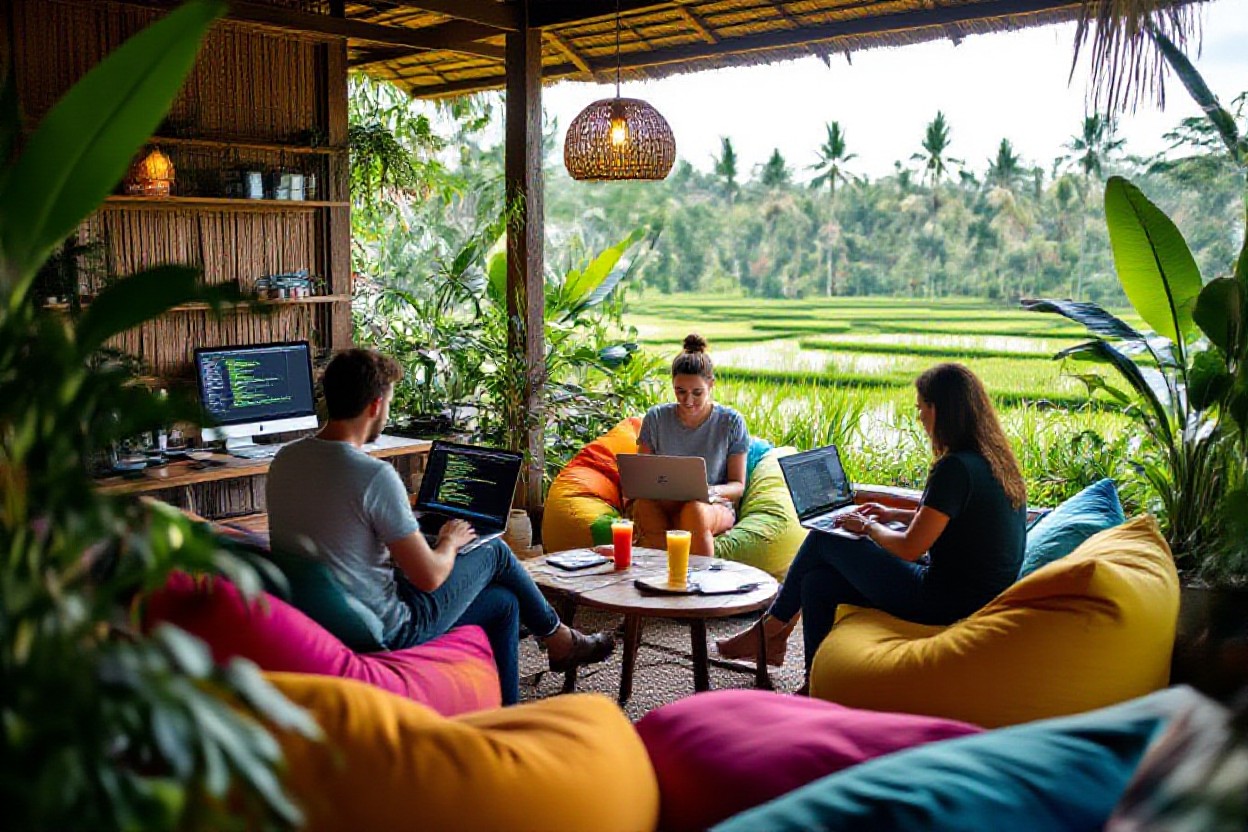
Travel smart in 2026 by choosing cities that combine fast internet, low living costs and vibrant communities; you can base yourself in Lisbon, Medellín, Chiang Mai, Bali or Tbilisi and enjoy reliable wi‑fi, active coworking hubs, great food and nightlife, plus remote‑worker visa options from Portugal to Thailand and Spain – this guide helps you weigh affordability, connectivity and social life so you can work productively, live comfortably and make the most of your time abroad.
Key Takeaways:
- Top 12 cities across Europe, Asia, Latin America and Africa combine fast internet, low living costs and active nomad communities for seamless remote life.
- Reliable wi‑fi, abundant coworking hubs, great food and nightlife make these destinations ideal for longer stays and social networking.
- Affordable apartments and lower day‑to‑day expenses let remote workers stretch incomes while enjoying high quality of life.
- Expanding remote‑worker visa options (Portugal, Estonia, Spain, Thailand, UAE) simplify legal stays and long‑term planning.
- Choose a city by priority: budget-friendly hubs (Chiang Mai, Medellín), infrastructure and services (Lisbon, Kuala Lumpur), or culture and beaches (Mexico City, Barcelona, Bali, Da Nang, Cape Town).
Top Emerging Digital Nomad Destinations
Overview of Up-and-Coming Cities
You’ll find rising nomad hubs from Da Nang to Tbilisi where fast internet, low costs and energised communities collide. Da Nang offers beachfront coworking and apartments from $300-$600/month; Medellín’s El Poblado and Laureles deliver consistent 50-150 Mbps and lively meetups; Chiang Mai still has sub-$500 monthly living with dozens of cafés and events. These cities are growing quickly-expect new coworking launches, improved transit links and local festivals that help you plug in socially and professionally.
Key Features of Each Location
You should weigh internet speed, rent, community size, and visa ease when choosing. Typical broadband ranges run 25-500 Mbps depending on city; monthly rents vary $300-$1,200 for one-bed apartments; coworking density can be 10-30 spaces in mid-size hubs. Practical examples: Lisbon hosts 30+ coworking spaces and Portugal’s D7 visa options; Kuala Lumpur combines KL Metro access with multilingual communities. Prioritise what matters to your work style: latency-sensitive roles need higher speeds, while creatives may prioritise lifestyle and events.
- Fast, affordable internet – many neighborhoods offer 50-300 Mbps fiber on plans under $30/month, enabling HD video calls and cloud workflows.
- Low monthly living costs – expect rental ranges like $300-$700 in Southeast Asian hubs and $600-$1,200 in European hotspots for central one-bed units.
- Active nomad communities – weekly meetups, Slack/Telegram groups and monthly skill-share events in cities such as Mexico City, Buenos Aires and Medellín.
- Coworking density – established hubs have 10-40 dedicated spaces with day passes from $5-$20; look for hybrid cafés that double as work spots.
- Food and nightlife – markets, street food and diverse dining scenes reduce living friction; Cape Town and Barcelona combine work-friendly cafés with evening culture.
- Healthcare and safety – private clinics in Kuala Lumpur or Lisbon offer international-standard care at lower cost than many Western cities.
- Time-zone and flight access – choose hubs with multiple weekly international connections; Mexico City and Lisbon serve as transatlantic bridges.
- The remote-worker visa options (Portugal, Estonia, Spain, Thailand, UAE) simplify multi-month stays and tax planning.
You can drill deeper into features by matching them to your workflow: for video-heavy roles aim for 80-200 Mbps and low latency, while asynchronous teams prioritize time-zone overlap and coworking calendars. Consider neighborhood case studies-Lisbon’s LX Factory for creatives, Medellín’s Laureles for quieter apartment living, Da Nang’s beach districts for a hybrid surf-and-work lifestyle-and factor in monthly budgets, health insurance premiums, and local SIM speeds before committing.
- Internet benchmarks – plan for a minimum 25 Mbps for basic work, 50-100 Mbps for regular video conferencing, and 200+ Mbps for heavy uploads or streaming.
- Budget breakdowns – typical monthly budgets (rent, food, coworking, transport) run $700-$1,500 depending on city and lifestyle choices.
- Neighborhood selection – pick areas with coworking density and safety ratings; examples include El Poblado (Medellín), Old City (Chiang Mai) and Alfama/LX Factory-adjacent zones in Lisbon.
- Community entry points – join local Slack groups, Facebook communities and coworking meetups to accelerate networking and housing leads.
- Visa and legal considerations – verify remote-worker visas and tax residency thresholds before arriving to avoid surprises.
- The practical trade-offs between cost, connectivity and lifestyle that determine which city fits your current work rhythm.
Living Costs and Affordability
Your month-to-month spending can swing widely across the Top 12 cities: you can live on roughly $700-$1,200 in Chiang Mai, Da Nang or Buenos Aires, while Lisbon or Barcelona typically demand $1,500-$2,500 for a comfortable lifestyle. Expect coworking passes of $50-$150/month, inbound SIM/data for $10-$30, and meals from $2 street eats to $20+ sit-down dinners-plan around utilities and health insurance to avoid surprises.
Housing Options
You’ll find everything from $300 studio rentals in Chiang Mai to $1,200 one-bed flats in Lisbon and coliving hubs in Bali charging $600-$1,200 for package deals; longer stays drop nightly rates significantly. Short-term Airbnb or furnished rentals let you test neighborhoods like Medellín’s El Poblado or Mexico City’s Condesa before signing a lease, and reliable wi‑fi is standard in most nomad-favored listings.
Typical Monthly Rent (1BR, city center)
| Lisbon | $1,200 |
| Medellín | $550 |
| Chiang Mai | $300 |
| Bali (Canggu) | $500 |
| Tbilisi | $400 |
| Ho Chi Minh City | $450 |
| Kuala Lumpur | $600 |
| Mexico City | $700 |
| Cape Town | $650 |
| Barcelona | $1,100 |
| Da Nang | $400 |
| Buenos Aires | $350 |
Cost of Living Comparison
You can budget tightly in Chiang Mai, Da Nang or Buenos Aires at $700-$900/month, or aim for a comfortable expat life in Lisbon or Barcelona at $1,500-$2,500/month. Cities like Medellín, Ho Chi Minh and Mexico City sit in the middle with strong value: expect $800-$1,700 depending on lifestyle, eating habits, and whether you use coworking spaces regularly.
Monthly Budget: Budget vs Comfortable (USD)
| Lisbon | $1,500 / $2,500 |
| Medellín | $800 / $1,400 |
| Chiang Mai | $700 / $1,200 |
| Bali | $800 / $1,800 |
| Tbilisi | $700 / $1,200 |
| Ho Chi Minh City | $750 / $1,300 |
| Kuala Lumpur | $900 / $1,600 |
| Mexico City | $900 / $1,700 |
| Cape Town | $1,000 / $2,000 |
| Barcelona | $1,600 / $2,800 |
| Da Nang | $700 / $1,200 |
| Buenos Aires | $650 / $1,100 |
When comparing costs, factor in visa fees and health insurance: Portugal’s D7 or Spain’s options add upfront expenses, while Thailand and UAE remote visas have different processing and proof-of-income rules. Coworking in Lisbon might cost $120/month versus $50-$80 in Medellín; plan a three-month buffer to smooth transition costs and leverage local nomad communities for housing leads.
Typical Extra Monthly Costs
| Coworking membership | $50-$200 |
| Mobile data (SIM) | $10-$30 |
| Utilities & internet | $40-$120 |
| Health insurance | $40-$150 |
| Coliving premium | $150-$400 |
Connectivity and Infrastructure
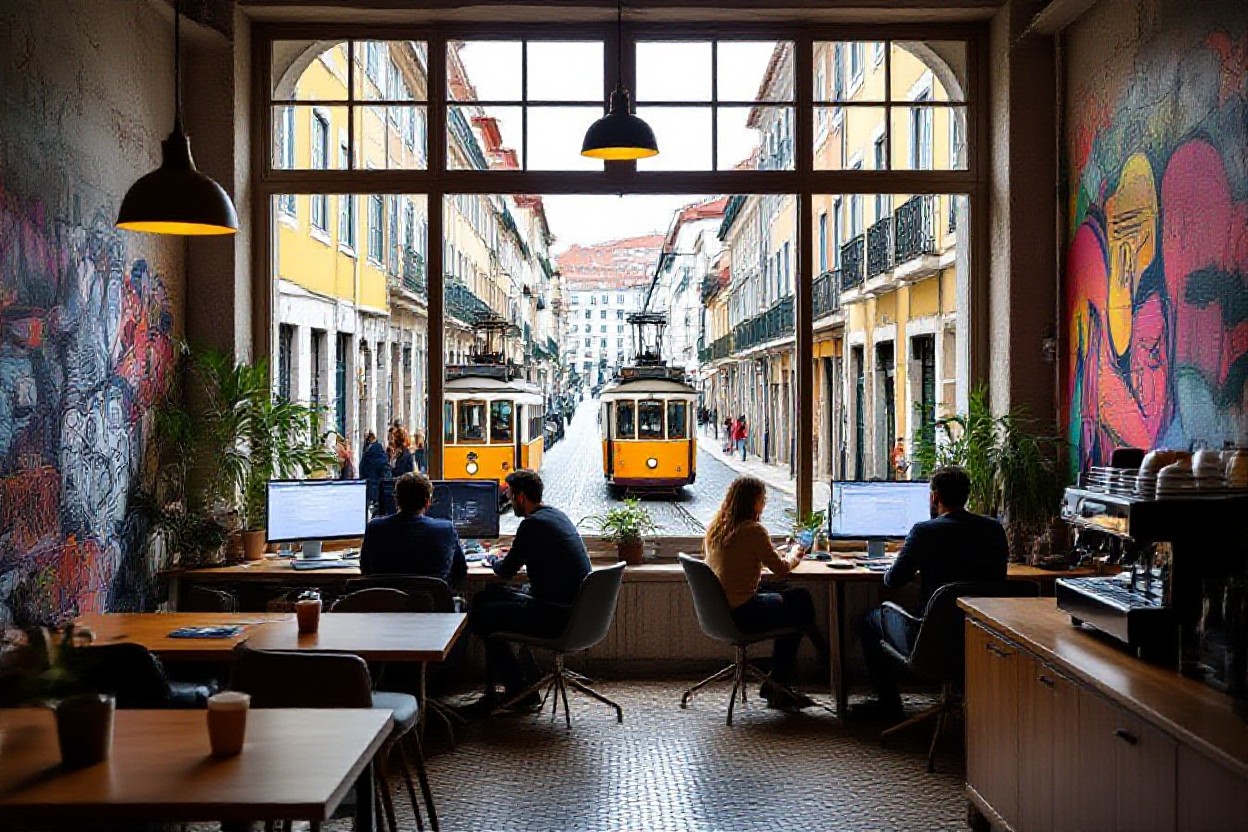
Across the top cities, you’ll find widespread fiber and reliable mobile networks that let you work from apartments, cafes or coworking hubs; Lisbon and Barcelona often offer 200-1,000 Mbps fiber, while Medellín, Kuala Lumpur and Mexico City commonly deliver 50-200 Mbps. You can buy local SIMs or eSIM plans for $10-25 with 10-30 GB, and active nomad communities mean plenty of vetted coworking options and backups if home Wi‑Fi falters.
Internet Speed and Access
Expect city-to-city variation: Lisbon and Barcelona typically have fiber at 200-1,000 Mbps, Kuala Lumpur and Ho Chi Minh commonly see 100-300 Mbps, Medellín and Mexico City average 50-150 Mbps, and Chiang Mai, Da Nang and Tbilisi usually range 30-100 Mbps. Bali can be patchy outside hubs, but most coworking spaces guarantee 50-100 Mbps. 5G and affordable eSIM packages are widely available in Europe, Southeast Asia and parts of Latin America.
Transportation and Accessibility
You’ll reach most nomad hotspots via international airports with frequent regional connections: Lisbon and Barcelona link to Europe in 2-3 hours, Tbilisi and Istanbul under 3 hours, and Medellín, Buenos Aires or Mexico City offer solid domestic networks. Low‑cost carriers (Wizz, Ryanair, AirAsia, Viva Air) make short hops cheap, while ride‑hail apps and rail links bridge city centers to airports efficiently.
On the ground, you’ll rely on a mix of metros, buses, scooters and regional flights: Lisbon and Barcelona have extensive metro systems; Medellín’s metro and cable car serve hill neighborhoods; Kuala Lumpur’s KLIA Express hits the city in ~30 minutes; Chiang Mai and Bali favor scooters for short trips; Grab, Bolt or local taxis are available in most cities. Expect metro rides under $1-2, domestic flights from $20-60 on low‑cost carriers, and intercity travel times usually under 6 hours for most regional capitals.
Community and Social Life
You’ll find active scenes where reliable wi‑fi and affordable living meet real human connection: coworking hubs, language exchanges, weekend hikes and rooftop mixers populate Lisbon, Medellín, Chiang Mai and Bali. Second Home in Lisbon and Dojo in Canggu anchor local networks, while local Telegram and Facebook groups coordinate everything from coliving dinners to hackathons. Expect meetup calendars with multiple weekly events, pop‑up skill swaps, and nightlife that makes it easy to turn acquaintances into collaborative partners or long‑term friends.
Networking Opportunities
You can plug into formal and informal networks that accelerate work and social life: coworking spaces like Second Home (Lisbon), Dojo (Bali) and Selina properties host weekly workshops, pitch nights and developer sprints. Monthly startup events in Barcelona’s tech scene and Medellín’s El Poblado coworking nights attract entrepreneurs and investors, while city Slack/Telegram groups and language exchanges provide low‑pressure ways to meet peers and find clients or collaborators quickly.
Cultural Experiences
You’ll be immersed in local rituals and festivals that double as social glue: Lisbon’s festas de Lisboa, Chiang Mai’s Yi Peng lanterns, Bali’s Nyepi and Mexico City’s Día de los Muertos all offer vivid, communal experiences that help you connect beyond coworking. These events let you practice the language, sample regional cuisine, and join neighborhood celebrations where locals and nomads mingle, often creating lasting friendships and project collaborations.
For deeper engagement, seek city‑specific cultural entry points: attend a Buenos Aires milonga to learn tango and meet artists, join a Medellín floral parade volunteer group during Feria de las Flores, or take a Oaxaca culinary class around Día de los Muertos. Participating in local traditions-volunteering, attending workshops, or staying with a coliving community during festivals-gives you context and contacts that routine coworking can’t provide.
Workspaces and Coworking Spaces
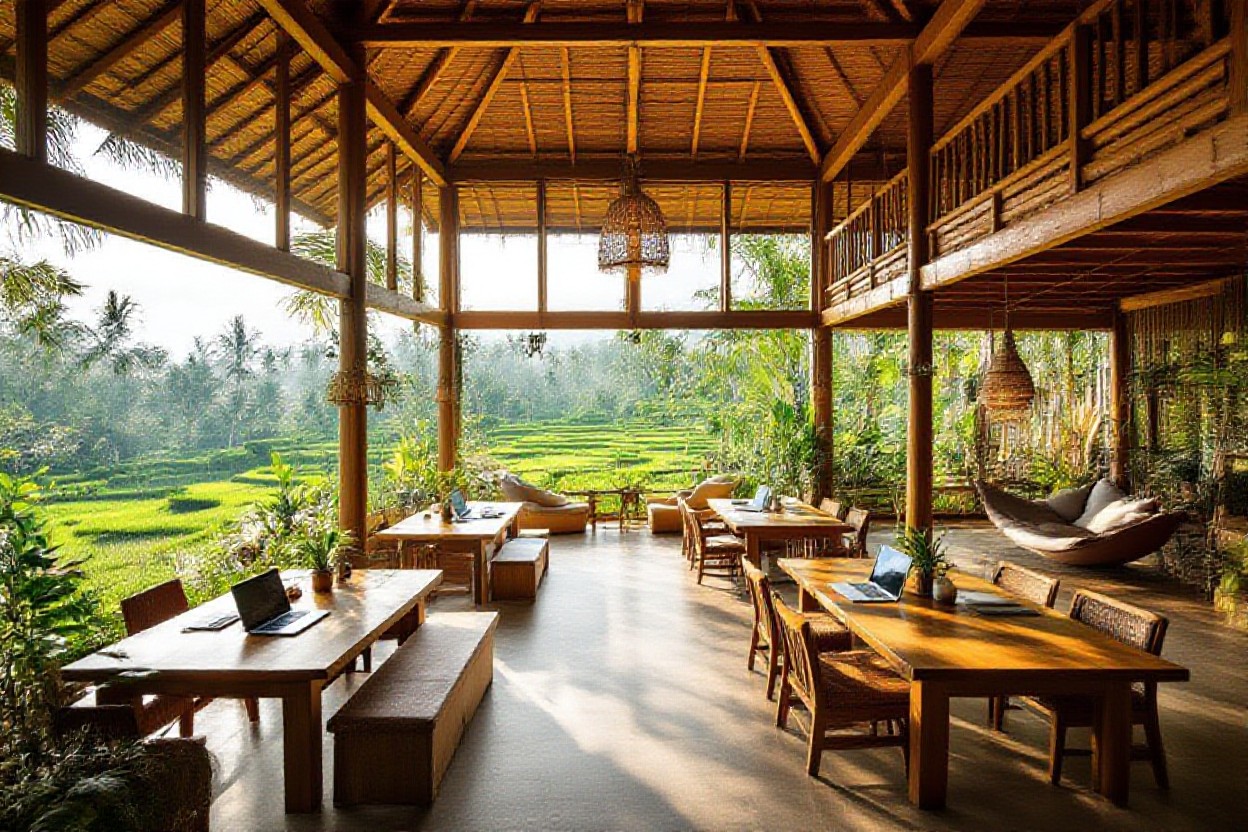
Across the top nomad hubs you’ll find coworking networks and niche spaces that match different work styles: bright, quiet, community-driven and startup-focused. In Lisbon and Barcelona fiber connections routinely hit 200-300 Mbps, while Medellín and Mexico City offer reliable 100-200 Mbps setups; Chiang Mai and Da Nang keep consistent 50-100 Mbps for economical options. You’ll pick spaces based on event calendars, proximity to cafes, and whether you need dedicated desks, private offices, or flexible day passes.
Popular Coworking Spaces
Notable spaces include Second Home in Lisbon with biophilic design and 200+ seats, Dojo Bali in Canggu with poolside networking and surf partnerships, Punspace in Chiang Mai hosting 3-5 weekly meetups, Selina’s hybrid coliving/coworking in Medellín, The Hive and Toong across Southeast Asia, Impact Hub Tbilisi supporting startups, and Workshop17 in Cape Town focused on local entrepreneurs.
Amenities and Services Offered
Expect meeting rooms bookable from $10-30/hour, private phone booths, reliable printers/scanners, high-capacity wi‑fi (50-300 Mbps), lockers and secure mail handling, plus events, mentorship programs, and visa/legal pop-up clinics that help you navigate local admin. Memberships usually range from $10 day passes to $100-350 monthly for dedicated desks, with discounts for longer commitments.
For example, Dojo Bali runs 20+ weekly events and offers member discounts at partner surf schools; Punspace day passes can be as low as $3-$8 and include access to community skillshares; Second Home Lisbon operates incubator programs and often hosts investor demo days. You’ll also find extras like podcast booths, nap pods, 24/7 access, backup power in cities with outages, and on-site cafes or discounted local gym classes to keep work-life balance smooth.
Visa Options and Legal Considerations
When planning a move you must juggle visas, tax status and local registration: Schengen’s 90/180 rule limits short stays to 90 days in any 180‑day span, many remote visas require proof of income (often €2,000-€3,500/month or equivalent), and tax residency typically begins after 183 days-so coordinate permits, health coverage and tax filings before signing a lease.
Remote Work Visas
Estonia’s digital nomad visa typically covers up to 12 months, Spain’s digital‑nomad route can offer multi‑year stays with startup tax incentives, the UAE’s virtual working program is a one‑year permit, and Portugal’s D7 or new remote categories can lead toward residency; Thailand’s Smart or LTR visas serve qualified remote professionals-check specific income thresholds and document lists per country.
Residency Requirements
You’ll need to register locally soon after arrival: apply for an NIE in Spain, a NIF and residency card in Portugal, or local ID processes in Mexico and Argentina; expect to present housing contracts, proof of income, health insurance and a clean criminal record, and be prepared to enroll in local healthcare or arrange private coverage.
Portugal’s D7 asks for passive income roughly equal to the national minimum wage (about €820/month) and can lead to permanent residency after five years; Estonia’s nomad visa (~12 months) doesn’t confer EU permanent residency; Spain’s program can permit up to five years with favorable tax rules-consult a local immigration lawyer to time applications and manage tax‑residency consequences for your income streams.
To wrap up
With these considerations you can choose from top 2026 nomad cities-Lisbon, Medellín, Chiang Mai, Bali and more-with confidence: each delivers fast internet, low living costs, active coworking scenes and strong communities, and visa options that fit your goals so you can work productively, enjoy local life and build a sustainable travel routine.
FAQ
Q: What features make a city a top digital nomad hotspot for 2026?
A: Top hotspots combine reliable, high-speed internet and plentiful coworking hubs with low-to-moderate living costs, strong expat/nomad communities, good food and nightlife, and easy transport. Examples from 2026’s list: Lisbon and Barcelona for European infrastructure and cafe culture; Medellín and Mexico City for affordability and vibrant urban life; Chiang Mai, Da Nang and Ho Chi Minh City for very low costs and strong remote-worker scenes; Bali and Cape Town for lifestyle and outdoor options; Tbilisi and Buenos Aires for culture and low rents; Kuala Lumpur for a modern hub with excellent connectivity. Coworking density, local events, and safety are equally important when evaluating a city.
Q: How should I choose the best hotspot based on work, lifestyle and time zone needs?
A: Match priorities to city strengths. If you need European hours and visa stability, prioritize Lisbon, Barcelona or Portugal/Spain remote-worker visa options. For lowest monthly budgets and friendly nomad communities, consider Chiang Mai, Da Nang or Medellín. If outdoor activities and a slower pace matter, try Bali or Cape Town. For big-city amenities, healthcare and international flights, look at Mexico City, Kuala Lumpur or Buenos Aires. Factor in time zone overlap with colleagues, local language, healthcare access, climate and safety; visit for a short trial month where possible before committing long term.
Q: What remote-worker visa options should I consider in 2026 and what are the basics?
A: Several countries now offer dedicated remote-worker or long-stay options. Portugal (various resident/visa routes) and Spain have pathways targeting freelancers and remote workers; Estonia’s Digital Nomad Visa remains a straightforward option for many; Thailand has introduced long-stay/remote-worker options and extended visitor programs for remote professionals; the UAE offers remote work visas tied to sponsorship and business setups. Typical requirements include proof of stable remote income, health insurance, a clean record, and a minimum monthly income threshold; durations range from months to multiple years and tax implications vary, so check local rules before applying.
Q: What monthly budget should I plan for in these top 12 cities?
A: Budgets vary widely. Low-cost hotspots (Chiang Mai, Da Nang, parts of Bali) can be comfortable on $800-1,500/month covering shared coworking, modest private accommodation and local food. Mid-range cities (Medellín, Tbilisi, Mexico City, Buenos Aires, parts of Bali) commonly require $1,200-2,500/month for private apartments, coworking membership and occasional dining out. Higher-cost hubs (Lisbon, Barcelona, Kuala Lumpur, Cape Town neighborhoods with expat demand) often need $1,800-3,500+/month depending on location and lifestyle. Add one-time relocation costs, coworking memberships ($100-300/month), travel health insurance, and visa fees to your plan.
Q: How do I find housing, coworking spaces and social life quickly when relocating to a hotspot?
A: Use a mix of tools: short-term rentals (Airbnb, booking platforms) for the first weeks, then move to local listings or long-stay rentals; join local Facebook groups, Telegram channels and Meetups for housing leads and events; test several coworking spaces to find the best vibe and networking opportunities; join coliving houses for instant community; check Nomad List, coworker directories and local event calendars to discover meetups, language exchanges and digital-nomad socials. Always verify internet speeds and neighborhood safety before signing a long lease, and secure international health insurance and banking solutions early.