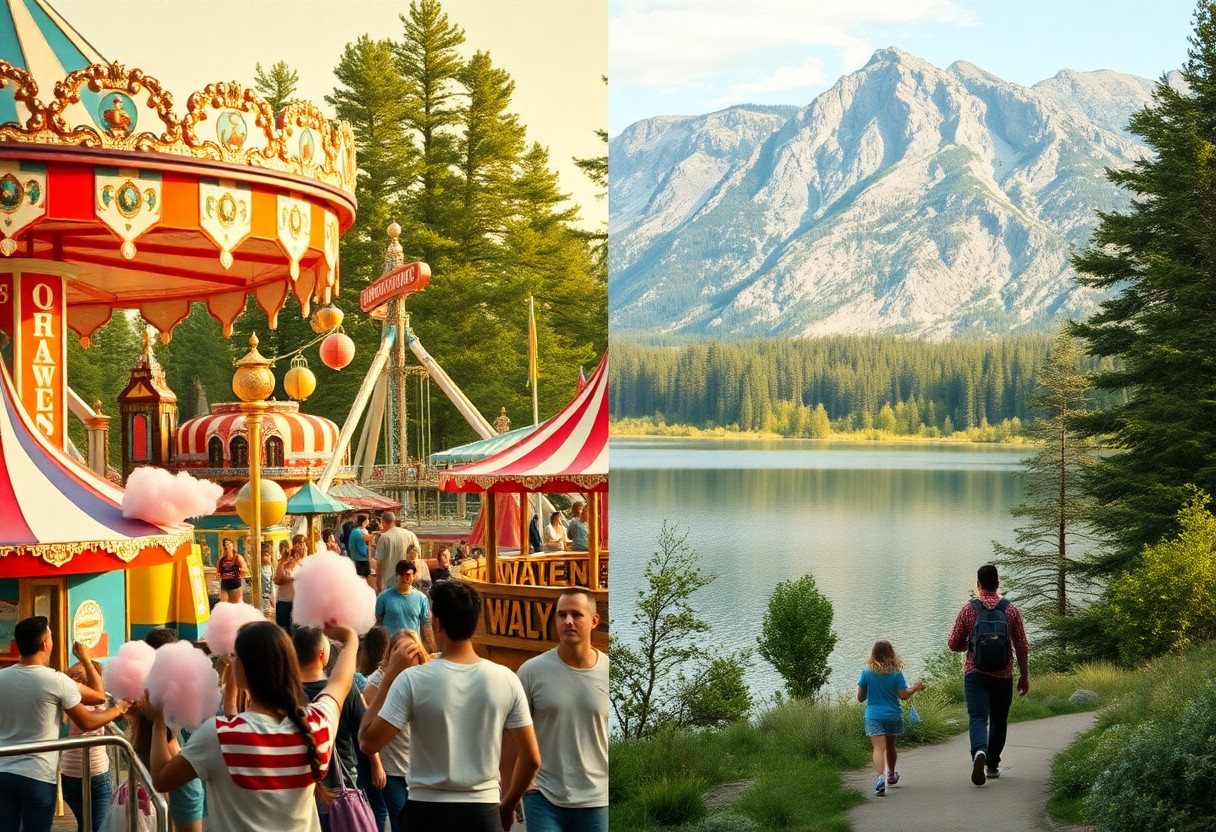
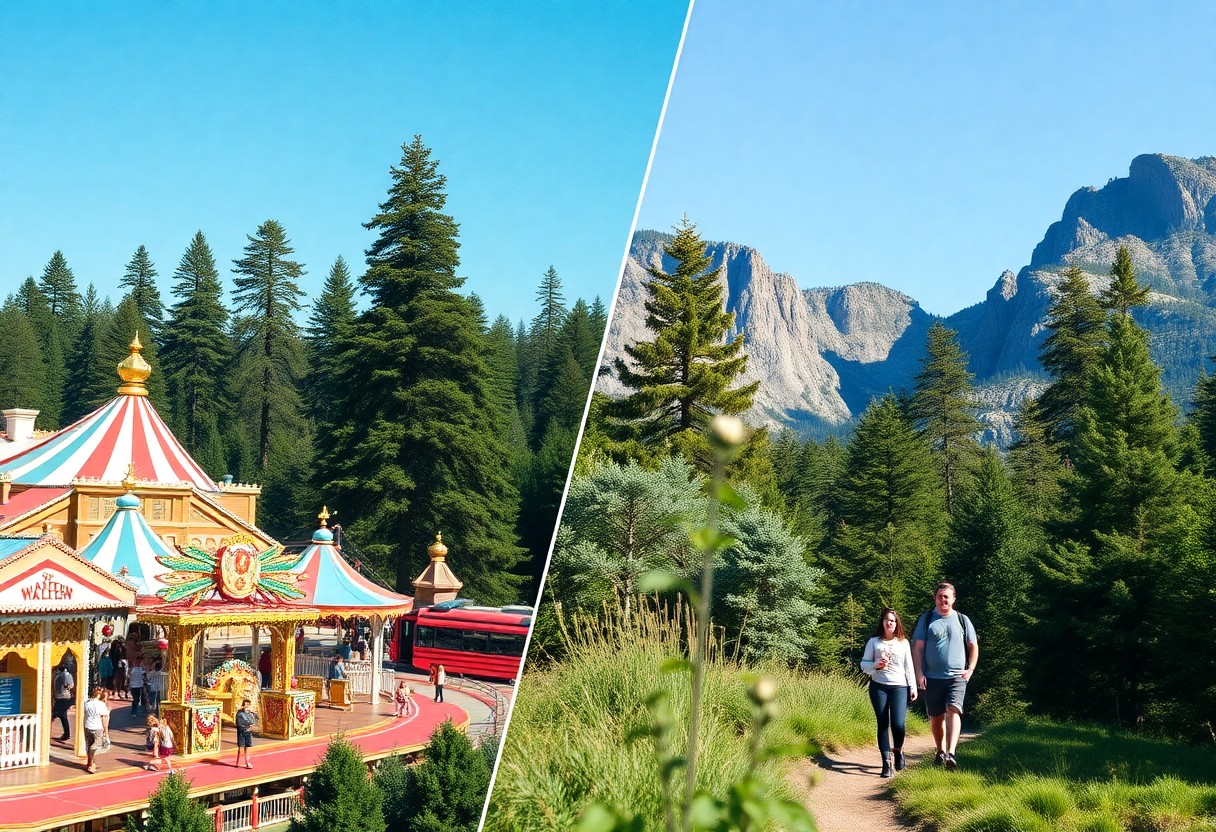
Just as you plan your next family adventure, deciding between a theme park and a national park can shape your experience. Each offers unique benefits; theme parks provide thrilling rides and entertainment, while national parks showcase unparalleled natural beauty and outdoor activities. By exploring the distinct offerings of both, you can tailor your family trip to match interests and preferences, ensuring lasting memories for everyone involved. This post will guide you through the key factors to consider for an unforgettable adventure.
Key Takeaways:
- Theme parks offer high-energy attractions and entertainment, perfect for thrill-seeking families.
- National parks provide natural beauty and outdoor activities, ideal for families seeking tranquility and exploration.
- Theme parks typically have structured itineraries and amenities, while national parks encourage self-guided adventures.
- Cost considerations can vary; theme parks often have higher entry fees, whereas national parks may involve travel and accommodation costs.
- Experiences differ; theme parks focus on rides and shows, while national parks emphasize hiking, wildlife viewing, and environmental education.

The Thrill of Theme Parks: An Engineered Adventure
Theme parks offer a meticulously crafted playground where excitement reigns supreme. From adrenaline-pumping roller coasters to immersive attractions, every corner is designed to ignite joy and wonder. Families can revel in themed experiences and character meet-and-greets, presenting a dynamic environment that encourages both bonding and adventure. It’s a blend of thrilling experiences and engaging storytelling that keeps you coming back for more.
The Allure of Man-Made Excitement
Man-made excitement fuels the allure of theme parks, drawing visitors into fantastical realms that ignite the imagination. Rides crafted by experts blend cutting-edge technology, creative storytelling, and grand visuals, creating experiences that are utterly unique. Whether soaring through the sky on a roller coaster or exploring enchanted lands, these adventures provide a level of thrill and escapism that national parks simply can’t replicate.
Cost and Accessibility: A Family Budget Perspective
Visiting theme parks can be an investment requiring careful budgeting and planning. Ticket prices often range from $100 to $150 per person, with additional costs for food, parking, and souvenirs. However, various discounts and packages are available to help families manage expenses. Accessibility to theme parks is generally high, with locations near urban centers, making them easier to reach compared to more remote national parks.
Planning a trip to a theme park involves weighing potential costs against the excitement promised. Daily passes for families can add up quickly, particularly during peak seasons or if opting for multi-day visits. While parks offer online discounts and maintenance-free lodging options like on-site hotels, consider bringing your own meals to counteract food prices. Transportation is typically straightforward, with major parks situated near interstate highways or public transport routes, ensuring your family can efficiently access these engineered adventures without significant logistical challenges.
Immersive Nature: The Allure of National Parks
National parks captivate families with their breathtaking natural beauty and the promise of adventure. Untamed landscapes invite you to explore and connect with nature, offering a chance to escape the hustle of daily life. The serenity of towering mountains, lush forests, and expansive deserts allows for revitalizing experiences that theme parks can’t replicate. Every trail and vista presents new opportunities for discovery, leaving lasting impressions on young minds and adults alike.
Unforgettable Landscapes: Nature’s Own Playground
In national parks, stunning landscapes serve as your family’s playground, showcasing diverse ecosystems that range from vibrant forests to arid deserts. Majestic peaks like those found in Yellowstone or Yosemite create a picturesque backdrop for unforgettable family photos. Each park boasts unique geological formations, such as the Grand Canyon or the hoodoos of Bryce Canyon, providing endless opportunities for exploration and appreciation of nature’s artistry.
Activities for All Ages: Engaging Families with the Great Outdoors
National parks offer a wide array of activities that cater to family members of all ages, ensuring everyone finds joy in the great outdoors. From guided ranger programs that teach about wildlife and conservation to family-friendly hikes suited for little legs, there’s something for everyone. You can enjoy river rafting, biking, or even stargazing, fostering bonding experiences and creating cherished memories under the expansive night sky.
Engagement opportunities abound in national parks. Junior Ranger programs inspire children to learn about their environment through fun activities, while parents can introduce their teens to more challenging hikes or wildlife observation. Picnic areas offer communal spots for families to relax and share meals amid stunning landscapes. Participate in seasonal events, such as guided night hikes or educational workshops, enhancing your family’s connection to nature and one another. The diverse options ensure every outing caters to different interests and abilities, making each visit uniquely rewarding.
The Social Dynamics of Adventure
The choice between theme parks and national parks profoundly influences family dynamics during adventure travel. Theme parks offer structured interactions that foster shared experiences through rides, games, and shows, while national parks encourage families to bond over exploration, pushing boundaries and discovering nature together. Each environment shapes your family’s unique narrative, with theme parks providing instant memories through thrilling attractions and national parks delivering lasting impressions through immersive, untamed landscapes.
Family Bonds in Controlled Environments vs. Wild Settings
Controlled environments like theme parks create a predictable framework for family bonding, making it easy for everyone to engage and participate. In contrast, wild settings, such as national parks, cultivate deeper connections through challenges and collective problem-solving, as you navigate trails, campsites, and the unpredictability of nature together, forging resilience and teamwork.
The Role of Community in Theme Parks and National Parks
Community plays a significant role in both theme parks and national parks, shaping your family’s adventure experience. In theme parks, you interact with other guests, sharing laughs and excitement in queues and attractions. Conversely, national parks foster a sense of camaraderie among fellow adventurers, as you bond over mutual respect for nature, shared tips, and experiences that encourage environmental stewardship and appreciation for the wilderness.
The sense of community at theme parks is often amplified by organized events, special promotions, or themed days, allowing you to connect with other families. For example, during holiday celebrations, parks create a shared atmosphere filled with excitement and connection. In national parks, community can develop organically through encounters on hiking trails, at campsites, or during ranger-led programs, with many families forming friendships through common interests and shared adventures. This unique social dynamic in both environments enriches your family adventure travel experience, creating lasting memories and bonds.
Health and Wellness: The Adventure Comparison
Comparison of Health and Wellness Benefits
| Theme Parks | National Parks |
|---|---|
| High adrenaline experiences | Outdoor activities promote physical fitness |
| Short bursts of excitement | Long-term mental health benefits from nature |
| Social interactions in a controlled environment | Solitude and tranquility enhance mindfulness |
Mental and Physical Benefits of Nature vs. Thrill-Seeking
Nature’s landscapes have a calming effect that reduces stress and anxiety, promoting overall mental well-being. Studies indicate that spending time in natural environments can lower cortisol levels, while physical activities like hiking boost cardiovascular health. In contrast, theme parks provide thrilling rides that deliver temporary excitement but may not offer the same restorative benefits. The adrenaline rush can elevate mood but often leads to an energy crash afterward, unlike the sustained energy you gain from a day spent in nature.
Choosing the Right Adventure for Family Well-Being
Selecting the right adventure should align with your family’s values and wellness goals. Consider the emotional and physical needs of each family member when deciding between the excitement of a theme park versus the tranquility of nature. Assess preferred activities and potential stressors to find a suitable balance that promotes bonding while enhancing well-being.
Choosing the right adventure for family well-being goes beyond mere preference; it involves understanding individual needs and the dynamics of your family unit. For example, if your children thrive on social engagement, a theme park offers shared experiences and laughter. On the other hand, if tranquility and reflection are valued, national parks invite exploration and deeper conversations amidst beautiful scenery. Weighing these factors can lead to a more fulfilling and health-conscious family trip, creating memories that strengthen family ties while promoting physical and mental health.
Crafting the Ultimate Family Adventure: Tips and Tricks
Creating the perfect family adventure involves consideration of interests, age ranges, and activity levels. To balance excitement and relaxation, follow these tips:
- Involve everyone in planning to ensure varied interests are represented.
- Mix thrilling experiences with downtime, allowing for recovery.
- Utilize apps for real-time updates on park conditions and events.
- Pack vitals, including snacks, to minimize interruptions.
- Establish a flexible schedule to accommodate spontaneous fun.
Knowing how to navigate these elements enhances your adventure, creating lasting family memories.
Balancing Experiences: Integrating Theme & National Parks
To create a well-rounded experience, blend the thrilling rides of theme parks with the serene landscapes of national parks. Start your trip at a theme park for high-energy fun, then transition to a national park for tranquil exploration. This combination allows your family to indulge in diverse activities while exposing everyone to nature’s wonders. The contrasting environments can foster appreciation for both modern entertainment and natural beauty, enriching your family’s adventure.
Practical Planning: Navigating Costs and Timelines
Budgeting effectively requires a clear understanding of expenses and timelines. Identify the peak seasons for both theme and national parks to avoid crowds and high prices. Booking accommodations early can save you money, while setting daily budgets for activities ensures you don’t overspend. Additionally, consider meal planning to avoid inflated costs at popular venues. Research package deals that combine attractions for additional savings, making your family adventure affordable and enjoyable.
Evaluating costs and timelines also means looking for free or discounted admission days at national parks and taking advantage of promotions at theme parks. For national parks, annual passes can be economical if you plan to visit multiple locations. Track your expenses for each day to ensure you stay within your budget while still experiencing both park types fully. Be proactive about scheduling your adventures to maximize both enjoyment and savings throughout your trip.
Summing up
Drawing together the experiences of theme parks and national parks for family adventure travel, you’ll find each offers unique benefits. Theme parks provide thrilling rides and attractions, ideal for those seeking excitement and entertainment. In contrast, national parks offer natural beauty and outdoor activities that foster family bonding through exploration and discovery. Your choice will depend on whether you prioritize adrenaline-pumping fun or serene experiences in nature. Ultimately, both options can create lasting memories for you and your family, making the adventure worthwhile no matter the destination.
FAQ
Q: What are the main differences between theme parks and national parks for family adventures?
A: Theme parks focus on entertainment with rides and shows, while national parks emphasize natural beauty, wildlife, and outdoor activities like hiking and camping.
Q: Which type of park is more suitable for younger children?
A: Theme parks typically have more attractions catered to younger children, including rides, character meet-and-greets, and interactive experiences designed for families.
Q: How do the costs compare between visiting theme parks and national parks?
A: Theme parks often have higher admission fees, along with additional costs for food and parking. National parks usually have lower entrance fees but may involve expenses for camping gear or guided tours.
Q: What educational opportunities are available in national parks compared to theme parks?
A: National parks provide educational programs about ecology, geology, and conservation through ranger-led activities, while theme parks may offer entertainment-based educational shows but focus less on nature education.
Q: Which type of park offers more variety in activities for the whole family?
A: Theme parks generally offer a variety of activities including rides, shows, and dining experiences, while national parks provide diverse activities such as hiking, wildlife watching, and stargazing, appealing to those who enjoy outdoor exploration.