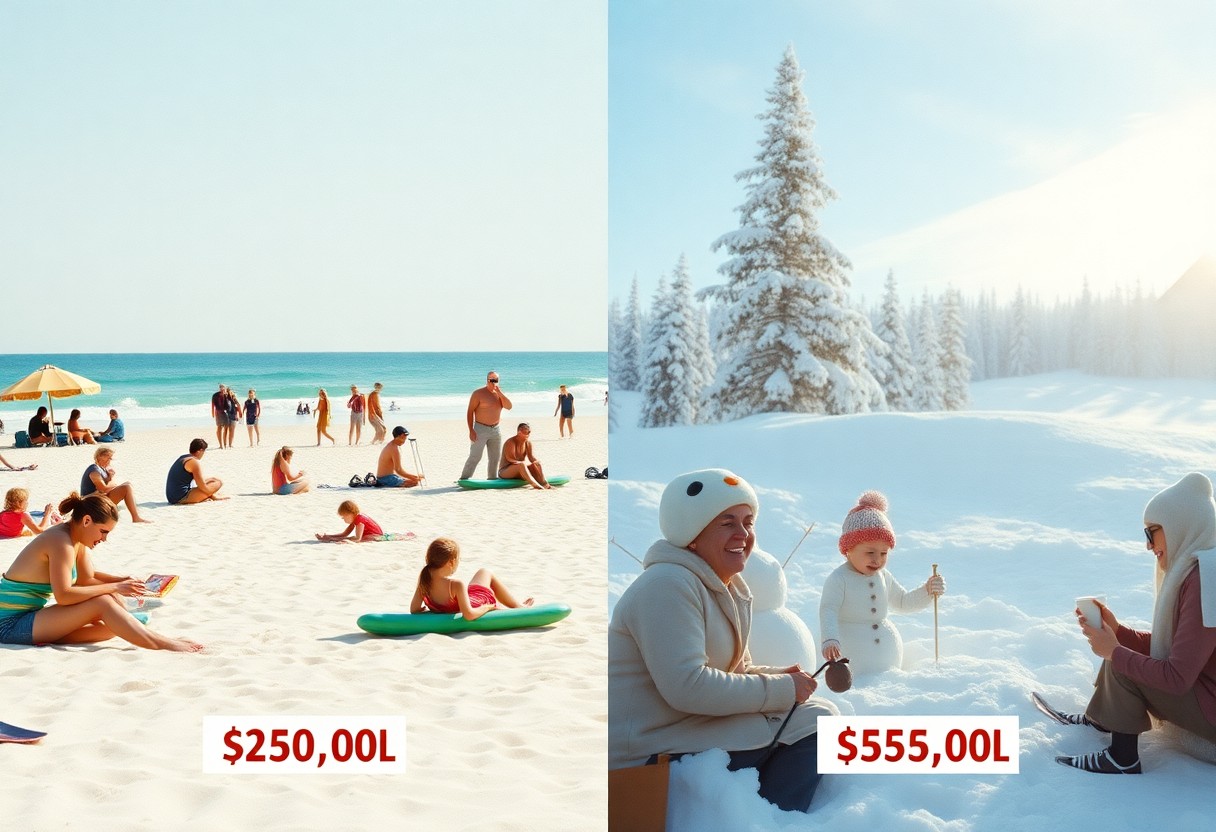
Winter vacations often bring the allure of snow-capped mountains and cozy lodges, attracting families seeking seasonal adventures in sorting Summer vs Winter Family Vacation with Cost Differences. However, as you plan your holiday escape, it’s important to weigh the cost differences between summer and winter family vacations. Factors such as accommodation rates, travel expenses, and activity pricing can significantly impact your budget. By understanding these contrasts, you can make a more informed choice that aligns with your family’s preferences and financial situation.
Key Takeaways:
- Summer vacations often include higher travel costs due to peak season pricing and increased demand for accommodations.
- Winter trips, particularly during the holidays, can also be expensive but often offer lower prices for off-peak destinations.
- Summer activities, such as beach outings and amusement parks, may have additional costs for admission and rentals.
- Winter vacations might require extra expenses for gear rentals (e.g., ski equipment) and winter clothing.
- Consideration of local events and festivals can influence both costs and experiences for each season.
Climate and Activity Variability
Both summer and winter vacations offer unique experiences shaped by climate and activity options. In summer, longer days and warmer weather encourage outdoor adventures, while winter invites cozy indoor activities and thrilling snow sports. Your family’s interests can dictate whether you thrive in the heat of a sunny beach or the crisp chill of a snowy retreat.
Seasonal Attractions: What’s on Offer?
Your choice between summer and winter often hinges on seasonal attractions. Summer brings water parks, hiking trails, and beach festivities, whereas winter features ski resorts, holiday markets, and ice skating rinks. Each season presents distinct opportunities that cater to varying interests, making it vital to assess what aligns with your family’s preferences.
Weather’s Role in Family Engagement and Satisfaction
Weather significantly impacts how engaged and satisfied your family feels on vacation. Pleasant conditions during summer can lead to active, outdoor days filled with exploration, while harsh winter weather might limit choices, steering you indoors. Being aware of local forecasts and temperatures helps in planning your itinerary for maximum enjoyment.
Families might find that sunny weather promotes more shared activities like hiking, swimming, or picnicking, fostering stronger bonds and creating lasting memories. Conversely, winter’s cold can drive families toward indoor attractions, which may not always resonate as deeply. For instance, a study found that summer vacations tended to yield higher happiness ratings among families compared to winter trips, mainly due to the accessibility of outdoor activities. Understanding how weather affects happiness can guide you in selecting the ideal season for your family trip.

Budgeting for Seasonal Differences
Understanding the financial implications of your vacation season allows for effective planning. Costs can fluctuate significantly based on the time of year, so pinpointing your budget helps avoid overspending. Seasonal differences affect everything from accommodation rates to activity pricing. Tracking these variations ensures that your family enjoys a vacation without financial strain.
Price Trends: Comparing Costs Across Seasons
Cost Comparison
| Season | Average Cost per Day |
|---|---|
| Summer | $300 |
| Winter | $200 |
Hidden Fees and Discounts: Off-Peak Considerations
Off-peak travel often reveals hidden fees and opportunities for discounts that can significantly lower overall costs. Prices for accommodations, rentals, and attractions tend to be lower, but additional fees such as resort fees, cleaning fees, or parking charges can arise unexpectedly. However, many venues offer reduced rates or package deals in the off-season, making this an opportune time to negotiate better terms and maximize your savings.
Traveling during off-peak times can also lead to exclusive deals that enhance your experience without straining your budget. Many hotels and resorts provide substantial discounts to attract guests in slower months, which may include complimentary breakfasts or upgraded room options. Furthermore, attractions often reduce entry fees or offer family packages, making it advantageous for you to explore new destinations at a fraction of the regular price while minimizing hidden costs.
Travel Logistics: The Seasonal Shuffle
Planning the logistics of your family vacation varies significantly between summer and winter. Each season brings unique challenges and opportunities that affect your overall travel experience. From choosing the right time to book flights to navigating peak travel times during holiday breaks, you’ll find that strategic planning is crucial for a smooth getaway.
Transportation: Expenses and Convenience
Summertime often comes with higher transportation costs, driven by increased demand. Airfare can spike dramatically, with average summer ticket prices being up to 30% higher than in winter months. In addition, long traffic delays during peak summer travel can impact your convenience, making early planning and alternative transport options crucial for a seamless trip.
Accommodation: Seasonal Pricing Strikes Again
Seasonal pricing can dramatically affect your accommodation costs, especially during peak travel times. In summer, hotels and vacation rentals typically charge a premium, with rates often doubling due to high demand. Conversely, winter offers potential savings, particularly in destinations that see fewer tourists during colder months, allowing you to secure better deals and possibly upgrade your stay.
Hotels in popular summer getaway spots can charge upwards of 50% more compared to their winter rates. For instance, a beachfront property that lists for $300 per night in July might only cost $150 in January. Furthermore, shoulder seasons in some areas provide attractive mid-range options, blending favorable pricing with milder crowds. You can stretch your budget further by selecting travel dates just outside peak periods, capitalizing on the significant price differences while still enjoying a memorable family vacation experience.
Unique Family Experiences: A Tale of Two Seasons
Each season offers unique family experiences that can enrich your vacation memories in different ways. Summer is all about outdoor escapades, beach trips, and hiking adventures under the warm sun. In contrast, winter invites you to enjoy cozy moments by the fireplace, engage in snow sports, and partake in holiday festivities. Understanding how these seasonal experiences shape family bonds can guide you in choosing the perfect getaway that resonates with your family’s interests and preferences.
Memory Making: Summer Adventures vs. Winter Wonders
Summer vacations often center around water activities, theme parks, and camping, allowing for adventurous outings and exploration. Winter, however, tends to focus on unique experiences like sledding, ice skating, and holiday markets, fostering a sense of wonder and magic. Memories created in each season are not just different in activity, but also in atmosphere, making family bonding moments rich and meaningful.
Educational Opportunities: Learning in Every Season
Different seasons bring diverse learning experiences that can enrich your family’s knowledge. Summer vacations can include trips to historical sites, nature reserves, or cultural festivals, while winter can immerse you in science through activities related to weather patterns, local wildlife adaptations, or festive traditions from around the world.
Summer’s educational pursuits often focus on hands-on experiences, such as visiting national parks where you can learn about flora and fauna, or science camps emphasizing outdoor exploration. Conversely, winter vacations can deepen understanding through activities that spotlight the science behind snow formation or history lessons tied to local winter celebrations. Engaging in these seasonal educational opportunities allows your family to connect knowledge with tangible experiences, making learning an intrinsic part of your vacation. Through field trips, interactive exhibits, or guided tours, both summer and winter offer avenues for enriching your family’s educational journeys outside the traditional classroom setting.
The Decision Dilemma: Choosing Your Family Escape
Balancing preferences and budgets can lead to considerable stress in selecting the right vacation season for your family. While summer offers sun-soaked adventures like beach outings and hiking, winter introduces activities such as skiing and holiday festivities. Your family’s interests, the ages of your children, and how much you can spend all factor into this decision. Make a list of must-have experiences and compare potential costs associated with each season to streamline your choice.
Weighing Priorities: Activities vs. Costs
Determining whether to prioritize activities or costs often shapes your vacation experience. If your family thrives on high-energy activities, summer beach resorts or amusement parks may top your list. Conversely, winter trips focusing on snow sports or cozy retreats might appeal to your family’s love for winter wonderlands. Breaking down individual activities and their respective costs helps clarify where your priorities lie and whether splurging on one season makes the most sense financially.
Duration and Timing: Impacts on Family Fun and Finances
The duration of your trip and the timing of your vacation significantly influence both enjoyment and expenditure. School schedules dictate when you can travel, so overlapping holiday periods may lead to increased costs due to demand. Opting for off-peak times can stretch your budget further, providing access to luxurious accommodations and unique activities at lower rates. Evaluating how long you can stay influences your overall experience and financial commitment.
Longer vacations often yield more memorable family experiences, particularly if you avoid peak times. For example, booking a winter getaway around the holidays may cost more due to increased travel demand, while a week in February could offer better rates and fewer crowds. Similarly, summer trips planned right before schools resume can lead to savings, allowing you to enjoy an extra day or two spent exploring. Align your travel with school breaks wisely to maximize both fun and finances.
To wrap up
With this in mind, choosing between a summer or winter family vacation requires careful consideration of costs and experiences. Summer vacations often offer wider options for activities and potentially lower travel expenses, while winter trips can be pricier due to holiday demand but provide unique festivities and snow-related fun. Evaluate your family’s interests and budget to determine which season aligns best with your vacation goals, ensuring an enjoyable and memorable getaway for everyone.
FAQ
Q: What are the main cost differences between summer and winter family vacations?
A: Summer vacations generally involve costs related to outdoor activities, lodging, and travel during peak season, leading to higher prices. Winter vacations may have costs associated with ski passes, winter gear rentals, and potentially lower lodging prices in some regions.
Q: Which season typically offers more family-friendly activities?
A: Summer offers a wider range of family-friendly activities such as beaches, parks, and festivals. Winter provides options like skiing, snowboarding, and holiday events, but these may appeal to different interests.
Q: How do travel expenses compare between summer and winter vacations?
A: Summer travel costs can be higher due to increased demand and school breaks. Winter travel can vary; some destinations may have cheaper flights and accommodations, while ski resorts may have higher pricing during peak winter months.
Q: Are there specific destinations that are cheaper in one season over the other?
A: Coastal destinations often see lower prices in winter as demand dips. Conversely, ski resorts usually have higher prices in winter peak times, while off-season trips in summer may offer better deals.
Q: What other expenses should families consider when planning summer vs winter vacations?
A: Families should account for additional gear costs in winter, such as skiing equipment and winter clothing, as well as seasonal food and activity pricing in both summer and winter, which can significantly affect overall expenses.