

Travel across Southeast Asia without breaking the bank by following this ultimate budget guide. You’ll learn tips and tricks to navigate the region while spending only $30 a day, including affordable accommodations, local dining options, and budget-friendly transportation. With the right planning, you can experience rich cultures, breathtaking landscapes, and delicious cuisines, all while sticking to your budget. Dive into this comprehensive guide to make the most of your Southeast Asian adventure.
How to Set a Daily Budget
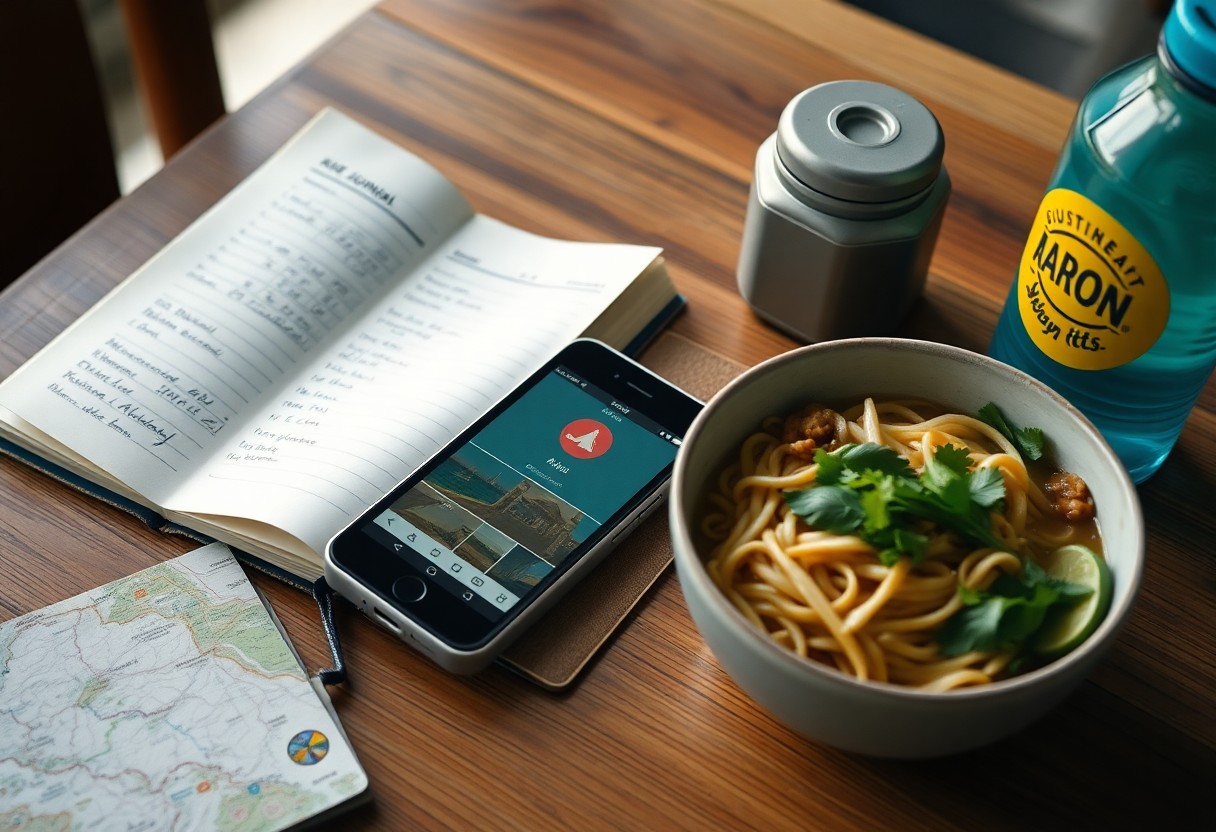
Setting a daily budget is crucial to make the most of your Southeast Asia adventure without breaking the bank. Start by calculating your overall travel days and dividing your total budget by that number to establish a per-day spending limit. This method keeps you accountable and ensures you can enjoy experiences without financial stress.
Determining Your Travel Expenses
To determine your travel expenses, list all possible costs, including food, transportation, activities, and accommodation. Research average prices in each country you’ll visit, as they can vary significantly. For instance, daily meal costs can range from $1 in street food markets to $7 in mid-range restaurants, so adjusting your spending in each category is vital.
Finding Affordable Accommodation
Finding affordable accommodation can greatly affect your budget. Hostels, guesthouses, and budget hotels are widely available in Southeast Asia, often starting from $5 per night. You can also explore platforms like Booking.com or Hostelworld to find deals. Consider staying in dormitory-style rooms for the lowest rates or booking private rooms in guesthouses where costs still remain low.
Tips for Transportation
Getting around Southeast Asia on a budget is both an art and a necessity. Utilize local transportation options to save costs and experience the culture more intimately. Consider these tips:
- Use apps like Grab for ridesharing.
- Negotiate prices for tuk-tuks and taxis.
- Prioritize walking or biking in cities.
- Look for discount travel cards for public transit.
Thou can maximize your travel experience while minimizing expenses.
Navigating Public Transport
Public transport varies significantly across Southeast Asia. In major cities, you’ll find efficient systems like Jakarta’s TransJakarta or Bangkok’s BTS Skytrain, offering affordable fares. Always check for day passes, and learn the routes to save time and money. Use apps or maps to ensure that you get to your destination efficiently.
Choosing Budget Airlines and Buses
Budget airlines, such as AirAsia and VietJet, frequently offer low fares if booked in advance. Comparing prices across airline websites can yield significant savings. Long-distance buses are another wallet-friendly option, with services like Bamboo Bus and Sinh Cafe providing comfortable rides. Always check reviews for reliability and comfort.
When opting for budget airlines, booking 3-4 weeks in advance can lead to fares as low as $20 for domestic flights. On the other hand, overnight buses not only save you accommodation costs but also get you to your next destination while you sleep. Ensure you factor in potential additional costs for luggage and airport transfers with airlines, as these can add up quickly. Look for bus companies that offer the best route options and amenities, such as Wi-Fi and air conditioning, for a comfortable journey.
How to Eat on a Budget
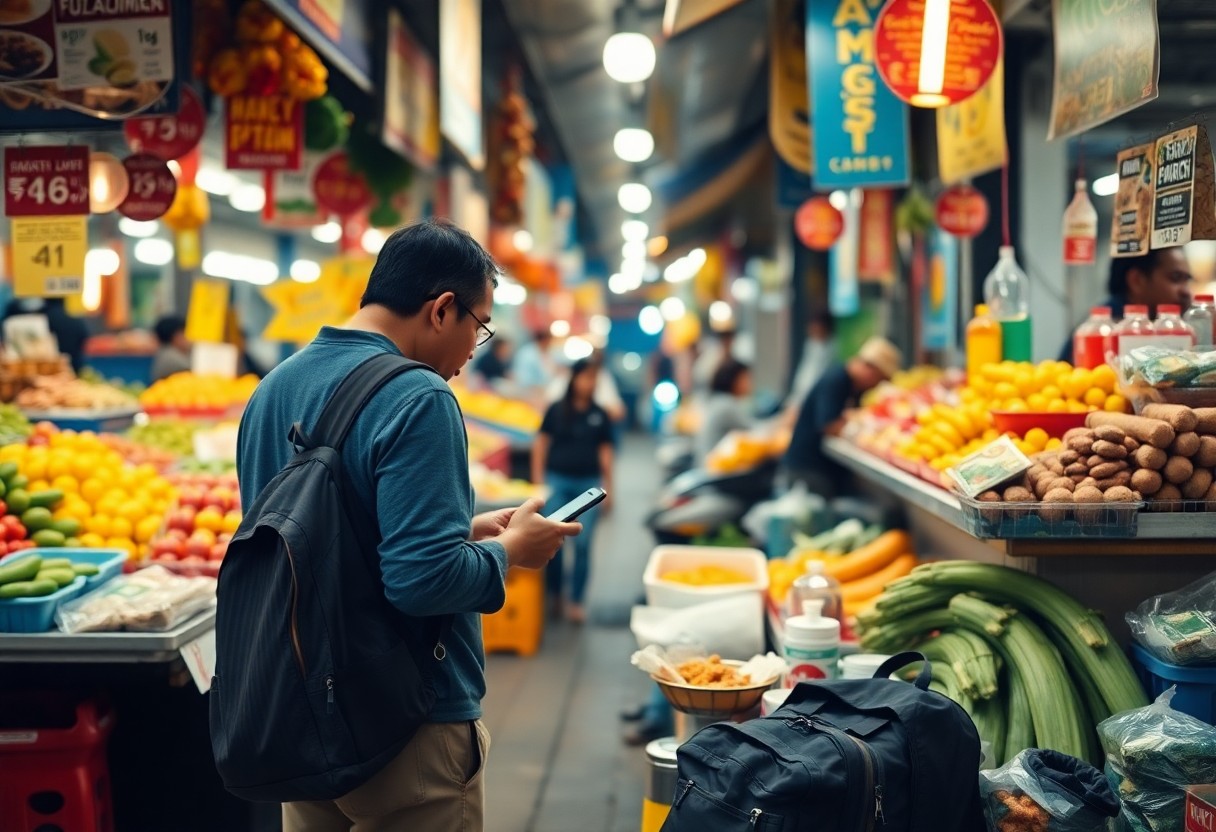
Eating on a budget in Southeast Asia is an integral part of your travel experience, offering delicious flavors without the hefty price tag. Local markets and street vendors often provide authentic dishes for as little as $1 to $3, allowing you to indulge in the local cuisine every day without overspending. Prioritize your meals and avoid tourist traps to maximize your culinary adventure while keeping costs low.
Local Street Food vs. Restaurants
Opting for local street food over restaurants is a smart choice for budget travelers. Street vendors dish out fresh, flavorful meals that showcase regional specialties, often for a fraction of the cost of a sit-down meal. Enjoy classics like Pho in Vietnam or Pad Thai in Thailand, which may cost you just a couple of dollars, while restaurant prices can range significantly higher.
Tips for Cooking Your Own Meals
Cooking your own meals can significantly slash your food expenses. Many hostels and guesthouses come equipped with kitchens, enabling you to whip up basic meals using fresh local ingredients. Invest a small amount in staples like rice, noodles, and spices, and supplement these with fresh vegetables and proteins from local markets.
- Shop at local markets for the freshest ingredients.
- Learn a few simple recipes that use local ingredients.
- Cook in bulk to save time and money.
- Stay hydrated with free water refills.
- Thou art on your way to enjoying the local flavors without overspending.
Planning meals around local ingredients can also enhance your culinary knowledge and skills. Embrace the experience by observing how locals cook and what they buy. You can experiment with various spices and combinations, allowing you to create dishes unique to your taste while staying within your budget.
- Start with simple one-pan meals to minimize cleanup.
- Join cooking classes to learn local recipes and techniques.
- Use social media to find local food groups for tips and tricks.
- Share meals with fellow travelers for a communal cooking experience.
- Thou shall be creative and resourceful in your meal preparations.
Factors to Consider When Choosing Destinations
When dicking out destinations in Southeast Asia, consider factors that influence your overall experience and expenses. You’ll want to evaluate availability of budget accommodations, local transportation costs, food prices, and the diversity of activities that align with your interests. Think about accessibility, visa requirements, and the weather during your visit. Key factors also include safety, cultural engagement, and the presence of fellow travelers, which can enhance your journey. Aim for destinations that strike a perfect balance between affordability and rich experiences.
- Accommodation options
- Local transportation accessibility
- Food affordability
- Range of activities
- Weather considerations
- Safety and cultural engagement
Assume that taking the time to research these elements ensures a more enjoyable trip without unexpected financial stress.
Popular Budget-Friendly Locations
Some of the best destinations for budget travelers include Vietnam, Thailand, and Indonesia, where you can experience rich cultures and stunning landscapes without overspending. In Vietnam, cities like Hanoi and Ho Chi Minh City offer affordable street food and low-cost lodging. Thailand’s Chiang Mai attracts budget travelers with its inexpensive guesthouses and vibrant markets. In Indonesia, Bali is surprisingly affordable if you avoid tourist traps and seek local experiences.
Avoiding Overpriced Tourist Areas
You can easily fall into the trap of overpriced tourist areas, which can drain your budget quickly. To avoid this, do thorough research on less popular locations that still offer stunning sights and authentic experiences. For instance, instead of staying in the heart of touristy spots like Kuta in Bali, consider quieter alternatives like Canggu or Ubud, where prices for food, accommodation, and activities are considerably lower. Seek recommendations from locals or savvy travelers to find hidden gems.
Venturing beyond major tourist areas allows you to experience the true culture of Southeast Asia while saving money. Popular sites often inflate prices due to high demand, resulting in costly meals and accommodations. By exploring nearby local towns or regions, you can discover authentic dining experiences and overnight stays, often at a fraction of the cost. Engaging with locals not only enhances your travel journey but also helps you find affordable alternatives that avoid the tourist crowds.
How to Find Free or Low-Cost Activities
Finding free or low-cost activities can significantly enhance your travel experience while keeping expenses down. Research local events, festivals, and museums, many of which offer free admission on certain days. Additionally, social media and travel forums can provide insider tips on hidden gems in each destination. Websites like Couchsurfing and Meetup can connect you with locals who may have suggestions for budget-friendly adventures, ensuring you make the most of your time without overspending.
Exploring Nature and Parks
Southeast Asia boasts stunning natural landscapes, from lush forests to pristine beaches, many of which are free to explore. National parks in countries like Thailand and Indonesia often have low entrance fees, allowing you to hike trails, swim in waterfalls, or simply enjoy scenic views. Engaging with nature not only saves money but also offers unforgettable experiences.
Engaging in Cultural Experiences
Your travel adventures can be enriched by immersing yourself in local cultures, often at little to no cost. Participate in free walking tours, visit local markets, or attend religious ceremonies and festivals. Many temples and cultural sites offer free entry or donations. Interacting with locals through workshops or community events can also provide unique insights into the traditions and lifestyle of each area, making your trip more memorable and personal.
Engaging in cultural experiences allows you to connect with the local community and gain a deeper understanding of your destination. Many cities host free festivals showcasing traditional music, dance, and art, offering you a vibrant glimpse into their heritage. Consider joining free workshops for traditional crafts, such as Batik painting in Indonesia or cooking classes featuring local cuisine. These interactions not only enhance your experience but also support local economies without breaking the bank.
Tips for Saving Money on Tours and Excursions
You can maximize your travel budget by strategically planning your tours and excursions. Consider these tips:
- Book directly with local operators to avoid extra fees.
- Join group tours instead of private ones for better prices.
- Negotiate prices when possible, especially in markets.
- Look for free walking tours in major cities.
- Use apps that offer discounts on experiences.
The key to saving money is being proactive and resourceful.
Researching Local Guides
Start by exploring online reviews and recommendations for local guides. Websites like TripAdvisor can give you insights into their reputation and pricing. Engaging with locals online through communities or social media can also help you find trusted guides who offer competitive rates and personalized itineraries.
Comparing Prices Across Platforms
Take the time to compare tour prices on various platforms before making a booking. Websites such as GetYourGuide, Viator, and Klook often feature similar tours but at different prices. Additionally, local operator websites might offer exclusive deals or discounts not available elsewhere. This ensures you get the best value for your money.
Comparing Prices Across Platforms
You should be aware that prices can vary widely based on the platform used. Some factors impacting pricing include booking fees, promotional discounts, and package deals. A little research can lead to significant savings. Here’s a breakdown to help you:
| Platform | Typical Discount (%) |
|——————|———————|
| GetYourGuide | 10-20% |
| Viator | 5-15% |
| Local Operators | Up to 30% |
| Klook | 5-25% |
Prices fluctuate based on demand, seasonality, and location. Regularly checking multiple sources can help you spot the best deals. Exploring options not only saves you money but can also lead to unique experiences tailored to your interests.
Final Words
Conclusively, traveling Southeast Asia on $30 a day is entirely achievable with careful planning and smart choices. By utilizing budget accommodations, local transportation, and street food, you can stretch your dollars while experiencing the rich culture and stunning landscapes of the region. Prioritize free or low-cost activities and embrace the local lifestyle for a more authentic journey. With these strategies, you can enjoy unforgettable adventures without breaking the bank, ensuring that your travels are both economical and enriching.


One thought on “How to Travel Southeast Asia on $30/Day – The Ultimate Budget Guide”
Comments are closed.