Adventure compels you to question headlines: after traveling to 15 so-called “dangerous” countries, you’ll get clear, practical truths on what actually affects your safety, how to read risk, and how to travel confidently as a woman.
Key Takeaways:
- Perception vs. reality: many countries labeled “dangerous” are navigable solo with local knowledge and common-sense precautions.
- Preparation matters: research, trusted accommodations, reliable transport, and offline backups drastically reduce risk.
- Cultural respect and situational awareness are often more effective than changing destinations-locals’ norms shape safety.
- Sensational headlines and anecdotes skew fear; personal stories and nuanced data offer a more balanced picture.
- Controversial framing drives shares and debate-honest accounts that admit challenges while showing agency convert best.
Types of Destinations
| Capital cities (e.g., Mexico City, Cairo) | Dense transit, visible police but concentrated petty crime in tourist corridors; use ride apps and stay in well-reviewed neighborhoods |
| Border towns (e.g., Tijuana, Peshawar) | Rapid policy changes, checkpoints and occasional protests; check local advisories and cross-border rules before you go |
| Islands & coastal areas (e.g., Zanzibar, Palawan) | Beach theft and boat safety are common concerns; seasonal storms and limited medical facilities impact risk |
| Highland & remote villages (e.g., Ladakh, Colca Valley) | Altitude and long evacuation times; expect few hospitals and transport delays measured in hours or days |
| Major tourist hubs (e.g., Petra, Angkor) | High visitor numbers bring scams and pickpockets despite strong tourism infrastructure; peak months multiply hazards |
- City centers demand situational awareness around transit hubs and markets.
- Remote regions require self-sufficiency: backup batteries, cash, and contingency plans.
- Match your itinerary to your comfort level and emergency access when choosing destinations.
Urban vs. Rural Areas
You’ll notice in megacities-like São Paulo or Manila-crime often clusters around transit nodes and nightlife districts, so track crime maps and transit alerts; in contrast rural zones such as Nepal’s Annapurna circuit have far fewer theft reports but present hazards like landslides, altitude sickness, and multi-hour ambulance response times, so you should carry a satellite-enabled comms option, extra water, and a local guide when roads get unreliable.
Popular Tourist Spots vs. Off the Beaten Path
Popular sites (think Petra or Machu Picchu) offer clear infrastructure, guided options and visible security, yet you face crowds, inflated prices and common scams; offbeat places-like Colombia’s coffee fincas or Ethiopia’s Danakil Depression-reduce crowd risks but raise logistical challenges: permits, unreliable transport and language barriers, so you should weigh convenience against authenticity when planning.
For example, Machu Picchu enforces daily entry limits (roughly 2,500 tickets for certain circuits) and the Inca Trail restricts group sizes to about 500 to reduce impact, which changes both cost and availability; by contrast, choosing an alternate trek like Salkantay or exploring lesser-known coastal towns can halve your encounter rate with tourists but often requires a licensed guide, advance permits and flexible scheduling. This helps you pick the balance between access and authenticity.
Key Factors to Consider
You should prioritize local crime patterns, transportation reliability, medical access, and how gender roles shape daily interactions; these variables often determine whether a neighborhood feels safe at 10 a.m. versus 10 p.m. For example, transit hubs in Mexico City and Cairo tend to concentrate pickpockets, while remote border areas suffer from intermittent policing and poor ambulance response times. Cross-check official advisories with recent traveler reports and local news to refine plans.
- Identify common threats: petty theft, scams, or politically driven unrest in specific districts.
- Map reliable transport and daylight-only routes for arrivals and departures.
- Confirm nearest hospitals, 24/7 pharmacies, and embassy contacts before you go out.
- Learn basic local phrases and carry offline maps to reduce dependence on strangers.
- Thou must always have an exit plan and a trusted local contact for emergencies.
Safety Ratings and Perceptions
Official safety ratings compress whole countries into a single color, so you should treat them as a starting point: pair State Department or FCDO advisories with neighborhood-level intel from recent forum threads, WhatsApp groups, or hostel staff. In my 15-country run, places flagged as high risk often had large safe tourist corridors and one or two volatile zones; adjust your itinerary to avoid those pockets rather than abandoning an entire country.
Cultural Sensitivity and Local Customs
Dress codes, eye contact, and public behavior shape how you’re treated: in many conservative regions covering shoulders and knees reduces unwanted attention, while in parts of Latin America a brief handshake and direct eye contact establish trust. You should observe how local women move in public, follow their lead on PDA and dress, and ask permission before photographing people or religious sites.
Beyond attire, practical steps help: learn 10 polite phrases in the local language, use a scarf that doubles as a head covering or modest wrap, prefer women-only transport options where available, and ask hostel hosts or female locals about neighborhoods to avoid after dark; these small adaptations often open doors and lower daily friction on the road.
Essential Tips for Solo Female Travelers
- Vet neighborhoods using local Facebook groups, recent TripAdvisor threads, and Google Maps Street View before booking accommodation.
- Carry physical and digital copies of passport pages, at least $100 in local currency, a 10,000-20,000 mAh power bank, and a small door alarm.
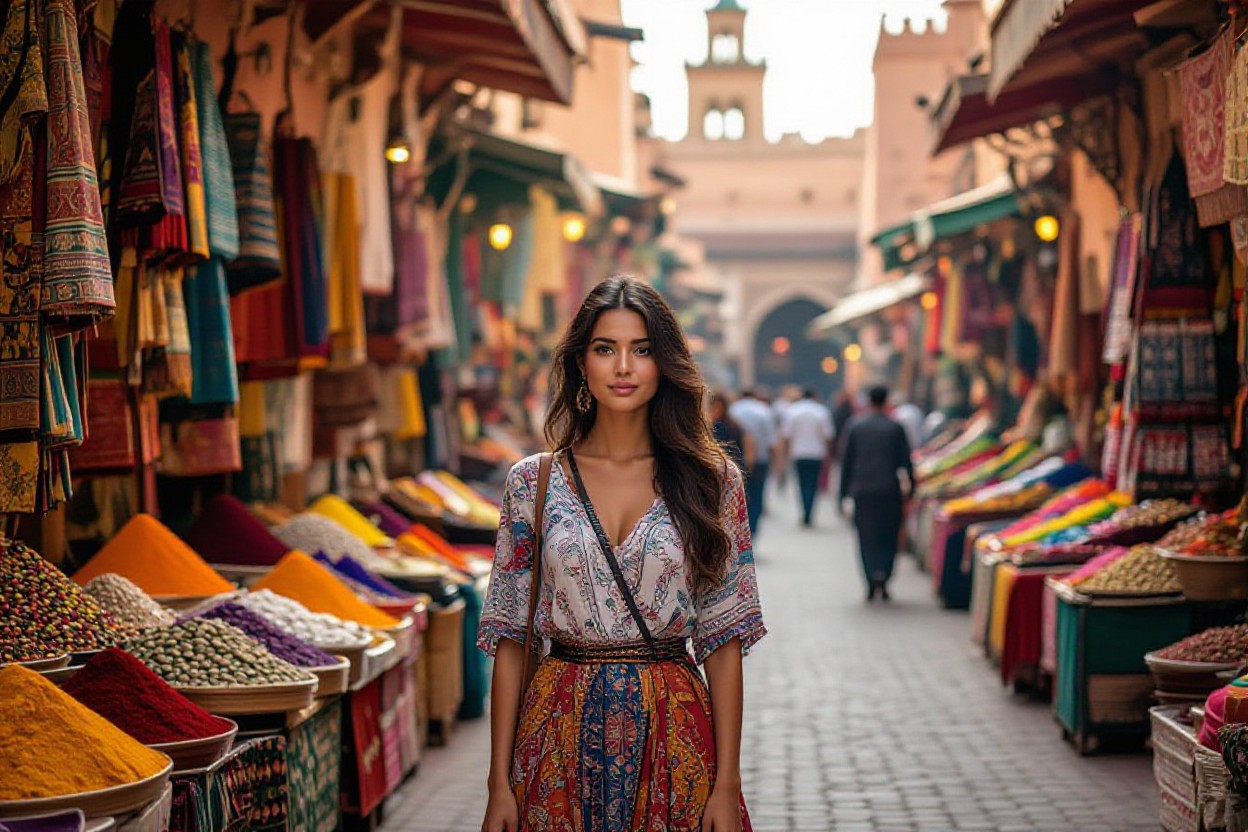
- Adapt your wardrobe to local norms-simple changes like a scarf or longer hem can cut unwanted attention in places like Morocco or parts of Southeast Asia.
- After landing, send your live location and vehicle photo to a trusted contact before getting into any car.
Packing and Preparation
Pack a slim money belt and photocopies of passport pages, plus two printed emergency contacts and one offline map screenshot; carry at least $100 in local cash, a 10,000-20,000 mAh power bank, a lightweight scarf for cultural blending, basic first-aid, any prescription meds, and a small doorstop alarm-these items keep you functional and flexible when services or cards fail.
Navigating Transportation
Favor licensed airport taxis from kiosks or reputable ride-hailing apps (Uber, Bolt, local equivalents), verify the plate and driver photo before entering, sit in the rear seat, enable trip-sharing in the app, and avoid unmarked cars or late-night solo rides on empty streets.
When using apps, screenshot the driver and plate, share the trip link with someone, and watch the route on your phone; if the driver deviates, request a public stop or call local police-booking airport transfers or pre-arranged drivers for early-morning or late-night arrivals reduces risk, and in many countries (India, Egypt) women-only coaches or compartments are a safer option when available.
Step-by-Step Planning Guide
Start by mapping visas, health needs, and local laws; then layer logistics like flights, accommodations, and transport. Allocate at least 20% of your budget as contingency, book refundable first-night lodging, and schedule buffer days for delays or fatigue. Use government advisories plus on-the-ground sources, and create an emergency contact list with your embassy number and two local contacts before you leave.
| Pre-trip Checklist | Practical Tips & Examples |
|---|---|
| Visas & Documents | Check embassy site and IATA Timatic; allow 2-4 weeks for processing, keep digital + physical copies. |
| Health & Vaccines | Consult a travel clinic 4-8 weeks out; consider malaria prophylaxis if recommended and pack a basic med kit. |
| Local Research | Use State Dept/FCDO advisories, recent news, local Facebook groups, and 3+ female traveler reports for current risks. |
| Logistics | Book first night in a well-reviewed neighborhood, pre-arrange airport transfer, and download offline maps and an eSIM. |
| Money & Backup | Carry a small amount of local cash, two cards in separate places, and 20% contingency for unexpected costs. |
Researching Your Destination
You should triangulate sources: compare official advisories (State Dept, FCDO) with recent local news, expat forums, and female-traveler blogs to spot patterns. Check crime stats per 100,000 where available, read the last 3 months of incident reports, and identify safe neighborhoods versus areas to avoid after dark. Also register with your embassy and note local emergency numbers plus nearest hospital addresses.
Creating an Itinerary
Plan 1-3 activities per day with mornings for high-energy sightseeing and afternoons for rest or flexible options; reserve evenings for group or well-reviewed activities. Book transport between cities with at least a one-night buffer after long trips, and keep alternate accommodation options ready in case plans change. Factor local holidays, sunrise/sunset times, and public transit schedules into timing.
When fleshing out each day, break it into time blocks: 08:00-11:00 active sightseeing (museums, tours), 12:00-15:00 lunch and downtime, 16:00-19:00 neighborhood exploration, 19:30+ evening activity with reviews checked. Add contingencies like an extra travel day every 7-10 days, pre-download offline maps, and list two safe pickup points if you’re arriving late. Finally, note cultural norms (dress codes, prayer times, strike likelihood) that can shut attractions unexpectedly.
Pros and Cons of Traveling Solo
| Pros | Cons |
|---|---|
| Complete itinerary control – change plans same-day | Periods of loneliness, especially on multi-week trips |
| Deeper local connections through homestays/hostels | Greater visibility to petty scams and unwanted attention |
| Faster decision-making and learning resilience | No cost-sharing – single supplements on rooms/transfers |
| Personal growth – confidence you build after 15-country trips | Higher vulnerability in medical or legal emergencies |
| Skill gains: navigation, negotiation, basic local language | More planning required for safety and logistics |
| Flexibility to pursue niche interests and slow travel | Fewer shared memories to reminisce with later |
| Opportunity to meet diverse travelers and locals daily | Occasional cultural pushback in conservative areas |
| You control budget priorities (food, gear, experiences) | Need for constant situational awareness |
Benefits of Solo Travel
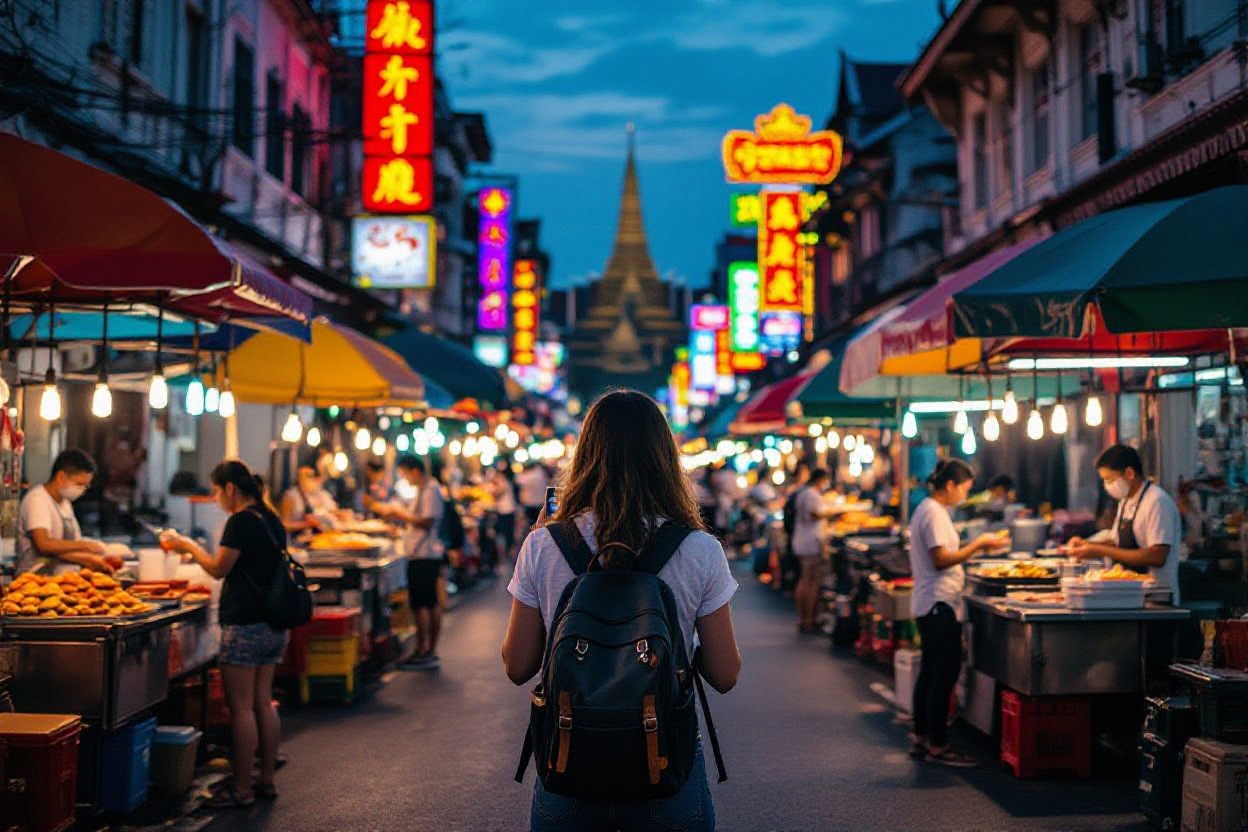
You gain unmatched flexibility: change flights, linger in a town, or join a last-minute homestay without negotiating with others. You’ll build practical skills – language basics, map reading, and bargaining – and meet locals more easily; on trips across 15 countries I found that solo nights in markets or hostels produced richer cultural exchanges and faster trust-building than traveling in groups.
Potential Challenges
You face higher personal exposure: solo travelers are more likely to be targeted for petty scams, experience unwanted attention, or struggle alone during a medical issue. That limited backup can mean higher financial or logistical costs when flights are missed or documents are lost.
You can mitigate many risks with concrete steps: register with your embassy, buy travel insurance that includes medical evacuation (short-trip plans often range $50-$150), keep digital and paper copies of documents, use reputable ride apps, carry a local SIM, set daily check-ins with someone at home, and join vetted group tours in higher-risk areas. Those practices turned a potential crisis into a minor delay during my multi-country routes and are repeatable tactics you can use on any solo trip.
Real Experiences: My Journey
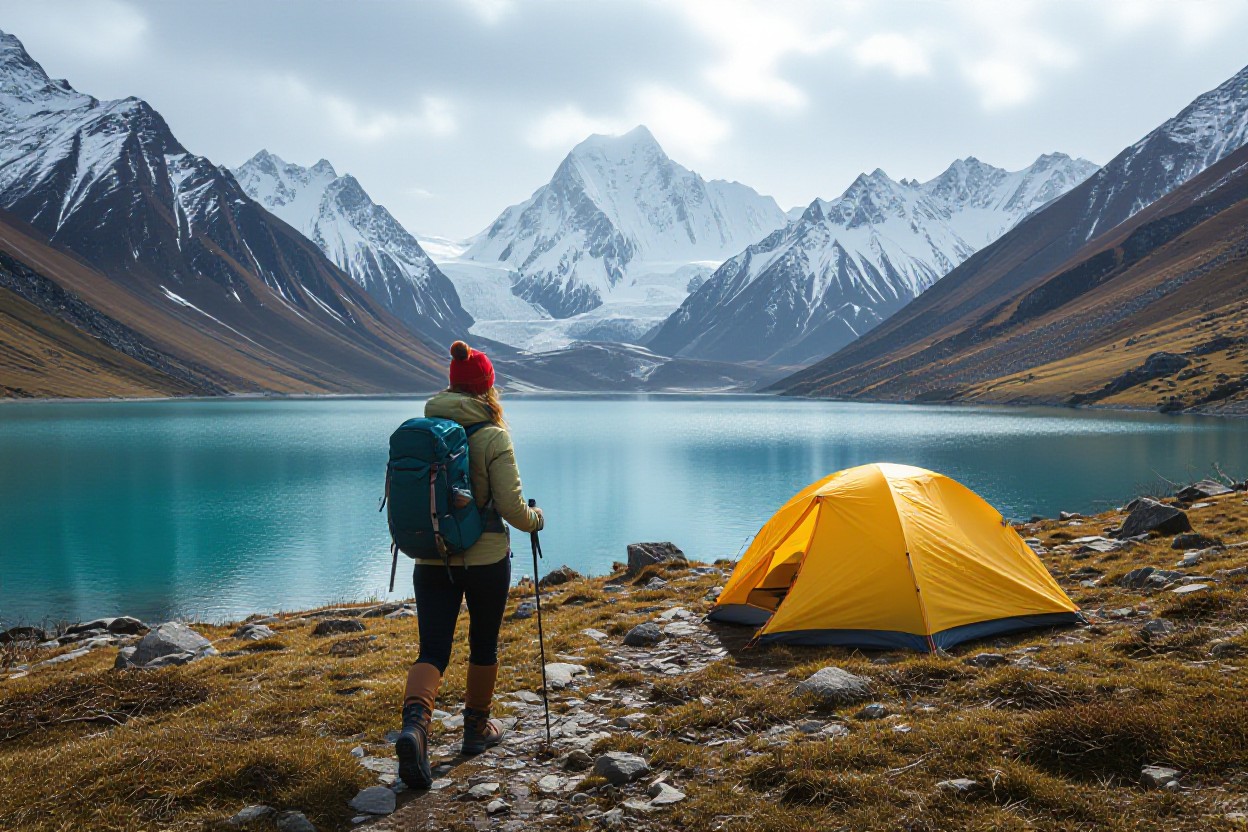
You visited 15 so-called “dangerous” countries across Latin America, Africa, Asia and the Middle East over two years, from Colombia and Mexico to Pakistan and the Philippines; you handled everything from a pickpocket incident in Mexico City (passport recovered within 24 hours through the embassy) to a power outage in Kathmandu during a 3-day, 4,130 m trek, learning to rely on local contacts, verified apps, and simple contingency plans that kept you safe and mobile.
Highlights from Each Country
In Medellín you used a vetted rideshare to see street art after dusk; in Johannesburg you booked a guided township tour with a 4-star operator; in Mexico City you ate street tacos recommended by a local chef; in Nepal you completed a 3-day trek to Annapurna Base Camp (4,130 m) with a licensed guide; in Manila you learned ferry schedules the hard way and now always confirm departures two hours ahead.
Lessons Learned Along the Way
You learned to prioritize situational awareness, carry digital and paper copies of documents, and always pre-book transport after dark; on about 10 of the 15 trips a local guide or host prevented a risky situation, and using a $10-15 local SIM and WhatsApp cut communication gaps that otherwise caused missed connections or confusion.
More concretely, you now keep two emergency contacts in each phone, store originals in a hotel safe, buy travel insurance that covers evacuation, and vet tours by checking at least three recent reviews and operator registration numbers; you also use cash in small denominations, avoid flashy jewelry, and confirm pickup vehicle plates before entering-practices that resolved or prevented most issues.
To wrap up
Taking this into account, after traveling solo through 15 so-called “dangerous” countries, you see that risk is rarely uniform: with careful research, local respect, flexible plans, and strong situational awareness you can mitigate many threats while experiencing authentic cultures; your safety depends on preparation, informed judgment, and choosing when to accept or avoid risk, and the truth is that fear-driven headlines often overshadow practical strategies that let you travel widely and confidently.
FAQ
Q: Is it actually safe for a woman to travel alone to countries labeled “dangerous”?
A: Safety is not binary; it varies by city, neighborhood, time of day and the choices you make. In my visits to 15 countries with scary headlines, the majority of days felt routine – public transport, markets and guided tours – while a small number involved harassment or scams that I managed without serious harm. Learn local red flags, use vetted accommodation and daytime travel when possible, and keep emergency contacts and insurance active. Risk mitigation reduced my exposure far more than avoiding entire countries did.
Q: How did you pick which places to visit and how did you measure danger?
A: I combined official travel advisories, local news, and on-the-ground reports from expats and locals to choose diverse regions that many guidebooks or headlines warn against. “Danger” for me meant a mix of political instability, crime statistics, and social norms that could affect solo women. I measured danger by incidence of violence against strangers, frequency of scams targeting tourists, and how freely women moved in public spaces. Contextual research and short reconnaissance trips helped me reassess each place rather than relying on one global label.
Q: What were the most effective day-to-day safety strategies you used?
A: Blend basic situational awareness with practical tools: use official taxis or trusted ride apps, share your live location with a trusted contact, carry multiple payment methods, and keep digital backups of important documents. Dress to fit local norms when it reduces unwanted attention, learn a few phrases of the local language to navigate and de-escalate, and vet guides and homestays through recent reviews or community referrals. When something felt off, I left immediately and reported incidents to local authorities or my embassy if needed.
Q: Did locals tend to help or pose the biggest risk when you traveled alone?
A: Interactions varied widely – many locals were warm, curious and helpful, offering directions, invitations to meals, or transit tips; some were predatory or dishonest, especially in tourist hotspots. Building quick rapport, being polite but firm, and relying on recommendations from trusted locals or expat communities filtered out most problematic encounters. Police and community leaders were helpful in several places, but in areas with weak institutions I leaned more on local guides, embassies and my own contingency plans.
Q: Would you recommend solo female travel to others and what should they prepare before going?
A: Yes, with preparation and realistic expectations. Do thorough research on laws and gender norms, secure comprehensive travel and medical insurance, register with your embassy if available, and set up safety tech (offline maps, emergency contacts, a burner SIM). Plan first nights in well-reviewed accommodations, arrange reliable airport transfers, and have exit options if a place feels incompatible with your safety needs. Emotional preparedness matters too: accept imperfect days, document incidents, and share honest accounts to help others make informed choices.