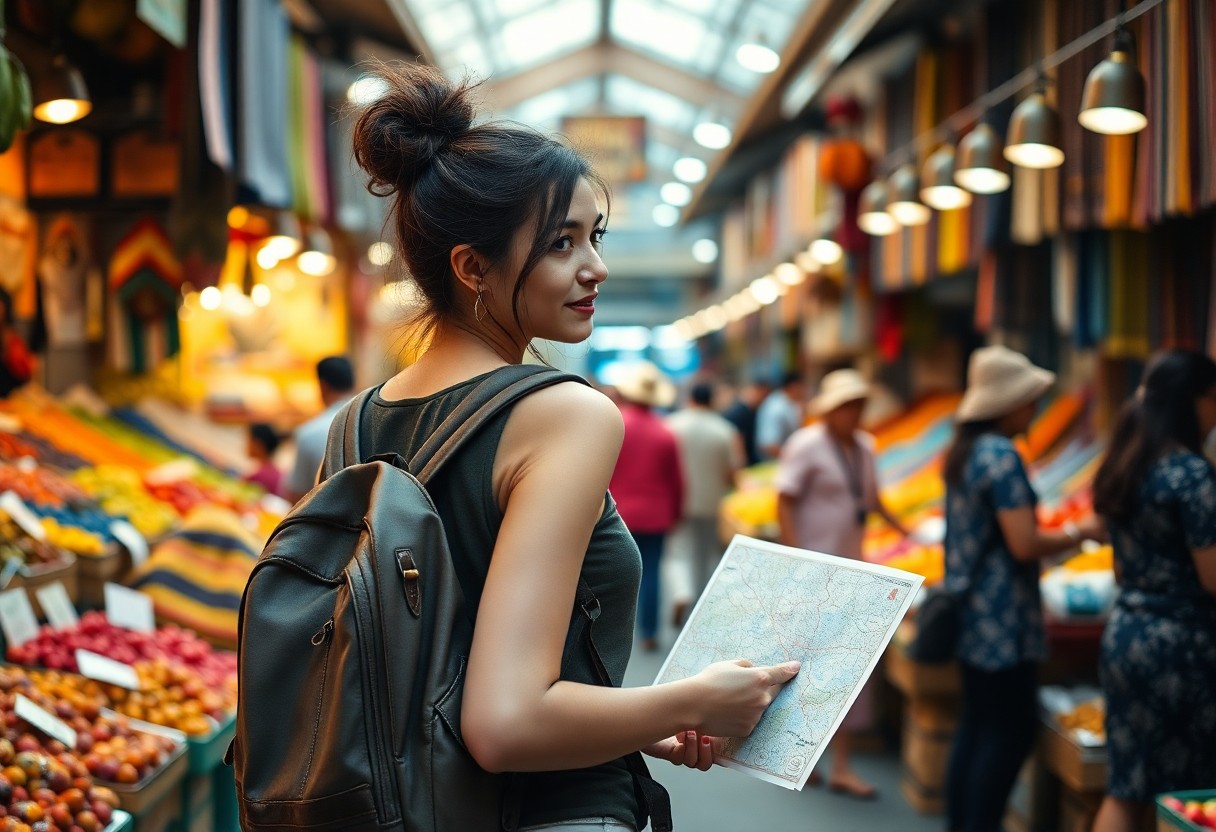
Safety is paramount when begining on a solo adventure as a female traveler. This comprehensive guide empowers you with 127 practical tips gathered from 47 countries, ensuring you navigate various destinations with confidence and security. You’ll discover strategies to enhance your safety, including how to blend in, secure your belongings, and communicate effectively. With these insights, you will be well-equipped to explore the world on your own terms while prioritizing your well-being.
Types of Solo Female Travel
| City Escapes | Adventure Travel |
| Cultural Immersions | Wellness Retreats |
| Road Trips | Volunteer Travel |
| Nature Getaways | Food Tours |
| Solo Cruising | Photography Trips |
- City escapes offer vibrant experiences in urban environments.
- Adventure travel includes thrilling activities like hiking and diving.
- Cultural immersions promote deep connections with local traditions.
- Wellness retreats focus on rejuvenation through yoga and meditation.
- Thou should explore various types of travel to enhance your experience.
City Escapes
City escapes are perfect for solo female travelers seeking excitement in urban landscapes. You can explore museums, dine at diverse restaurants, and enjoy local nightlife while staying in bustling neighborhoods. These trips often provide the opportunity to meet fellow travelers and locals alike, enriching your journey through vibrant city centers.
Adventure Travel
Adventure travel caters to those seeking thrilling experiences outside their comfort zones. You may find yourself zip-lining through rainforests, begining on guided treks, or even rock climbing, all while surrounded by breathtaking landscapes. It’s vital to pick destinations that offer these activities while ensuring your safety and preparedness.
For adventure travel, research your activities thoroughly and connect with reputable tour companies. Countries like New Zealand and Costa Rica provide incredible opportunities for thrill-seeking women. Prioritize safety gear and heed local guidelines for a memorable experience that pushes your limits.
Cultural Immersions
Cultural immersions allow you to engage deeply with a new culture, fostering authentic connections with local communities. You can learn cooking techniques, participate in festivals, or stay with host families, providing insight into daily life. These experiences significantly enhance your understanding of the place you are visiting.
Through cultural immersions, you not only gain knowledge but also build lasting relationships. Countries like Morocco and Peru offer rich cultural landscapes filled with art, music, and cuisine, inviting you to discover their unique heritage. Engaging in local customs and traditions gradually reveals the heart of a destination, making your travel experience unforgettable.
Essential Tips for Safety
Prioritizing your safety while traveling solo is necessary for a rewarding experience. Following a few critical steps can ensure your journey remains enjoyable and secure.
- Share your itinerary with someone trustworthy.
- Keep emergency contacts saved in your phone.
- Research local customs and laws.
- Invest in a portable charger for your devices.
- Trust your instincts when assessing situations.
This proactive approach to safety will significantly enhance your travel experience.
Pre-Travel Preparations
Before your trip, gather important documents, make copies, and store them separately. Organize local emergency contact numbers, your accommodation details, and visa requirements. Additionally, consider purchasing appropriate insurance that covers your activities. Familiarize yourself with local language basics to improve communication and boost confidence. Proper preparations help minimize risks and enhance your adventure.
Staying Aware and Alert
Staying aware and alert is a vital aspect of solo travel safety. Be mindful of your surroundings, particularly in crowded places or when using public transportation. Maintain eye contact with people you are interacting with and avoid distractions, such as checking your phone constantly. Keeping your personal belongings close and visible helps prevent theft. Trust your gut feelings; if something feels off, leave the situation.
Your awareness extends beyond the immediate environment. Engage with locals and fellow travelers who can offer valuable insights about the area. Adapting to regional differences in behavior and customs can improve your ability to assess risk. Use technology wisely; applications like city maps and safety apps can support your navigation and enhance your security. This vigilance allows you to fully embrace the adventures ahead while mitigating potential dangers.
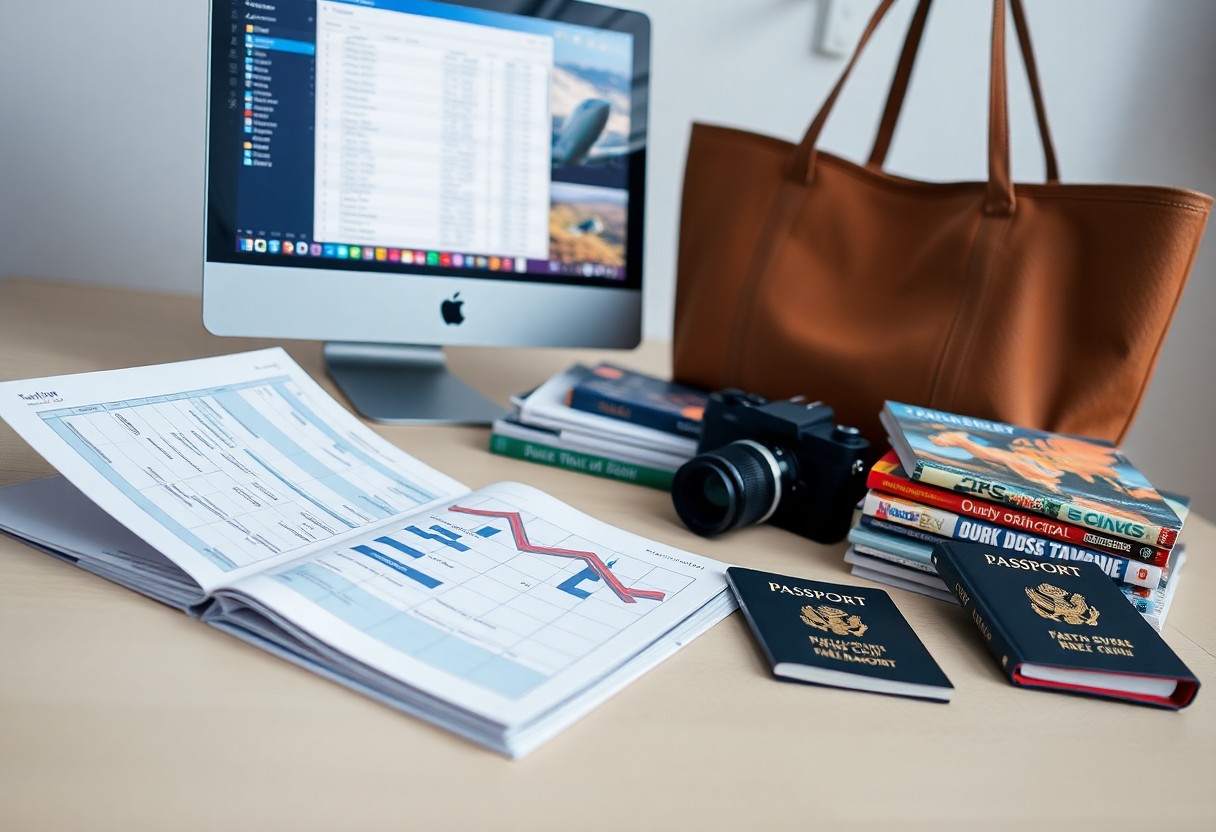
Step-by-Step Travel Planning
| Choosing Destinations | Evaluate your comfort level and interests to choose destinations that resonate personally while ensuring safety. Research travel advisories, local cultures, and crime rates to make informed choices. |
| Booking Accommodation | Select reliable accommodation that prioritizes safety, security, and positive reviews from other female travelers to enhance your experience. |
| Crafting an Itinerary | Design a flexible itinerary that includes key sites, downtime, and safety measures, enabling a balanced travel experience tailored to your interests. |
Choosing Destinations
When choosing destinations, focus on places known for their safety and welcoming nature towards solo female travelers. Look into the local culture, language, and available amenities to ensure a comfortable experience. Popular regions for solo female travelers include Scandinavia, Japan, and parts of Southeast Asia due to their low crime rates and supportive communities.
Booking Accommodation
Finding the right accommodation is vital for ensuring peace of mind during your travels. Opt for well-reviewed hotels, hostels, or Airbnb options with security features like 24-hour reception or secure entry. Consider staying in female-only dorms for added comfort and camaraderie.
Choosing your accommodation wisely can significantly impact your overall travel experience. Read reviews specifically from female travelers to gain insights into safety, cleanliness, and atmosphere. Look for amenities that enhance your sense of security, such as lockers for valuables, in-room safes, or properties in well-lit areas. Prioritize places that offer flexibility in booking, like free cancellations, allowing you adaptation if needed.
Crafting an Itinerary
Your itinerary should be a balanced mix of exploration and self-care, including sightseeing and downtime. Factor in local event schedules, transportation options, and personal safety to maximize enjoyment while minimizing risk. Stay open to spontaneous adventures!
While crafting your itinerary, detail each planned activity but allow flexibility for changes based on local insights or recommendations. It’s beneficial to map out your routes and public transport options in advance, which can reduce uncertainties and safeguard your timely arrival at destinations. Incorporate local traditions and events to enrich your experience, while ensuring adequate time for rest and safety checks throughout your journey.
Key Factors to Consider
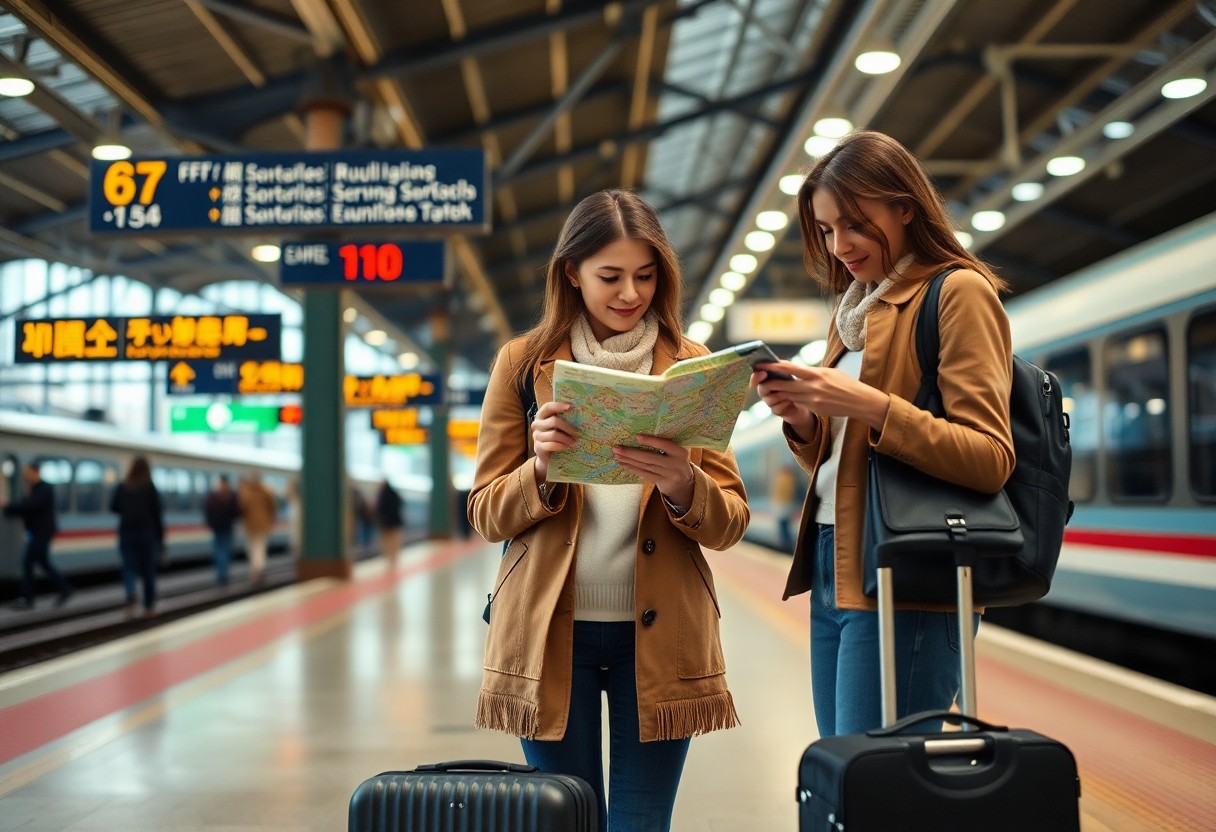
Your safety as a solo female traveler hinges on various factors. Prior research can greatly influence your experience. Focus on the following elements:
- Local laws and customs
- Transportation safety
- Communication strategies
The right knowledge can enhance your security and enjoyment.
Local Laws and Customs
Understanding local laws and customs is necessary to navigate different cultures respectfully. Each country has distinct norms that may impact your interactions, such as dress codes or public behavior. Being aware of these can prevent misunderstandings and help you blend in seamlessly with local communities.
Transportation Safety
Transportation safety is vital for solo female travelers. Opt for reputable transportation options, verify routes in advance, and avoid traveling during late hours. Always trust your instincts regarding drivers and vehicles, as familiarity with local transport systems helps you feel more secure.
When using public transportation, try to board in well-lit, busy areas. Keep your belongings secure and close to you, and avoid displays of valuables. Utilize app-based rideshare services where available, as they often provide tracking features, enabling you to share your ride details with friends or family.
Communication Strategies
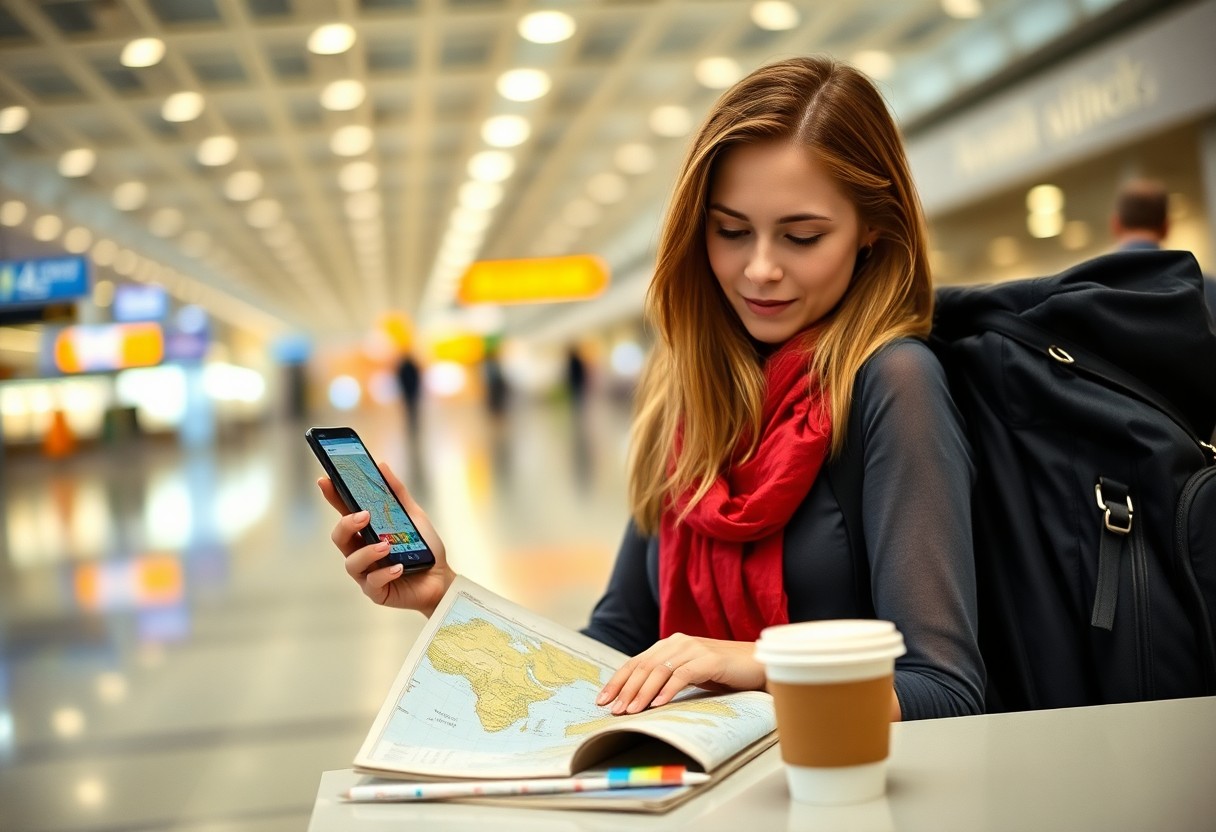
Effective communication strategies can enhance your safety on the road. Familiarizing yourself with basic phrases in the local language builds rapport and helps you navigate. Download translation apps or carry a phrasebook to bridge any language barriers that may arise during your travels.
Having a reliable means of communication is imperative. Ensure your phone is functional with local SIM cards or international plans. Inform someone close about your travel itinerary and check in regularly to maintain your connection and safety throughout your journey.
Pros and Cons of Solo Travel
| Pros | Cons |
|---|---|
| Independence in decision-making | Potential loneliness |
| Flexible itinerary | Higher safety risks |
| Self-discovery opportunities | Increased vigilance required |
| Easy to meet new people | Cost may be higher |
| Empowerment through travel experiences | Limited support network |
| Personal growth and confidence | Managing logistics alone |
| Choice of activities tailored to you | Can feel isolated in unfamiliar places |
| Opportunity to focus on interests | Potential cultural misunderstandings |
| Ability to set your own pace | Challenges with language barriers |
| Enhanced self-reliance | Greater responsibility for safety |
Advantages of Traveling Alone
Traveling alone gives you unmatched independence, allowing you to craft your own itinerary without compromise. You can explore personal interests, change plans on a whim, and immerse yourself completely in new experiences. Engaging with locals becomes easier, as solo travelers often attract interactions that deepen cultural understanding. Moreover, solo travel fosters personal growth, building confidence as you navigate different environments and face challenges on your own terms.
Potential Challenges
While solo travel offers significant advantages, it also comes with distinct challenges. Being alone can sometimes lead to feelings of isolation, especially in unfamiliar settings. Safety concerns may escalate, requiring increased vigilance in protecting yourself and your belongings. Additionally, logistical hurdles such as language barriers and navigating public transport may pose difficulties that are easier to manage with a travel companion.
These potential challenges demand proactive strategies to overcome. For instance, you can stay connected with family or friends via social media and update them about your whereabouts, helping to mitigate feelings of isolation. To address safety, take the time to research local customs, understand areas to avoid, and consider joining group tours or activities. This balance of independence and awareness can significantly enhance your solo travel experience while minimizing risks and discomforts.
Packing Essentials for Safety
Your packing list should include items that enhance your security while traveling alone. Prioritize versatile gear, like a travel backpack that can be locked and isn’t easily slashed. Include a small first-aid kit, a whistle, and a personal alarm to deter threats. Moreover, packing a portable charger ensures your devices stay powered, allowing you to stay connected and accessible in emergencies.
Safety Gear and Gadgets
Investing in reliable safety gear can bolster your confidence on the road. Tools such as pepper spray, safety scissors, and smart luggage tags, which allow you to track your bag in real time, increase your personal security. You might also consider a door alarm that alerts you to intrusions while you sleep, giving you peace of mind in unfamiliar accommodations.
Clothing and Personal Items
Your clothing choice goes beyond style; it serves as a protective measure while on your journey. Opt for clothing that offers pockets for valuables, allowing for discreet carrying rather than relying solely on bags. Fabrics should be breathable yet durable, to withstand various environments while keeping you comfortable. Additionally, incorporating items like scarves can provide versatility—they can serve as wraps, bags, or even emergency blankets.
Strategically selected clothing can also enhance your safety. When planning your outfits, consider wearing neutral colors that help you blend in, making you less of a target. Fabrics treated to be stain-resistant or quick-drying can be practical, reducing the need for excessive laundry during your travels. For personal items, safety-first choices such as a lightweight, anti-theft backpack, or money belts can protect your cash and documents while avoiding attracting attention. Ultimately, the right clothing and personal items help you feel secure and prepared for any situations that may arise.
To wrap up
As a reminder, prioritizing safety during your solo travels is vital for an enriching experience. By implementing the 127 tips gathered from 47 countries, you can navigate various challenges confidently and enjoy your adventures to the fullest. Always trust your instincts, stay informed about your surroundings, and connect with local resources. Your journey as a solo female traveler can be safe, rewarding, and empowering when you equip yourself with knowledge and awareness.