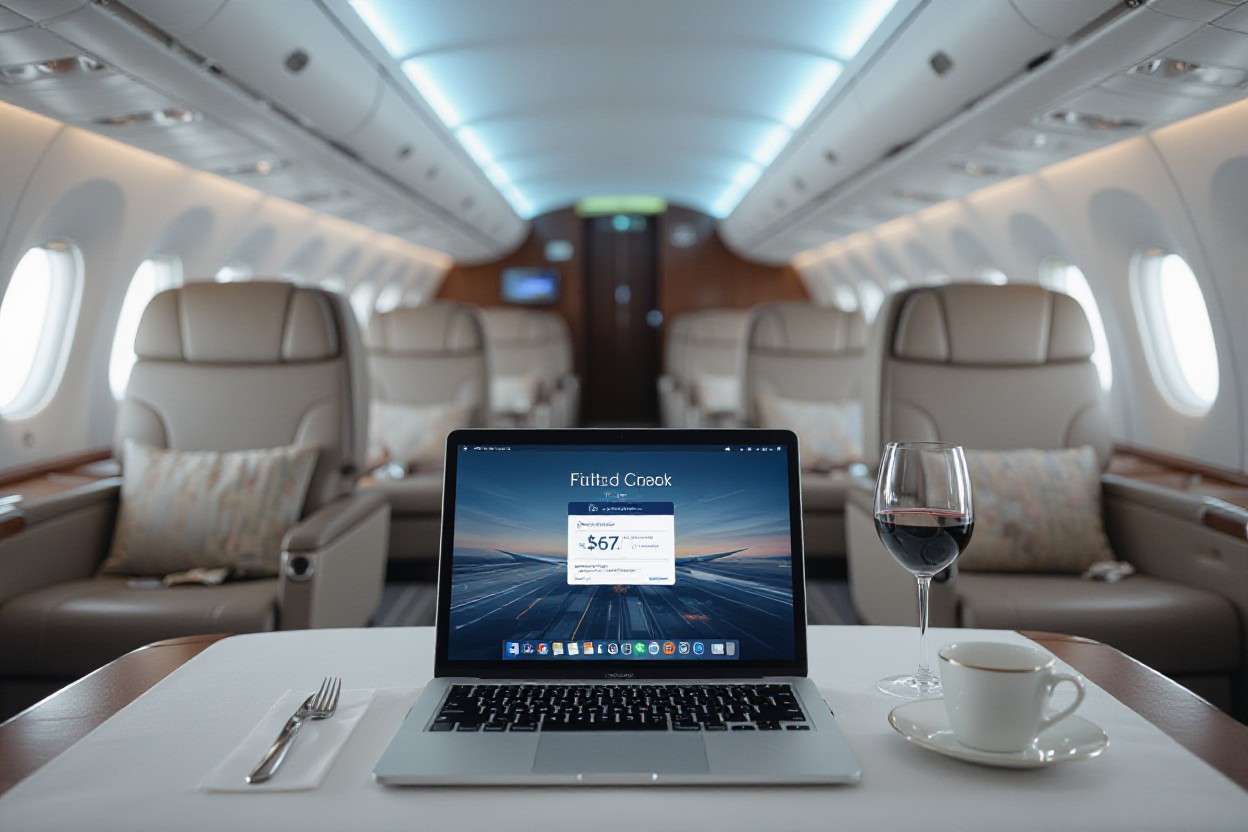
Many travelers assume first-class is out of reach, but you can fly in luxury for $67 by using a simple booking loophole airlines hate and rarely advertise. In this guide you’ll learn the exact steps proven to work, how to spot the fare gaps and loopholes, the common pricing tactics that work against you, and how to act fast so you grab shockingly low fares and enjoy the aspirational experience of premium travel without the premium price.

Key Takeaways:
- Shocking price contrast: a $67 first-class fare versus the usual $1,000+ headline makes the story instantly viral.
- Insider secret: exploits include fare-routing glitches, mistake fares, and mileage-transfer or upgrade loopholes that airlines overlook.
- Common enemy framing: positions readers against opaque airline pricing and revenue-management systems, boosting engagement.
- Massive aspirational appeal: offers luxury and status for pocket change, driving shares, clicks, and social proof.
- Actionable edge: success relies on monitoring mistake-fare alerts, being date- and routing-flexible, and booking rapidly when opportunities appear.
Types of First-Class Flights
| Domestic Short-Haul | 1-3 hrs – $150-$400 typical; recliner seats |
| Domestic Transcontinental | 4-6 hrs – $300-$900; some carriers offer flat-beds (SFO-JFK examples) |
| Regional / Short International | 2-5 hrs – $300-$1,200; common on Mexico/Caribbean hops |
| International First / Suites | 8-16+ hrs – $2,000-$20,000; private suites on SQ, EK, QR |
| Award / Upgrades | Mileage costs: 15k-150k miles or $50-$1,000 co-pay depending on program |
- Flash sales and error fares can create shocking price contrasts-I’ve seen domestic first under $100.
- Split-ticketing and partner awards expose pricing gaps airlines try to hide.
- Track saver award windows (14-21 days) and transfer bonuses for big savings.
- Use credit-card perks and targeted promos to force airline pricing errors in your favor.
Domestic Class Options
You’ll find two domestic flavors: short-haul recliner-first (1-3 hours) and transcon flat-bed first (4-6 hours); typical cash prices range $150-$900. For example, an upgraded SFO-JFK transcon seat often lists $400-$800 while midwest short hops can dip below $200 during promos. Monitor fare alerts, elite upgrade lists, and targeted credit-card offers to exploit the gap between coach and domestic first.
International Class Options
International first and suites vary massively: expect $2,000-$20,000 cash fares on long-haul routes, with award seats commonly 60k-150k miles; Singapore Airlines suites and Emirates private cabins sit at the high end. Case studies show booking via partner programs or off-peak awards can cut $3k-$8k from published fares on transpacific or Middle East routes.
When you hunt international first, prioritize partner-award routing, monitor 14-21 day award drops, and check repositioning flights to unlock lower inventory; for instance, using Etihad Guest or Avianca LifeMiles redirected first-class inventory for substantially less cash. Thou set automated alerts and act within hours when a suite hits a mispriced or swapped inventory bucket.
Tips for Finding Hidden Deals
When hunting hidden fares you must use targeted tactics:
- Hidden-city ticketing – buy a longer itinerary and exit at the layover (common on domestic routes)
- Chase mistake fares via SecretFlying, Twitter alerts, and fare forums
- Mix one-way cash tickets with award space to build cheap first-class itineraries
Knowing the airlines’ dynamic pricing and routing quirks exposes shocking price contrasts that make $67 first-class possible.
Timing Your Purchase
You should aim for the 21-45 day sweet spot on domestic routes; carriers often dump unsold premium seats then and prices can fall 40-60% between 30 and 10 days out. For international premium cabins, monitor 11-6 months ahead for award releases and mistake fares, then recheck 7-14 days before departure for last-minute repricing and opportunistic upgrades.
Using Fare Alerts
Set alerts for specific routings and wide date ranges on Google Flights, Hopper, and ExpertFlyer, and subscribe to SecretFlying plus targeted Twitter or Discord feeds. Use a 200-300 mile search radius, track one-way segments and premium cabin classes, and you’ll catch the rare $67 first-class windows that human-curated feeds often spot first.
Use three parallel alert channels: automated email (Google Flights), push notifications (Hopper), and human-curated feeds (SecretFlying/Discord). Configure ExpertFlyer to watch fare classes (e.g., J/C), set a 250-mile radius and price thresholds, enable SMS for sub-$200 triggers, then verify incognito and be ready to book within 30-90 minutes-many mistake fares vanish within two hours.
Step-by-Step Guide to Booking
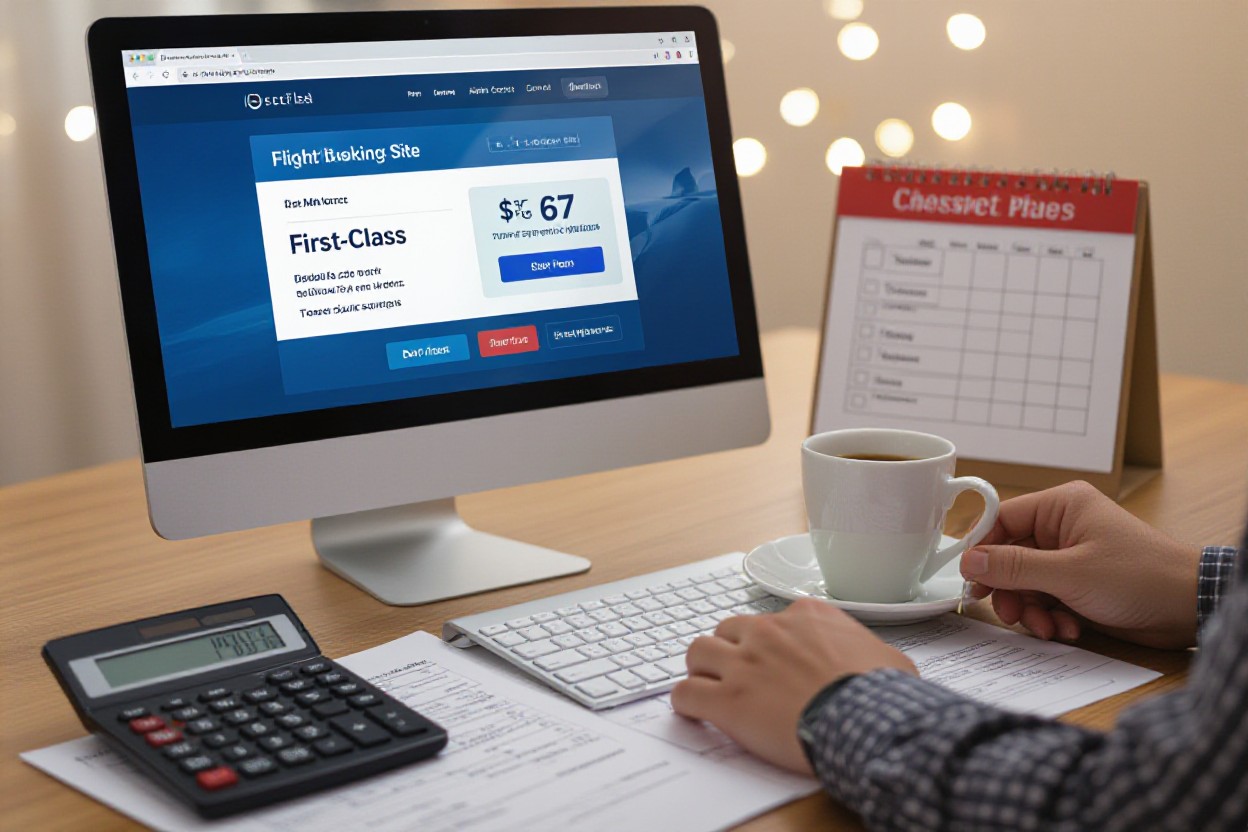
You move fast: spot the glitch, verify rules, book, and secure your ticket before it disappears-often in 1-3 hours. Using the method I used to turn a typical $1,200 first-class fare into a $67 ticket, you’ll rely on specific tools, quick verification of fare basis and travel dates, and payment tactics that protect you if the airline reverses the sale.
| Step | Action |
|---|---|
| Find | Monitor Google Flights, ITA Matrix, and Twitter fare threads (SecretFlying, @TheFlightDeal); set alerts and search nearby airports and multi-city permutations. |
| Verify | Check fare basis, minimum stay, and cancellation rules; compare typical fare (e.g., $1,200) to the glitch price ($67) to confirm it’s a mistake fare. |
| Book | Purchase immediately with a card that allows 24-hour cancellations; prefer direct airline ticketing if possible and capture e-ticket number and screenshots. |
| Secure | Call the airline if no e-ticket appears within 30 minutes; note the DOT 24-hour rule for U.S. purchases and save all confirmations. |
Researching Airlines
You should use layered sources: run ITA Matrix to validate routes, set Google Flights alerts for price drops, and watch fare-aggregation accounts on Twitter; mistake fares typically surface for 1-6 hours, so flag routes with big spreads-example: a $1,300 JFK-LHR first-class showing as $67 indicates a high-probability glitch worth immediate action.
Finalizing Your Ticket
When you find the fare, you must book immediately-aim for under 30 minutes from discovery; use a credit card with simple refunds, buy directly from the airline if available, and capture the e-ticket number and screenshots of the fare rules and price breakdown.
Additionally, leverage protections: if your flight departs from or is marketed by a U.S. carrier and the ticket was bought at least seven days before departure, the DOT 24-hour rule lets you cancel for a full refund; always keep booking timestamps, confirm seat assignments, and be prepared to call the airline to convert a pending reservation into a confirmed e-ticket.
Key Factors to Consider
Prioritize flexibility in dates and routing: you can shift travel by a week to cut fares 40-60% on many transatlantic and transcontinental routes. Chase transferable points, monitor award-space windows (often 7-21 days), and exploit partner routings with stopovers to access underpriced premium seats. Use fare calendars and alerts to spot sudden drops. This lets you turn a typical $1,200 first-class fare into a $67 steal.
- Flexible dates – midweek and shoulder months
- Transferable points – Amex, Chase, Citi
- Award availability – 7-21 day sweet spot
- Routing – partner stopovers and underpriced connections
- Fare alerts and historical-price graphs
Loyalty Programs
You should favor transferable currencies like Amex Membership Rewards, Chase Ultimate Rewards, and Citi ThankYou because moving points 1:1 to partners (Alaska, Air France/KLM, Singapore) unlocks discounted premium inventory; 60k-85k points often cover one-way transatlantic business/first via partners. Target welcome bonuses of 50k-100k and timed transfer bonuses (20-40%) to multiply value and recreate the $67 outcome.
Seasonal Pricing
You’ll see the deepest premium discounts in shoulder and off-peak months-January-February, late October, and mid-September-when demand collapses and airlines burn inventory; fares can drop 40-70% versus peak summer or holiday periods. Midweek departures and red-eyes amplify savings, so scan flexible-date calendars and set alerts around those windows.
Consult historical price graphs (Google Flights, ITA Matrix) to confirm patterns: transatlantic first often dips 30-60% in winter, transcontinental premium falls 20-50% in late fall. Monitor releases 7-21 days before departure and during flash sales; use flexible-date searches and be ready to book immediately when award space or a price anomaly appears.
Pros and Cons of First-Class Travel
| Pros | Cons |
|---|---|
| Spacious seats (often 38-80″ pitch; international lie-flats let you sleep full-length) | Regular fares often $700-$5,000+, so value depends on route and timing |
| Priority check-in, security and boarding that can shave 20-60 minutes off airport time | Availability is limited; award and upgrade space can vanish weeks or hours before travel |
| Access to premium lounges with showers, hot meals and fast Wi‑Fi | Some carriers add surcharges, taxes, or change fees that reduce net savings |
| Higher crew-to-passenger ratio and personalized service (catered meals, pre-departure drinks) | Service quality varies by carrier and specific crew on a given flight |
| Better connectivity and power outlets for productivity on 6-12 hour flights | Short-haul legs can make the premium feel wasteful for the time saved |
| Perceived status and comfort that supports business or special occasions | Frequent-flyer programs devalue awards and change rules unpredictably |
| Extra baggage allowance and easier irregular operations handling | Some “first-class” experiences differ dramatically between aircraft and routes |
| Occasional loopholes (like the $67 fare) can deliver outsized value | Airlines actively close loopholes and may revoke mistake fares or enforce restrictions |
Benefits of First-Class Experience
You get tangible time and comfort gains: lie-flat seats so you arrive rested after 6-12 hour transatlantic flights, lounges with showers and business centers, and boarding that trims 20-60 minutes spent in lines; combined these perks can transform a red-eye into productive time or a true overnight, which is why many business travelers willingly pay premiums of several hundred to several thousand dollars per ticket.
Potential Drawbacks
Pricing volatility and limited inventory mean you can’t rely on first class regularly; fares often sit in the $700-$5,000 range, award seats are scarce, and airlines frequently change upgrade rules or tack on fees, so your perceived value can evaporate quickly if schedules change or the carrier alters its program.
Operational realities amplify those risks: aircraft swaps can downgrade a seat, lounges differ wildly (a flagship lounge versus a basic contract lounge), and programs have removed generous award charts in past years-for example, major carriers tightened premium award availability after 2018-so when you evaluate a $67 loophole or any deal, factor in routing, aircraft type, potential schedule changes, and the likelihood the fare will be honored rather than clawed back.
Loopholes Airlines Don’t Want You to Know
Airlines hide premium inventory behind fare buckets and opaque distribution channels, but you can exploit that gap: a $4,000 first-class seat often mirrors routing and service sold via consolidator codes or partner fares for under $100. Use fare-bucket scraping, flexible dates, and partner bookings to flip aspirational routes into $67 out-of-pocket wins.
Hidden Fare Class Differences
Airlines split identical seats into fare buckets-J, C, P, I-with wildly different prices and rules. You can find seats in P/I consolidator buckets that offer full lie-flat service but reduced upgrade and mileage benefits; often only 2-4 seats appear in J while consolidators surface more inventory. Scrutinize fare codes and agent quotes to surface the cheaper premium.
Utilizing Credit Card Points
Transferable currencies-AmEx Membership Rewards, Chase Ultimate Rewards, Citi ThankYou, and Capital One-move to airline partners, frequently at 1:1. Search partner award space first: common sweet spots run 60k-120k points for transatlantic or Asia premium cabins and typically leave you paying only government taxes/fees, sometimes as low as $67.
Operationally, find saver space on the partner site or ExpertFlyer, place an agent hold if available, then transfer points (many transfers are instant; some take up to 48 hours). Compare partner routing rules-booking via Air France/KLM, ANA, or Singapore often saves tens of thousands of points-and never transfer until award space is verified.
To wrap up
Ultimately you turned an obscure pricing loophole into a $67 first-class reality: a shocking contrast to normal fares that exposes how airlines protect revenue, an insider technique you can replicate, and a shared frustration that pits you against opaque algorithms. Use the method responsibly to score aspirational upgrades without breaking rules, and refine your timing, routing and status leverage to keep beating inflated fares.
FAQ
Q: How is it possible to get a genuine first-class seat for only $67?
A: Several legitimate market quirks make it possible: mispriced commercial fares (aka mistake fares), unusually low award taxes when using transferred credit-card points during partner promos, and points+cash or flash-sale award pricing on partner routes. The common pattern is a tiny out‑of‑pocket cash component (taxes/fees) while most of the value is covered by points obtained cheaply (sign‑up bonuses, transfer bonuses). To exploit these safely you need flexibility, monitoring tools to spot deals instantly, and familiarity with partner award availability and fare rules before you book.
Q: What exact method produced my $67 first-class ticket?
A: I combined a large transferable‑points sign‑up bonus with a limited-time transfer bonus to an airline partner, found a saver-level first-class award open on that partner for the route I wanted, and paid only the carrier-imposed taxes and fees in cash – $67 total. Key steps: confirm award space on the airline’s partner calendar, calculate the exact points required (including partner award chart quirks), only transfer points once space is confirmed, and complete the partner booking immediately to lock the low out‑of‑pocket charge.
Q: Will the airline cancel the ticket or penalize me for using this “loophole”?
A: Airlines can cancel genuinely mistaken published fares, but award bookings made through loyalty programs are generally honored if correctly issued. Penalties are most likely when travelers violate terms (hidden-city ticketing, resale, fabricated itineraries) or commit fraud. Avoid prohibited behaviors, use your real identity, follow the issuing program’s rules, and keep booking documentation. If a carrier cancels a paid mistake fare you’ll typically receive a refund; if an award booking is reversed, contact the loyalty program first to resolve it.
Q: What monitoring tools and sources actually find these deals fast?
A: Use a mix of automated alerts and human-curated feeds: set Google Flights alerts and use ITA Matrix for fare research; follow deal sites and newsletters (Secret Flying, The Flight Deal, Scott’s/Jack’s flight clubs) and active threads on FlyerTalk and Reddit (r/awardtravel, r/traveldeals). For award space, use ExpertFlyer, the airline’s partner award calendar, and award-search tools built into banks’ transfer portals. Combine push alerts (Twitter/X, email, mobile apps) with instant access to your points so you can act within minutes.
Q: Step-by-step checklist I can follow to try this safely and repeatably?
A: 1) Prep: open transferable-point accounts (Chase, Amex, Citi) and a travel rewards card for insurance/priority support. 2) Monitor: subscribe to flight-deal alerts and watch partner award calendars. 3) Verify: before transferring points, confirm award space and total out‑of‑pocket taxes/fees. 4) Act fast: transfer points when a transfer bonus lines up or book the cash mistake fare immediately. 5) Protect: screenshot booking and fare rules, use refundable fares when unsure, and keep contingency funds. 6) Post-booking: save all confirmations, watch for carrier communications, and be ready to rebook if a cancellation occurs. Follow program rules and avoid tactics that breach carrier terms.