

It’s vital to evaluate your options when planning family travel, especially when choosing between road trips and flying. Each mode of transportation offers distinct advantages and inconveniences that can significantly impact your journey. From flexibility in stops and packing to time efficiency and cost considerations, understanding the benefits of both methods allows you to make informed decisions that best suit your family’s needs. In this post, you’ll discover the key factors to consider for a more convenient travel experience.
Key Takeaways:
- Road trips offer flexible scheduling, allowing for spontaneous stops and detours.
- Flying generally reduces travel time, especially for long distances.
- Road trips can be more cost-effective for families, avoiding airline fees and baggage costs.
- Family bonding is enhanced during road trips with shared experiences and activities.
- Air travel may be more comfortable for longer journeys, with less time spent in transit.
The Convenience Factor: Road Trips Unpacked
Road trips offer unparalleled convenience for families, enabling you to tailor your travel experience to fit your specific needs. With no strict schedules, you can choose when and where to stop, allowing for meals at beloved diners or unplanned visits to scenic overlooks. Packing your vehicle with personal belongings eliminates the hassle of airport security and baggage fees, creating a relaxed travel environment that can enhance the overall experience for every family member.
Freedom of Movement and Flexibility
On a road trip, you dictate your itinerary, making it easy to adapt plans as desired. Want to linger a bit longer at a quirky roadside attraction? Go for it! If the kids need a break, simply pull over for a picnic or a quick game at a nearby park. This flexibility empowers families to create lasting memories, enjoying unexpected moments along the way. You and your family have the freedom to explore and discover at your own pace.
Comfort and Familiarity for Families
Familiar environments significantly enhance the comfort level for everyone in your family during travel. Road trips allow you to bring your own snacks, favorite pillows, and entertainment options, reducing anxiety associated with unfamiliar settings. Familiar scents, sounds, and comforts help keep children relaxed and content. Having the freedom to set your own environment can transform tedious hours on the road into enjoyable bonding experiences as you listen to your favorite playlists or share stories.
Traveling in your own vehicle means you can customize your space to your liking. This includes packing familiar snacks that cater to dietary preferences, playing games the family enjoys, or even adjusting the seating arrangements for optimal comfort. Children tend to feel more secure when surrounded by their belongings, whether it’s their favorite toys or blankets, creating a cozy atmosphere that makes the journey just as enjoyable as the destination. Plus, being able to pull over whenever necessary means you’ll have the chance to stop for breaks according to each family member’s needs, ensuring everyone feels comfortable throughout the trip.
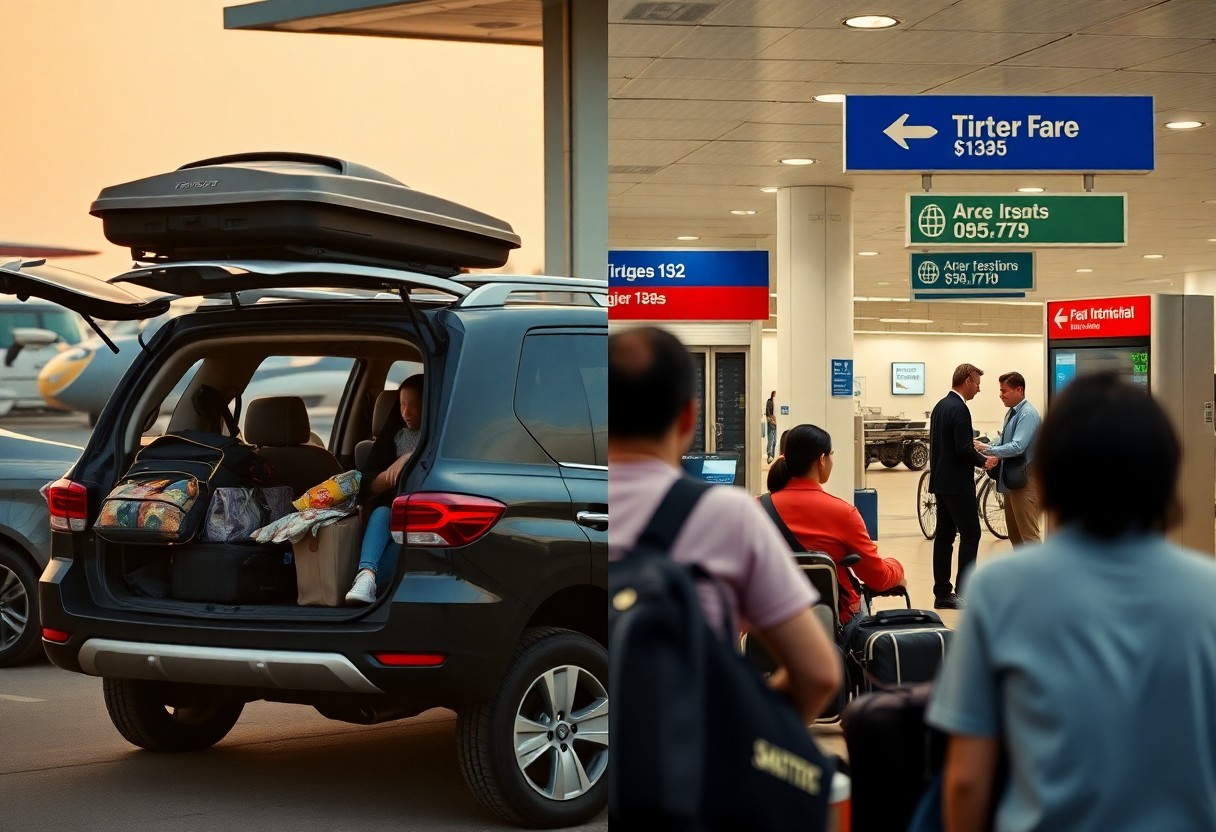
The Cost-Conscious Choice: Analyzing Expenses
Cost significantly influences the travel choice between road trips and flying. While air travel seems quick, hidden costs can add up, making road trips financially appealing. Evaluating your budget not only encompasses ticket prices but also ancillary expenses, such as baggage fees and meals, that can weigh heavily on your total travel budget.
Hidden Costs of Flying
Flying often comes with unexpected expenses that can inflate your trip budget. Beyond ticket fees, include costs for checked baggage, in-flight meals, and potential transportation to and from the airport. Remember also to factor in airport parking fees or rideshares, which can quickly add another layer to your overall travel costs.
Budgeting for Your Road Trip: Fuel, Food, and Accommodation
Budgeting for a road trip involves assessing expenses like fuel, food, and accommodation. Fuel costs will vary based on your vehicle’s efficiency and the distance traveled. Planning meals ahead of time can save money and allow for healthier eating options. Accommodation options range from campgrounds to hotels, providing flexibility based on your family’s preferences and budget.
Calculating fuel expenses starts with knowing your vehicle’s mileage and the total distance of your trip. For example, if you drive 1,000 miles at 25 miles per gallon, you’ll need approximately 40 gallons of gas. At an average cost of $3.50 per gallon, that totals around $140 just for fuel. Food costs can be minimized by packing snacks and enjoying picnics, rather than dining out. For accommodations, explore a mix of budget hotels, vacation rentals, or campsites, often allowing for significant savings compared to staying at expensive hotel chains.

A Family-Friendly Experience: Entertainment & Activities
Family road trips offer unique opportunities for entertainment and activities, making the journey just as enjoyable as the destination. With the freedom to stop where and when you like, you can transform long drives into fun-filled adventures. Engaging the whole family in activities fosters connections, ensues laughter, and creates memories that outlast any destination.
Engaging the Kids: Road Games and Stops
Keeping kids entertained during long stretches of road can be easily achieved with classic road games like “I Spy” or the “License Plate Game.” Strategic stops at quirky roadside attractions, parks, or local diners add excitement and allow for exploration, making the journey part of the adventure. You can also prepare a playlist with family favorites or audiobooks to heighten engagement along the way.
Exploring Scenery: Creating Lasting Memories
Connecting with nature during your road trip enhances family bonding through shared experiences. Scenic drives can lead you to amazing lookout points, national parks, or serene lakes where you can stop for photos or a picnic. The time spent exploring unfamiliar places not only enriches your journey but also offers your family stories to share for years to come.
Incorporating scenic exploration into your road trip allows for unexpected discoveries. For instance, taking a detour through a national park can unveil breathtaking landscapes, where you might spot wildlife or hike picturesque trails. Plan stops at breathtaking viewpoints and engage in activities like hiking or birdwatching. These moments foster learning and gratitude for nature, making your family trip memorable both for the sights seen and the time shared together.
Safety and Health Considerations: Road Trips vs Flying
Both road trips and flying entail specific safety and health considerations that can influence your travel decision. On the road, you have more control over your vehicle’s condition, while flying ensures compliance with strict aviation safety regulations. Analyzing these aspects can guide you in selecting the safest option for your family.
Travel Safety: Vehicle Maintenance versus Aircraft Regulations
Your vehicle’s maintenance directly affects road trip safety. Regular checks on brakes, tires, and fluid levels can prevent breakdowns, ensuring a secure journey. In contrast, airline safety is governed by rigorous regulations that include mandatory inspections and pilot certifications, creating a highly controlled flying environment.
Health Measures: Road Trip Hygiene and Airport Protocols
Health protocols differ significantly between road trips and flying. During road trips, maintaining hygiene is straightforward—utilize hand sanitizer, pack disinfecting wipes, and take restroom breaks at clean facilities. In airports, adherence to strict health protocols, including mask-wearing and social distancing, safeguards not only your family but other travelers too.
For a road trip, implementing hygiene measures can be as simple as carrying plenty of hand sanitizer and disinfecting wipes to clean surfaces before and after use. In airports, safety protocols are often enforced, including temperature checks and restrictions on carry-on items, which require you to plan ahead for compliance. Each mode has its own health considerations, so assessing your comfort level with each can help promote your family’s well-being while traveling.
Eco-Friendly Considerations: Emissions and Sustainable Choices
Balancing your family travel plans with eco-friendly considerations is important in today’s environmentally conscious world. Evaluating emissions produced during travel can guide you toward sustainable choices that minimize your carbon footprint while creating lasting memories. Both road trips and flights have their environmental impacts, and understanding these differences can enhance your decision-making process while benefiting the planet.
Carbon Footprint Comparison: Cars vs Planes
Emissions Comparison
| Transportation Mode | Average CO2 Emissions (per passenger, per mile) |
|---|---|
| Car (Gasoline) | 0.4 kg |
| Car (Hybrid) | 0.2 kg |
| Airplane | 0.25 kg |
Choosing Sustainable Options for Family Travel
Selecting sustainable options when planning family travel involves more than just assessing transportation. You can minimize your environmental impact by opting for electric or hybrid vehicles for road trips, but also consider accommodations that adhere to eco-friendly practices. Choosing local attractions that promote sustainability, dining at farm-to-table restaurants, and supporting businesses that prioritize green initiatives can bolster your efforts toward responsible travel.
Various tools and resources are available to help you make the most eco-conscious decisions. Websites like EcoPassenger allow you to compare the environmental impact of different travel modes. Additionally, consider carpooling or traveling with other families to share the impact of road trips. Being mindful of your habits, such as reducing plastic use and properly disposing of waste, contributes significantly to enhancing your family’s travel footprint. Adopting these practices not only enriches your travel experience but also sets a precedent for your children about sustainable living and environmental stewardship.
To wrap up
Presently, choosing between road trips and flying for family travel hinges on your priorities regarding convenience and experience. Road trips offer flexibility and the opportunity to bond with your family during the journey, while flying can save time and energy, especially for longer distances. Evaluate your family’s needs, including travel duration, comfort, and budget, to determine the best option that aligns with your preferences. Each method has its merits, and your decision should enhance your overall travel experience.
FAQ
Q: What are the main advantages of road trips for family travel?
A: Road trips offer flexibility in scheduling, the ability to explore multiple destinations, and the convenience of packing more belongings without extra fees.
Q: How does flying compare in terms of travel time for families?
A: Flying is generally faster for long distances, allowing families to reach their destination quickly, but additional time may be needed for check-in and security processes.
Q: What are the costs associated with road trips versus flying?
A: Road trips involve fuel, lodging, and food expenses, while flying includes airfare, baggage fees, and transportation at the destination. Depending on the distance, one option may be more economical than the other.
Q: Which option provides more comfort for traveling with children?
A: Road trips tend to be more comfortable for families with children since they allow for breaks, snacks, and the ability to adjust the travel environment to suit family needs.
Q: How do road trips and flying impact family bonding during travel?
A: Road trips can enhance family bonding through shared experiences and conversations during the journey, while flying may limit interaction due to the confined space and shorter travel time.



One thought on “Road Trips vs Flying for Family Travel with Convenience”
Comments are closed.