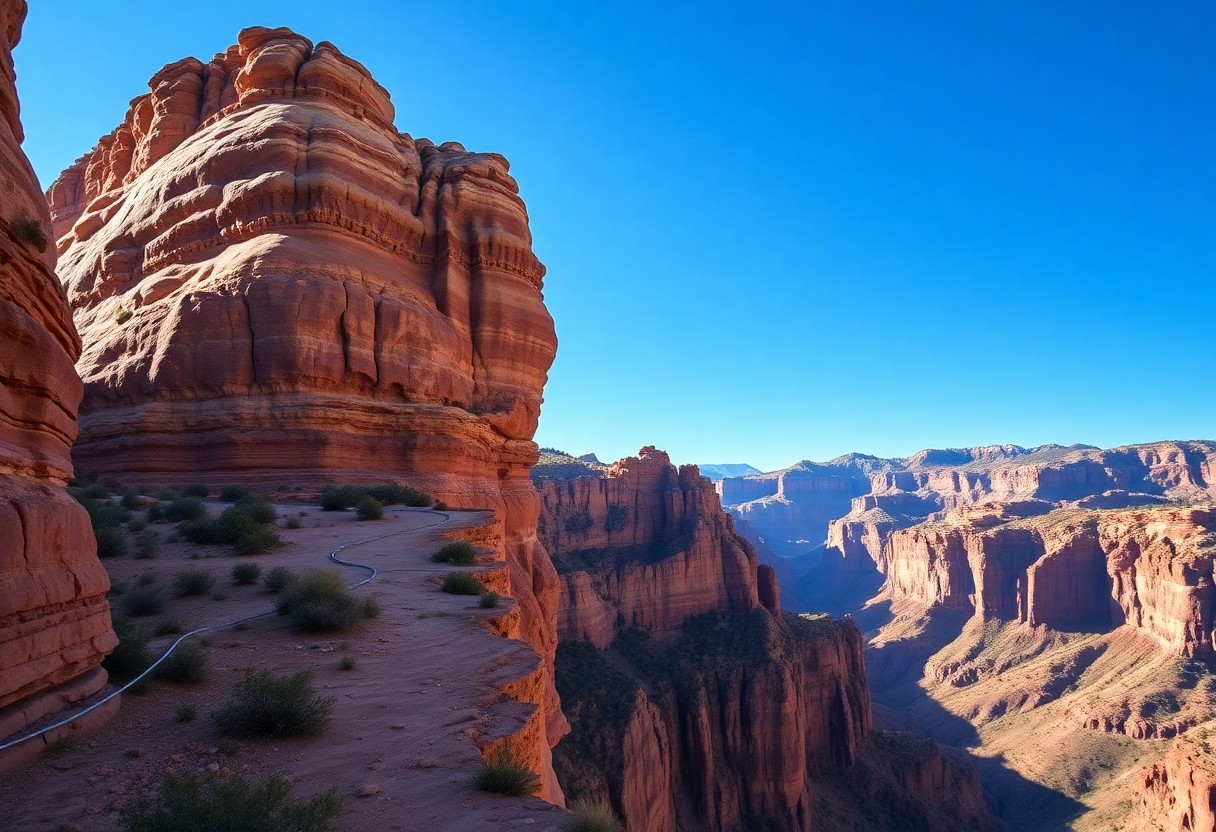
It’s easy to see why Zion National Park captivates adventurers and nature lovers alike with its stunning landscapes and unique geological formations and must be the Most Shareable Spots in Zion National Park. When you explore Zion, you’ll discover iconic locations perfect for capturing photos that wow your friends and followers. From towering sandstone cliffs to serene canyon trails, your journey through Zion offers a blend of rugged beauty and unforgettable views. This guide will highlight the most shareable spots that showcase Zion’s extraordinary charm and help you make the most of your visit to this remarkable wilderness.
Key Takeaways:
- Zion National Park offers a unique blend of rugged landscapes and stunning vistas that make for highly shareable photographs.
- Iconic locations such as Angels Landing, The Narrows, and Observation Point are popular spots known for their breathtaking views.
- Timing visits during sunrise or sunset can enhance the natural beauty and lighting, making photos more dramatic and vibrant.
- Exploring less-traveled trails can also reveal remarkable scenery that provides a fresh perspective of the park away from the crowds.
- Proper preparation, including checking weather conditions and carrying necessary gear, is crucial for safely enjoying and capturing these rugged locations.
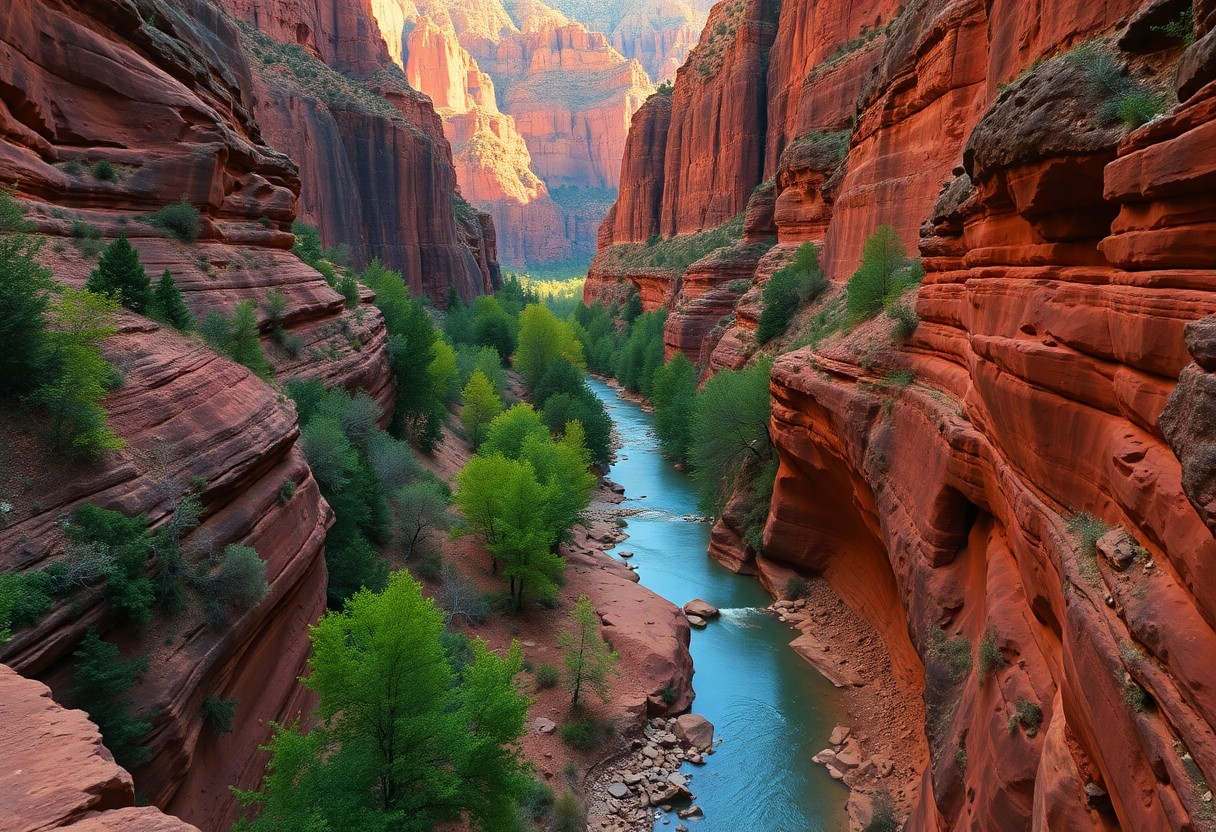
Here is a summary table of the most shareable spots and key photography tips in Zion National Park based on the content from the page:
| Spot / Topic | Description & Highlights | Photography Tips & Notes |
|---|---|---|
| Angels Landing | Narrow spine trail 1,488 ft above Zion Canyon with steep drop-offs; offers thrilling panoramic views. | Capture tension and triumph; best during sunrise/sunset for dramatic lighting; requires courage and timing. |
| The Narrows | Narrow gorge with flowing Virgin River and towering canyon walls creating dynamic water and rock contrasts. | Use long exposures to blur water flow; scout for reflective pools; light filters through canyon ceiling. |
| Observation Point | Higher and less crowded than Angels Landing; offers sweeping aerial views of Zion Canyon and Angels Landing. | Wide-angle shots recommended; shoot early morning/late afternoon for depth and texture; include foreground. |
| Golden Hours (Sunrise/Sunset) | Soft, angled light bathes sandstone walls in warm hues enhancing colors, shadows, and textures. | Arrive 30 minutes early; avoid midday light; spring and fall best for consistent conditions; check weather. |
| Seasonal Lighting Effects | Light quality shifts seasonally: softer shadows in fall, vibrant glow in spring, snow in winter, lush greenery in summer. | Align visit with seasonal moods for varied color palettes and atmosphere. |
| Color Palette & Psychology | Reds and oranges evoke warmth and adventure; contrast with greens and blues to enhance vibrancy. | Use polarizing filters, adjust white balance, experiment with exposure bracketing; shoot overcast for subtle tones. |
| Adventure Photography | Capture climbers and canyoneers in action; emphasizes energy and scale against rugged backdrops. | Use burst mode, telephoto lens, waterproof gear; shoot from dynamic angles; use natural light for depth. |
| Ethical Photography | Respect environment by staying on trails, avoiding wildlife disturbance, minimizing group size, and leaving no trace. | Prioritize safety, check weather, carry gear responsibly; preserve Zion’s natural beauty for future visitors. |
Key shareable locations and photographic strategies to capture the rugged beauty and unique character of Zion National Park while promoting responsible and safe exploration1.
Iconic Vistas Worth Capturing
Your photographic journey through Zion wouldn’t be complete without these iconic viewpoints that define the park’s rugged beauty. Each spot offers a unique perspective—from dizzying heights to intimate encounters with nature’s raw elements—ensuring your collection of images tells a story as compelling as Zion itself. Embrace the challenge and reward of capturing these stunning scenes that have become favorites among adventurers and photographers alike.
Angels Landing: The Ultimate Thrill Shot
Angels Landing demands not only courage but also timing and technique to nail the perfect shot. Perched 1,488 feet above Zion Canyon, the narrow spine trail with steep drop-offs unfolds breathtaking panoramas. Your photos here catch the tension and triumph of the ascent, blending adrenaline and awe in every frame—ideal for those dramatic, share-worthy images that convey both scale and spirit.
The Narrows: Water and Walls in Perfect Harmony
The Narrows offers a vivid contrast between the flowing Virgin River and towering canyon walls, creating dynamic compositions with reflective water surfaces and textured rock faces. Moving through this narrow gorge, your photos capture the interaction between elemental forces, highlighting the park’s geological drama from a perspective that few trails provide.
Wading upstream in The Narrows immerses you in an ever-changing landscape where light filters through the canyon ceiling, casting ethereal glows on the river’s surface. Scouting for vantage points where water pools mimic the sky expands your creative options. Don’t hesitate to experiment with long exposure techniques here—subtle blurs of the flowing river can enhance the sense of movement while sharp canyon contours anchor your composition.
Observation Point: A Sky-High Perspective
From Observation Point, you get a sweeping view that surpasses many others in the park, looking down on Angels Landing and the vast canyon floor below. This vantage spot offers a grand, almost aerial perspective, perfect for wide-angle shots that showcase Zion’s immense scale and layered landscapes, compelling you to convey the park’s grandeur in a single frame.
The trail to Observation Point, longer and more demanding than Angels Landing, rewards you with less crowded viewpoints and expansive scenes that broaden your photographic narrative. Use early morning or late afternoon light to emphasize depth and shadow across the cliffs, enhancing the textures and colors that define Zion’s rugged character. Incorporate foreground elements like indigenous flora to add a sense of place to your panoramic captures.
Golden Hours in the Canyon
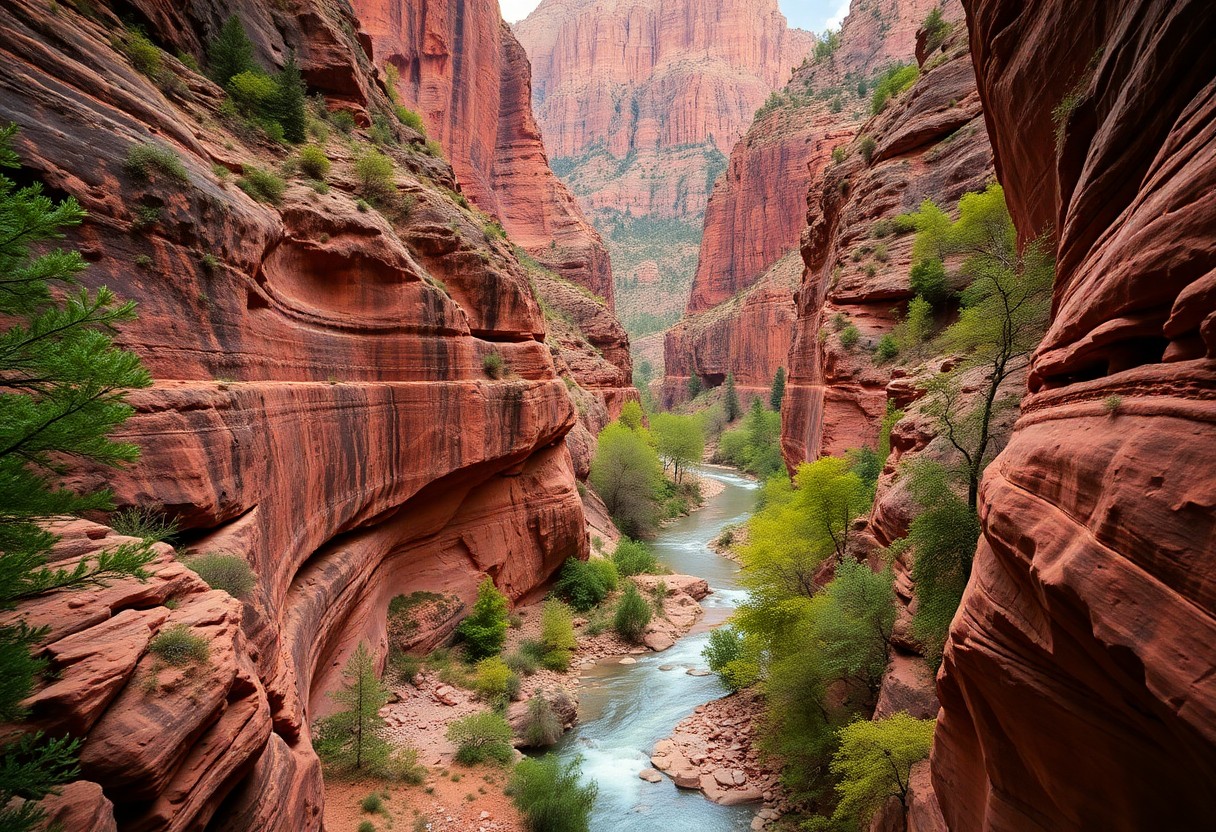
The canyon transforms spectacularly during the early morning and late afternoon golden hours, when sunlight bathes the sandstone walls in warm, radiant hues. This soft, angled light dramatically enhances colors, shadows, and textures, creating an ethereal quality that standard daylight can rarely capture. Head to spots like Angel’s Landing or Observation Point as the sun rises or sets to witness these peaks and cliffs glowing with deep oranges and reds, perfect for photos that immediately stop social media scrolls and elevate your Zion experience.
Timing Your Visits for Dramatic Light
Aim to arrive at your chosen viewpoint about 30 minutes before sunrise or sunset to position yourself for the changing light. The brief windows of golden hour shift throughout the year, so check sunrise and sunset times ahead, along with weather conditions. Clear mornings often yield the richest, most vibrant rock colors, while a few clouds can add depth and drama to your shots. Avoid midday visits if vibrant contrasts and dynamic shadows are your goal, as the overhead sun tends to flatten the landscape.
Seasonal Changes: When to Visit for Best Results
Spring and fall offer the most consistent conditions for capturing Zion’s golden hours, with moderate temperatures and clear skies enhancing those warm glows on the canyon walls. Winter months provide fewer crowds and unique early light, though you might encounter snow-dusted peaks for a rare, magical perspective. Summer, despite its intense heat and harsher midday light, brings lush greenery to the valley floor that can serve as striking foreground contrasts during sunrise or sunset shots.
Delving deeper, the exact qualities of Zion’s light shift seasonally due to the sun’s angle and atmospheric conditions. In late fall, the lower sun creates longer, softer shadows across the cliff faces, perfect for emphasizing textures, while spring’s higher angles bring a more direct, vibrant glow to the rock formations. Your choice of timing can highlight a specific mood—icy blues and purples in winter mornings contrast with the fiery reds of summer sunsets. By aligning your visit with these seasonal nuances, you’ll capture images that are not only visually stunning but deeply reflective of Zion’s evolving character throughout the year.
The Art of Color in Zion
Zion’s vibrant hues tell stories beyond its geology, capturing the eye through a masterful palette of reds, oranges, and creams. You’ll notice the interplay of light and shadow enhances the park’s dramatic cliffs, making colors shift with the time of day. These shifting tones don’t just paint a picture—they evoke emotion, inviting you deeper into the landscape’s essence and enriching every photo you share.
Understanding the Psychology of Red Rock
The deep reds and rusts that dominate Zion signal warmth, energy, and adventure, naturally drawing your attention toward the park’s most iconic features. Psychologically, red rocks stimulate excitement and intensity, which elevates the visual impact of your images. By framing these crimson monoliths against the brighter greens or the pale blue sky, you heighten contrast, making each photo resonate with boldness and vitality that viewers find irresistible.
Techniques for Highlighting Zion’s Unique Palette
Master the art of capturing Zion’s colors by leveraging natural lighting during golden hours and adjusting your camera’s white balance to enhance warmth. Utilizing polarizing filters will deepen the reds and reduce glare, making each rock formation pop spectacularly in your shots. Focus on contrasting elements like the green junipers or the white Navajo sandstone to amplify vibrancy and guide viewers’ eyes through your compositions.
Beyond basic lighting and filters, experimenting with exposure bracketing can unlock rich tonal ranges within Zion’s color spectrum. Combining multiple exposures in post-processing preserves detail in the highlights of glowing cliffs and the shadows of slot canyons. You might also try shooting during overcast conditions to saturate colors evenly, especially useful for capturing the subtle pinks and purples that sometimes appear in the park’s sediment layers, adding nuanced depth to your portfolio.
Adventure Photography: Action-Packed Moments
Capturing the energy of Zion’s adventure sports transforms your photos from simple snapshots into vibrant stories of exhilaration. Whether it’s a climber scaling sheer sandstone cliffs or a fearless canyoneer descending narrow slot canyons, freeze those dynamic moments with your camera’s burst mode and use a fast shutter speed to maintain sharpness. The rugged landscape provides contrasting backdrops that amplify movement, and playing with angles—shooting from below to emphasize height or alongside action to capture speed—will make your images stand out and earn shares on any social feed.
Capturing Climbers: Techniques for Dynamic Shots
Position yourself to capture climbers mid-move, where tension and focus carve their expressions. Utilize a telephoto lens to compress the background, highlighting the climber’s form against Zion’s towering cliffs. Burst mode combined with continuous autofocus ensures you catch fleeting gestures like grasping or foot placements. Early morning or late afternoon light softens shadows, adding depth to the scene without harsh contrasts. Don’t overlook the environment—snap wide shots showing the climber dwarfed by the colossal rocks to convey the sheer scale of their feat.
Canyoneering Adventures: The Thrill of the Journey
Photographing canyoneers demands versatility as you navigate narrow, often wet terrain alongside your subjects. A waterproof camera or housing becomes indispensable when capturing rappels or water pools in the slot canyons. Use a mid-range zoom to swiftly adapt between wide landscape shots and close-ups that reveal determination etched on their faces. Backlighting through tight canyon washes creates dramatic silhouettes, emphasizing the challenge and thrill of each descent. Smile at the unpredictable nature of the journey which lends authenticity to your photos, making them resonate with fellow adventure seekers.
Delving deeper into canyoneering photography, you’ll find that environmental conditions inside the slot canyons vary wildly—sunlight penetrates only at certain angles and times, which can intensify color saturation here, especially the reds and oranges of the sandstone walls. Experimenting with longer exposures highlights flowing water and mist, lending ethereal qualities to your shots. Because canyon descents involve close interaction with water and rock, portable lighting solutions like headlamps enhance detail in dim passages and allow creative light painting. These elements combined make each image a vivid testament to Zion’s wild heart and the spirit of exploration.
Ethical Photography Practices
Your photographs tell the story of Zion’s rugged beauty, but the way you capture these moments impacts the park’s preservation. Approach each shoot with respect for the environment and fellow visitors, balancing your creative ambitions with the shared responsibility of conserving this unique landscape. Ethical photography means staying on designated trails, avoiding disturbance to wildlife, and limiting your group size to reduce footprints. By aligning your passion for photography with responsible habits, your images don’t just capture beauty—they help ensure Zion’s wonders remain vivid for others to experience.
Safety First: Navigating Zion Responsibly
Navigating Zion’s diverse terrain demands focused attention to your surroundings and trail conditions. Many iconic spots like Angels Landing require secure footing and alertness to sudden drop-offs. Keep up with weather forecasts since flash floods can turn the narrows treacherous. Carry sufficient water, wear proper footwear, and if you’re using extended equipment like tripods or drones, ensure they don’t distract from your footing. Staying alert protects you and preserves the calm atmosphere that allows everyone to enjoy Zion’s natural splendor safely.
Leave No Trace: Preserving Nature for Future Generations
Minimizing your impact turns your visit into a gift for the future. Zion’s ecosystem thrives when visitors adhere to Leave No Trace principles—pack out every piece of trash, avoid picking plants or disturbing wildlife, and stick to marked paths to prevent erosion. Even small choices, such as using existing fire rings or limiting noise pollution, help maintain the park’s integrity. Your respect for these guidelines ensures the colors, textures, and sounds that inspire your photos remain vibrant for generations of explorers and photographers after you.
Going beyond surface-level adherence, embodying Leave No Trace means integrating these ethics deeply into your photography routine. For example, opt for zoom lenses or drones where possible to avoid trampling delicate vegetation while still capturing close-up details. Support local conservation efforts by sharing your images and stories with context about preservation challenges. By educating your audience through your work, you expand the circle of caretakers, turning your photography into a platform for sustainable stewardship that sustains Zion’s breathtaking landscapes well into the future.
Cozy Stays for the Perfect Photo Op
You can elevate your Zion National Park visit by choosing accommodations that double as stunning backdrops. From rustic cabins perched on canyon edges to plush glamping tents nestled among red rocks, each stay offers unique photographic opportunities. Mornings here greet you with breathtaking sunrises right outside your window, while evenings provide golden hour shots that highlight the park’s vibrant hues. Opt for lodgings that place you at the heart of Zion’s landscapes to capture images that resonate with warmth and authenticity.
Stunning Cabin Spots with Incredible Views
Cabins like those at Zion Ponderosa Ranch Resort offer sweeping views of the park’s iconic formations, such as the West Temple and Checkerboard Mesa. Built with natural materials and expansive windows, these cabins let you frame Zion’s rugged cliffs and serene valleys within your living space. Picture yourself with a camera in hand on a private deck as you photograph the interplay of light and shadow, turning your lodging into a vantage point for memorable, share-worthy shots.
The Glamping Experience: Luxurious Lodging Options
Glamping in Zion brings together luxury and nature. From upscale tents equipped with king-sized beds and heating to stylish yurts with rustic-chic furnishings, these accommodations blend comfort with rugged charm. Positioned near trails and viewpoints, glamping sites let you capture intimate moments of the park’s tranquility without sacrificing style. This approach transforms your night under the stars into an extraordinary photo session set against Zion’s dramatic backdrop.
Delving deeper into glamping, places like Under Canvas Zion provide fully furnished tents with electricity, flush toilets, and private bathrooms, all while immersed in the wilderness. Such settings offer not only visual appeal but convenience that allows you to focus on honing your photography without logistical distractions. The proximity to prime spots like the Virgin River or Angel’s Landing trailhead ensures you can shoot early morning or twilight scenes effortlessly, maximizing every lighting condition for your portfolio.
Choosing the Right Gear for Stunning Shots
Mastering Zion’s challenging landscapes means matching your gear to the environment. Lens choices impact your ability to capture vast canyons or tight rock details—wide-angle lenses excel at expansive vistas, while telephoto lenses freeze distant wildlife or climbers. Image stabilization becomes your ally on uneven trails, preventing blur in low light or handheld shots. Battery life matters more here than at urban shoots, where frequent charging is easier; bring extra batteries to avoid missing fleeting golden hour moments. Equip yourself selectively to ensure your gear enhances, not hinders, your creative possibilities amid Zion’s rugged beauty.
Comparing GoPro, DSLR, and Drone Capabilities
| Feature | GoPro, DSLR, and Drone Capabilities |
|---|---|
| Portability | GoPro excels for lightweight, hands-free use; DSLRs are bulkier but offer better control; drones vary in size but require care in rugged terrain. |
| Image Quality | DSLRs deliver superior resolution and dynamic range; GoPros provide decent quality optimized for action; drones capture aerial perspectives with high-res cameras. |
| Versatility | DSLRs adapt to lenses and manual settings; GoPros suit extreme sports and water; drones open up breathtaking aerial shots otherwise impossible. |
| Ease of Use | GoPros offer simple controls; DSLRs require technical know-how; drones demand practice for safe and legal operation. |
Essential Accessories for the Ultimate Photography Experience
A sturdy tripod anchors your shots, especially during dawn or dusk when low light demands stability. Polarizing filters plunge glare from Zion’s reflective surfaces, enhancing color depth in reds and greens. Quick-release plates accelerate lens swaps, letting you transition from canyon panoramas to macro details swiftly. Satellite messenger devices add a safety net in this remote environment, enabling you to communicate even without cell coverage. Carry these vitals to transform your photography from good to unforgettable amid Zion’s spectacular terrains.
Additional accessories like weather-sealed camera bags protect your equipment from dust and sudden showers common in the desert climate. A remote shutter release helps reduce shake during long exposures, critical for nightscapes of Zion’s starry skies. You might also consider extra memory cards, ensuring you never run out of storage while capturing the endless vistas. Each item builds upon your ability to focus on creativity, not logistics, allowing the park’s dramatic beauty to truly shine through your lens.
Final Words
On the whole, exploring the rugged and remarkable spots in Zion National Park offers you a unique opportunity to connect with nature’s grandeur and capture truly shareable moments. Whether you venture into the Narrows, hike Angels Landing, or wander through the Emerald Pools, each location provides stunning scenery that enhances your outdoor experience. By knowing where to go and what to expect, you can make the most of your visit and create lasting memories worth sharing with friends and family. Zion’s breathtaking landscapes are ready for you to discover and share in all their glory.
Q: What makes Zion National Park a popular destination for photography enthusiasts?
A: Zion National Park offers diverse landscapes ranging from towering red rock formations and narrow slot canyons to lush valleys and waterfalls. Its unique geological features and dramatic lighting conditions create stunning photo opportunities that attract photographers seeking shareable and visually impactful images.
Q: Which spots in Zion National Park are considered the most shareable on social media?
A: Some of the most shareable spots in Zion National Park include Angels Landing, known for its panoramic views; The Narrows, a scenic hike through a narrow river canyon; Canyon Overlook Trail, offering dramatic vistas of the park’s cliffs; Observation Point, which provides sweeping views of Zion Canyon; and Weeping Rock, featuring a picturesque waterfall flowing from the rock face.
Q: Are the popular shareable spots in Zion accessible to all visitors?
A: Accessibility varies for different locations within Zion National Park. While viewpoints like Canyon Overlook Trail have moderate difficulty levels, treks like Angels Landing require good physical fitness and comfort with heights. The Narrows hike involves wading through water and may not be suitable for everyone. Visitors should review trail conditions and personal abilities before attempting these hikes.
Q: What are some tips to capture the best photos at Zion National Park’s most remarkable spots?
A: To capture exceptional photos, aim to visit popular spots early in the morning or late afternoon to benefit from softer, golden lighting. Bring a wide-angle lens to capture expansive landscapes and consider using a tripod for stability. Be mindful of weather conditions and incorporate natural elements like water reflections or cloud formations to enhance your images.
Q: Can photography tours or guided hikes enhance the experience of visiting Zion’s shareable locations?
A: Yes, photography tours and guided hikes can provide valuable insights into the best vantage points and optimal times to visit. Guides often share information about the park’s geology, ecology, and history, enriching the overall experience. They also help with safety and navigation, allowing visitors to focus on capturing remarkable shots in Zion National Park.
- https://travellersguides.com/remarkable-shareable-spots-in-zion-national-park/
- https://www.nps.gov/zion/planyourvisit/publications.htm
- https://www.nps.gov/zion/planyourvisit/planning-guide.htm
- https://www.allwaysadventure.com/zion-travel-routes-guide
- https://www.lonelyplanet.com/articles/guide-to-zion-national-park
- https://www.foratravel.com/guides/44NE2Y/discover-zion-national-park-the-ultimate-guide-to-hiking-wildlife-and-rileigh-tower
- https://lightsail.usatourist.com/articles/zion-national-park-travel-guide/
- https://www.utah.com/destinations/national-parks/zion-national-park/visitor-information/free-travel-guide/
- https://noahlangphotography.com/blog/best-things-to-do-zion-national-park