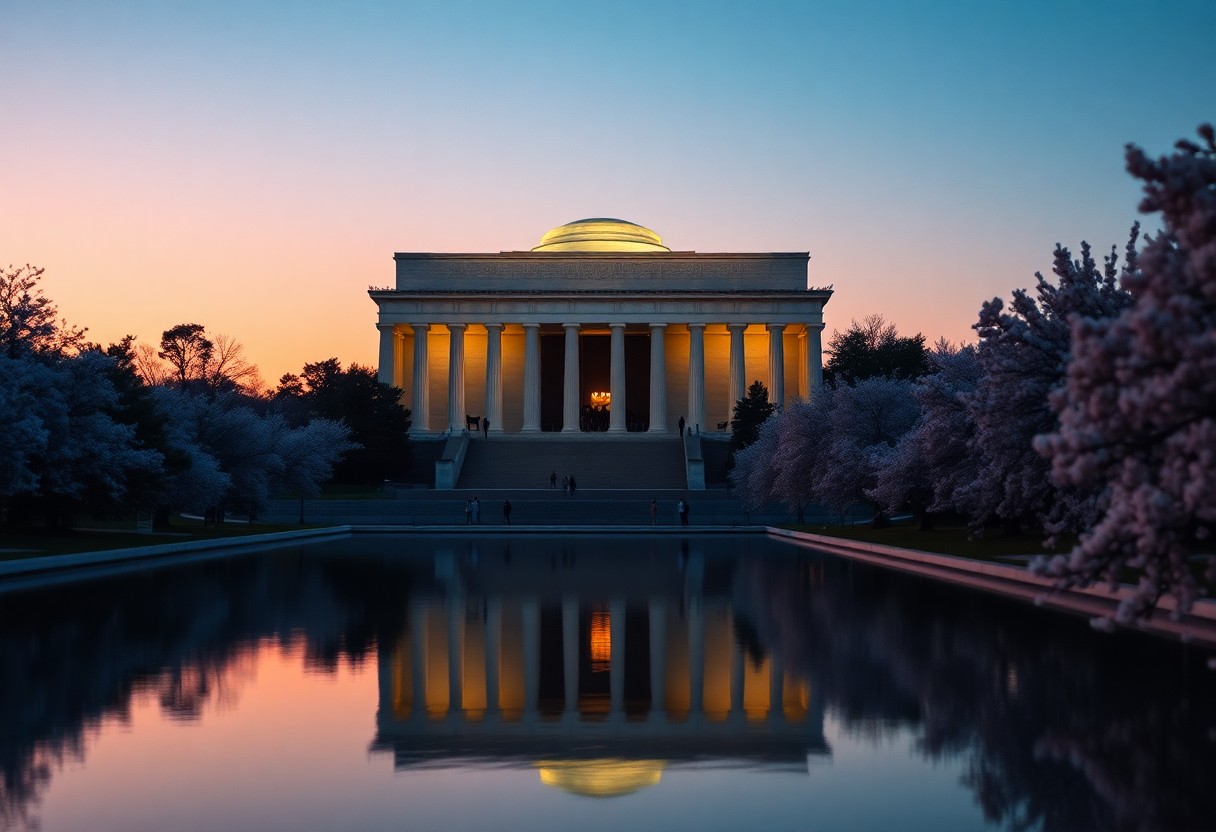
Walking along the National Mall, you encounter a tapestry of history woven into every monument and museum façade and enjoy the many Photogenic Spots of Washington. The Lincoln Memorial, with its grand columns and reflective pool, offers a striking symmetry perfect for sunrise photography. Nearby, the Smithsonian’s National Museum of American History showcases iconic artifacts like the Star-Spangled Banner that inspired the national anthem. Each step reveals layers of stories, from the towering Washington Monument to the serene elegance of the Jefferson Memorial at dusk. Your lens captures more than images—it seizes moments that connect past triumphs to your present experience.
Key Takeaways:
- Washington, D.C. offers a variety of photogenic spots including iconic monuments, vibrant museums, and charming neighborhoods.
- The National Mall is a prime location for capturing images of famous landmarks such as the Lincoln Memorial and the Washington Monument.
- Museums like the Smithsonian Institution provide unique architectural backdrops and exhibits perfect for photography enthusiasts.
- Exploring less crowded areas such as historic Georgetown or the colorful Eastern Market can yield distinctive and picturesque shots.
- Visiting during different times of day, especially at sunrise or sunset, enhances the visual appeal of the city’s sights for photography.
Most Photogenic Spots in Washington, DC
| Spot Name | Description / Photogenic Features | Best Time/Season | Notable Tips or Nearby Attractions |
|---|---|---|---|
| National Mall (Lincoln Memorial, Washington Monument, U.S. Capitol) | Iconic monuments, reflecting pools, grand architecture | Year-round; sunrise/sunset | Visit early for fewer crowds, especially in fall/spring |
| Tidal Basin | Cherry blossoms in spring, waterfront views, Jefferson Memorial | Spring (cherry blossom season) | Peak bloom is late March–early April |
| Georgetown | Historic cobblestone streets, pastel rowhouses, waterfront, university architecture | Morning/evening golden hour | Great for architecture and reflections |
| Dupont Circle | Leafy streets, embassy buildings, murals, vibrant cafes | Golden hour | Ideal for street photography |
| The Wharf / Southwest Waterfront | Modern design, marina, skyline reflections | Sunrise/sunset | Access to boats and piers |
| Blagden Alley | Colorful murals, historic alleyways, trendy cafes | Year-round | Notable for graffiti and coffee shops |
| John F. Kennedy Center for the Performing Arts | Modern architecture, dramatic night lighting | Night | Best photographed from Georgetown waterfront |
| Rock Creek Park | Lush nature, trails, wildlife, autumn foliage | Fall | DC’s “Central Park” feel |
| Arlington Memorial Bridge | Iconic bridge views, connects DC to Arlington National Cemetery | Night or golden hour | Great for cityscape shots from Virginia side |
| Key Bridge & Georgetown Waterfront | River views, kayaks, rowing teams, lively restaurants | Daytime | Popular for action and waterfront shots |
| National Gallery of Art | Classical architecture, art-filled interiors, rooftop and light tunnel | Year-round; holidays for lights | Don’t miss the rooftop and tunnel for unique photos |
| Union Station | Grand Beaux-Arts architecture, archways, bustling interior | Avoid rush hour | Nearby: Union Market murals |
| Library of Congress | Ornate interiors, grand reading rooms, majestic exterior | Year-round | Capitol Hill rowhouses nearby |
| U.S. Botanic Garden | Lush plant life, floral close-ups, greenhouse architecture | Spring/Summer | Bring extra memory cards |
| Culture House DC | Bright, abstract exterior murals, colorful interiors | Year-round | Near Yards Park bridge |
| Pavilion Cafe (Sculpture Garden) | Parisian vibes, Metropolitain sign, ice rink in winter | Winter for skating | Located at National Gallery of Art |
| Kogod Courtyard (National Portrait Gallery) | Futuristic glass ceiling, indoor trees, open courtyard | Early morning | Shared with Smithsonian American Art Museum |
| ARTECHOUSE DC | Immersive digital art, neon lights, silhouette photography | Night/indoors | Unique for creative shots |
| Thomas Jefferson Memorial | Neoclassical rotunda, Tidal Basin reflections, sunset glow | Sunset | Best from across the water |
| Netherlands Carillon | Tulip fields, European-style architecture | Spring | Floral photography with a twist |
| Celebrations & Events | Candid shots of crowds, parades, and festivities | Election years, special events | Dynamic street photography opportunities |
Notes:
-
The best time for photography in DC varies by season: spring for cherry blossoms, fall for golden light and foliage, and winter for dramatic silhouettes and snow scenes16.
-
Many spots are best visited early in the morning or at sunset to avoid crowds and capture the best light16.
-
Georgetown, Dupont Circle, and The Wharf are recommended neighborhoods to stay in for easy access to photogenic locations1.
-
For unique perspectives, explore both iconic landmarks and lesser-known spots like Blagden Alley, Rock Creek Park, and Culture House DC16.
This table highlights the diversity of Washington, DC’s most photogenic locations, blending classic monuments with vibrant neighborhoods, green spaces, and creative urban art16.
Iconic Monuments that Define the Skyline
You’ll find Washington, D.C.’s skyline shaped by monuments that blend history and artistry, each offering a uniquely photogenic perspective. The Washington Monument slices skyward at 555 feet, serving as a striking geometric contrast to the neoclassical Lincoln Memorial and the grand Capitol Building. The interplay of light and shadow on these structures at dawn or dusk creates perfect conditions for memorable photos, especially along the National Mall where these monuments align majestically.
The Timeless Allure of the Lincoln Memorial
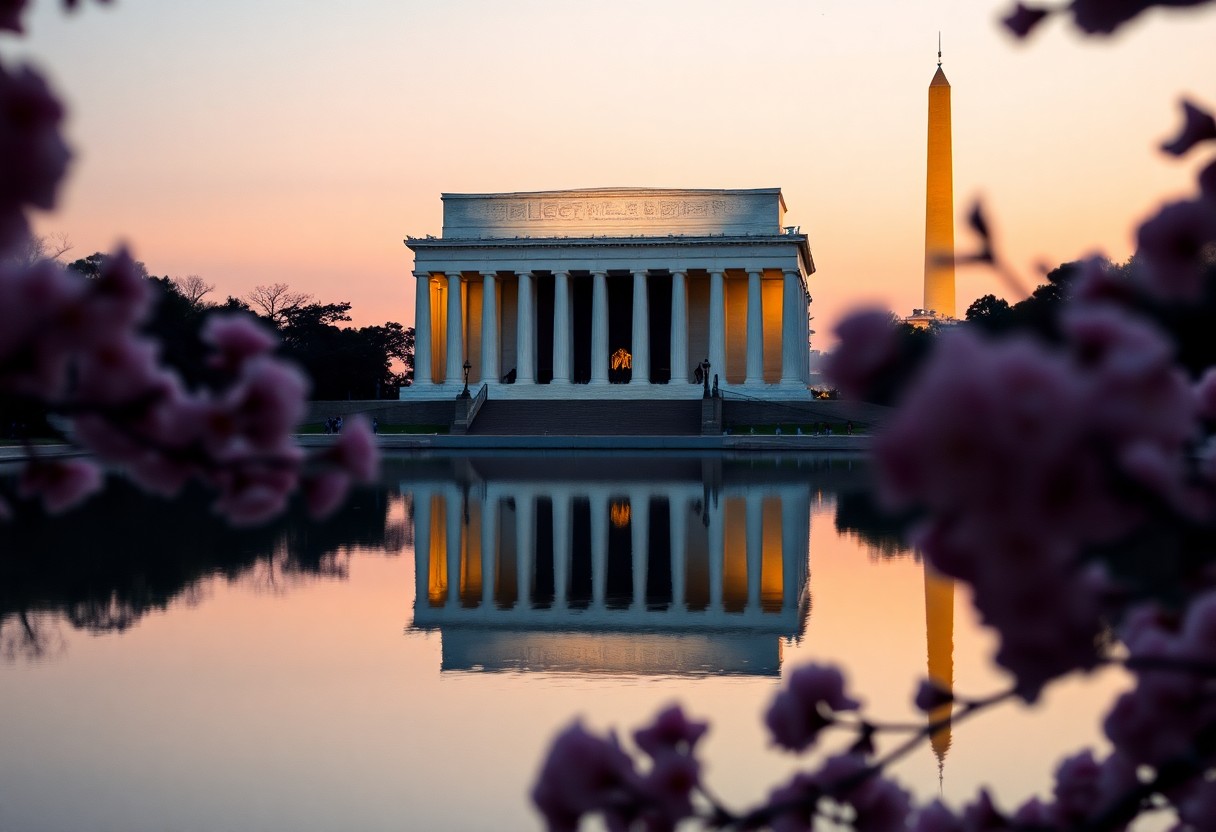
The Lincoln Memorial captivates with its 36 Doric columns representing the states in the Union during Lincoln’s presidency, framing a serene view of the Reflecting Pool. Photographs capturing the colossal statue of Lincoln seated inside evoke a sense of solemn reverence, while the steps leading to the monument make for dramatic perspective shots under changing skies. This iconic memorial continues to be a powerful symbol and a must-see for your photography journey in D.C.
The Majesty of the Capitol Building and Reflecting Pool
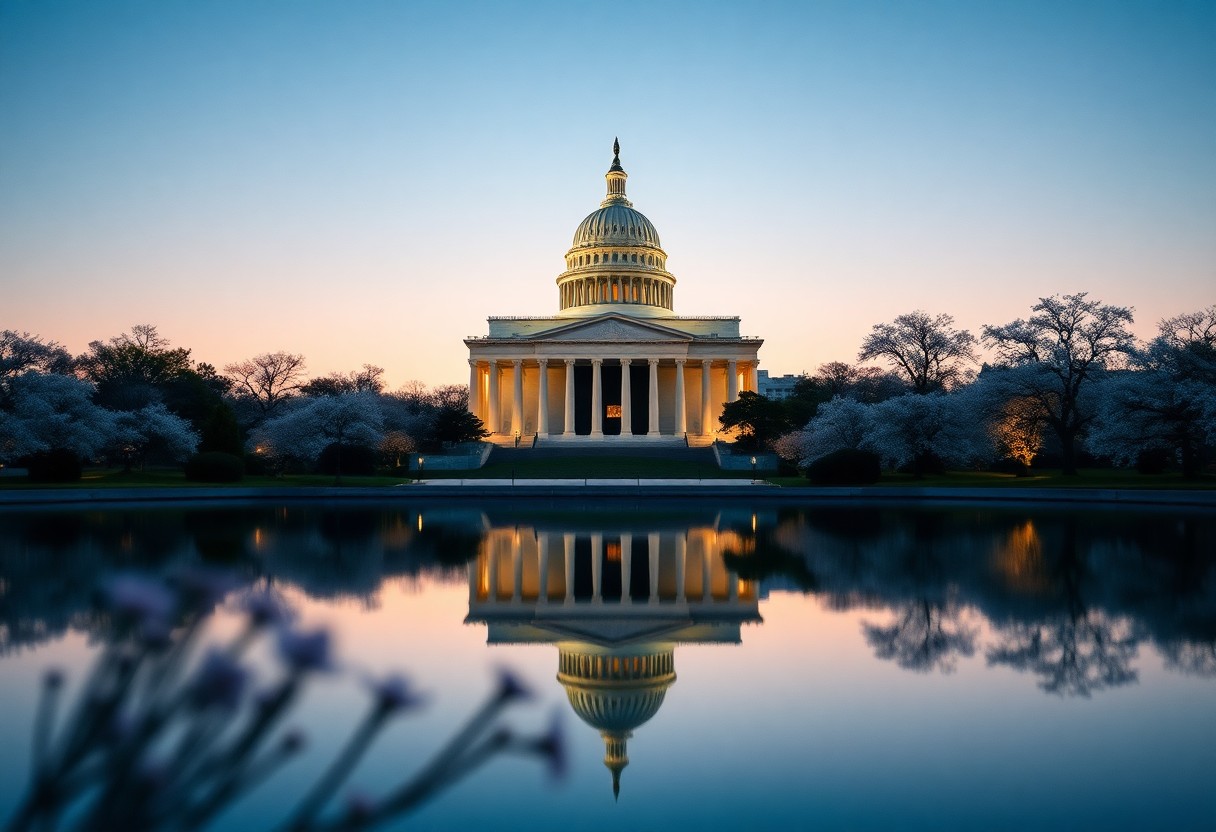
The Capitol Building’s distinctive dome rises prominently at 288 feet, crowned by the Statue of Freedom, which gleams brilliantly against blue skies or glowing sunsets. From your vantage point near the Reflecting Pool, you’ll capture stunning symmetrical reflections that amplify the building’s grandeur. Multiple tours of the Capitol interior also introduce you to exquisite art and architecture, adding depth to your exploration of this political and historical centerpiece.
Beyond its impressive exterior, the Capitol offers hidden photographic gems inside, including the Rotunda’s frescoes and the National Statuary Hall. Timing your visit for early morning or late afternoon can help you avoid crowds, allowing uninterrupted shots of intricate details. The adjacent grounds, with seasonal blooms and manicured lawns, add vibrant color contrasts to your images, enriching the visual story of this monumental American symbol.
Seasonal Splendor: The Cherry Blossom Phenomenon
The annual cherry blossom season transforms Washington, D.C. into a dreamy canvas of soft pink and white petals, creating one of the city’s most sought-after photogenic scenes. Around 3,000 Yoshino cherry trees gifted from Japan cluster near the Tidal Basin, providing a fleeting natural spectacle that entices both amateur and professional photographers alike. The delicate blossoms frame reflections in the water, monuments, and pathways, inviting you to explore angles and lighting that capture the blossoms’ enchanting vibrancy amidst urban landmarks.
Timing Your Visit: The Bloom Calendar
The cherry blossoms typically peak between late March and early April, but the exact timing shifts each year depending on weather patterns. Monitoring the National Park Service’s bloom forecasts can help you pinpoint the optimal days. Visiting early in the morning during peak bloom not only yields softer light but also helps you avoid crowds, allowing for clearer photos. Planning your visit around weekday mornings or late afternoons increases your chances of enjoying peaceful views and unobstructed shots.
Capturing the Perfect Shot Amidst the Blossoms
You can enhance your cherry blossom photos by experimenting with different perspectives—shoot upward through the branches to create a canopy effect or focus on petals floating atop reflective water surfaces. Utilizing the nearby monuments as backdrops adds historical context and scale, especially when framed between flowering branches. Try using a wide aperture for a shallow depth of field to isolate blossoms against softly blurred backgrounds, emphasizing their delicate texture and color.
Beyond standard framing, incorporating dynamic elements like kite flyers near the Tidal Basin or couples strolling hand-in-hand beneath the blossoms introduces storytelling into your shots. Early spring’s soft golden hour sunlight often bathes petals in warm hues, creating magical contrasts with shadows. Leveraging a tripod for longer exposures can beautifully capture momentary breezes that gently sway blossoms, adding a sense of motion to your composition. Exploring these techniques will help you transform fleeting blooms into enduring images.
Architectural Marvels: Museums Worth Exploring
D.C.’s museums blend striking architecture with compelling collections that make for captivating photography and immersive experiences. From soaring glass atriums to classical columns, these spaces invite you to admire both form and function. You’ll find every corner featuring intricate details, whether modern geometric designs or Renaissance revival elements, offering endless inspiration for your camera. Exploring these museums provides a deeper connection to the city’s cultural heartbeat while capturing visually stunning frames that tell a story beyond the exhibits themselves.
The National Gallery: A Canvas of Culture
The National Gallery’s West Building impresses with its neoclassical grandeur and vast marble staircases, setting a regal stage for masterpieces inside. Its collection spans centuries, allowing you to frame works from da Vinci to Van Gogh in an environment that reflects their artistic weight. The East Building’s modernist design, with sharp angles and skylights, offers a contrasting backdrop ideal for photographing contemporary art and architecture in dialogue with each other.
The Library of Congress: A Sanctuary of Knowledge
The Library of Congress astonishes with its opulent Beaux-Arts interiors, where golden mosaics, vaulted ceilings, and marble columns create an atmosphere reverent of learning and artistry. The richly detailed Main Reading Room, adorned with frescoes and sculptures, invites you to linger and capture the grandeur of America’s knowledge vault. This monument to intellect is as photogenic as it is informative, providing your lens with timeless architectural beauty intertwined with historical significance.
Delving deeper, the Library’s Jefferson Building, completed in 1897, houses over 160 million items, ranging from ancient maps to rare manuscripts that you can view in special exhibitions. Its artful design balances public accessibility with scholarly prestige, making it a hub for both your intellectual curiosity and photographic pursuits. Whether catching the light through stained glass windows or focusing on intricate ceiling details, you’ll find abundant inspiration that goes beyond its bookshelves.
Seeking Charm in Georgetown’s Streets
Wandering through Georgetown, you encounter an enchanting blend of historic architecture and lively street scenes that make for unforgettable photos. Narrow alleys reveal murals and hidden gardens, while bustling markets and cozy cafes invite candid captures. The area’s timeless character, rooted in 18th-century origins, pairs perfectly with modern life, creating a dynamic backdrop where every corner offers a new story framed by brick sidewalks and vintage lanterns.
Navigating the Canals: A Different Perspective
Exploring the C&O Canal on foot or by bike offers a tranquil counterpoint to the city’s urban buzz. You’ll find reflections of the surrounding greenery shimmer on the water’s surface, punctuated by historic locks and towpaths framed by mature trees. This perspective, especially during early morning mist or golden hour, lends a serene and timeless quality to your photos that’s hard to replicate anywhere else.
Colorful Townhouses and Cobblestone Beauty
Georgetown’s streets come alive with rows of colorful townhouses, their facades painted in vibrant hues from pastel blues to deep reds. These charming homes, set against streets paved with cobblestones, create a picturesque setting perfect for capturing the historic yet lively spirit of the neighborhood. Intricately detailed iron railings and flower boxes add pops of texture and color to your frame, making each shot a visual treasure.
Delving deeper into these iconic townhouses reveals a storied past: many date back to the late 1700s and early 1800s, when Georgetown was a bustling port town. Their distinct Federal and Victorian architectural features tell tales of artisanship, from ornate cornices to hand-forged ironwork. The cobblestone streets beneath your feet carry the echoes of horse-drawn carriages and market vendors, offering a tactile connection to history that enriches your photography with context and timeless charm.
Crafting the Perfect Shot: Smart Editing Techniques
Editing your photos from Washington, D.C.’s monuments and museums can elevate a great shot to a truly stunning one. Focus on balancing brightness and contrast to highlight architectural details without washing out textures. Utilize subtle adjustments like fine-tuning shadows to bring out depth in statues or enhancing color vibrancy just enough to reflect the true atmosphere without artificiality. Cropping thoughtfully ensures your composition directs attention where you want it, whether that’s the Capitol dome or the reflective pools at the National Mall. Smart editing respects the scene’s integrity while amplifying its visual impact.
Maintaining Respectful Aesthetics in Your Photos
Presenting historical and cultural landmarks demands sensitivity in how you portray them. Avoid drastic filters that alter the monument’s authentic appearance or distort its symbolism. Subtle edits that retain the solemn tone of places like the Lincoln Memorial or the Arlington Cemetery foster appreciation and honor. Keeping skies natural and colors true draws viewers into an honest representation, reinforcing the site’s significance and the emotions it evokes without distracting from its meaning.
Enhancing Elegance Without Overdoing It
Elevate your images by applying gentle sharpening and modest clarity enhancements that reveal intricate details on statues and building facades without creating harsh outlines. Use gradient filters to balance lighting in scenes with varied exposure, such as sunrise shots at the Jefferson Memorial, ensuring highlights aren’t blown out and shadows retain texture. Minimal adjustments like these help your photos appear polished and refined, maintaining an elegant and timeless feel.
Delving deeper, subtlety in editing preserves the atmosphere while accentuating the subject’s inherent beauty. For instance, increasing detail in the engraved inscriptions of the Vietnam Veterans Memorial can add depth without seeming forced. Similarly, cooling temperature adjustments slightly on a foggy morning at the Tidal Basin can enhance moodiness without diminishing the scene’s natural ambiance. Such precise editing choices safeguard the dignity of iconic sites while boosting your photo’s aesthetic appeal.
The Allure of the Night: Capturing D.C. After Dark
Washington, D.C. transforms into a luminous spectacle as daylight fades, unveiling a new side of the city’s monuments and museums. Soft, artificial lighting and starry skies create dramatic shadows and reflections, offering you unparalleled photographic opportunities. You’ll discover that the interplay of light and darkness brings out architectural details invisible during the day, enriching your visual storytelling. The night invites a slower pace and thoughtful composition, encouraging you to explore familiar landmarks through a fresh, mesmerizing lens.
The Capitol and Memorials: Dusk’s Magical Glow
The Capitol Dome, bathed in golden light at dusk, emanates a warm glow that frames your photos with an almost surreal ambiance. Surrounding memorials like the Lincoln and Jefferson stand peacefully illuminated against deepening twilight, their reflections shimmering in the nearby pools. This fleeting moment after sunset offers a perfect balance of natural and artificial light, allowing you to capture the iconic silhouettes with breathtaking clarity and mood.
Night Photography Tips for Breathtaking Visuals
Utilize a tripod to avoid camera shake during long exposures, enabling crisp details on dimly lit structures. Adjust your camera’s ISO to between 400 and 800 to maintain image quality while capturing enough light. Experiment with slower shutter speeds to embrace the motion of passing cars or people, transforming static scenes into dynamic compositions. Perceiving subtle shifts in ambient light will help you time your shots perfectly for the best balance between shadow and illumination.
Diving deeper into night photography, controlling white balance becomes a powerful tool for setting the mood of your images—warm tones accentuate historic grandeur, while cooler hues emphasize modernity. Taking multiple exposures and blending them in post-processing can reveal a wider dynamic range, overcoming harsh contrasts between lit and shadowed areas. Scouting your location beforehand during twilight helps you determine vantage points and anticipate lighting changes. Perceiving these nuances empowers you to create evocative nighttime visuals that resonate beyond mere documentation.
- Steady your camera with a tripod or stable surface to capture sharp images during longer shutter speeds.
- Manage ISO settings to balance light sensitivity with noise reduction for clarity.
- Explore shutter speed variation to incorporate motion and light trails creatively.
- Use manual focus or focus peaking to ensure critical sharpness in low light.
- Perceiving ambient lighting changes helps capture ideal moments with balanced contrast and depth.
Telling Stories Through Captions and Culture
Capturing the perfect shot is just the beginning; your captions unlock the stories behind each image, enriching your audience’s experience. In Washington, D.C., where every monument and museum holds layers of history, weaving cultural context into your posts brings your visuals to life. By thoughtfully pairing your photos with insightful storytelling, you give your followers a deeper connection, transforming each scroll into a meaningful journey through the city’s dynamic heritage.
The Art of Meaningful Captions
Crafting captions that resonate involves blending factual details with personal reflection, evoking emotion and curiosity. A caption at the Lincoln Memorial might highlight its role in civil rights history, referencing the 1963 March on Washington, while inviting your audience to consider its ongoing symbolism. Keep your captions concise but informative, layering history with your unique perspective to spark engagement and invite discussion.
Connecting with Your Audience Through Culture
Cultural nuances in Washington, D.C.’s diverse neighborhoods enrich your storytelling and deepen audience engagement. Sharing stories from local festivals, street art in U Street, or the Smithsonian’s varied exhibits invites followers into the city’s living culture beyond monuments. By showcasing these vibrant experiences, you help your audience appreciate the city’s evolving identity and broaden their understanding of its cultural fabric.
Diving deeper, you could feature how D.C.’s Anacostia neighborhood celebrates African American heritage through events like the annual Juneteenth Festival, or the influence of international communities showcased during the Fiesta DC in Columbia Heights. Highlighting such culturally rich events conveys authenticity and broadens your narrative, fostering a more inclusive and immersive connection with your audience. These cultural touchpoints also encourage interaction as followers share their own experiences or aspirations to explore these local traditions.
Q: What are some of the most photogenic monuments to visit in Washington, D.C.?
A: Washington, D.C. is home to numerous photogenic monuments including the Lincoln Memorial, Washington Monument, and the World War II Memorial. The Lincoln Memorial offers dramatic views, especially at sunset, while the reflecting pool creates stunning mirror images of the Washington Monument. The intricate sculptures and fountains at the World War II Memorial also make for beautiful photography spots.
Q: Which museums in Washington, D.C. provide the best opportunities for photography?
A: The Smithsonian museums, such as the National Gallery of Art and the Museum of American History, have visually striking architecture and exhibits that make great photo subjects. The Hirshhorn Museum boasts a unique modern design while the National Museum of African American History and Culture has fascinating cultural displays and an impressive exterior. Always check museum policies about photography for each location.
Q: Are there any lesser-known photogenic locations in Washington, D.C. worth visiting?
A: Yes, beyond the popular landmarks, areas like the U.S. Botanic Garden, the historic streets of Georgetown, and the colorful murals in neighborhoods like Shaw offer excellent photographic opportunities. The Kennedy Center terrace also provides panoramic views of the city that are often less crowded than traditional monument spots.
Q: What is the best time of day to photograph monuments and museums in Washington, D.C.?
A: Early morning and late afternoon, during the golden hour, provide soft, warm light that enhances the appearance of monuments and architecture. Twilight or blue hour photography captures monuments beautifully illuminated against the evening sky. Weekdays and off-peak hours help avoid crowds, allowing for cleaner shots.
Q: Can photography equipment restrictions affect what I can bring to these sites?
A: Yes, many monuments and museums have specific rules regarding photography equipment. Tripods, drones, and professional camera gear often require special permits or are prohibited. It’s important to check site-specific guidelines before visiting to ensure compliance and have the best experience capturing the beauty of Washington, D.C.
- https://travellersguides.com/photogenic-spots-in-washington/
- https://chasinghippoz.com/travel-photo-blog/my-photography-amp-travel-guide-to-washington-dc
- https://ihitthebutton.com/washington-dc-instagram-spots/
- https://washington.org/visit-dc/where-to-get-the-best-instagram-in-washington-dc
- https://cherryblossomwatch.com/exploredc/
- https://www.jasminealley.com/instagrammable-dc/
- https://ihitthebutton.com/washington-dc-night/
- https://www.lifepixel.com/photo-tutorials/photogenic-places-a-simple-guide-to-photographing-washington-dc
- https://www.reddit.com/r/photography/comments/16ff477/best_photography_spots_in_dc/
- https://www.youtube.com/watch?v=7sgiKHvZL1M
- https://wanderlog.com/list/geoCategory/161197/best-photo-spots-in-washington-dc