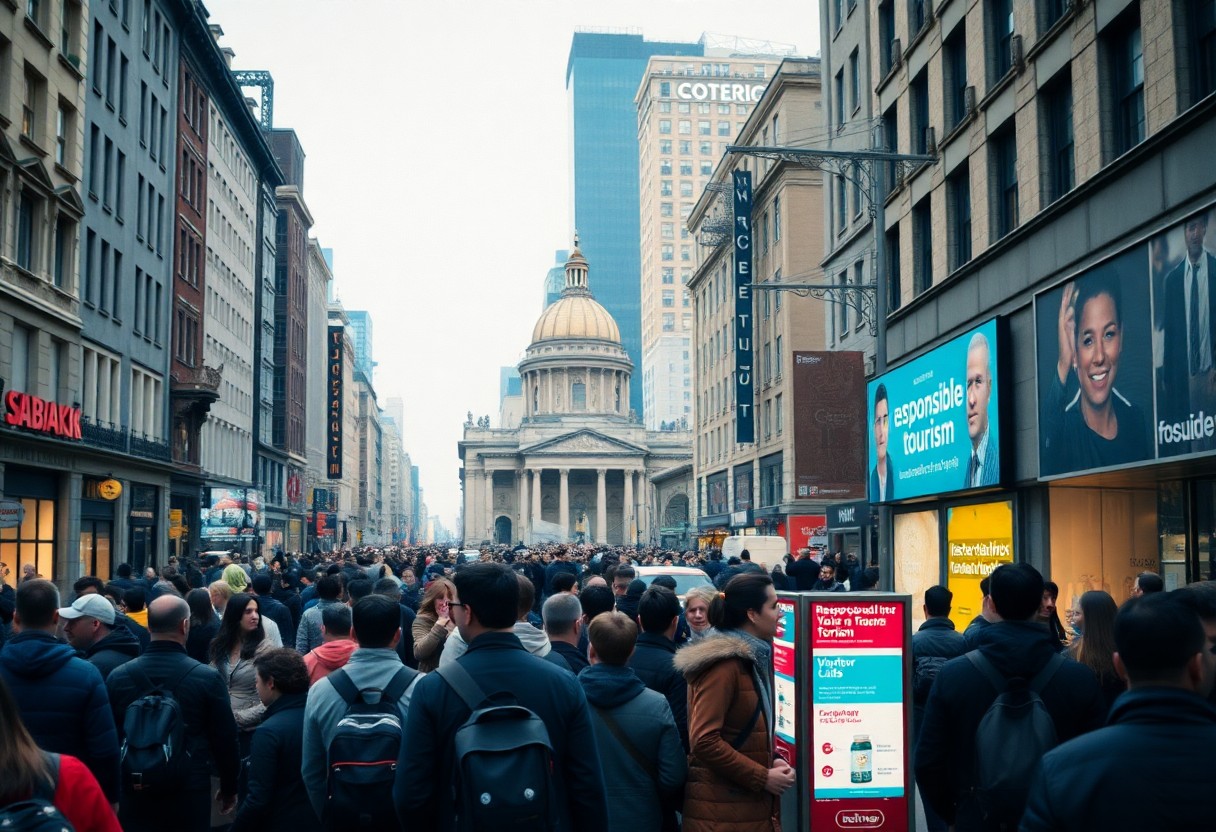
You may notice the increasing strain on popular destinations as overtourism escalates. This blog post explores into the real data revealing the impacts of excessive tourism on urban environments and local communities. Explore how various cities are responding to these challenges through innovative strategies and policies aimed at balancing tourism and sustainability. Understand your role as a traveler in mitigating these effects while enjoying your adventures responsibly.
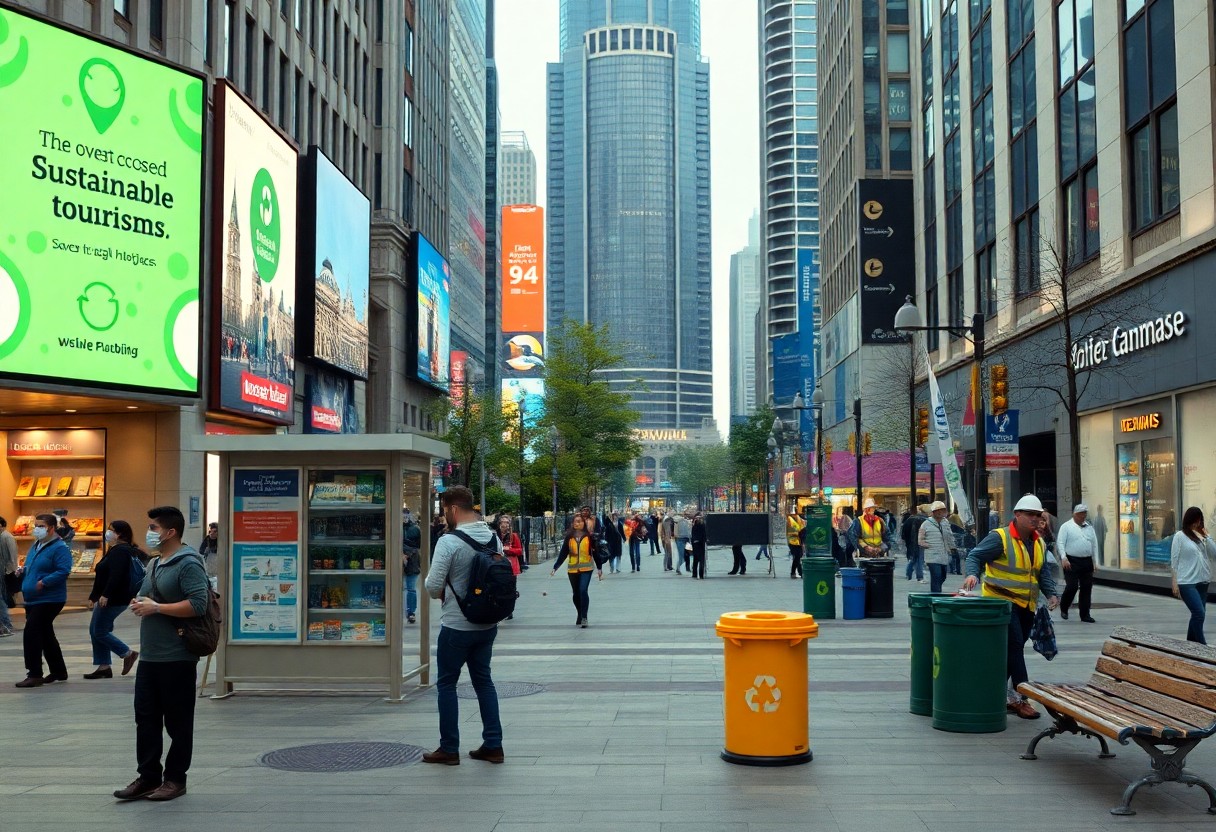
Key Takeaways:
- Overtourism affects both residents’ quality of life and local ecosystems.
- Cities are implementing strategies such as visitor caps and timed entry to regulate tourist numbers.
- Data analytics is vital for monitoring tourism flow and making informed policy decisions.
- Local engagement and community feedback are crucial in developing sustainable tourism practices.
- Successful initiatives often involve collaboration between government, businesses, and residents.
The Surging Numbers: Overtourism Metrics Unveiled
Your understanding of overtourism is shaped by the numbers that illuminate its scale and impact. Global tourist arrivals topped 1.5 billion in 2019, a staggering figure that set new records and put immense pressure on popular destinations. As you explore these metrics, you’ll notice how cities grapple with managing visitor flows while maintaining their cultural and environmental integrity.
Visitor Statistics: Who’s Arriving and When?
Economic Impacts: Dollars and Sense Amidst Crowds
Despite the pressures, tourism contributes significantly to local economies, with many cities relying on this influx for revenue generation. You’ll find that in 2018, tourism accounted for over 10% of global GDP, and in cities like Paris, the sector generated billions, allowing for infrastructure development and job creation. However, the costs of overtourism—such as increased living expenses for residents and environmental degradation—are increasingly challenging the sustainability of these financial benefits.
In looking more closely at the economic impacts, cities must consider both the short-term gains and long-term repercussions of overtourism. For instance, while visitor spending can boost local businesses, it often drives up rents and alters neighborhood dynamics, risking the displacement of residents. In Barcelona, local businesses reported a 30% increase in sales due to tourism, yet gentrification pressures led to protests, illustrating the need for balance in economic strategies. Addressing these challenges requires innovative policies that prioritize sustainability alongside financial incentives, ensuring that your travel contributes positively to the destinations you love.
Urban Struggles: Spotlight on Affected Cities
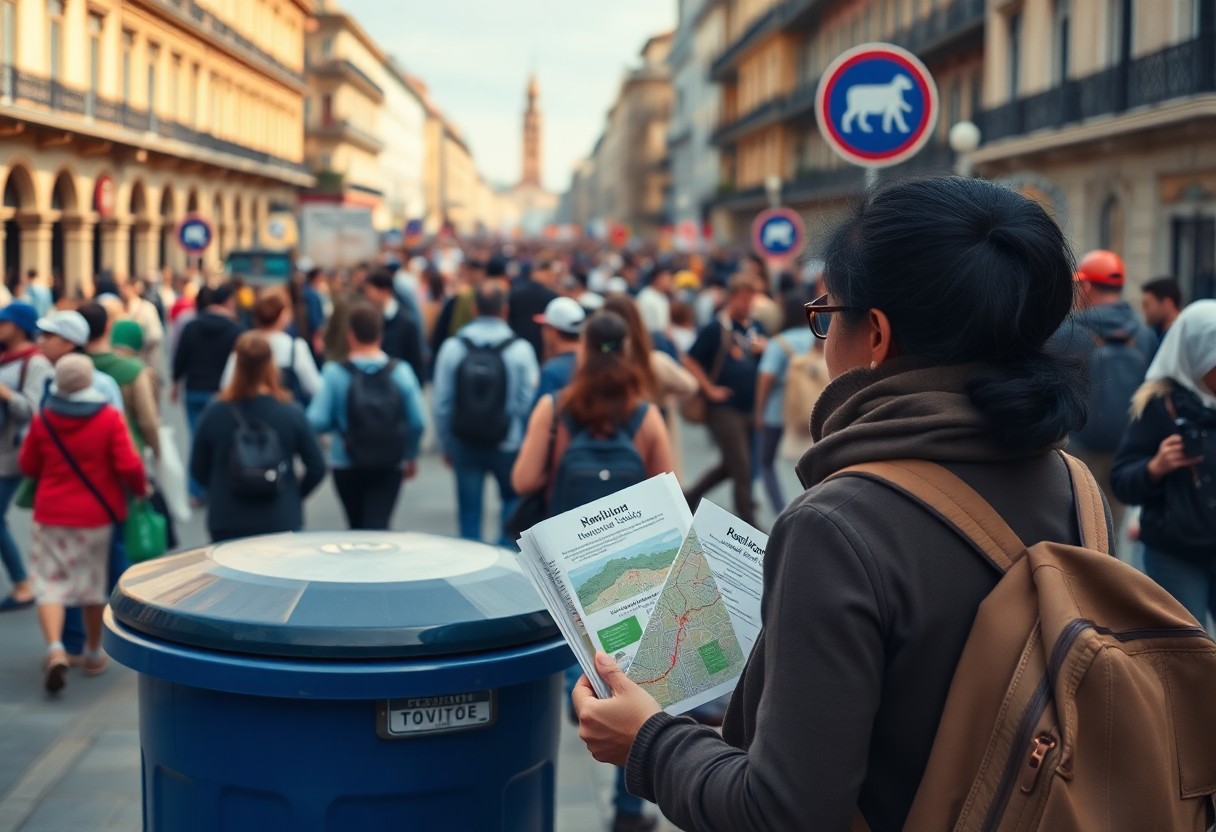
Your experience of overtourism unfolds dramatically in cities like Barcelona and Venice, where local communities grapple with the influx of visitors. These urban environments are not just tourist attractions; they are vibrant places where residents strive to maintain their quality of life against the backdrop of economic pressures and infrastructure strain. Each city showcases unique challenges, demanding innovative solutions to balance visitor enjoyment with local needs.
Barcelona’s Balancing Act: Tourism vs. Local Life
You notice how Barcelona faces a constant tug-of-war between preserving its cultural identity and accommodating millions of tourists each year. As tourism numbers soared to over 30 million in recent years, local sentiment has shifted, leading to initiatives that promote responsible tourism and regulate short-term rentals. Efforts like the “Barcelona City Card” aim to enhance visitor experiences while ensuring residents benefit from tourism-related economic activities.
Venice’s Sinking Point: Navigating Infinite Foot Traffic
You witness Venice struggling under the weight of relentless foot traffic from approximately 25 million annual tourists. The effects of this influx are evident in the erosion of historic sites and congested streets, prompting local authorities to restrict access to popular areas during peak seasons. Measures such as entry fees and travel caps have emerged as strategies to preserve Venice’s charm while managing the overwhelming pressure of crowds.
Venice’s ongoing battle against overtourism epitomizes the delicate balance between cultural heritage and economic survival. You find that measures like the introduction of a 2024 visitor entry fee aim to deter excessive tourism while funding preservation efforts. The city also promotes less-visited neighborhoods and alternative routes to disperse foot traffic, allowing you to appreciate Venice’s hidden gems. As locals advocate for a sustainable tourism model, the dialogue around responsible travel continues to evolve, reflecting the deep commitment to safeguarding one of the world’s most iconic cities.
Innovative Solutions: Cities Taking Charge
Cities worldwide are pioneering innovative solutions to combat overtourism. With a focus on sustainability, you can see initiatives that span from implementing stricter regulations to embracing technology. For instance, effects of overtourism, local government, and tourist management converge as urban leaders devise effective strategies that balance visitor enjoyment with local residents’ quality of life.
Policy Changes: Limits and Regulations on Tourist Numbers
To mitigate the overwhelming influx of tourists, cities are enforcing policies that limit visitor numbers at popular attractions. Venice, for example, has introduced a reservation system to control entry into its most iconic sites, significantly reducing overcrowding and preserving the city’s integrity. By doing so, you witness a shift towards prioritizing sustainable tourism, ensuring resources and experiences remain accessible without compromising local culture.
Technological Innovations: Smart Solutions for Managing Flows
Smart technologies are reshaping how you interact with urban spaces, particularly in addressing overtourism. Cities have begun utilizing data analytics and real-time monitoring to manage tourist flows, preventing congestion in hotspots. Tools like mobile apps provide up-to-date information on crowd levels, allowing you to plan your visits more effectively and enhancing your overall experience.
Incorporating technologies like artificial intelligence and big data analytics, cities are developing sophisticated systems that forecast visitor patterns. For instance, smart sensors monitor foot traffic, providing actionable insights for adjusting resource allocation in real-time. This proactive approach not only improves your experience by minimizing wait times but also promotes environmental conservation by reducing the strain on local infrastructure. In Paris, the use of data-driven platforms has led to the successful redistribution of tourist traffic across lesser-known landmarks, ensuring a more balanced exploration of the city.
Community Voices: The Human Cost of Overtourism
As tourism surges, the human cost becomes increasingly apparent, with local communities bearing the brunt of overcrowding and disruption. Residents in these popular destinations often express feelings of alienation in their own neighborhoods, watching as their cultural landscapes shift under the pressure of endless foot traffic and transient visitors. The emotional and psychological toll manifests in various ways, from anxiety over the preservation of heritage to frustrations with inadequate public services struggling to keep pace with tourist demands.
Local Residents Speak Out: Frustrations and Adaptations
Local residents voice increasing frustrations about the impact of overtourism on daily life, often citing noise, litter, and a lack of affordable housing as the most pressing issues. Adaptations range from adjusting daily routines to avoid areas flooded with tourists, to participating in community protests aimed at reclaiming public spaces. Many have become advocates for sustainable tourism initiatives, seeking to preserve their neighborhoods while ensuring that visitors can still enjoy the local culture responsibly.
Inclusion in Decision Making: Empowering Communities
Empowering local communities through inclusion in decision-making processes has become vital for tackling overtourism. Cities increasingly recognize that listening to residents fosters sustainable solutions. By involving locals in discussions regarding tourism strategies, urban planning, and resource management, municipalities can create policies that respect community needs and enhance quality of life. This approach has already seen success in cities like Amsterdam, where resident councils play an active role in regulating tourist activities and ensuring that local voices shape the future of their neighborhoods.
Global Perspectives: Learning from International Examples
Global cities facing overtourism challenges offer innovative strategies that others can emulate. By adopting targeted policies and initiatives, governments worldwide have sought to balance the influx of visitors with the well-being of local communities. Valuable insights arise from these international case studies, illustrating diverse approaches to sustainable tourism management across cultural contexts.
Lessons from Amsterdam: Pioneering the Tourist Tax
Amsterdam has implemented a tourist tax that encourages travelers to contribute to local services, alleviating some pressures on residents. This approach not only generates revenue for infrastructure improvements but also serves as a deterrent for mass tourism, allowing the city to maintain its vibrant culture and quality of life.
Singapore’s Tourist Experience Rebranding: Quality Over Quantity
Singapore’s shift towards prioritizing high-quality tourism experiences presents a model for sustainable practices. The city-state has focused on enhancing visitor engagement through curated attractions rather than sheer numbers, which fosters a more meaningful interaction between tourists and local culture.
By investing in unique experiences and high-value attractions, Singapore has redefined its tourism strategy. The introduction of initiatives such as the “Passion Made Possible” campaign is an example of promoting authentic cultural interactions instead of relying solely on mass tourism. This approach not only increases visitor satisfaction but also reduces congestion in popular areas, creating a more harmonious environment for both tourists and residents. As a result, Singapore has seen a steady increase in high-spending visitors, contributing to a healthier tourism ecosystem that benefits the entire community.
Summing up
With this in mind, you can see that cities grappling with overtourism are actively implementing strategies to balance tourism and local quality of life. By prioritizing sustainability and community engagement, these urban areas strive to protect their cultural heritage while still welcoming visitors. Understanding these efforts enables you to appreciate the complexities of tourism management and consider your role as a responsible traveler who contributes positively to the destinations you explore.
FAQ
Q: What is overtourism?
A: Overtourism refers to the overwhelming number of visitors in a destination, which can negatively impact local communities, economies, and the environment.
Q: How are cities addressing overtourism issues?
A: Cities are implementing measures such as visitor caps, promoting off-peak tourism, enhancing public transportation, and encouraging sustainable practices to manage tourism growth effectively.
Q: What data sources are used to analyze the effects of overtourism?
A: Data is gathered from tourism statistics, local community surveys, environmental impact studies, and social media analytics to assess visitor patterns and impacts.
Q: Can overtourism have positive effects on cities?
A: While typically negative, overtourism can lead to economic benefits, such as increased revenue for local businesses and job creation, if managed correctly.
Q: What role do local communities play in combating overtourism?
A: Local communities are vital in shaping tourism policies, advocating for sustainable practices, and providing insights into the social and environmental impacts of tourism.