It’s crucial to maintain harmony when traveling with extended family, as diverse personalities can lead to misunderstandings or conflicts. By setting clear expectations, encouraging open communication, and allowing for personal space, you can foster an enjoyable experience for everyone. Understanding the dynamics at play and being flexible will also help in navigating challenges that may arise. With thoughtful planning and consideration, your trip can transform into a memorable adventure, strengthening bonds and creating lasting memories.
Key Takeaways:
- Establish clear communication about expectations and preferences before the trip.
- Plan activities that cater to diverse interests within the group to ensure everyone’s needs are met.
- Set aside private time for individuals or smaller groups to recharge and avoid potential conflicts.
- Encourage flexibility and compromise when making decisions to keep harmony intact.
- Maintain a positive attitude and focus on shared experiences to strengthen family bonds.
Understanding Family Dynamics
Family dynamics influence how interactions unfold during travel. Recognizing the unique relationships, communication styles, and underlying tension helps you navigate conflicts and strengthen bonds. Avoiding assumptions allows you to see various viewpoints, paving the way for smoother experiences. Understanding these relationships fosters empathy and facilitates cooperation, making your trip enjoyable for everyone involved.
The Role of Personalities
Your travel companions’ personalities greatly impact the group dynamic. Some family members may be more spontaneous, while others prefer structure. Acknowledging these differences allows you to plan activities that cater to diverse needs. For instance, balancing planned excursions with free time can accommodate both the adventurous and the cautious, enhancing group harmony.
Navigating Generational Differences
Generational differences can be a source of conflict or an opportunity for connection. By being aware of varying values, communication styles, and expectations, you can facilitate understanding within the group. For example, younger family members might prioritize technology and spontaneity, while older generations may value tradition and stability. Finding a middle ground ensures that everyone’s needs are respected.
To effectively navigate these generational differences, it helps to engage in open conversations. Discussing preferred activities, schedules, and communication preferences ahead of time minimizes misunderstandings. For instance, incorporating both technology-driven experiences, like using a travel app for navigation, alongside traditional methods such as sightseeing tours, ensures everyone feels included and valued in the group’s decisions.
Setting Expectations
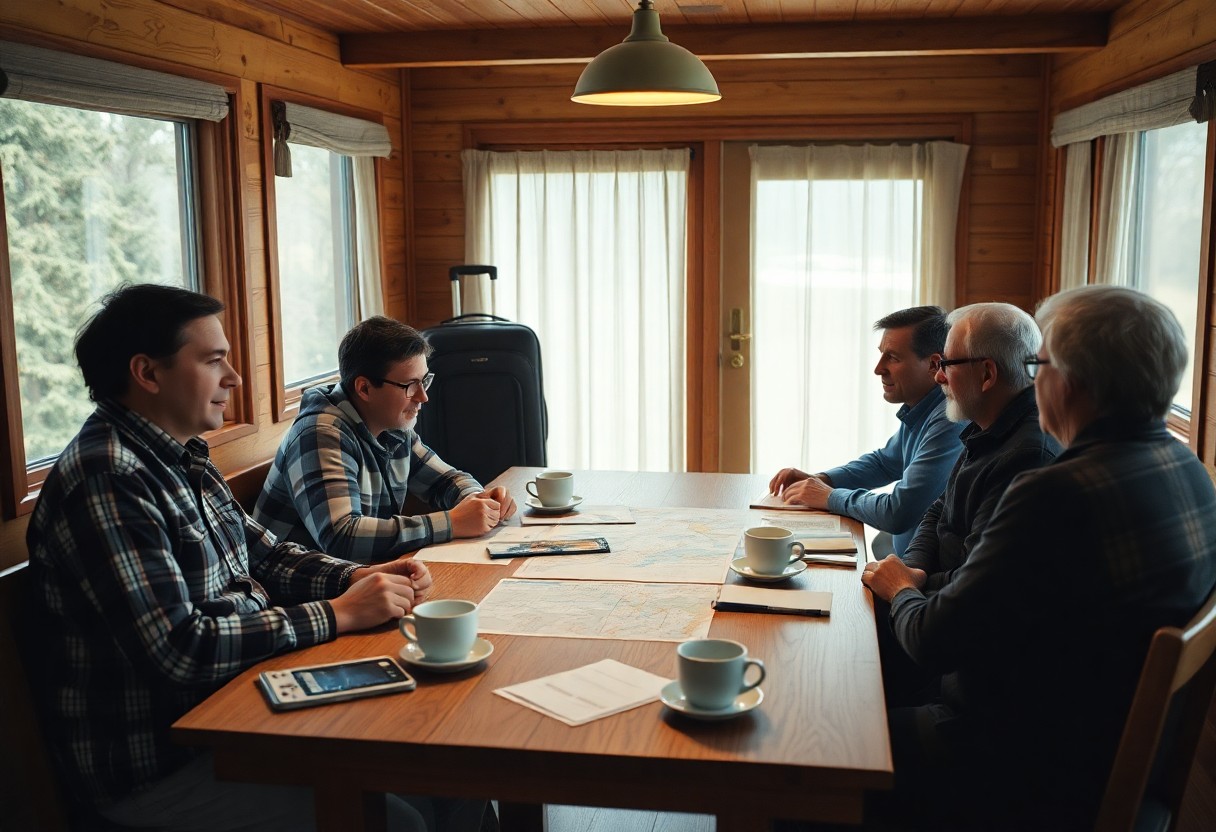
Setting clear expectations is vital for smooth travels with extended kin. Prior to departure, ensure everyone understands the itinerary, roles, and responsibilities. This proactive approach minimizes misunderstandings and enhances overall enjoyment. Be transparent about what each person can expect, from daily activities to budget constraints, creating a foundation for harmony.
Communication Before the Trip
Open communication before the trip is imperative in aligning everyone’s perspectives. Utilize group chats or family meetings to discuss preferences, concerns, and travel arrangements. This ensures everyone feels involved in the planning process, fostering a sense of belonging and reducing friction during your journey.
Establishing Shared Goals
Identifying shared goals can unify your family group. Discuss what you all hope to achieve, whether it’s relaxation, adventure, or cultural exploration. Clarifying these objectives allows everyone to work toward a common purpose, enhancing enjoyment and convenience throughout the trip.
Shared goals might include visiting specific landmarks, engaging in activities everyone enjoys, or simply making lasting memories together. For instance, if the family agrees on prioritizing quality time, you could plan for a group dinner each night where everyone shares their experiences. This not only reinforces connections but also ensures that activities reflect the collective desires of the group, making each encounter more unforgettable.
Planning the Itinerary Together
Engaging your extended kin in the itinerary planning process fosters a sense of ownership and collaboration, necessary for harmonious travel. By organizing group discussions, everyone can share their preferences, from must-see attractions to preferred activities. This approach ensures that the trip accommodates varied interests and builds excitement, making it a more enjoyable experience for everyone involved.
Balancing Interests and Preferences
To maintain cohesion, focus on integrating everyone’s interests into the itinerary. Encourage each family member to highlight their top three activities, then identify overlaps or complementary plans. For example, if one relative loves art galleries and another enjoys outdoor adventures, consider a day that combines a local art museum visit with a scenic hike nearby.
Importance of Flexibility
Flexibility is necessary when traveling with extended kin. Plans may shift due to unforeseen circumstances or differing energy levels. Being open to adjustments fosters positive interactions and helps everyone feel included in the travel experience.
A flexible itinerary allows for spontaneous exploration and moments of relaxation, which are vital during group travel. If a planned visit to a historical site becomes too taxing for some, suggesting a leisurely lunch or a change of scenery can keep spirits high. Consider incorporating buffer times between scheduled activities to accommodate unexpected delays or interests that arise along the way. A mindset open to adjustment prevents frustration and promotes group cohesion, allowing the experience to evolve in a way that respects all preferences and capabilities.
Conflict Resolution Strategies
When traveling with extended kin, conflict resolution becomes imperative to maintain harmony. You can explore practical strategies for navigating disagreements effectively. For more insights, refer to How to Enjoy Vacation with Extended Family and Friends.
Addressing Disagreements Calmly
Confronting disagreements in a calm manner significantly reduces tension. When issues arise, address them promptly and without escalating emotions. Use “I” statements to express your feelings, ensuring everyone feels heard and respected. This approach fosters open communication and prevents misunderstandings.
Finding Compromise
Compromise serves as a foundational element for peaceful resolutions. Aim to achieve a middle ground by understanding each person’s perspective. Encourage brainstorming sessions where all members suggest alternatives, allowing for collective input on decisions, activities, and priorities. This inclusivity builds consensus and strengthens bonds.
Finding a compromise often involves patience and empathy. For instance, if family members disagree on an activity, consider combining ideas or alternating choices for each day. Establish a rotating schedule where everyone gets a chance to suggest an outing, ensuring all voices are valued. This not only minimizes conflict but also enriches the travel experience by appreciating diverse interests.
Maintaining Individual Boundaries
Maintaining individual boundaries while traveling with extended kin is vital for harmony. Open communication about personal preferences and limits can prevent misunderstandings. Encourage each family member to express their needs regarding space, alone time, and shared activities, fostering an environment of respect. Address potential conflicts proactively by establishing guidelines that everyone agrees upon, which will allow for a smoother and more enjoyable experience.
Respecting Privacy and Space
Respecting privacy and space is vital for a pleasant travel experience. Encourage your kin to retreat to their rooms or designated quiet areas when they need some downtime. Ensure that personal belongings are treated with care and that boundaries regarding shared spaces, like bathrooms and common areas, are respected. This approach not only enhances individual comfort but also contributes to group cohesion.
Balancing Togetherness and Independence
Finding the right balance between togetherness and independence can transform your family trip. Schedule group activities that foster connectivity, while also allocating time for individual exploration. This dual approach allows everyone to engage with the family unit while enjoying personal interests. Whether it’s a shared meal at a local restaurant or separate excursions during the day, both elements should coexist harmoniously to enhance the overall experience.
Creating a balance between togetherness and independence requires open dialogue about expectations. Encourage each family member to voice their preferred activities and downtime. For instance, plan a communal outing in the morning, followed by free time in the afternoon for leisure or personal exploration. By merging group experiences with individual pursuits, you promote a respectful and flexible atmosphere that honors everyone’s needs, ultimately enriching your collective adventure.

Creating Lasting Memories
Creating lasting memories enhances the travel experience with your extended family. By focusing on shared moments, you can strengthen relationships and foster a sense of unity that extends beyond the trip itself. Engaging in communal activities, capturing experiences, and interacting meaningfully will contribute to your collective narrative, ensuring you all have stories to cherish for years to come.
Encouraging Group Activities
Encouraging group activities can significantly enhance the travel experience. Consider planning excursions that require cooperation and teamwork, such as group hikes, cooking classes, or family game nights. This approach helps build camaraderie and allows everyone to contribute to the planning, ensuring all voices are heard and everyone feels invested in the experience.
Documenting the Journey
Documenting the journey is an effective way to preserve family memories. Whether through photography, journaling, or creating a shared digital album, capturing moments can help everyone reflect on the experience together. This practice fosters a sense of accomplishment and provides a tangible connection to your time spent together.
Documenting the journey allows you to create a shared narrative that can be revisited long after the trip concludes. Encourage your family members to contribute their perspectives by taking turns being the designated photographer or writer for the day. Share thoughts and stories during evenings, and compile these reflections into a scrapbook or slideshow. By engaging everyone in the documentation process, you promote a deeper connection to the experience and ensure that the memories you create remain vivid and accessible for years to come.
Final Words
Summing up, to preserve harmony when traveling with extended kin, you should prioritize open communication and set clear expectations from the outset. Establishing shared plans and respecting individual preferences will help mitigate potential conflicts. Be flexible and prioritize compromise, allowing everyone to contribute to decision-making. Make time for both group activities and personal space to cater to varying needs. Lastly, approach any disagreements with understanding, focusing on solutions rather than problems to enhance collective enjoyment of the journey.
FAQ
Q: What strategies can help maintain peace among family members during travel?
A: Establish clear roles and responsibilities for each family member, allowing everyone to contribute to the planning and decision-making process. Use open communication to address concerns, and schedule regular check-ins to ensure everyone feels heard.
Q: How can conflicts be resolved effectively on a trip?
A: Encourage a culture of respect and calm when disputes arise. Designate a neutral mediator to help facilitate discussions. Focus on finding compromises that allow all parties to feel satisfied with the outcome.
Q: What are some tips for managing different preferences in activities or schedules?
A: Create a flexible itinerary that includes a variety of activities catering to different interests. Allow for individual free time within the schedule, so family members can explore things they enjoy while still having group experiences.
Q: How can travel logistics be organized to minimize stress?
A: Plan accommodations, transportation, and itineraries well in advance. Use shared tools, like apps, to keep everyone updated on travel plans. Allocate specific times for group discussions about logistics and adjustments as needed.
Q: What role does patience play in maintaining harmony during a family trip?
A: Patience fosters understanding and reduces tension. Encourage all family members to practice empathy towards one another, recognizing that travel can be unpredictable and challenging for everyone involved.