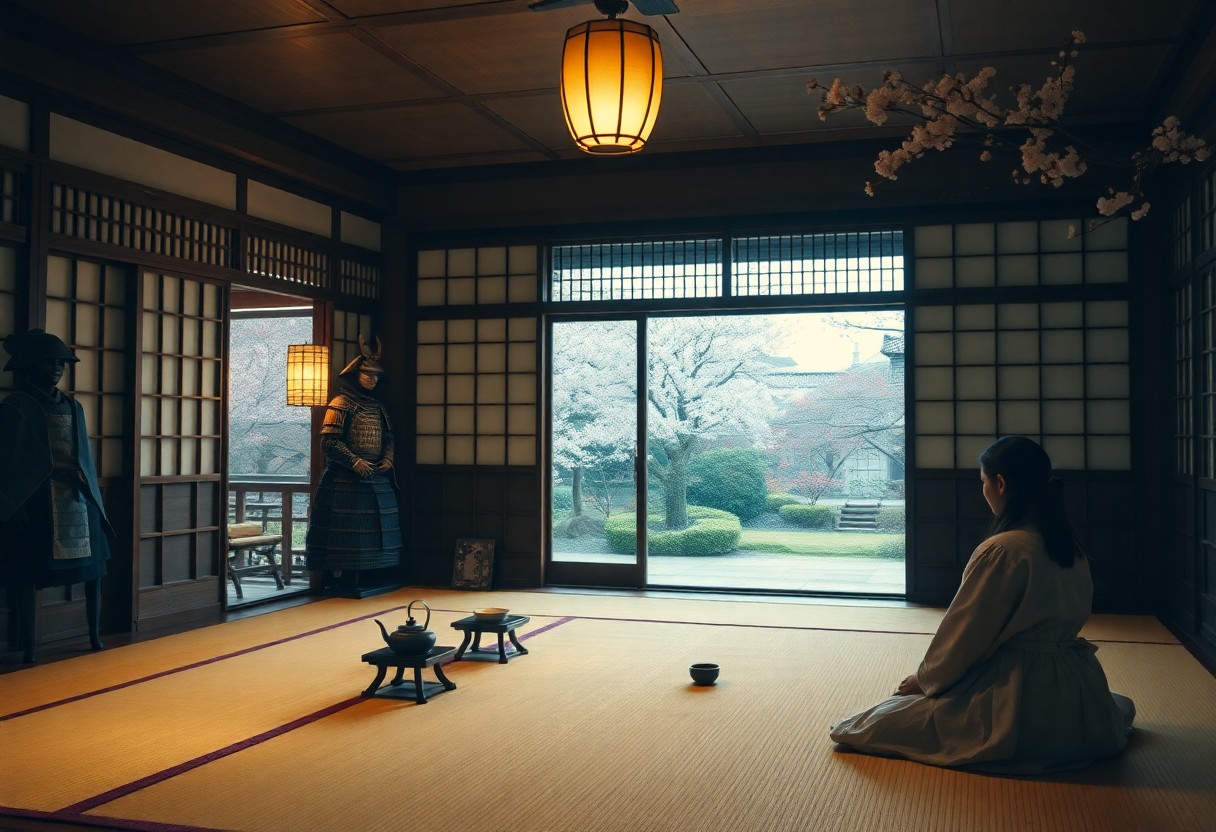
Over the centuries, Kyoto has captivated travelers with its breathtaking temples, serene gardens, and rich cultural heritage. In this guide, you will discover the crucial must-see sites along with some hidden gems that many visitors overlook. With insights from Lonely Planet Japan, you’ll get the most out of your trip, ensuring you experience both the iconic landmarks and the lesser-known treasures that make Kyoto a truly unforgettable destination. Let’s probe the charm of this historical city and uncover its secrets together.
Key Takeaways:
- Kyoto is home to a rich blend of historical sites, including iconic temples and shrines like Kinkaku-ji and Fushimi Inari-taisha.
- Beyond well-known attractions, the guide highlights lesser-known spots such as quaint tea houses in Gion and scenic back alleys for a more immersive experience.
- Seasonal events, like cherry blossom viewing in spring and foliage viewing in autumn, provide unique opportunities to experience Kyoto’s beauty.
- Exploring traditional crafts through workshops or local artisan shops adds a cultural depth to your visit.
- Transport tips, including the use of Kyoto’s efficient public transit system, help visitors navigate the city with ease.
Time-Honored Tradition: The Historic Temples of Kyoto
Wander through the serene streets of Kyoto and you’ll find yourself surrounded by the echoes of history, particularly within its myriad temples. This city, once the capital of Japan, boasts an array of architectural masterpieces steeped in tradition. Each temple tells a story, transporting you back in time to experience the essence of Japanese culture and spirituality. As you explore, you’ll encounter sites that not only showcase exquisite craftsmanship but also reinforce the city’s role as a center for religious practice and philosophical thought.
Must-Visit Temples: A Tour of the Iconic
Among Kyoto’s plethora of temples, Kinkaku-ji, the Golden Pavilion, stands out. Its shimmering gold leaf façade reflecting on the tranquil pond is a sight to behold. Equally impressive is Fushimi Inari-taisha, famous for its thousands of vermilion torii gates that form picturesque walking trails through the forested mountainside. Don’t miss Kiyomizu-dera, an iconic wooden temple offering breathtaking views of the city, especially during cherry blossom season. Each of these temples captivates visitors with their unique architecture and profound ambiance.
The Spiritual Significance of Zen Gardens and Their Role
Zen gardens serve as a testament to the philosophical underpinnings of Japanese culture. Designed as places for contemplation, these meticulously arranged landscapes embody harmony, simplicity, and tranquility. The act of raking pebbles into intricate patterns reflects the meditative practices central to Zen Buddhism. By immersing yourself in these serene spaces, you connect with a deeper sense of peace, allowing for introspection and mindfulness. Temples such as Ryoan-ji showcase rock gardens that challenge your perception, inviting you to ponder the meaning behind each stone and inch of gravel.
Zen gardens often represent more than mere aesthetics; they provide a sensory experience that encourages mindfulness. At Ryoan-ji, for example, the simplicity of the rock arrangement compels you to focus on the present moment. Each garden is created with intention, using minimal elements to symbolize broader concepts such as the universe or a journey through life. By spending time in these spaces, you not only appreciate their beauty but also embrace the tranquility they offer, making them an imperative aspect of your exploration of Kyoto’s historic temples.
Culinary Journey: Kyoto’s Flavorful Delights
Immerse yourself in Kyoto’s culinary landscape, where flavors reflect both tradition and innovation. Renowned for its unique regional dishes, you’ll discover a delightful variety of culinary experiences. From elegant dining in atmospheric teahouses to the vibrant streets lined with food stalls, satisfactory bites await at every turn, making your taste buds dance with joy.
The Secrets of Kaiseki: A Traditional Multi-Course Feast
Delve into the artistry of kaiseki, a multi-course dining experience that combines seasonal ingredients and exquisite presentation. Originating from the Japanese tea ceremony, this sophisticated meal showcases the depth of flavor through various carefully curated dishes, each crafted to highlight individual ingredients. Embrace this culinary journey, where every bite tells a story rooted in Kyoto’s age-old traditions.
Street Food Adventures: Hidden Gem Shops and Eateries
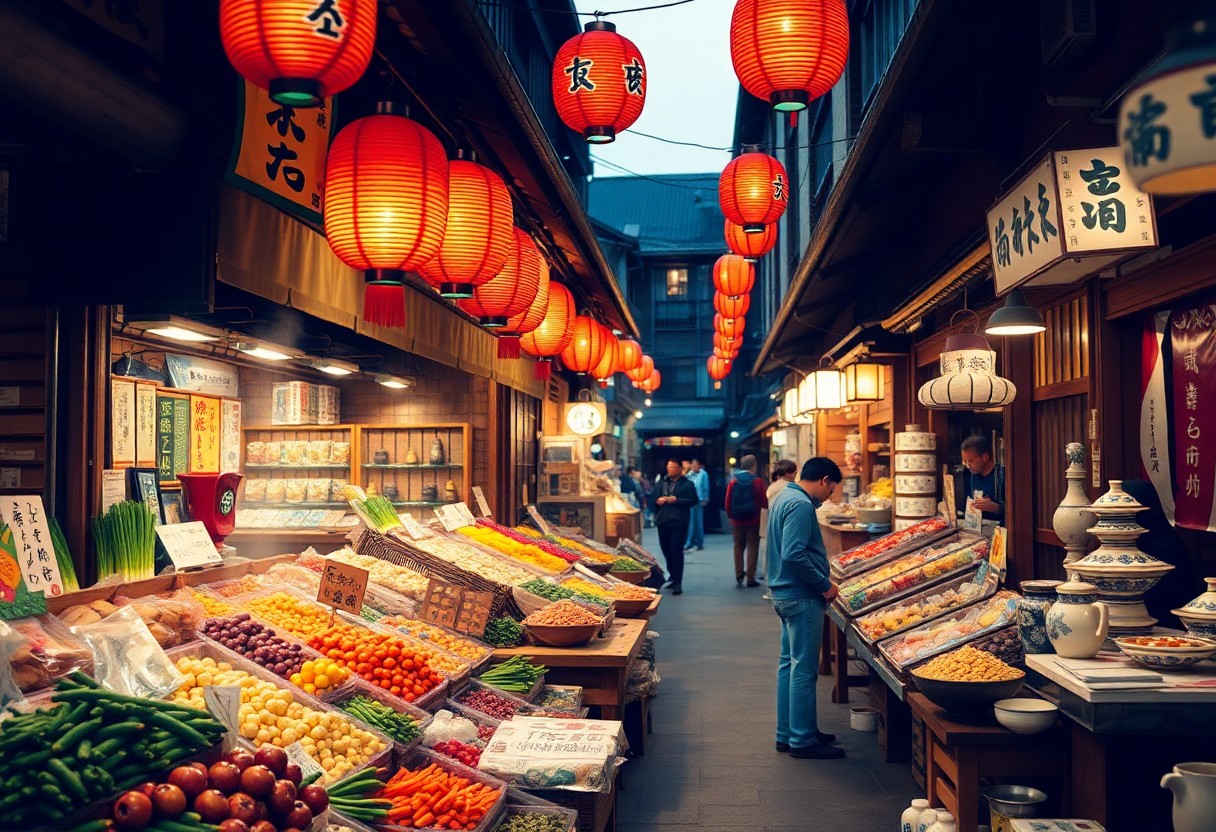
Exploring Kyoto’s street food scene is a must, where hidden gem shops offer delightful bites at every corner. You’ll find favorites like yuba (tofu skin) and sweet mochi, blending taste with local culture. Venture down narrow alleyways, and you might uncover a centuries-old stall selling savory takoyaki or an inviting food truck serving exquisite yakitori.
As you walk through the bustling markets, don’t miss the chance to indulge in some of Kyoto’s finest street food. For instance, Nishiki Market is a treasure trove, where vendors offer everything from tasty tsukemono (pickled vegetables) to flaky senbei rice crackers. Streets near Kiyomizu-dera are equally enchanting, where stalls tempt you with sweet dango and warm, savory okonomiyaki. Each vendor’s pride in their craft reveals a deeper appreciation of Kyoto’s rich culinary heritage. Embrace the flavors, meet the locals, and savor the essence of this vibrant city through its street food offerings.
Nature’s Serenity: Kyoto’s Scenic Landscapes
Kyoto is not just a treasure trove of cultural heritage; it boasts stunning landscapes that offer a perfect escape from the urban bustle. The city’s natural beauty lies in its carefully preserved gardens, majestic mountains, and serene rivers, creating a tranquil atmosphere that invites exploration. Whether you’re strolling through cherry blossom-filled parks or hiking along scenic trails, Kyoto’s natural environments provide a remarkable backdrop for reflection and rejuvenation.
The Enchantment of Arashiyama Bamboo Grove
Stepping into the Arashiyama Bamboo Grove immerses you in a world of towering green stalks swaying gently in the breeze. As you wander through this enchanting forest, the soft sounds of rustling bamboo create a peaceful ambiance that feels almost otherworldly. Don’t miss the opportunity to capture stunning photographs as sunlight filters through the canopy, casting an ethereal glow on the pathways below. This iconic site is a favorite among visitors, and it’s easy to see why it’s one of Kyoto’s most beloved experiences.
Off the Beaten Path: Lesser-Known Natural Wonders
If you seek to escape the crowds, Kyoto’s lesser-known natural wonders are waiting to be discovered. One hidden gem is the picturesque Ohara village, nestled in the mountains and surrounded by rice fields and scenic views. Explore the tranquil gardens at Sanzen-in Temple, or venture to the peaceful shores of the Lake Biwa Canal. Another must-see is the breathtaking Kifune River, where you can hike along serene trails and experience the charm of traditional teahouses that line the banks.
Make your way to the little-visited Kurama Onsen, a mountain hot spring town that offers soothing baths set against a stunning forest backdrop. The scenic hike from Kurama to Kibune not only connects two quaint villages but also reveals breathtaking views of the lush wilderness, especially during the fall foliage. Alternatively, explore the hidden valleys around the northern outskirts of Kyoto, where cascading waterfalls and vibrant wildflowers can make you feel like you’ve stumbled upon a magical, untouched paradise. Each of these locations offers a rare glimpse into the natural beauty that exists beyond Kyoto’s popular attractions.
Cultural Experiences: Immersing in Kyoto’s Art and Tradition
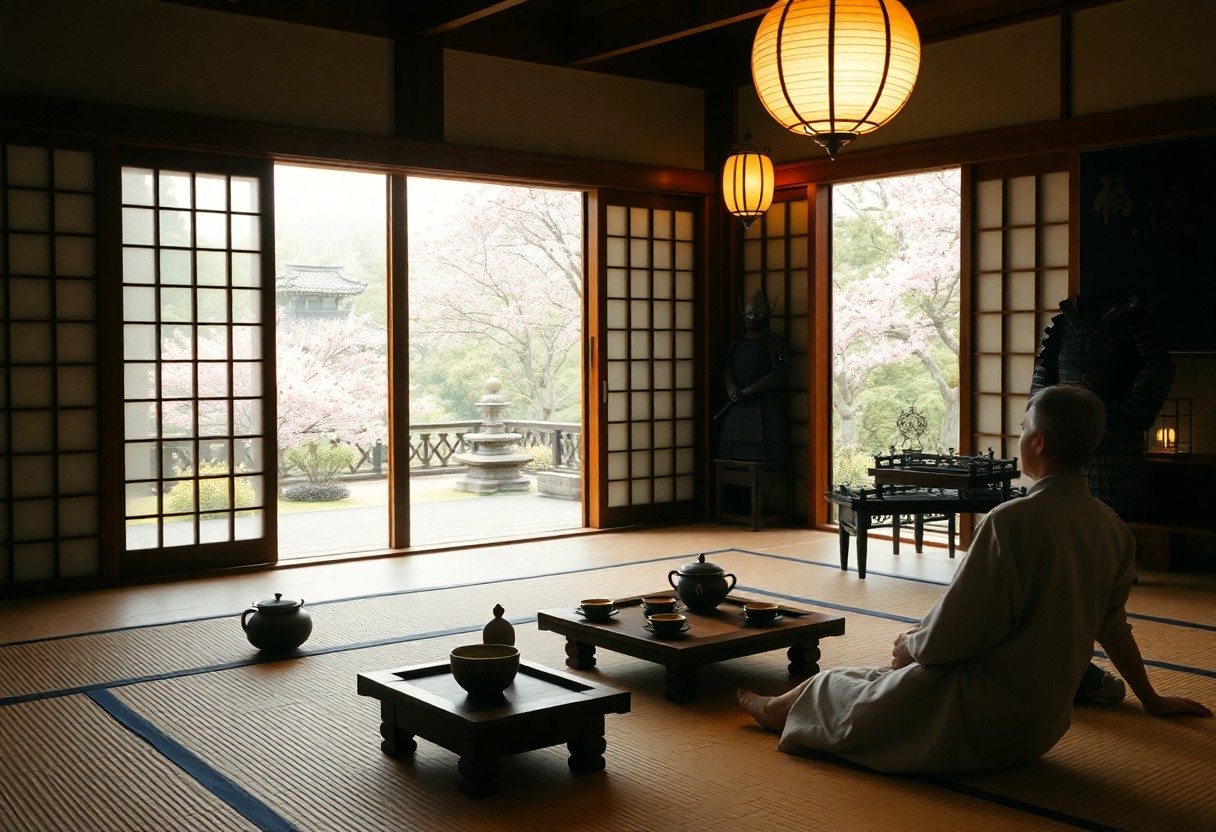
Dive into Kyoto’s vibrant cultural scene, where centuries-old traditions come alive in a city renowned for its artistry. From elegant tea ceremonies that craft a narrative around every sip to engaging hands-on workshops that allow you to create your own unique souvenirs, Kyoto invites you to become part of its living heritage. Experience the meticulous detail in artisan crafts, and witness the grace of traditional performances, ensuring your visit is enriched with deep cultural connections.
Participating in a Tea Ceremony: A Step-by-Step Guide
| Step | Description |
| 1 | Be seated gracefully on tatami mat, wearing comfortable attire. |
| 2 | Observe the intricate preparation of matcha, where the tea master showcases artful movements. |
| 3 | As the tea is served, appreciate the ritual significance of the moment with mindful consumption. |
| 4 | Engage in conversation about the philosophies underpinning the tea ceremony, emphasizing harmony and respect. |
Finding Your Way to Local Workshops: Crafting Unique Souvenirs
Uncover the charm of local workshops in Kyoto, where you can connect with artisans and learn ancient crafts. Whether it’s pottery, textiles, or woodblock printing, you can immerse yourself in hands-on experiences that yield one-of-a-kind keepsakes of your journey. Many workshops are located in traditional districts, and oftentimes, you can spot craftspeople at work in their studios. To locate these gems, simply ask locals for recommendations or consult community guides that often highlight lesser-known artists and their craft houses.
Joining these workshops lets you witness the dedication and skill that goes into each creation. For instance, the Nishijin Textile Center offers the chance to weave your own fabric while learning about the historical significance of Nishijin-ori, a type of complex textile. Participating in these experiences doesn’t just result in unique souvenirs; it also fosters a personal connection to the culture and artistry of Kyoto, making your visit all the more memorable.
Nighttime Allure: Kyoto After Dark
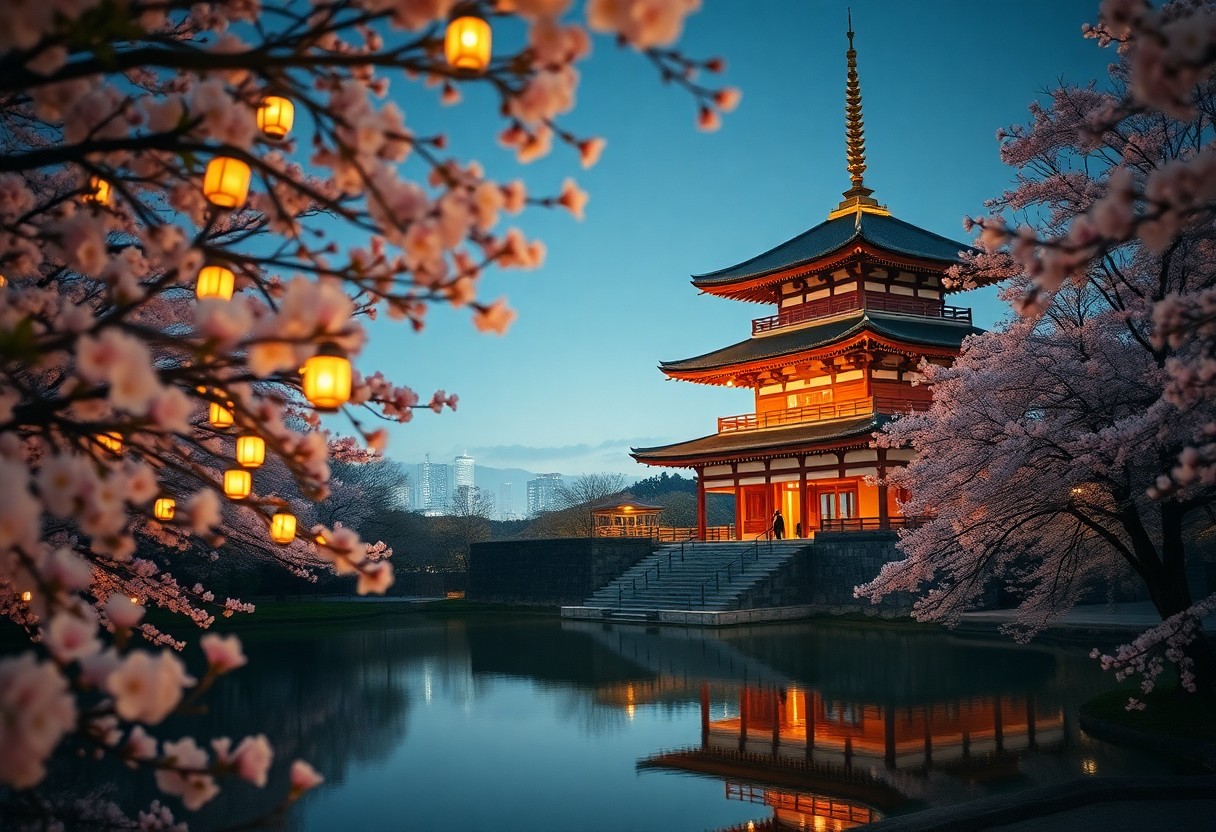
As dusk descends upon Kyoto, the city morphs into a realm of enchantment. Lanterns flicker to life, illuminating ancient temples and narrow streets, while the air fills with the sounds of laughter and music. The allure of night offers a unique perspective on the city, inviting you to uncover hidden gems and experience local traditions that flourish under the moonlight. Whether you stroll through bustling markets or sip sake in a cozy izakaya, Kyoto after dark presents a captivating blend of the historical and the contemporary.
The Allure of Gion: Geisha District at Night
Gion, Kyoto’s famed geisha district, comes alive at night as the soft glow of paper lanterns reflects off traditional wooden machiya houses. You might catch glimpses of geisha, adorned in elegant kimonos, gliding gracefully through the streets on their way to appointments. The enchanting atmosphere is further enhanced by the sound of shamisen music drifting from ochayas (teahouses), inviting you to immerse yourself in the elegance of this timeless art. Be sure to wander the cobblestone alleys and perhaps even indulge in a traditional kaiseki dinner for a truly unforgettable experience.
Local Festivals: Experiencing Ancient Celebrations and Events
Kyoto’s vibrant local festivals, or matsuri, showcase the city’s rich cultural heritage, forming an integral part of its identity. Festivals like Gion Matsuri in July, featuring elaborate floats and traditional performances, or Aoi Matsuri in May with its stunning procession, provide an immersive experience where ancient rituals and community spirit come together.
Each festival has its own unique character and history, enriching your understanding of Kyoto’s traditions. For instance, the Jidai Matsuri in October celebrates the city’s history, displaying costumes from various eras through a grand parade. With a schedule filled with festivities year-round, attending one of these events allows you to connect deeply with the local culture, savors seasonal delicacies, and witness ceremonies that have been passed down through generations. Make it a point to check the calendar during your visit, and partake in the excitement of these age-old celebrations, making your trip to Kyoto even more memorable.
Conclusion
Ultimately, your exploration of Kyoto, guided by the insights of Lonely Planet Japan, will immerse you in a blend of ancient traditions and modern experiences. By visiting both renowned landmarks and hidden gems, you will truly appreciate the city’s rich cultural tapestry. Whether wandering through serene temples or discovering local eateries, every moment in Kyoto promises to be memorable and enlightening. Embrace the journey and let the magic of this historical city captivate your senses.
FAQ
Q: What are some must-see historical sites in Kyoto according to Lonely Planet Japan?
A: Lonely Planet Japan highlights several must-see historical sites in Kyoto, including the iconic Kinkaku-ji (Golden Pavilion), a stunning Zen temple covered in gold leaf. Other important sites include Ginkaku-ji (Silver Pavilion), the Kiyomizu-dera Temple perched on a hillside, and the Fushimi Inari Taisha, famous for its thousands of vermillion torii gates. These sites offer rich cultural experiences and beautiful scenery that reflect Kyoto’s deep history.
Q: Are there any hidden gems in Kyoto recommended by Lonely Planet Japan?
A: Yes, Kyoto is filled with hidden gems that are often overlooked by tourists. Lonely Planet Japan recommends visiting the peaceful Nanzen-ji Temple and its gardens, as well as the lesser-known Otagi Nenbutsu-ji, which features over 1,200 unique stone statues. You might also explore the quaint streets of the Arashiyama district and discover the serene Iwatayama Monkey Park, offering a unique wildlife experience and stunning views of the city.
Q: What is the best time to visit Kyoto according to Lonely Planet Japan?
A: Lonely Planet Japan suggests that spring (March to May) and autumn (September to November) are the best times to visit Kyoto. During spring, the cherry blossoms create a magical atmosphere, while autumn showcases vibrant fall foliage throughout the city. Both seasons offer perfect weather for exploring Kyoto’s beautiful gardens and temples, making it an ideal time for sightseeing.
Q: How can I navigate Kyoto using public transportation?
A: Lonely Planet Japan advises utilizing Kyoto’s efficient public transportation system, which includes buses and trains. The city’s extensive bus network connects most attractions, while the subway offers quick access to key areas. Visitors can purchase a Kyoto City Bus & Kyoto Bus One-day Card for unlimited rides, making it easy to explore both popular and off-the-beaten-path sites without worrying about transportation costs.
Q: Can you suggest some local foods to try in Kyoto?
A: Lonely Planet Japan encourages visitors to indulge in Kyoto’s unique culinary offerings. Must-try dishes include kaiseki ryori, a traditional multi-course meal showcasing seasonal ingredients; yudofu, a simple yet elegant tofu hot pot; and matcha-flavored treats due to Kyoto’s rich tea culture. Additionally, visiting Nishiki Market offers an excellent opportunity to sample street foods and local delicacies, presenting a true taste of Kyoto.