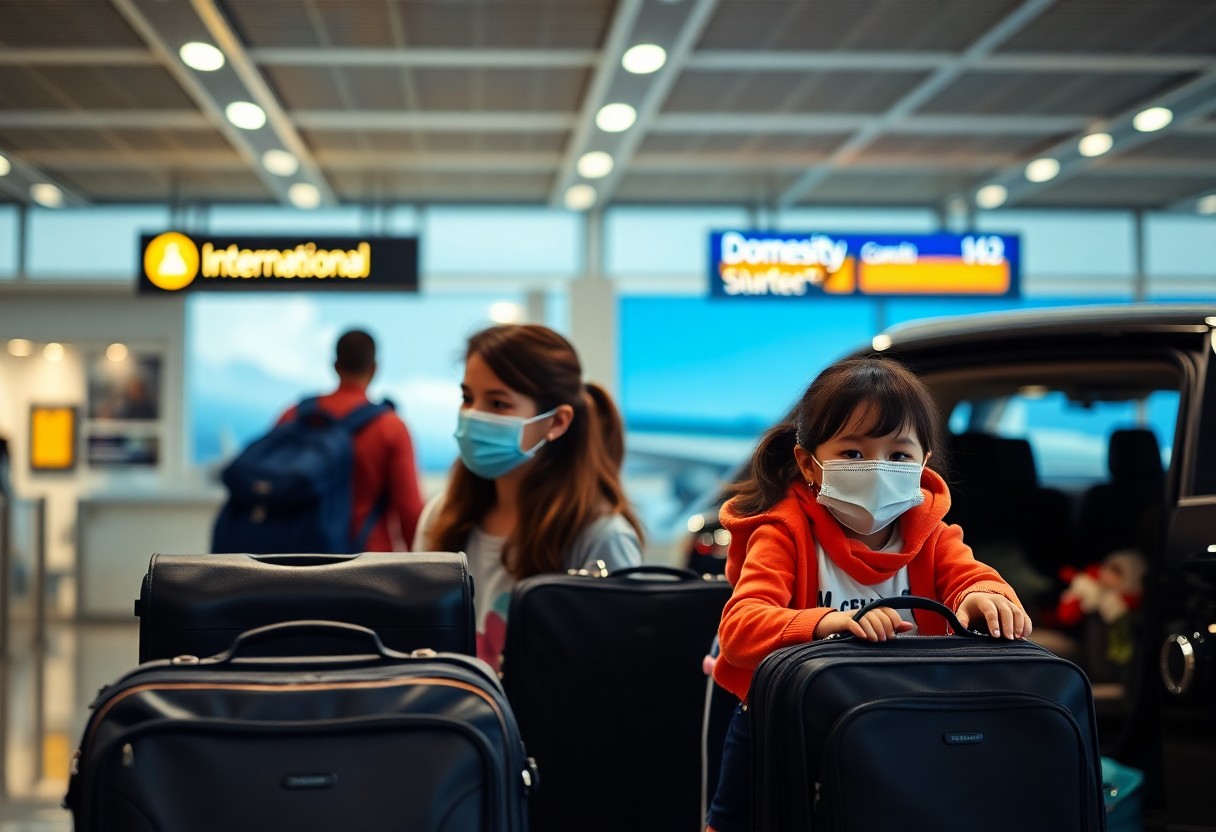
Over the years, family travel has become an vital aspect of creating lasting memories and fostering connections. Whether you’re considering an international getaway or a domestic trip, it’s important to weigh the advantages and disadvantages each option presents, particularly regarding family planning and safety. Understanding the nuances of both travel types can help you make informed decisions that best suit your family’s needs and ensure a secure experience for everyone involved.
Key Takeaways:
- Domestic travel often provides more familiarity with healthcare systems and legal regulations regarding family planning.
- International travel may offer unique experiences and access to specialized healthcare options but could involve navigating complex legalities.
- Cultural differences can impact family planning resources and practices in different countries.
- Safety protocols and healthcare quality should be assessed regardless of the travel type to ensure well-being during the trip.
- Consider travel insurance that covers medical assistance and repatriation when traveling abroad for family planning purposes.
The Impact of Location on Family Safety
Your choice of location plays a significant role in ensuring the safety and well-being of your family. Each destination presents distinct risks, from crime rates to healthcare access. Cities with high tourism often have better resources tailored to family needs, while remote areas may lack immediate medical support. Evaluating factors like local laws, emergency services, and community support systems can enhance your family’s safety while traveling, ultimately influencing your overall experience.
Analyzing Domestic Safety Regulations
Understanding International Safety Standards
International safety standards can significantly vary between countries, impacting the level of care available during family travel. Countries with established protocols often provide higher safety assurances, influencing your destination choice. Evaluating the World Health Organization’s guidelines and the U.S. Department of State’s travel advisories can reveal critical insights about medical infrastructure and legal rights in foreign locations. Knowing these standards informs your travel decisions, ensuring your family is both safe and supported abroad.
When assessing international safety standards, consider specific metrics such as healthcare quality, emergency response times, and the presence of legal frameworks that support family planning. Countries like Canada and many in Europe have robust healthcare systems that adhere to rigorous safety protocols, while others may lack necessary services. Understanding local laws about family health can further prevent unexpected complications during your travels. For example, knowing whether a country mandates parental consent for certain medical procedures helps you navigate family planning with confidence. Familiarizing yourself with each destination’s safety standards allows for better preparation and peace of mind.

Cultural Considerations in Family Travel
Cultural differences can significantly shape your family’s travel experience. Understanding local customs, traditions, and social norms prepares you for respectful engagement with the communities you visit. Each destination may have unique expectations regarding family roles, behavior in public spaces, or even dietary practices, making awareness necessary in both planning and during your travel. Observation and adaptation can enrich your interactions and ensure a more enjoyable experience for everyone involved.
Navigating Cultural Norms and Expectations
Familiarizing yourself with cultural norms can enhance your family’s travel experience. Each country may hold distinct values regarding child-rearing, family interaction, and social behaviors, influencing how you and your children should conduct yourselves. For example, in some cultures, children playing openly in public spaces is common, while in others, there may be more restrictive behaviors expected. Understanding these nuances helps avoid misunderstandings and allows your family to navigate social situations more confidently.
Analyzing Family-Friendly Amenities Abroad
Exploring family-friendly amenities can make a significant difference in your travel experience. Look for accommodations that offer child care services, kids’ clubs, or family suites that provide comfort for all ages. Additionally, consider destinations that feature easy access to family-oriented attractions, dining options with kid-friendly menus, and local activities designed with younger travelers in mind. These amenities not only create convenience but also enhance the overall enjoyment of your family vacation.
Much like a treasure map, family-friendly amenities abroad help you navigate the terrain of international travel. Researching hotels that provide babysitting services or pools designed with children in mind can save you time and stress. Many resorts and attractions offer tailored experiences, such as interactive children’s programs that seamlessly blend education and fun, making them appealing for you and your kids. Websites like Family Travel Forum and TripAdvisor often rate these critical amenities, providing insights from parents who have traveled with kids, giving you first-hand knowledge to shape your itinerary.
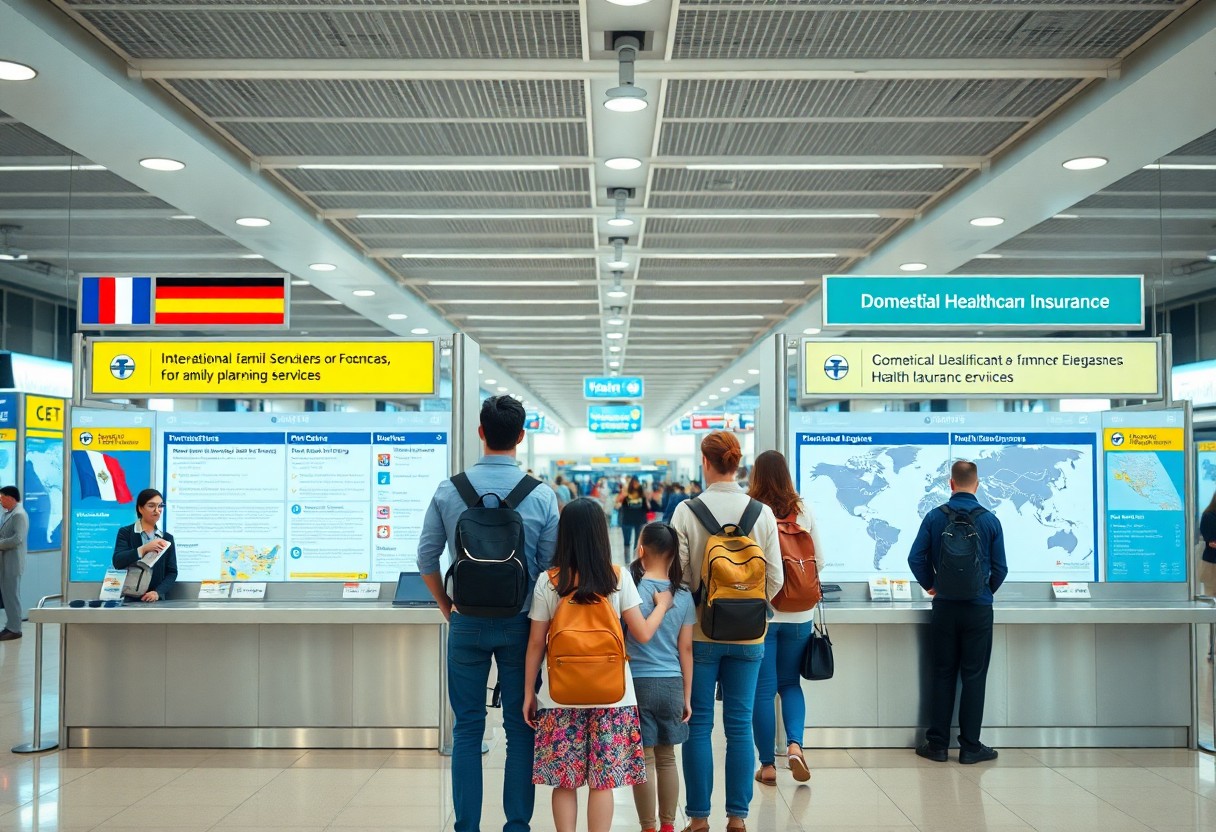
Legal Implications and Health Considerations
Your travel destination significantly influences the legal ramifications regarding family planning and health care access. Many countries have specific laws governing reproductive health services, and familiarity with these regulations can ensure safety and compliance. Insurance coverage is another factor to consider, as some plans may not be valid internationally. Investigating local health care facilities, potential restrictions on services, and understanding your rights can prevent unexpected complications during your travels.
Family Travel Laws: A Domestic vs. International Comparison
| Domestic Travel | Family laws and regulations are typically more uniform and predictable, allowing smoother access to health services. |
| International Travel | Varying laws can complicate access to family planning services; research local regulations, which may differ widely. |
Cross-Border Healthcare Options for Families
Accessing healthcare across borders can often provide families with necessary medical services unavailable in their home country. Various international clinics cater specifically to expatriates and travelers, offering services ranging from routine check-ups to specialized treatments. Understanding the healthcare infrastructure in your destination country, as well as any international agreements, can lead to effective planning for any medical needs that may arise during your travels.
For many families considering cross-border healthcare options, familiarity with local clinics and hospitals can be invaluable. Countries like Mexico and Canada are popular for families in the U.S. seeking affordable medical services, including dental care, surgeries, or fertility treatments. Investigating local healthcare quality ratings, insurance compatibility, and language support ensures that you are well-prepared for any medical care needed while abroad. Always carry necessary documents, such as vaccination records and medical history, to facilitate seamless care in emergency situations.
Financial Implications of Family Travel Choices
Assessing the financial implications of travel for family planning involves examining both direct and indirect costs associated with domestic and international trips. Domestic travel typically incurs lower airfare, accommodation, and insurance expenses, while international trips may require additional factors such as currency exchange and visa fees. Hidden costs, such as extra childcare or unexpected medical expenses, can also affect your budget, making it imperative to evaluate all potential financial impacts before making a decision.
Budgeting Strategies for Domestic and International Trips
Establishing a comprehensive budget is key to managing travel expenses effectively. For domestic trips, consider utilizing travel rewards programs, booking in advance, and scouting for last-minute deals. For international destinations, factor in currency exchange rates and ensure that you include costs for accommodations, activities, and meals in your planning. Monitor your spending throughout the trip to avoid unexpected financial strains.
Evaluating Cost-Benefit Analysis in Family Travel Decisions
A thorough cost-benefit analysis empowers you to weigh the pros and cons of domestic versus international travel. This involves not only assessing monetary costs but also the potential value of experiences gained, such as cultural exposure, educational opportunities, and family bonding. For instance, an international trip may be pricier upfront, but the long-term benefits of exposure to different cultures for your family can far outweigh the initial costs.
Analyzing the trade-offs requires a detailed review of both tangible and intangible factors. For instance, if a domestic trip to a national park costs $2,000 while an international trip to a historical site costs $5,000, you may consider how these experiences align with your family’s values and goals. Determine the unique experiences each option provides, such as the educational difference in seeing historical landmarks firsthand versus familiar recreational activities. This evaluation can reveal opportunities for deeper familial connections, long-lasting memories, and transformative experiences, sometimes justifying higher expenses for international travel.
Preparing for the Unexpected: Travel Insurance and Emergency Plans
Anticipating unforeseen circumstances during travel is crucial for a smooth family experience. Having the right travel insurance and a solid emergency plan can safeguard your family against financial losses and provide peace of mind. From trip cancellations to medical emergencies, being prepared can mean the difference between a stressful situation and a manageable one. Always consider your destination’s specific risks and how you will handle them, ensuring your family is well-equipped for any unexpected event.
The Importance of Comprehensive Travel Insurance
Opting for comprehensive travel insurance protects your family against a variety of potential issues, including trip cancellations, lost luggage, and medical emergencies. Policies vary significantly, so review coverage options to include medical evacuation, especially when traveling abroad. A study by the U.S. Travel Insurance Association found that over 40% of travelers experience an incident that could lead to a claim. Investing in the right insurance offers not only financial protection but also peace of mind during your travels.
Creating an Effective Family Emergency Plan for Travel
An effective family emergency plan for travel outlines specific protocols to follow in case of an unexpected situation. Establish clear communication methods, designate meeting points in case you get separated, and ensure each family member has crucial information accessible, including emergency contacts and medical details. Regularly review and rehearse the plan before your trip, which can help reduce anxiety and increase your family’s readiness for any scenario.
To create a robust emergency plan, collaboratively involve the entire family in discussions. Identify potential challenges based on your destination—such as natural disasters, political instability, or healthcare access—and develop tailored responses for each. Equip family members with copies of important documents, including passports and health insurance cards, stored safely yet accessible. Designate a family member to handle communications and urgent contacts, ensuring everyone knows their role. Conduct regular drills to reinforce these plans, preparing your family to respond swiftly and effectively to any unexpected situation during your travels.
To wrap up
To wrap up, when considering travel for family planning and safety, you must weigh the benefits and drawbacks of both international and domestic options. International travel may offer unique healthcare services and experiences, but it also comes with potential challenges like language barriers and unfamiliarity with medical systems. On the other hand, domestic travel provides comfort and ease in navigation, yet may limit your choices in specialized care. Assess your family’s specific needs, safety concerns, and preferences to make an informed decision that best supports your planning efforts.
FAQ
Q: What are the main differences between international and domestic travel regarding family planning?
A: International travel may require more extensive planning due to different health regulations, vaccinations, and cultural norms. Domestic travel generally involves fewer logistical concerns, but it’s important to consider local laws and family services available.
Q: How can families ensure safety during international travel compared to domestic travel?
A: Families can enhance safety during international travel by researching the destination’s safety record, securing travel insurance, and staying informed about local laws. For domestic travel, understanding local hazards and health services is key, along with practicing standard safety measures.
Q: What health considerations should families keep in mind for international versus domestic travel?
A: For international travel, families should check for required vaccinations and understand any health risks specific to the destination. For domestic travel, awareness of local health advisories and availability of medical care in the area is important.
Q: How do family planning resources differ between international and domestic travel?
A: International travel may expose families to different health care systems and family planning resources, which may vary in accessibility and quality. Domestic travel typically provides easier access to known family planning services and familiar healthcare providers.
Q: What should families consider regarding child care when traveling internationally compared to domestically?
A: Families traveling internationally should research child care options, including local regulations and childcare quality. Domestic travel often allows easier access to familiar services, but it’s important to confirm availability and suitability at the destination.