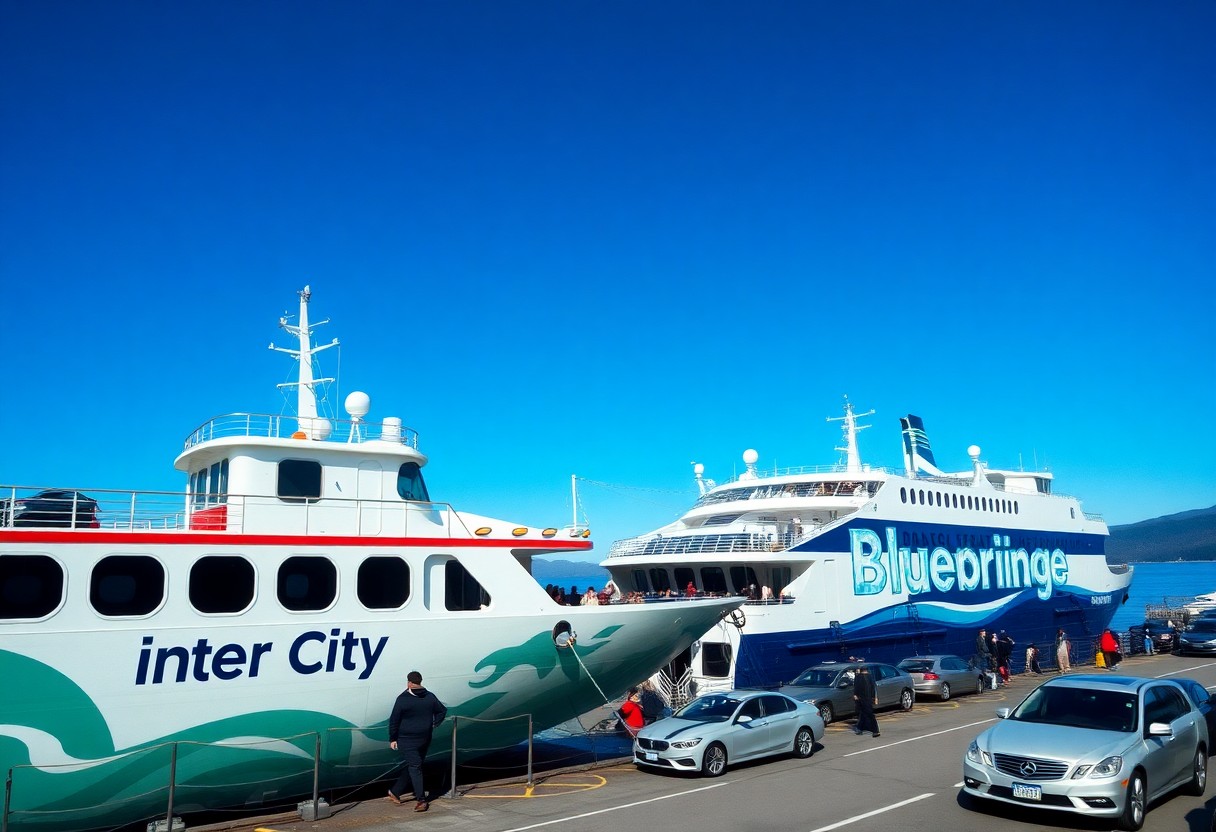
Two optios for Cook Straight crossings are InterCity vs Bluebridge for Cook Strait Ferry Services. Many travelers are often faced with the decision of choosing between InterCity and Bluebridge for their Cook Strait ferry services. Both companies offer unique advantages and experiences that cater to different preferences and needs. In this blog post, you will explore the key features, pricing, and services of each provider, enabling you to make an informed choice for your journey across the stunning waters of New Zealand’s Cook Strait.
Key Takeaways:
- InterCity and Bluebridge both offer ferry services across Cook Strait, connecting the North and South Islands of New Zealand.
- InterCity focuses on providing integrated transport solutions, including bus and ferry connections, enhancing convenience for travelers.
- Bluebridge operates a fleet of ferries with amenities designed for passenger comfort, such as dining options and spacious lounges.
- Pricing structures may vary between the two providers, with seasonal promotions and package deals influencing overall travel costs.
- Schedules and frequency of sailings differ, impacting travel planning and flexibility, particularly during peak travel times.
| Service Features | InterCity |
|---|---|
| Route Options | Direct ferry services between Wellington and Picton. |
| Travel time | Approximately 3.5 hours. |
| Pricing | Competitive fares with discounts for advance booking. |
| Extra Services | Onboard cafés and shops available. |
| User Experience | Rated highly for comfort and efficiency. |
Vessel Types and Onboard Amenities
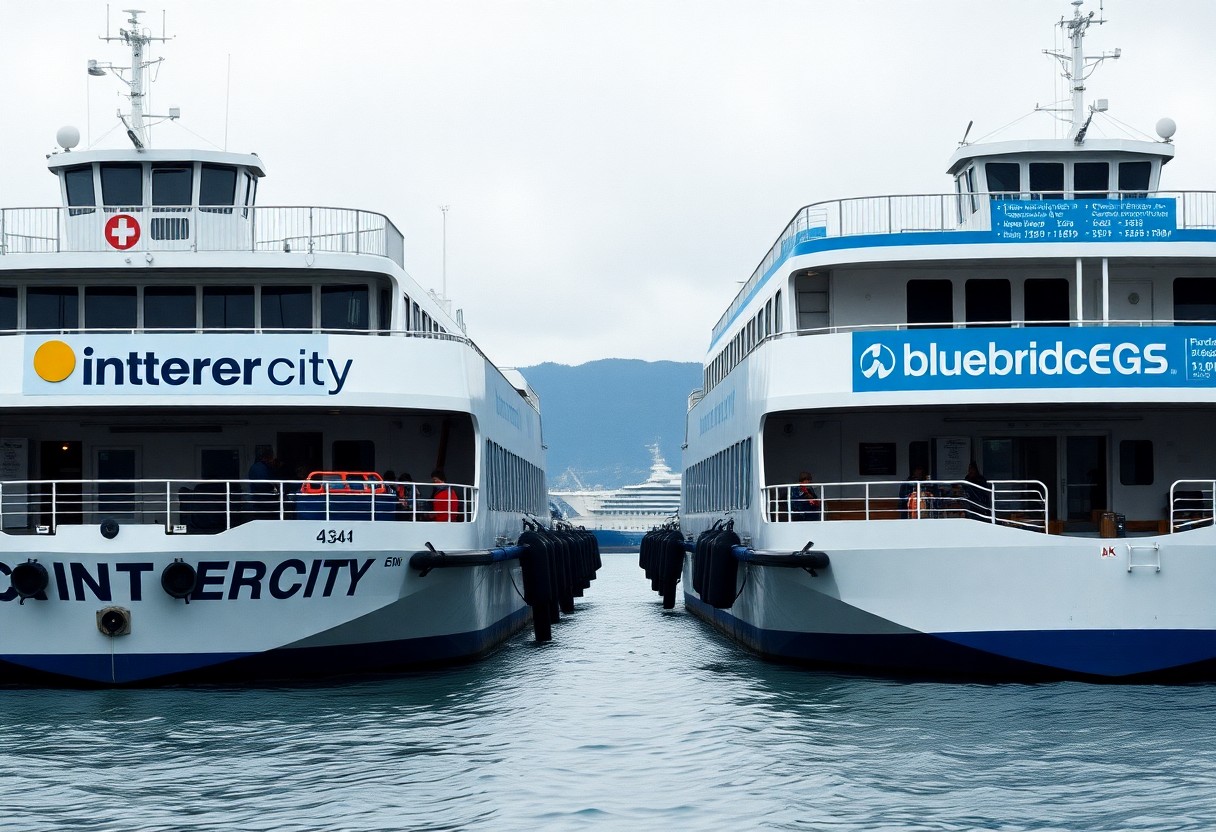
InterCity ferries are designed for comfort and convenience, featuring expansive seating arrangements, lounges, and panoramic views. You can enjoy amenities like dining options and free Wi-Fi. Here’s a quick overview of what you can expect:
- Modern vessels with spacious cabins.
- Cafés offering a variety of meals and drinks.
- Free Wi-Fi throughout the journey.
- Leisure areas with stunning views.
- Pet-friendly options available during specific sailings.
The vessels ensure a pleasant and relaxing travel experience.
Scheduling Flexibility and Frequency
InterCity offers a range of schedules tailored to your travel needs, allowing for both early morning and late afternoon departures. The frequency of the ferries ensures that you can conveniently find a time that suits your plans. Travelers can appreciate the multiple daily sailing options, which are designed to accommodate various itineraries.
Ferries typically run multiple times a day, providing flexibility in selecting departure times. For instance, on busy days, you can find up to seven departures from both Wellington and Picton. This consistent frequency allows you to easily adjust your travel plans, whether you’re planning a day trip or a longer stay in either city. Strong booking patterns suggest that the high customer demand for these routes directly impacts scheduling, making it more advantageous for you to plan your ferry ride with plenty of options at your disposal.
Financial Waters: Pricing Strategies and Value
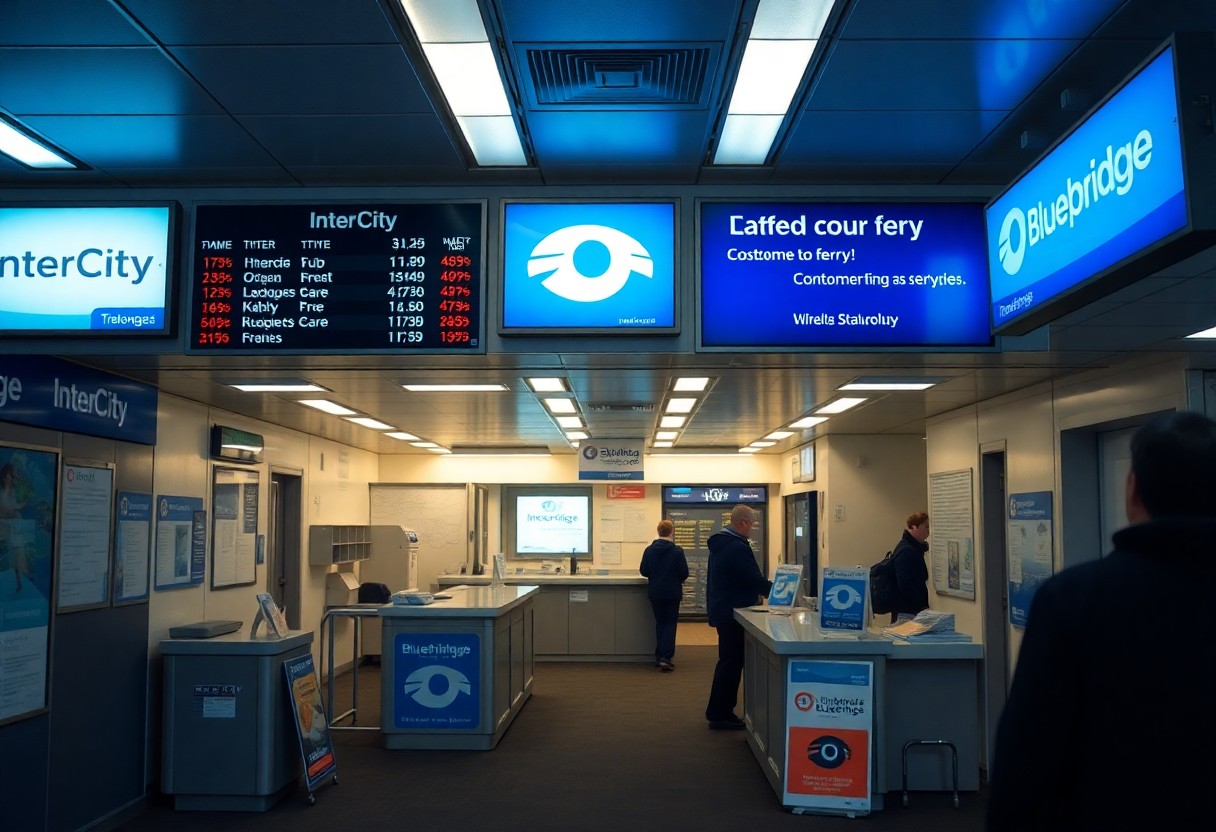
Understanding pricing strategies between InterCity and Bluebridge reveals how each service balances affordability with value. Both companies structure their fares to attract different segments, offering a variety of pricing options that cater to both casual travelers and frequent commuters. You’ll find differences not only in ticket prices but also in the overall experience and extras included with those fares.
Ticket Pricing Structures Compared
Pricing Comparison Table
| Service | Average Ticket Price (One-way) |
|---|---|
| InterCity | $50 – $70 |
| Bluebridge | $45 – $85 |
Additional Costs and Discounts
While base ticket prices are an important consideration, additional costs can significantly affect your total travel expenditure. Both InterCity and Bluebridge offer various additional services such as onboard meals, cabin options, and luggage fees that may not be included in the initial fare. Discounts for early bookings, seniors, or families can also play a critical role in your decision-making process.
When using either service, you might encounter extra charges based on your travel needs, such as vehicle transportation fees or premium seating. InterCity allows for online promotions and multi-ride passes that can lower your overall cost if you plan to travel frequently. Bluebridge is known for offering family packages and discounts for off-peak travel, providing more value if you’re flexible with your travel dates. Comparing these additional costs and potential discounts helps you assess which service aligns better with your budget and preferences.
Customer Experiences: Reviews and Satisfaction Ratings
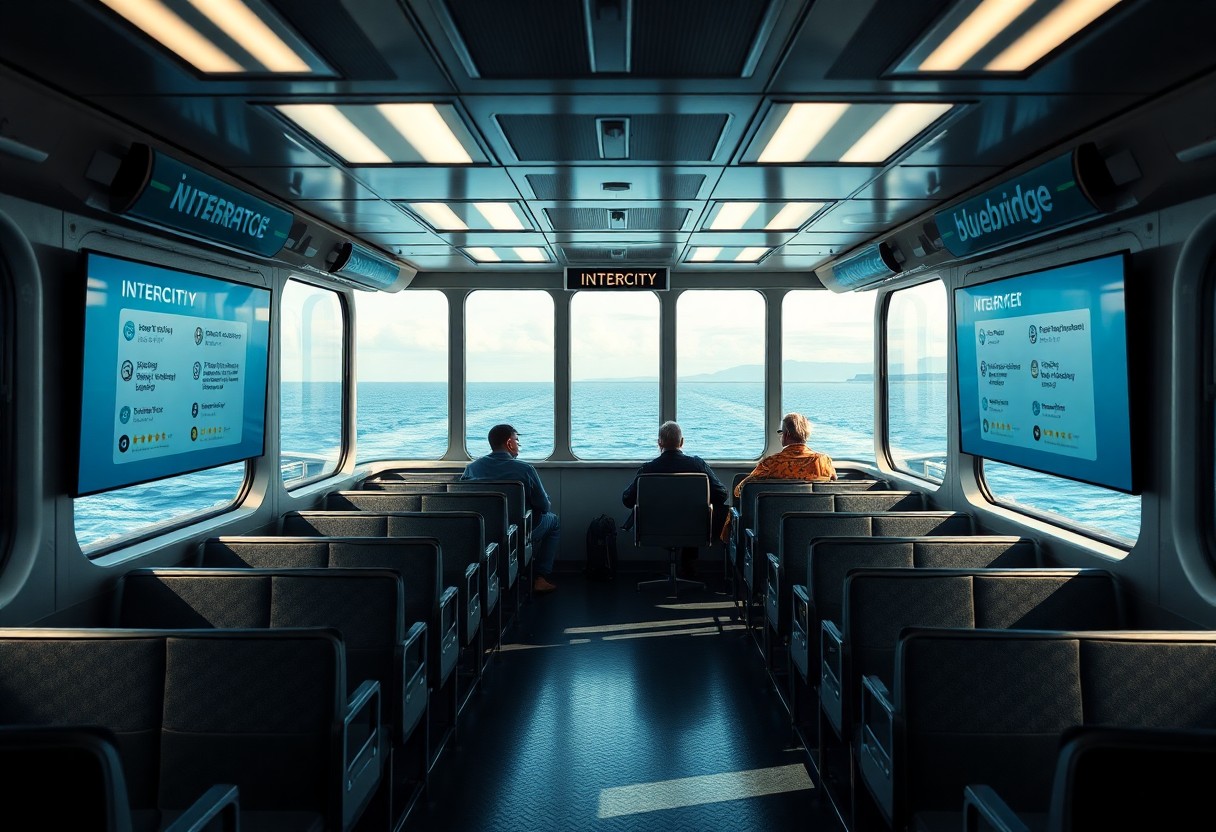
Evaluating customer experiences provides valuable insight into both InterCity and Bluebridge ferry services. Passengers frequently share their reviews on platforms such as TripAdvisor and social media, influencing future travelers’ decisions. While some rave about the smooth sailing and comfortable journeys, others express concerns over delays and onboard amenities. Gathering a broad spectrum of feedback can help you make an informed choice for your travel plans.
Passenger Feedback and Trip Experiences
Passengers often highlight the convenience of both ferry lines, with many noting friendly staff and easy boarding procedures. InterCity’s passengers appreciate the organized check-in process, while Bluebridge travelers comment on the spacious seating areas and scenic views during the crossing. These personal experiences often reflect the overall quality of service you can expect from each provider.
Handling of Customer Concerns and Complaints
Both InterCity and Bluebridge have established protocols for addressing customer concerns, which can include anything from delays to dissatisfaction with services. They value customer feedback and strive to resolve issues quickly, often providing compensation or service enhancements. Their commitment to customer service plays a pivotal role in overall satisfaction.
InterCity and Bluebridge utilize a range of communication channels, such as email, phone support, and social media, to respond to passenger inquiries swiftly. For instance, Bluebridge has implemented a real-time chat function on their website, allowing you to connect with a representative immediately if problems arise during your journey. InterCity has a dedicated customer service team that manages complaints efficiently, often resolving issues within 24 hours. These proactive approaches not only enhance your travel experience but also demonstrate each company’s commitment to customer satisfaction.
Environmental Considerations: Sustainability Efforts
Both InterCity and Bluebridge recognize the significance of environmental stewardship in their operations. By implementing various sustainability efforts, these ferry services aim to reduce their impact on the Cook Strait’s delicate ecosystem. Their commitment includes exploring innovative technologies and practices designed to minimize resource consumption and enhance environmental protection.
Carbon Footprint and Emission Policies
Both companies actively strive to lower their carbon footprints by adopting stringent emission policies. InterCity employs measures such as upgrading vessel engines to meet strict emission standards, while Bluebridge is focused on reducing overall fuel consumption through optimized sailing routes and speeds. These initiatives are part of a broader commitment to align with New Zealand’s ambitious environmental goals.
Innovations in Eco-Friendly Practices
On the innovation front, both ferry operators have launched on eco-friendly practices, which include utilizing renewable energy sources, waste reduction techniques, and promoting onboard sustainability initiatives. For instance, InterCity has recently introduced the use of biofuels for some vessels, while Bluebridge has implemented waste recycling programs to decrease landfill contributions from their operations.
When you look closer at their eco-friendly practices, you’ll find that InterCity’s biofuel initiative not only reduces greenhouse gas emissions by nearly 20% but also supports local renewable energy industries. Bluebridge, on the other hand, showcases its commitment to sustainability through shipboard recycling programs that educate passengers about responsible waste disposal. Both companies’ efforts extend to the procurement of sustainable materials for onboard services, effectively promoting a culture of environmental consciousness among their employees and passengers alike. This conscious approach not only strengthens their corporate responsibility but also enhances your travel experience by contributing to the preservation of New Zealand’s breathtaking natural landscapes.
Making the Right Choice: Recommendations for Travelers
The decision between InterCity and Bluebridge often hinges on your unique travel preferences and needs. Consider factors like ferry timings, onboard amenities, and pricing to determine which service aligns with your trip. If you value a direct route with fewer stops, InterCity might be more suitable, whereas Bluebridge is ideal for on-board dining options and spacious seating. Analyze your schedule and preferences to make an informed choice that enhances your travel experience.
Best Options Based on Travel Needs
Your travel requirements will significantly shape which ferry service is the best fit. If you’re traveling with family or have specific dietary needs, Bluebridge’s extensive restaurant menu could appeal to you. Conversely, if you want affordable travel and quick connections, InterCity’s more economical fares and efficient scheduling might be your best pick. Prioritize what matters most to you, whether it’s affordability, comfort, or convenience.
Travel Tips for a Smooth Journey
- Check the ferry schedules ahead of time to avoid surprises.
- Book your tickets in advance to secure the best rates.
- Packing light can make boarding easier, especially during busy periods.
- Familiarize yourself with the onboard facilities for your convenience.
- Knowing potential ferry delays can help you adjust your travel plans accordingly.
- Always have a backup plan for transportation to and from the ferry terminals.
- Stay hydrated and take breaks if traveling with children.
- Familiarize yourself with emergency procedures provided on board.
- Knowing your options for entertainment can make the journey enjoyable.
Summing up
Upon reflecting on the competition between InterCity and Bluebridge for Cook Strait ferry services, you can see that each offers distinct benefits tailored to your travel needs. InterCity emphasizes convenience with its integrated bus and ferry packages, while Bluebridge boasts a more traditional ferry experience with a focus on onboard amenities. Evaluating factors like price, schedule flexibility, and personal preferences will help you make an informed choice for your journey across the Cook Strait, ensuring a satisfying travel experience tailored to your requirements.
FAQ
Q: What are the main differences between InterCity and Bluebridge ferry services?
A: InterCity and Bluebridge are two distinct operators providing ferry services across the Cook Strait. InterCity typically focuses on high-speed ferry operations, offering a faster crossing time, while Bluebridge tends to provide a more traditional ferry experience with amenities catering to families. The onboard services, entertainment options, and vehicle capacity differ as well, with InterCity often providing a faster transit experience, while Bluebridge may include more spacious lounges and dining options. Additionally, their schedules may vary, so it’s important to check timetables in advance.
Q: Which ferry service is more economical for travelers?
A: Pricing can vary significantly between InterCity and Bluebridge depending on the time of booking, type of vehicle, and the season. Typically, both services offer competitive rates for passengers and vehicles. It is advisable to compare the full range of ticket prices and any current promotions or discounts on their respective websites before making a decision. Keep in mind that additional amenities or services could factor into the overall cost depending on personal preferences.
Q: What kind of amenities can travelers expect on InterCity and Bluebridge ferries?
A: Both InterCity and Bluebridge offer a variety of amenities, though they may differ in style and offerings. InterCity ferries often feature comfortable seating, food and beverage options, and entertainment systems. On the other hand, Bluebridge vessels might provide a more family-friendly atmosphere with kid’s play areas, larger lounges, and different dining choices. It’s best to review each service’s features online to determine which aligns with your travel expectations and needs.
Q: How do the travel times compare for InterCity and Bluebridge ferry services?
A: InterCity ferries are generally known for their quicker travel times, making the journey across the Cook Strait in approximately 2 to 3 hours. In contrast, Bluebridge ferries may take a bit longer, typically around 3 to 3.5 hours. The exact duration can vary depending on weather conditions and the specific ferry service’s schedule. Checking the departure and arrival times is crucial when planning your trip to ensure a smooth travel experience.
Q: Are there any restrictions or requirements for taking vehicles on the ferries?
A: Both InterCity and Bluebridge have specific guidelines regarding vehicles. Generally, they allow passengers to take cars, buses, and other vehicles across the Cook Strait. However, limitations on size and weight may apply, and advance bookings are recommended, especially during peak travel seasons. Certain vehicle transport fees also differ between the two services, so it’s best to consult their websites for detailed information before making arrangements.
- Eco-Chic Travel – How to Wander Without the Waste
- Savannah, Georgia: Southern Gothic Beauty Through a Photographer’s Lens
- How to Find the Cheapest Flights from New York to Lisbon Next Month
- Digital Nomad Hotspots: Top Destinations for Remote Work in 2025
- Family Adventures in Mexico – Fodor’s Flashpacking Approach for Young Explorers
- Nature + Nostalgia: 8 Retro U.S. Family Vacation Spots That Still Rock
- The Eco-Conscious Traveler – Sustainable Travel Tips for Costa Rica from Rough Guide
- 10 Consejos Infalibles para Viajar por Europa sin Complicaciones ni Sorpresas