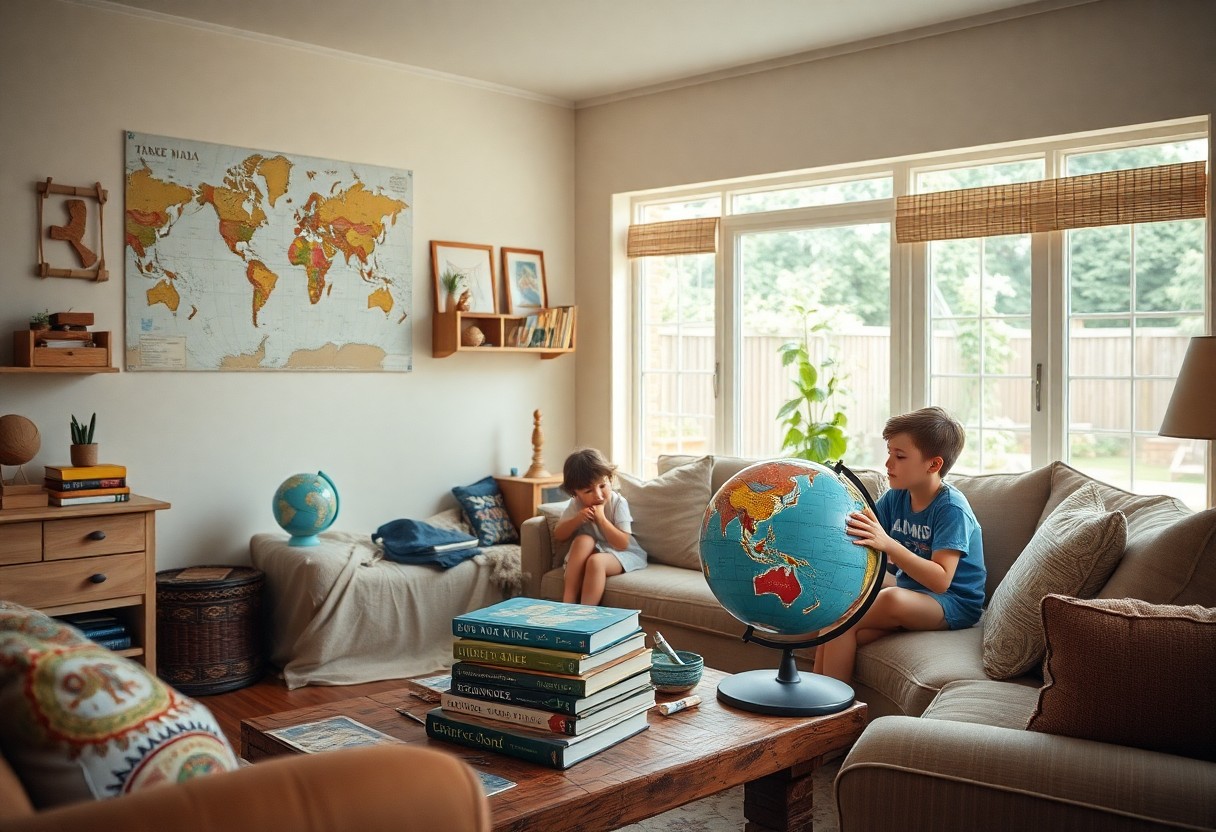
Just because you want to spark a sense of adventure in your kids doesn’t mean you have to endure endless fatigue from travel. Instead, you can cultivate their wanderlust through engaging activities at home, unique local explorations, and educational experiences that mimic the excitement of far-off destinations. By blending curiosity and fun within manageable settings, you can inspire a love for discovery while ensuring your family enjoys quality time without the stress of constant travel.
Key Takeaways:
- Incorporate travel-themed activities at home, such as cooking international dishes or cultural crafts.
- Introduce educational travel games that explore geography and world cultures.
- Plan short, frequent day trips to local attractions to build excitement without overwhelming them.
- Encourage storytelling and sharing experiences from past trips to spark curiosity.
- Utilize virtual tours and documentaries to explore destinations without physical travel.
Understanding Wanderlust
Wanderlust embodies a deep yearning to explore the world beyond familiar surroundings. For children, this innate desire can be a powerful force that encourages learning and personal growth. By nurturing their wanderlust, you foster an appreciation for diverse cultures, people, and landscapes, enriching their understanding of the world. It’s important to channel this urge constructively, balancing exploration with comfort and familiarity to avoid overwhelming them.
The Importance of Exploration
Exploration plays a vital role in a child’s development, sparking creativity and building confidence. Engaging in new experiences allows children to expand their horizons, developing their problem-solving skills and adaptability to change. When you encourage exploration, either through travel or local adventures, your children gain valuable insights and learn to embrace diversity, shaping their perspectives as they grow.
Cultivating Curiosity in Children
To cultivate curiosity in your children, provide them with opportunities to ask questions and seek answers. Create a stimulating environment where exploration is encouraged, whether through books, nature walks, or interactive experiences. Furthermore, engaging in discussions about different cultures can spark their imagination and foster an inquisitive mindset, leading them to pursue their interests with enthusiasm.
Encouraging curiosity involves more than just answering questions; you can guide your children to discover answers themselves. Incorporate hands-on activities such as DIY science experiments or crafting projects inspired by different cultures. Set up scavenger hunts with items from various countries, introducing them to global diversity and stimulating their investigative nature. For instance, researching ingredients for international recipes can inspire them to explore culinary traditions while fostering a love for discovery.
Creative Ways to Explore Locally
Exploring your local area can ignite a sense of adventure in kids without the stress of long travel. Simple activities turn familiar surroundings into a treasure trove of discovery. Whether it’s visiting a nearby museum, attending local events, or even trying out new eateries, you can uncover hidden gems in your community. These experiences not only deepen their appreciation for the world around them but also stimulate their curiosity and enhance learning in an engaging way.
Nature Walks and Local Parks
Taking nature walks or visiting local parks transforms everyday outings into exciting explorations. You can encourage your kids to observe different plants, animal tracks, and seasonal changes while walking the trails. Organizing scavenger hunts, where they search for specific leaves or rocks, adds an element of fun and discovery. Additionally, consider using apps to identify birds and plants, turning simple park visits into hands-on learning experiences.
Cultural Experiences in Your Community
Your community is often filled with rich cultural experiences waiting to be explored. Look for local festivals, art exhibits, and performances that showcase diverse traditions. Involving your children in these events will give them firsthand exposure to various customs, enriching their understanding of different cultures. Visiting historical sites and engaging in workshops related to local crafts also fosters creativity while promoting cultural awareness.
For instance, participating in a neighborhood art fair can be memorable, allowing kids to see artists at work and even try painting or sculpting themselves. Many cities have cultural days or community classes, such as cooking or dance, which bring families together, fostering connections while teaching new skills. Engaging with local history through tours of landmarks or museums offers your children insights into their heritage, making learning both fun and meaningful.
Incorporating Educational Travel
Educational travel offers an excellent opportunity to blend learning and adventure, making it effortless to inspire wanderlust in your kids. By focusing on local or nearby educational sites, you can create engaging experiences that enrich their understanding of the world while keeping travel fatigue at bay.
Museums and Historical Sites
Visiting museums and historical sites can turn travel into a captivating learning experience for your children. Whether exploring a science museum with interactive exhibits or walking through a historic battlefield, these destinations allow kids to immerse themselves in history and science in an engaging way, ultimately sparking their curiosity and wonder.
Interactive Learning Experiences
Interactive learning experiences are vital for maintaining your children’s enthusiasm during educational outings. Options like planetarium shows or hands-on workshops keep kids engaged, enabling them to absorb information through play and exploration. These memorable experiences often make the knowledge gained more permanent than if learned in a classroom setting.
For instance, many science centers offer programs where kids can participate in live experiments, while historical reenactments allow them to step into the shoes of figures from the past. Participating in these types of activities can ignite a passion for learning, transforming a simple trip into an unforgettable adventure that combines knowledge with fun. By seeking out destinations that emphasize interactivity, you cultivate your child’s inquisitive nature and foster a lifelong love for discovery.
Travel Alternatives to Physical Trips
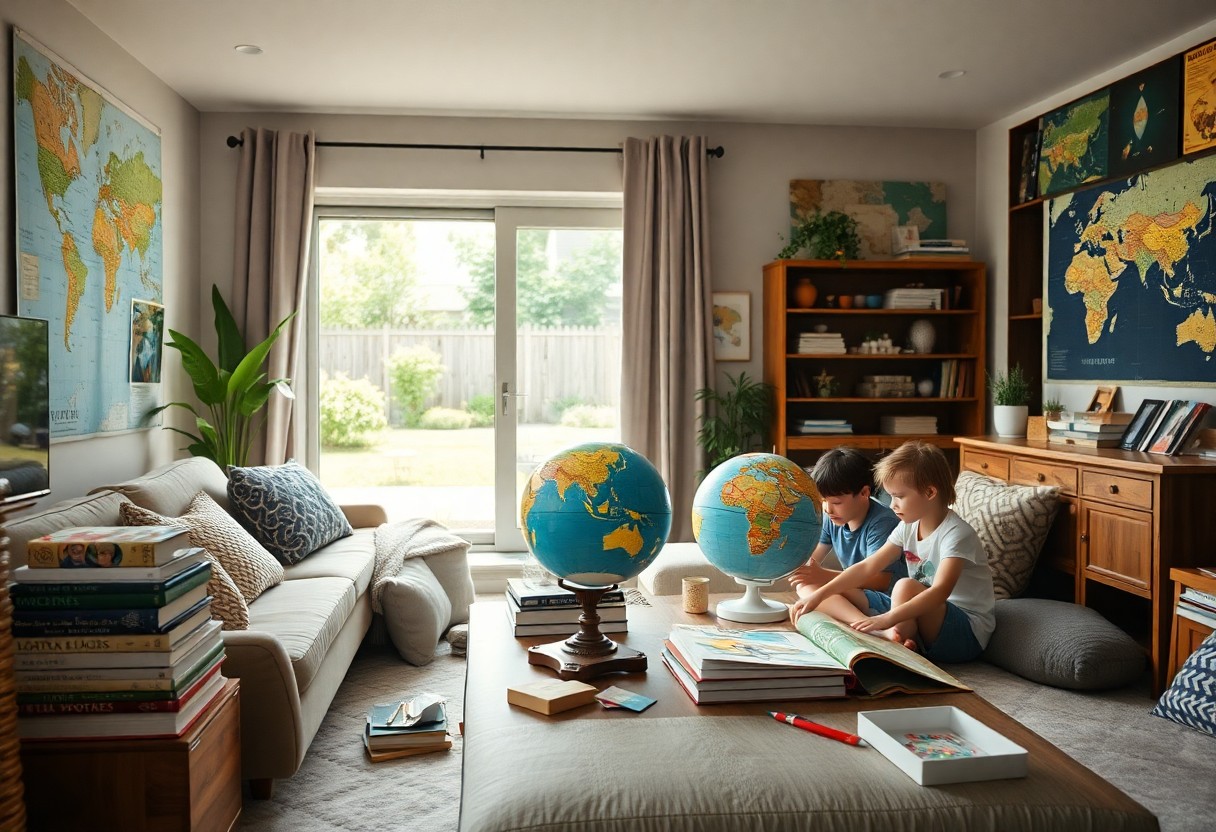
Incorporating travel alternatives can help spark curiosity and wonder in children without the need for extensive travel logistics. You can create a rich tapestry of experiences through virtual journeys, storytelling, and local explorations, allowing kids to learn about different cultures and places from the comfort of home. This approach keeps their wanderlust alive while minimizing fatigue and stress.
Virtual Travel Experiences
Virtual travel experiences have become increasingly popular, utilizing technology to offer immersive tours of global landmarks and natural wonders. With platforms like Google Earth and virtual museum tours, your kids can explore places such as the Louvre or the Great Barrier Reef, engaging with the world using interactive tools right from their living room.
Books and Movies as Windows to the World
Books and movies can transport your children to other cultures and places without leaving home. Through captivating stories and stimulating visuals, children can learn about diverse landscapes and traditions. Selecting titles from various countries can broaden their worldview while providing an engaging, educational experience.
Focusing on books and movies not only enhances cultural awareness but also fosters empathy and understanding. For example, reading “Where the Mountain Meets the Moon” by Grace Lin can give your child insight into Chinese folklore, while watching “Ratatouille” offers a glimpse into Parisian life and cuisine. Supplementing these stories with discussions can deepen their appreciation and spark their imagination, making them eager for future travels. By choosing a range of genres and styles, you can broaden their perspectives and instill a lifelong love for discovery.
Planning Family Outings
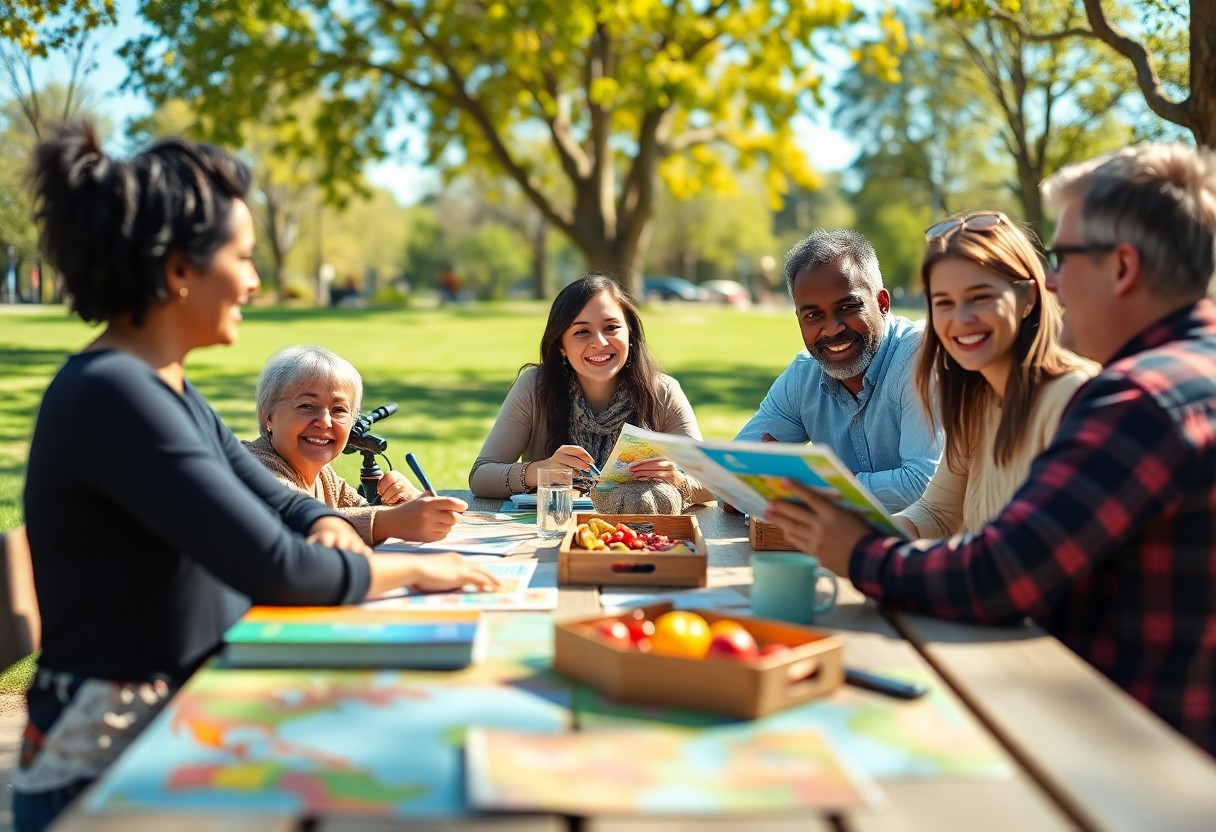
Crafting the perfect family outing can ignite excitement while keeping travel fatigue at bay. Setting a clear purpose for each trip—whether educational or purely for fun—helps to enhance the experience. Involve your kids in the planning process to build anticipation and give them a sense of ownership. Look for local attractions, parks, museums, or festivals that fit your family’s interests. Balancing exploration with relaxation is key; this way, you’ll create memorable experiences without overwhelming everyone.
Short Day Trips
Short day trips can be an excellent way to satisfy wanderlust without the stress of long travels. Select nearby destinations that offer a mix of activities, such as hiking, picnicking, or visiting a local farm or historical site. Keep the itinerary flexible, allowing for spontaneous activities that your kids may find intriguing, making it all the more engaging.
Weekend Getaways
Weekend getaways provide the perfect opportunity for a mini-vacation that satisfies your family’s travel cravings. Choose a destination that is within a few hours’ drive, allowing for minimal travel time and maximum fun. Whether you head to a beach, a cabin in the woods, or a quaint city, make sure to pack experiences that cater to your kids’ interests, such as nature trails or interactive museums.
Consider destinations like a state park with family-friendly hiking trails, where you can immerse yourselves in nature and explore diverse ecosystems. Alternatively, a nearby beach offers the fun of sandcastle-building and swimming, while a historical town can inspire curiosity with its rich stories. Planning some activities around your weekend getaway ensures everyone stays engaged, while allocating downtime helps to recharge before you venture back home. This way, you effectively combine adventure with relaxation, making the trip enjoyable for all.
Avoiding Travel Fatigue
To keep travel fatigue at bay, it’s crucial to pace your adventures. Short trips and varied activities keep the excitement alive without overwhelming your family. Engage in local explorations, visit parks, or take day trips that don’t require extensive travel. This approach allows you to enjoy new experiences while limiting the stress that often accompanies longer journeys. For more insights, check out How Travel & the Outdoors Helped Us During the “Terrible ….
Recognizing Signs of Overwhelm
Watch for signs of fatigue in your children, such as irritability, disinterest, or reluctance to engage in planned activities. Pay attention to their energy levels and emotional responses during outings. If they seem restless or overwhelmed, it may be time to dial back the pace or incorporate more downtime into your itinerary. Recognizing these signs early can help you adjust your plans and keep the experience enjoyable for everyone.
Strategies for Balanced Exploration
To maintain a balanced exploration experience, consider implementing structured downtime into your itinerary. Schedule breaks for relaxation, allowing kids to recharge and process their experiences. Additionally, involve them in planning, offering choices for activities or destinations that resonate with their interests. This not only enhances their enthusiasm but also fosters a sense of ownership over the adventure, making it more enjoyable while mitigating stress.
Creating a balance during travels can transform the experience for your family. Consider establishing a routine that includes designated rest periods or low-energy activities, such as picnics or leisurely strolls. Allowing children to dictate the pace—by exploring a favorite spot longer or skipping an activity—encourages exploration without pressure. Additionally, mix high-energy days with quieter ones to ensure everyone can enjoy the adventures without feeling drained.
Conclusion
Hence, to infuse wanderlust in your kids without causing travel fatigue, focus on enriching local experiences and engaging activities that spark curiosity. Plan short, immersive trips with varied themes, emphasizing exploration and learning rather than exhaustive itineraries. Encourage your children to help in the planning process, promoting excitement and ownership over the adventures. By balancing travel with rest and allowing for downtime, you create an environment where their sense of wonder can flourish without the burden of over-scheduling.
FAQ
Q: How can storytelling create a sense of wanderlust in kids?
A: Storytelling can spark children’s imaginations by transporting them to different places and cultures. Books and tales about adventures around the world can inspire curiosity and a desire to explore.
Q: What role do cultural activities play in instilling a love for travel in children?
A: Engaging kids in cultural activities, such as cooking traditional dishes or celebrating holidays from various countries, helps them appreciate diversity and cultivates an interest in different cultures.
Q: How can local explorations foster a sense of adventure without travel fatigue?
A: Exploring local parks, museums, or historical sites can provide adventure without the stress of long-distance travel. These activities can be fun and educational, igniting a passion for discovering new places.
Q: What educational resources can enhance a child’s wanderlust?
A: Educational documentaries, travel-themed games, and interactive map apps can help children learn about the world in an engaging manner. These resources provide a platform for exploration without physical travel.
Q: How can we balance wanderlust and family schedules to avoid exhaustion?
A: Setting aside short, regular trips or even themed weekends at home allows families to explore without overwhelming schedules. Planning smaller adventures can maintain excitement while preventing fatigue.