
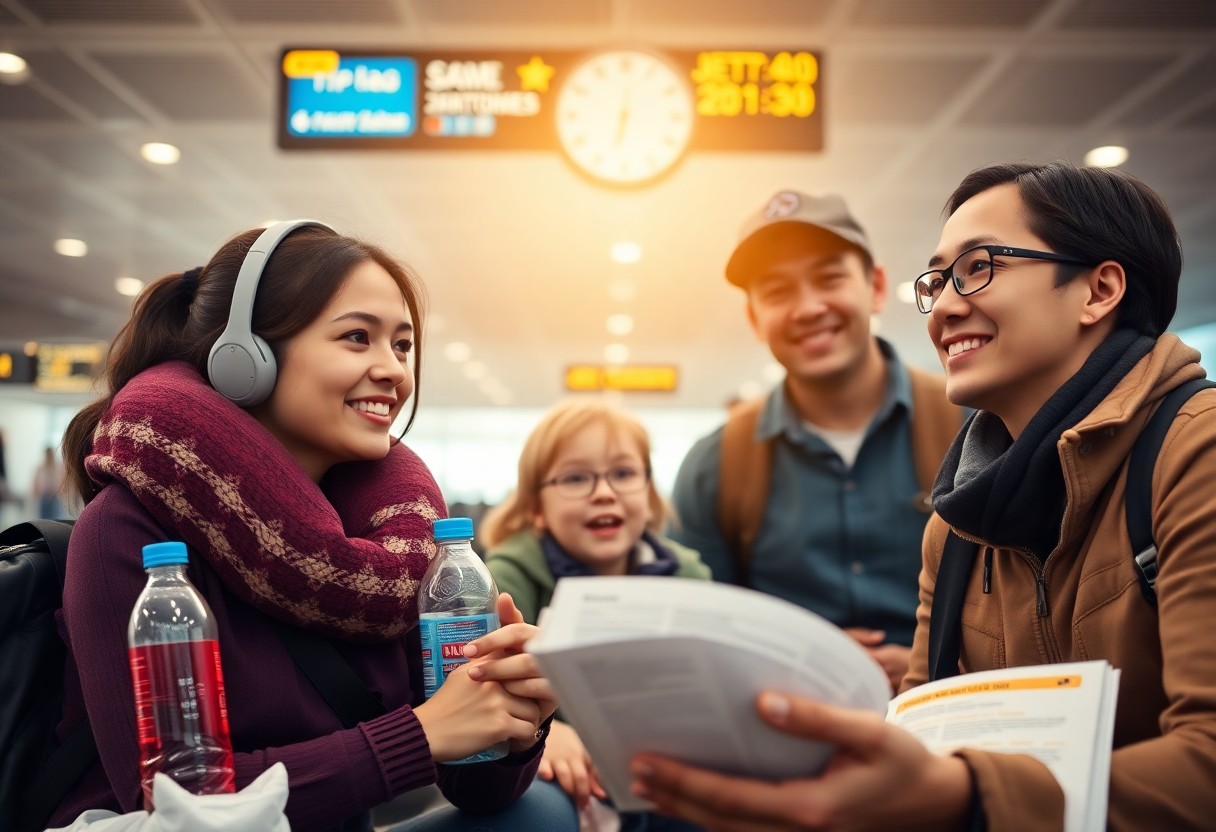
Most family travelers understand that jet lag can disrupt your trip, leaving you and your loved ones feeling fatigued and out of sync. Fortunately, you can implement several innovative strategies to minimize its effects and keep your family energized. From adjusting your sleep schedule before departure to staying hydrated and planning engaging activities during the transition, these tips will help you navigate time zone changes with ease. Embrace these approaches to ensure your family makes the most of every moment, regardless of the geographical distance traveled.
Key Takeaways:
- Adjust sleep schedules a few days before travel to align with the destination’s time zone.
- Stay hydrated during the flight to mitigate dehydration and fatigue.
- Encourage activity during layovers or upon arrival to energize and reset the body clock.
- Limit screen time before sleep to promote better rest upon arrival.
- Utilize light exposure strategically to help regulate the internal body clock.
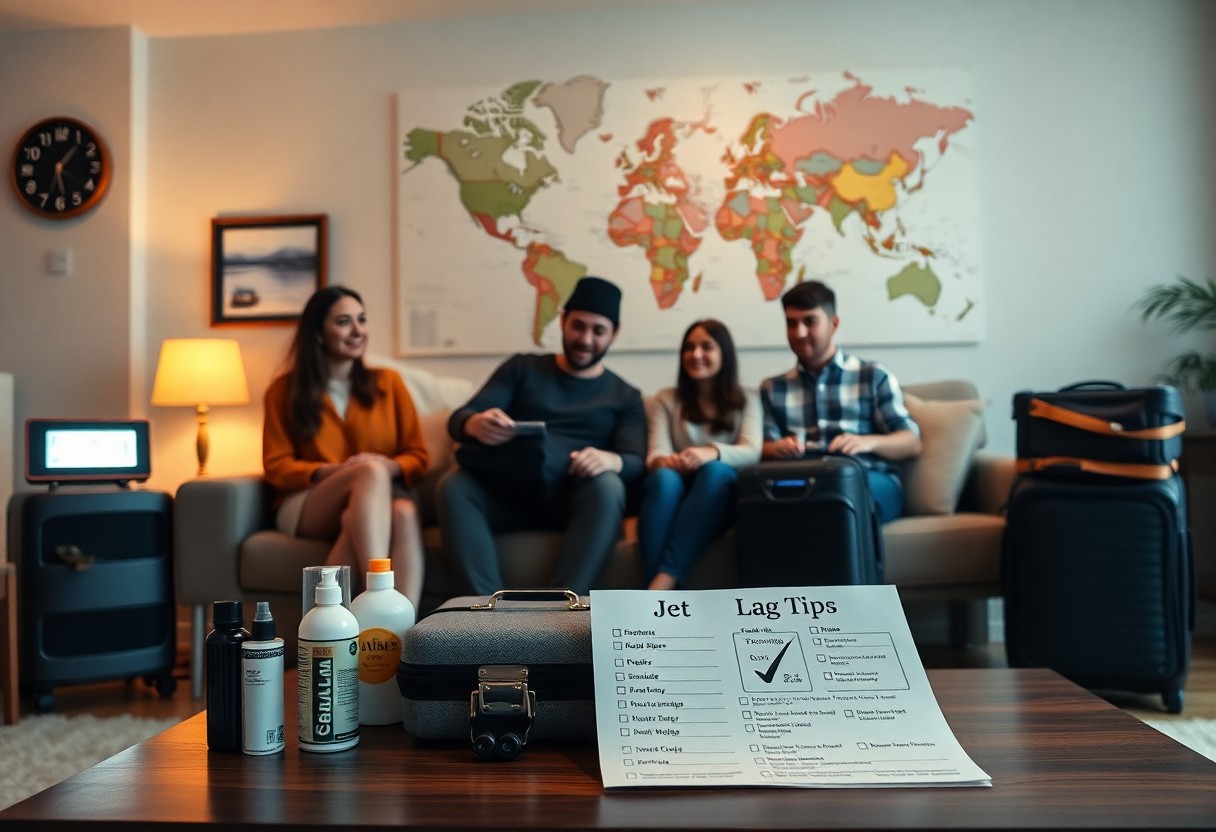
Understanding Jet Lag
Jet lag occurs when your body’s internal clock is out of sync with the new time zone you’ve traveled to. As your circadian rhythms, which govern sleep and wake cycles, struggle to adjust, you may feel the effects of this disruption for several days. This can be particularly challenging for families with young children, as everyone’s comfort and routines are often impacted by changing time zones.
What is Jet Lag?
Jet lag is a temporary sleep disorder that results from long-distance travel across multiple time zones. The core of the issue lies in your body’s biological clock failing to recalibrate quickly enough, leading to a misalignment with the local time. As a result, your body’s natural rhythms, such as hormone release and metabolism, may not align with the new environment, creating feelings of fatigue and discomfort.
Symptoms and Effects
The symptoms of jet lag can vary widely but typically include fatigue, difficulty concentrating, disrupted sleep patterns, irritability, and gastrointestinal issues. You might find yourself feeling sleepy during the day and awake at night, making it hard to engage in planned family activities. Over time, these challenges can affect the overall enjoyment of your trip, making it necessary to recognize and manage jet lag effectively.
Common symptoms can range from mild inconvenience to significant distress. Research shows that traveling eastward tends to result in more severe jet lag compared to westward travel, as it often involves a greater shift in your body’s natural circadian rhythm. Children, in particular, are susceptible and might exhibit behavioral changes alongside physical symptoms. With awareness of these effects, you can better prepare and implement strategies to mitigate jet lag’s impact on your family adventures.
Pre-Travel Preparations
Before your trip, implementing strategic preparations can significantly ease the impact of jet lag. Start by organizing your schedule in advance, allowing your family to gradually adapt to the destination’s time zone. Use tools like reminders and apps to help track sleep hours, meal times, and activities, ensuring a smoother transition once you arrive at your new location.
Adjusting Sleep Schedules
Shifting your family’s sleep schedules a few days ahead of departure can make a world of difference. If you’re traveling east, try to go to bed one hour earlier each night; traveling west warrants going to bed later. This gradual adjustment helps minimize the shock of switching time zones, promoting a more seamless transition upon arrival.
Hydration and Diet
Proper hydration and diet play key roles in combating jet lag. Before you travel, increase your water intake while reducing alcohol and caffeine consumption, both of which can disrupt sleep cycles and dehydrate you. Focus on nutritious meals rich in fruits, vegetables, and lean proteins to prepare your body for the journey and maintain energy levels. Staying well-hydrated helps in combating feelings of fatigue, which can amplify jet lag symptoms.
In-Flight Strategies
Maximizing your time in the air can significantly reduce the effects of jet lag. Adopting effective in-flight strategies fosters adaptability as your body adjusts to a new time zone. From managing sleep to engaging in stimulating activities, these techniques can ease your transition and keep your family enjoying their travels without missing a beat.
Smart Sleeping Techniques
To optimize rest on long-haul flights, you can create a sleep-friendly environment. Invest in a quality travel pillow, eye mask, and noise-canceling headphones to block out distractions. Align your sleep with your destination’s schedule by strategically napping, ensuring you don’t oversleep right before arrival. Short periods of shut-eye can help maintain energy levels while preventing disorientation upon landing.
In-Flight Activities
Keeping busy with engaging in-flight activities can prevent restlessness and distract from fatigue. Encourage your family to bring along books, podcasts, or downloaded movies, catering to everyone’s interests. Interactive games or apps can also serve as fun diversions to pass the time. Rotate activities between family members to share experiences, making the journey enjoyable for everyone.
Pack a mix of individual and group activities to cater to varying interests and ages. For example, kids might enjoy colored pencils and sketchbooks, while adults could opt for a good novel or an educational podcast. Create a travel bingo card featuring sights that you might see on your journey or play trivia games using apps. Engaging in these activities can help you anticipate arrival instead of exhausting yourself with rest while also fostering family bonding during the long flight.
Post-Arrival Tips
Once you land, implementing effective post-arrival strategies can help your family adjust more smoothly. Focus on adjusting to the local time by staying awake until bedtime, engaging in light activities, and eating meals according to the local schedule. Incorporating these practices can be beneficial:
- Establish a new sleep routine immediately.
- Expose your family to natural light.
- Limit naps to 30 minutes if necessary.
- Engage in light physical activities like walking or exploring.
- Stay mindful of meals and hydration.
This will help your family acclimate more swiftly to the new environment. For more information, check the Tips for Adjusting to Jet Lag for Babies, Toddlers, and Kids.
Light Exposure and Activity
Maximizing light exposure is a key strategy for combating jet lag. Once you arrive, spend time outdoors during the day to help reset your body’s internal clock. Natural sunlight is particularly effective in signaling your body to wake up and align with the new time zone. Consider planning light activities such as walking in a park or exploring the area to not only stay active but also ensure everyone gets the necessary exposure to daylight.
Staying Hydrated
Hydration plays a vital role in mitigating jet lag symptoms. Drinking plenty of water upon arrival helps counteract the dehydration often caused by air travel. Optimal hydration improves energy levels and keeps you feeling more alert. It’s advisable to have water readily available and encourage your family to take sips throughout the day.
Adequate hydration supports overall well-being and facilitates quicker recovery from travel fatigue. Be mindful of drinking water prior to meals, as well as throughout the day. Aim for at least 8 ounces every couple of hours, adjusting according to activity levels and climate. Having reusable water bottles can make this easier and instill a routine. Prioritize hydration to ensure your family feels revitalized and ready to enjoy your new destination.
Family-Specific Advice
Adapting travel strategies to your family’s unique dynamics ensures everyone can cope with jet lag effectively. Tailoring your approach based on age groups can optimize each family member’s comfort and resilience against travel fatigue.
Traveling with Young Children
When traveling with young children, establishing a familiar routine can help ease the transition. Pack their favorite bedtime items, like blankets or stuffed animals, to create a sense of security. Also, consider scheduling activities during their peak energy times and keeping them well-rested before departure.
Tips for Teens and Adults
For teens and adults, encourage them to gradually shift their sleep schedule a few days before departure. Engaging in light exercise during layovers or upon arrival can also aid in adjusting their internal clocks. Hydration is key; ensure everyone drinks plenty of water before, during, and after the flight.
- Use noise-canceling headphones or calming playlists to ease stress.
- Engage in group activities or discussions about the destination to boost excitement.
- Any tips that resonate with your family can help maintain a healthy mindset throughout travel.
Teens might also benefit from managing screen time before bed, as blue light can disrupt sleep patterns. Encourage them to explore apps designed for meditation or relaxation. Moreover, involving them in planning parts of the trip can heighten their enthusiasm and connectivity to the experience.
- Create a travel checklist with your teens to promote accountability.
- Incorporate local culture by trying new foods or attending events together.
- Any interactive approach can keep them engaged and enhance their adaptability during travel.
Common Myths Debunked
Misunderstandings About Jet Lag
Jet lag is often perceived as an unavoidable consequence of travel, but many misunderstand its nature. You might think that it’s purely about fatigue; however, it’s fundamentally a disruption in your body’s circadian rhythm. Factors like your sleep quality, hydration levels, and food intake play significant roles in how you experience jet lag. Knowing this empowers you to take actionable steps for smoother transitions during travel.
Remedies That Don’t Work
Many remedies touted for alleviating jet lag symptoms fail to deliver results. For instance, relying solely on caffeine may seem tempting, but it can worsen anxiety and impact sleep later on. Additionally, crash diets or overeating before departure do not effectively mitigate the effects of time zone changes. Understanding these common misconceptions allows you to focus on truly effective strategies instead.
Many travelers fall into the trap of believing that over-the-counter sleep aids provide a surefire fix for jet lag. In reality, while they may help you fall asleep, they do not address the root cause of the issue—your body’s internal clock. Similarly, heavy meals before flying can induce discomfort rather than relaxation. These ineffective strategies often lead to more confusion and frustration, detracting from your travel experience. Instead, prioritize adjusting your sleep patterns gradually before your trip and stay well-hydrated for optimal results.
Final Words
Summing up, to keep jet lag at bay during family travels, you should prioritize adjusting your sleep schedule before departure, stay hydrated, and incorporate light exercise to promote better rest. Eating balanced meals according to your destination’s time zone can also help reset your internal clock. Create a comfortable sleeping environment upon arrival, and consider utilizing sleep aids cautiously. By implementing these practical strategies, you can enhance your travel experience and ensure your family remains energized and focused on enjoyment rather than fatigue.
FAQ
Q: What are effective strategies to minimize jet lag during flights?
A: To minimize jet lag, adjust your sleep schedule a few days before departure to align with your destination’s time zone. Stay hydrated during the flight and move around periodically to improve circulation.
Q: How can parents help children cope with jet lag?
A: Parents can manage children’s exposure to light by gradually shifting their sleep times before the trip. Engaging them in physical activities upon arrival can also help reset their internal clock.
Q: What dietary changes can assist in reducing jet lag symptoms?
A: Eating balanced meals rich in whole foods can aid recovery. Avoid heavy meals and caffeine close to bedtime, and consider consuming melatonin-rich foods, like cherries, to promote sleep.
Q: Are there specific activities that can help during long layovers to combat jet lag?
A: Use long layovers to engage in light exercise, such as walking or stretching. Exploring the airport or nearby areas can also help keep energy levels up and facilitate adjustment to the new time zone.
Q: What role does technology play in managing jet lag for travelers?
A: Technology, such as sleep tracking apps or light therapy devices, can aid in managing sleep patterns and enhancing exposure to natural light, helping travelers adjust more quickly to new time zones.



One thought on “What Ingenious Family Travel Tips Keep Jet Lag At Bay?”
Comments are closed.