With the increasing number of travel options available, choosing between group tours and independent travel can significantly impact your family’s safety and comfort. Understanding the benefits and drawbacks of each style will help you make informed decisions tailored to your preferences and needs. This guide will explore key considerations, including logistical support, personal space, and the overall experience, ensuring your family’s journey is both enjoyable and secure.
Key Takeaways:
- Group tours often provide structured itineraries, reducing the risk of getting lost or facing unexpected challenges.
- Traveling independently allows for personalized routes and flexibility, which can enhance family comfort and enjoyment.
- Group tours typically include experienced guides who can offer local insights and immediate assistance in emergencies.
- Independent travel may require more research and planning to ensure safety, especially in unfamiliar destinations.
- Group tours often foster a sense of community, while independent travel can allow for more intimate family bonding experiences.
Group Tours: A Safety Net for Families
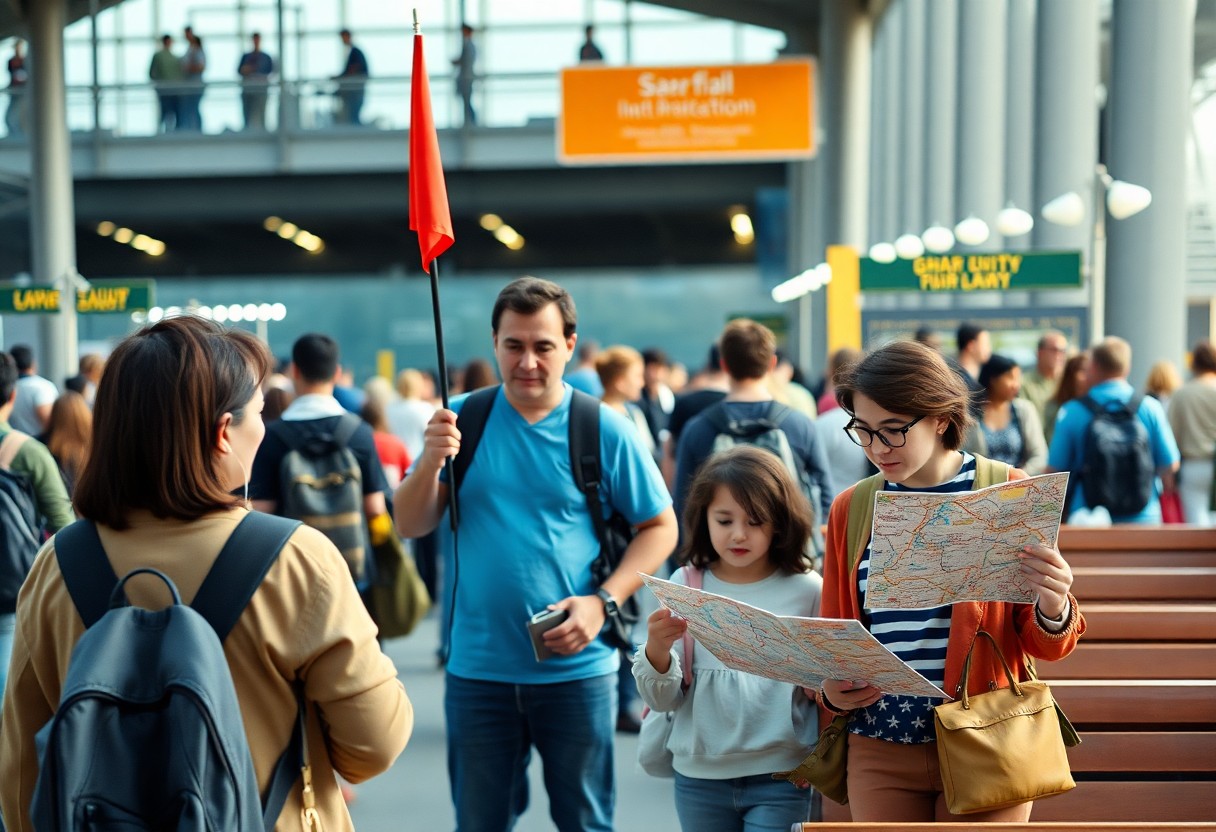
Group tours offer families a safety net, ensuring a structured environment that minimizes potential risks during travel. With prearranged plans and guidelines, you can navigate unfamiliar destinations with greater confidence. This collective approach not only enhances your sense of security but also provides immediate support in case of emergencies, allowing you to focus on enjoying the experience without the constant worry of logistics and safety.
Guided Oversight: The Role of Tour Operators
Tour operators play a pivotal role in safeguarding your family during group travel. Experienced guides are trained to handle unexpected situations, from medical emergencies to navigating local customs. With them, you gain access to insider knowledge, ensuring that you explore safely while benefitting from their expertise in organizing transport, accommodations, and activities tailored for families.
Community and Connection: Shared Experiences Vs. Isolation
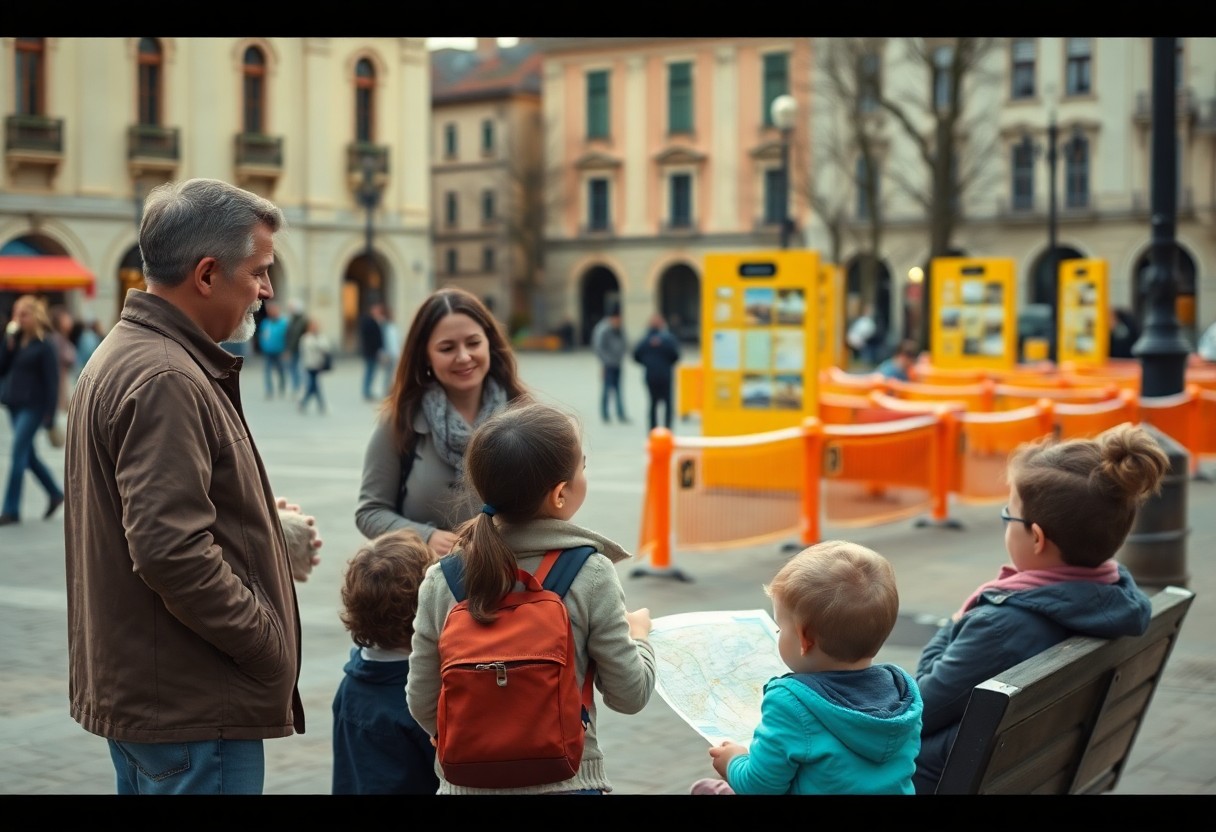
Traveling in a group enhances the communal aspect of exploration. You bond with fellow travelers over shared experiences, fostering a sense of community that can alleviate feelings of isolation, especially in unfamiliar settings. Family members can make new friends while forging connections with others, enriching your journey with diverse perspectives and stories that add depth to your travel experience.
Participating in a group tour creates lasting memories through shared moments, whether it’s exploring a new city together or enjoying meals. You witness the enthusiasm of children making new friends and families engaging in group activities, which cultivates an atmosphere of camaraderie. Such connections often lead to lifelong friendships, providing your family with a support network that extends beyond the travel experience itself, enhancing both safety and comfort throughout your journey.
Independent Travel: Crafting Your Family’s Comfort
Independent travel allows your family to shape their journey, prioritizing comfort and convenience. You can choose destinations that cater to your interests, select accommodations that meet your needs, and adjust your schedule on the fly. This freedom ensures that every day is tailored to your family’s preferences, making the experience more enjoyable and fulfilling. With careful planning, your family can explore at their own pace without unnecessary stress.
Tailored Itineraries: Flexibility to Suit Family Needs
Create itineraries that match your family’s interests and energy levels. Unlike rigid group schedules, independent travel enables you to pick activities that inspire excitement or relaxation. For instance, if your kids love nature, you can opt for scenic hikes or wildlife tours, while also leaving room for spontaneous discoveries that foster memorable experiences together.
Personal Safety Protocols: Empowering Families to Travel Smart
Developing personal safety protocols empowers your family to navigate new environments with confidence. Before your trip, create a checklist of safety measures, including emergency contacts, local laws, and cultural norms. Share these details with your children to keep them informed and aware. Practice scenarios where they know what to do in case of unexpected situations, fostering a sense of security and preparedness throughout your travels.
Establishing personal safety protocols can include simple yet effective strategies, such as teaching your children to recognize landmarks and read maps. Equip them with ID cards that feature your contact information and a local map with key locations marked. Encourage them to stay close in crowded areas, and model safety discussions by engaging in conversations about potential risks. Familiarize them with local emergency numbers and procedures, ensuring they are well-informed and confident in any situation that may arise on your journey.
Risk Assessment: Comparing Potential Threats
| Group Tours | Inherent safety measures, guided oversight, and detailed itineraries minimize risks. Consistent monitoring of group dynamics and access to help. |
| Independent Travel | Increased exposure to unforeseen dangers without a support network. Greater responsibility in emergency situations and navigating unfamiliar environments. |
Health and Emergency Response: Structured Support Vs. Self-Reliance
Group tours often provide dedicated support for health emergencies, including immediate medical assistance and pre-arranged evacuation plans. In contrast, independent travel requires you to rely on your own preparedness and access to healthcare services, which can vary significantly by location. While this independence fosters self-reliance, it also amplifies the stress of dealing with unexpected health issues without a support system.
Navigating Cultural Differences: The Comfort of Familiarity Vs. the Thrill of Adventure
Choosing to travel with a group allows for a buffer against cultural misunderstandings, as guides typically facilitate interactions, making the experience more approachable. Independent travel, however, opens the door to genuine cultural engagement, where you can immerse yourself in local customs and practices. While the comfort of familiarity breeds a sense of safety, the thrill of navigating cultural complexities can lead to memorable adventures and broadened perspectives.
Embracing cultural differences while traveling independently can lead to unique, enriching experiences. For instance, dining at local eateries instead of tourist traps can unveil authentic culinary traditions. Engaging with locals through casual interactions may reveal hidden gems and insights about the community that guided tours overlook. Although this path may involve navigating language barriers or differing social norms, the rewards include deeper connections and a more profound understanding of the destination. Balancing comfort and thrill ultimately reshapes your family’s travel narrative and creates lasting memories.
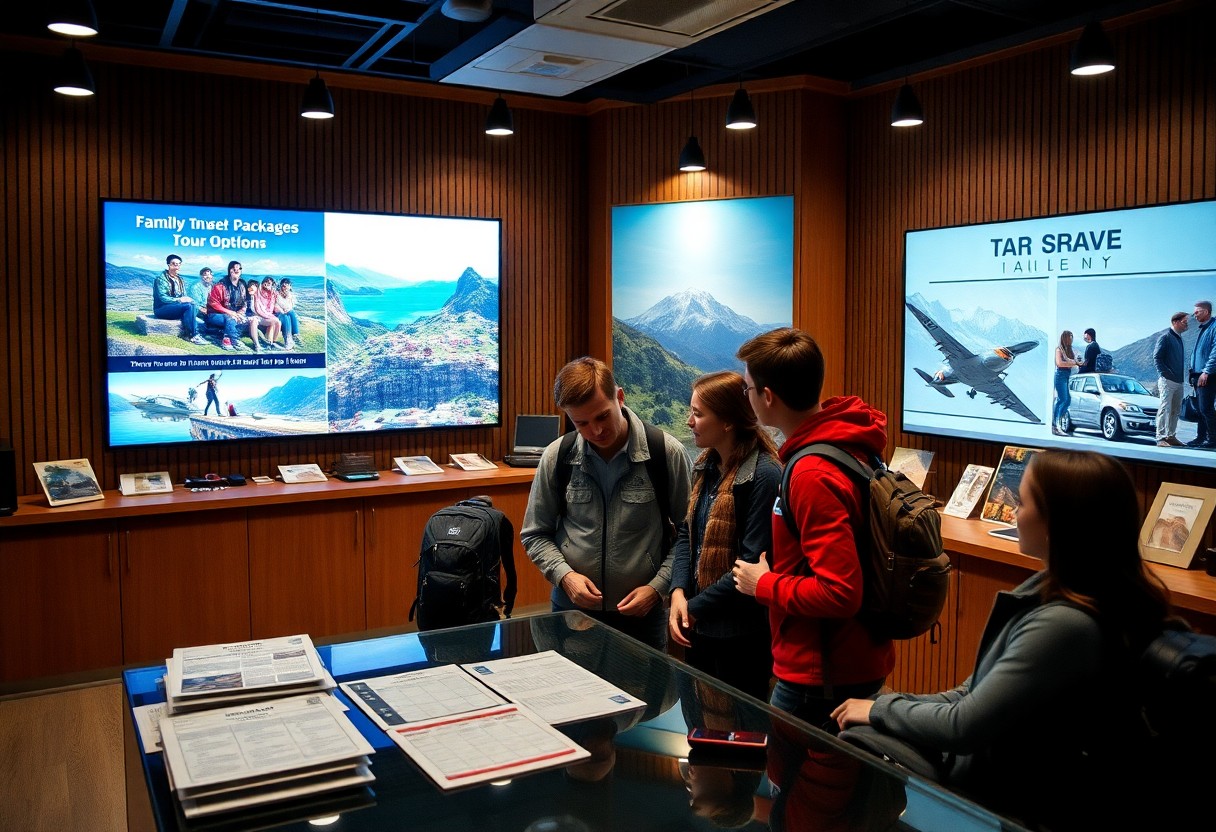
Cost Considerations: Balancing Safety and Affordability
Understanding the financial implications of group versus independent travel is important for families seeking both safety and comfort. Group tours often present a flat fee that covers transportation, accommodations, and some meals, promoting convenience. However, independent travel allows for more control over expenses, enabling you to choose your accommodations and activities based on your family’s budget. Weighing these factors will help you find the balance between cost-effectiveness and your family’s preferences.
Evaluating the Real Cost of Group Travel Vs. Independent Itineraries
Group travel typically bundles services, presenting an appealing upfront cost. Notably, travelers might overlook the potential advantages of flexibility and personalization that independent travel offers, which can sometimes lead to a more economical experience overall. You’ll want to analyze added expenses that might not be included in group packages, as well as the potential savings of planning your itinerary based on your interests and budget constraints.
Hidden Costs: What to Watch For in Group Packages
Group packages can be enticing with their apparent simplicity, but hidden costs often lurk beneath the surface. Extra fees for optional excursions, upgrades, or even tips for guides may not be initially disclosed. You should always scrutinize the fine print before committing, as these added expenses can significantly inflate the total price of your trip.
In addition to optional activities and tips, group travel packages may impose fees for dietary restrictions, luggage allowances, or early check-ins that you didn’t anticipate. For instance, if your family adheres to specific dietary needs, the tour may not accommodate them without an extra charge. Additionally, last-minute changes in itinerary or accommodation can lead to unexpected expenses, making it important to ask questions upfront and clarify what is and isn’t included. Being thorough in your evaluation will empower you to decide wisely and avoid budget surprises.
Family Dynamics: Choosing the Best Format for Your Crew
Understanding family dynamics is key to selecting the best travel format. Each family operates differently, with varying relationships, interests, and preferences influencing the overall travel experience. Whether you thrive on shared adventures or prefer individual explorations will greatly shape your choice between group tours and independent travel. Assessing how your family interacts during trips can help determine if a structured environment or a more flexible itinerary suits you best.
Age Considerations: Younger Kids Vs. Teen Travelers
Traveling with younger kids often means prioritizing family-friendly activities, manageable schedules, and safety features inherent in group tours. Conversely, teens may require more independence and opportunities to explore on their own. Balancing these age-related needs is imperative for ensuring both safety and enjoyment during your travels.
Family Preferences: Collective Comfort Vs. Individual Aspirations
Your family’s travel preferences can greatly impact the choice between group tours and independent journeys. While some family members may prioritize shared experiences and collective safety, others may seek personal adventures that allow for exploration and self-discovery. Striking the right balance between these desires ensures that everyone feels valued and engaged during the trip.
To better align your travel experience with family preferences, consider conducting a simple survey to pinpoint interests and aspirations. For example, a family with both thrill-seeking teens and younger children may find a hybrid approach beneficial, combining a group tour for initial destinations with independent time for exploration later. This dual format embraces the need for safety while allowing individual family members to pursue their interests, ensuring everyone’s comfort and satisfaction throughout the travel experience.
Conclusion
Taking this into account, you must weigh the benefits of group tours against independent travel when considering family safety and comfort. Group tours often provide structured itineraries, vetted accommodations, and the security of traveling with others, potentially easing concerns about safety. In contrast, independent travel allows for more personalized experiences and flexibility, but it requires you to plan and navigate potential risks alone. Each option has its merits, and the best choice depends on your family’s specific needs and comfort levels in various environments.
FAQ
Q: How does group travel enhance family safety?
A: Group travel provides a support network, as families travel with guides and other travelers. This reduces risks associated with navigation, language barriers, and unfamiliar areas, allowing for safer experiences.
Q: Are there specific advantages of independent travel for family comfort?
A: Independent travel offers families the flexibility to create their own itinerary, choose accommodations, and select activities based on individual preferences, leading to a more personalized and comfortable experience.
Q: What safety measures are typically in place with group tours?
A: Group tours often include trained guides, established travel routes, scheduled activities, and sometimes security personnel, all of which contribute to enhanced safety for families during their travels.
Q: How does independent travel affect family bonding during trips?
A: Independent travel allows families to spend quality time together, engage in shared decision-making, and participate in unique experiences without the distractions of a larger group, fostering stronger family bonds.
Q: Which travel option offers more comfort in terms of accommodations?
A: Independent travel provides families the choice to select accommodations that suit their comfort level, whether it’s luxury hotels, vacation rentals, or budget-friendly options, while group tours may have standardized arrangements.