
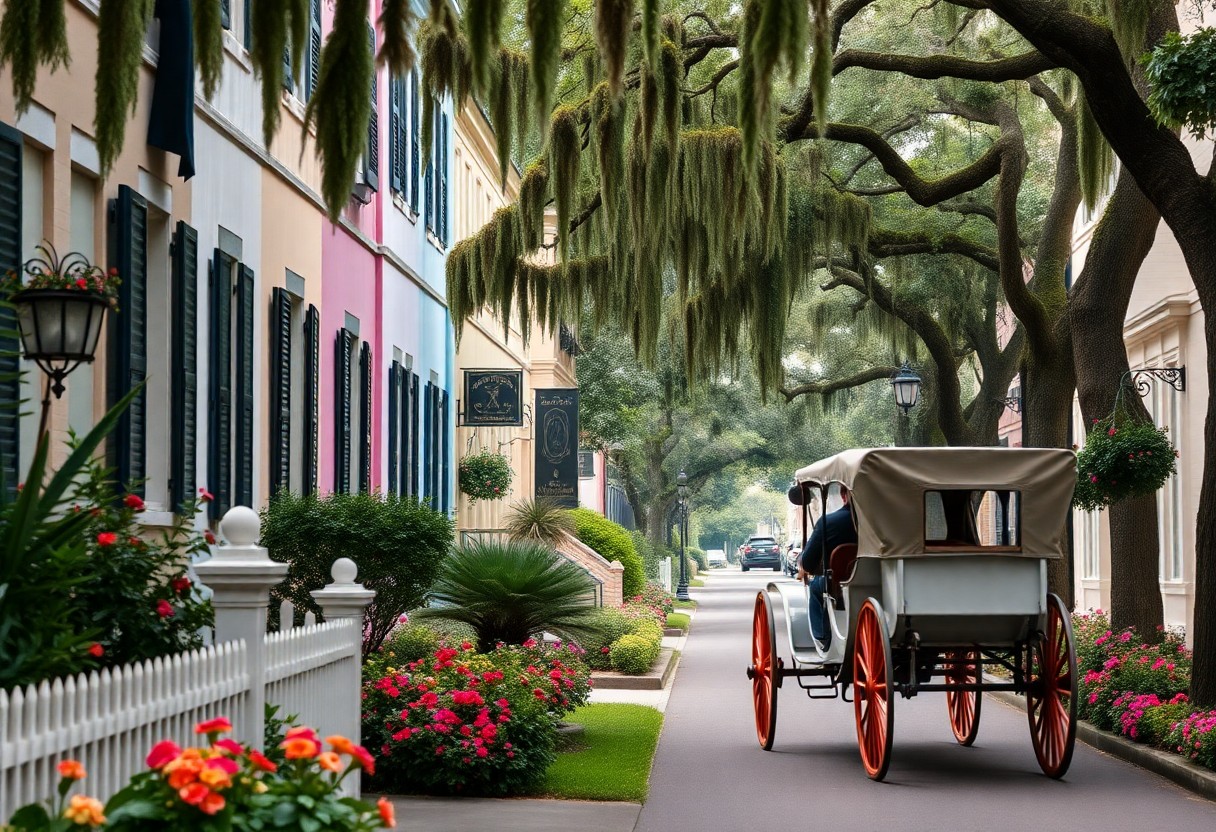
Walking through Charleston’s cobblestone streets feels like stepping back over 300 years into America’s past. You’ll notice the impeccably preserved Georgian and Federal-style architecture, with pastel-colored antebellum mansions and wrought-iron balconies that tell stories of the city’s colonial prosperity. Sites like the Battery promenade and Rainbow Row, with its 13 brightly painted historic homes, offer unrivaled photo opportunities. The city’s unique ability to blend preservation with everyday life means you can explore centuries-old churches, courtyards, and hidden gardens while enjoying modern cafés and boutiques, immersing yourself fully in its rich Southern heritage.
Key Takeaways:
- Charleston, South Carolina, is renowned for its well-preserved architecture and picturesque streets that embody classic Southern charm.
- The city offers a rich history, with numerous historic sites, plantations, and museums perfect for history enthusiasts.
- Charleston’s culinary scene highlights authentic Southern cuisine, featuring fresh seafood and traditional Lowcountry dishes.
- Visitors can enjoy beautiful waterfront views, scenic parks, and vibrant markets, providing a blend of natural beauty and urban appeal.
- Cultural events and festivals in Charleston celebrate local traditions, art, and music, enhancing its appeal as a travel destination.
Must-See Elegance in the City
Exploring Charleston reveals a city steeped in grace, where historic architecture and modern vibrancy blend effortlessly. You’ll find cobblestone streets that guide you past centuries-old mansions, each narrating stories of Southern sophistication. From stately plantations to lively markets, the city invites you to experience its refined atmosphere at every corner.
Wandering Through the Historic District
As you stroll through Charleston’s Historic District, your eyes will meet graceful wrought iron balconies, pastel-hued townhouses, and lamppost-lined avenues. This area offers a glimpse into colonial life, with more than 1,400 historic buildings protected by preservation society guidelines. Each turn provides photo-worthy moments framed by lush gardens and centuries-old oak trees draped in Spanish moss.
Capturing the Vibrancy of Rainbow Row
Rainbow Row, the city’s iconic series of thirteen colorful 18th-century houses, stands out vividly along East Bay Street. This stretch captivates photographers and visitors alike, showcasing an array of pastel shades that bring Charleston’s architectural history to life. The contrast of these charming facades against the nearby marina creates a postcard-perfect setting that you won’t want to miss.
Diving deeper into Rainbow Row’s significance, these houses were meticulously restored during the 1930s, symbolizing a key preservation success in Charleston’s urban renewal. You can explore galleries and boutiques nestled within some of these edifices, blending artistic expression with historical preservation. The vibrancy of Rainbow Row also reflects the city’s commitment to honoring its cultural roots while welcoming contemporary influences.
Serenity at Waterfront Park
Waterfront Park offers you a tranquil escape amid the city’s bustle, with sweeping views of Charleston Harbor and the iconic Arthur Ravenel Jr. Bridge. The park’s famous Pineapple Fountain and shaded benches invite peaceful moments, while the gentle sea breeze and panoramic sunsets provide a soothing backdrop for relaxation or a leisurely walk.
Besides its natural beauty, Waterfront Park serves as a community gathering space with amenities like picnic areas and walking paths. Seasonal events frequently dot the calendar, from outdoor concerts to farmers’ markets, allowing you to engage with locals and experience Charleston’s warm hospitality firsthand.
Framing the Perfect Shot
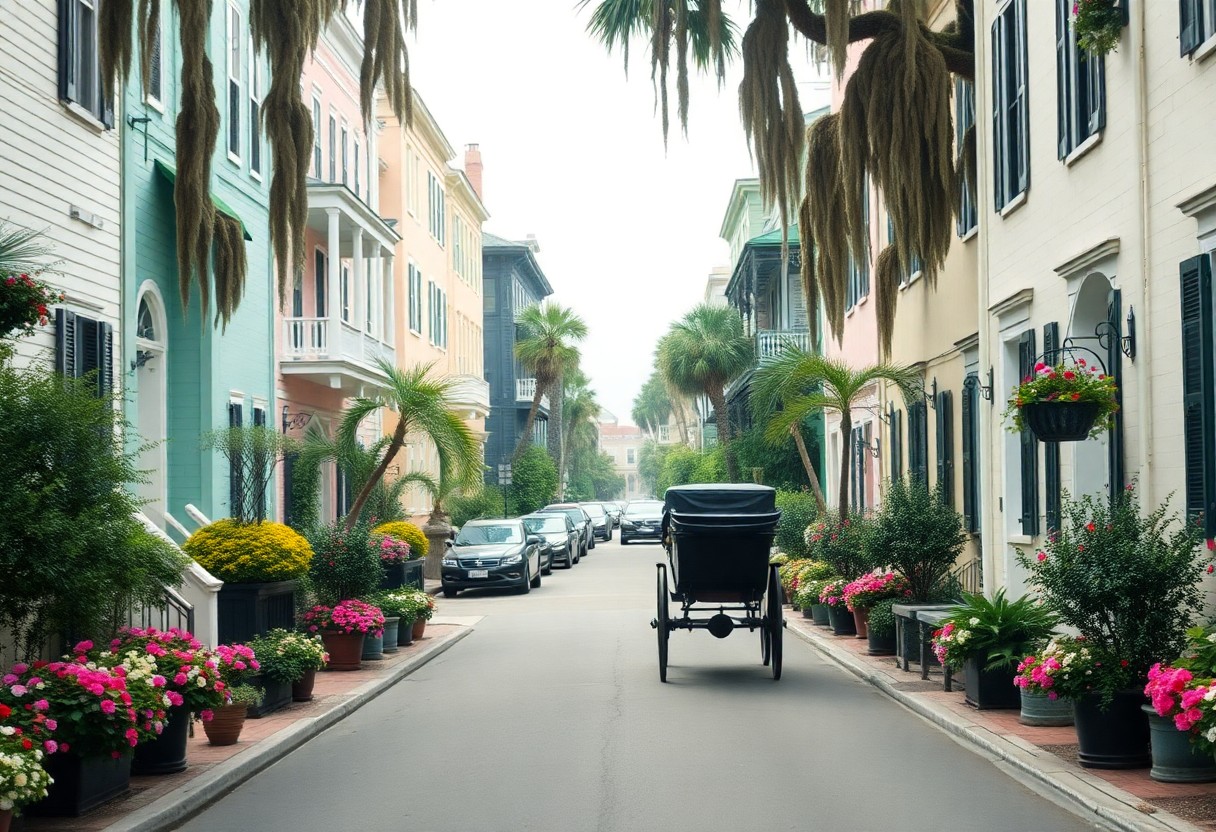
Your camera becomes your best companion as you navigate Charleston’s photogenic corners, where every frame tells a story. Seek the interplay of pastel-hued homes against vibrant azaleas or the way sunlight filters through ancient oaks draped with Spanish moss. Early mornings and late afternoons offer soft, golden light that enhances texture and color, providing the ideal natural filter for your lenses. Deliberately selecting these moments elevates each shot from a mere snapshot to a captivating narrative of Southern charm.
Discovering Hidden Visual Gems in Cobblestone Alleys
Wander down Charleston’s cobblestone alleys where ivy-clad walls and weathered brick create an intimate backdrop for striking photos. These narrow paths often harbor secluded courtyards featuring wrought-iron gates, vintage lanterns, and blooming jasmine, perfect for capturing that sense of timeless elegance. Look closely, and you’ll spot details like hand-painted signs or worn cobbles that add texture and history to your photos, inviting viewers to step into a quieter, richly storied side of the city.
Immersing in the Experience of Horse-Drawn Carriages
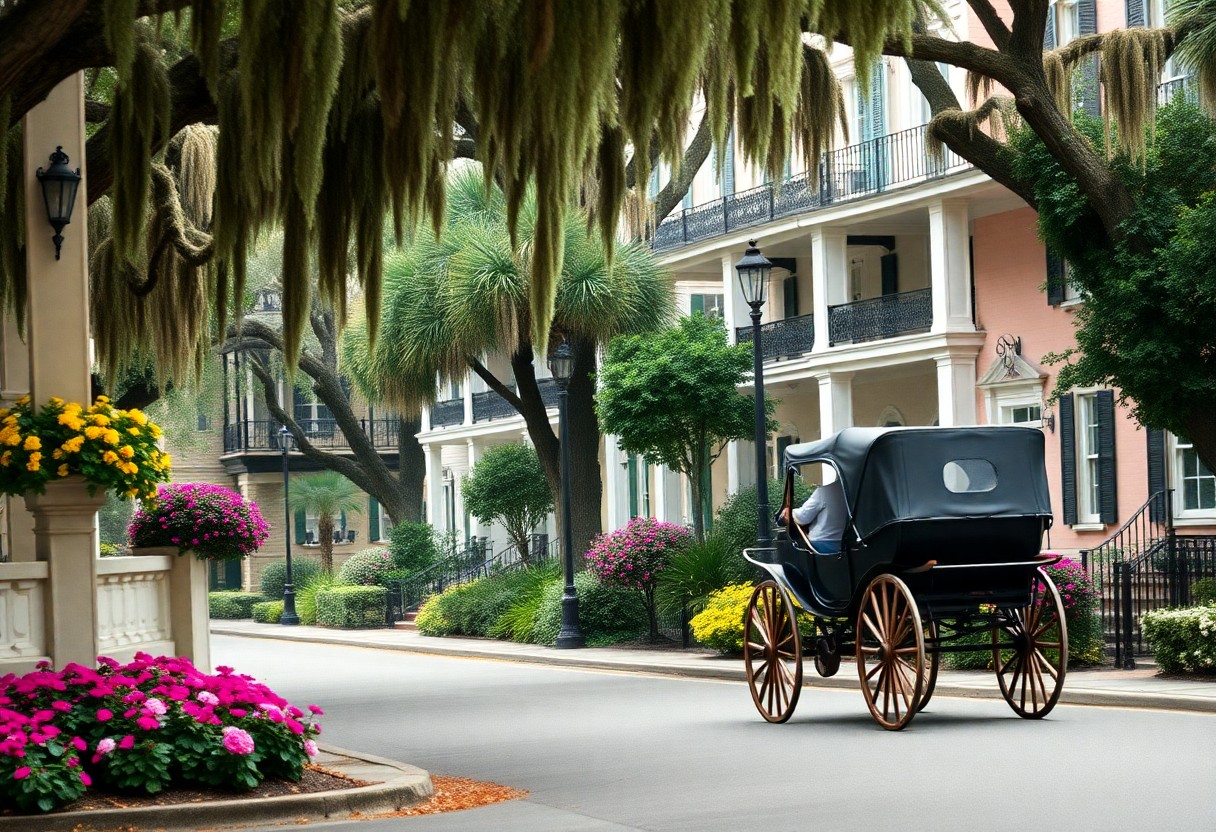
Climbing aboard a horse-drawn carriage immerses you in a slower-paced, storybook version of Charleston. The clip-clop of hooves on brick streets, paired with tales from your guide, frames the city through a sensory lens unlike any other. As your carriage meanders past iconic landmarks, you can snap candid shots of both the stately horses and the city’s astonishing architectural details, all while absorbing Charleston’s centuries-old atmosphere from a uniquely personal vantage point.
Beyond photography, the horse-drawn carriage tour deepens your connection to Charleston’s heritage. Guides often share anecdotes about historic estates, notable residents, and architectural nuances missed by casual walkers. The horses themselves, typically gentle draft breeds, add to the authenticity, creating a living link to the way transportation shaped the city’s development. This blend of visual splendor and storytelling enriches your visit far beyond what static images alone can convey.
The Grandeur of Iconic Plantations
Venturing to the grand plantations around Charleston unveils layers of history against stunning antebellum backdrops. Gardens meticulously restored to 18th-century splendor provide a riot of azaleas, camellias, and magnolia blooms, offering rich palettes to photograph. Architecture enthusiasts will appreciate the symmetry and detail of great columns, fanlights, and balconies. Each estate invites you to explore not just picturesque grounds but also complex narratives of the South, captured powerfully through your lens.
Many plantations like Middleton Place and Magnolia Plantation offer guided tours illuminating the social and agricultural histories entwined with their beauty. Seasonal events, such as garden festivals, enhance photographic opportunities with themed decorations and vibrant foliage. These sites also include interpretive museums and original outbuildings, broadening your perspective beyond the manicured lawns and stately facades. Approaching the plantations with an eye for both beauty and history transforms your imagery into compelling stories of Southern legacy.
Timing Your Visit for Optimal Illumination
Choosing when to explore Charleston can transform your experience. The city’s natural and architectural beauty takes on a different glow depending on the season and time of day. Arriving during the mid-morning or late afternoon on clear days offers soft shadows and highlights that emphasize Charleston’s intricate ironwork and pastel facades. Planning your visit around local events like the annual Festival of Houses & Gardens can also enhance your opportunity to see interiors bathed in brilliant daylight, lending a fresh lens through which to appreciate Charleston’s enduring charm.
Embracing Spring Blooms for Fresh Perspectives
Springtime floods Charleston’s gardens and streets with azaleas, dogwoods, and camellias. Experiencing the city in April or May means you’ll capture the unique contrast of pastel-hued flowers against the historic colonial brick and wrought iron. The floral scent combined with crisp light textures creates invigorating photographic backdrops and peaceful strolls through plantations like Magnolia Gardens, offering you new angles on this classic Southern beauty.
Golden Hour Awaits: The Best Light in Autumn
In autumn, the low sun angle casts a warm, golden hue over Charleston’s iconic rooftops and cobblestone streets, especially in late afternoon. Late October through November delivers this coveted golden hour that accentuates the city’s textures without the harshness of summer glare. The softer light reveals subtle details—like the shadows of window shutters and the bloom of creeping vines—perfect for capturing the layered complexity of Charleston’s charm.
The autumn golden hour lasts longest in Charleston due to its southern latitude, stretching nearly 45 minutes before sunset during peak fall. This extended window allows you ample time to explore and photograph locations such as Rainbow Row and the Battery in a rich, amber glow. Many photographers and visitors find this timing ideal since the softer light minimizes contrast, highlighting gentle pastel hues and enhancing the city’s historic ambiance in a truly memorable way.
Celebrating Charleston’s Cultural Richness
Charleston invites you to immerse yourself in a vibrant tapestry of African, European, and Native American influences that shape its cultural identity. This city’s richness shines through its preserved Gullah heritage, storytelling traditions, and an array of museums like the Gibbes Museum of Art, showcasing Lowcountry history and art. Every street corner offers a glimpse into a deep and multifaceted history, offering you a profound connection to the city’s roots and the people who have shaped it.
Savoring Local Flavors and Culinary Scenes
Charleston’s culinary scene serves as a delectable reflection of its cultural heritage, with you able to indulge in classic Lowcountry dishes such as shrimp and grits or she-crab soup at eateries like Husk or Fleet Landing. The city also boasts rising farm-to-table restaurants and bustling seafood markets, blending traditional flavors with modern twists that will excite any food lover’s palate. Each meal offers a taste of the city’s evolving yet deeply grounded food legacy.
Exploring Vibrant Festivals and Art Markets
The city’s lively festivals and art markets provide immersive experiences where you can enjoy live music, local crafts, and creative expressions. Events like the Spoleto Festival USA and the Charleston Farmers Market highlight the city’s artistic pulse, drawing both residents and visitors into celebrations of culture, food, and craftsmanship. These gatherings are perfect opportunities for you to engage with Charleston’s creative community firsthand.
Digging deeper into Charleston’s festival scene reveals a diverse lineup year-round—from the international flair of the MOJA Arts Festival celebrating African-American and Caribbean culture to the colorful Piccolo Spoleto fringe events nurturing emerging artists. The Charleston Farmers Market, held every Saturday under the majestic oaks of Marion Square, presents a vibrant palette of fresh produce, handmade goods, and live entertainment. These celebrations not only showcase the city’s artistic talents but also foster a strong sense of community, making your visit a culturally immersive experience.
Mastering the Art of Photography in the Lowcountry
Capturing Charleston’s essence requires an appreciation for its vibrant textures and dynamic light shifts. You’ll find that early mornings offer the softest glow illuminating the pastel-colored homes, while late afternoons cast long, dramatic shadows on the historic waterfront. Experiment with wide-angle lenses to include legendary live oaks draped in Spanish moss or zoom in on intricate wrought-iron balconies for intimate portrayals. Balancing composition with the natural environment transforms your images into true reflections of the Lowcountry’s undeniable allure.
Harnessing Natural Light for Stunning Architectural Details
You can elevate your architectural photography by observing how sunlight interacts with Charleston’s colonial facades. Morning light brings warm hues that highlight the texture of hand-molded bricks, while golden hour enhances the three-dimensionality of porches and cornices. Position yourself to capture soft, diffused light filtering through magnolia leaves, emphasizing shadow play on stucco walls. Utilizing natural light effectively reveals the rich contrasts and subtle colors that define Charleston’s timeless architecture.
Practical Tips for the Aspiring Charleston Photographer
Exploring Charleston’s photographic potential means embracing both planning and spontaneity. Scout locations like Rainbow Row early to avoid crowds, and use a tripod for low-light historic interiors. Shoot during off-peak hours for less interruption, and carry a polarizing filter to reduce glare on the Cooper River. The lowcountry’s unpredictable weather suggests carrying protective gear for your camera and considering overcast days for more even lighting conditions.
Adopting specific strategies boosts your chances of capturing Charleston’s unique spirit:
- Use manual exposure settings to control highlights on reflective surfaces.
- Incorporate local elements such as flowering crepe myrtles to frame your shots.
- Experiment with angles, like shooting upward to emphasize towering church steeples.
- Consider the storytelling element, focusing on interactions within historic marketplaces or art galleries.
- The variability of natural light throughout the day can reinforce different moods in your portfolio.
Navigating Charleston: A Photographer’s Guide
Charleston’s cobblestone streets and historic districts present endless photo ops, but knowing how to navigate efficiently lets you maximize your time behind the lens. Focus your routes around key neighborhoods like French Quarter and Battery Park, where pastel-colored homes and waterfront views frame compelling narratives. Catch early morning light near Rainbow Row, and plan evening strolls in King Street for neon signs and lively scenes. Balancing iconic spots with unexpected alleys and courtyards sharpens your portfolio with varied, authentic snapshots of Charleston’s soul.
Getting Around: Best Routes for Scenic Exploration
Start your exploration along East Bay Street, capturing the bustling piers and historic market’s lively atmosphere. Then, loop through the French Quarter’s hidden art galleries and waterfront parks for intimate architectural shots. The walkable nature of downtown allows convenient stops at Charleston Harbor and Waterfront Park, where fountains and skyline views merge beautifully. For a scenic drive, follow the Ashley River Road, lined with moss-draped oaks and antebellum plantations that echo Southern grace in every frame.
Finding Photogenic Accommodations
You’ll discover several inns and boutique hotels that double as perfect backdrops for your photo stories. Check out the restored Georgian houses in the French Quarter or stay at a charming bed and breakfast with balconies overlooking historic gardens. These accommodations often feature period furnishings, scenic courtyards, and colorful facades that enrich your portfolio simply by being your base in Charleston.
Diving deeper, properties like the Vendue and Zero George Promise Inn provide not just comfort but atmospheric settings where you can capture authentic historic interiors and lush courtyards imbued with Lowcountry charm. The interplay of natural light and architectural details in these spaces offers countless angles and moods, inspiring creativity beyond exterior landscapes. Choosing lodging with photogenic appeal enhances your entire Charleston experience, turning everyday moments into timeless images that echo the city’s elegant past.
FAQ
Q: What are the top attractions to see when visiting Charleston, South Carolina?
A: Visitors to Charleston should not miss historic sites like Fort Sumter, where the Civil War began, and the beautifully preserved Charleston Historic District filled with antebellum architecture. Additionally, Waterfront Park offers picturesque views and relaxing green spaces, while the South Carolina Aquarium provides interactive marine exhibits. The Battery promenade and Rainbow Row are also iconic spots perfect for photography and experiencing Southern charm.
Q: When is the best time of year to experience Charleston’s Southern charm?
A: The most pleasant times to visit Charleston are typically spring (March to May) and fall (September to November). During these seasons, the weather is mild and comfortable, ideal for exploring the city’s outdoor attractions and gardens. These periods also avoid the peak summer heat and humidity, making strolls through historic streets and waterfront areas more enjoyable.
Q: What local foods and dishes should I try in Charleston?
A: Charleston is renowned for its Lowcountry cuisine. Be sure to try dishes such as shrimp and grits, she-crab soup, fried green tomatoes, and oyster roasts. The city offers many excellent restaurants and markets where visitors can sample fresh seafood, barbecue, and traditional Southern desserts like pecan pie and sweet potato pie.
Q: Are there guided tours available to explore Charleston’s history and culture?
A: Yes, Charleston offers a variety of guided tours that cater to different interests, including walking tours of the Historic District, carriage rides, ghost tours, and boat tours around Charleston Harbor. Many tours focus on the city’s rich history, architecture, and culture, providing insightful commentary that enhances the visitor experience.
Q: What outdoor activities can visitors enjoy in Charleston?
A: Charleston provides numerous outdoor activities such as kayaking and paddleboarding in the harbor and nearby marshlands, biking along scenic trails, and visiting plantations with expansive gardens. Additionally, beaches like Folly Beach and Isle of Palms offer opportunities for sunbathing, surfing, and fishing. Parks and nature reserves around the city also allow for bird watching and leisurely picnics in charming surroundings.



One thought on “Charleston, South Carolina: Discover the Most Picture-Perfect Southern Charm”
Comments are closed.