Most travel experiences can become enriching for both you and your children when you thoughtfully plan culturally immersive journeys. By selecting destinations that offer interactive learning, engaging activities, and family-friendly accommodations, you can create memorable adventures that expose your kids to diverse cultures. This guide will help you navigate the process of crafting experiences that nurture curiosity and understanding while ensuring enjoyment and comfort for the whole family.
Key Takeaways:
- Incorporate local customs and traditions through interactive activities.
- Select destinations that offer educational experiences, such as museums and cultural festivals.
- Choose kid-friendly accommodations that provide cultural programming or tours.
- Introduce age-appropriate narratives to engage children with the local culture.
- Encourage participation in local cuisine by including cooking classes or food markets.
Understanding Culturally Immersive Experiences
Culturally immersive experiences allow you and your family to engage deeply with local traditions, practices, and communities, fostering a genuine connection to different cultures. This approach moves beyond traditional sightseeing and encourages hands-on activities, real-life interactions, and learning opportunities that stimulate curiosity and respect for diversity in your children. Whether it’s participating in a local festival or cooking traditional dishes with community members, these experiences enrich your family’s understanding of the world.
Defining Cultural Immersion
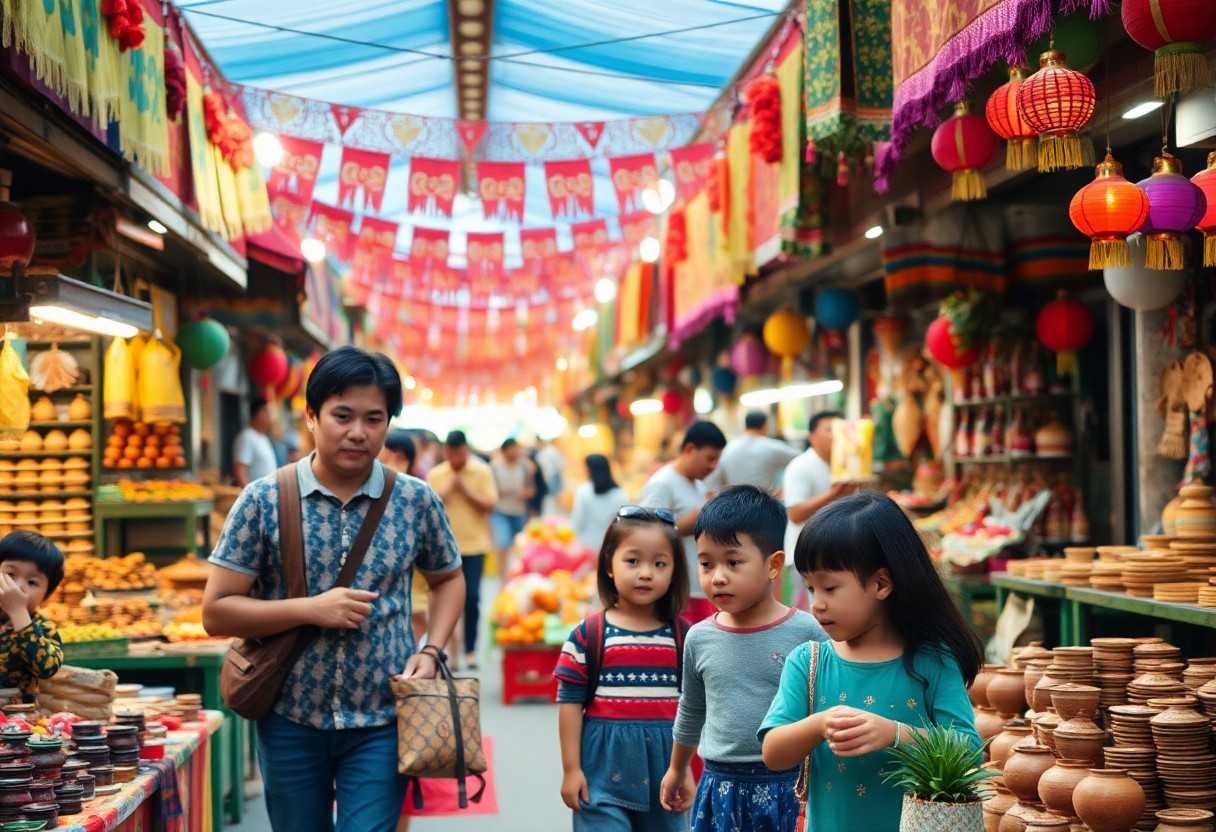
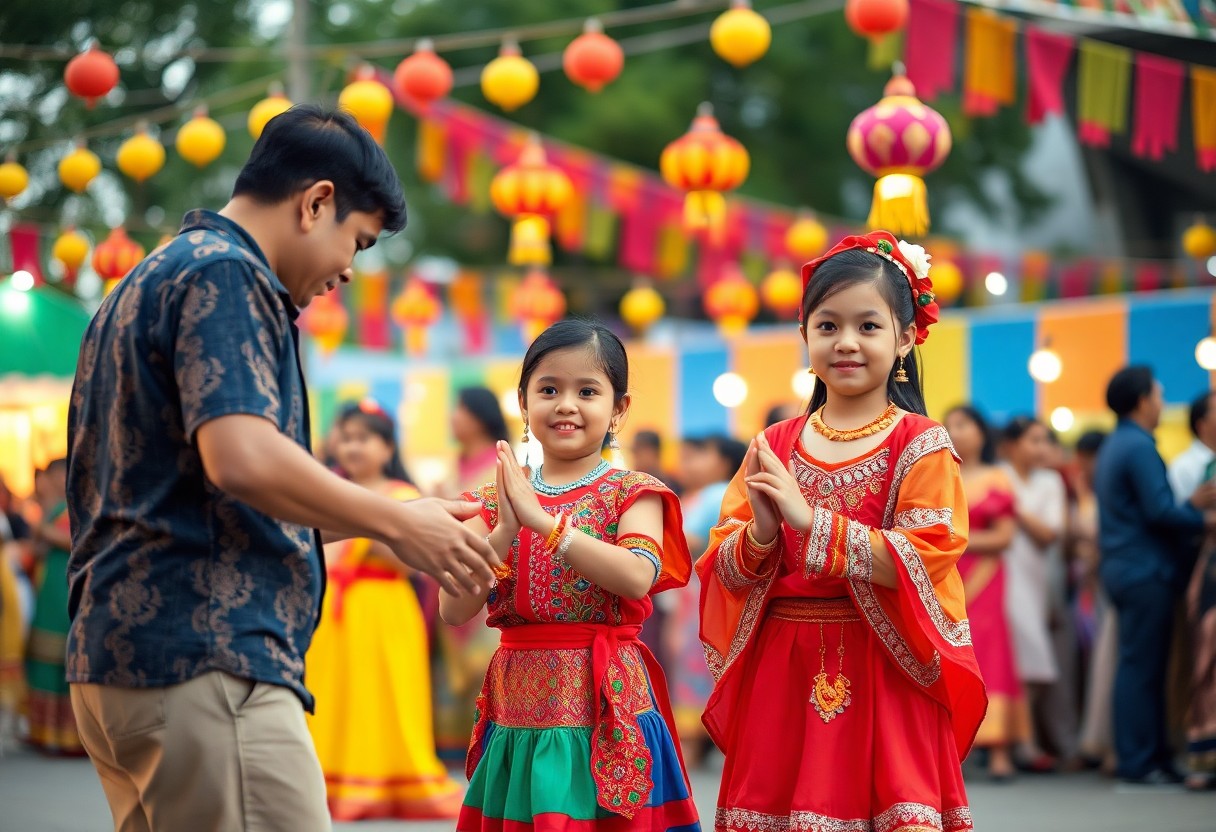
Cultural immersion involves actively engaging with the local customs, languages, and social practices of a community. This means stepping outside typical tourist activities and integrating into the daily life of the culture you are exploring. Examples include learning a traditional dance, participating in religious ceremonies, or visiting local markets. By immersing yourself in these experiences, you cultivate a more profound appreciation of the subtleties and complexities that define diverse cultures.
Importance for Child Development
Exposing your child to culturally immersive experiences significantly enhances their social and cognitive development. Engaging with different cultures fosters empathy, adaptability, and open-mindedness. When children interact with diverse communities, they learn to appreciate differences and similarities, which strengthens their emotional intelligence and problem-solving skills. Such experiences build confidence, as children step out of their comfort zones and navigate unfamiliar environments, setting the foundation for lifelong learning and global citizenship.
Research indicates that children who have culturally immersive experiences are more likely to develop a sense of empathy and cultural sensitivity. Studies show these children often exhibit better social skills and adaptability, as they learn to communicate and collaborate with peers from various backgrounds. Additionally, such experiences can enhance critical thinking, encouraging children to question stereotypes and understand global issues holistically. Ultimately, culturally immersive journeys prepare your children to thrive in an increasingly interconnected world, shaping them into well-rounded individuals.
Identifying Kid-Friendly Destinations
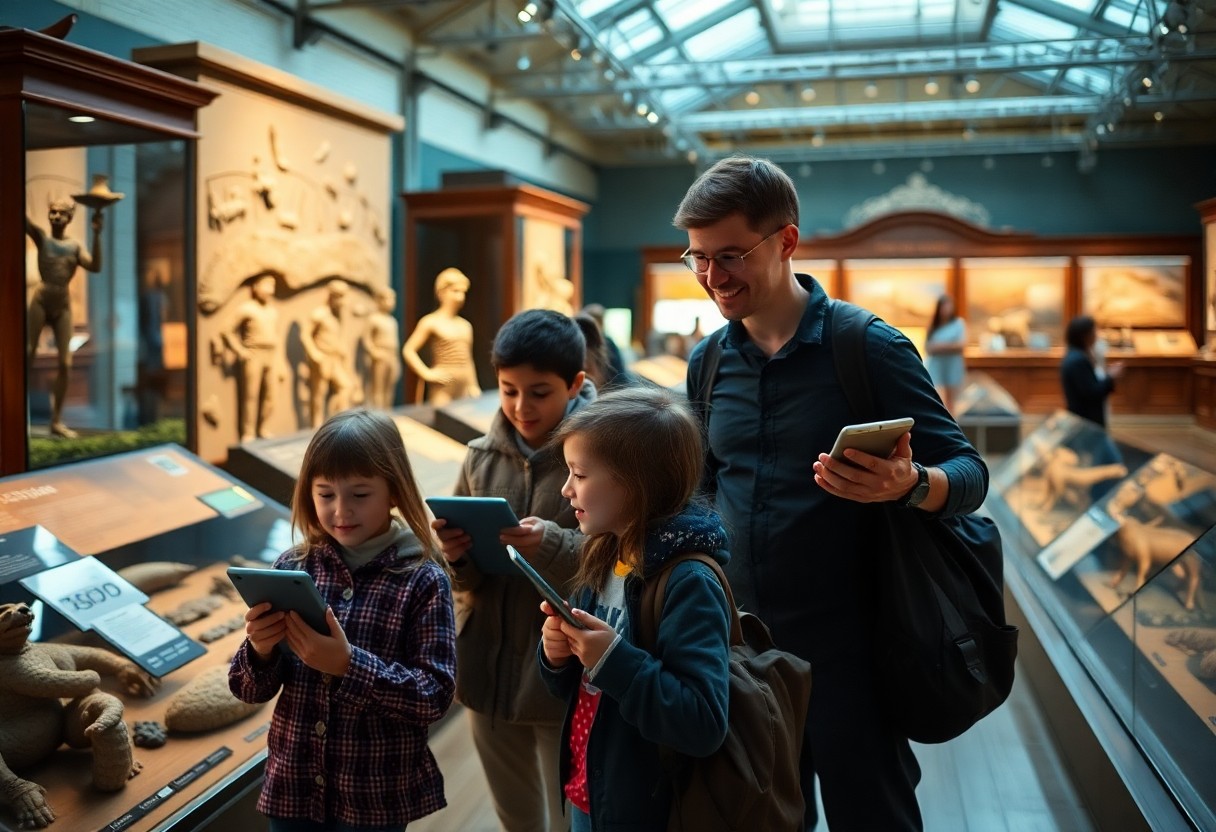
Choosing the right destinations involves balancing cultural richness with a kid-friendly environment. Look for places that offer engaging activities tailored to children, such as interactive museums, cultural workshops, and festivals that welcome family participation. Additionally, assess local amenities like child-friendly accommodations and transportation options. A destination that provides both cultural depth and comfort for your family makes for an enriching experience.
Criteria for Selection
When opting for kid-friendly destinations, consider accessibility, safety, and available activities that spark curiosity in children. A destination should also offer opportunities for hands-on learning, such as engaging local guides or craft workshops. Ensure that attractions cater to various age groups, balancing education and entertainment without overwhelming your little ones.
Popular Kid-Friendly Cultural Destinations
Popular cultural destinations that appeal to families include places like Kyoto, with its traditional tea ceremonies, and Mexico City, where the National Museum of Anthropology brings history to life. In Europe, cities like Paris offer numerous child-focused tours, while in the U.S., Washington, D.C. provides a wealth of free, interactive museums that celebrate American heritage.
These destinations shine due to their ability to blend education with fun. In Kyoto, children can participate in a real tea ceremony and explore historic temples, making ancient culture come alive. Mexico City’s anthropology museum features life-size replicas and interactive displays that engage children. Paris offers guided tours with kid-friendly narratives, while Washington, D.C. has museums like the Smithsonian’s National Air and Space Museum, where kids can touch artifacts and engage in hands-on exhibits. Each location creates unforgettable cultural experiences while ensuring that your family has a memorable and enjoyable time.
Creating an Engaging Itinerary
Your itinerary should seamlessly blend excitement and relaxation to keep everyone engaged. Aim for a mix of activities, ensuring you include visits to museums, local markets, and cultural parks that resonate with both kids and adults. Incorporate local dining experiences that offer child-friendly options while highlighting regional cuisine. Having a flexible schedule allows you to adapt to your family’s needs, ensuring the trip remains enjoyable and stress-free.
Balancing Activities and Downtime
Incorporating Educational Experiences
Infusing educational experiences into your itinerary not only enhances cultural immersion but also adds depth to your travel. Identify local workshops, historical sites, or interactive tours that are designed for children. For instance, cooking classes that teach local cuisine offer practical skills while making learning fun, fostering curiosity in children about their surroundings.
Consider including visits to science centers, kids’ museums, or historical reenactments tailored for families. A hands-on pottery class in a town known for its ceramics can spark creativity, while guided tours of significant landmarks provide context that can be fascinating for budding historians. Engaging local guides who specialize in family-friendly narratives can make history come alive, ensuring that the educational experiences are both informative and enjoyable.
Involving Kids in the Planning Process
Involving your kids in the trip planning process cultivates their excitement and anticipation, making them more engaged throughout the journey. Allow them to choose activities or destinations that spark their interest, whether it’s visiting a historical site, trying regional cuisine, or participating in local cultural events. This participation not only empowers them but also ensures that the itinerary reflects their preferences, adding a personal touch to the experience.
Encouraging Interest and Curiosity
By actively engaging your children in discussions about the places you plan to visit, you can ignite their natural curiosity. Present them with age-appropriate materials like books, videos, or podcasts that highlight the local culture, traditions, and history. This initial exposure can foster a sense of excitement and belonging, transforming them into eager explorers ready to uncover the world’s wonders.
Fostering Family Bonding
Planning the journey together offers a unique opportunity for family bonding. As you discuss destinations and activities, share stories and experiences related to the trips you have taken in the past, which can build anticipation. Collaborate on creating a travel checklist, brainstorm games for the road, or even cook meals inspired by the destination together. This shared experience not only strengthens relationships but also creates lasting memories before you even set out on your adventure.
Safety Considerations
Ensuring a safe and enjoyable journey involves careful planning and awareness of your surroundings. Prioritize your child’s well-being by researching local health guidelines, understanding emergency procedures, and being informed about any safety concerns specific to your destination. Utilize resources like travel advisory websites and local expat groups to gather reliable information. Striking a balance between cultural exploration and safety measures is imperative for a rewarding experience.
Preparing for Cultural Differences
Before your trip, research common cultural practices and norms, focusing on child-rearing approaches, local etiquette, and general societal expectations. Familiarizing yourself with these differences helps prevent misunderstandings and enhances the interaction with locals. Your kids will benefit from understanding how customs may differ, fostering respect and curiosity. Engaging with cultural artifacts or food allows children to perceive differences while ensuring they feel grounded in your family’s values.
Ensuring Child Safety During Travel
Child safety during travel encompasses various aspects, from health precautions to situational awareness. Establish a communication plan in case of separation. Ensure your child knows basic travel safety tips, like staying close and recognizing safe adult figures. Equip your child with identification details, such as a card in their pocket that includes your contact information, local emergency numbers, and your accommodation’s address. Always maintain a first-aid kit and stay updated on immunizations relevant to your destination.
In addition to these measures, familiarize yourself with local laws and regulations pertaining to child safety, such as car seat requirements or child supervision guidelines. Engage with local parents or expats for context on community resources or child-friendly spaces. Trust your instincts and keep an eye on unusual behavior. By preparing thoroughly and staying attentive, you can create a secure environment that allows both you and your child to embrace the journey’s cultural immersion. Emphasizing safety will lead to a more relaxed and enriching travel experience.
Tips for a Successful Journey
To ensure a rewarding and enjoyable journey, focus on engaging your children while exploring new cultures. Plan activities that are both educational and entertaining, and allow for moments of spontaneity. Refer to Cultural Immersion Trips for Families: How to Experience a … for additional guidance.
- Engage in local customs and traditions.
- Choose family-friendly accommodations.
- Mix structured activities with free exploration.
- Encourage your kids to try local foods.
- Pack light but include crucials for kids.
Recognizing the balance between structure and spontaneity can lead to memorable experiences.
Flexibility and Adaptability
Being flexible allows you to adapt plans as unforeseen circumstances arise. Kids may need more downtime than anticipated, or weather might change your itinerary. Encourage your children to be open to new experiences, whether that means discovering a local playground or changing destinations due to unexpected events; the journey itself should remain enjoyable.
Keeping a Positive Mindset
Fostering a positive mindset among family members improves the overall experience. Challenges are inevitable while traveling, but viewing them as opportunities to learn can be beneficial. Share uplifting stories from past trips, highlighting how overcoming small obstacles often leads to the most memorable adventures.
Maintaining a positive outlook not only affects how you experience your journey but also influences your children’s attitudes. Encourage everyone to focus on the exciting aspects of travel, such as exploring new places, tasting different foods, or meeting new friends. Setting the tone for optimism helps create lasting memories, making each trip more enjoyable, irrespective of any hurdles encountered along the way.
Final Words
Ultimately, curating culturally immersive yet kid-friendly journeys involves balancing educational experiences with engaging activities. You should prioritize destinations that offer interactive learning opportunities, such as hands-on workshops or guided tours tailored for families. Incorporate local cuisine tasting and cultural events to deepen your understanding while ensuring that your itinerary includes ample downtime for relaxation and play. By thoughtfully blending cultural exposure with fun, you create lasting memories that enrich both your and your child’s perspective on the world.
FAQ
Q: What is a culturally immersive journey?
A: A culturally immersive journey involves engaging activities that allow travelers, especially children, to experience and learn about a new culture firsthand, such as local festivals, traditional cooking classes, or community service projects.
Q: How do you ensure activities are kid-friendly?
A: We assess activities based on safety, age-appropriateness, and engagement level, ensuring they can be enjoyed by children while also being educational and fun. Feedback from families and local experts helps shape these choices.
Q: What types of destinations are ideal for these journeys?
A: Ideal destinations feature rich cultural heritage, accessible local communities, and a variety of family-friendly attractions. Places with interactive museums, wildlife experiences, and cultural festivals are often the best picks.
Q: How do you incorporate educational components in these journeys?
A: Educational components are woven into the experience through guided tours, workshops, and storytelling sessions, where children learn about history, traditions, and local customs while participating in fun activities.
Q: What role does local involvement play in the journeys?
A: Local involvement is vital, as it provides authentic experiences and perspectives. We collaborate with local guides, artisans, and families to ensure that activities reflect the true culture and foster meaningful exchanges.