
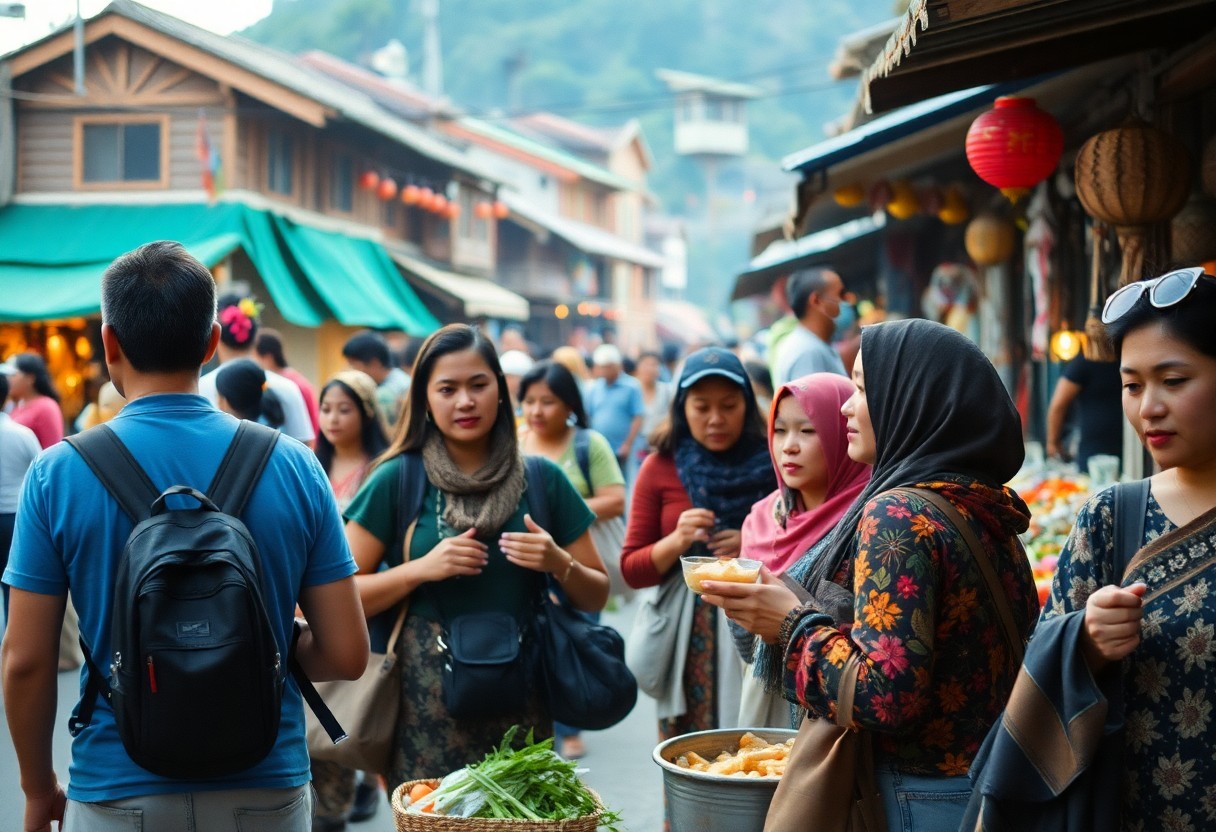
There’s a unique richness that comes when you choose cultural immersion travel over typical sightseeing. By stepping beyond well-trodden tourist paths, you open yourself to authentic experiences that deepen your understanding of local customs, traditions, and daily life. This approach transforms your journey into a meaningful exchange, allowing you to build connections and gain perspectives that go far beyond surface-level attractions. Through immersive travel, your adventure becomes an opportunity for personal growth and genuine cultural appreciation.
Key Takeaways:
- Cultural immersion travel allows deeper understanding of local traditions, enhancing the travel experience beyond typical sightseeing.
- Engaging directly with communities promotes authentic interactions and meaningful connections with residents.
- Experiencing daily life and customs firsthand fosters greater empathy and broadens perspectives.
- Moving beyond the tourist trail supports sustainable tourism by benefiting local economies and preserving cultural heritage.
- Cultural immersion often leads to personal growth through challenges and new ways of thinking encountered during travel.
What Is Cultural Immersion Travel?
While many travelers visit popular landmarks, cultural immersion travel invites you to deeply engage with the local customs, traditions, and everyday life of the destination. This approach transforms your trip from a simple sightseeing tour into a meaningful experience, where you connect authentically with people and their heritage, gaining a richer understanding of diverse cultures beyond the typical tourist spots.
Definition and Key Concepts
Above all, cultural immersion travel revolves around actively participating in the local culture rather than observing it from a distance. It involves living like locals, embracing their language, food, rituals, and social norms. This travel style encourages open-mindedness, respect, and curiosity, allowing you to appreciate the uniqueness of each place by stepping outside your comfort zone.
Historical Context and Evolution
On your journey to understanding cultural immersion travel, you’ll find its origins linked to anthropological studies and educational travel programs from the mid-20th century. Early travelers sought firsthand experience of different cultures to challenge preconceived notions and foster global awareness.
This evolution has grown alongside globalization and the rise of conscious travel, with more people seeking meaningful connections rather than superficial visits. Over time, cultural immersion has adapted into modern travel practices that prioritize sustainability, cultural preservation, and authentic interpersonal experiences.
Comparing Cultural Immersion to Traditional Tourism
Traditional tourism usually focuses on sightseeing, convenience, and entertainment, whereas cultural immersion travel is about active engagement and learning from the local culture. Understanding these differences helps you choose a travel style that aligns with your interests and values.
| Traditional Tourism | Cultural Immersion Travel |
|---|---|
| Visits popular landmarks and tourist attractions | Participates in local traditions and community life |
| Focuses on comfort and convenience | Embraces challenges and new cultural experiences |
| Short-term engagement with the destination | Long-term, meaningful interaction with locals |
Consequently, cultural immersion travel invites you to deepen your understanding beyond surface-level encounters. By choosing this approach, you contribute to sustainable tourism and build genuine connections, enriching your personal growth and the communities you visit.
| Traditional Tourism | Cultural Immersion Travel |
|---|---|
| Offers relaxation and entertainment | Fosters empathy and cultural sensitivity |
| Supports the local economy mostly through commercial tourism | Supports local communities and preserves cultural heritage |
| Provides predictable and familiar experiences | Encourages personal transformation and lifelong learning |
Why Cultural Immersion Is Gaining Popularity
Some travelers are seeking more meaningful experiences beyond traditional sightseeing. You want to connect deeply with local communities, traditions, and ways of life, making your journeys richer and more impactful. This escalating desire to engage authentically fuels the growing popularity of cultural immersion travel, encouraging you to explore with purpose and openness.
Shift in Traveler Preferences
Around the globe, more travelers like you are moving away from mass tourism and toward experiences that offer genuine cultural engagement. You prioritize learning, understanding, and participating in local customs, which enhances your personal growth and appreciation for diversity during every trip.
The Influence of Social Media
Any traveler like you can see the impact social media has on shifting travel trends. Platforms showcase immersive experiences, inspiring you to seek authentic cultural connections instead of just ticking off popular landmarks.
It’s through vivid storytelling and shared experiences on social media that you gain insight into the richness of cultural immersion. Seeing real moments from fellow travelers encourages you to explore destinations beyond the typical tourist paths and embrace immersive journeys that foster interaction with local people and traditions.
The Rise of Conscious Travel
Against the backdrop of environmental and social awareness, you are more inclined to travel responsibly and ethically. Conscious travel appeals to you by emphasizing respect for local cultures, sustainable practices, and meaningful contributions to host communities.
Hence, your travel choices increasingly reflect a desire to minimize negative impacts and maximize positive outcomes. By engaging in cultural immersion, you support local economies and traditions, creating harmonious and enriching experiences that benefit both you and the places you visit.
Benefits of Cultural Immersion
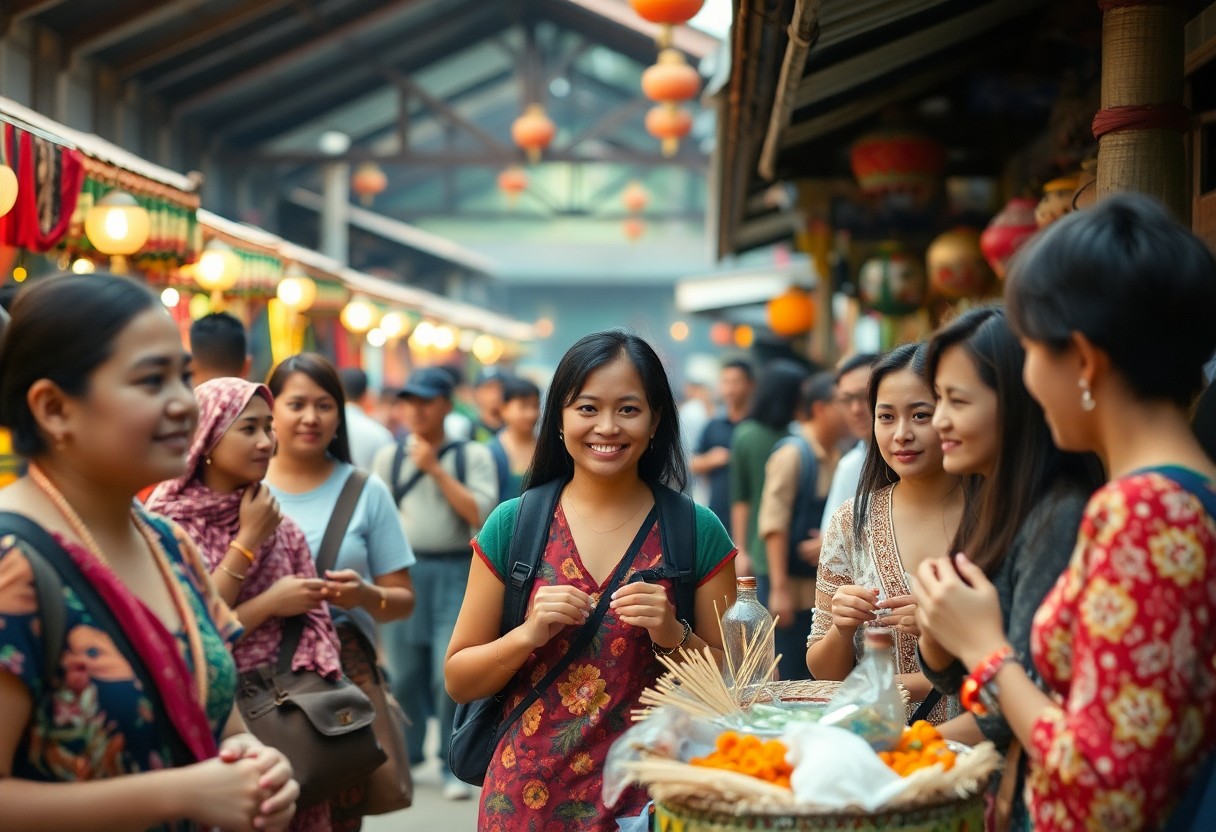
Many travelers find that cultural immersion enriches your journey by offering deeper connections with the places you visit. Instead of just observing, you engage directly with local customs, traditions, and everyday life. This approach transforms travel into a meaningful experience, expanding your perspective and enhancing your understanding of the world around you.
Authentic Experiences and Cultural Understanding
Between guided tours and casual sightseeing, cultural immersion allows you to engage authentically with local communities, traditions, and ways of life. This honest exposure helps you move beyond stereotypes and develop a genuine appreciation of diverse cultures, making your travel experience far more enriching both emotionally and intellectually.
Personal Growth and Self-Discovery
Around unfamiliar environments, you confront new challenges and perspectives that encourage self-reflection and adaptation. As you immerse yourself in different cultures, you cultivate resilience, empathy, and open-mindedness, ultimately fostering personal growth and a deeper understanding of your own identity.
For instance, navigating language barriers or adapting to different social norms compels you to develop problem-solving skills and patience. These experiences not only boost confidence but also encourage you to reevaluate your values and worldview, enriching both your travel journey and your life beyond it.
Building Meaningful Connections and Friendships
Authentic interactions with locals create opportunities for lasting friendships that transcend cultural differences. By engaging genuinely with individuals in their own environment, you build trust and shared experiences that deepen your connections and make your journey more memorable.
In addition, these friendships often open doors to unique invitations and insights that typical tourists rarely receive. They allow you to experience the destination from a native perspective and can lead to ongoing relationships that enrich your understanding of culture and humanity long after your travels end.
Top Cultural Immersion Experiences
Not all travel experiences offer the depth and authenticity of cultural immersion. To truly connect with a destination, you need to engage beyond sightseeing. Living, working, and celebrating alongside locals gives you unparalleled insight into their way of life, traditions, and values, transforming your journey into a meaningful exchange rather than just a visit.
Homestays with Local Families
On a homestay, you live with a local family and experience daily life from their perspective. This intimate setting allows you to share meals, stories, and customs firsthand, creating genuine connections. Your understanding of the community’s culture deepens naturally as you participate in routines and celebrate traditions that might otherwise remain hidden to typical tourists.
Volunteering in Community Projects
On community projects, you contribute your time and skills to support local initiatives. This participation fosters meaningful relationships and a sense of shared purpose. You gain insight into the community’s needs, challenges, and strengths, all while making a positive impact that enriches both your travel experience and the lives of those you assist.
With volunteering, you engage directly in hands-on work like education, conservation, or healthcare, collaborating closely with residents. This active involvement demands empathy and adaptability, helping you see realities beyond surface impressions. Your role becomes more than a visitor—it becomes a partner in the community’s ongoing story, allowing you to leave a lasting, positive footprint.
Participating in Local Festivals and Ceremonies
The vibrant energy of festivals and ceremonies offers a window into a community’s soul. By joining these events, you witness expressions of identity, belief, and heritage that define the culture. These shared celebrations invite you to experience the joy, symbolism, and spirit behind traditions that shape the community’s collective memory.
Immersion in local festivals provides sensory-rich experiences—music, dance, cuisine, and rituals—that textbooks cannot convey. Your participation goes beyond observation, encouraging interaction and celebration with locals. This deepens your emotional connection to the place and enhances your appreciation for cultural diversity in a way few other travel moments can.
Language and Communication in Cultural Immersion
All travelers seeking true cultural immersion understand that language and communication are the heart of connecting with locals and experiencing authentic lifestyles. Engaging beyond the superficial tourist interactions allows you to build meaningful relationships and gain deeper insight into traditions, values, and everyday life. Mastering local communication bridges divides and enriches your journey by opening doors that remain locked to those who rely solely on their native tongue.
Importance of Language Learning
Communication forms the foundation of cultural immersion, enabling you to engage respectfully and thoughtfully with communities. Learning the local language enhances your ability to navigate social norms, understand customs, and respond appropriately. It also demonstrates your commitment to valuing the culture you’re exploring, which often encourages locals to share their stories and perspectives more openly with you.
Tips for Effective Communication
For effective communication while immersed in a new culture, consider these strategies:
- Learn basic phrases and greetings before your trip
- Use body language and facial expressions to support verbal messages
- Practice active listening to fully understand others’ points of view
- Be patient and open-minded when misunderstandings occur
Recognizing the power of nonverbal cues will help you connect deeply, even when exact words escape you.
Indeed, expanding on communication tips can further enhance your interactions. You should consistently:
- Seek feedback to improve pronunciation and usage
- Engage in language exchanges with native speakers
- Observe local conversational etiquette and gestures
- Use technology to assist with translations when necessary
Recognizing that communication extends beyond words enables you to navigate cultural nuances more effectively.
Overcoming Language Barriers
For overcoming language barriers, adopting flexible communication techniques is key. Embracing patience and creativity can transform potential obstacles into opportunities for learning and connection. You can rely on gestures, visual aids, and translation apps to bridge gaps while you gradually acquire linguistic skills that deepen your cultural understanding.
For instance, you might use picture dictionaries, smartphone translators, or even drawing to clarify meanings when words fail. Engaging locals through shared experiences like cooking or music also transcends language limits by fostering mutual understanding. With persistence, these strategies dissolve barriers, allowing your cultural immersion to flourish authentically.
Engaging with Local Customs and Traditions
Despite being a visitor, you have the opportunity to deeply engage with local customs and traditions, gaining insights that go beyond what typical sightseeing offers. Immersing yourself in the cultural fabric allows you to connect authentically with communities, enriching your travel experience while fostering mutual respect and understanding.
Observing and Participating in Daily Life
Along your journey, observing and participating in the daily life of locals provides a window into their world. By sharing everyday moments—be it at markets, meals, or community gatherings—you gain an intimate appreciation of traditions that shape their identity and rhythm of life.
Respecting Rituals and Beliefs
Traditions carry deep meaning in many cultures, and your respect for local rituals and beliefs is a key part of meaningful cultural immersion. Approaching these practices with sensitivity demonstrates your openness and willingness to honor the values that are important to the communities you visit.
This respect extends beyond mere observation; it involves learning about the significance behind rituals and seeking permission where appropriate. By doing so, you avoid misunderstandings and contribute to a respectful exchange that honors cultural heritage and supports authentic connections.
Understanding Social Norms and Etiquette
After immersing yourself in local customs, you will notice social norms and etiquette that guide interactions. Embracing these unwritten rules enables you to navigate social settings with ease, building trust and positive rapport with the people you meet throughout your travels.
Rituals and social conventions often reflect a community’s shared values and worldview. By paying attention to appropriate greetings, gestures, and communication styles, you foster goodwill and demonstrate cultural sensitivity, enriching both your experience and that of your hosts.
Culinary Immersion: Food as a Cultural Bridge
Not all travel experiences are about sightseeing; some of the most meaningful connections come from sharing meals with locals. Food lets you dive deep into a culture’s traditions, values, and daily rhythms. When you experience a place through its flavors and food customs, you gain insights that go far beyond the usual tourist attractions. Culinary immersion invites you to engage your senses and emotions, building bonds and understanding that transcend language and geography.
Cooking Classes and Food Tours
For a hands-on experience, cooking classes and food tours immerse you in authentic culinary traditions. You get to learn directly from local chefs, picking up techniques and recipes that reveal the history and stories behind each dish. These interactive experiences make cultural immersion tangible, as you not only taste but actively participate in the creation of local food, deepening your appreciation and connection to the place you’re visiting.
Traditional Cuisine and Dining Etiquette
Immersion in traditional cuisine involves more than sampling dishes; it’s about understanding the customs and etiquette that shape how meals are enjoyed. These practices reveal social values, respect protocols, and historical influences unique to each culture. Observing or participating in these dining rituals enriches your travel experience, offering a respectful and authentic insight into the local way of life.
Also, by learning local dining etiquette, you demonstrate cultural sensitivity and openness, which can foster warmer interactions with hosts and locals. Each culture has its own rules about seating arrangements, use of utensils, and communal sharing, all of which contribute to the social fabric around the dining table. Engaging in these practices thoughtfully allows you to connect meaningfully and avoid unintentional offenses.
The Role of Food in Cultural Identity
Dining is a powerful expression of cultural identity, serving as a living archive of traditions, geography, and community values. How food is prepared, shared, and celebrated often reflects a people’s collective memory and social bonds. By exploring these culinary dimensions, you access an vital part of what makes a culture unique and vibrant.
Identity tied to food extends beyond mere sustenance; it encompasses rituals, celebrations, and even resistance. Food becomes a symbol of heritage and belonging, passed down through generations to preserve stories and reinforce communal ties. By engaging with these culinary customs, you participate in a larger narrative, one that connects you to the heart of the culture you are exploring.
Tips for a Meaningful Immersion Experience
Keep these strategies in mind to deepen your cultural immersion travel:
- Research the local customs and language basics before you arrive.
- Engage respectfully with community members and participate in daily activities.
- Practice patience and humility when encountering differences or misunderstandings.
- Support local businesses and artisans to contribute positively to the community.
This approach ensures a richer, more authentic experience beyond surface-level tourism.
Preparing Mentally and Logistically
To fully immerse yourself, you need to prepare both mentally and logistically. Mentally, adjust your expectations and embrace the possibility of discomfort as part of growth. Logistically, plan accommodations, transportation, and communication tools that enable deeper interaction with locals. This groundwork creates a foundation for meaningful connections and smooth integration into the community.
Being Open-Minded and Adaptive
Logistically, you must remain flexible and ready to embrace unexpected changes. Open-mindedness means valuing different perspectives and traditions without judgment. This mindset allows you to navigate cultural nuances with respect and learn from each encounter, transforming your experience into a genuine cultural exchange.
Further, being open-minded enhances your ability to respond thoughtfully when faced with unfamiliar social norms. It helps you absorb lessons from local customs and behaviors, which can challenge your preconceived notions. This adaptability not only enriches your journey but also fosters personal growth and intercultural empathy.
Observations vs. Participation
Adaptive travel balances observation with active participation. While watching local traditions provides context, engaging hands-on allows you to internalize the culture in a deeper way. You become a part of the story rather than a passive spectator, which can create lasting memories and understanding.
Being an active participant means stepping beyond curiosity to involvement — joining in communal activities, rituals, or culinary experiences. This immersive approach cultivates a connection that observation alone cannot achieve, offering insights that resonate far beyond your time in the destination.
Ethical Considerations in Cultural Immersion
For you to truly benefit from cultural immersion, it’s important to approach your travel with respect and sensitivity. Engaging ethically means prioritizing the needs and values of the local communities you visit, ensuring your experiences do not harm or exploit their traditions or environment. By reflecting on your role as a guest, you can deepen your connection while supporting sustainable and equitable cultural exchanges.
Supporting Local Economies and Sustainability
Against the temptation to seek bargains or convenience at the expense of locals, you should focus on supporting small businesses and artisans that contribute to the community’s well-being. Sustainable travel encourages you to choose eco-friendly accommodations and services that protect natural resources, helping to ensure that economic benefits remain within the region for future generations while reducing environmental impact.
Avoiding Cultural Appropriation
The art of cultural immersion requires you to approach traditions with respect rather than adopting superficial elements for personal use. Avoiding cultural appropriation means engaging with heritage thoughtfully, honoring its significance instead of commodifying sacred or symbolic practices for entertainment or fashion.
Local communities often perceive cultural appropriation as disrespectful when outsiders adopt their symbols, clothing, or rituals without understanding their meaning or significance. You can mitigate this by asking questions, seeking permission, and prioritizing educational experiences. This approach fosters mutual respect and helps preserve cultural identity rather than diminishing it.
Building Responsible Tourism Practices
Ethical tourism encourages you to be mindful of your actions and their impact, supporting initiatives that promote cultural preservation, environmental protection, and social equity. By choosing responsible tour operators and participating in community-led experiences, you contribute to positive outcomes that benefit all stakeholders involved.
Appropriation of responsible tourism means more than just avoiding harm—it involves actively contributing to respectful and sustainable interactions. When you adopt these practices, you help create a travel environment that honors local voices, supports meaningful cultural exchange, and safeguards the destinations you cherish for future travelers.
Challenges of Cultural Immersion Travel
Now, as you examine cultural immersion travel, you’ll encounter unique challenges that extend beyond typical tourism. These include adapting to unfamiliar customs, managing emotional upheavals like homesickness, and striking a balance between being a respectful guest and an eager visitor. Understanding these obstacles prepares you to navigate them effectively, enriching your overall experience off the beaten path.
Navigating Cultural Misunderstandings
Travel often places you in situations where cultural norms differ significantly from your own, making misunderstandings inevitable. Approaching these moments with patience and a willingness to learn allows you to bridge gaps and build genuine connections, transforming potential awkwardness into meaningful exchanges.
Dealing with Homesickness and Isolation
With prolonged immersion, feelings of homesickness and isolation can surface, challenging your emotional resilience. Recognizing these feelings and finding ways to connect with your surroundings and new acquaintances can ease the sense of loneliness and keep your journey fulfilling.
Isolation may impact you more than anticipated when you are far from familiar faces and routines. Embracing local community activities or reaching out to fellow travelers helps create support networks, mitigating solitude. Staying mentally active through hobbies or journaling also aids your emotional well-being during moments when connection feels distant.
Balancing Tourist and Local Expectations
Below the surface of cultural immersion lies the delicate act of balancing your tourist curiosity with respect for local traditions and values. Successfully managing this balance means you engage authentically without overwhelming or offending the community you’re visiting.
The key to harmonizing tourist desires with local expectations involves open communication and mindful observation. By paying attention to social cues and adapting your behavior accordingly, you demonstrate respect and foster mutual understanding, enhancing your experience and that of the hosts.
Case Studies: Successful Cultural Immersion Programs
Once again, examining real-world examples highlights the effectiveness of cultural immersion travel. Consider these successful programs:
- The Homestay Program in Japan, with over 10,000 participants annually, enriching language skills and cultural understanding.
- Latin America Volunteer Initiative, involving 5,000+ travelers each year, focusing on sustainable community projects.
- The African Heritage Experience, drawing 3,500 participants annually, deeply engaging with traditional customs and local livelihoods.
- European Art and History Exchange, with 7,200 participants, blending educational tours with local artist collaborations.
Analysis of Prominent Programs Worldwide
One consistent feature of prominent cultural immersion programs worldwide is their emphasis on active participation within local communities. These initiatives often combine language learning, volunteer work, and cultural activities that encourage you to move beyond passive observation and become genuinely involved. This approach fosters a more authentic and impactful travel experience.
Testimonials from Participants
Behind many transformative travel experiences are powerful testimonials from participants who felt their perspectives and values deeply enriched. You’ll find their stories revealing how immersion trips altered their understanding of cultures and themselves.
Even more compelling are the personal accounts where travelers describe overcoming initial challenges to form meaningful relationships with host communities. These testimonials highlight your potential to foster empathy and lifelong connections through immersive travel.
Lessons Learned from Immersion Trips
Immersion trips often teach you valuable lessons about adaptability, patience, and cultural sensitivity. Through direct engagement, you learn to navigate differences with respect and open-mindedness, enhancing your overall travel experience.
Also, these experiences equip you with skills such as effective communication and problem-solving in unfamiliar settings. This personal growth extends beyond travel, influencing your worldview and interactions in everyday life.
The Role of Technology in Cultural Immersion
To fully embrace cultural immersion during your travels, technology can act as a powerful bridge connecting you to authentic experiences and local communities. With the right digital tools, you can deepen your understanding and engagement beyond conventional tourist activities, making your journey richer and more meaningful.
Digital Platforms for Connection
For connecting with locals and fellow travelers, digital platforms like social media groups, cultural exchange apps, and community forums offer direct access to authentic interactions. These tools allow you to find events, language partners, and local guides, turning your trip into a shared cultural experience rather than just sightseeing.
Resources for Planning Cultural Experiences
Role of technology in planning is vital, as it provides you with extensive resources such as travel blogs, online workshops, and interactive maps. These help you identify unique cultural experiences tailored to your interests, enabling you to plan an itinerary that goes beyond popular attractions and immerses you in the local way of life.
Resources like curated travel websites and cultural event calendars assist you in discovering festivals, artisanal markets, or cooking classes that embody the heart of the community. Leveraging these tools enhances your ability to prepare thoughtfully, ensuring your travel aligns with meaningful cultural engagement.
The Impact of Virtual Reality on Cultural Exposure
Before arriving at your destination, virtual reality offers you immersive previews of cultural sites and traditions, broadening your perspective without physical travel. This technology provides a unique opportunity to explore environments and customs, enhancing your appreciation and anticipation for real-world experiences.
Understanding virtual reality’s potential in cultural exposure allows you to engage with distant cultures in a highly interactive manner. By virtually walking through ancient cities or participating in traditional ceremonies, you gain nuanced insights that can enrich your actual travels and deepen your connection to the people and places you visit.
Future of Cultural Immersion Travel
Unlike traditional tourism focused on popular destinations, cultural immersion travel is evolving to offer deeper, more meaningful experiences. You will find yourself engaging with local communities and traditions, gaining insights that go beyond surface-level sightseeing. This approach enriches your understanding of world cultures and fosters genuine connections, making travel a transformative journey rather than just a visit.
Trends in the Travel Industry
Travel is shifting towards authenticity, with increasing demand for immersive experiences that connect you to the heart of a destination’s culture. You will notice growth in sustainable tourism, local-led tours, and tech-enabled ways to explore lesser-known cultural gems. These trends enable you to travel more responsibly and meaningfully.
The Evolving Definition of Travel and Culture
Evolving travel perspectives emphasize not just seeing new places but truly experiencing diverse ways of life. As you engage more deeply with cultural practices, language, and community life, you redefine what it means to travel and broaden your cultural horizon.
Hence, this deeper approach to culture helps you move beyond stereotypes and superficial encounters. You gain empathy and appreciation for global diversity, making your journeys impactful on both a personal and social level, transforming travel from passive observation into active cultural participation.
Predictions for Post-Pandemic Travel Behaviors
Evolving traveler preferences highlight a stronger focus on personalized, intimate experiences over mass tourism. You will seek connections with local cultures that respect health and safety, emphasizing slow travel, outdoor activities, and meaningful interactions.
Travel post-pandemic is expected to prioritize wellbeing and authenticity, inviting you to connect more consciously with destinations and communities. This shift allows you to contribute positively while enjoying richer, safer, and more rewarding cultural experiences.
Summing up
Presently, embracing cultural immersion travel allows you to experience destinations beyond typical tourist paths, enriching your understanding and appreciation of diverse ways of life. By engaging directly with local customs, traditions, and people, you deepen your connection to the places you visit, fostering empathy and broadening your worldview. This transformative approach encourages more meaningful interactions and lasting memories, ultimately enhancing your travel experiences far beyond surface-level sightseeing.
Q: What distinguishes cultural immersion travel from typical tourism?
A: Cultural immersion travel involves actively engaging with the local culture, traditions, and daily life of the destination rather than just visiting popular landmarks. Travelers seek authentic experiences by interacting with residents, participating in cultural activities, and exploring lesser-known areas, allowing for a deeper understanding and appreciation of the community.
Q: How can cultural immersion travel enhance personal growth?
A: Immersing oneself in a different culture encourages open-mindedness and adaptability. It challenges preconceived notions and helps develop empathy by experiencing diverse ways of life. This process promotes self-reflection and broadens perspectives, often leading to increased confidence and a more global outlook.
Q: What are effective ways to engage in cultural immersion when traveling?
A: Effective methods include staying with local families through homestays, learning the local language or common phrases, participating in workshops or traditional ceremonies, trying regional cuisine prepared by locals, and exploring neighborhoods outside typical tourist zones. Being respectful and curious is key to meaningful interactions.
Q: What impact does cultural immersion travel have on local communities?
A: When done thoughtfully, cultural immersion travel supports local economies by directing spending to small businesses and artisans. It also fosters cultural exchange and mutual understanding between visitors and residents. However, travelers should aim to minimize disruption and respect community values to ensure positive outcomes.
Q: How can travelers prepare to get the most out of cultural immersion experiences?
A: Preparation involves researching the destination’s customs, social norms, and history to approach interactions with sensitivity. Learning basic language skills, reading about cultural etiquette, and having an open and respectful attitude contribute to more rewarding and authentic immersion experiences.


3 thoughts on “The Power of Cultural Immersion Travel: Beyond the Tourist Trail”
Comments are closed.