

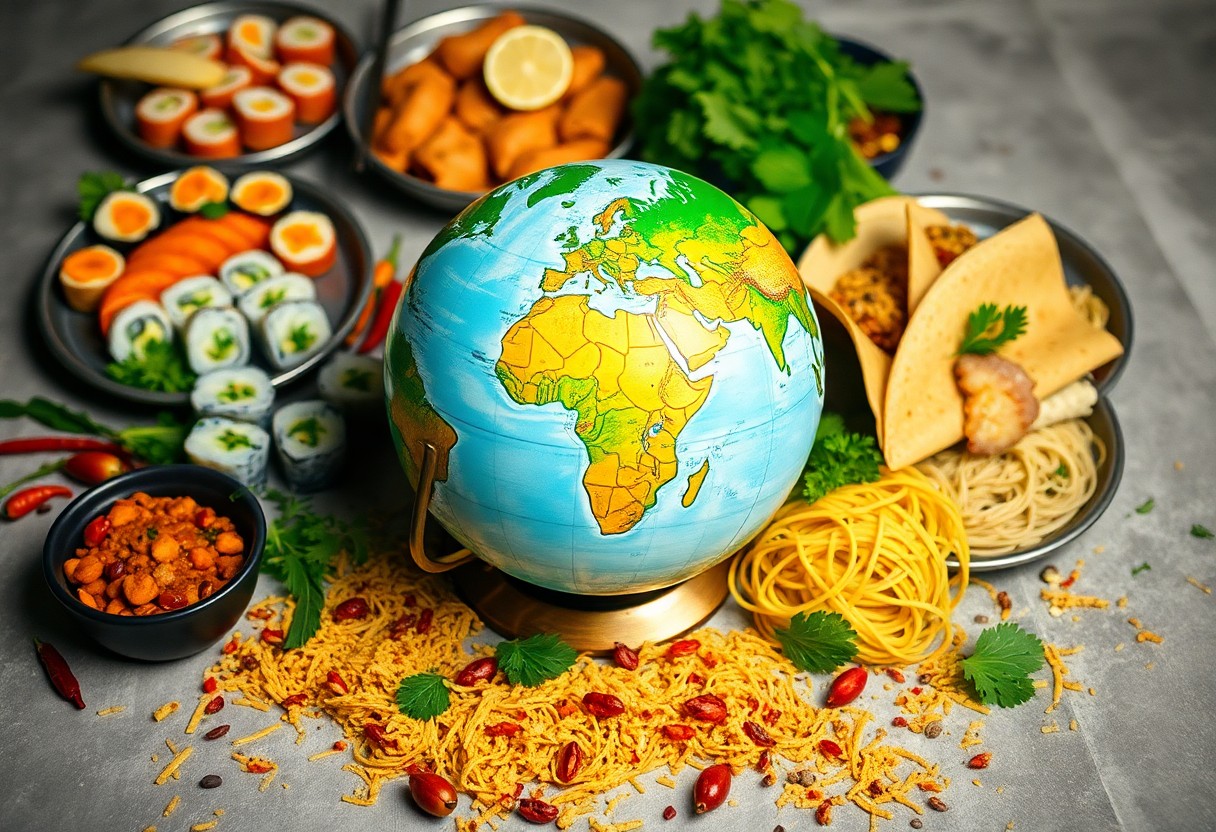
You can elevate your travel experiences by immersing yourself in the evolving world of culinary travel. This trend allows you to discover new cultures through their unique flavors, traditional cooking methods, and local ingredients. By following the latest culinary travel trends, you’ll gain a deeper appreciation for global cuisines and uncover authentic tastes that might otherwise go unnoticed. Whether you’re a seasoned foodie or an adventurous traveler, exploring the world through your palate opens up exciting opportunities for both discovery and enjoyment on every journey.
Key Takeaways:
- Culinary travel is increasingly popular as travelers seek authentic food experiences that connect them to local culture and traditions.
- Food-focused tours and cooking classes are on the rise, offering hands-on experiences that deepen understanding of regional cuisines.
- Sustainability and ethical food sourcing are shaping culinary travel, with many travelers prioritizing farm-to-table experiences and eco-conscious dining.
- Technology, such as food apps and virtual cooking classes, enhances culinary travel by providing tailored recommendations and educational content.
- Fusion cuisine and street food continue to attract food tourists eager to explore diverse flavors and innovative culinary blends.
The Evolution of Culinary Travel
Before culinary travel became a global phenomenon, people primarily traveled for leisure or business without focusing much on the local food culture. Today, your[pinterest-image message=”Culinary travel trends” custom_image=”https://travellersguides.com/wp-content/uploads/2025/05/senior-travelers-best-international-destinations-for-retirement-lrh.jpg”] journeys are increasingly shaped by the desire to immerse yourself in authentic tastes and food experiences that reflect a destination’s heritage. This evolution reflects the growing appreciation for food as a gateway to understanding diverse cultures and traditions during your travels.
Historical Perspective on Food Tourism
The roots of food tourism stretch back centuries, when merchants and explorers sampled local delicacies as part of trade and cultural exchange. Over time, foods like spices, wines, and regional specialties became sought-after items, motivating travelers to seek out culinary experiences. Food tourism has always been intertwined with cultural discovery, but it has now transformed from necessity to a choice that enhances your travel adventures.
Shifts in Travel Motivations
For many travelers today, tasting local cuisine is a primary reason to explore new destinations. Your motivation moves beyond sightseeing, focusing instead on authentic food experiences, cooking classes, and market visits that let you connect with people and traditions. This shift reflects a deeper desire to experience places through sensory and cultural immersion, making your travels both memorable and meaningful.
Perspective on these shifting motivations shows how food tourism blends with experiential travel trends. Your interest in gastronomy often aligns with a broader aim: to engage with local communities, support sustainable practices, and discover stories behind the dishes. This holistic approach to travel emphasizes personal connections and cultural appreciation through the lens of food.
The Role of Gastronomy in Cultural Identity
Gastronomy serves as a powerful expression of cultural identity, where traditional recipes and cooking methods carry history and values. When you explore a destination’s cuisine, you’re tasting its heritage, social customs, and environment. Understanding this relationship enriches your travel experience and offers insight into the people and their way of life.
Travel shapes your perception of culture profoundly through gastronomy. Sampling regional dishes and engaging with local food experts enable you to grasp the nuances of cultural identity and heritage. This connection fosters respect and appreciation, making your culinary explorations a meaningful part of your journey beyond just flavors and ingredients.
Defining Culinary Travel
Assuming you want to immerse yourself in the essence of a culture, culinary travel offers a unique lens. It involves seeking out local flavors, traditional recipes, and food experiences that tell the story of a destination. This type of travel goes beyond sightseeing—you engage your taste buds to explore heritage, creativity, and community through food. Culinary travel invites you to deepen your connection with places by savoring what makes them distinct.
Different Interpretations of Culinary Travel
Beside visiting famous restaurants or food markets, culinary travel can mean exploring food production, taking cooking classes, or even attending food festivals. For you, it might be a way to learn family recipes, hunt down street food delicacies, or celebrate seasonal harvests. There is no one-size-fits-all definition, as culinary travel caters to a variety of interests and depths of participation.
The Intersection of Food and Travel Experiences
Travel creates moments where the sensory and cultural collide, and food is right at the center. When you taste regional dishes or share meals with locals, you experience the destination beyond its landmarks. This intersection offers authenticity and insight, enriching your journey in ways few other activities can achieve.
Travel also unfolds unexpected encounters through food, whether it’s a spontaneous invitation to a family dinner or discovering a hidden café. These experiences engage your senses and emotions, helping you form lasting memories tied to place and flavor. The social aspect of sharing meals deepens your understanding of people and traditions, making your exploration more meaningful.
Culinary Travel vs. Traditional Tourism
Travel that focuses on food contrasts with traditional tourism by prioritizing immersive taste experiences over sightseeing alone. While conventional tourism may concentrate on landmarks or landmarks, culinary travel encourages you to engage actively with local culture through your palate. This approach makes your journey more participatory and sensory-driven.
Hence, culinary travel often involves slow, deliberate exploration where you connect with local producers, chefs, and food artisans. It challenges you to step off the beaten path and discover authentic flavors, offering a deeper cultural exchange than surface-level tourism typically provides. This immersive involvement transforms your travel from observing to truly experiencing.
The Role of Social Media in Culinary Travel
Your culinary travel experiences are increasingly influenced by social media platforms, which allow you to discover new destinations and restaurants through vivid visuals and authentic reviews. Social media not only inspires your food adventures but also connects you with culinary communities worldwide, enhancing how you explore global flavors and traditions.
Instagram and Food Aesthetics
By showcasing beautifully plated dishes and vibrant food scenes, Instagram shapes your perception of culinary travel. The platform encourages you to seek out photogenic meals and trendy eateries, blending your appetite for unique flavors with your desire for visually stunning dining experiences.
Influencer Impact on Culinary Trends
For many travelers, influencers serve as trusted guides to the latest food trends and hidden gems. Their recommendations and stories help you navigate unfamiliar cuisines, making it easier to decide where to eat and what to try during your culinary journeys.
Impact from influencers extends beyond simple suggestions; they often create demand for certain dishes or cooking styles, driving the popularity of local specialties and innovative food concepts. This dynamic shapes your travel itinerary and reflects evolving tastes worldwide.
The Rise of Food Bloggers and Vloggers
One significant change is the growing popularity of food bloggers and vloggers who offer in-depth insights into regional cuisines. Their comprehensive reviews and visual storytelling provide you with valuable information and inspiration for your next food-focused trip.
Aesthetics play a key role for bloggers and vloggers as they combine engaging narratives with enticing visuals. This approach deepens your understanding of cultural contexts behind dishes and enhances your excitement for diverse culinary experiences.
Trend 1: Hyper-Local and Sustainable Food Experiences
Keep your culinary adventures rooted in sustainability by seeking out hyper-local food experiences. Exploring dishes crafted from ingredients sourced within a few miles offers a fresh, authentic taste of the region while supporting local farmers and reducing environmental impact. This trend invites you to connect more deeply with the land and culture behind every bite.
Farm-to-Table Dining
Below the surface of your dining experience lies an emphasis on freshness and transparency, as farm-to-table restaurants take center stage. By enjoying meals prepared from ingredients harvested nearby, you engage directly with a cycle of sustainability that ensures quality, environmental care, and a stronger link between you and your food’s origin.
Regional Spotlight: Scandinavia, Japan, New Zealand
Trend highlights in Scandinavia, Japan, and New Zealand showcase how diverse cultures interpret sustainable, local dining. Each region offers unique culinary stories rooted in their environment, inviting you to explore freshness and tradition through menus that celebrate local harvests and mindful consumption.
Also, these regions embrace sustainability beyond just food sourcing—Scandinavia is known for its minimalist style paired with wild foraged ingredients, Japan emphasizes seasonality with refined techniques, and New Zealand focuses on organic farming and sustainable seafood. Your journey through these destinations not only tantalizes your taste buds but also educates you on responsible eating practices globally.
Chef-Led Culinary Tours Rooted in Sustainability
Food tours guided by visionary chefs provide an intimate look into sustainable cooking and sourcing. As you travel alongside culinary experts, you gain insight into the careful choices behind every ingredient, learning how sustainability can be both innovative and delicious, all while experiencing local culture firsthand.
Scandinavia, in particular, offers chef-led tours that immerse you in the ethos of sustainability, where you can visit organic farms, participate in foraging, and witness traditional methods refined with modern eco-consciousness. These experiences deepen your appreciation for food that honors nature and community, inspiring your own culinary sensibilities.
Trend 2: Revival of Heritage and Indigenous Cuisines
After years of fusion and modern innovations, culinary travelers are increasingly drawn to heritage and indigenous cuisines. This trend invites you to explore authentic flavors deeply rooted in history and culture. By tasting these traditional dishes, you connect not only with food but also with the stories and identities of communities worldwide. Embracing ancestral recipes helps preserve these unique culinary traditions and supports local economies, enriching your travel experience beyond the surface.
Ancestral Cooking Traditions
Along your culinary journey, you’ll encounter ancestral cooking traditions that have been passed down through generations. These methods often emphasize sustainability, seasonality, and respect for natural ingredients. By engaging with these practices, you gain insight into the values and environmental relationships that shaped these cuisines, offering you a deeper appreciation of heritage foods beyond their taste.
Case Studies: Native American, Māori, and Andean Cuisines
Behind the revival of indigenous cuisines lie compelling examples from Native American, Māori, and Andean cultures, offering you diverse culinary experiences connected to land and tradition:
- Native American: The resurgence of the Three Sisters crops (corn, beans, squash) in contemporary dishes, with over 70% of heritage farms incorporating these staples.
- Māori: The revival of traditional hangi cooking, a method using heated rocks and earth, now featured in 60% of cultural eco-tourism experiences in New Zealand.
- Andean: Quinoa and native potatoes, historically sacred foods, have seen a 40% increase in local production due to global demand emphasizing indigenous agriculture.
Māori cuisine presents a fascinating look into indigenous culinary resilience, where traditional methods like hangi continue to thrive in both rural and urban settings. You’ll find that the use of native ingredients such as kumara (sweet potato) not only honors the land but also offers a unique taste profile that distinguishes Māori food culture. This culinary revival extends to festivals and markets, giving you multiple opportunities to experience these authentic flavors firsthand.
- Hangi preparation involves communal participation, strengthening social bonds.
- Kumara varieties used in traditional and modern recipes exceed 30 cultivars.
- Cultural tourism centered on Māori food has grown by 25% annually over the last five years.
Chef Perspectives on Heritage Cuisine
After engaging with heritage cuisines, chefs express a renewed passion for storytelling through food. You’ll notice that many dedicate themselves to preserving ancestral recipes while incorporating subtle contemporary touches. Their approach often reflects a commitment to authenticity and sustainability, inviting you to savor dishes that honor cultural roots.
Further, chefs see heritage cuisine as a dynamic platform for cultural exchange, blending respect for tradition with innovation. You can expect these culinary experts to act as ambassadors, educating you about the social and environmental significance of the ingredients and techniques they use, enriching your appreciation of each dish beyond just flavor.
Trend 3: Hands-On Culinary Learning and Immersion
Not only is tasting local dishes a delightful experience, but engaging directly in cooking them has become a favored way of connecting with global cuisines. You gain deeper insights into regional cooking techniques, ingredients, and customs by participating in hands-on culinary classes and immersive food experiences. This active involvement enriches your travel journey, turning it from mere sightseeing into a meaningful cultural exchange through the universal language of food.
The Shift from Passive Eating to Active Learning
Trend shows that travelers increasingly prefer to move beyond simply eating local dishes to actively learning how to prepare them. This approach allows you to develop practical skills and a genuine appreciation for the culinary heritage of the places you visit, making your food encounters more interactive and memorable.
Popular Destinations for Culinary Courses
One of the most sought-after experiences for culinary enthusiasts includes destinations like Italy, Thailand, and Japan, each offering specialized cooking classes that highlight their authentic flavors and techniques. These locations invite you to examine regional specialties under expert guidance, fostering both skill-building and cultural understanding.
Hence, these popular destinations provide structured courses that cater to various skill levels, from beginner home cooks to advanced food lovers. You can engage in everything from pasta making in Tuscany to sushi preparation in Tokyo, ensuring an educational and enjoyable culinary adventure tailored to your interests.
Cultural Connections Through Cooking
Along with skill acquisition, cooking classes facilitate direct cultural connections by immersing you in local traditions and stories shared during the preparation of meals. This hands-on approach allows you to appreciate the social and historical context behind the dishes you create.
But beyond learning recipes, the communal aspect of cooking in these settings opens opportunities for meaningful interactions with locals and fellow travelers. You experience firsthand how food serves as a bridge between diverse cultures, enriching your understanding and appreciation of the places you explore.
The Influence of Food Documentaries
Now, food documentaries have become a powerful gateway for you to explore diverse cuisines and cultures without leaving your home. They bring authentic culinary experiences and stories directly to your screen, sparking your desire to taste and discover new foods around the world. This trend is reshaping how you engage with global flavors and encouraging you to launch on culinary travels fueled by knowledge and excitement.
How Documentaries Shape Culinary Curiosity
For you, food documentaries ignite curiosity by revealing the origins, traditions, and innovations behind various dishes. As you watch, you gain deeper insight into ingredients, cooking techniques, and cultural significance, which inspires you to try new recipes or plan trips to experience these foods firsthand. This educational element makes culinary travel a more enriching adventure.
Notable Food Documentaries and Their Impact
Influence from acclaimed documentaries like “Chef’s Table” and “Jiro Dreams of Sushi” has transformed your perception of food as an art form and cultural expression. These films showcase passionate chefs and unique cuisines, motivating you to seek out similar experiences globally and appreciate the stories behind what you eat.
Food documentaries such as “Salt Fat Acid Heat” have broadened your culinary horizons by emphasizing fundamental cooking principles and regional flavors. By highlighting diverse food cultures, these narratives encourage you to explore authentic local eats and culinary traditions during your travels, deepening your connection to the places you visit.
Role of Streaming Services in Promoting Culinary Travel
Shape your culinary explorations, streaming platforms make food documentaries widely accessible and convenient to watch anytime. This availability allows you to continuously discover new food destinations and cooking styles, fueling your wanderlust and expanding your taste preferences.
For instance, platforms like Netflix and Amazon Prime host extensive libraries of food documentaries and travel series, giving you instant access to global culinary content. This easy access helps you plan trips inspired by your favorite shows, turning screen time into real-world food adventures.
Wellness and Culinary Travel
All around the world, culinary travel is evolving to embrace wellness as a fundamental element. You now have the opportunity to explore dishes crafted not just for flavor, but also for their nourishing and restorative qualities. This emerging trend invites you to connect with your food in a way that supports your health and well-being while discovering new cultures and tastes.
The Link Between Food and Wellness
After exploring various cuisines, you begin to notice how deeply food connects with wellness. Nutrient-rich ingredients and mindful preparation methods highlight the role of diet in maintaining your physical and mental health. Understanding this connection helps you make choices that enhance your travel experience through balanced and health-supportive meals.
Culinary Retreats Focused on Health
Around the globe, culinary retreats centered on health offer a unique way for you to immerse yourself in food and wellness simultaneously. These retreats provide guided experiences where you can learn about clean eating, nutrition, and cooking techniques designed to promote vitality. It’s an enriching opportunity for you to reset and rejuvenate through your palate.
Indeed, these retreats often feature experts who guide you through detox programs, farm-to-table meals, and workshops tailored to your dietary needs. By participating, you deepen your understanding of how food impacts your body and mind, equipping you with valuable knowledge and habits that enhance your lifestyle beyond the journey.
Trends in Plant-Based and Health-Conscious Cuisines
Focused on wellness, the rising popularity of plant-based and health-conscious cuisines invites you to explore vibrant, wholesome dishes that emphasize fresh, natural ingredients. Whether you’re a seasoned vegan or simply curious, these trends provide diverse, flavorful options aligned with your desire for a balanced and nourishing diet.
Consequently, you can find an increasing number of restaurants and food experiences that prioritize sustainability and nutrient density. This movement not only supports your health goals but also reflects a broader shift toward environmentally responsible eating practices, allowing you to savor meals that benefit both you and the planet.
Culinary Festivals and Events
Once again, culinary festivals and events beckon you to explore the world through its flavors. These vibrant gatherings are your gateway to tasting regional specialties, engaging with local chefs, and immersing yourself in food traditions. Whether you’re wandering through street food markets or attending gourmet tastings, these events enrich your travel experience by connecting you more deeply with the culture and history behind each dish.
Global Food Festivals Worth Visiting
One of the best ways to investigate global culinary trends is by attending renowned food festivals. Events like Spain’s La Tomatina, Italy’s Truffle Festival, or Japan’s Sapporo Snow Festival offer you unique tastes and cultural encounters. These festivals create an exciting platform where you can indulge your palate while discovering new ingredients, cooking techniques, and traditions that shape your understanding of world cuisines.
The Impact of Seasonal Events on Travel Planning
Food-themed seasonal events can significantly shape your travel itinerary. As you plan, aligning your trips with harvest festivals, seafood seasons, or holiday markets allows you to experience the freshest, most authentic flavors. Such timing ensures you witness food traditions at their peak, adding a memorable dimension to your journey that goes beyond standard sightseeing.
Even beyond the diverse menus, seasonal culinary events influence where and when you travel, as many regions celebrate specific food harvests or cultural feasts only certain times of the year. To fully appreciate these opportunities, you tailor your destinations and dates around these events, granting you exclusive access to local delicacies and festivities that might otherwise be missed.
Participation in Local Culinary Competitions
Behind the excitement of local culinary competitions lies your chance to engage directly with the food culture. Whether as a spectator or participant, these contests showcase regional cooking skills and innovative recipes that can inspire your own culinary adventures. Engaging with these competitions connects you with passionate chefs and home cooks alike, enhancing your appreciation for the craft behind each dish.
But joining or observing these competitions does more than entertain; it immerses you in the culinary spirit of the area. You gain insights into ingredient selection, technique, and presentation that deepen your understanding of local cuisine, and perhaps even inspire you to bring new recipes and ideas back to your own kitchen.
The Future of Food Travel Experiences
For travelers like you, the future of food travel promises immersive, innovative experiences that go beyond traditional dining. As technology and wellness trends shape the culinary world, you’ll find yourself exploring destinations where food is not only a taste sensation but also an interactive, personalized journey that nurtures both body and soul.
Food Tech Tourism
Experiences in food tech tourism allow you to discover how cutting-edge innovations are transforming the way meals are prepared, served, and enjoyed. From lab-grown meats to vertical farming tours, these trips immerse you in the future of sustainable and futuristic cuisine, all while engaging your curiosity and palate.
AI-Curated Dining Experiences
Experiences designed with AI curation tailor dining to your unique tastes and dietary needs. By analyzing your preferences, AI-driven menus can recommend dishes that perfectly complement your palate, ensuring a highly personalized meal wherever you travel.
In fact, AI-curated dining leverages vast data to predict flavors, ingredient pairings, and presentation styles that resonate with you. This technology enables chefs to create innovative menus that balance novelty and familiarity, offering you memorable and efficient culinary adventures that evolve with your feedback.
Gourmet Food Experiences with a Focus on Wellness
Around the globe, you can immerse yourself in gourmet dining that emphasizes health-conscious ingredients and mindful eating. These experiences celebrate the fusion of exquisite flavors and wellness principles, empowering you to enjoy food that supports your wellbeing without compromising taste.
Tourism centered on wellness gourmet cuisine often integrates nutrition experts and local traditions, guiding you toward balanced meals crafted from superfoods, herbal infusions, and farm-to-table freshness. This approach invites you to nurture your body and expand your culinary horizons simultaneously.
Regional Culinary Trends
Unlike generic food experiences, regional culinary trends offer you a deeper connection to a destination’s culture and history. By exploring distinct flavors and techniques unique to each area, you can truly taste the essence of a region. Understanding these trends will enrich your travel as you savor authenticity and creativity in your culinary adventures.
Europe: Fusion and Traditional Revival
An exploration of European culinary trends reveals a dynamic balance between innovative fusion dishes and the revival of traditional recipes. As you journey through Europe, you’ll find chefs blending classic flavors with modern influences, inviting you to taste both nostalgia and novelty on your plate.
Asia: Street Food and Fine Dining
By venturing through Asia, you’ll encounter a vibrant spectrum that ranges from bustling street food markets to sophisticated fine dining establishments. This diversity lets you experience the everyday flavors alongside meticulously crafted gourmet meals, highlighting the region’s rich culinary heritage.
In fact, Asia’s culinary scene is a gateway to bold spices, fresh ingredients, and age-old recipes perfected over generations. When you indulge in street food, you engage with local culture firsthand, while fine dining offers a refined perspective on traditional elements elevated with artistic presentation.
Americas: Farm Sustainability and Culinary Innovation
Beside offering diverse flavors, the Americas are at the forefront of farm-to-table sustainability and culinary creativity. Your travels here will introduce you to chefs and producers dedicated to eco-friendly practices while experimenting with innovative ways to celebrate regional ingredients.
Culinary innovation in the Americas often stems from a deep respect for local agriculture and indigenous foodways. When you explore this trend, you’ll discover how sustainability shapes menus and how chefs transform fresh, responsibly sourced products into imaginative dishes that reflect the region’s evolving palate.
Food Supply Chains and Their Cultural Impact
Unlike other aspects of travel, food supply chains connect you directly to the cultural roots and economic realities of the places you visit. Your culinary experiences are shaped by the journey ingredients take, from local farms to bustling markets, reflecting traditions and innovations. By understanding these chains, you gain deeper insight into how food sustains communities and preserves cultural identity across the globe.
Understanding Global Food Supply Chains
Chains often span continents, linking producers, distributors, and consumers in complex networks. When you trace the origin of what’s on your plate, you see how global trade affects availability, quality, and sustainability. This awareness helps you appreciate the international influences on local cuisines and encourages mindful choices that support ethical and environmentally friendly food practices.
Impact of Local Food Movements
With a growing emphasis on local sourcing, your culinary adventures become a way to support small-scale farmers and artisans. Local food movements prioritize seasonal, regionally produced ingredients that not only boost local economies but also preserve culinary traditions and biodiversity. Engaging with these efforts enriches your travel experience and deepens your connection to the place.
For instance, by choosing meals prepared with locally grown vegetables and heritage livestock, you help maintain agricultural diversity and protect indigenous food practices. This involvement allows you to enjoy fresher flavors while contributing to sustainable food systems that honor the cultural heritage of the communities you visit.
The Role of Food Security in Culinary Travel
Supply stability and access directly impact what you can taste during your travels. When food security is strong, diverse and nutritious options are available, allowing you to experience a fuller range of culinary delights. On the other hand, disruptions in the food supply can limit dish availability and reflect broader social issues that you witness firsthand.
A good understanding of food security issues can influence how you choose destinations and support initiatives that help safeguard reliable food access for all. By being aware of these challenges, you become a more responsible traveler who appreciates the significance of equitable food distribution in shaping culinary landscapes worldwide.
Ethical Culinary Travel
Despite the allure of sampling exotic flavors, ethical culinary travel invites you to consider the impact of your food choices on the environment and local cultures. By embracing practices that respect sustainability and cultural heritage, you can enjoy authentic experiences while minimizing negative consequences. Ethical culinary travel encourages you to explore the world with a conscious palate, supporting traditions that preserve biodiversity and uplift communities.
Responsible Consumption and Travel Practices
Travel with mindfulness by choosing foods that are locally sourced, seasonal, and sustainably produced. This approach not only reduces your carbon footprint but also promotes healthier ecosystems. When dining, opt for restaurants that prioritize ethical sourcing and fair labor standards. Such habits align your culinary adventures with the principles of responsible tourism, ensuring that your enjoyment contributes positively to the destinations you visit.
Support for Local Communities
Along your culinary journey, prioritizing local producers, markets, and eateries allows you to directly contribute to the economic well-being of the communities you explore. By purchasing authentic local ingredients and dining in family-owned establishments, you help sustain cultural identities and provide livelihoods to small-scale farmers and artisans.
Consumption of regional specialties supports not only local economies but also helps preserve traditional recipes and farming methods. Your choices foster community pride and resilience by nurturing small businesses and encouraging the continuation of centuries-old culinary arts. Engaging with locals through food enhances your understanding and appreciation of their heritage in a tangible, impactful way.
Challenges and Responsibilities of Culinary Tourists
Communities welcoming culinary tourists often face pressures such as over-tourism, cultural commodification, and resource depletion. As you explore diverse food landscapes, it’s important to balance curiosity with respect and mindful behavior, avoiding practices that can inadvertently harm locals or their environments.
Culinary tourists bear the responsibility to seek authentic experiences without exploiting cultures or contributing to unsustainable demands. By educating yourself on ethical travel guidelines and engaging in respectful dialogue with hosts, you help ensure that culinary tourism remains a force for positive cultural exchange and environmental stewardship.
Summing up
Hence, by embracing culinary travel trends, you deepen your connection to diverse cultures through their unique flavors and cooking traditions. Exploring the world through taste allows you to discover authentic experiences beyond typical tourist paths, enriching your journeys and broadening your palate. As you venture into new destinations, consider local food markets, street vendors, and traditional cooking classes to fully engage with the culinary stories each region offers. Your adventures in taste not only delight your senses but also enhance your understanding of global heritage and innovation.
FAQ
Q: What is culinary travel and why has it become popular recently?
A: Culinary travel involves exploring different cultures and destinations primarily through their food and drink. It has gained popularity as travelers seek immersive experiences that connect them with local traditions, ingredients, and cooking methods. Food acts as a gateway to understanding a destination’s heritage and lifestyle, making travel more enriching and memorable.
Q: Which regions are currently trending as top culinary travel destinations?
A: Regions such as Southeast Asia, Mediterranean countries, and Latin America are highly sought after for culinary travel. Each offers distinct flavors—from the vibrant street foods of Thailand and Vietnam to the fresh, herb-infused dishes of Italy and Greece, and the spicy, diverse cuisine of Mexico and Peru. These areas provide a combination of authentic tastes and unique cultural narratives.
Q: How do culinary tours and experiences differ from traditional sightseeing tours?
A: Culinary tours focus on hands-on food experiences including cooking classes, market visits, farm tours, and tastings, whereas traditional sightseeing tours concentrate more on visual and historical landmarks. The culinary approach allows travelers to engage all their senses and interact directly with local chefs, vendors, and farmers, fostering deeper cultural connections.
Q: What role does sustainability play in contemporary culinary travel?
A: Sustainability is increasingly important in culinary travel. Many travelers now seek eco-friendly dining options that emphasize locally sourced ingredients, reduction of food waste, and respect for regional ecosystems. This trend supports local economies, promotes biodiversity, and encourages responsible consumption, making culinary adventures more ethical and environmentally conscious.
Q: How can travelers prepare to get the most out of their culinary travel experiences?
A: To maximize culinary travel, it’s helpful to research local food customs, learn key food-related phrases in the destination’s language, and remain open to trying new flavors and dishes. Booking experiences with reputable guides and chefs who have deep knowledge of regional cuisine can also enhance understanding and enjoyment. Finally, travelers should approach food exploration with curiosity and respect for cultural differences.



7 thoughts on “Culinary Travel Trends: Exploring the World Through Taste”
Comments are closed.