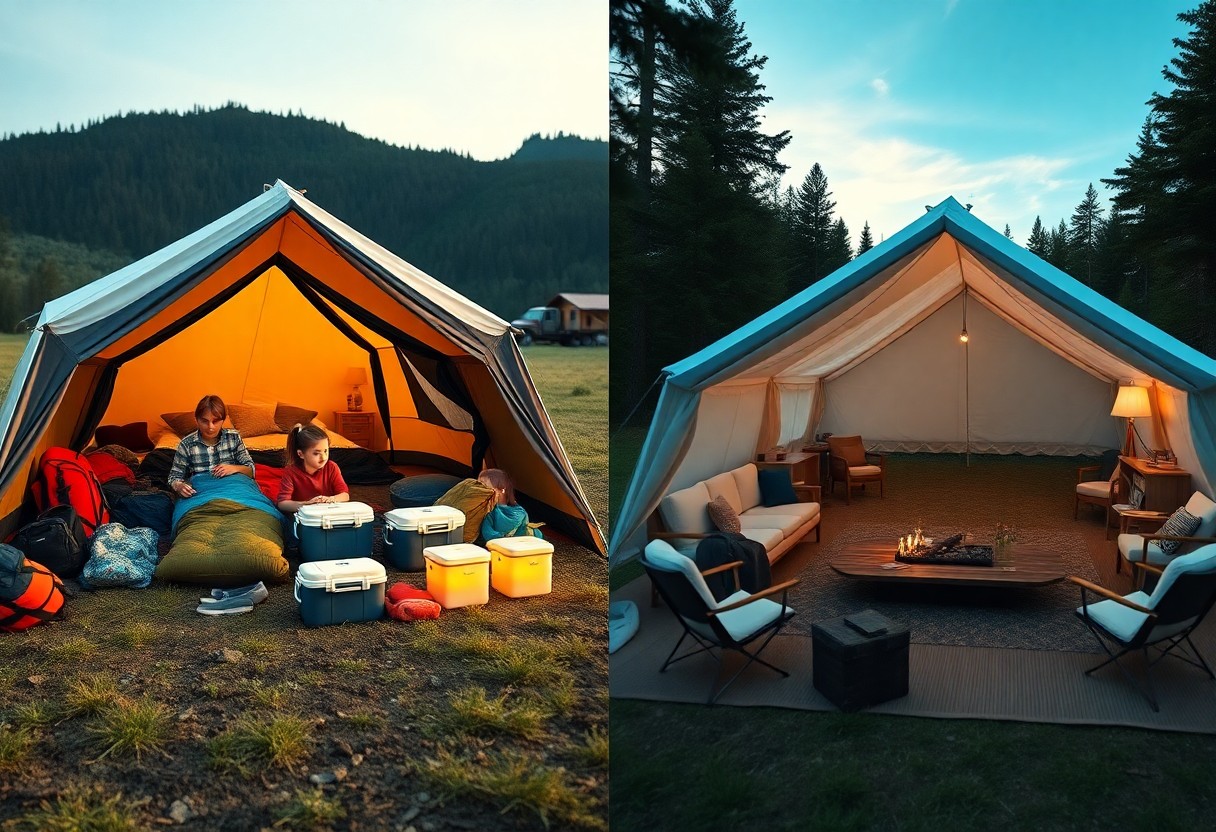
There’s a growing debate between traditional camping and the more luxurious alternative, glamping, especially when it comes to family outings with kids. Each option offers unique advantages that can shape your outdoor experience significantly. You may find that camping immerses you in nature and builds resilience, while glamping provides comfort and convenience, making it easier for families to bond. Understanding the differences can help you determine which experience suits your family’s needs best and fosters lasting memories in the great outdoors.
Key Takeaways:
- Camping fosters a deeper connection with nature for children through hands-on experiences like building fires and setting up tents.
- Glamping provides comfort and convenience, making it more suitable for families who prefer amenities like beds and bathrooms.
- Camping promotes teamwork and problem-solving skills as families work together to set up and manage their campsite.
- Glamping often includes organized activities and guided experiences that can enhance family bonding time.
- Cost can vary significantly; traditional camping is typically more budget-friendly than glamping options.
The Allure of Traditional Camping
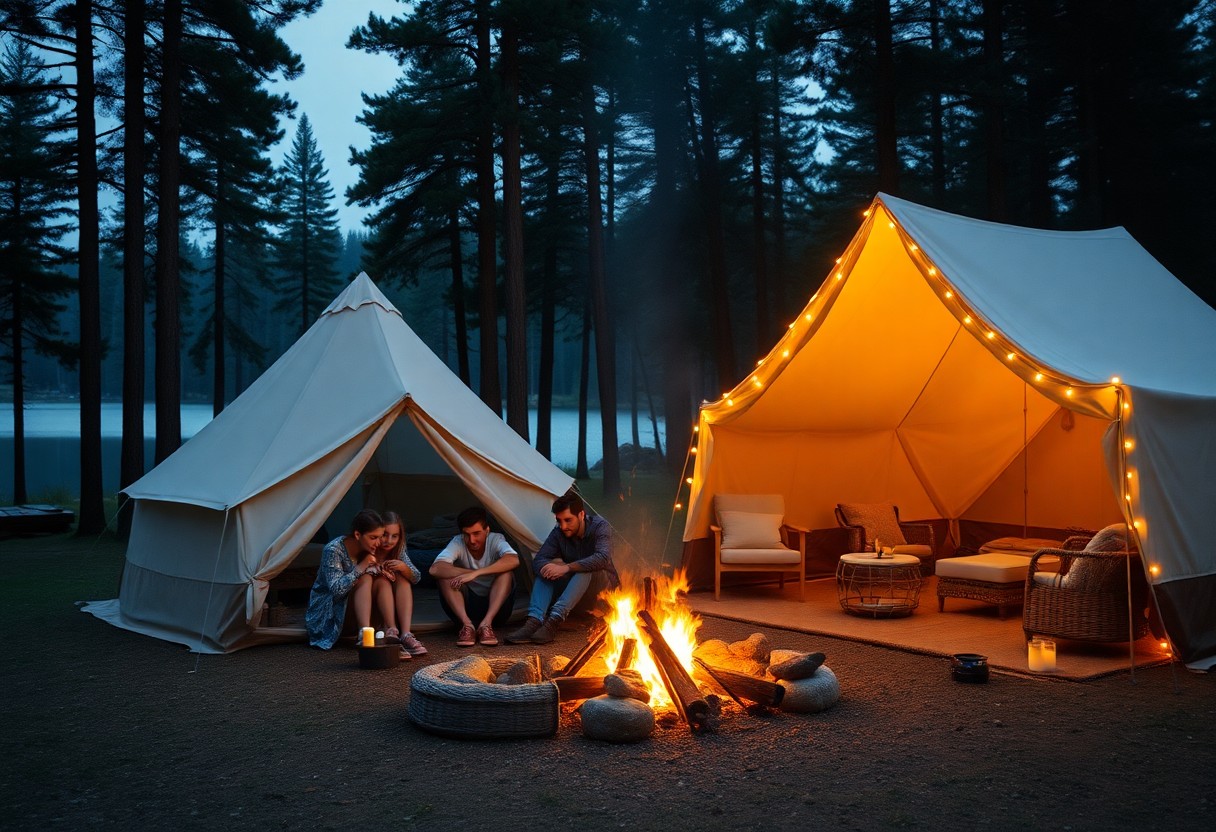
Traditional camping carries an undeniable charm that captivates families, inviting you to disconnect from modern distractions and immerse yourself in raw nature. The simplicity of pitching a tent, gathering around a campfire, and stargazing fosters a sense of adventure and exploration that few experiences can match. You and your children can savor the sound of rustling leaves, the crackle of firewood, and the smell of fresh pine, creating lasting memories amid the great outdoors.
Embracing Nature and Outdoor Skills
Your family’s camping journey allows you to embrace nature and cultivate vital outdoor skills. Involving your kids in setting up camp, building fires, and identifying plants or wildlife transforms each moment into a learning opportunity. These hands-on experiences not only enhance your kids’ confidence but also encourage problem-solving and teamwork, skills that extend beyond the campsite into their everyday lives.
Strengthening Bonds through Shared Experiences
Sharing experiences during a camping trip fosters deeper connections among family members. The absence of technology and schedules can encourage genuine conversations and teamwork, building empathy and understanding. Each hike taken together, each meal prepared as a group, and every story shared around the fire strengthens your family’s bond.
Consider a scenario where you and your kids work together to navigate through a hiking trail, overcoming challenges like steep inclines or tricky terrain. Every step fosters cooperation, turns into shared laughter, and creates an atmosphere where your children feel supported and valued. By evening, as you gather around the fire to roast marshmallows, those shared moments transform into cherished family stories that will be retold for years to come, reinforcing the importance of togetherness in the natural world.
The Rising Popularity of Glamping
Glamping has surged in popularity as families seek outdoor experiences that blend comfort and nature. This trend caters to parents wanting to engage their kids in the great outdoors without sacrificing modern conveniences. With a growing number of dedicated glamping sites worldwide, ranging from yurts to luxury treehouses, families can explore nature while still enjoying amenities like electricity and air conditioning. As outdoor enthusiasts increasingly prioritize convenience, glamping provides a solution that captivates a wider audience, ensuring that everyone can appreciate the beauty of nature in style.
Comfort Meets Adventure: Amenities That Attract Families
The appeal of glamping lies in its unique combination of luxury and adventure. Families benefit from spacious accommodations, comfortable beds, and private bathrooms, making it easier for parents to manage their kids’ needs. Many glamping sites also offer kitchens or communal dining areas, enabling families to prepare meals without the hassle of traditional camping. Added perks like Wi-Fi, hot showers, and organized activities cater to all ages, allowing for a stress-free experience that keeps the spirit of exploration alive.
Unique Destinations: Finding the Perfect Glamping Spot
Choosing the right glamping destination is key to an unforgettable family experience. Locations range from picturesque national parks to coastal retreats, ensuring there’s something for everyone. Consider factors like proximity to attractions, available activities, and the suitability of the accommodations for your children’s ages. From the sandy beaches of California to the lush forests of the Pacific Northwest, each spot offers its own adventure, making it vital to align your family’s interests with the location’s offerings. Researching diverse glamping sites will help you find the perfect backdrop for a memorable getaway.
The ideal glamping site should align with your family’s interests while ensuring convenient amenities. For instance, if your kids love animals, look for resorts near wildlife parks or farms that provide unique interactions. Alternatively, if outdoor activities excite your family, seek locations that offer hiking, kayaking, or zip-lining. By focusing on the specific experiences each destination offers, you can create a tailored adventure that enhances family bonding and creates lasting memories against stunning backdrops.
Comparing Accessibility and Preparation
| Camping | More accessible for adventurous families, typically requiring basic gear and local parks. |
| Glamping | Less physical preparation needed; many accommodations provide amenities and pre-set packages. |
Equipment and Logistics: What You Need to Know
Traditional camping necessitates a good amount of equipment, including tents, sleeping bags, cooking gear, and outdoor tools, which can overwhelm some families. On the other hand, glamping often provides imperatives on-site, reducing the logistics you need to manage. Researching what each location offers can simplify your packing list and enhance your experience.
The Learning Curve: Preparing Kids for Different Experiences
Adapting children to either camping or glamping can significantly impact their outdoor enjoyment. Camping often requires teaching survival skills, like setting up tents or starting a fire, which can be fun but demanding. In contrast, glamping allows kids to enjoy the outdoors with less emphasis on survival, focusing instead on relaxation and leisure activities.
Preparing your kids for camping can be an engaging process. Introducing them to the gear beforehand helps instill excitement and familiarity. For example, setting up a tent in the backyard can boost their confidence and skills. In contrast, glamping invites a more casual approach, where kids can appreciate nature without the struggle of traditional camping. Creating fun itineraries with a mix of structured activities, like guided hikes, and laid-back moments ensures your children can adapt and find enjoyment in both styles of outdoor experiences.
Budgeting for the Adventure: Camping vs. Glamping
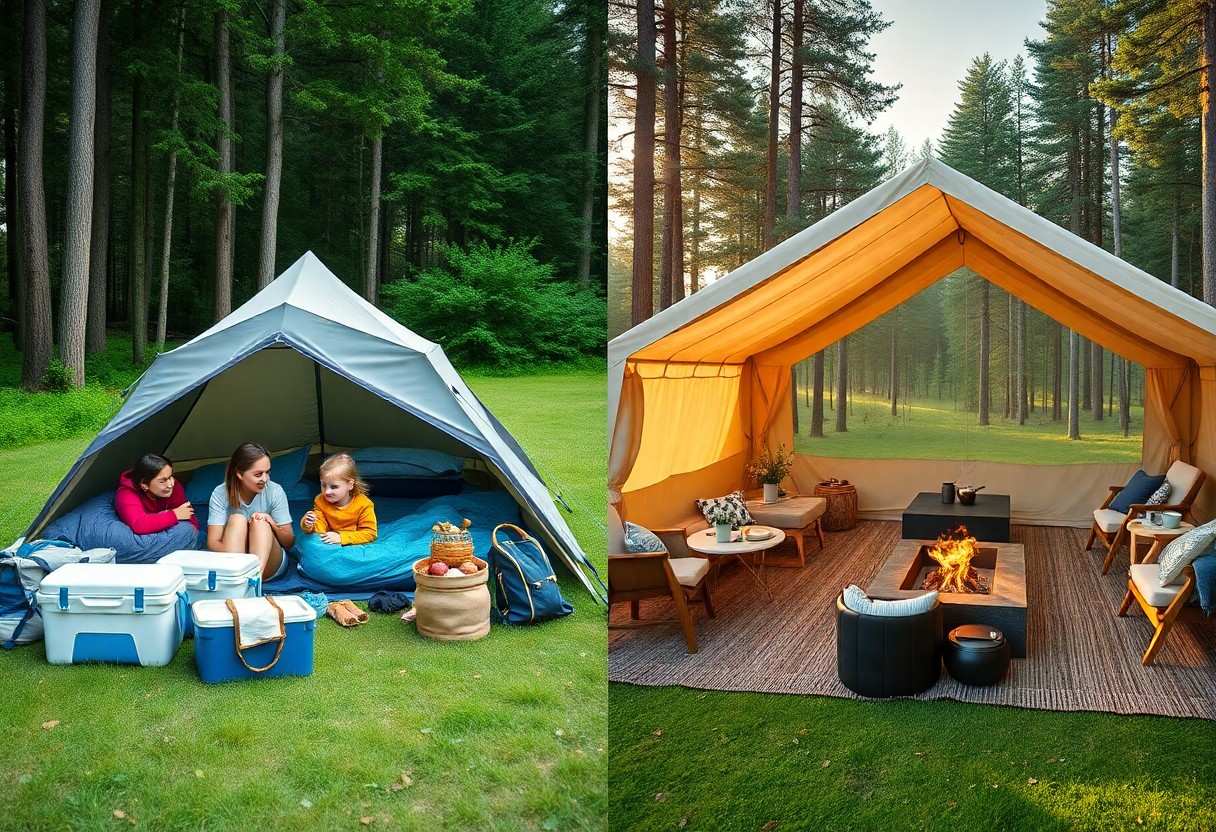
Planning your family outdoor experience requires a sound budget, especially when weighing the differences between camping and glamping. Traditional camping typically offers a lower upfront cost with minimal amenities, while glamping invites higher expenses for added comforts and luxury. Balancing your adventure’s costs involves evaluating what you can realistically afford versus what you’re willing to spend for a more comfortable experience with your kids.
Understanding Long-Term Costs vs. Immediate Expenses
Considering the long-term costs associated with camping versus glamping is vital. Camping gear, such as tents, sleeping bags, and cooking implements, requires an initial investment, but once purchased, these items can last for years. In contrast, glamping often entails paying for accommodations, meals, and additional activities that can accumulate rapidly, impacting your overall budget for future trips.
Hidden Costs and Value Assessment for Families
While glamping may appear more expensive upfront, hidden costs can arise in both scenarios. For camping, you might need to account for fuel costs when traveling to remote locations or purchasing food supplies. Glamping may include charges for extra services, fees for park entrance, or adventure activities. Understanding these aspects enables a comprehensive value assessment for your family’s unique needs and preferences.
Hidden costs can significantly impact your overall experience when planning a family trip. For instance, while a glamping site may provide luxury, you may encounter unexpected service fees or travel logistics that add up. Camping could require additional purchases, such as firewood or special trip equipment, which can inflate your budget without prior consideration. Evaluate these factors carefully to determine which option offers the best value for your family, balancing the initial investment against the quality of experience you seek for your kids.
Navigating Family Preferences and Expectations
Understanding your family’s unique preferences and expectations is crucial to curating the perfect outdoor experience. Engage in open discussions about likes, dislikes, and reservations regarding traditional camping or glamping. This dialogue helps in aligning the adventure with everyone’s comfort levels and creates a shared vision for the trip. By recognizing each member’s desires, you can tailor your plans to ensure that everyone feels included and excited about the experience ahead.
Involving Kids in Decision-Making: Building Excitement
Getting your kids involved in the planning process can significantly enhance their excitement and sense of ownership over the trip. Present options for activities and accommodations, allowing them to voice their preferences. By including them in discussions about hiking routes, campsite types, or glamping amenities, you not only enrich their anticipation but also strengthen family bonds through collaboration.
Gauging Family Interests: What Experience Fits Best?
Each family member’s interests can greatly influence the choice between camping and glamping. Consider outdoor activities that resonate with everyone, such as fishing, hiking, or stargazing. A survey of interests can reveal whether the adventure should lean towards rustic cabin stays or luxurious tents equipped with amenities. Assessing these preferences enables you to create a memorable experience tailored to the family’s passions.
Exploring family interests might include talking about previous outdoor experiences or activities the kids enjoyed most. If they loved roasting marshmallows or spotting wildlife, traditional camping might be appealing. Conversely, if they prefer comfort, ease, and unique accommodations, glamping might be a more enticing option. Think about including family members in outings to local parks or similar environments to gauge their reactions to different aspects of camping or glamping, ensuring that the final decision resonates with the whole family.
To wrap up
With this in mind, your choice between camping and glamping depends on your family’s preferences for adventure and comfort. If you enjoy hands-on experiences and a deeper connection with nature, traditional camping may be ideal. However, if you seek to balance outdoor fun with modern conveniences, glamping offers a unique blend. Ultimately, either option can create lasting memories for you and your kids, so consider what best fits your family’s needs for a fulfilling outdoor experience.
FAQ
Q: What is the main difference between camping and glamping when it comes to family outdoor experiences?
A: Camping typically involves more basic accommodations, such as tents and sleeping bags, focusing on a traditional outdoor lifestyle. Glamping, short for glamorous camping, offers more luxurious amenities, such as comfortable beds, electricity, and often private bathrooms, making it more family-friendly.
Q: Which option is better for younger children in terms of comfort and safety?
A: Glamping is generally better for younger children because it provides a safer and more comfortable environment with amenities that cater to families, such as sanitized facilities and easier access to food and shelter.
Q: How does the experience of nature differ between camping and glamping?
A: Camping allows for a more immersive experience in nature, with traditional outdoor activities like building a fire or hiking. Glamping, while still engaging with nature, often includes more controlled environments with organized activities, making it easier for families to enjoy without the hassle.
Q: What are some family-friendly activities available at glamping sites that might not be found at traditional campsites?
A: Glamping sites often offer organized family activities such as guided nature walks, workshops, or cooking classes. They may also include amenities like hot tubs, game rooms, and scheduled entertainment, which are less common at traditional campsites.
Q: Is one option more cost-effective for families looking to spend time outdoors?
A: Camping is usually more cost-effective as it requires fewer amenities and equipment. Glamping, while often more expensive, can provide greater ease and comfort, possibly justifying the cost for families looking for a convenient outdoor experience.