

There’s a growing challenge in travel today as popular spots become overwhelmed by visitors chasing viral moments and finding unique destinations. You can break free from this cycle by exploring lesser-known destinations that offer authentic experiences without the crowds. By shifting your focus beyond social media trends, you’ll discover places rich in culture and natural beauty where your journey feels genuinely personal. This approach not only enhances your travels but also supports sustainable tourism, ensuring that the hidden gems you cherish remain unspoiled for years to come.

Key Takeaways:
- Social media-driven tourism often leads to overcrowding at popular sites, causing environmental degradation and reducing authentic cultural experiences.
- Exploring underrated destinations through niche platforms like Atlas Obscura or engaging with local communities can reveal rich, less commercialized travel experiences.
- Traveling during shoulder seasons and taking alternative routes helps avoid crowds and supports sustainable tourism practices.
- Supporting indigenous tourism initiatives and embracing slow travel fosters cultural preservation and deeper, more meaningful interactions.
- Technological tools such as predictive analytics apps and decentralized booking platforms can guide travelers toward less congested destinations and ensure local communities benefit economically.
The Social Media Effect on Travel Trends
Social media has reshaped how and where you travel, steering millions toward the same snapshot-worthy spots. Viral posts and influencer endorsements fuel a feedback loop, pushing destinations like Norway’s Trolltunga into massive overcrowding. This pattern narrows your travel choices, making unique experiences harder to find as popular places become drained of authenticity and overwhelmed by foot traffic. Understanding this influence helps you navigate beyond the noise and seek out destinations that value genuine connection over social validation.
The Allure of Instagrammable Spots
You’re drawn to locations that promise picture-perfect moments, often spending hours queuing just to capture that flawless Instagram shot. About 68% of millennials now prioritize visually striking destinations when planning trips, chasing realistic or even staged scenes like Bali’s Gates of Heaven, where mirror illusions create viral images. This pursuit turns travel into a performance, emphasizing aesthetics over meaningful engagement with local culture or environment.
Consequences of Overcrowded Destinations
Mass visitation to social media-famous sites accelerates environmental degradation and strains infrastructure. Mountain trails erode under the weight of thousands, ecosystems face pollution, and historic landmarks deteriorate faster than they can be preserved. Beyond physical impacts, local communities often bear economic and cultural costs, including skyrocketing housing prices and loss of authentic traditions, as seen in Venice and Barcelona’s contested neighborhoods.
Overtourism also disrupts daily life for residents, turning vibrant neighborhoods into tourist zones dominated by short-term rentals and commercialized experiences. In places like Venice, the population dropped by 50% over seven decades, largely due to vacation rentals displacing locals. Similarly, Barcelona’s “tourist apartheid” protests highlight tensions as locals confront cultural erosion and economic inequality. Environmental harm compounds these issues; for example, Trolltunga experienced a 10,000% visitor increase in a decade, causing trail damage and waste challenges that local authorities struggle to manage.
Unearthing the Hidden Gems
Discovering lesser-known destinations often means stepping off the beaten path and embracing places overlooked by mainstream tourism. These hidden gems boast rich cultural heritage, unspoiled landscapes, and genuine local experiences free from crowds. Venturing into underrated regions not only preserves the integrity of popular sites but also opens doors to discoveries like Slovenia’s Postojna Cave or Colombia’s Rosario Islands—each offering immersive journeys that defy social media’s homogenized travel narratives.
Exploring Niche Travel Platforms
Platforms like Atlas Obscura curate thousands of unusual sites, encouraging you to dive deeper than surface-level aesthetics. Instead of chasing viral snapshots, you gain historical insights and local stories, guiding you to destinations such as Slovenia’s karst caves or bioluminescent bays in Puerto Rico. These resources shift your focus from mass appeal to authentic discovery, helping you find spots that resonate beyond the curated lens of popular social media.
Engaging with Local Experts and Communities
Connecting with residents through platforms like Meetup or Couchsurfing unlocks personalized travel experiences unavailable in guidebooks. Participating in Uruguay’s local asado gatherings or joining hiking groups in Taiwan’s less-traveled mountains reveals hidden beaches, trails, and cultural rituals that remain insulated from overtourism. These interactions enrich your journey, embedding you within living communities rather than turning you into an outside observer.
Building relationships with local experts transforms your travel from passive sightseeing to active cultural exchange. In Namibia, community-led rhino-tracking safaris not only fund conservation but also offer firsthand stories passed down through generations. Similarly, attending folk song festivals in Vietnam’s Huế exposes you to royal court traditions missed by typical itineraries. Your engagement supports grassroots economies and preserves intangible heritage, ensuring your travel footprint fosters sustainable growth rather than disruption.

Timing is Everything: Embracing Off-Peak Travel
Traveling outside peak periods unlocks a side of destinations often hidden by crowds and noise. You’ll find a more authentic rhythm as locals reclaim their streets and attractions. Cooler temperatures or gentler weather, like Namibia’s desert bloom in April or Hydra Island’s tranquil autumn vibes, invite slower pacing and deeper appreciation. Choosing off-peak travel reduces strain on infrastructure and offers more meaningful encounters, shifting your experience from a checklist to genuine discovery.
| Category | Strategy | Examples | Benefits |
|---|---|---|---|
| Niche Travel Platforms | Use specialized websites for unique destinations. | Atlas Obscura (bioluminescent bays, abandoned monuments) | Emphasizes historical context, avoids algorithm-driven sites. |
| Hyperlocal Communities | Engage with locals for offbeat recommendations. | Meetup, Couchsurfing; attending local gatherings (e.g., Uruguay’s asado) | Authentic insights, access to hidden gems. |
| Timing & Routes | Travel during shoulder seasons; explore alternative routes. | Visit Greece’s Hydra Island in October; explore Namibia’s Skeleton Coast in April | Quieter experiences, moderate temperatures, avoid peak-season crowds. |
| Underrated Regions | Explore less-visited areas. | Loire Valley beyond the Châteaux, New Zealand’s Northland, Colombia’s Rosario Islands | Rich history, pristine landscapes, unique cultural experiences with fewer crowds. |
| Cultural Preservation | Support indigenous tourism; embrace slow travel. | Community-led tours in Bolivia’s Salar de Uyuni; extended stays in Kraków, Poland, or Huế, Vietnam | Funds local communities, promotes cultural understanding, richer experiences. |
| Technological Tools | Use apps for ethical exploration. | Fair Voyage (real-time visitor density data); Winding Tree (direct bookings with local providers via blockchain) | Redirects visitors to less crowded areas, ensures revenue reaches local households, promotes sustainability. |
Answer from Perplexity: pplx.ai/share
Advantages of Shoulder Seasons
Shoulder seasons strike a balance between pleasant weather and fewer visitors, allowing you to explore places like the Mediterranean in late autumn without the summer crush. Lower accommodation rates and open local businesses enhance your connection to the culture and environment. Hydra Island’s October calm reveals stone mansions and donkey paths free from party crowds, while milder temperatures on Namibia’s Skeleton Coast during springtime foster unique wildlife sightings and solitude.
Alternative Travel Routes Away from the Crowds
Veering off main highways or popular trails uncovers overlooked landscapes and communities. Routes like Slovenia’s less-visited Lake Bohinj, favored by hikers who avoid Lake Bled’s congestion, offer pristine natural beauty with attentive conservation efforts. Opting for local ferry lines, backroads, or lesser-known trails lets you access authentic experiences often lost to mass tourism.
Exploring beyond conventional corridors uncovers rich local stories and quieter vistas. In Taiwan, mountain hiking groups operate on routes bypassing standard tourist circuits, connecting you with nature and native cultures away from international crowds. Similarly, Colombia’s Rosario Islands, tucked just beyond Cartagena’s packed streets, provide coral reefs and bioluminescent lagoons that feel like a private paradise. When you take less-trodden paths—whether through rural villages, secondary cities, or scenic detours—your journey deepens, transforming into an encounter shaped by discovery rather than replication.
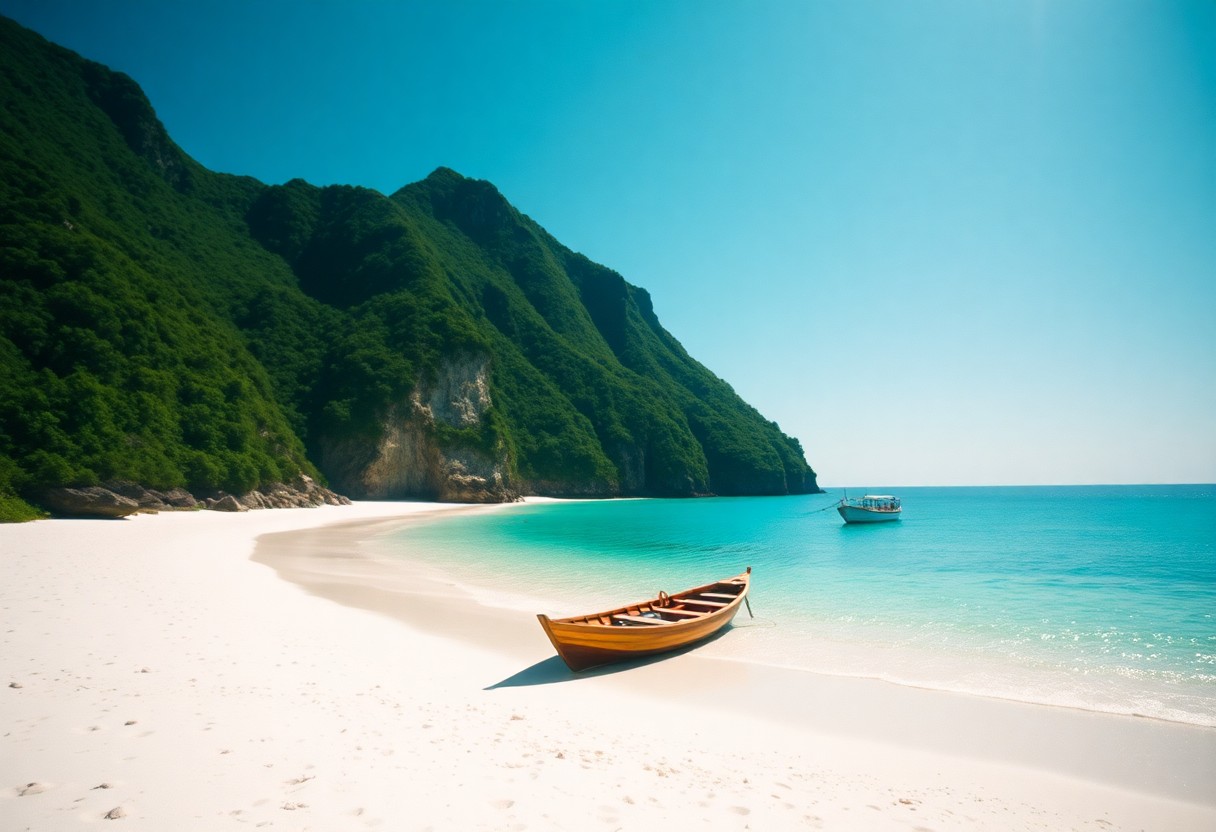
Promoting Cultural Integrity: Successful Community Strategies
You’ll find that destinations embracing community-led initiatives maintain their cultural authenticity even amid rising visitor numbers. By empowering locals to manage tourism flows and preserve traditions, places like Bolivia’s Lipez highlands and Namibia’s Damaraland become models of balanced growth. These strategies prevent cultural dilution and economic leakage, ensuring your travel supports genuine heritage rather than sanitized performances designed for social media.
Indigenous Tourism and Local Partnerships
Tourism anchored in indigenous leadership transforms visitor experiences into respectful exchanges. When you join Aymara-guided tours around Bolivia’s Salar de Uyuni or book rhino-tracking safaris with Namibian tribes, your participation directly benefits community conservation efforts and cultural education. Such partnerships channel tourism revenue back to locals, safeguarding ancestral knowledge while offering you immersive stories seldom found in mass-market travel.
The Rise of the Slow Travel Movement
Slow travel invites you to linger longer in one place, deepening your connection beyond surface sightseeing. In cities like Vietnam’s Huế or Poland’s Kraków, extended stays let you witness rituals, attend folk festivals, and savor local rhythms often missed by hurried itineraries. Surveys report that 73% of travelers find these immersive trips more fulfilling, turning each visit into a meaningful story rather than a checklist of photo ops.
Going beyond the usual tourist pace, slow travel encourages you to embrace unpredictability and foster relationships with residents. This method not only enriches your understanding of local customs but also lessens tourism’s environmental impact by spreading visitor flow over time. By prioritizing quality over quantity, you support cultural preservation and create memories shaped by genuine exchange rather than viral trends.
Innovative Tech for Discovering Unique Locations
Technology continues to revolutionize how you find hidden gems away from crowds. Apps and platforms now leverage data beyond Instagram popularity, spotlighting lesser-known spots that blend cultural richness with sustainable tourism. Tools focusing on real-time visitor patterns and local insights help you venture off beaten paths with confidence. For a curated list of destinations flying under the radar, check out Most Underrated Countries to Visit on Vacation Right Now, where emerging travel hotspots await your exploration.
Utilizing Crowdsourced Apps for Real-Time Insights
Apps like Fair Voyage aggregate user-generated data to map out visitor density and peak times, offering dynamic suggestions that steer you away from saturated sites. Slovenia’s success in redirecting 12,000 tourists from Lake Bled to quieter alternatives like Lake Bohinj showcases how real-time information improves your experience by minimizing crowds and preserving local ecosystems. These platforms provide you actionable insights that adapt as conditions change, so your itinerary stays fresh and authentic.
The Benefits of Direct Local Booking Platforms
Booking through decentralized platforms such as Winding Tree lets you connect directly with local hosts, bypassing intermediaries who often prioritize profit over community benefit. Early adopters in Laos saw a 40% rise in homestay bookings, channeling income straight into rural households and fostering genuine cultural exchange. You get more personalized stays while fueling sustainable development often overlooked by mass-market tourism.
Beyond curbing commission fees, direct local booking empowers you to support communities authentically. These platforms frequently offer unique lodging options—from family-run guesthouses to eco-friendly retreats—enhancing immersion and reducing reliance on large corporate chains. Transparency in pricing and experiences lets you make informed choices aligned with your ethical travel values. As you engage with hosts firsthand, you access insider knowledge and untapped activities, transforming a simple trip into a meaningful journey enriched by genuine connection and cultural respect.
Final Words
Considering all points, you can redefine your travel experience by moving beyond Instagram-driven hotspots and seeking destinations that offer authentic, less crowded encounters. By embracing local communities, exploring lesser-known regions, and using alternative travel strategies, you ensure your journeys contribute positively to the places you visit. This mindful approach enriches your experiences and helps preserve cultural and environmental integrity, allowing you to enjoy unique adventures that stand apart from the typical tourist trails.
FAQ
Q: How has social media influenced overcrowding at popular travel destinations?
A: Social media platforms promote destinations through viral content, geotags, and influencer endorsements, which encourage large numbers of travelers to visit the same “Instagrammable” spots. This leads to overcrowding that strains local infrastructure, damages natural ecosystems, and accelerates wear on cultural sites, reducing the quality of both the visitor experience and the environment.
Q: What strategies can travelers use to discover less crowded, unique destinations?
A: Travelers can utilize niche travel platforms like Atlas Obscura that emphasize unusual and culturally significant locations, engage with local communities via Meetup or Couchsurfing for authentic recommendations, and choose to travel during shoulder seasons or via alternative routes to avoid peak crowds and experience destinations in a quieter, more genuine setting.
Q: How do community-led tourism initiatives help in preserving cultural and environmental integrity?
A: Community-led initiatives redirect visitor flows from overused sites to less explored areas while involving local guides who share ancestral knowledge and traditions. These efforts contribute to conservation, provide sustainable income to local populations, and mitigate the negative effects of overtourism by promoting responsible and culturally respectful travel experiences.
Q: What role do technological tools play in supporting sustainable travel choices?
A: Emerging technological tools such as apps with crowdsourced visitor data and predictive analytics help travelers avoid overcrowded sites by recommending alternative destinations based on real-time capacity. Additionally, blockchain-based decentralized booking platforms enable direct interaction with local providers, ensuring that tourism revenue benefits local communities rather than large corporations.
Q: Why is engaging with local communities important when exploring underrated destinations?
A: Engaging with local communities offers access to insider knowledge, uncovering hidden gems often absent from mainstream guidebooks. This fosters meaningful cultural exchange and supports local economies through responsible tourism. Moreover, it encourages travelers to move beyond superficial experiences, contributing to more intentional, respectful exploration of destinations.



2 thoughts on “Beyond the ‘Gram: Finding unique destinations that aren’t over-saturated”
Comments are closed.