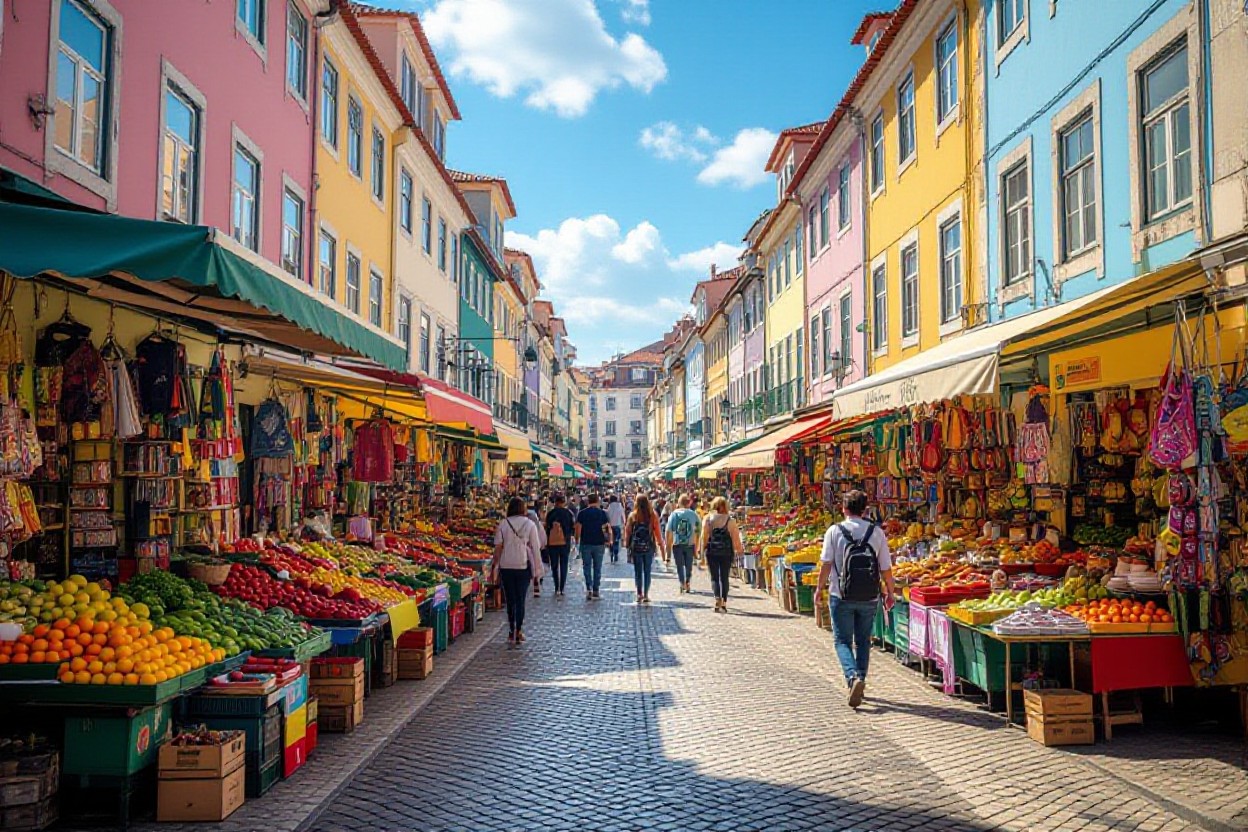
This blunt claim frees you to skip the tourist traps and choose destinations that better reward your time; in this guide you’ll get vetted alternatives to Paris, clear reasons each spot outclasses crowded landmarks, and practical tips to craft trips that fit your interests, budget, and pace.
Key Takeaways:
- Bold contrarian headline (“Paris is overrated”) grabs attention and sparks debate.
- Presenting concrete alternatives gives readers practical options instead of just criticism.
- Pattern interrupt breaks expectations, increasing engagement and shareability.
- Shifts focus from iconic sights to authentic, less-crowded experiences that feel fresher.
- Provokes emotional response-people want to defend or agree, which drives comments and clicks.
Types of Alternative Destinations
You can skip the Paris treadmill and choose by category: compact European cities with walkable centers, coastal islands for slow living, mountain towns for active outdoors, small capitals with authentic culture, or post-industrial cities turned design hubs; each category yields lower prices (hotels often 20-50% cheaper than Paris) and fewer crowds, letting you stretch a long weekend into a meaningful trip without sacrificing museums, food, or nightlife.
- Underrated European cities: historic centers, accessible trains, strong café culture.
- Coastal and island escapes: better seafood, quieter beaches, dramatic sunsets.
- Mountain and nature retreats: hiking, alpine villages, fewer tourists in shoulder season.
- Assume that your best memories come from smaller squares, late-night markets, and unexpected local festivals.
| Underrated European Cities | Porto (214k) – riverside wine lodges; Ljubljana (295k) – compact UNESCO old town |
| Coastal & Island Escapes | Azores – whale watching; El Nido – limestone karsts, island hopping |
| Mountain & Nature Towns | Dolomites – via ferrata routes; Picos de Europa – dramatic ridgelines |
| Small Capitals & Crossroads | Tbilisi – emerging gastronomy; Valletta – fortified harbor, low tourist density |
| Post-industrial & Design Hubs | Bilbao – Guggenheim-led renaissance; Łódź – street art and factories-turned-galleries |
Underrated European Cities
You should target cities under 1 million people where you can walk everywhere: Porto (≈214,000) gives riverside wine lodges and tram rides, Ghent (≈260,000) mixes canals with student nightlife, Valencia (≈800,000) pairs beaches with futuristic architecture, Wrocław (≈640,000) surprises with island plazas, and Ljubljana (≈295,000) delivers a relaxed, car-free center – all typically 20-40% cheaper than Paris for hotels and meals.
Enchanting Hidden Gems Worldwide
You will find serendipity in small UNESCO towns and off-grid islands: Colonia del Sacramento (Uruguay, ≈27,000) offers cobbled streets and colonial colors, Gjirokastër (Albania, ≈20,000) showcases stone mansions and Ottoman bazaars, Hoi An (Vietnam, ≈120,000) blends lantern-lit evenings with tailor shops, and Chefchaouen (Morocco, ≈42,000) delights with blue-washed alleys and mountain treks.
You should plan these trips for shoulder seasons: flights can be 15-40% cheaper, local guesthouses often run €30-€70 per night, and many gems maintain UNESCO protections that preserve charm but limit crowds; aim to spend 48-72 hours exploring core sights, rent a bike where possible, and tap regional carriers for cheaper connections between nearby hubs.
Tips for Exploring Beyond Paris
Paris sells itself as the whole country, but you get more authentic food, cheaper nights, and quieter streets by heading elsewhere; Lyon, Bordeaux, Brittany or the Alps each offer distinct scenes. Use TGVs-Paris to Lyon ≈2h, Paris to Bordeaux ≈2h4m-and book local TERs or a rental car for rural drives in Dordogne and Provence. Plan 2-4 day stays: a weekend in Annecy, three days in Sarlat, or a week across Normandy. Perceiving regional rhythms-markets, fêtes and opening hours-changes how you travel.
- Take regional trains (TER) for short hops and book TGVs 2-3 months ahead for best fares.
- Rent a compact car for Dordogne or Auvergne; many hamlets lack direct rail links.
- Choose a gîte or chambre d’hôtes to meet hosts; outside summer rates often €50-€120/night.
Travel Off the Beaten Path
Head to Auvergne for volcanic trails around Puy de Dôme, to Brittany for dramatic cliffs and crepes, or to the Lot Valley for medieval towns; base yourself in Clermont-Ferrand, Quimper, or Cahors and plan 48-72 hour loops that mix hiking, markets and small museums so you avoid crowds and see daily French life.
Engaging with Local Cultures
Join a morning marché at Les Halles Paul Bocuse in Lyon or a village market in Saint-Rémy, take a 2-4 hour cooking class (€60-€120) to learn quenelles or cassoulet, and attend a local fête to hear Breton or Occitan music up close-these are concrete ways you’ll move from tourist to participant.
Book activities via the Office de Tourisme, Airbnb Experiences or regional cooking schools; expect prices from about €25 for a market tour to €120 for full-day workshops. Stay in a chambre d’hôtes to share breakfasts with hosts, bring a small regional gift, and learn a few phrases-vendors often close by 13:00 on weekdays, so arrive early.
Step-by-Step Guide to Planning Your Trip
| Step | Action & Tips |
|---|---|
| Research | Shortlist 2-3 destinations by 1-3 hour flights or 3-6 hour trains; use Skyscanner and Omio to compare times and prices. |
| Book Travel | Lock flights/trains 6-8 weeks ahead for best fares; consider low-cost carriers for short hops and regional trains for scenic routes. |
| Itinerary | Plan 3-7 days: 60% core sights, 30% local experiences, 10% downtime; add 1 day-trip for nearby highlights. |
| Accommodation | Stay in central neighborhoods (5-20 minute walking radius to attractions); use apartments for stays 4+ nights to save 15-30%. |
| Bookings & Budget | Reserve top restaurants and tours 7-21 days ahead; set a daily budget range (€50-€150) based on city and season. |
Selecting Your Destination
You should favor places within a 1-3 hour flight or a 3-6 hour train from your base to maximize time on the ground; pick by interest-wine (Porto, Bordeaux), food (Lyon, Seville), or architecture (Prague, Budapest). Choose shoulder seasons (Apr-May, Sep-Oct) to cut costs 30-50% and avoid crowds, and filter searches by travel time on Skyscanner or Omio rather than only price.
Itinerary Recommendations
Plan 3-7 days depending on distance: 3 days for a single-city deep dive, 5 days to include a nearby day trip, 7 days to explore a region; structure days as roughly 60% must-see sights, 30% curated experiences (food tours, tastings), and 10% downtime-e.g., Porto: 3 days in Ribeira plus 1 day in Douro Valley (book the valley tour 2-4 weeks ahead).
Give mornings to core attractions when lines are shorter and afternoons to wandering neighborhoods and cafés; if transfers exceed 2.5 hours, sleep in the next town instead of rushing back. When you have 3+ rail segments, buy regional passes (Eurail or national cards) to save 20-40%, and reserve popular restaurants and tours 7-14 days before travel to secure spots.
Factors to Consider When Choosing Alternatives
When weighing alternatives to Paris, focus on travel time, seasonality, and the experiences you want-quiet vineyards, coastal beaches, or bustling markets. Aim for places within 1-3 hour flights or 3-6 hour trains to cut transit; cities like Lyon, Porto, or Girona often match Parisian food quality at 30-60% lower lodging prices. Check local transport costs-a weekly transit pass in many mid-size European cities is €10-€25-and prioritize what you value most. Knowing which trade-offs (crowds versus convenience) you can accept narrows your shortlist fast.
- Travel time: how long you’re willing to be in transit (1-6 hours).
- Budget: nightly rates, meal prices, and daily spending limits.
- Season & weather: shoulder season vs. high season impacts crowds and prices.
- Activities: wine regions, museums, hiking, or beaches you prefer.
- Local logistics: public transit, airport access, and walkability.
- Events & festivals: local holidays can spike demand and change vibe.
Budget and Costs
You should set a clear nightly and daily cap: mid-range hotels in Paris commonly run €150-€250/night, while similar rooms in Lisbon or Bordeaux often cost €70-€140. Street meals or casual dining averages €10-€25 outside Paris, and you can expect groceries and transport to be 20-40% cheaper in many secondary cities. Track total trip costs (lodging + transport + food + activities) to compare destinations realistically and avoid surprise overspends.
Travel Season and Weather
Choosing shoulder months (April-June, September-October) typically halves crowding compared with July-August and can lower accommodation costs by roughly 20-40%. Summers bring long days and festivals but hotter temperatures and packed sites; winters offer empty streets and lower prices but shorter daylight and some seasonal closures. Factor what weather you enjoy and how it affects planned activities.
Dig deeper into microclimates and calendar effects: southern coasts (Valencia, Sicily) hit 25-30°C in July, ideal for beaches, while northern cities (Bruges, Copenhagen) average 17-22°C and more unpredictable rain. Check specific event dates-Semana Santa, local markets, or university terms-as they can double prices and availability. Also compare flight trends: midweek departures often save 10-25% versus weekend travel, and booking 6-10 weeks ahead usually nets the best fares for shoulder seasons.
Pros and Cons of Skipping Paris
| Pros | Cons |
|---|---|
| Lower costs – lodging and meals are often 30-50% cheaper outside central Paris. | You’ll forgo iconic landmarks like the Eiffel Tower and the Louvre’s ~38,000 works on display. |
| Fewer crowds – towns like Annecy or Colmar feel calm compared with Paris’s heavy tourist flow. | Some alternative cities lack the concentrated museum depth found in Parisian institutions. |
| More authentic regional food – you can get Michelin-quality meals in Lyon or Bordeaux at lower prices. | Paris offers an unparalleled density of haute-cuisine and global culinary trends you might miss. |
| Shorter lines and easier bookings for sites, hotels and restaurants outside the capital. | Major international flight options and direct long-haul connections are more abundant in Paris. |
| Access to varied landscapes – mountains, coast and vineyards often a short drive or 1-3 hour train away. | Parisian urban fabric – Haussmann boulevards, Seine views and café terraces – is unique and hard to replicate. |
| Better value for extended stays – weekly rentals and local markets stretch your travel budget further. | Big-city nightlife, late-night museums and major theatre seasons are richer and more frequent in Paris. |
| Stronger chance to mingle with locals in everyday settings rather than tourist zones. | You may miss the cultural buzz during events like Fashion Week, which centers in Paris. |
| Easier parking and driving logistics if you rent a car for regional exploration. | Iconic photo ops and instantly recognizable backdrops for social media are rarer outside Paris. |
Advantages of Alternative Destinations
You’ll discover specific perks: Lyon’s bouchons for authentic bouchée à la reine, Bordeaux’s wine routes within 30-60 minutes, and Nice’s Mediterranean beaches for warm weather from May-September; trains between major regional hubs often take 1-3 hours, letting you see more landscapes per trip while paying less for nightly lodging and skipping long museum queues.
What You Might Miss About Paris
You could feel the absence of Paris’s concentrated cultural weight – the Louvre’s ~38,000 displayed works, Musée d’Orsay’s Impressionist collection, and iconic skyline moments like dusk at the Trocadéro; global events, dense fashion and theatre scenes, plus extensive late-night dining options are clustered in the capital in a way few cities match.
Still, alternatives can’t replace certain Paris-specific experiences: standing under a landmark like the Arc de Triomphe, browsing Shakespeare & Company, or catching a midnight jazz set in Saint-Germain – those sensory, historic layers and the sheer scale of cultural institutions are what many miss most when they skip the city.
Final Words
Summing up, if Paris no longer thrills you, you can reclaim authentic culture, lower costs, and fewer crowds by choosing cities like Porto, Ljubljana, or Granada; follow your interests-food, history, or nature-to design a trip that rewards curiosity rather than clichés. Plan deliberately and you’ll discover destinations that feel fresher, friendlier, and more rewarding than the Paris postcard.
FAQ
Q: Why make the bold claim “Paris is overrated” – isn’t that exaggerated?
A: The statement is designed to interrupt expectations and spark debate. Paris delivers iconic sights, but it also brings predictable crowds, long lines, and high prices that can dilute joy for many travelers. Calling Paris “overrated” reframes the decision: instead of chasing photo ops, you can prioritize authentic neighborhood life, quieter museums, and affordable regional cuisine. The point isn’t to dismiss Paris entirely but to challenge the reflexive choice and surface better fits for different travel goals.
Q: If not Paris, where should I actually go for a similar mix of culture, charm, and food?
A: Several cities offer comparable pleasures with fewer crowds and more value. Lisbon and Porto combine coastal light, tram-lined hills, and outstanding seafood; Lyon and Bologna are true culinary capitals with market culture and intimate dining; Prague and Ljubljana deliver fairy-tale architecture without Paris-level tourism; Bordeaux and San Sebastián pair wine and gastronomy in walkable settings; Ghent or Bruges provide canals and medieval charm with less overwhelm. Each alternative emphasizes local rhythm over postcard moments.
Q: How do I choose the right alternative based on what I like to do on vacation?
A: Match the destination to your priorities. For food-focused trips pick Lyon, Bologna, or San Sebastián; for architecture and history choose Prague, Ghent, or Porto; for coastal vistas and relaxed pace go to Lisbon or the Basque Coast; for wine and countryside explore Bordeaux or the Douro Valley. Consider travel time and season: shoulder seasons amplify charm and reduce crowds. Prioritize neighborhoods and small museums for deeper, less touristy experiences.
Q: Will skipping Paris actually save money and time, or will I miss crucial experiences?
A: In many cases yes-alternatives often have lower accommodation, dining, and entry fees, and shorter transit times within the city. Savings can be redirected toward private tours, day trips, long lunches, or unique activities like cooking classes or vineyard visits. You won’t lose “crucial” European experiences; you may gain more meaningful ones that suit your pace and budget better than crowded landmarks and rushed itineraries.
Q: I still want some iconic moments-how can I get that without the Paris baseline?
A: Seek scaled-down equivalents: climb Lisbon’s miradouros for sweeping city views instead of the Eiffel, take a canal boat in Bruges or Ghent rather than a Seine cruise, visit Palermo or Marseille for lively street markets and regional diversity, or spend an afternoon in Bologna’s medieval arcades and trattorie for food-focused rituals. If Paris remains on your list, plan an off-season visit, stay in residential arrondissements, and prioritize neighborhood experiences over the major tourist loop.