
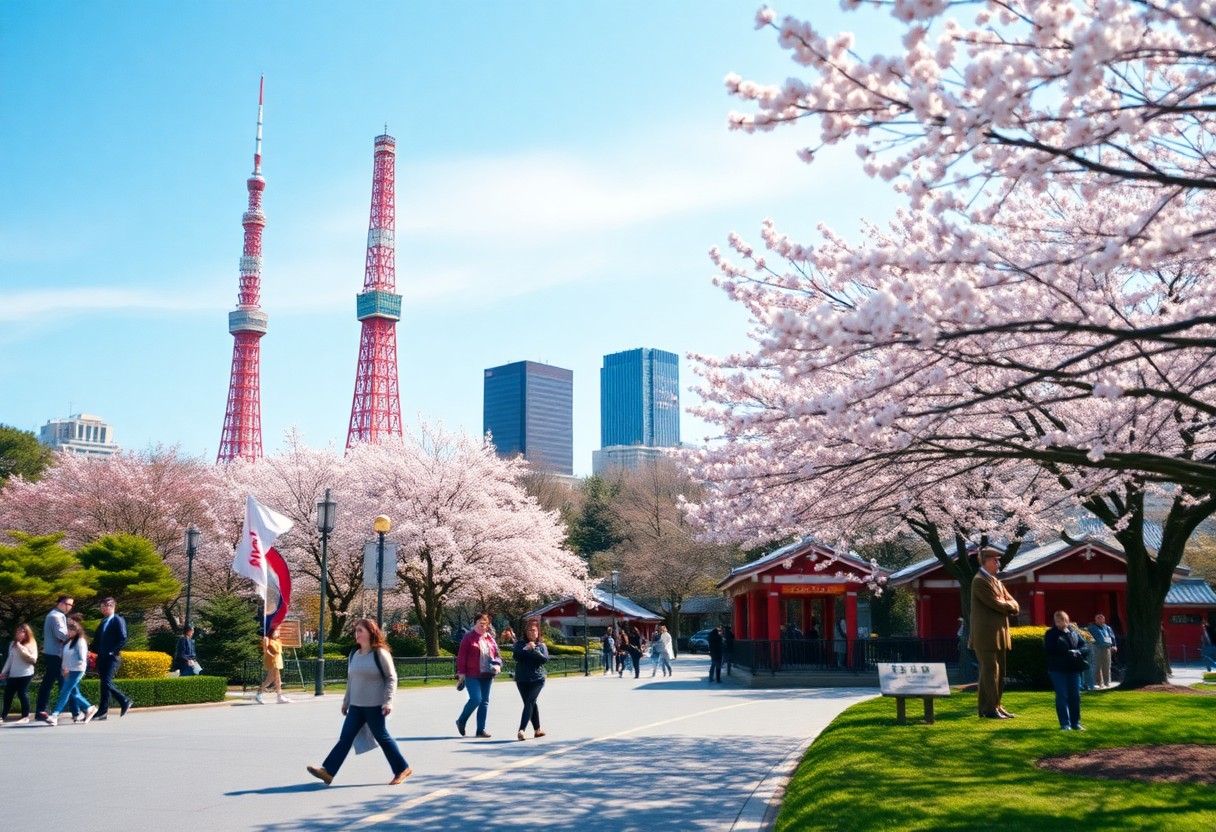
Over the course of a year, Tokyo’s weather and tourist flow vary dramatically, making timing imperative for a pleasant visit. So What’s the best time to visit Tokyo for good weather and fewer crowds? To help you avoid crowds while enjoying comfortable temperatures, this guide breaks down the city’s peak tourist seasons, weather patterns, and ideal months. Whether you’re aiming to witness the famous cherry blossoms or explore during quieter periods, understanding Tokyo’s seasonal nuances will optimize your travel experience and help you plan your trip perfectly.
Key Takeaways:
- Spring, especially late March to early April, offers pleasant weather and the iconic cherry blossom season, but expect larger crowds and higher prices.
- Autumn (October to November) provides mild temperatures and stunning fall foliage, with fewer tourists compared to spring.
- Summer can be hot and humid, alongside the rainy season in June and early July, making it less ideal for outdoor activities.
- Winter months are cooler and less crowded, offering budget-friendly travel opportunities and festive holiday events.
- Using AI-powered planning tools can help optimize your trip by identifying less busy times and personalizing travel itineraries based on weather and attractions.
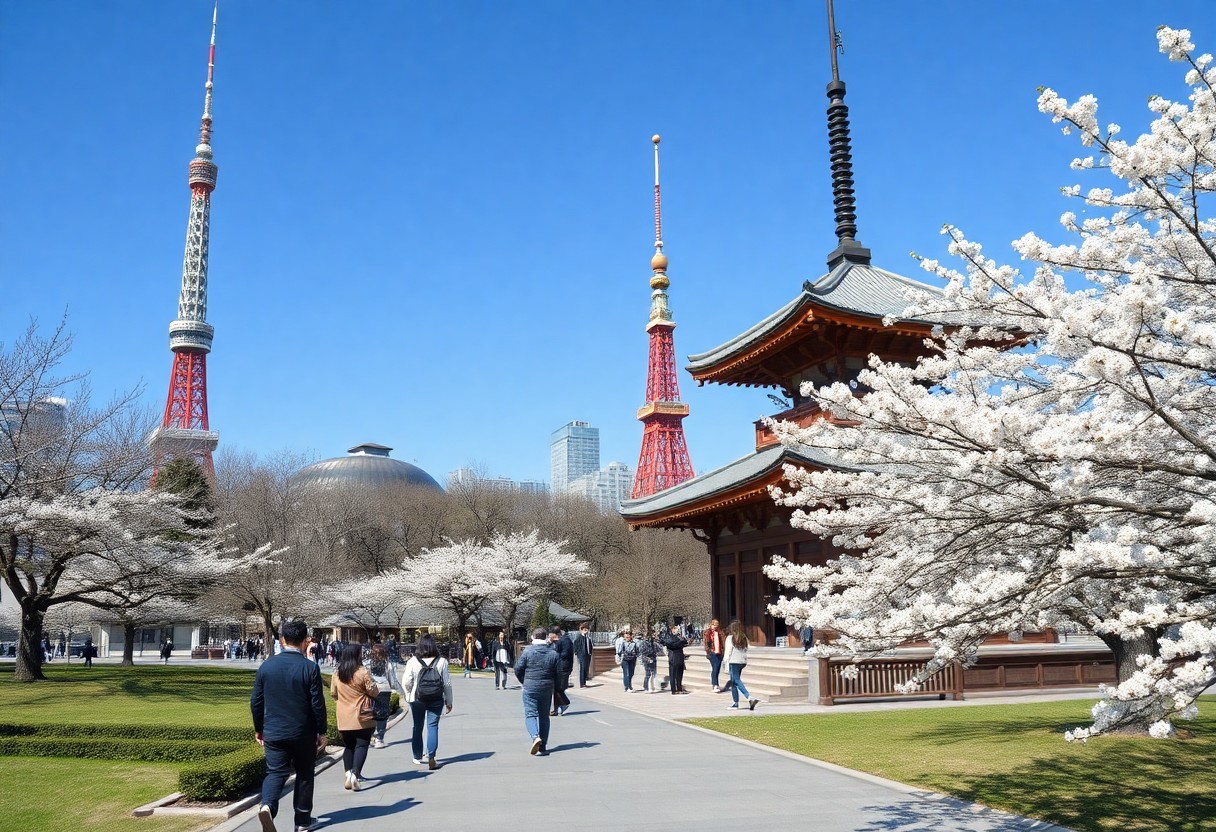
The best times to visit Tokyo for good weather and fewer crowds
| Period | Weather & Temperature | Crowd Levels & Costs | Highlights & Notes |
|---|---|---|---|
| Mild and comfortable; 10°C (50°F) in March to 23°C (73°F) in May; occasional rain | Peak season due to cherry blossoms; crowded and higher prices | Cherry blossom (hanami) season late March to early April; festivals like Sanja Matsuri in May; book early to avoid high costs156 | |
| Rainy season (tsuyu) with frequent showers; temperatures around 20-25°C (68-77°F) | Shoulder season with fewer tourists; moderate hotel prices | Hydrangea blooms, BeerFes Tokyo, Sannō Matsuri festival; rain can affect sightseeing123 | |
| Hot and humid; temperatures often exceed 30°C (86°F); July ~30°C, August ~32°C | Crowded due to festivals and summer holidays; high humidity | Fireworks festivals (Sumidagawa), Bon Odori dance festivals; indoor attractions recommended to escape heat156 | |
| Cooling down; 22°C (72°F) in October to 17°C (63°F) in November; some rain and typhoons in September | Peak season in October-November for autumn foliage; crowded but less than spring | Beautiful autumn colors, Tokyo Ramen Festa, pleasant walking weather; typhoon season in September146 | |
| Cool and dry; 12°C (54°F) in December to around 5°C (41°F) in January; rare snow | Low season except late December; fewer tourists and lower accommodation prices | Winter illuminations, New Year celebrations (Shōgatsu); cold but clear skies, good for sightseeing with warm clothes256 |
-
:
-
:
-
Peak cherry blossom season (late March to early April) and Golden Week holidays (late April to early May) due to high crowds and prices.
-
Hot, humid summer months (July and August) if you dislike heat and crowds.
-
Rainy season (June and September) due to frequent rain and typhoons.
-
The Crucial Role of Timing in Experiencing Tokyo
Your experience in Tokyo shifts dramatically depending on when you arrive. From the comfort of mild spring days to the bustling energy of summer festivals, timing influences not only weather but also crowd levels, event availability, and even costs. Planning your visit to align with your personal preferences—whether embracing the vibrant cherry blossoms or seeking quiet city streets—can greatly enhance your enjoyment and immersion in Tokyo’s unique urban culture.
Seasonal Weather Variations and Their Impact
Tokyo’s weather spans from cold, rainy winters to hot, humid summers, shaping outdoor activities and sightseeing comfort. Spring and autumn offer mild temperatures around 60–70°F (15–21°C), ideal for exploring parks and neighborhoods on foot. Summer’s high humidity and frequent rainfall can make wandering less pleasant, while winter tends to be dry and chilly but with fewer tourists. Your choice of season affects how much you’ll want to be outdoors versus indoors and can dictate what you pack for your trip.
Festival Seasons and Their Effect on Crowd Sizes
Large festivals like the Sumida River Fireworks in July and the Kanda Matsuri in May attract thousands of locals and tourists, turning neighborhoods into lively, crowded spaces. These events create memorable cultural experiences but also significantly increase visitor density around key sites. If you love vibrant atmospheres, timing your visit during these festivals provides firsthand immersion; however, you should anticipate higher accommodation prices and packed public transport.
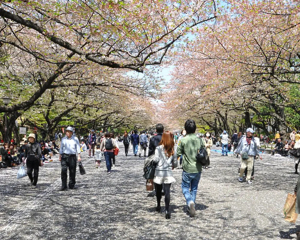
For example, during the cherry blossom festivals in late March to early April, spots like Ueno Park and Shinjuku Gyoen Garden can see visitor numbers soar, leading to crowded walkways and full viewing areas. Similarly, traditional matsuri like the Sanno Festival in mid-June draws large local crowds in central Tokyo, adding excitement but also congestion. If your goal includes less crowded sightseeing, aiming for the shoulder seasons just before or after these peak events can offer a more relaxed experience without missing out entirely on festive energy.
The Cherry Blossom Phenomenon: Timing Your Visit
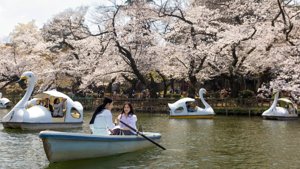
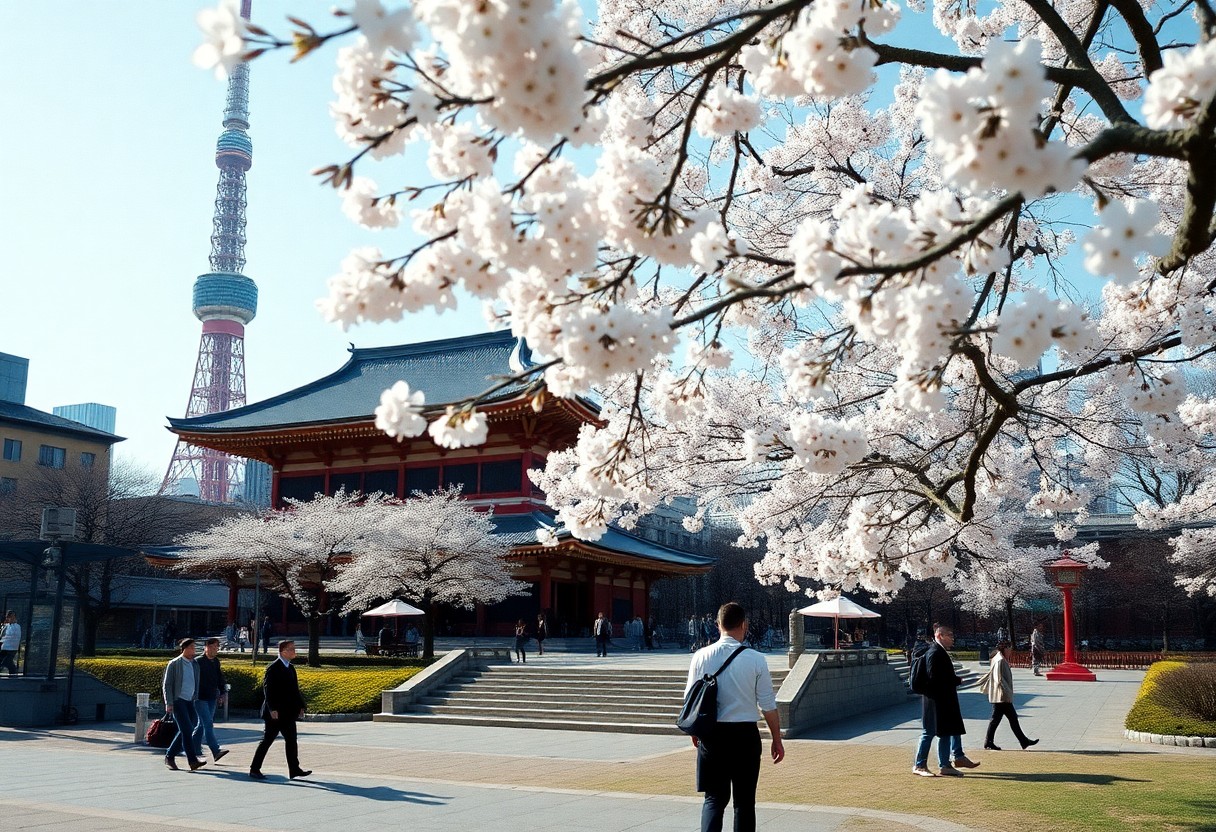
Tokyo’s cherry blossom season, typically from late March to early April, draws millions eager to witness the city bathed in soft pink hues. This iconic spectacle marks the peak tourist influx, but it also offers an unparalleled cultural experience. For precise timing and detailed guidance, check out the Best & Worst Time to Visit Japan 2025/2026 (First-Timer Guide). Planning your trip around these dates means you can fully immerse yourself in hanami festivities while navigating crowds smartly.
Best Viewing Periods and Expected Crowds
The prime cherry blossom window in Tokyo lasts roughly one to two weeks, usually from the last week of March to the first week of April. Expect popular parks like Ueno and Shinjuku Gyoen to fill up quickly, especially on weekends and holidays. Early morning or late evening visits help avoid peak crowding. Booking accommodations months ahead is wise since this period coincides with Golden Week preparations and elevates demand citywide.
Alternative Floral Attractions for Off-Peak Visits
If your schedule steers clear of the sakura rush, Tokyo blossoms beyond cherry trees. Wisteria blooms in late April at Ashikaga Flower Park and plum blossoms in February at Kameido Tenjin Shrine offer equally stunning yet less congested experiences, perfect for enjoying tranquil strolls and unique photo opportunities.
Wisteria tunnels at Ashikaga Flower Park create a breathtaking floral canopy that lasts through mid to late April, providing a quieter alternative to cherry blossoms. Plum blossoms introduce winter’s charm as early as February, with fragrant flowers that thrive amid cooler Tokyo days. These off-peak floral events allow for immersive exploration without the usual throng, letting you enjoy seasonal colors alongside local festivals and culinary delights tailored to flower seasons.
Navigating Tokyo’s Months: A Detailed Breakdown
Tokyo’s climate and crowd levels vary significantly month-to-month, shaping how you might plan your trip. Winters from December to February tend to be cool and less crowded, perfect for budget-conscious travelers. Spring, especially late March to April, offers mild weather and the iconic cherry blossoms but sees a spike in tourism. Summer heats up with humidity and festivals but also brings heavy rainfall in June. Autumn, from September to November, delivers comfortable temperatures and stunning foliage with moderate crowds, balancing pleasant weather and visitor numbers optimally for most travelers.
Weather Patterns and Temperature Trends Throughout the Year
| Season | Average Temperature & Key Weather Features |
|---|---|
| Winter (Dec – Feb) | 5°C to 10°C; dry, crisp days with occasional cold snaps |
| Spring (Mar – May) | 10°C to 20°C; mild with cherry blossoms in late March to early April |
| Summer (Jun – Aug) | 20°C to 30°C; hot, humid, rainy in June and early July |
| Autumn (Sep – Nov) | 15°C to 25°C; pleasant, lower humidity, vibrant fall foliage |
Tourist Traffic Analysis: Peak vs. Shoulder Months
Tourist crowds swell most during the cherry blossom season (late March to early April) and Golden Week holidays in late April and early May, often leading to packed attractions and higher prices. Shoulder months like May (after Golden Week), late autumn (October-November), and winter months see fewer visitors, letting you explore Tokyo’s sights with less congestion and often better accommodation deals. Selecting these quieter windows can enhance your experience without sacrificing weather comfort.
Tokyo’s tourism patterns reflect both cultural events and seasonal allure. Golden Week, Japan’s largest national holiday, deters some travelers due to crowded trains and busy sites but provides vibrant local festivities. Conversely, November’s crisp air and colorful leaves attract photographers and outdoor enthusiasts, yet still remain manageable in terms of visitor numbers. Choosing shoulder seasons allows you to blend pleasant weather with manageable crowds, maximizing enjoyment whether you’re hitting landmarks or stepping into Tokyo’s culinary scene.
Budget-Friendly Travel: When to Book and Visit
Traveling to Tokyo on a budget means aiming for off-peak months like late May, June, September, and November, when fewer tourists crowd popular spots and accommodation rates drop. Booking flights and hotels at least two to three months in advance can secure better deals, especially on weekdays when demand dips. Avoiding major holidays and festivals, such as Golden Week in late April and early May, also helps you find more affordable prices without sacrificing a rich cultural experience.
Off-Peak Travel Strategies for Cost Savings
Exploring Tokyo during shoulder seasons—from late autumn through early winter—lets you benefit from cooler weather and slimmed-down tourist traffic. Utilizing midweek stays rather than weekends often results in dramatically lower hotel rates. Combining this with flexible flight dates can reduce airfare costs by 20-40%. You might also consider accommodations outside central Tokyo, such as in suburbs like Kichijoji or Nakano, which offer budget-friendly options and convenient access to key attractions.
Deals and Discounts: Finding the Best Offers
Look for limited-time promotions on travel booking platforms and airline websites, especially in January and February when tourism typically slows. Package deals that bundle flights, hotels, and even attractions often offer significant savings—sometimes up to 30% off. Rail passes like the JR Tokyo Wide Pass or one-day metro passes provide both convenience and cost efficiency for navigating the city.
Besides standard discounts, signing up for newsletters from major carriers like ANA or JAL can alert you to flash sales exclusive to subscribers. Apps such as Hopper or Skyscanner utilize predictive AI to recommend the optimal time to buy your tickets, often weeks ahead of price surges. During winter months, local businesses and restaurants frequently promote lunch specials and combo deals to attract off-season visitors, balancing your budget further while sampling authentic Tokyo flavors.
AI in Travel Planning: Maximizing Your Tokyo Experience
AI technology can transform how you plan your Tokyo visit by tailoring details to your preferences, optimizing timing, and uncovering hidden gems beyond typical guidebooks. From weather insights to crowd predictions, intelligent tools help you sidestep busiest periods without missing popular sights. This approach ensures every moment of your trip aligns with your ideal experience, whether you’re chasing cherry blossoms or exploring quieter neighborhoods.
Leveraging AI Tools for Customized Itineraries
AI-driven platforms analyze your interests, time constraints, and budget to design personalized Tokyo itineraries. For example, tools like TripHobo and Google’s itinerary planner offer dynamic schedules highlighting nearby attractions while balancing crowd sizes and weather forecasts. You receive recommendations that adjust in real time, helping you discover lesser-known spots and plan efficient routes through bustling districts like Shibuya or Asakusa without feeling overwhelmed.
Real-Time Updates and Forecasts for Optimal Timing
Apps powered by AI provide minute-by-minute updates on Tokyo’s weather, transit delays, and crowd density at popular sites. Using live data, you can adjust your plans to avoid sudden rains during outdoor visits or head to off-peak spots when major attractions become too crowded. Services like Weathernews and Google Maps combine historical trends with live monitoring to elevate your travel precision.
Deep integration of weather forecasting with AI analytics means you’ll know exactly when to explore outdoor highlights like Ueno Park or Tokyo Tower gardens. For instance, if a sudden heatwave is predicted in July, AI tools can suggest early morning visits or alternative indoor activities. Similarly, monitoring crowd flows through AI can reveal if the famous Tsukiji Fish Market is less busy on a particular weekday, allowing you to experience it with fewer tourists around. This continuous flow of information lets you adapt in real time to Tokyo’s dynamic environment, maximizing your comfort and enjoyment.
Summing up
To wrap up, the best time to visit Tokyo for pleasant weather and fewer crowds is during the shoulder seasons of late spring (May) and autumn (October to early November). During these months, you’ll enjoy comfortable temperatures and avoid the intense tourist influx typical of cherry blossom season and summer holidays. Planning your trip around these periods allows you to experience Tokyo’s vibrant culture with more ease and affordability, helping you make the most of your visit.
FAQ
Q: When is the best time to visit Tokyo for mild weather and fewer tourists?
A: The best time to visit Tokyo for mild weather and fewer crowds is during late autumn (November) and early spring (March to mid-April). During these periods, the temperature is comfortable, and tourist numbers are relatively lower compared to the peak cherry blossom and summer seasons.
Q: How does Tokyo’s weather vary throughout the year for travelers?
A: Tokyo experiences four distinct seasons. Spring (March to May) features mild temperatures and cherry blossoms, summer (June to August) is hot and humid with a rainy season in June, autumn (September to November) offers pleasant temperatures and colorful foliage, and winter (December to February) is cool and dry with occasional snowfall. Each season offers different experiences and crowd levels.
Q: Is visiting Tokyo during the cherry blossom season recommended for those wanting fewer crowds?
A: Cherry blossom season (late March to early April) is one of Tokyo’s busiest tourist periods due to the stunning sakura views. If avoiding crowds is a priority, it’s better to plan visits just before or after this peak period, as the city is less crowded but still offers pleasant spring weather.
Q: What months are best for budget travel to Tokyo without sacrificing good weather?
A: Budget travelers often find the best balance between cost and weather in late autumn (October to November) and winter (December to February, excluding New Year holidays). Accommodation and flights are generally cheaper during these times, and while winter is cooler, it remains comfortable for sightseeing with fewer tourists.
Q: Can AI tools help optimize the timing of a Tokyo trip for better weather and lower crowds?
A: Yes, AI-powered travel planners and forecasting tools can analyze historical weather data, tourist trends, and event calendars to recommend the ideal travel dates. These tools help travelers select times with favorable weather and reduced congestion, making trip planning more efficient and personalized.
- https://my.trip.com/guide/info/best-time-to-visit-tokyo.html
- https://www.lonelyplanet.com/articles/best-time-to-visit-tokyo
- https://www.intrepidtravel.com/nz/japan/best-time-to-visit-japan
- https://www.reddit.com/r/JapanTravelTips/comments/13oe73g/least_crowded_time_to_visit/
- https://santorinidave.com/best-time-to-visit-tokyo
- https://www.japanhighlights.com/japan/tokyo/best-time-to-visit
- https://www.twowanderingsoles.com/blog/best-time-to-visit-tokyo-japan
- https://www.japanhighlights.com/japan/best-time-to-visit
- https://trulytokyo.com/best-time-to-go-to-tokyo/
- https://www.reddit.com/r/JapanTravelTips/comments/1guuepm/best_time_to_visit_advice_japan_by_month/



One thought on “What’s the Best Time to Visit Tokyo for Good Weather and Fewer Crowds?”
Comments are closed.