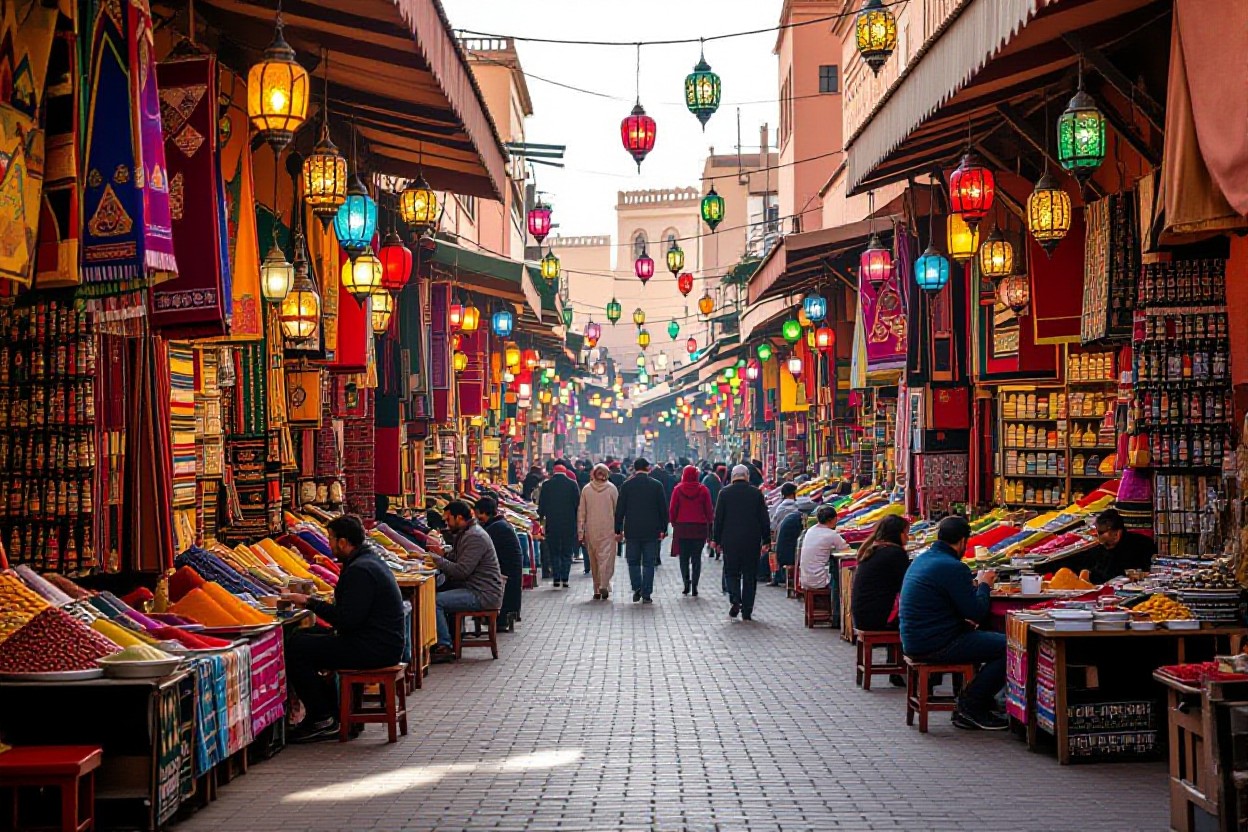
Many travelers assume stylish, bucket-list destinations require big budgets, but you can visit 15 places that look expensive while spending under $50/day; this guide gives practical, tested tips so you can plan trips where your daily budget covers safe hotels, local food, transport, and standout experiences without sacrificing atmosphere or photo-worthy moments.
Key Takeaways:
- Addresses the biggest travel objection by proving luxury-feeling destinations can be affordable at ≤ $50/day.
- The specific $50/day price point creates an immediate, tangible promise that drives clicks and trust.
- A 15-item list format makes the content scannable and offers plenty of quick options for different tastes.
- The surprising contrast-places that look expensive but cost little-triggers curiosity and shareability.
- Practical value through budget breakdowns, tips, and sample itineraries enables readers to act on the idea right away.
Understanding Budget Travel
Types of Affordable Destinations
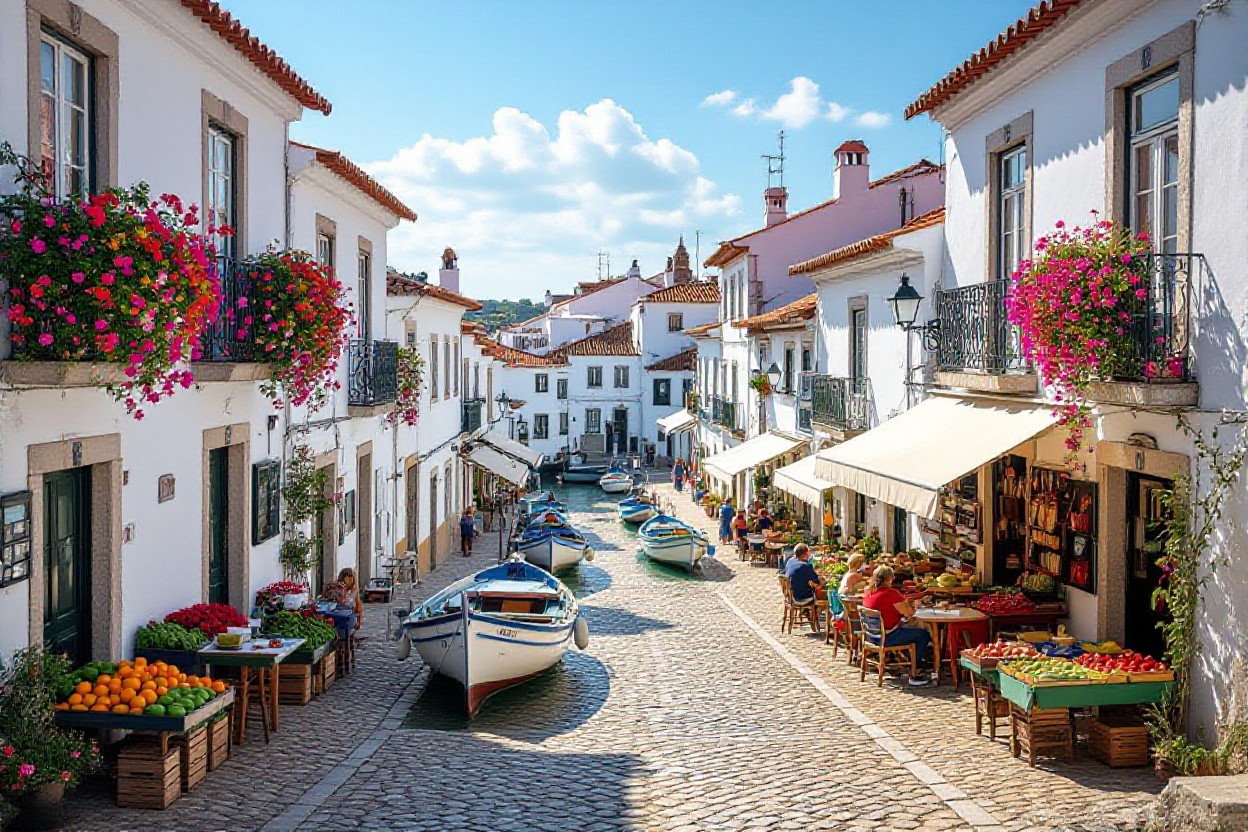
You’ll find surprisingly upscale-feeling places that stay under $50/day: secondary European cities, Southeast Asian beach towns, Latin American colonial hubs, and Eastern European capitals often offer meals for $3-8 and budget rooms for $10-25. Case studies: Budapest and Porto routinely allow €25-40 daily budgets in shoulder season. The best picks depend on seasonality and neighborhood choices.
| Secondary European city | Budapest – ~€30/day (~$33) |
| Southeast Asian beach town | Hoi An – ~$20/day |
| Latin American colonial town | Oaxaca – ~$30/day |
| Eastern European capital | Sofia – ~€25/day (~$28) |
| Off-season tourist hotspot | Madeira (shoulder) – ~€35/day (~$38) |
- Choose shoulder seasons to cut accommodation and airfare by 20-40%.
- Prioritize local markets and guesthouses where a meal is often $3-8.
- The biggest savings come from picking neighborhood rentals over central hotels and skipping guided tourist traps.
Factors Influencing Travel Costs
You need to budget flights (often 40-60% of a short trip cost), accommodation (hostels $8-20, budget hotels $20-40), food ($3-12 per meal) and transport ($0.50-5 per ride). Seasonal demand and local events can raise prices 30-100%, while visa and insurance add fixed costs. Assume that these combined variables decide whether you hit the $50/day target.
- Flights: timing and route can swing your total by hundreds of dollars.
- Accommodation: private rooms often double hostel rates; book 2-6 weeks ahead for best deals.
- Food and transport: street meals and buses can keep daily spending under $20.
- Local taxes and visas: factor in one-time fees up to $50-100 per trip.
- Assume that careful planning across categories trims your daily spend substantially.
You can cut costs by booking short-haul flights 6-8 weeks out, using night buses to save a night’s lodging, and choosing markets where dinner is $2-5; in contrast, Western European dinners often hit $20-30. Use city cards, bike rentals and midday free activities to reduce daily expenses. Assume that small trade-offs-later trains, longer walks, or simpler meals-compound into major savings that keep you under $50/day.
- Book flexible dates and set price alerts to catch sub-$200 roundtrips on regional routes.
- Favor guesthouses and homestays; a $15 room vs. $50 hotel saves the week’s budget.
- Use local SIMs and apps for cheaper transit and last-minute deals.
- Assume that combining tactics (timing, lodging, food choices) can cut overall costs by 30-60%.
Top 15 Budget-Friendly Destinations
Across Asia, Latin America and Eastern Europe you’ll find cities and coastlines that look high-end but average ≤ $50/day: Chiang Mai lets you book a boutique stay for $15-25/night, Oaxaca keeps meals under $5, and Tbilisi’s guesthouses run $20-35. You can afford a guided day trip for $15-25 and still stay within the $50 cap while enjoying luxury-style experiences.
Overview of Locations
Geographically diverse picks include Southeast Asian towns (Hoi An, $20-30/day), Andean hubs (La Paz, ~$30/day), and Balkan gems (Berat or Brașov, $25-40/day). You’ll mostly use local transport (€0.50-$2 per ride), sleep in private rooms or boutique hostels ($10-30), and eat street-to-casual-dining for $2-10, which keeps total daily costs reliably under $50.
Unique Features and Attractions
From UNESCO-old towns to spa culture and dramatic coastline, these places deliver the “expensive” feel: you can watch Angkor-style sunrises (Cambodia), soak in Tbilisi’s sulfur baths ($10-20), roam colonial plazas in Antigua, or relax on Albania’s Ionian beaches without luxury prices. Signature experiences-cooking classes, boat charters, guided hikes-often cost $15-40, letting you splurge selectively.
Digging deeper, prioritize experiences that add perceived luxury for low cost: book a private cooking class in Oaxaca for ~$25, hire a local guide in La Paz for a half-day trek at $20, or reserve a boutique riad room in Marrakech for $30-40. Travel in shoulder seasons to cut accommodation rates by 20-40% and use local operators for authentic, affordable upgrades to your trip.
Tips for Traveling on a Budget
You can cut costs without sacrificing style by choosing guesthouses, local markets for meals, and transit over taxis; flights booked 6-12 weeks ahead often drop 15-30%. Tap free walking tours, rent bikes for $5-10/day, and use city cards ($10-25) for museums. Any small saving compounds, making expensive-looking destinations feasible under $50/day.
- Book mid-week flights and use fare alerts
- Choose overnight buses/trains to save a night’s lodging
- Eat market or street food-meals often $2-6
Cost-Saving Strategies
You should prioritize accommodations with kitchen access and opt for overnight buses or trains to save a night’s stay-you can save $10-30 per night. Plan meals at markets where dishes cost $2-6, buy a local SIM for $8-15/week, and use cash to negotiate at markets; apps and city tourist cards often bundle discounts on transit and attractions.
Best Times to Visit
Aim for shoulder seasons-April-May and September-October-when accommodation often falls 20-40% and crowds thin. For example, Lisbon rates dip in November-March and Bali is cheaper in April-May and September. You’ll often find mid-week flights and lower hotel rates when you avoid peak summer and major holidays.
Monitor fare calendars and set price alerts; traveling Tuesdays or Wednesdays can shave 10-20% off airfare. Avoid school holidays and big festivals when hotel rates can spike 30-50%. In Chiang Mai, guesthouse rates commonly fall from $25/night in high season to $8-12 in low season, so shifting dates by weeks can unlock major savings.
Step-by-Step Travel Planning
| Step | Action |
|---|---|
| Pick dates & destination | Compare shoulder-season fares-Chiang Mai, Oaxaca, and Lviv often have flights under $200 round-trip from many U.S. hubs if booked 6-10 weeks out. |
| Book lodging | Reserve a guesthouse or private hostel room for $8-20/night; use reviews and filter for free breakfast to cut meal costs. |
| Lock transport | Buy regional bus or train tickets in advance ($3-20) and check city transit day passes that cost $2-8. |
| Allocate daily budget | Split your $50 into lodging, food, transport, activities, and buffer (see below for a sample allocation). |
| Assemble flexible itinerary | Mix free walking tours, market meals, and one paid highlight per day to stay under $50 without feeling limited. |
Setting a Daily Budget
You should break $50 into clear buckets: about $20 for lodging, $12 for food, $6 for local transport, $6 for activities, and $6 as a buffer. Use apps like Trail Wallet or a simple spreadsheet to track daily spend; adjust after day two if you overspend on a splurge like a $25 guided tour. In Southeast Asia or parts of Eastern Europe you can often push lodging down to $10-15 and reallocate those savings to experiences.
Itinerary Suggestions
You can design each day in half-day blocks: morning free activity (free walking tour or market), midday street-food lunch for $3-8, afternoon paid attraction $2-12, and an evening low-cost social activity like a rooftop view or sunset walk. For example in Lisbon you might do a free Alfama walk, tram 28 (€3), pastel de nata (€1), and a €6 fado house entry-keeping the daily total well under $50.
When planning multi-day trips, map attractions by neighborhood to cut transit time and costs; aim for one paid splurge every two days and fill other slots with free museums, parks, or self-guided heritage trails. Book high-impact tickets (popular museums, boat tours) online for 10-30% discounts, use city tourist cards only if you’ll visit 3-4 paid sites in a day, and always carry a small cash buffer of $10-15 for incidental local fees or a last-minute taxi.

Pros and Cons of Budget Travel
You can stretch a $50/day budget into high-impact experiences by choosing local stays, cheap eats, and targeted splurges; for example, a $15 private guesthouse, $8 daily for street food, and $4 transit still leaves room for a $10 guided day-trip in places like Belgrade or Hoi An. That mix buys you style over status, but it also means making trade-offs on space, speed, and convenience.
| Pros | Cons |
| Much lower daily cost (often ≤ $50) | Reduced privacy and smaller rooms |
| Authentic local experiences (markets, homestays) | Variable comfort and inconsistent amenities |
| Longer trips possible on the same budget | More time spent on transport (overnight buses/trains) |
| Easy to mix free activities (walking tours, museums) | Fewer last-minute options during peak season |
| Lower-impact, community-focused spending | Language or service barriers can be more common |
| Flexibility to splurge selectively (one nice meal) | Higher risk of scams or safety lapses in cheap setups |
| Good for solo travelers and backpackers | Not ideal for luxury-focused milestones (honeymoons) |
| Easy to find deals: hostels $6-20, street food $1-6 | Unexpected costs (visas, health) can erode savings |
Advantages of Low-Cost Travel
You gain access to extended trips and richer cultural immersion when you cut nightly costs-hostels or guesthouses often run $6-20, street meals $1-6, and local buses $0.50-3-so a month can cost under $1,500 in many destinations. You can allocate saved funds to guided excursions, specialty food tours, or a few boutique nights without busting the $50/day target.
Potential Drawbacks
You should expect trade-offs: lower comfort, noisier accommodations, and longer transit times-overnight buses or cheap ferries can add 8-12 hours to your itinerary. Also plan for variable quality; cheap options sometimes mean limited hot water, unreliable Wi‑Fi, and stricter cancellation policies that reduce flexibility.
For example, an overnight bus in Vietnam might cost $12 but take 10+ hours and offer cramped sleeping; in Peru, budget treks save money but may increase altitude-related health risks that require extra spending on guides or acclimatization. You should mitigate these by buying travel insurance (roughly $20-$50 for two weeks), choosing verified hosts with lockers, and keeping an emergency fund to cover delays or medical needs.
Additional Resources
To dig deeper, combine online tools, guidebooks, and local community tips: check at least three sources before booking, set price alerts 30-60 days out, and join regional Facebook groups or subreddits to spot sub-$20 homestays and free walking tours that keep your daily spend under $50.
Websites and Apps for Planning
You should use Skyscanner, Google Flights and Kayak for flexible-date fare searches and price alerts, Rome2rio to map multimodal routes across 160+ countries, Hostelworld and Booking.com for budget stays, Maps.me or Google Maps offline for navigation, XE for instant currency checks, and Trail Wallet to track daily expenses in real time.
Books and Guides
You’ll find actionable itineraries and real cost examples in Lonely Planet (e.g., Southeast Asia on a Shoestring), Rick Steves’ country guides for Europe, and Rough Guides; they list neighborhood-level hostels, sample $20-40/day budgets, market-based meal ideas, and transport hacks to shave costs.
You should cross-reference guidebook suggestions with recent blog trip reports and the book’s “last updated” year (preferably 2022-2024); use downloadable maps and phrasebook extracts, borrow library copies to preview routes, and apply guidebook maps to identify free museums and markets that can save you $10-20 per day.
Final Words
Presently you can confidently explore 15 destinations that appear luxurious yet cost under $50/day; with smart planning-choosing local transport, dining where locals eat, budget-friendly stays, and off-season travel-you’ll enjoy upscale experiences without overspending; use this list to prove high-style travel is accessible and to plan your next affordable, impressive trip.
FAQ
Q: How can a travel destination that looks expensive be affordable under $50/day?
A: Many places that appear upscale get their look from architecture, well‑maintained historic districts or luxury pockets while the wider local economy remains low‑cost. Exchange rates, lower labor costs and plentiful budget options for lodging, food and transport make it possible to enjoy the “expensive” atmosphere on a shoestring. Strategic choices – choosing guesthouses or dorms, eating at markets and street stalls, using public transport, visiting free or low‑cost attractions and traveling in shoulder season – compress daily costs without sacrificing the aesthetic or experience that makes the destination feel luxe.
Q: What exactly does “under $50/day” include and what should I budget separately?
A: The $50/day benchmark typically covers basic accommodation, three modest meals, local transport, modest entry fees and incidental expenses. A common daily split: $10-25 lodging, $8-15 food, $3-8 local transit, $5-10 activities/entries, plus a small buffer. Excluded are international flights, long‑haul bus or train tickets, visas, comprehensive travel insurance and high‑price activities (guided multi‑day treks, premium tours). Costs vary by country and travel style, so plan a few backups in your budget for unexpected fees or occasional splurges.
Q: Which of the featured destinations are best for someone new to budget travel?
A: For first‑time budget travelers choose places with easy logistics, good tourist infrastructure and low language barriers: Vietnam (Hanoi, Hoi An) – simple hostels, cheap street food and reliable transport; Mexico (Oaxaca, Mérida) – safe mid‑sized cities with affordable markets and buses; Georgia (Tbilisi) – European look, low prices and welcoming guesthouses; Cambodia (Siem Reap outside peak season) – low food and lodging costs plus inexpensive attractions; Portugal’s less touristy towns can offer value but may push the top end of $50/day in peak season. Start with one country, travel slowly and use hostel common rooms or guesthouse hosts for local advice.
Q: How do I avoid hidden costs and tourist traps while keeping daily spending under $50?
A: Verify prices before accepting services: check menus for final prices, confirm taxi fares or use ride‑share apps, and agree on tours or transfers in writing. Use local ATMs sparingly and choose cards with low foreign fees; exchange small amounts ahead if rates are better. Book accommodation that includes breakfast or has a kitchenette to cut meal costs. Avoid souvenir stalls in the main tourist square for dining; walk a few blocks to find local prices. Carry a refillable water bottle and basic meds to prevent small purchases. Research common scams for each destination and follow simple safety habits to avoid unexpected expenses.
Q: When should I travel to get the best combination of low prices and good weather?
A: Travel in shoulder seasons – the months just before or after peak tourism – to get lower prices while still enjoying acceptable weather. For Southeast Asia, late spring and early autumn often bring fewer crowds and cheaper rates; Central America and parts of South America have similar shoulder windows between high and low seasons. Avoid major holidays and local school vacation weeks when prices spike. Use flexible date searches for flights and accommodation and book midweek when possible to catch lower rates. Check destination‑specific climate guides so weather tradeoffs match your tolerance for rain or heat.