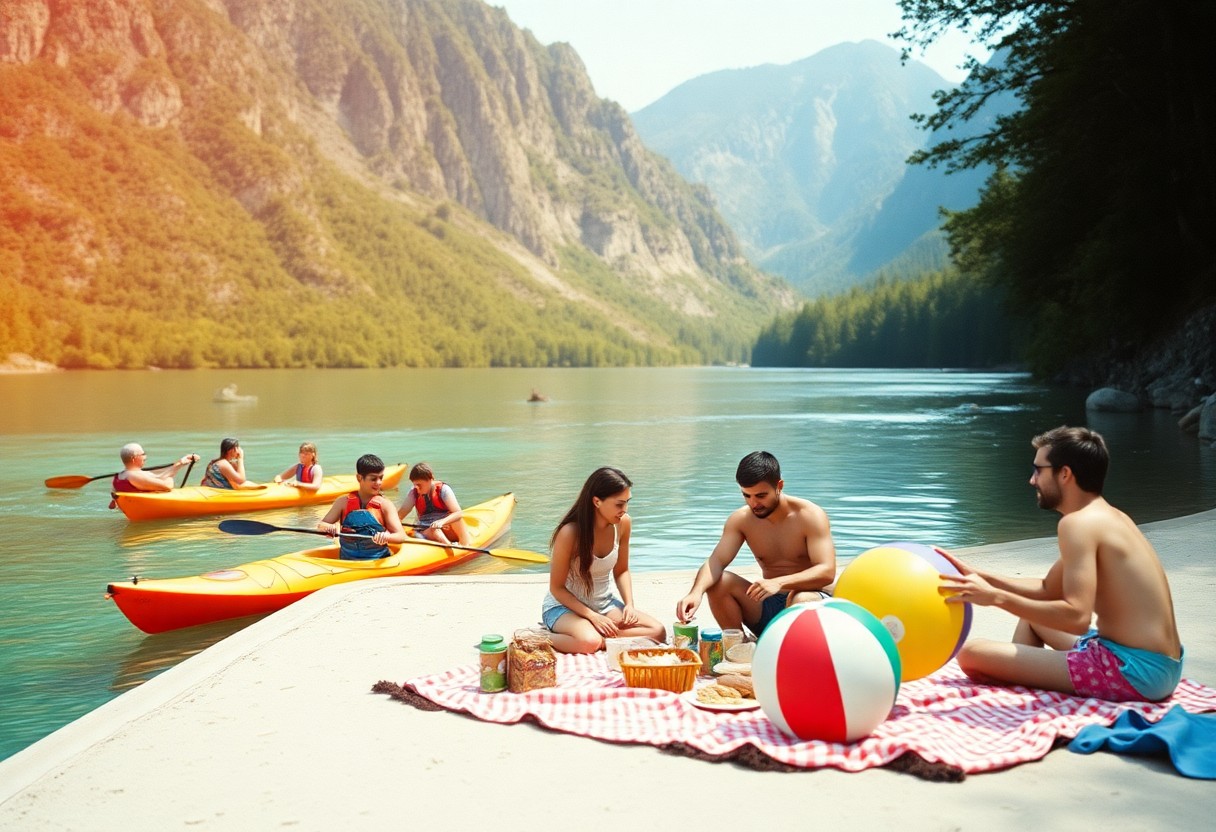
Family bonding is crucial for creating lasting memories, and choosing the right type of trip can significantly enhance your experience. Adventure tours offer thrilling activities that promote teamwork and excitement, while relaxation trips provide a calm environment for deeper conversations and connection. Each option has unique benefits, and understanding the differences can help you select the ideal getaway that suits your family’s needs and preferences. Explore the advantages of both adventure and relaxation to make an informed decision on your next family vacation.
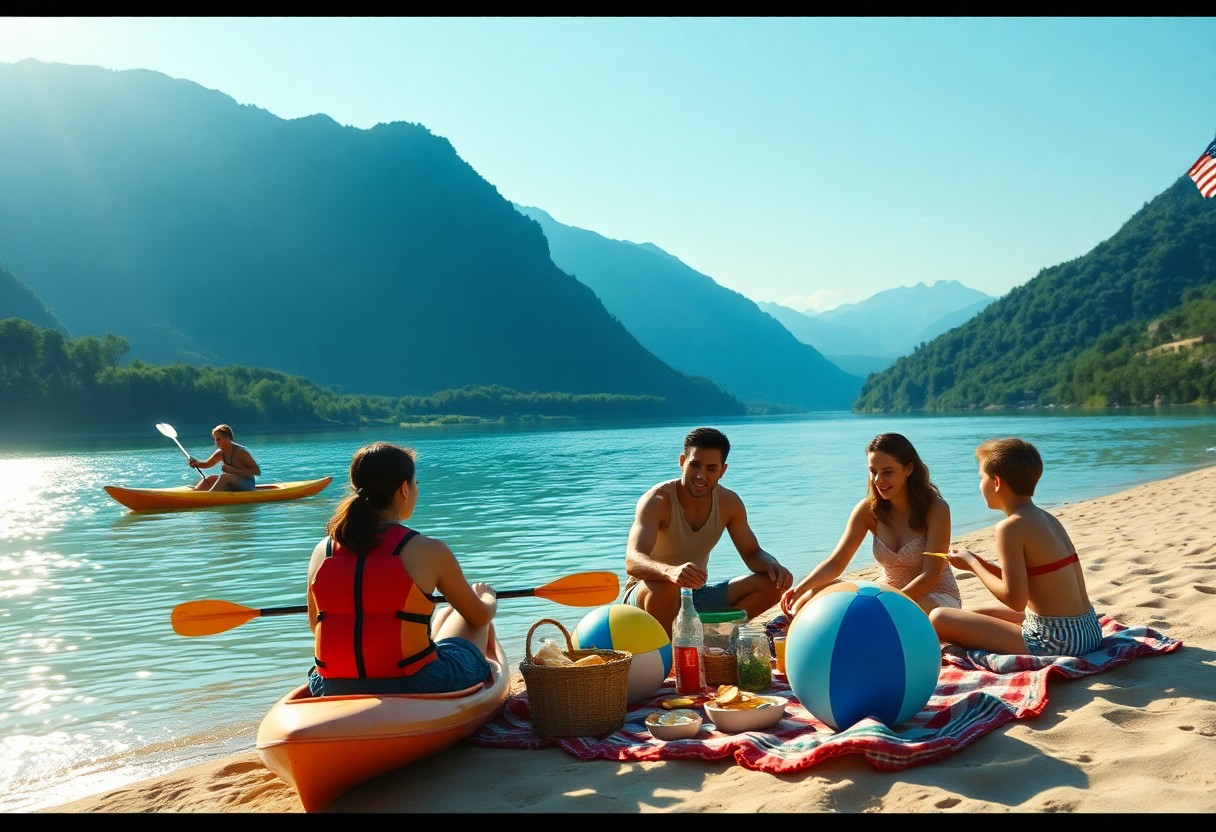
Key Takeaways:
- Adventure tours foster teamwork and communication through group activities.
- Relaxation trips provide a stress-free environment that encourages open conversations.
- Adventure trips often involve physical challenges, enhancing fitness and bonding through shared experiences.
- Relaxation trips allow families to unwind together, strengthening emotional connections.
- Both types of trips can create lasting memories, but they cater to different family dynamics and preferences.
The Thrill of Adventure: Bonding Through Shared Challenges
Facing challenges together while engaging in adventure activities can significantly enhance family bonds. Whether it’s navigating treacherous terrain or conquering a thrilling zip-line, these shared experiences create lasting memories and foster a sense of unity. As you work together to overcome obstacles, you build trust and reliance on each other, ultimately strengthening your familial connections.
The Psychology of Adventure and Family Dynamics
Adventure stimulates adrenaline, which enhances mood and promotes shared excitement among family members. This rush facilitates open communication, as the thrill of the experience often leads to laughter and joy, breaking down barriers that can exist in daily interactions. You may find that challenges create opportunities for vulnerability, allowing family members to support one another in ways that deepen emotional ties.
Activities That Strengthen Connections: Hiking, Rafting, and More
Outdoor activities like hiking and rafting are not only fun but also serve as vehicles for family bonding. These adventures require cooperation and teamwork, where each family member contributes their strengths. Engaging in such activities allows you to discover each other’s capabilities and interests in a dynamic setting, fostering a sense of accomplishment and shared pride.
Consider begining on a weekend hiking trip. Research shows that hiking can reduce stress and improve overall well-being, making it an excellent choice for family outings. Alternatively, white-water rafting can provide a high-energy environment where each family member must communicate effectively and strategize, ultimately creating camaraderie through shared goals. Activities like rock climbing or zip-lining can further promote trust, as family members encourage one another to step outside their comfort zones. Each adventure nurtures deeper connections, allowing you to build lasting relationships through memorable shared challenges.
The Serenity of Relaxation: Cultivating Calm for Deeper Bonds
Embracing relaxation during family trips allows you to cultivate a tranquil environment that nurtures deeper connections. The absence of daily pressures fosters open conversations and shared experiences, enabling lasting memories. Whether it’s unwinding by the pool or enjoying quiet moments under the stars, this serenity enhances emotional intimacy, transforming your family dynamics.
Unplugging Together: The Importance of Downtime
Carving out downtime during family vacations is important for reconnection. As you unplug from technology and daily distractions, you create space for genuine conversations and shared experiences. Simple activities like walking on the beach or savoring meals together can help reignite family bonds, leading to more meaningful connections.
Relaxation Activities that Foster Connection: Beaches, Spas, and Retreats
Activities centered around relaxation, such as visiting beaches, spas, or wellness retreats, offer unique opportunities for family bonding. These environments foster tranquility and encourage interactions that unify your family. By engaging in soothing activities like yoga sessions or beach games, you can create an atmosphere that enhances communication and strengthens family ties.
Consider a beach day where you and your family build sandcastles, swim, or play volleyball, facilitating laughter and teamwork. A spa visit can involve indulgent treatments that allow for bonding over shared pampering experiences. Wellness retreats often provide family workshops focusing on mindfulness or healthy cooking, effectively mixing relaxation with personal growth. These activities not only relax but also reinforce your family connection through shared enjoyment and cooperation.
Cost-Benefit Analysis: Adventure Tours vs. Relaxation Trips
Cost-benefit analysis reveals key differences between adventure tours and relaxation trips, impacting family bonding effectively. Adventure tours often carry higher upfront costs due to activities, equipment, and guides, yet can offer exhilarating shared experiences, fostering deeper connections. In contrast, relaxation trips generally involve fewer expenses, focusing on lodging and amenities, but may lack the dynamic interaction that adventure provides. Weighing these factors against your family’s preferences is vital for maximizing the joy of your time together.
Budgeting for Experiences: What to Expect
When planning your budget, consider expenses like transportation, accommodations, and activities. Adventure tours can range from $100 to $400 per person per day, while relaxation trips may average $75 to $300, depending on the destination and amenities. Allocate funds to cover meals and unexpected costs as well. Prioritizing activities that align with your family’s interests ensures you get the most value from your trip.
Value for Money: Quality Time vs. Cost
Assessing value for money involves examining the quality of time spent against your financial investment. Adventure trips can lead to unforgettable moments, such as conquering a peak together or navigating rafts down a river, creating lasting memories that often outweigh the higher costs involved. Relaxation trips, while less intense financially, may not yield the same level of engagement or bonding if your family prefers active experiences.
For instance, families who choose an adventure tour might spend on a zip-lining experience, costing around $150 per person, but the thrill and excitement create shared stories and laughter that can last a lifetime. In contrast, a resort experience costing less may lead to a more passive vacation, lacking the opportunities for growth and interaction. Ultimately, aligning your trip’s focus with your family’s interests and desired bonding measures the true value of your investment in experiences.

Choosing the Right Experience: Key Considerations for Families
Assessing Family Preferences and Interests
Your family’s interests play a significant role in determining the right trip. Consider activities that resonate with everyone: adventurous hikes, cultural tours, or relaxation by the sea. Engaging in conversations about favorite past vacations or shared hobbies can help identify experiences that will foster bonding and joy. If everyone leans toward active pursuits, a family-friendly adventure tour might be ideal. Alternatively, if relaxation is the priority, a beach resort or spa retreat could create the best atmosphere for reconnection.
Age Appropriateness and Safety Concerns
Selecting activities appropriate for all ages ensures everyone enjoys the trip. Younger children may require simpler, shorter outings, whereas teens might seek more thrill-seeking adventures. Balance is key; choose experiences that accommodate varying energy levels while prioritizing safety. Familiarize yourself with the physical demands of various excursions and verify safety ratings for activities to keep your family protected while having fun.
For instance, if you have toddlers, a gentle nature walk or a beach day offers low-stress environments that allow for exploration without overwhelming them. For teens, adventurous activities like zip-lining or white-water rafting provide excitement but come with inherent risks. Always check age restrictions and necessary safety gear for more extreme activities to avoid putting your family at unnecessary risk. Choosing age-appropriate experiences not only enhances enjoyment but also builds a sense of security and trust among family members.
Crafting a Balanced Family Itinerary: Mixing Adventure with Relaxation
Creating a balanced family itinerary involves strategically combining adventure and relaxation to cater to everyone’s preferences. A thoughtful mix allows for energy-boosting activities alongside calming downtime, ensuring each family member feels fulfilled. Consider planning high-energy excursions in the mornings followed by restful afternoons at the beach or spa. This approach will not only enhance family bonding but also create lasting memories, making the journey enjoyable for all.
Finding the Right Mix for All Ages
Finding the right mix of activities requires understanding the diverse interests and energy levels of your family members. Young children may thrive on interactive experiences like hiking or wildlife spotting, while older family members might appreciate sightseeing or culinary experiences. Incorporating options that appeal to different age groups promotes inclusivity and keeps everyone engaged throughout the trip. Balancing dynamic outings with downtime ensures that all family members feel considered and valued.
Tips for Smooth Transitions Between Activity Types
Smooth transitions between activity types enhance the overall travel experience by reducing stress and maintaining enthusiasm. Plan for short breaks or leisurely meals between high-energy adventures and relaxing activities, allowing everyone to recharge. Use quiet car rides to talk about upcoming plans or enjoy an audiobook together. Entertainment during downtimes helps maintain momentum and keeps excitement at the forefront. Schedule some family discussions to gauge everyone’s feelings about the day, helping to adjust plans if necessary.
| Activity Type | Suggested Transition |
| Hiking | Picnic afterwards |
| Cultural Tour | Rest at a nearby café |
| Water Sports | Relax at the beach |
| City Exploration | Relaxing meal at a restaurant |
| Adventure Park | Gentle stroll through a park |
Implementing smooth transitions between adventure and relaxation can significantly enhance your family’s trip experience. Planning your schedule with buffer time allows everyone to decompress and refocus. Ensure that each transition incorporates elements of enjoyment, like fun conversations or shared laughter. Prepare activities that don’t require much mental energy post-adventure, such as enjoying a scenic view or engaging in board games during downtime. Leaving room for spontaneity can invite exciting new experiences while nurturing a relaxed atmosphere. Perceiving each family member’s cues will lead to a harmonious balance throughout your travels.
- Utilize ample buffering time between activities.
- Inquire about family preferences during transitions.
- Incorporate snacks or drinks to keep energy levels high.
- Adjust timelines flexibly based on mood.
- Perceiving everyone’s energy levels will guide your itinerary adjustments.
| Transition Tips | Activity Example |
| Short break for refreshments | After a hike |
| Casual discussion about the next activity | Post cultural experience |
| Play a game during downtime | Between water sports |
| Reflect on the day’s highlights | After city exploration |
| Engage in a group stretch or yoga | After an adventure park visit |
To wrap up
With this in mind, evaluating adventure tours versus relaxation trips for family bonding time depends on your family’s preferences and dynamics. Adventure tours can ignite a sense of excitement and collaboration, fostering stronger connections through shared challenges. Conversely, relaxation trips allow you to unwind and enjoy quality moments in a serene environment, nurturing conversations and deeper relationships. Ultimately, choose the experience that aligns with your family’s interests and creates lasting memories together.
FAQ
Q: What are the main differences between adventure tours and relaxation trips for family bonding?
A: Adventure tours focus on activities like hiking, rafting, or exploring new environments, promoting teamwork and excitement. Relaxation trips prioritize downtime, featuring activities like spa days or beach lounging, which encourage family members to unwind and connect in a calm setting.
Q: How can adventure tours enhance family bonding?
A: Adventure tours encourage families to tackle challenges together, fostering cooperation and communication. Shared experiences, like conquering a hike or navigating a rafting trip, can create lasting memories and strengthen relationships.
Q: What benefits do relaxation trips offer for families?
A: Relaxation trips provide a serene environment where families can engage in meaningful conversations and nurture relationships without distractions. Activities such as shared meals or quiet moments by the pool promote emotional connection and rejuvenation.
Q: Are adventure tours suitable for all age groups in a family?
A: Adventure tours can be tailored to accommodate different ages and activity levels. Many providers offer options suitable for young children, teens, and adults, ensuring that all family members can participate safely and enjoyably.
Q: How can families decide which type of trip is best for them?
A: Families should consider their members’ interests, energy levels, and objectives for the trip. Discussing preferences and desired experiences can help determine if an active adventure or a relaxing getaway would better suit their bonding needs.