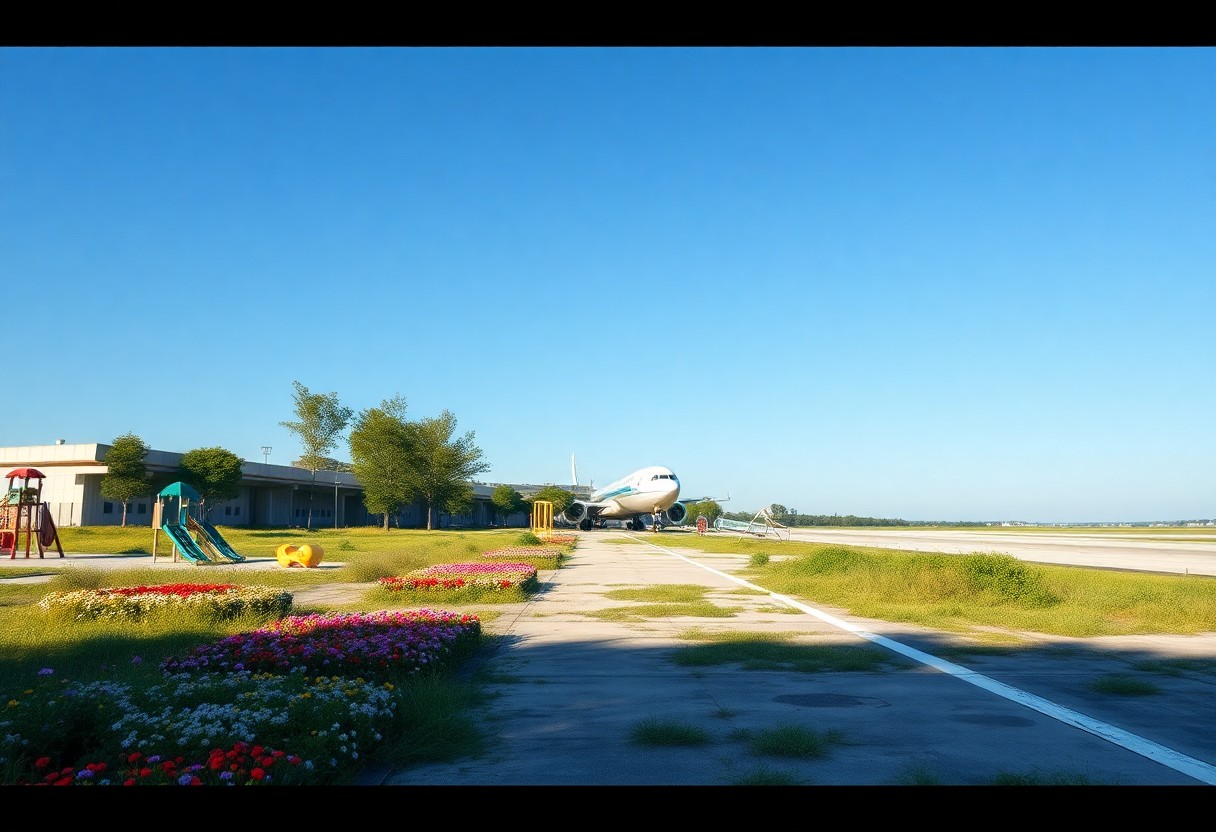
Most people may not realize that abandoned airports can transform into vibrant parks, offering green spaces in urban areas. In this post, you will explore the fascinating stories behind these former flight hubs, showcasing their dramatic transitions from neglected sites to cherished community resources. You’ll discover how creative repurposing not only preserves history but also enhances your local environment, providing recreational opportunities and ecological benefits. Witness the powerful transformation of these landscapes, as we explore into notable examples of abandoned airports and their revitalization journeys.
Key Takeaways:
- Abandoned airports are being transformed into public parks, enhancing community greenspace.
- These projects often include walking trails, recreational areas, and gardens, promoting outdoor activities.
- Converting airports helps preserve historical structures while revitalizing unused land.
- Community input plays a significant role in shaping the design and amenities of these parks.
- Success stories can increase awareness and inspire similar initiatives in other regions.
Unused Runways: A Canvas for Creativity
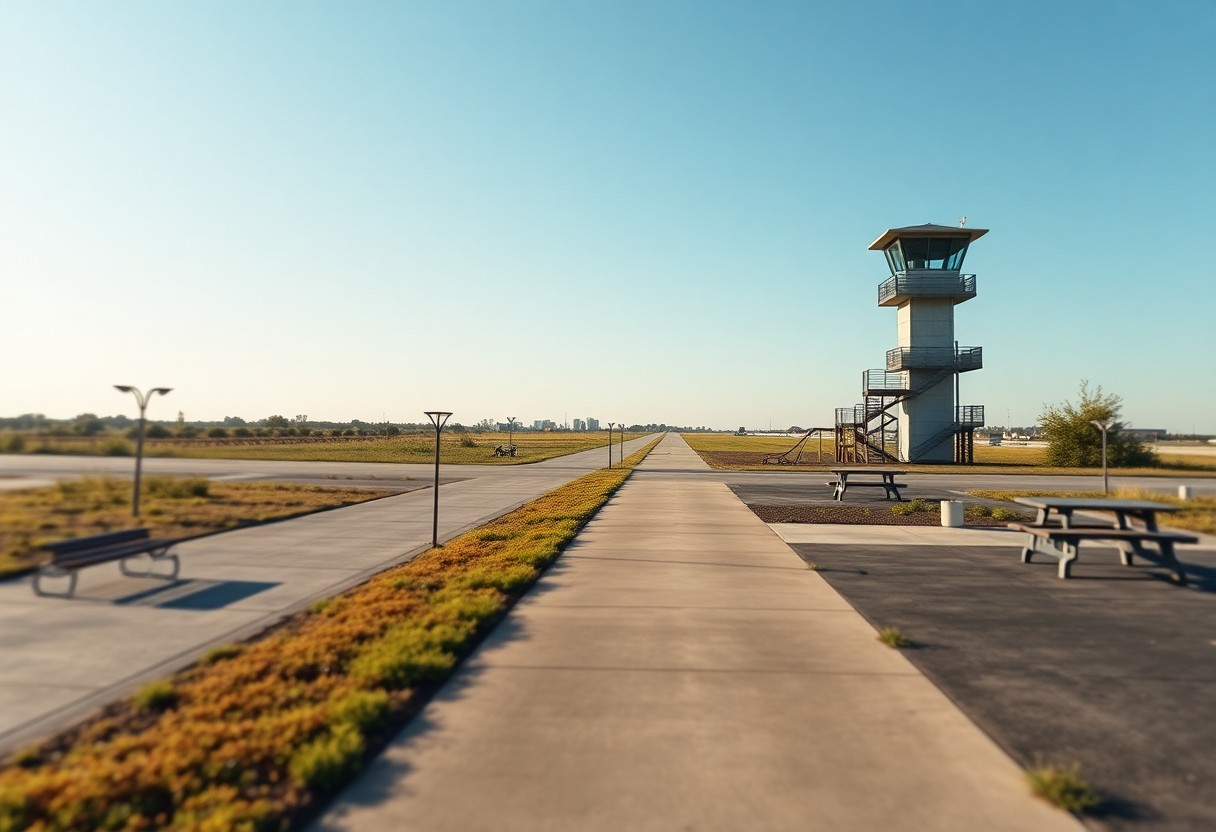
Unused runways have evolved into vibrant canvases where creativity flourishes. Artists, landscape designers, and community members rally together to transform concrete expanses into artistic expressions, interactive installations, and recreational spaces. These once-bustling sites are now venues for cultural events, art exhibitions, and communal gatherings, offering an imaginative escape from urban life.
Transforming Concrete into Green Space
Transforming concrete into green space involves innovative landscaping and biophilic design principles. You’ll find native plants woven into the fabric of former runways, promoting biodiversity while providing habitats for local wildlife. Initiatives include rain gardens and urban farms that utilize the existing infrastructure, allowing nature to reclaim its territory without extensive demolition costs.
Engaging Local Communities in Design
Your involvement in the design process is fundamental to the success of these projects. Local communities often participate in workshops and planning sessions, ensuring that their voices shape the new spaces. Through co-creation, you gain a personal investment in the transformation, fostering a sense of ownership and pride in the revitalized environment.
By actively engaging local communities in the design, project leaders not only gather valuable insights but also empower residents to advocate for their needs and preferences. You’ll witness an eclectic blend of ideas, where residents share visions for playgrounds, walking trails, and public art installations, creating a space that reflects the unique identity of the neighborhood. This collaboration fosters deeper connections among residents and increases public usage, ensuring the space becomes a beloved part of the community fabric.
The Environmental Impact: Nature Reclaims Its Space
Abandoned airports serve as a unique opportunity for ecological restoration, allowing nature to reclaim spaces once dominated by asphalt and machinery. This transformation can significantly reduce urban heat islands, improve air quality, and enhance local biodiversity. Studies, such as Obsolete airfields as landscape reserves for adaptive reuse, highlight how these areas can contribute positively to the environment while providing recreational spaces for communities.
Biodiversity Restoration: From Asphalt to Habitat
You’ll find that as vegetation takes over former runways and taxiways, diverse habitats emerge, attracting various species. This restoration process not only provides food and shelter for wildlife but also re-establishes natural ecosystems that may have been disrupted by urban development. Native plants thrive, promoting local fauna while supporting pollinator populations and improving overall ecosystem health.
The Role of Urban Parks in Climate Mitigation
Urban parks play a vital role in climate mitigation by acting as carbon sinks, absorbing CO2 from the atmosphere while releasing oxygen. These green spaces help manage stormwater, reduce flooding risks, and lower surrounding temperatures, contributing to a more balanced urban ecosystem. The introduction of parks in previously sealed environments creates microclimates that benefit both residents and wildlife, which is imperative in the face of climate change. The integration of native vegetation fosters resilience, allowing urban areas to adapt more effectively to environmental shifts.
Economic Revitalization: From Abandonment to Attraction
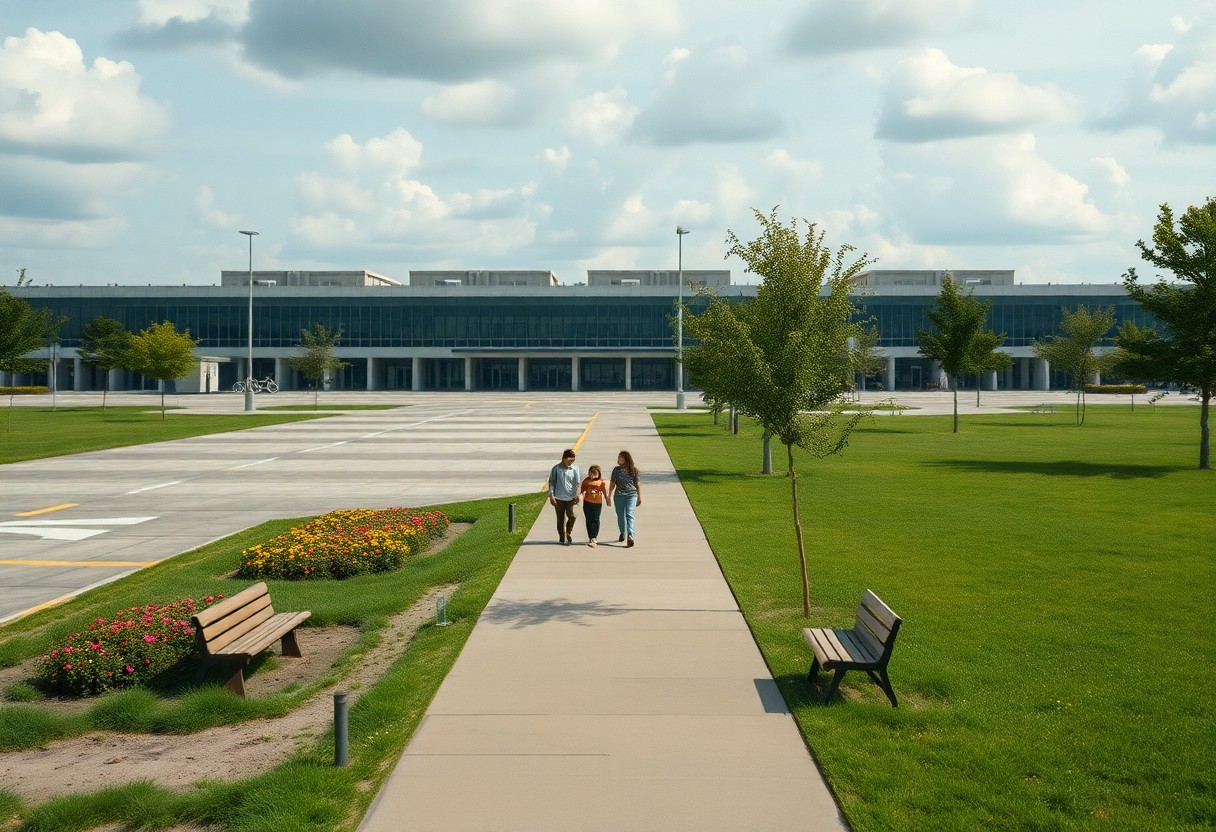
Transforming abandoned airports into parks not only enhances the environment but also revitalizes local economies. Your community can benefit significantly from the resurgence of public spaces, drawing visitors seeking recreation and natural beauty. As these parks develop, they attract investment, create jobs, and stimulate growth in surrounding areas, leading to an overall economic uplift that can redefine neighborhoods.
New Business Opportunities on Former Runways
Former runways reimagined as parks open doors to innovative business ventures. You can find food trucks, pop-up markets, and local artisans setting up shop, all taking advantage of the foot traffic generated by park visitors. This entrepreneurial spirit fosters a sense of community and provides local residents with new income streams, enhancing the appeal of previously neglected spaces.
Boosting Local Tourism Through Unique Park Offerings
Unique park offerings at repurposed airports can significantly boost local tourism. Activities such as aviation-themed exhibits, art installations, and recreational sports facilities attract visitors from afar, eager to experience what your transformed park has to offer. Special events such as air shows, community festivals, and outdoor movie nights foster engagement, turning these parks into thriving hubs of activity.
Attracting tourists to repurposed airport parks isn’t just about the park itself; it’s about the experiences you provide. By hosting themed events or partnering with local artists and educators for workshops, you can create a unique narrative around your park. For example, the former Stapleton International Airport in Denver not only features sprawling green spaces but also hosts a farmer’s market and seasonal festivals, proving that locals and visitors alike are drawn to diverse, engaging activities. Investing in these offerings positions your park as a destination rather than just a stop, which catalyzes further economic benefits for the surrounding community.
Inspiring Stories: Successful Transformations Around the Globe
Across various continents, abandoned airports have turned into remarkable parks, showcasing ingenuity and commitment to urban revitalization. Each transformation offers a unique narrative, where once-neglected spaces flourish with greenery, recreation, and community engagement. Projects like New York’s High Line and South Africa’s The Tambo Memorial Park exemplify how adaptive reuse can enhance local ecosystems while providing citizens with serene, recreational retreats, proving that creativity can turn even the most forgotten spaces into cherished community assets.
Iconic Parks Born from Abandoned Airports
Transformations such as Paris’s Parc André Citroën from a former airfield illustrate the potential of these sites. The park now features stunning gardens, open spaces, and innovative recreational areas that attract visitors year-round. Similarly, the Tempelhof Park in Berlin, which formerly served as a vital airport, is now a sprawling green space hosting events, sports, and gatherings, redefining urban leisure and fostering community connection.
Lessons Learned from Global Initiatives
Global initiatives reveal several key lessons around the transformation of abandoned airports into parks. Community involvement is crucial; projects tend to succeed when local voices shape the vision. Sustainable design practices also enhance environmental impact, creating spaces that promote biodiversity. Moreover, effective partnerships between governments, non-profits, and businesses are crucial in securing funding and resources, ensuring the longevity and maintenance of these transformed spaces.
Case studies from these initiatives highlight the importance of community engagement in planning processes. For example, the successful transformation of the High Line involved extensive local input, leading to a design that resonates with New Yorkers. Ensuring ongoing community participation fosters a sense of ownership, which is indispensable for the upkeep and vibrancy of these parks. Furthermore, integrating sustainable practices not only addresses environmental concerns but also provides educational opportunities, making the parks effective spaces for both recreation and awareness. Thus, each project serves as a model for future endeavors, emphasizing collaboration, sustainability, and community as cornerstones of successful urban transformation.
The Future of Abandoned Airports: Potential Projects on the Horizon
Ambitious plans for abandoned airports are emerging, with initiatives focusing on blending recreational spaces with cultural and community-driven projects. Cities worldwide are exploring ways to repurpose these once-bustling hubs into multifunctional areas that cater to a diverse range of activities, from urban farming to outdoor art installations. Your participation in these projects can promote local engagement and sustainability, ultimately transforming the way these spaces are experienced.
Emerging Trends in Park Development
New trends in park development emphasize community involvement and ecological sustainability. You might notice that future projects often incorporate native plant landscaping, walking and biking trails, and artistic elements, creating versatile environments that engage residents and visitors alike. This movement towards environmentally conscious design is reshaping how you interact with these spaces, making them integral to community life.
Planning for Sustainable Urban Solutions
Future developments will prioritize green design principles and community needs. These projects aim to transform old runways and terminals into green spaces and recreational areas that enhance urban biodiversity. Your involvement can further advance sustainability initiatives, integrate public transport access, and create educational programs about local ecosystems.
Planning for sustainable urban solutions also means considering long-term environmental impact and resilience. Projects like the transformation of the Los Angeles International Airport’s old terminal into public space illustrate this commitment. This initiative incorporates green roofs, rainwater harvesting, and habitat restoration. Such examples highlight the importance of engaging local communities, ensuring infrastructure improves not only recreational opportunities but also environmental health. The focus on collaboration will lead to parks that reflect local cultures and legacy while fostering a renewed connection to nature in urban environments.
To wrap up
Taking this into account, you can appreciate how abandoned airports transformed into parks not only revitalize urban spaces but also enhance community well-being. These before-and-after stories highlight the innovative reuse of aerospace infrastructure, creating green areas that promote recreation and relaxation. By understanding the potential of these sites, you can advocate for similar projects in your area, fostering a sustainable environment and preserving history while improving local quality of life.
FAQ
Q: What are abandoned airports turned parks?
A: Abandoned airports turned parks are former airport sites that have been repurposed into public parks, recreational areas, or urban green spaces, providing recreational opportunities and preserving historical elements of the site.
Q: What are some examples of abandoned airports that have been converted into parks?
A: Notable examples include the High Line in New York City, which was built on a disused elevated railway, and the Tempelhof Field in Berlin, Germany, which is now a large public park.
Q: What benefits do these parks offer to communities?
A: These parks provide green space for recreation, promote biodiversity, improve air quality, offer venues for events, and foster community engagement by creating accessible gathering places.
Q: How do these transformations impact local economies?
A: The transformation of abandoned airports into parks can stimulate local economies by attracting tourists, increasing property values, and providing new business opportunities in surrounding areas.
Q: What challenges are faced during the conversion of airports into parks?
A: Challenges include securing funding for development, addressing environmental contamination, engaging the community for input, and navigating regulatory approvals for land use changes.