Most visitors find that planning museum days, using the Metro, and booking timed-entry attractions streamlines your itinerary; prioritize free Smithsonian museums, walk the National Mall early to avoid crowds, schedule monument visits at sunrise or after sunset for better light and fewer people, carry a Metro card and a portable charger, and verify security procedures and closures before arrival to maximize your time and safety.
Key Takeaways:
- Rely on Metro, walking and Capital Bikeshare to move around; driving and parking near the National Mall are slow and expensive.
- Reserve timed-entry passes for busy Smithsonian museums and major memorials, and visit early morning or late afternoon to avoid peak crowds.
- Expect security screenings at many federal sites-carry a government photo ID and small, easily screened bags.
- Wear comfortable shoes, check the forecast, and bring water and sun protection-distances are larger than they look.
- Check local events, protests, and road closures before you go and use transit/museum apps for real-time updates and alerts.
Essential Preparation Tips
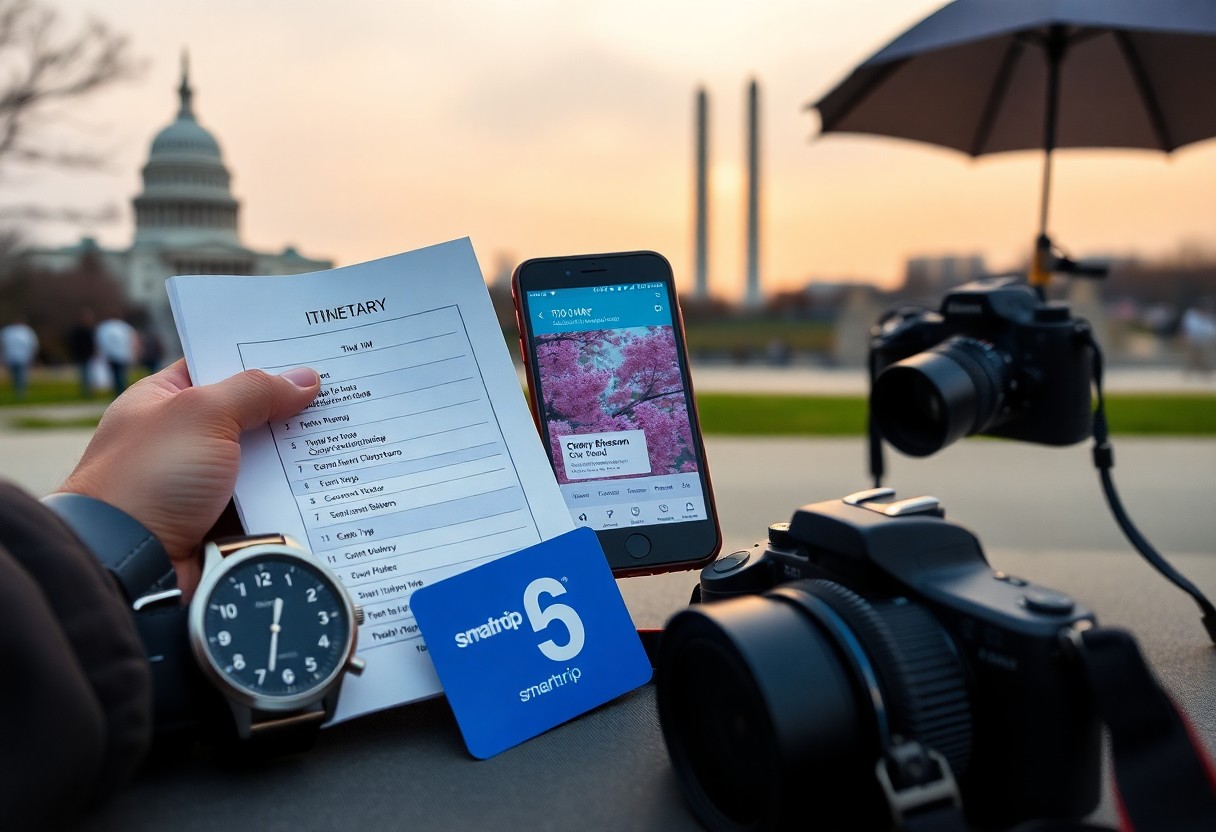
Wear comfortable walking shoes because the National Mall and nearby neighborhoods add up to miles of pavement, and pack a lightweight rain jacket for sudden showers. Check peak seasons-cherry blossoms typically bloom late March to early April-and apply for TSA PreCheck or Clear to shorten airport waits. Reserve White House or Capitol tours through your representative well ahead of your trip, and keep a charged phone with maps and a portable battery for long museum days.
- Book White House and Capitol tours through your member of Congress weeks to months ahead.
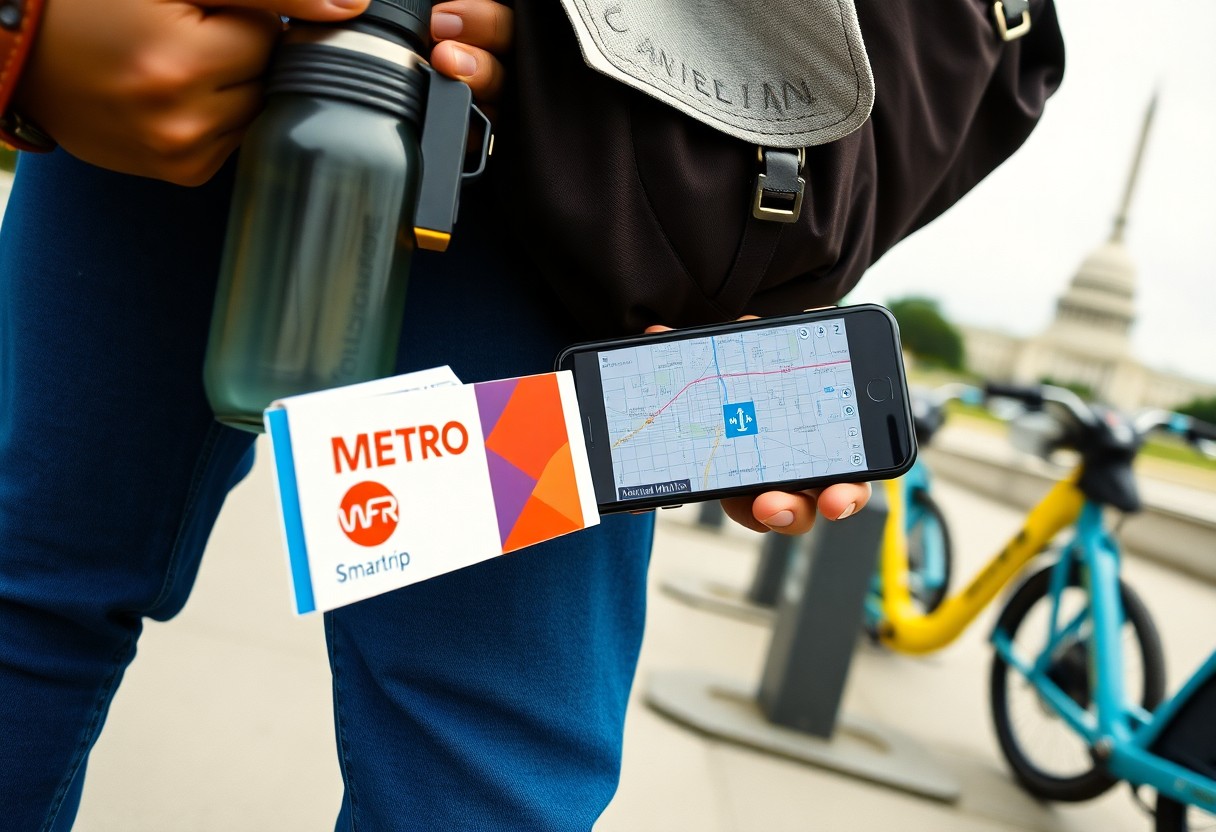
- Buy a SmarTrip card at stations or online and preload it; use contactless payments where accepted.
- Download WMATA and museum apps, and check timed-entry policies for NMAAHC and popular exhibits.
- Assume that security screenings and bag checks will add 15-45 minutes at major sites, so build buffer time into your itinerary.
Researching Attractions
Use official museum sites and the National Park Service calendar to spot closures and special events that affect access. The National Museum of African American History and Culture uses limited timed-entry passes that sell out quickly, while special exhibits across Smithsonian museums may require free reservations; check release schedules. Visit busy sites like the Jefferson Memorial at sunrise for fewer people, and confirm ticket windows and guided-tour times for the Capitol and National Archives before you go.
Understanding Public Transportation
Metro operates six lines-Red, Orange, Silver, Blue, Yellow and Green-which cover the main tourist corridors; Smithsonian, Metro Center and L’Enfant Plaza are your Mall hubs. Get a SmarTrip card or use contactless fare at gates, and rely on the WMATA app or Google Maps for real-time service alerts. DC Circulator buses run frequent routes around the Mall for about $1 and often beat walking between close sites.
Plan trips to avoid weekday peak times (roughly 6:30-9:30 AM and 4-7 PM) to skip crowded cars; full-size bikes are allowed outside peak hours and folding bikes anytime. Check elevator and escalator status on WMATA’s site if you need step-free access, and use staffed kiosks for trip planning or lost-and-found help. For Reagan National, take the Blue or Yellow Line directly to airport stations for the quickest rail access.
Optimal Timing for Visits
Best Seasons to Tour D.C.
If you want peak floral displays target late March-early April for the National Cherry Blossom Festival (peak bloom windows often last a week); October-November delivers crisp 50-70°F days and striking fall color; June-August yields highs around 85-95°F with high humidity and larger crowds; January-February offers lower hotel rates and shorter lines at Smithsonian museums, though outdoor sightseeing can be chilly and windy.
Recommended Time of Day for Sightseeing
Aim for early mornings, roughly 7-9am, to experience the National Mall, Lincoln Memorial and Tidal Basin before tour buses and crowds arrive; use 11am-3pm for indoor stops-the Smithsonian museums generally open at 10am-then return 6-9pm for illuminated monuments and cooler temperatures when lines thin.
Plan logistics by arriving 30-60 minutes before opening for popular sites, since the National Museum of African American History and Culture requires timed-entry passes and several attractions offer reservations; also avoid Metro rush hours (about 7-9:30am and 4:30-7pm) and allow an extra 15-30 minutes for security lines at the Capitol and major memorials.
Navigating the City
Walking vs. Public Transport
You can walk much of the National Mall-about 2.2 miles from the Lincoln Memorial to the Capitol-so plan routes by proximity: the Smithsonian museums cluster around the Mall and often require less time than transfers. Metro has 91 stations across DC, Maryland, and Virginia; buy a SmarTrip card or use the app for faster entry. The DC Circulator runs frequent $1 routes on key corridors, and scooters/bikes fill short gaps when sidewalks are clear.
Safety Tips for Tourists
You should treat crowded spots and Metro platforms as high-risk for petty theft: keep wallets in front pockets, use a crossbody bag with zips, and store passports in a hotel safe. If something feels off, move to a populated area or station entrance. The city uses 911 for emergencies and 311 for non-emergency city services, so have both numbers handy.
- Lock valuables in your hotel safe each morning.
- Keep your phone in a front pocket or zipped compartment on crowded trains.
- Carry a printed copy of your itinerary and one emergency contact.
- The 911 emergency number should be called for crimes in progress.
You should verify rideshares by matching the license plate and driver photo before you get in and avoid unmarked cars; if a driver seems off, wait for the next vehicle. During major events (e.g., Fourth of July or presidential events) expect road closures and extra security perimeters-plan extra time and follow posted signs. The Metro and city apps post service advisories and street closures in real time.
- Confirm the rideshare license plate and driver name before entering.
- Stick to well-lit, busy corridors after dark like Penn Quarter, 14th Street NW, or U Street.
- Share your trip ETA with someone you trust when traveling alone at night.
- The non-emergency city number 311 connects you to local services and reports.
Money-Saving Strategies
You can stretch your travel budget by leaning on free museums, smart transit choices, and bundled tickets. Use a SmarTrip card plus the DC Circulator ($1 per ride) to cut transport costs, eat at Union Market or food trucks where meals run $8-12, and schedule monument visits at dawn to avoid paid guided tours and peak surcharges.
Free Attractions and Activities
Visit 17 Smithsonian museums and the National Zoo without paying admission, and wander memorials-Lincoln, WWII, Vietnam-open 24/7 at no cost. The National Gallery of Art and United States Botanic Garden also offer free entry; note the National Museum of African American History and Culture and the Holocaust Museum require timed‑entry passes you can reserve online for free.
Discount Passes and Deals
Compare Go City Explorer, Washington DC Sightseeing Pass, and CityPASS to bundle paid highlights like the International Spy Museum, hop‑on hop‑off buses, and guided tours; typical savings range roughly 25-50% versus buying individual tickets. You should buy passes online, apply promo codes, and confirm whether attractions need advance reservations.
For example, Go City offers an Explorer format where you choose 2-7 attractions and an All‑Inclusive format for unlimited entry over consecutive days; Explorer passes often remain valid about 60 days after first use. Check each pass’s validity window, list of included sites, and reservation rules-some paid attractions still require timed bookings even with a pass.
Dining Recommendations
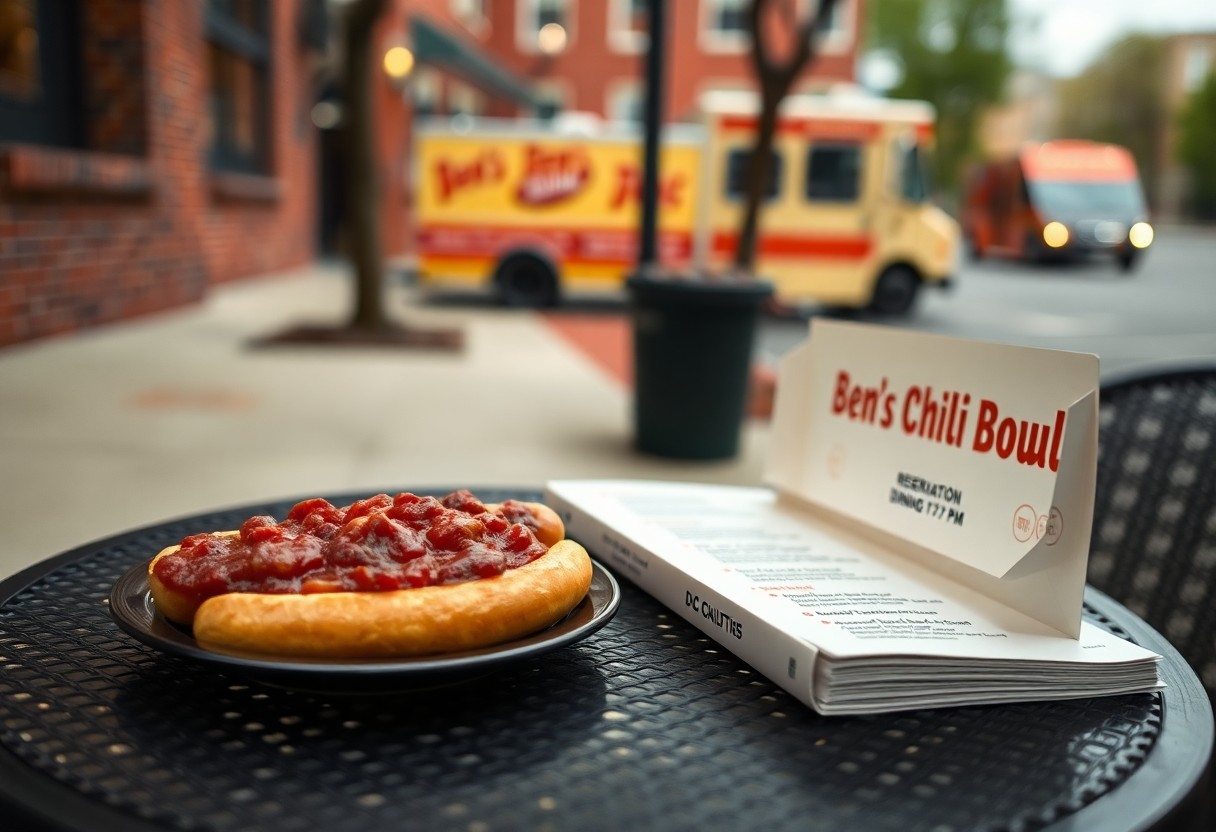
Mix upscale dining with neighborhood staples to get the full D.C. experience: reserve 2-4 weeks ahead for popular spots like The Dabney or Minibar, sample Ben’s Chili Bowl on U Street, and grab oysters along the waterfront in Georgetown. You’ll find Michelin-starred kitchens and neighborhood markets within a 10-20 minute Metro ride of major museums, so plan dinner times around schedules and use reservations or waitlist apps to avoid long lines.
Local Cuisine to Try
You should prioritize the half-smoke at Ben’s Chili Bowl, Maryland-style blue crab in crab cakes or steamed options near the Wharf, and Ethiopian injera platters on 9th Street NW and U Street; expect to pay about $8-12 for a half-smoke, $15-30 for a crab cake entrée, and $12-18 for an Ethiopian combo. Also sample seasonal oysters at waterfront bars for around $2-4 each during happy hour.
Affordable Dining Options
You’ll find wallet-friendly meals across Union Market, Eastern Market, and food halls where mains run $8-15, plus food trucks on the Mall offering $6-10 street eats. Weekday lunch specials at cafés near downtown often price sandwiches and salads at $10-14, while museum cafeterias and university neighborhoods like Adams Morgan and Columbia Heights provide reliable cheap eats within a 10-25 minute Metro trip.
To stretch your budget further, aim for weekday happy hours (typically 4-7 pm) where small plates and drinks drop to $5-8, order combo platters at Ethiopian spots for shared value, and check vendor menus at Union Market for rotating $6-9 specials; using a food-hall visit plus one sit-down meal usually keeps daily dining under $40-60 per person without sacrificing quality.
Cultural Etiquette
You should observe quiet reverence at memorials like the Lincoln and Vietnam Veterans Memorials, comply with security screenings at the Capitol and museums, and tip service workers (15-20% for taxis and restaurants). Dress neatly for government buildings and formal events, use headphones on public transit, and avoid loud phone calls near exhibits or monuments to respect both residents and the millions of annual visitors.
Understanding Local Customs
You’ll notice Washington draws over 20 million visitors yearly and hosts a diverse, international population (roughly 14% foreign-born), which shapes local behavior: formal attire appears on Capitol Hill, Spanish is widely used, and ceremonial moments-wreath layings, flag events-are treated with solemnity. Follow posted rules at sites, yield to official processions, and adapt to neighborhood-specific pacing and conversation styles.
Greeting and Interaction Tips
You should offer a brief, firm handshake (about 1-2 seconds) in professional settings and use titles like “Senator” or “Representative” when meeting officials; social settings typically shift to first names after introductions. Keep discussions polite, avoid unsolicited political debates with strangers, maintain eye contact without staring, and allow personal space-about an arm’s length-on crowded streets and transit.
- Offer a 1-2 second handshake in formal meetings and smile to signal openness.
- Address government staff by title during official interactions; switch to first names only if invited.
- Tip 15-20% for meals and rides, and round up small cash for quick services like coat checks.
- Recognizing many memorials and museum galleries require low voices and restricted flash photography is necessary to respectful behavior.
You can also manage interactions by arriving 10-15 minutes early for tours or appointments, stating your purpose clearly when speaking with staff, and following tour guides’ directions; Metro peak hours (roughly 7-9 AM and 4-7 PM) mean shorter, quieter exchanges are appreciated. If you encounter protests, give demonstrators space and avoid photographing faces without consent.
- Stand to the right on escalators and allow others to pass on the left during rush hours.
- When asking for directions, be concise and polite-many locals will point you to specific landmark-based routes.
- Keep personal items secure and be mindful of personal space in busy neighborhoods like Penn Quarter or Adams Morgan.
- Recognizing neighborhood nuances-college-heavy areas versus diplomatic zones-helps you match your tone and dress to local expectations.
To wrap up
Now you should prioritize efficient planning: use the Metro and apps for real-time updates, book timed-entry and tours for popular museums, wear comfortable shoes for extensive walking, schedule monuments early or late to avoid crowds, carry a copy of ID and water, and balance free Smithsonian visits with neighborhood dining and reservations to maximize your time and comfort while touring Washington, D.C.
FAQ
Q: What’s the smartest way to get around Washington, D.C.?
A: Use a combination of Metro, bus and walking. Buy a SmarTrip card for easy fares on Metrorail and Metrobus, check WMATA service alerts before travel, and download a transit app for real-time updates. Capital Bikeshare and e-scooters are convenient for short hops; stick to bike lanes and follow local rules. Driving and parking are expensive and slow during peak hours, so reserve a car only for off-grid trips or suburbs.
Q: How should I plan museum and National Mall visits to avoid long lines and wasted time?
A: Cluster attractions by location (Smithsonian museums on the Mall, nearby memorials) and visit high-traffic sites early in the day or later in the evening when they’re less crowded. Many Smithsonian museums are free but some (for example, the National Museum of African American History and Culture and special exhibitions) use timed-entry passes-reserve those online in advance. Account for security screening and walking time between sites; carry a lightweight bag and wear comfortable shoes.
Q: Do I need advance reservations or special IDs for tours of government buildings like the White House and U.S. Capitol?
A: Yes. White House tours require advance requests submitted through a member of Congress and often must be arranged months ahead; U.S. Capitol tours are available with advance registration through congressional offices or online and require a government-issued photo ID for security screening. Plan ahead for guided or behind-the-scenes tours (Library of Congress, Supreme Court) which may have limited capacity or seasonal hours.
Q: What safety and practical precautions should I take while touring D.C.?
A: Treat D.C. as any major city: keep valuables secure and in sight, avoid isolated areas at night, use reputable ride-hail services or licensed taxis after late hours, and stay aware of event-related street closures on the Mall. Follow security instructions at memorials and federal buildings; some events restrict bag sizes or require inspections. Carry a copy of your ID, know how to contact local police (911 for emergencies), and check National Park Service or museum websites for temporary closures or alerts.
Q: When is the best time to visit and what should I pack for comfort across seasons?
A: Spring and fall offer mild weather and pleasant walking conditions; cherry blossom season in late March-early April brings large crowds and higher prices. Summers are hot and humid-pack breathable clothing, sunscreen, a hat and water; winters can be cold and windy, so bring layered outerwear. Always carry a refillable water bottle, comfortable walking shoes, a compact umbrella, and a charged phone with transit and maps installed. Book hotels and major tours well in advance for peak events.