Safety guides your choices when you travel solo, and this ranked list shows the ten countries where low crime, reliable transport and welcoming locals let you explore with confidence. You’ll get practical insights on travel ease, infrastructure and local attitudes so you can plan routes and stay secure whether you seek cities, nature or digital-nomad hubs.
Key Takeaways:
- Japan, Iceland and Singapore top the 2026 list for solo travellers thanks to ultra-low crime, cleanliness and highly organised, welcoming environments.
- New Zealand, Canada and Iceland combine high safety with easy access to nature and dependable transport for solo outdoor adventures.
- Portugal, Finland, Ireland and Austria excel with walkable, calm cities, friendly locals and straightforward public transit-ideal for first-time solo travellers.
- Estonia is notable for affordability and digital-nomad friendliness; Singapore and Japan lead in digital safety and efficient urban services.
- Safest-city highlights-Tokyo, Copenhagen, Zurich, Taipei and Wellington-are excellent urban bases offering security, strong infrastructure and hospitable locals.
Understanding Safety for Solo Travellers
Factors Contributing to Safety
You should weigh visible law enforcement, emergency response times, healthcare access and transport reliability when assessing a destination; Japan’s homicide rate (~0.2 per 100,000) and Singapore’s extensive CCTV/enforcement illustrate how metrics translate to safer streets. Small things like consistent lighting and 24/7 transit lower vulnerability. The combined effect of these factors explains why Japan, Iceland and Singapore top safety rankings.
- Low violent and petty crime rates
- Reliable public transport and well-lit streets
- Accessible emergency and healthcare services
- Clear laws, tourist support and strong digital infrastructure
Importance of Local Culture
You gain immediate safety benefits by understanding local norms: in Japan silence on trains and no tipping reduce friction, while a friendly greeting in Portugal or Ireland often unlocks practical help. When you adapt to etiquette and basic phrases you avoid misunderstandings and make locals more likely to assist you.
Study specific examples before you go: queueing behaviour in Tokyo prevents accidental conflict, Singapore’s strict public-order enforcement changes how you behave in public spaces, and in Iceland small communities share road- and weather-related warnings that you won’t find online. Learning a few phrases, local emergency numbers and typical social cues reduces risk and speeds up access to help when you need it most.
Ranking Criteria
You should weigh visible law enforcement, emergency response times, healthcare access, low crime, friendly locals, reliable transport and digital connectivity when ranking safety. Metrics used include homicide rates, petty-theft reports per 10,000 tourists, Global Peace Index position, average ambulance response where available, percentage of English signage and traveller-survey scores on feeling safe. Countries that top the list-Japan, Iceland, Singapore, New Zealand-combine measurable low violent-crime figures with organised systems and high tourist-service standards.
Crime Rates
You need to separate violent crime from petty theft and scams. For context, Iceland’s homicide rate is around 0.3 per 100,000, while Japan and Singapore report very low violent-crime figures; meanwhile pickpocketing and bag-snatch incidents tend to concentrate in busy tourist hubs. Track local police advisories, seasonal spikes (festival or cruise-ship days) and theft reports per neighbourhood so you can choose routes and accommodations that minimise exposure.
Transport and Accessibility
You should assess public-transport coverage, punctuality and night-time safety. Japan’s rail network and Singapore’s MRT offer frequent, well-lit services with real-time apps; Wellington and Zurich rank high for walkable city centres and clear signage. Factor in taxi availability, 24/7 emergency access and whether contactless payment or English-language maps are ubiquitous-these determine how confidently you can move alone after dark or during service disruptions.
You’ll also want country-specific transport notes: Iceland’s Ring Road (Route 1) spans 1,332 km and suits self-drive trips but requires winter-ready vehicles; Japan’s Shinkansen links major cities with tight schedules and luggage-forwarding (ta-q-bin) to travel light; Estonia’s digital services and Singapore’s cashless systems make booking, payment and navigation seamless, reducing time you spend resolving transport hiccups while solo.
Country Profiles
You’ll find these profiles focus on practical safety: low crime, reliable transport and local friendliness, with specific examples and numbers you can use to plan routes, book accommodations and choose activities that reduce risk while maximising enjoyment.
Japan
You’ll travel through ultra-safe streets, where violent crime is rare and public transport is famously punctual-Shinkansen average delays are often under a minute-so you can rely on trains, clear signage and polite locals to navigate Tokyo, Kyoto and regional towns with minimal hassle.
Iceland
You’ll enjoy the world’s lowest crime rates and open roads ideal for solo road trips; with a population around 370,000, you’ll find empty highlands, well-marked ring roads and emergency services reachable across settled areas, making self-drive itineraries straightforward.
You can plan specific winter or summer routes: the Ring Road (Route 1) covers ~1,332 km and connects main services, while guided glacier hikes and monitored hot springs come with professional safety briefings-book licensed operators and check the Icelandic Met Office for weather alerts before heading out.
Singapore
You’ll benefit from strict laws, comprehensive CCTV coverage and a digital-first approach to safety-contactless payments, reliable e-hailing apps and English signage mean you can move around safely at any hour in districts like Marina Bay or Chinatown.
You’ll find clear examples: street-level help points, an integrated MRT network with 200+ stations, and low violent-crime rates; use the government apps for alerts and receipts, and trust licensed hawker centres and certified hotels for food and lodging.
New Zealand
You’ll encounter friendly locals and tidy, safe cities-Wellington and Christchurch rank highly for urban safety-plus well-marked trails and DOC huts; common-sense precautions and basic gear keep outdoor trips safe in areas with variable weather.
You should monitor MetService forecasts and use the NZ Civil Defence apps for alerts when tramping or driving rural routes: alpine conditions can change fast, track difficulty is published by DOC, and certified guides run the most technical activities like glacier walks or sea-kayaking.
Portugal
You’ll find walkable cities like Lisbon and Porto with low violent crime and welcoming neighborhoods; daytime strolls, tram routes and easy coastal trains let you explore safely, with tapas bars and guesthouses popular among solo travellers.
You can use detailed examples: Lisbon’s Aerobus and metro link the airport to central zones, regional trains connect Algarve beaches in under three hours, and local police (PSP/GNR) are visible in tourist areas-avoid dimly lit alleys at night and secure valuables in busy markets.
Finland
You’ll experience calm, low-crime environments and excellent public services; Helsinki’s transport system is timely and well-lit, while rural areas offer solitude with robust emergency coverage and high trust in local institutions.
You should note specifics: Finland ranks consistently high on safety and happiness indices, emergency number 112 covers police, fire and medical, and public saunas and cabins operate under clear local rules-follow signage and seasonal advisories when exploring Lapland or lake regions.
Ireland
You’ll benefit from hospitable locals and efficient transport between cities and towns; trains and buses link Dublin, Cork and Galway, and community-oriented towns make late-night walks in central areas generally low-risk for solo travellers.
You’ll want to use case examples: the Dublin Area Rapid Transit (DART) serves coastal routes, regional bus Éireann connects rural areas, and local Garda stations are approachable-plan accommodation in well-reviewed B&Bs and use licensed taxi apps after late evenings.
Canada
You’ll balance safe urban experiences in cities like Ottawa and Vancouver with vast wilderness access; public transit systems are reliable, and provincial parks have clearly posted advisories and ranger services to help solo outdoor plans.
You should prepare using concrete steps: check provincial park alerts, carry bear-aware supplies in British Columbia or Alberta, and rely on 911 for emergencies; in cities, neighbourhoods around downtown cores have visible security and extensive bike lanes for daytime exploration.
Austria
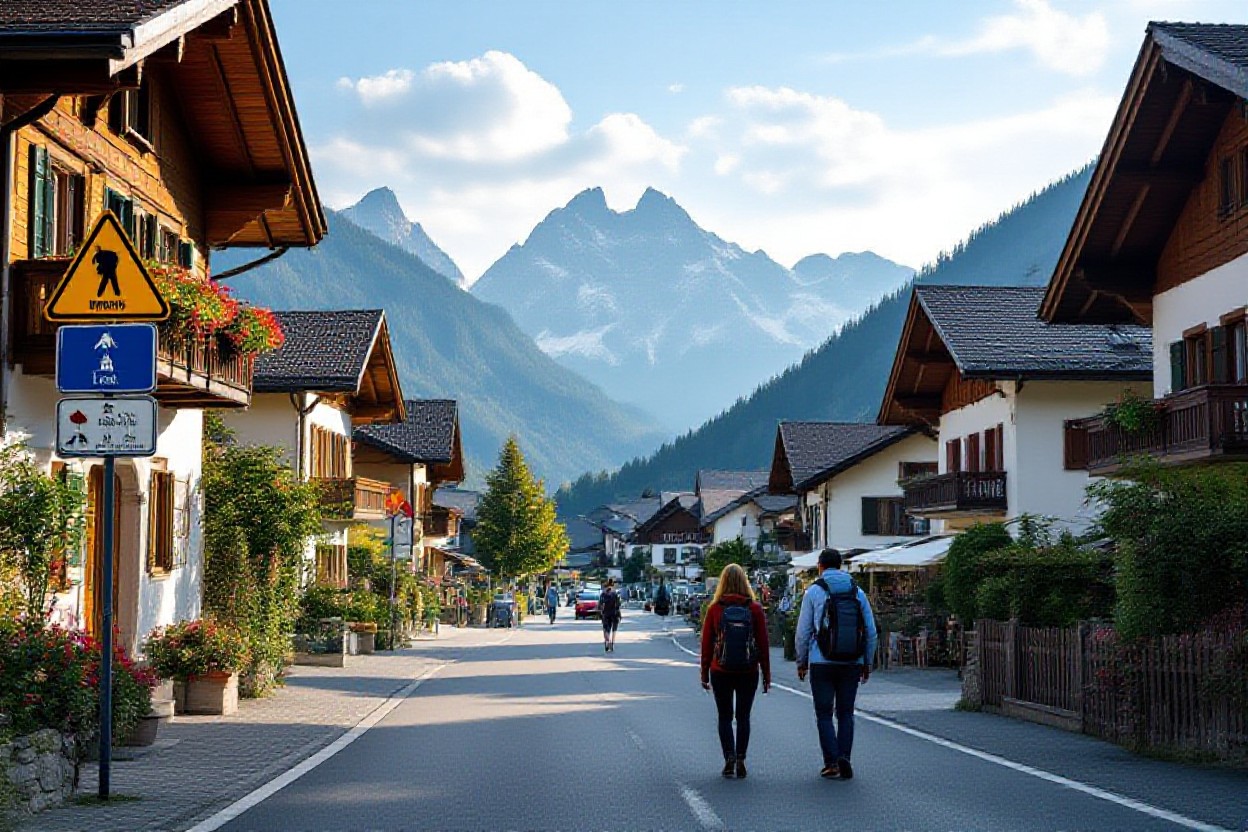
Austria’s tidy cities and punctual public transport mean you can navigate Vienna’s U‑Bahn, trams and ÖBB regional trains with confidence; Vienna consistently ranks near the top of global quality‑of‑life lists. You’ll find low violent crime-petty theft is the main concern around tourist hubs-clear signage for Alpine hiking routes and mountain huts, and helpful tourist offices at major stations. Emergency services use 112, and English is widely understood in cities, making logistics effortless for solo travellers.
Estonia
Estonia combines safety with digital convenience: since launching e‑Residency in 2014 it has attracted tens of thousands of users, and most public services are available online. Tallinn’s compact Old Town and Tartu’s student‑friendly streets are well lit and English‑friendly, while dozens of coworking spaces and high‑speed internet make remote work easy. You’ll experience low violent crime, affordable cafés for evenings out, and a single emergency number (112) for quick assistance.
Comparison of Safest Cities
| City | Key safety takeaway for solo travellers |
|---|---|
| Tokyo | Ultra-low violent crime, visible koban (police boxes), punctual rail network for safe late-night travel |
| Copenhagen | High cycling modal share (~50% central), well-lit streets and pedestrianised areas, low street crime |
| Zurich | Top-ranked for quality of life, punctual S‑Bahn/trams, straightforward healthcare and emergency services |
| Taipei | Safe night markets, efficient MRT with clear English signage, friendly locals and visible transit staff |
| Wellington | Compact CBD, reliable bus network, small‑city feel (city pop. ~215,000) for quick assistance |
Tokyo
In Tokyo you’ll notice how low violent crime and the network of koban (local police boxes) make solo night walks reassuring; public transport runs frequently – often every 5-10 minutes at peak – and major stations have multilingual signage and staffed help desks for quick assistance.
Copenhagen
In Copenhagen you benefit from separated cycle lanes and a high cycling rate in the city centre, so you can choose bike, walk or short metro hops with confidence; pedestrianised Strøget and well-lit waterfronts keep popular routes safe after dark.
You should use bike-sharing or regulated taxis for late journeys, since Copenhagen’s municipal safety initiatives pair CCTV at transit hubs with visible patrols; incidents are mostly limited to occasional petty theft, so secure bags and avoid isolated alleys late at night.
Zurich
In Zurich you’ll find very low violent crime and punctual public transport that links airport to city centre in about 10-15 minutes, making arrivals and departures low-stress; English is widely spoken and emergency services are efficient.
You can rely on clear tram and S‑Bahn timetables and the tourist police presence near Bahnhofstrasse during peak season; pickpocketing tends to spike only at crowded events, so remain aware on trams and at markets.
Taipei
In Taipei you can explore night markets solo thanks to low violent crime, friendly vendors and an MRT system that’s clean, safe and well signed in English, with stations staffed late into the evening for help and directions.
You should carry an EasyCard for seamless transfers and expect visible transit staff and CCTV at major hubs; common-sense precautions apply-watch personal items in crowded night markets and use licensed taxis after hours for longer trips.
Wellington
In Wellington you’ll enjoy a compact, walkable CBD where you can reach most cafés, galleries and the waterfront quickly; the city’s roughly 215,000 residents contribute to a helpful local vibe and easy access to services when you need them.
You’ll find regular bus links and short taxi rides between neighbourhoods, plus community policing in central wards; be mindful of exposed waterfront areas on very windy nights and take well-lit main routes when returning late.
Travel Tips for Solo Adventurers
You should plan routes around reliable transit-Japan and Singapore trains run to the minute and Iceland’s road network is well signposted for solo road trips. Set nightly check-ins with someone at home, keep digital and paper copies of your passport, and book centrally located lodging in cities like Lisbon, Wellington or Zurich for easier exits. Use official taxi apps (Grab, Uber, local equivalents) after dark. Thou save emergency numbers, insurer hotlines and embassy contacts in multiple places.
- Share a simple daily itinerary with a trusted contact.
- Prefer daylight for exploring unfamiliar neighborhoods.
- Use official transport apps and verified taxis late at night.
- Keep a digital copy and a paper backup of important documents.
Staying Connected
You can rely on eSIMs in Estonia, Singapore and many EU countries for instant data; buy a 5-20GB eSIM or a local SIM at the airport on arrival. Carry a 10,000mAh power bank, preload offline maps (Google Maps or Maps.me) and use local messaging apps-LINE in Japan/Taiwan, WhatsApp in Europe/Latin America-to keep check-ins fast and cheap.
Emergency Contacts
You must save local emergency numbers and international fallbacks: EU-wide 112, Japan police 110 / fire‑ambulance 119, Canada/US 911, New Zealand 111, Singapore police 999 and ambulance/fire 995. Add your insurer’s 24/7 hotline and your embassy or consulate phone so you can call quickly from a locked screen or ICE entry.
Register with your government’s service before departure (for example, US STEP or the UK FCDO travel register) so authorities can contact you in crises. Keep a physical list with embassy addresses, your policy number, nearest hospitals (e.g., St. Luke’s International in Tokyo, Landspítali in Reykjavik, Wellington Hospital) and translated phrases for “help” and “I need a doctor.” Store the same list in encrypted notes on your phone for offline access.
Resources for Solo Travellers
Use a mix of real-time communities, vetted apps and official channels: register with your embassy’s traveler enrolment (eg. US STEP), carry digital and paper copies of key documents, and pick a reliable insurer with 24/7 emergency support. You’ll lean on local expat forums for street-level tips, safety apps for instant help, and transport timetables for planning-especially in places like Japan, Singapore or Iceland where infrastructure varies between city and remote roads.
Online Communities
You should join subreddit threads (r/solotravel and country-specific subs), Lonely Planet’s Thorn Tree, Meetup groups and Facebook communities like “Women Who Travel.” These platforms let you ask targeted questions-such as which Tokyo neighbourhoods are safest at night or which Icelandic roads close in winter-and get answers from recent visitors or locals within hours, often including meetup invites, vetted homestays and transport hacks other guides don’t cover.
Safety Apps
Install a suite: TripWhistle for local emergency numbers (covers most countries), Safetipin for area safety scores, Noonlight or bSafe for SOS/GPS alerts, and Google Maps or WhatsApp for live location sharing with trusted contacts. You’ll want apps that work offline or pair with a satellite device in remote areas; in New Zealand or Iceland, for example, a Garmin inReach with SOS and two‑way messaging can be lifesaving where cellular signal drops.
Set up each app before you go: add emergency contacts, test SOS functions once you arrive, save offline maps and pre-load local emergency numbers. Also compare data options-buy a local eSIM or short-term plan for reliable coverage-and keep a portable charger; studies show many travel-incident responses fail due to dead batteries, so redundant power and a tested SOS routine give you the best chance of quick assistance.
To wrap up
The ranked list highlights destinations where you can travel solo with confidence: low crime, helpful locals, reliable transport and clear infrastructure-Japan, Iceland, Singapore and others top the list-so you can plan safer itineraries, stay mobile and enjoy rich experiences without compromising your personal security.
FAQ
Q: How were the “10 Safest Countries for Solo Travellers in 2026 (Ranked)” chosen?
A: The ranking combines multiple safety and travel-ease metrics: national and city-level crime rates, Global Peace Index and similar safety scores, reliability and coverage of public transport, healthcare accessibility, ease of communication (language and digital services), friendliness and hospitality indicators from traveller surveys, and infrastructure for solo travel such as pedestrian safety and tourist information. Data was weighted to favour low violent crime, predictable emergency response, and practical day-to-day safety (safe streets at night, secure accommodation, and trustworthy transit). Recent traveller reports and 2025-2026 updates to official statistics and tourism boards were used to verify on-the-ground conditions.
Q: Which country on the list is safest for solo female travellers and why?
A: Japan, Iceland and Singapore stand out for solo female travellers. Japan offers extremely low street crime, excellent public transport, clear signage, and respectful public behaviour; Iceland has minimal violent crime and a strong culture of trust ideal for outdoor exploration; Singapore combines strict law enforcement, excellent night safety, and clean, well-lit urban environments. New Zealand and Finland are also very female-friendly due to small-city safety, helpful locals, and straightforward emergency services. Solo female travellers should choose well-reviewed accommodations, use official taxis or ride-hailing apps at night, and follow local advice for remote outdoor activities.
Q: How safe is night travel and public transport in these countries?
A: Night travel is generally safe across the list, especially in major cities such as Tokyo, Copenhagen, Zurich, Taipei and Wellington. Public transport systems in Japan and Singapore run late, are well-staffed, and have strong surveillance and customer service. In New Zealand and Canada, intercity night services exist but caution is advised in remote areas; plan connections and confirm last departures. Iceland requires careful planning for after-dark driving; roads can be empty and weather can change rapidly. Use official rail and bus operators, licensed taxis or platform-based ride-hailing, keep journeys tracked with a friend, and check local transport apps for service updates.
Q: What should a solo traveller prepare before visiting one of these countries?
A: Prepare by securing comprehensive travel insurance that covers medical evacuation and activities you plan to do, registering with your embassy or consulate where available, and downloading local emergency numbers and transport apps. Carry digital and physical copies of passports and important documents, activate a local SIM or an international roaming plan, and set up offline maps. Share a basic itinerary with a trusted contact and schedule check-ins. For countries with remote attractions (Iceland, New Zealand), pack appropriate gear, check weather forecasts, and book reputable guided options if venturing off main routes.
Q: Which of the listed countries are most budget-friendly or best for digital nomads?
A: Estonia and Portugal are top choices for budget-conscious and digital-nomad travellers. Estonia offers e-residency-friendly services, affordable living costs (outside Tallinn’s centre), fast public Wi‑Fi and a strong digital infrastructure. Portugal combines relatively low costs in smaller cities, excellent short-term rentals, warm hospitality and good air connections. Canada and Ireland can be mid-range but offer seasonal work and long-stay options in some cases; Japan and Singapore are higher-cost but offer efficiencies (cheap local transport and high safety) that can offset expenses. Tips to save: use shared accommodation or monthly rentals, travel off-peak, cook some meals, and choose second-tier cities with good connectivity.