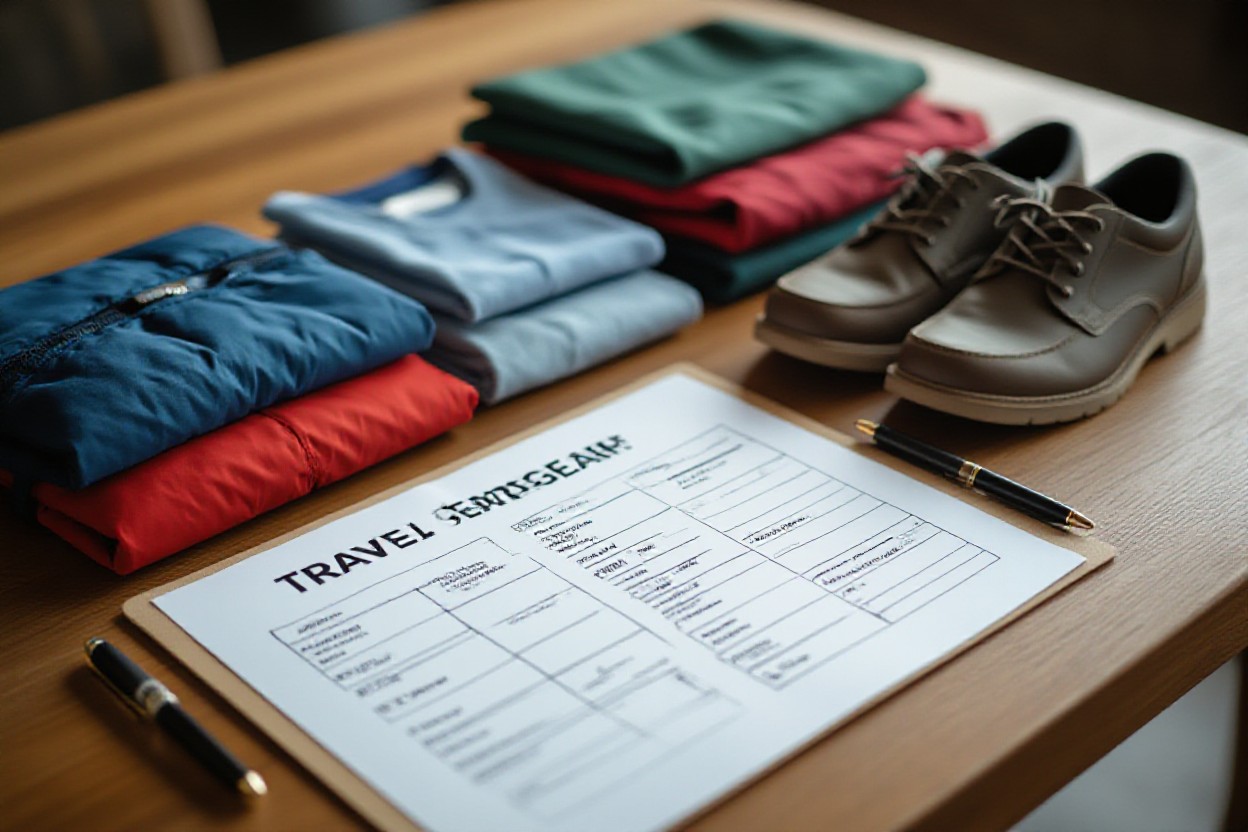
Checklist: This authoritative, minimalist guide helps you strip your kit to importants-passport, insurance, phone and charger, lightweight layers, reusable bottle, compact tech and travel-size toiletries-while advising what to leave behind (full-size products, extra shoes, heavy jackets, bulky gadgets) so you pack smarter and travel lighter.
Key Takeaways:
- Pack only importants: passport, travel insurance, phone + charger, lightweight clothing, and a reusable water bottle.
- Prioritize lightweight, versatile clothing and layer instead of bringing heavy jackets.
- Bring compact tech: power bank, universal adapter, noise-cancelling headphones, and trackers for lost items.
- Use travel-size and solid toiletries plus a basic first-aid kit to save space and weight.
- Leave bulky or duplicated items behind-full-size toiletries, too many shoes, and unnecessary gadgets.
Travel Essentials
Important Documents
Pack your passport and travel insurance policy (include the policy number) with two physical photocopies and encrypted digital backups in cloud storage. Many countries require passport validity of at least 6 months and multiple blank pages, and some visas or entry forms demand proof of onward travel. Bring your driver’s license and an international driving permit if you’ll rent a car, store originals in a waterproof pouch, and give a copy to a trusted contact at home.
Money and Payment Methods
Carry a mix of payment options: $50-$200 in local cash for the first 24-48 hours, one primary chip-and-PIN credit card with no foreign-transaction fees, and a backup debit card for ATMs. Notify your bank before travel and set appropriate daily ATM limits (commonly $200-$500). Split cash and cards between your carry-on and a hidden pouch to reduce loss risk.
Avoid dynamic currency conversion at the point of sale-paying in local currency often saves 3-8% versus DCC. Use bank-branded ATMs for better exchange rates and lower fees (many charge $2-$5 plus a small FX markup). Keep an emergency $20-$50 in USD or euros separate from your main stash, and rely on your banking app to lock or unfreeze cards instantly if one is lost or compromised.
Clothing
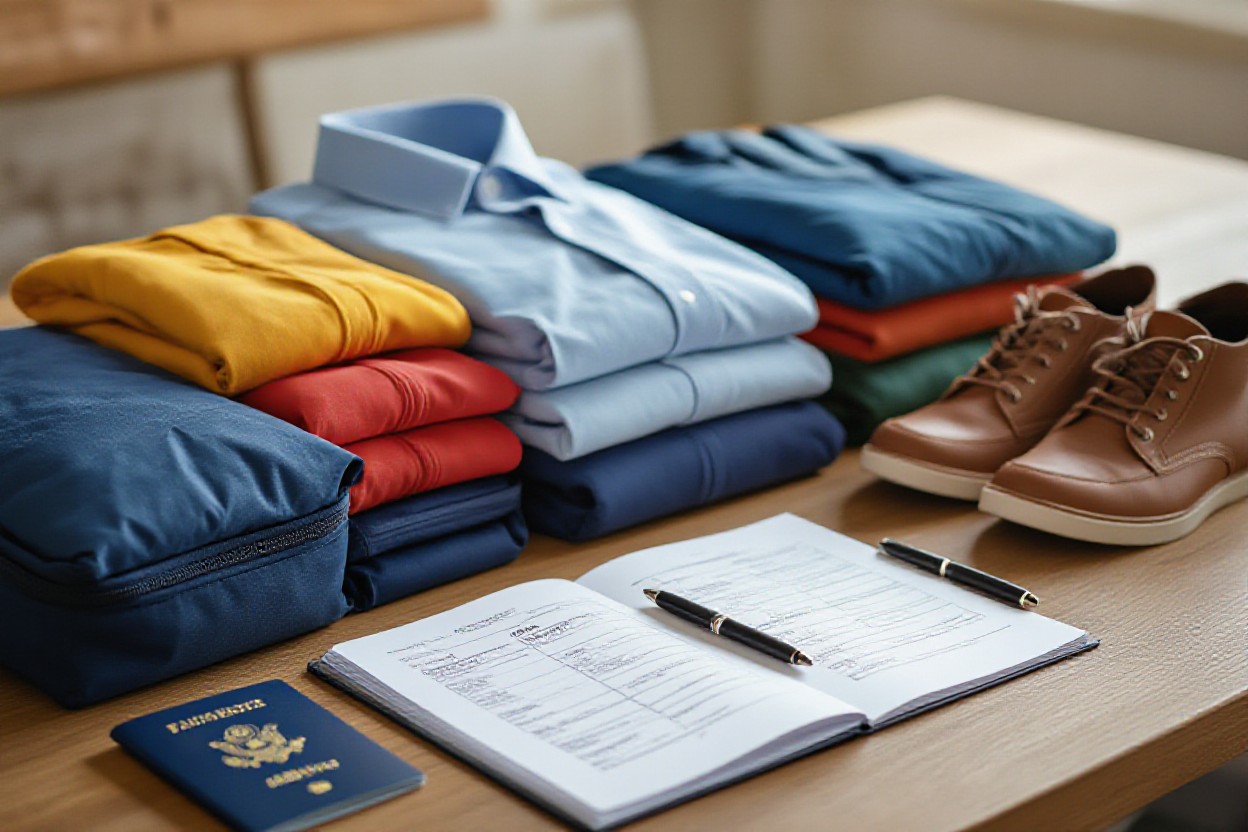
Strip your wardrobe to multi-use pieces: pack 3-4 tops (two quick-dry tees, one merino long-sleeve, one dressier shirt), 2 bottoms (one travel pant, one pair of shorts or convertible zip-offs), 4-7 underwear and 3-4 pairs of socks based on laundry access. Choose merino or nylon blends (shirts ~150-200 g) that resist odor and compress well. Roll or bundle to save space and keep overall carry weight down; skip a heavy coat and rely on layering instead.
Lightweight Clothing
Favor merino and synthetic fabrics: a 150 g merino tee can be worn 3-5 days without smelling and dries fast, while nylon-blend travel pants often weigh 250-350 g and wick moisture. Bring one long-sleeve merino, two short-sleeve tees, quick-dry shorts, and a swim piece if needed. Prioritize items that pack small, dry in under an hour, and serve multiple roles-daywear, sleepwear, and a light layer for cooler evenings.
Accessories and Layers
Bring a packable down puffer (250-350 g) plus a lightweight rain shell (200-300 g) and thin fleece midlayer for versatility. Include a compact hat, neck gaiter, thin gloves, and a belt that doubles as security; a compression sack or the puffer’s own stuff-sack saves space. These small pieces let you adapt from warm days to 0-15°C nights without lugging bulk.
Use the three-layer principle: a merino base for moisture control, a synthetic/fleece or 100 g down midlayer for insulation, and a breathable waterproof shell for wind and rain. For example, merino base + 100 g puffer + 3-layer shell covers damp, chilly mountain mornings to wet urban days. Pack layers that compress to a fist, and choose shell features like pit zips and taped seams for real-world protection without extra weight.
Footwear
Choosing the Right Shoes
You should aim to bring two pairs: wear a supportive sneaker on travel day and pack a compact second pair like sandals or foldable trainers. For city trips choose lightweight sneakers (300-450 g) with breathable mesh and 8-12 mm cushioned midsoles; for hikes opt for trail runners or low-cut boots with 4-6 mm lugs. Favor neutral colors and quick‑dry fabrics to maximize versatility.
Specialty Footwear
If your itinerary includes rugged hikes, climbing, or business meetings, you’ll need specialty shoes: waterproof hiking boots (900-1,200 g) for multi‑day trails, trail runners (~300-400 g) for fastpacking, climbing shoes for crags, and lightweight leather oxfords for formal events. Only bring one specialty pair unless activities overlap; otherwise rent or buy locally to save baggage space and weight.
Pay attention to fit and features: waterproof membranes like Gore‑Tex add 100-300 g and reduce breathability, so choose them only when wet conditions are likely. Try shoes with about 1 cm toe room and under 1 cm heel slip during a 10‑minute walk to avoid blisters on multi‑day treks. You can also save space by wearing heavier boots on the plane and stuffing socks inside shoes.
Tech Gear
Trim your gadgets to the importants: bring your phone, charger, a 10,000-20,000 mAh power bank, a compact universal adapter with USB‑C PD, and noise‑cancelling headphones if you need sleep or work on the move. One quality pair replaces earbuds and a bulky speaker, and adding an AirTag/Tile to checked luggage gives you extra visibility. You should avoid redundant cameras, spare chargers, and other bulky gadgets that just add weight.
Devices and Chargers
Pack your phone and only one multipurpose device (tablet or a lightweight laptop under ~1.2 kg) if you’ll use it; skip both otherwise. Carry a 65W USB‑C GaN charger to serve multiple devices, one 10,000 mAh power bank (≈37 Wh) for 1-2 full phone charges, and an organized set of USB‑C/Lightning cables. Keep power banks in carry‑on: up to 100 Wh is allowed without airline approval; 100-160 Wh requires airline sign‑off.
Safety and Navigation Tools
Slip an AirTag or Tile into checked luggage and attach a second tracker to your primary bag or valuables so you can locate them quickly. Download offline maps for your destinations and at least a 50 km radius around planned hikes, carry a compact flashlight (100-300 lumens), a travel lock, and a small personal alarm for crowded transit. These items keep you oriented and give you options if connectivity fails.
For remote trips, consider a satellite messenger like the Garmin inReach Mini (around $300-350) with subscription plans starting near $10/month for two‑way texting and SOS; that extra layer matters outside cell coverage. AirTags last about a year on a CR2032 battery and Tiles vary by model, so pack replacements. You should place one tracker inside checked suitcases and one on carry items, and practice offline maps and compass apps before you go.
Toiletries
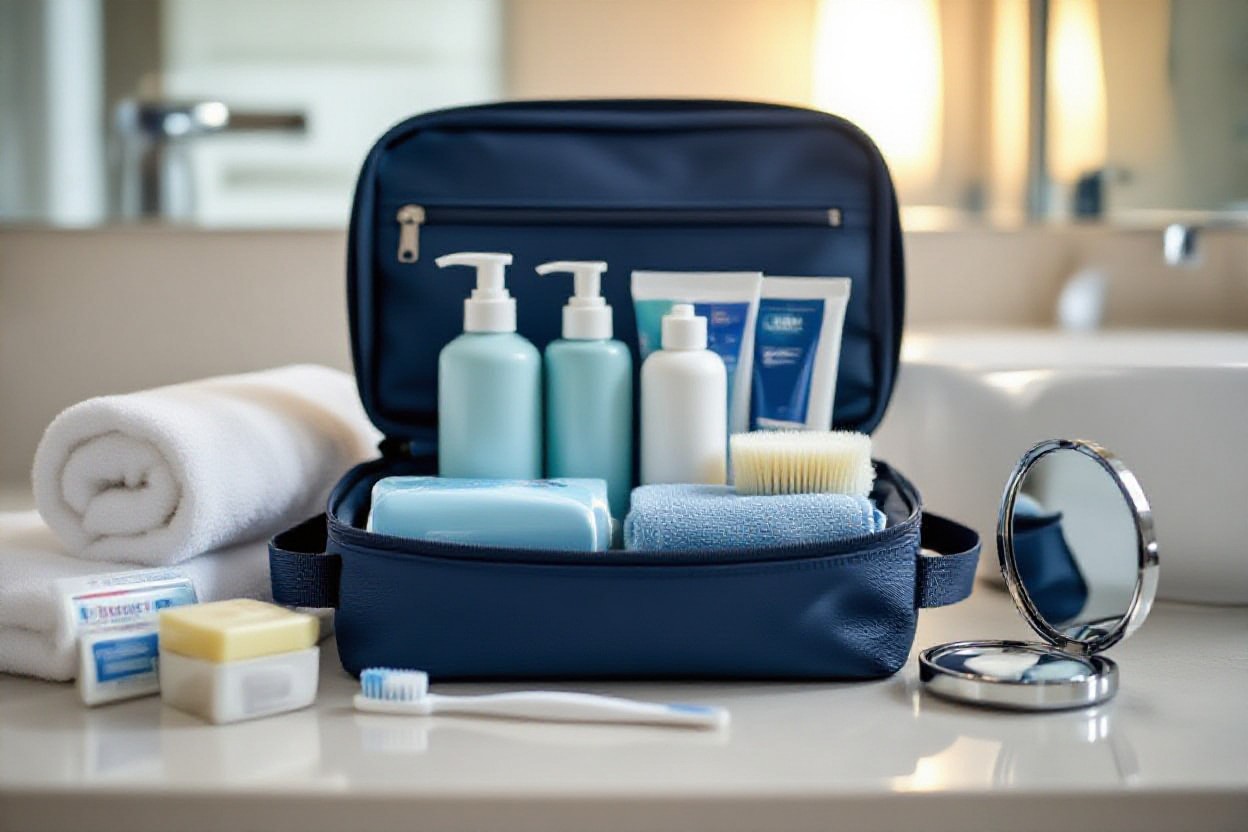
Keep toiletries functional and minimal: pack travel-size importants like a toothbrush, toothpaste, deodorant, sunscreen, a solid shampoo bar, and a compact first-aid kit. You must keep liquids within the TSA 100 ml (3.4 oz) limit and store them in a single quart-size clear bag for security. If you take prescription meds, carry the original labels and a copy of the prescription. Aim for 6-8 items to cut bulk and simplify packing.
Packing Essentials
Include a clear quart zip-top bag, one travel toothbrush, a small tube (30-50 ml) of sunscreen, a travel deodorant stick, a 2-in-1 solid shampoo bar, a compact razor, and a basic first-aid pack (plasters, ibuprofen, antihistamine). You should use refillable silicone bottles for lotions and keep medications in original, labeled containers; pack the quart bag in an outer pocket for easy security access.
Travel-Sized Products
Stick to containers ≤100 ml (3.4 oz) and consolidate all liquids into one clear bag to avoid delays at security; solid alternatives like shampoo bars and toothpaste tablets remove liquid limits entirely. You can save space and weight by swapping bulky 200-250 ml bottles for a single bar, and by choosing multi-use products (moisturizer that doubles as hand cream). Prioritize leakproof packaging and lightweight formulas.
For longer trips, bring 30-100 ml refillable bottles labeled with contents and weigh them-aim for total toiletries under ~500 g to stay minimalist. One solid shampoo bar often replaces a 200-250 ml bottle, while toothpaste tablets eliminate the need for tubes; store creams in silicone jars and pack cotton pads in a small mesh pouch to keep everything organized and compact.
Health and Safety
Prioritize a compact health-and-safety setup: carry a lightweight kit (under 500 g) with a copy of prescriptions, emergency contacts, and your travel insurance policy number. Know local emergency numbers (112 in the EU, 911 in the US) before arrival, store important documents both digitally and on paper, and place your medicines in your carry-on to avoid loss from checked luggage.
First-Aid Kit
Pack a small first-aid kit sized to fit your toiletry bag: include 10 adhesive bandages (various sizes), 4 sterile gauze pads, 10 antiseptic wipes, 4 blister patches, tweezers, small scissors, medical tape, an elastic bandage, and a thermometer. Add single-dose oral rehydration salts and a basic analgesic (paracetamol or ibuprofen) for common issues.
Medications and Health Supplies
Keep prescriptions in original bottles, carry at least a 3-day extra supply (7 days for long trips), and bring a printed prescription plus a medication list with generic names. Store temperature-sensitive meds in an insulated pouch, keep everything in your carry-on, and check local legality for controlled drugs-some countries restrict codeine and pseudoephedrine.
For specific needs, carry two epinephrine auto-injectors if prescribed and check expiry dates; insulin users should bring cold packs and a glucose meter. If you travel to tropical areas, consult travel medicine for vaccines and antimalarials and get prescriptions written in both English and the local language to speed replacements. Back up prescriptions with photos stored in the cloud and on your phone.
Conclusion
Summing up, you can travel lighter and smarter by prioritizing document safety, crucial tech, compact toiletries, versatile clothing, and a small first-aid kit, while leaving full-size bottles, extra shoes, heavy jackets, and bulky gadgets at home; pack multi-use items, use lightweight layers and trackers for peace of mind, and focus on what supports your trip rather than what’s tempting to bring.
FAQ
Q: What are the absolute crucials I should pack for a minimalist trip?
A: Pack items that cover identity, safety, communication, and basic comfort: passport and photocopy/digital scan, travel insurance info and emergency contacts, phone and charger, lightweight versatile clothing, reusable water bottle, travel-size toiletries and solid shampoo bars, basic first-aid kit, power bank, universal adapter, noise-cancelling headphones, and AirTags/trackers for valuable items. Keep documents and chargers in your carry-on, consolidate toiletries into one clear bag to pass security, and prioritize multi-use pieces to reduce count.
Q: How do I decide which clothing and shoes to bring without overpacking?
A: Choose neutral, quick-dry layers that mix and match: 2-4 tops, 1-2 bottoms, one lightweight jacket for layering, underwear for each day or plan to wash, and a versatile dress or shirt if needed. Limit shoes to two pairs: one comfortable walking shoe and one compact option (sandals or lightweight sneakers). Roll clothes or use packing cubes to save space and compress items; pick fabrics that resist wrinkles and dry fast so you can do laundry mid-trip instead of packing extras.
Q: Which tech gear should I actually bring, and what should stay home?
A: Bring compact, high-utility tech: phone with offline maps and tickets, charger and a single power bank, universal adapter, noise-cancelling headphones for flights, and one tracker for checked luggage or key items. Leave behind bulky gadgets you won’t use daily-extra cameras, large drones, or multiple tablets-unless your trip purpose requires them. Preload entertainment and backups of important documents to cloud or encrypted drives to reduce dependency on physical devices.
Q: What toiletries and medical items are most useful for travel-size packing?
A: Use travel-size containers and solid alternatives: toothpaste, deodorant, sunscreen, travel-size moisturizer, solid shampoo and conditioner bars, a small razor, and a compact toothbrush. Include medications you take regularly plus a tiny first-aid kit: adhesive bandages, antiseptic wipes, pain reliever, blister pads, and any allergy meds. Keep liquids under airline limits in a single clear bag and place meds and crucials in your carry-on for quick access.
Q: What should I avoid packing to keep my bag light and practical?
A: Skip full-size toiletries, multiple spare shoes, heavy winter coats when layering will do, bulky gadgets you won’t use, and too many “just in case” outfits. Avoid packing duplicate chargers and cables by consolidating to one multiport charger and a short cable for everyday use. Plan to access local resources (laundry, inexpensive gear) or buy consumables at your destination rather than carrying them from home.