Most travelers can ditch chaos with a few systems that help you glide through airports, packing and stays: photograph your luggage, use digital boarding passes, join fast-track lanes and arrive an hour early; pack with cubes, roll clothes, carry importants and a laundry bag; vet stays with Google Street View, message hosts for early check-in and ask hotels for free upgrades; fix problems by AirTagging bags, adjusting sleep two days before trips to beat jet lag, and scheduling a rest day to reset.
Key Takeaways:
- Airport: Photograph luggage before checking, use digital boarding passes, join fast-track lanes, and arrive about 1 hour earlier than needed.
- Packing: Use packing cubes and roll clothing to save space, bring a laundry bag, and keep imperatives in your carry-on.
- Accommodation: Check the neighborhood with Google Street View, message hosts for early check-in, and ask hotels for free upgrades.
- Problem solvers: AirTag checked bags, adjust your sleep schedule two days before travel to combat jet lag, and schedule at least one rest day per week to reduce stress.
Airport Hacks
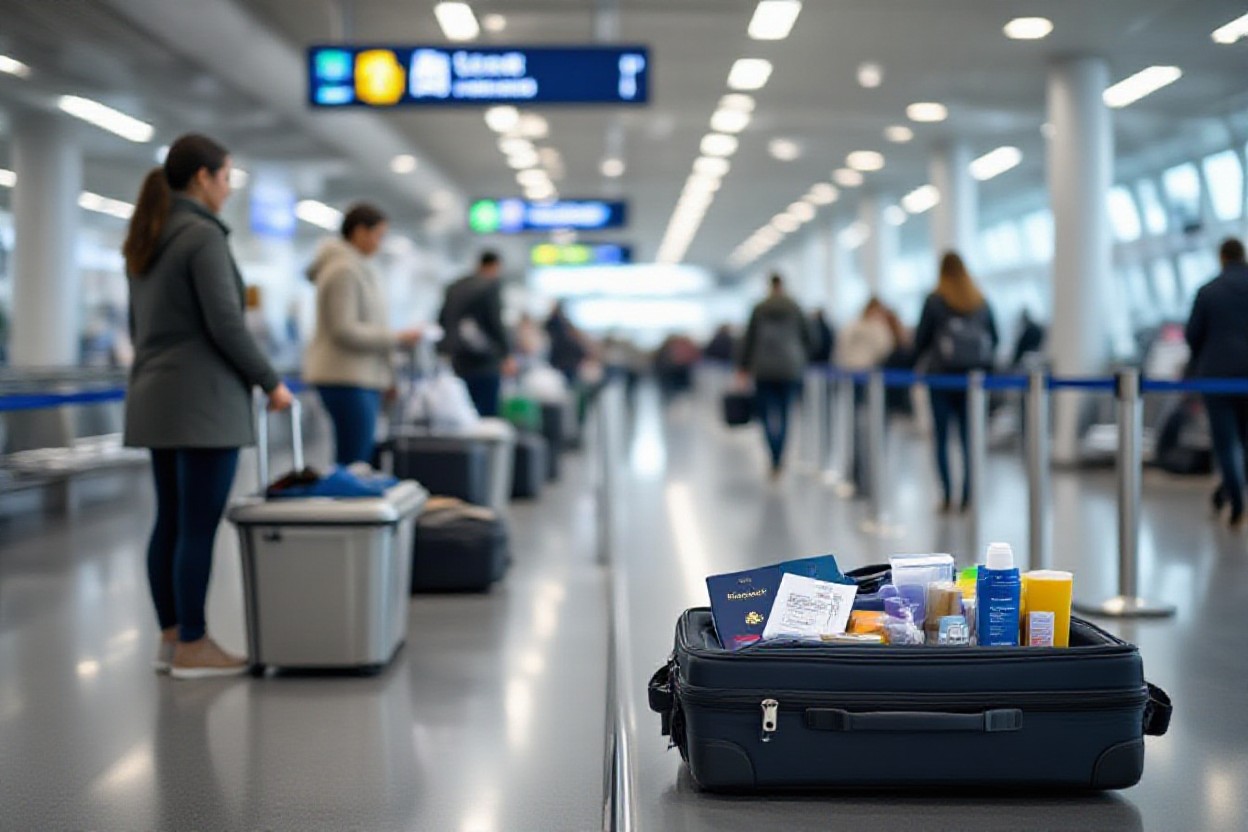
Use digital boarding passes, photograph your luggage, and join fast-track lanes to shave minutes off your airport routine; you’ll avoid paper hassles and speed baggage reunification if loss occurs. Arrive about 1 hour earlier than needed for short-haul trips to allow for check-in and unexpected delays, and tag bags visibly with your phone number.
Efficient Check-In Strategies
Check in online 24 hours before departure and download your mobile boarding pass; self-service kiosks and dedicated bag-drop counters can cut queue time by 10-20 minutes. Weigh checked bags at home to avoid overweight fees, use priority or airline apps for real-time gate updates, and group travel parties to use a single checked-bag transaction when possible.
Navigating Security with Ease
Follow the 3-1-1 rule-containers of 3.4 oz (100 ml) or less in one quart-size clear bag per passenger-and remove laptops into separate bins unless you have TSA PreCheck. Wear slip-on shoes and empty pockets; with PreCheck or CLEAR you often bypass shoe and laptop removal and significantly reduce wait times.
Place your quart bag at the top of your carry-on for instant removal, keep medications and baby food accessible and labeled, and fold outerwear onto the belt rather than wearing bulky coats. Present ID and boarding pass together, use family lanes when traveling with children, and consult airport apps for live security wait estimates before you head to the checkpoint.
Packing Hacks
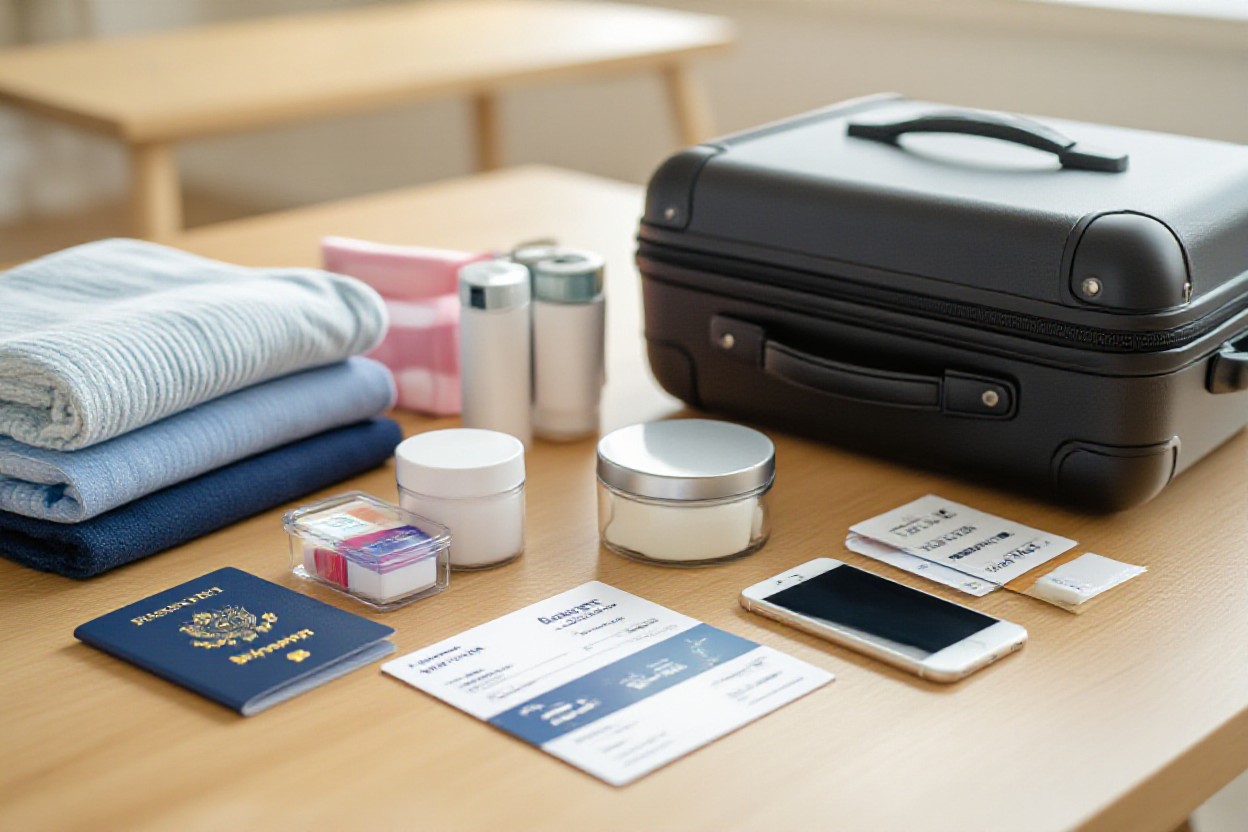
Use packing cubes to group outfits, roll clothing to save space and reduce creases, and stow a small laundry bag to separate worn items. Keep importants-passport, chargers, medication, a change of underwear-in your carry-on so a delayed bag doesn’t derail your first day. For trips under seven days, aim for one cube per outfit and wear your bulkiest shoes on the plane to cut checked-luggage needs.
Organization Techniques
Color-code cubes by purpose-one for tops, one for bottoms, one for toiletries-and label them with a sticky tab or phone photo so you can pull the right cube in under a minute. Pack socks and underwear in a tiny cube or shoe to avoid losing small items, and keep a clear 1L bag for liquids to pass TSA quickly. Plan outfits in advance: three shirts and two bottoms cover most five-day trips.
Maximizing Space in Luggage
Roll t-shirts and thin garments tightly, bundle-wrap dressier pieces to reduce seams, and stuff shoes with socks or chargers to use every cavity. Use a compression sack for bulky items-down jackets shrink dramatically-and put heavy items near the suitcase wheels for balance. For a 5-day trip, rolling plus cubes often lets you fit everything into a 22-24″ carry-on instead of checking a bag.
Compression sacks can cut volume by about half for compressible items like puffer jackets; however, they’re less useful for structured clothes. Alternate rolling and flat-packing: roll casual wear and lay flat any wrinkle-prone dress shirts inside a garment folder. Keep a slim toiletry kit with 100 ml bottles in a clear pouch and wear your jacket and heaviest shoes on travel days to free up 1-2 liters of luggage space.
Accommodation Hacks
You can shave stress by scouting addresses on Google Street View to confirm entrances, nearby transit and a 3-5 minute walk to the metro, then message hosts 24-48 hours before arrival to request early check-in or luggage drop. Try asking hotels for complimentary upgrades at check-in-ask politely during weekday arrivals when occupancy is lower. Keep a photo log of the room on arrival to speed up any damage disputes and note whether the building faces a busy street or a quiet courtyard.
Enhancing Your Booking Experience
Use filters to check free cancellation and read the last 20-30 reviews for recent trends like noise or broken A/C. Plug the exact address into Google Maps to measure walking time to your key sights and view Street View for stairs or elevator access. Call the property to confirm amenities (gym hours, Wi‑Fi speed) and mention any loyalty program or credit card benefits that can unlock upgrades or free breakfast.
Making the Most of Your Stay
On arrival, ask the front desk about free extras-late checkout until 1-3 PM, luggage storage, or complimentary maps-and request a room change immediately if the unit is noisy or poorly cleaned. Use the concierge to book off-peak tour slots and restaurant reservations to avoid waits, and stash valuables in the in-room safe; many hotels provide adapters or loan them at the desk.
Plan simple routines: photograph receipts and any preexisting damage within the first hour, note laundry turnaround (often 24 hours) and nearby laundromats for same-day service, and register any service issues promptly so staff can fix them. If you want an upgrade, try a friendly mention of special occasions or a brief loyalty-program note-upgrades are more likely when occupancy is low and you ask in person. Use hotel apps or the concierge to score local tips and shorter booking windows for activities.
Smart Travel Problem Solvers
When plans snag, use targeted fixes: tuck an AirTag into checked luggage, shift your sleep schedule 48 hours before long flights, and carve out one rest day per week on extended itineraries-these specific steps cut recovery time, speed up lost-bag resolution, and prevent travel burnout.
Managing Lost Items
You should hide an AirTag inside a zipped pocket of checked bags (battery lasts about a year) and register it in Find My; also photograph your luggage and contents, report loss at the airline desk immediately, file a claim within 24 hours for faster processing, and keep receipts and the airline’s reference number for reimbursements.
Overcoming Jet Lag
Begin shifting your sleep 48 hours before departure by moving bedtime 1-2 hours per night toward destination time, use 0.5-3 mg melatonin 30 minutes before your target bedtime, and time bright-light exposure to the local morning/evening to shrink adjustment to roughly 24-48 hours for most people.
For eastward travel (advance your clock) seek morning light and avoid late-evening screens; for westward travel (delay) get evening light and skip early mornings. Example: New York→London (≈5-hour difference) – go to bed two hours earlier the two nights before, limit naps to 20 minutes on day one, avoid caffeine within six hours of bedtime, stay hydrated, and consider melatonin for the first two nights to anchor sleep to local time.
Stress Reduction Techniques
Split tasks into small, actionable steps: create a 48‑hour predeparture checklist, confirm bookings and transfers, and build a one‑day rest into longer itineraries. You can cut last‑minute friction by tagging checked bags with an AirTag, preloading digital boarding passes and offline maps, and setting flight alerts so you react to delays instead of panicking during them.
Planning and Preparation
Build a 48‑hour confirmation routine where you verify flights, message hosts for early check‑in, and confirm airport transfers. Pack a dedicated carry‑on with meds, charger, travel documents and both digital plus paper copies of IDs. Preload local transit apps and timetables, set push alerts for gate changes, and keep a simple 10‑item checklist for departure day to avoid forgotten crucials.
Mindfulness and Self-Care
Use short, targeted practices: try a 5‑minute box‑breathing session between checkpoints, nap 20-30 minutes during long layovers to reset energy, and plan one full rest day per week of travel. You should carry a small self‑care kit-earplugs, eye mask, hand cream and a snack-to stabilize mood and stamina when plans shift.
Deepen routines with tools and timing: run a 10‑minute guided meditation app during waits, do an 8‑minute stretch sequence after flights to reduce stiffness, and set hydration reminders to sip ~250-300 ml every 2-3 hours. Limit caffeine after mid‑afternoon local time and avoid alcohol at least 6 hours before sleep to help reset your body clock faster.
Essential Travel Tips
Prioritize a compact checklist that prevents last-minute scrambles: photograph passports and tickets, set alarms for transit connections, and save pin-drop routes in offline maps.
- Keep both digital and paper copies of passports and visas
- Pack a 10,000-20,000 mAh power bank and spare charging cable
- Tag checked luggage with an AirTag (about $29) or Tile
Thou should keep cloud backups synced and a paper itinerary in your carry-on to handle tech failures.
Must-Have Travel Gear
You’ll want a 10,000-20,000 mAh power bank, a universal travel adapter (multi-country), noise‑cancelling earbuds, an AirTag for checked bags, compression packing cubes, a collapsible 500 ml water bottle, and a compact first-aid kit; these items shave time and reduce friction-AirTag runs about $29, and a good power bank keeps a phone charged for 2-3 full cycles.
Apps and Tools for Smooth Travel
You should run TripIt or your airline app for consolidated itineraries and push alerts, Google Maps offline areas for navigation, FlightAware for live flight tracking, XE for currency, and Google Translate for quick translations; set seat alerts with SeatGuru and price alerts with Hopper or Skyscanner to catch drops.
Download offline map regions for each city you’ll visit (Google Maps offline lasts ~30 days), enable airline app notifications for gate or baggage updates, sync confirmations to TripIt (TripIt Pro ~ $49/yr for smart alerts), and store credentials in a password manager so you can access bookings fast-use Rome2rio for intercity transfers and WhatsApp or local SIM for reliable communication abroad.
Conclusion
The practical airport, packing, and accommodation hacks outlined-photograph your luggage, use digital boarding passes and fast-track lanes, arrive early, pack with cubes and rolls, keep carry-on vitals, check Street View, message hosts for early check-in or upgrades-combined with AirTags, jet‑lag sleep shifts and scheduled rest days will make your trips smoother and let you focus on enjoying the journey.
FAQ
Q: How can I breeze through airport check-in and security?
A: Photograph your ID and bags, use digital boarding passes, enroll in trusted traveler programs or fast-track lanes when available, and arrive about 1 hour earlier than you think you need to for domestic flights (longer for international). Wear easy-to-remove shoes, have electronics and liquids accessible, and check airport apps for real-time security wait times so you can adjust arrival if lines are short or long.
Q: What are the best packing techniques to avoid chaos and last-minute stress?
A: Use packing cubes to separate outfits and compress clothing, roll garments to save space and reduce wrinkles, and keep a lightweight laundry bag to separate dirty clothes. Pack a carry-on with importants: a change of clothes, basic toiletries in a TSA-compliant kit, chargers, medications, and important documents. Make a short checklist for outfits and items tied to planned activities to avoid overpacking.
Q: How do I choose and manage accommodations to prevent surprises on arrival?
A: Use Google Street View to inspect the neighborhood and building exterior before booking, message hosts or the hotel ahead of time to request early check-in or clarify access instructions, and politely ask at check-in about complimentary upgrades or better rooms – frontline staff can often help if availability exists. Save photos of directions, access codes, and host contact details offline in case of poor signal.
Q: What should I do if my luggage goes missing or is delayed?
A: Place an AirTag or similar tracker inside or on checked bags and take clear photos of the luggage and tags before handing them over. If a bag is lost, report immediately at the airline desk, provide your bag photos and baggage tag number, and request delivery to your accommodation. Keep a carry-on with one full outfit and importants so a delay won’t derail your first day.
Q: How can I reduce jet lag and overall travel stress during a trip?
A: Start shifting your sleep schedule toward your destination’s time zone about two days before departure, expose yourself to natural light on arrival to reset your circadian rhythm, stay hydrated, and avoid heavy meals and alcohol on the flight. To manage travel stress, build at least one rest day into longer itineraries, prepare a simple contingency plan for delays (contacts, backup accommodations, travel insurance), and keep digital and paper copies of important documents.